Attractions and Places To See around Segariu - Top 7
Attractions and places to see around Segariu include a blend of historical sites, cultural landmarks, and natural features. This agricultural village in the province of South Sardinia, Italy, is characterized by its rural landscape and rich historical background. The surrounding region offers a variety of points of interest, from ancient castles to unique natural monuments, providing a diverse exploration experience.
Best attractions and places to see around Segariu
- The most popular attractions is Castello di Las Plassas, a castle…
Last updated: May 19, 2026
Castello di Las Plassas
Highlight • Castle
Translated by Google •
Tip by

Natural Monument "Fossil Schist of Valmadrera 2012" by Pinuccio Sciola
Highlight • Natural Monument
Translated by Google •
Tip by

Sign up now to discover places like this
Get recommendations on the best single tracks, peaks, & plenty of other exciting outdoor places.
Sign up for free
Church of Santa Maria Assunta, Guasila
Highlight • Religious Site
Among the most important monuments is the church of Santa Maria Assunta, built in the mid-19th century.
Translated by Google •
Tip by
Murals and Public Art of Selegas
Highlight • Monument
Translated by Google •
Tip by
Domus de Janas
Highlight • Cave
Translated by Google •
Tip by

Sign up for free to discover even more attractions around Segariu.
Sign up for free
Already have an account?
Start today with a free account
Your next adventure awaits.
Login or Signup


Tips from the Community

Small town decorated with many colorful murals
1
0
The central square with the parish church is noteworthy, otherwise it is a small village like many in Sardinia.
1
0

Municipality of the Trexenta sub-region rich in archaeological remains from the Nuragic and Roman eras.
1
0
City located in the historic region of Trexenta. It is a city famous for durum wheat. Among the most important monuments is the church of Santa Maria Assunta, built in the mid-19th century.
1
0
Small town famous for its ancient castle dating back to the Giudicati age (10th-15th century). It is also known by the name of Castello di Marmilla, from the name of the sub-region in which it is located.
1
0

Municipal park with bar (closed when I pass) and with sculpture by the famous Sardinian sculptor Pinuccio Sciola, who unfortunately passed away.
1
0

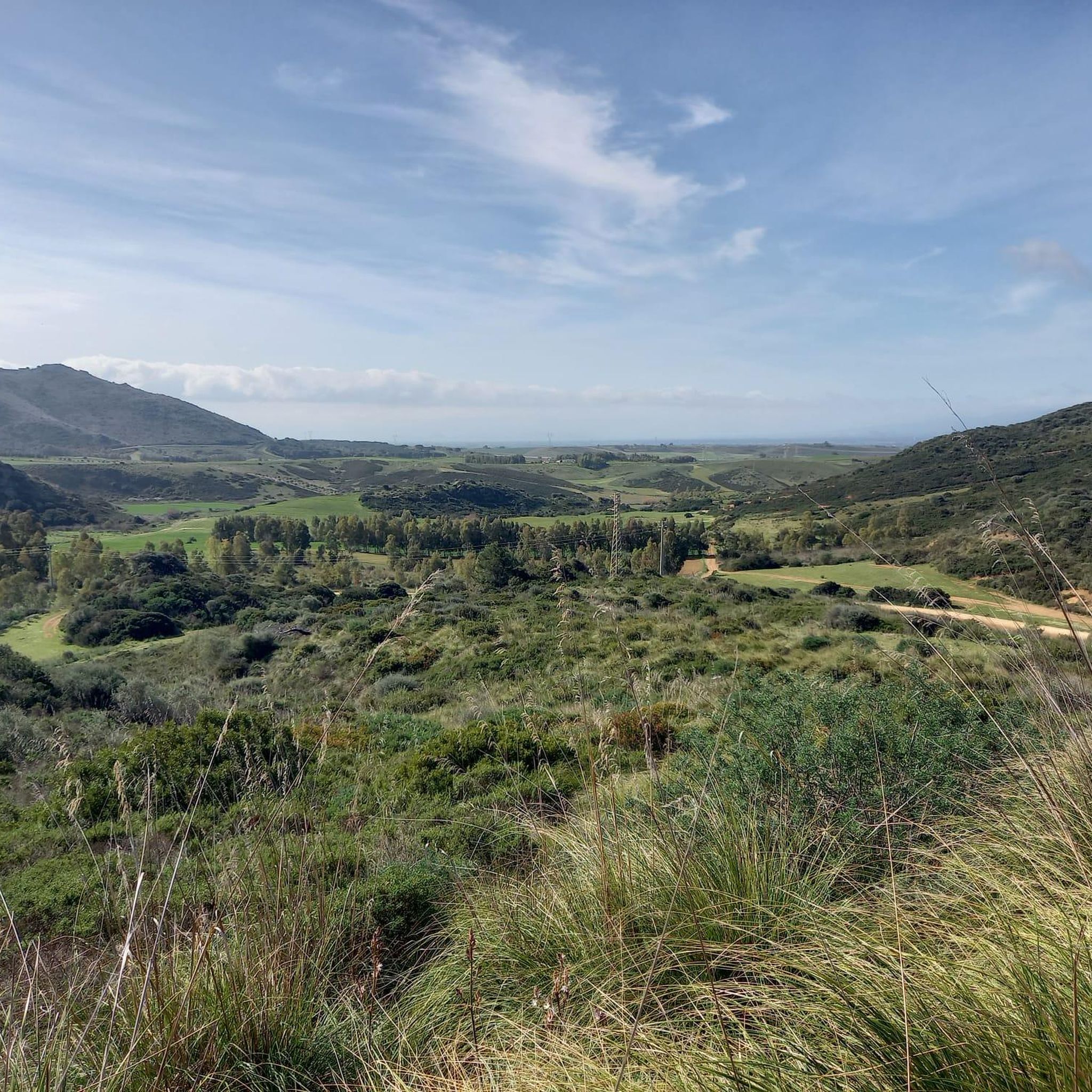
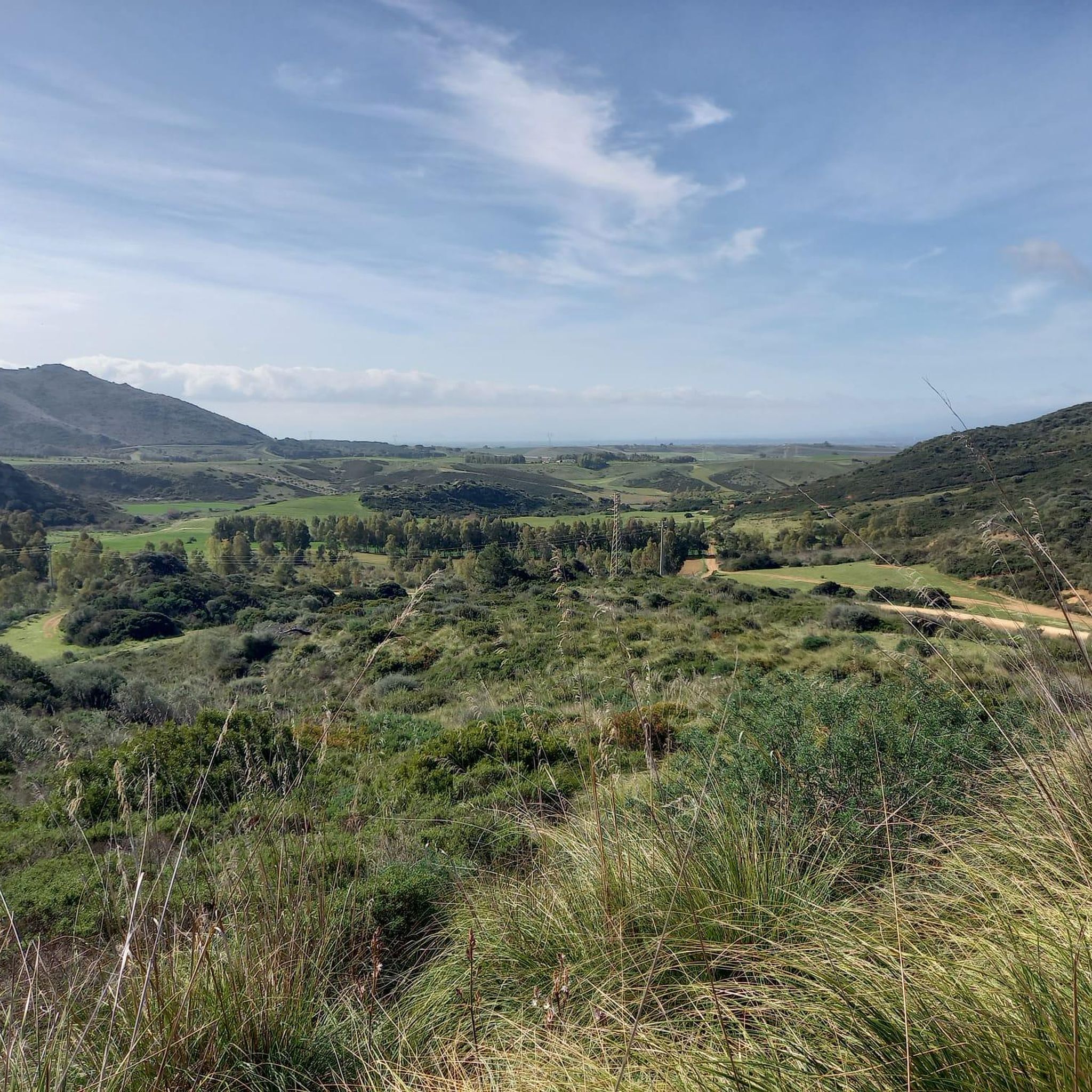
Short excursion in the hills that divide the municipalities of Serrenti, Guasila, Segariu and Furtei. You can enjoy a spectacular 360 degree panorama with a view of the lake, of the Middle Campidano, furthermore if you go beyond the concrete cabin you can admire the Domus de Janas. The destination can also be reached by MTB.
2
0
Frequently Asked Questions
What historical sites can I explore around Segariu?
The region around Segariu is rich in history. You can visit the ancient Castello di Las Plassas, which dates back to the Giudicati age. Within Segariu, the Rural Church of Santa Maria Maddalena is built upon Nuraghe ruins and features a Bronze Age well. Other significant archaeological findings include Nuraghe Sant'Antonio, the necropolis of Sa Tumba, and the pre-Nuragic village of Costa Faccia Bidda. Further afield, the Menhirs of Pranu Muttedu in Goni offer a glimpse into ancient civilizations.
Are there any natural attractions or parks near Segariu?
Yes, Segariu is surrounded by natural beauty. The Natural Monument "Fossil Schist of Valmadrera 2012" by Pinuccio Sciola is located within a municipal park in Segariu. A short drive away, the Giara di Gesturi is a unique plateau known for its wild horses and rich biodiversity. The Monte Arci Regional Park offers a volcanic landscape with diverse flora and fauna, ideal for hiking. Segariu itself is nestled in a rural landscape, traversed by the Rio Pardu.
What kind of outdoor activities can I do near Segariu?
The area around Segariu is excellent for various outdoor activities. You can find numerous routes for running, mountain biking, and cycling. For instance, there are several running loops from Serrenti and Guasila, and challenging MTB trails like the 'Cave loop from Guasila'. Cyclists can enjoy longer tours such as the 'Gonnosfanadiga and Villacidro Loop from Sanluri'. You can explore more options on the running trails, MTB trails, and cycling routes guides around Segariu.
Are there family-friendly attractions in the Segariu area?
Absolutely. Families can enjoy the municipal park in Segariu, which features the Natural Monument "Fossil Schist of Valmadrera 2012" by Pinuccio Sciola. The Murals and Public Art of Selegas offer a colorful and engaging experience for all ages. Additionally, the Church of Santa Maria Assunta in Guasila is a notable historical site that families can visit.
Where can I see unique art or cultural displays?
You can experience unique art and cultural displays in the area. The municipality of Selegas is known for its Murals and Public Art, with many colorful murals adorning the town. In Segariu's municipal park, you'll find the Natural Monument "Fossil Schist of Valmadrera 2012", a sculpture by the renowned Sardinian artist Pinuccio Sciola.
What are some archaeological highlights to visit?
Beyond the Nuraghe ruins at Santa Maria Maddalena, the area boasts several archaeological points of interest. The complex Nuraghe Sant'Antonio is a significant finding near Segariu. You can also explore the necropolis of Sa Tumba and the pre-Nuragic village of Costa Faccia Bidda. For a unique experience, the Domus de Janas offers insights into ancient burial sites and a spectacular panoramic view.
Are there any viewpoints with scenic panoramas?
Yes, for scenic views, consider a short excursion to the hills that divide the municipalities of Serrenti, Guasila, Segariu, and Furtei. Here, near the Domus de Janas, you can enjoy a spectacular 360-degree panorama with views of the lake and the Middle Campidano.
What is the best time of year to visit Segariu for outdoor activities?
For outdoor activities and exploring the natural and historical sites around Segariu, the spring (April-May) and autumn (September-October) months are generally ideal. The weather is typically mild and pleasant, making it comfortable for hiking, cycling, and sightseeing without the intense heat of summer.
Can I find any unique natural phenomena or wildlife nearby?
Yes, a notable natural phenomenon nearby is the Giara di Gesturi, a unique basaltic plateau located about 20 km from Segariu. It is famous for its wild horses (Cavallini della Giara) and is considered a precious Mediterranean 'altar' for its rich biodiversity. The Monte Arci Regional Park also offers diverse flora and fauna within its volcanic landscape.
What is the significance of the Rural Church of Santa Maria Maddalena?
The Rural Church of Santa Maria Maddalena is significant due to its historical layers. It stands on a hill on the outskirts of Segariu, built upon the ruins of an ancient Nuraghe. During restoration work, an 8-meter deep well dating back to the Bronze Age was discovered inside, indicating a site of continuous human activity and spiritual importance over millennia.
Are there any religious buildings of historical interest?
Yes, the Parish Church of San Giorgio Martire in Segariu is a prominent religious building with historical significance, constructed in stages between the 14th and 17th centuries. Additionally, the Church of Santa Maria Assunta in Guasila, built in the mid-19th century, is another important monument in the historic region of Trexenta.

Get inspired with the komoot mobile app


Explore more
Still not found the Highlight you’re looking for? See guides of the top attractions in other regions:
