The best walks and hikes around Gùspini/Guspini
4.4
(238)
1,250
hikers
20
hikes
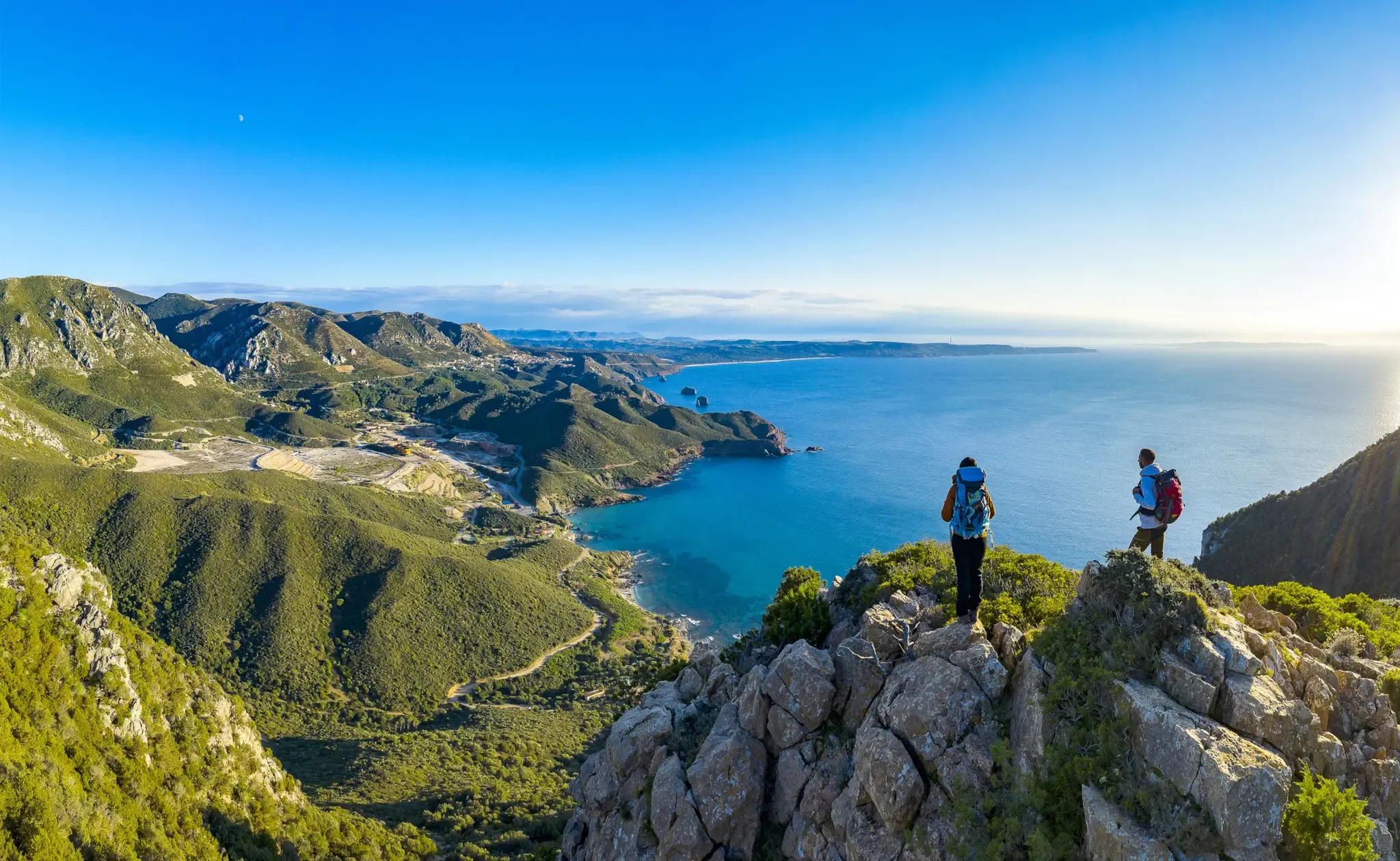
Hiking around Gùspini/Guspini offers access to a landscape shaped by both natural features and historical mining activities. The region features a mix of hills, valleys, and remnants of its industrial past, providing varied terrain for exploration. Trails often traverse areas with views of the surrounding countryside and former mining sites. The elevation changes are generally moderate, with some routes featuring more significant climbs.
Best hiking trails around Gùspini/Guspini
- The most popular hiking route is View of Monte Arcuentu loop from…
Last updated: August 4, 2026
5.0
(2)
7
hikers
8.99km
02:57
420m
420m
Moderate hike. Good fitness required. Easily-accessible paths. Suitable for all skill levels.
12
hikers
24.1km
06:38
380m
380m
Hard hike. Very good fitness required. Easily-accessible paths. Suitable for all skill levels.

Sign up for free
4.7
(3)
11
hikers
10.1km
02:57
280m
280m
Moderate hike. Good fitness required. Easily-accessible paths. Suitable for all skill levels.
4.8
(4)
11
hikers
15.8km
04:30
340m
340m
Moderate hike. Good fitness required. Easily-accessible paths. Suitable for all skill levels.
5.0
(1)
7
hikers
6.28km
02:00
260m
260m
Easy hike. Great for any fitness level. Easily-accessible paths. Suitable for all skill levels.
Get access to more routes and recommendations from other explorers.
Sign up for free
Already have an account?
Our route recommendations are based on thousands of hikes, rides, and runs completed by other people on komoot.
Start today with a free account
Your next adventure awaits.
Login or Signup
Popular around Gùspini/Guspini

Tips from the Community

This small, quiet, traffic-free paved secondary road crosses the valley between Arbus and Gonnosfanadiga and leads to the Giants' Tomb of San Cosimo. It is part of the Santa Barbara Mining Trail.
0
0
At the foot of the Monte Linas massif, the town of Gonnosfanadiga lies at the transition between the Medio Campidano plain and the first hills of southwestern Sardinia. The area preserves numerous archaeological remains, including nuraghi and Giants' Tombs, such as that of San Cosimo, among the largest on the island. The town, with a population of approximately 6,000, is closely linked to agriculture and craftsmanship: local knives, honey, wine, and oil are famous. Strolling through the town center, you'll notice the centuries-old wells that once served wayfarers and still serve as meeting points for the community. The town has shops, bars, and restaurants, and throughout the year, festivals dedicated to bread, olives, and oil are held.
1
0
The Montevecchio Mine is one of the most representative sites of Sardinian industrial archaeology and is part of the UNESCO-recognized Geo-mining Historical and Environmental Park of Sardinia. Mining operations, which began in 1848 and ended in 1991, made Montevecchio one of Europe's most important mining centers for lead and zinc production. The complex preserves washeries, shafts, workshops, warehouses, miners' quarters, and the management building with the adjoining church of Santa Barbara. Today, several guided tours are available that illustrate daily life in the mines and the technological evolution of the mining industry. Tours can be booked online at http://www.minieramontevecchio.it/ or at the Geo-mining Park information points.
0
0
On the Cuccur'e Zeppara hill, now incorporated into the town of Guspini, you can admire a spectacular wall of basalt prisms up to twenty meters high, perfectly arranged like organ pipes. The formation, created by the slow cooling of lava from an ancient volcanic cone, is considered one of the clearest in Italy and Europe. Declared a natural monument, the quarry can be visited via a short trail that allows for a close-up view of this rare geological feature, similar in shape to be seen only in Sicily, Veneto, Iceland, and a few other places in the world.
1
0
Montevecchio, also known as Gennas Serapis, is an ancient mining village now a hamlet of Guspini, nestled in the Geo-Mining Historical and Environmental Park of Sardinia. Founded in the 19th century as the administrative center of the lead and zinc mines, it was established here. The village is home to the Montevecchio Mine information point and the Gennas Food and Wine Confraternity, a trattoria offering excellent food in a friendly, family-friendly atmosphere. They are usually open on weekends, but we recommend contacting them to check opening times, make reservations, and arrange for service. The owner is very helpful and is happy to welcome hungry travelers.
2
0
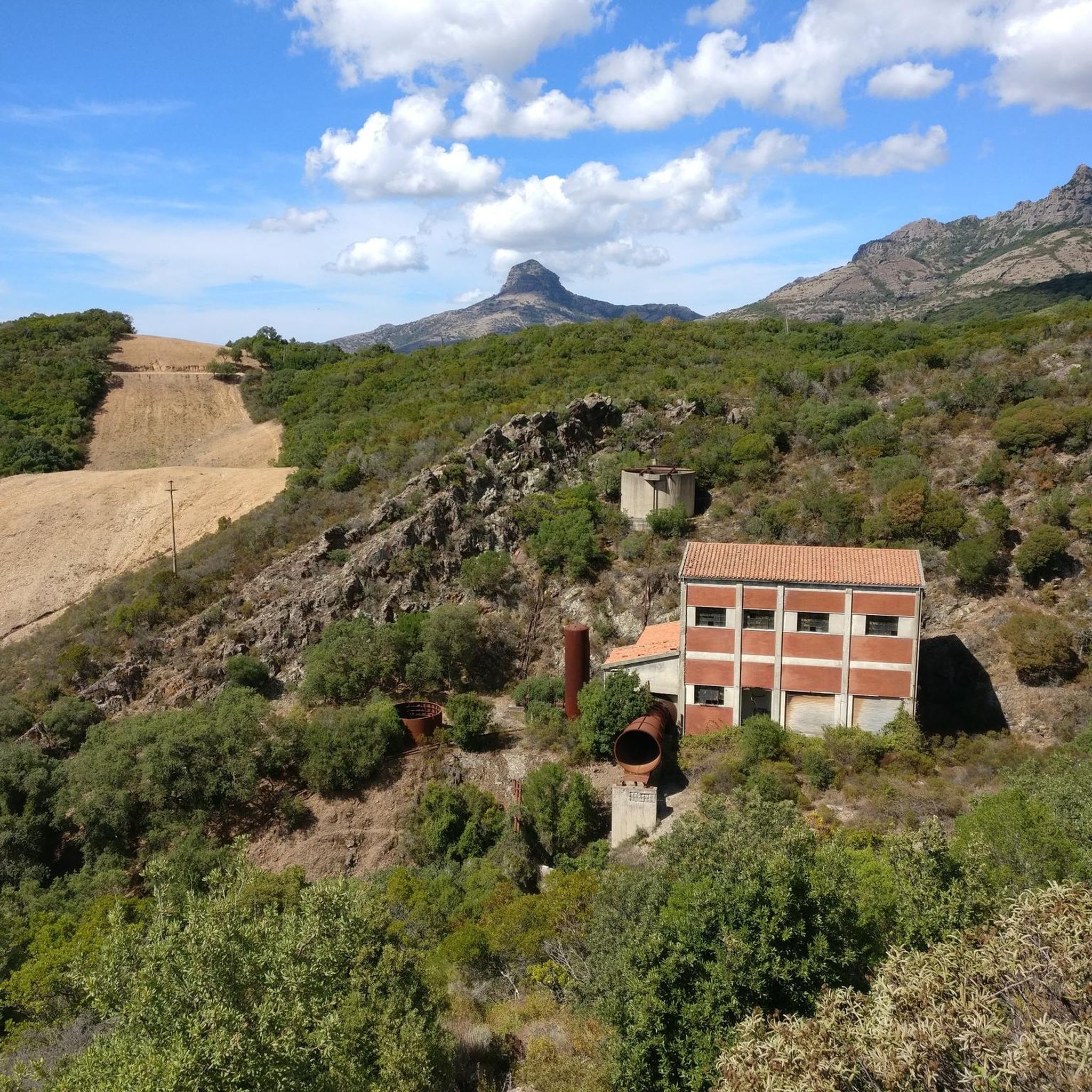
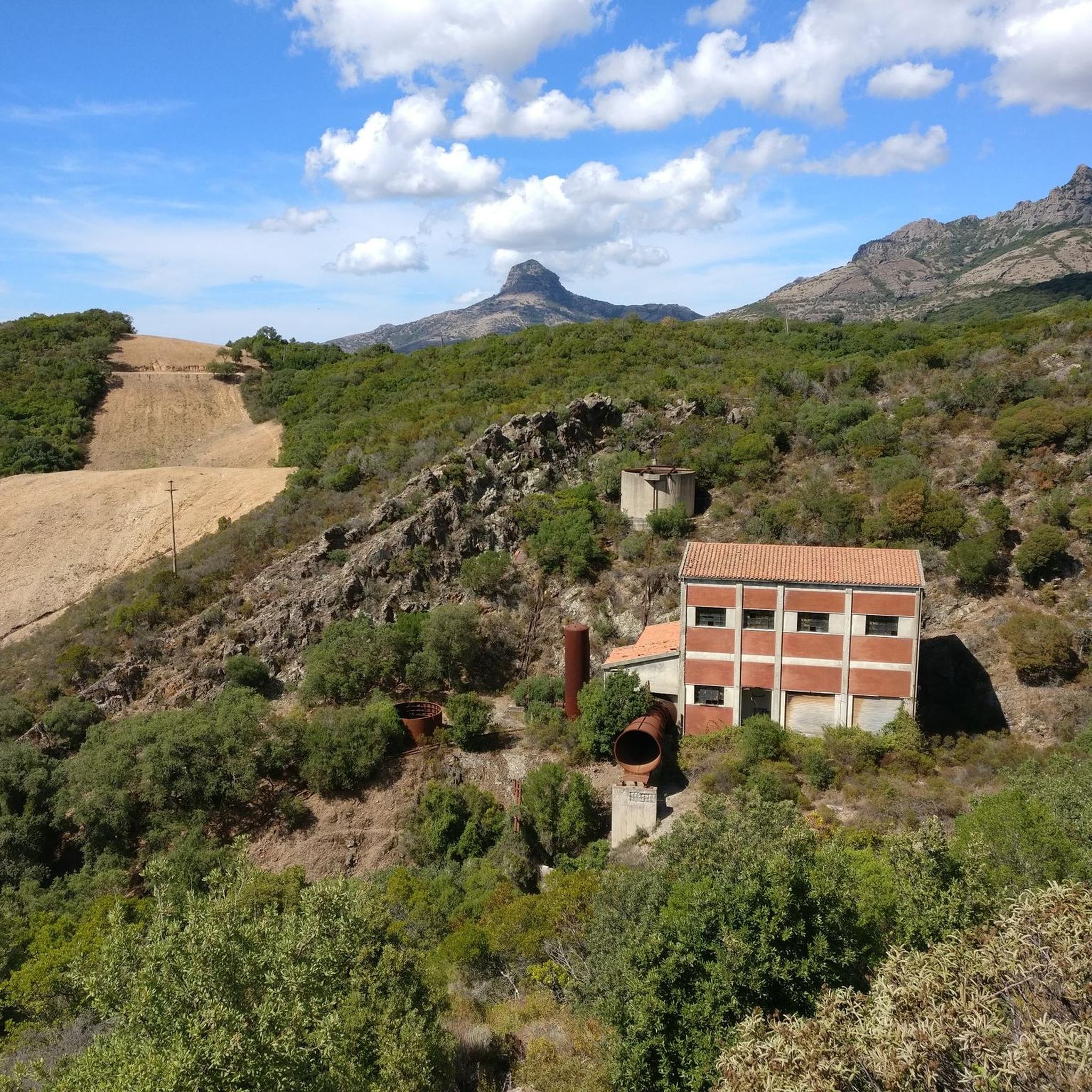
Built in 1915 and nearly 300 meters deep, the Amsicora Shaft was part of the Telle mine, between Montevecchio and Ingurtosu. Active for nearly a century, it is now an important symbol of industrial archaeology and workers' memory. In the 1990s, it was the site of a historic month-long occupation by miners in defense of workers' rights. Permanently closed in 1991, the site is now abandoned but retains an austere charm, immersed in the greenery and silence of the Arburese mountains.
0
0

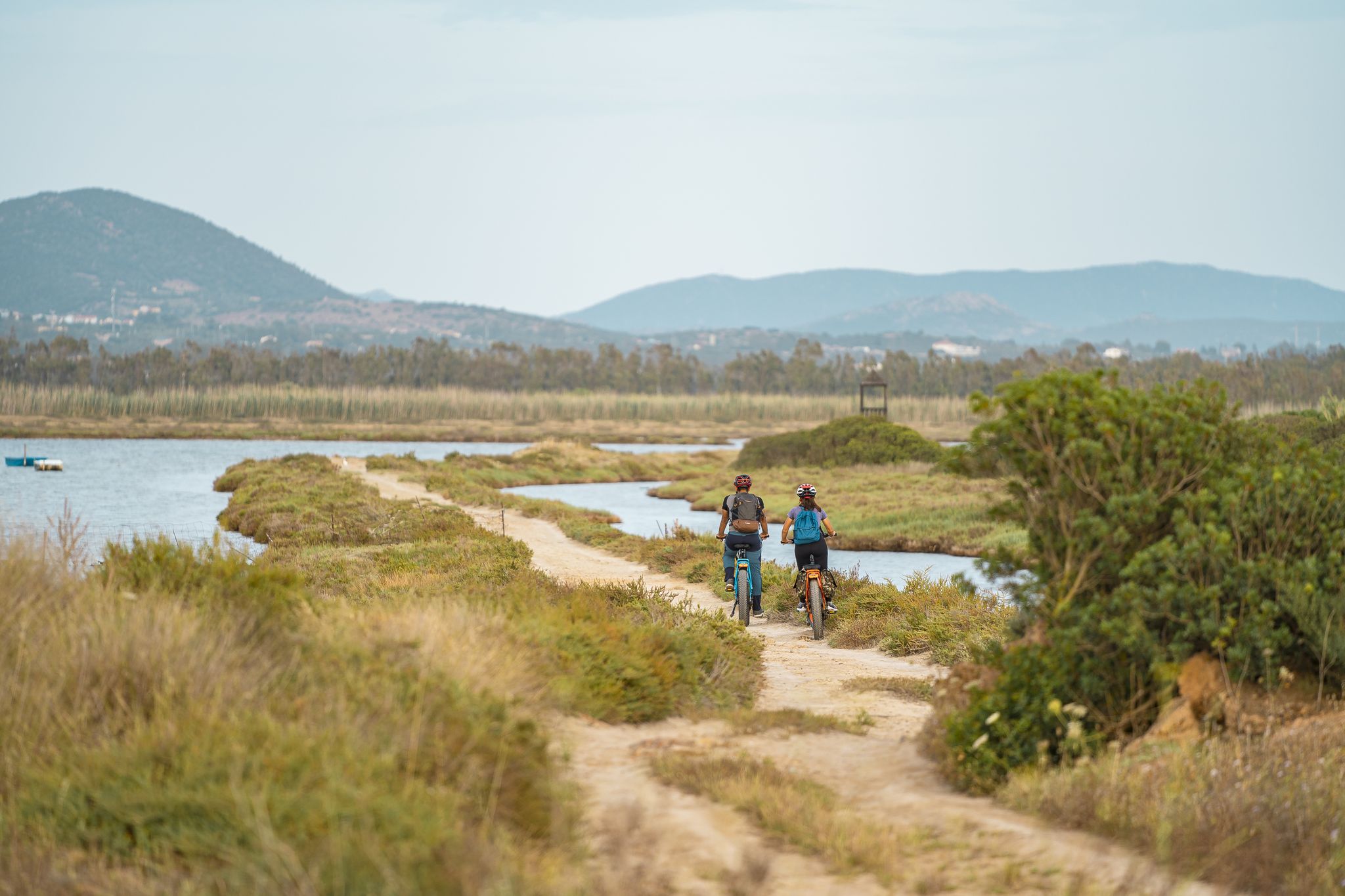
This stretch of dirt road is part of the Santa Barbara Mining Trail. The route is very fascinating, being immersed in the greenery of the Mediterranean scrub. The surface is very uneven so you have to pedal carefully.
2
0
This small but impressive archaeological site is located within private land. It can be reached with a short detour from the dirt road that connects Arbus to Gonnosfanadiga. Even though there are no signs, it is easy to locate its location.
1
0
Frequently Asked Questions
How many hiking trails are available around Gùspini/Guspini?
There are over 80 hiking trails around Gùspini/Guspini, offering a diverse range of options for different skill levels and interests. The komoot community has explored these routes over 1,300 times.
What is the general difficulty level of hiking trails around Gùspini/Guspini?
The trails around Gùspini/Guspini offer a mix of difficulties. You'll find 15 easy routes perfect for beginners, 52 moderate trails, and 15 more challenging hikes for experienced adventurers. The landscape, shaped by hills and historical mining areas, provides varied terrain.
Are there challenging hikes for experienced hikers in Gùspini/Guspini?
Yes, for experienced hikers seeking a challenge, there are 15 difficult routes. One notable option is the Director's Palace – Montevecchio loop from Laveria Lamarmora, which is 13.3 miles (21.4 km) long and explores the historical Montevecchio mining area.
What are the typical lengths and durations of hikes in Gùspini/Guspini?
Hikes vary significantly in length and duration. For example, a moderate route like the View of Monte Arcuentu loop from Gentilis is about 5.6 miles (9.0 km) and takes nearly 3 hours. Longer, more difficult trails can extend to over 13 miles (21 km) and take much longer.
Are there family-friendly hiking options in Gùspini/Guspini?
While specific 'family-friendly' designations aren't always available, the region offers 15 easy routes that are generally suitable for families or those looking for a more relaxed walk. These often feature moderate elevation changes and shorter distances.
What can I see along the hiking trails in Gùspini/Guspini?
Many trails traverse areas with views of the surrounding countryside and former mining sites. You can explore historical landmarks like the Brassey Ore Processing Plant. Natural attractions include the stunning Piscinas Dunes and the Red River of Piscinas.
Are there any circular walks available in Gùspini/Guspini?
Yes, many routes in the area are circular, allowing you to start and end at the same point. Examples include the popular Montevecchio – Amiscora Well loop from Montevecchio and the Field of Stone Cairns loop from Bacino di Zerbino.
What do other hikers enjoy most about hiking in Gùspini/Guspini?
The area is highly rated by the komoot community, with an average score of 4.5 stars from over 200 reviews. Hikers often praise the unique blend of natural landscapes and historical mining heritage, as well as the varied terrain suitable for different ability levels.
Is public transport available to access hiking trailheads in Gùspini/Guspini?
Access to specific trailheads by public transport can be limited in rural areas like Gùspini/Guspini. While the town itself has some public transport, reaching more remote starting points for hikes often requires a car. It's advisable to check local bus schedules if you plan to rely on public transport.
Are there any notable natural landmarks to visit while hiking?
Absolutely. The region is home to several natural highlights. You can explore the impressive Piscinas Dunes, which are part of a larger coastal area, and the unique Red River of Piscinas. The Summit of Monte Arcuentu also offers panoramic views.
What kind of landscape can I expect when hiking around Gùspini/Guspini?
The landscape around Gùspini/Guspini is characterized by a mix of hills, valleys, and remnants of its industrial past, particularly mining sites. You'll find varied terrain, from coastal dunes to more rugged inland areas, offering a unique blend of natural beauty and historical interest.
Most popular routes around Gùspini/Guspini
Most popular attractions around Gùspini/Guspini

Get inspired with the komoot mobile app


Explore more
Browse the best Hikes in other regions.
