Attractions and Places To See around Giba - Top 20
Attractions and places to see around Giba, a municipality in southwestern Sardinia, offer a blend of historical, cultural, and natural sites. The region features ancient archaeological sites, diverse coastlines, and Mediterranean scrub. Visitors can explore Nuraghe structures, Roman-era constructions, and natural wonders like the Grotte Is Zuddas. Giba's surroundings provide opportunities for exploring historical landmarks and enjoying the coastal environment.
Best attractions and places to see around Giba
- The most popular attractions is Tratalias–Sant'Antioco Cycle Path, a cycle way…
Last updated: August 3, 2026
Tratalias–Sant'Antioco Cycle Path
Highlight (Segment) • Cycleway
Translated by Google •
Tip by

Roman Bridge of Sant'Antioco
Highlight • Bridge
Translated by Google •
Tip by

Sign up now to discover places like this
Get recommendations on the best single tracks, peaks, & plenty of other exciting outdoor places.
Sign up for free
Su Pisu Savoyard Fort
Highlight • Historical Site
Translated by Google •
Tip by

Basilica di Sant'Antioco Martire
Highlight • Religious Site
Translated by Google •
Tip by

Old Tratalias
Highlight • Historical Site
Translated by Google •
Tip by

Sign up for free to discover even more attractions around Giba.
Sign up for free
Already have an account?
Start today with a free account
Your next adventure awaits.
Login or Signup

Tips from the Community

The Basilica of Sant'Antioco Martire, in the historic center of the island of the same name, is one of the oldest places of worship in Sardinia. Built between the 4th and 7th centuries over a Punic necropolis, it houses the relics of Sardinia's patron saint, a physician originally from Mauretania. The building, enlarged by the monks of Saint Victor of Marseille and remodeled in the Baroque period, preserves a complex complex of early Christian catacombs beneath the altar, which are still open to visitors.
1
0

Honestly it's not much but the view is amazing which is why they built it there
0
0
We are talking about the third century after Christ, you can see for yourself
0
0

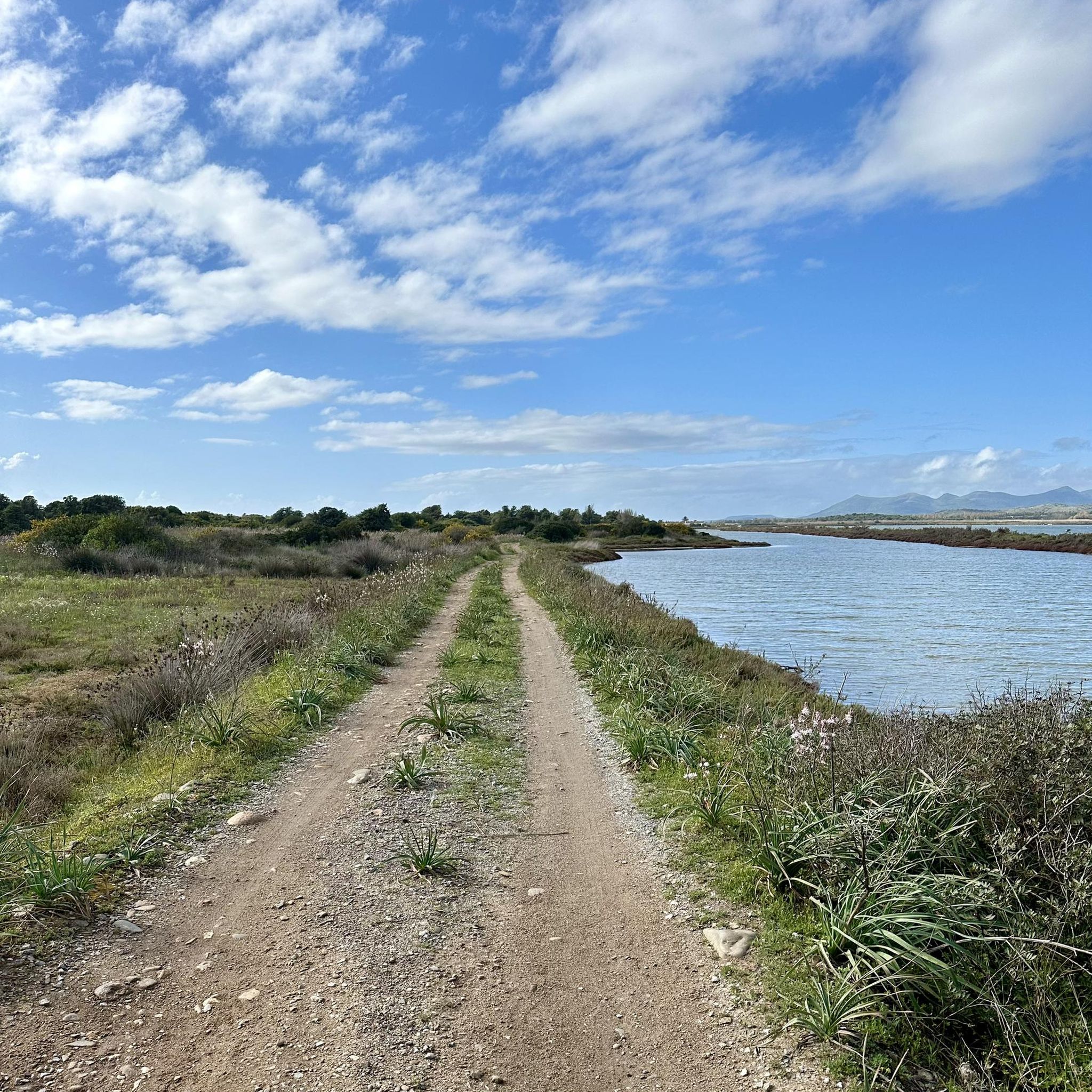
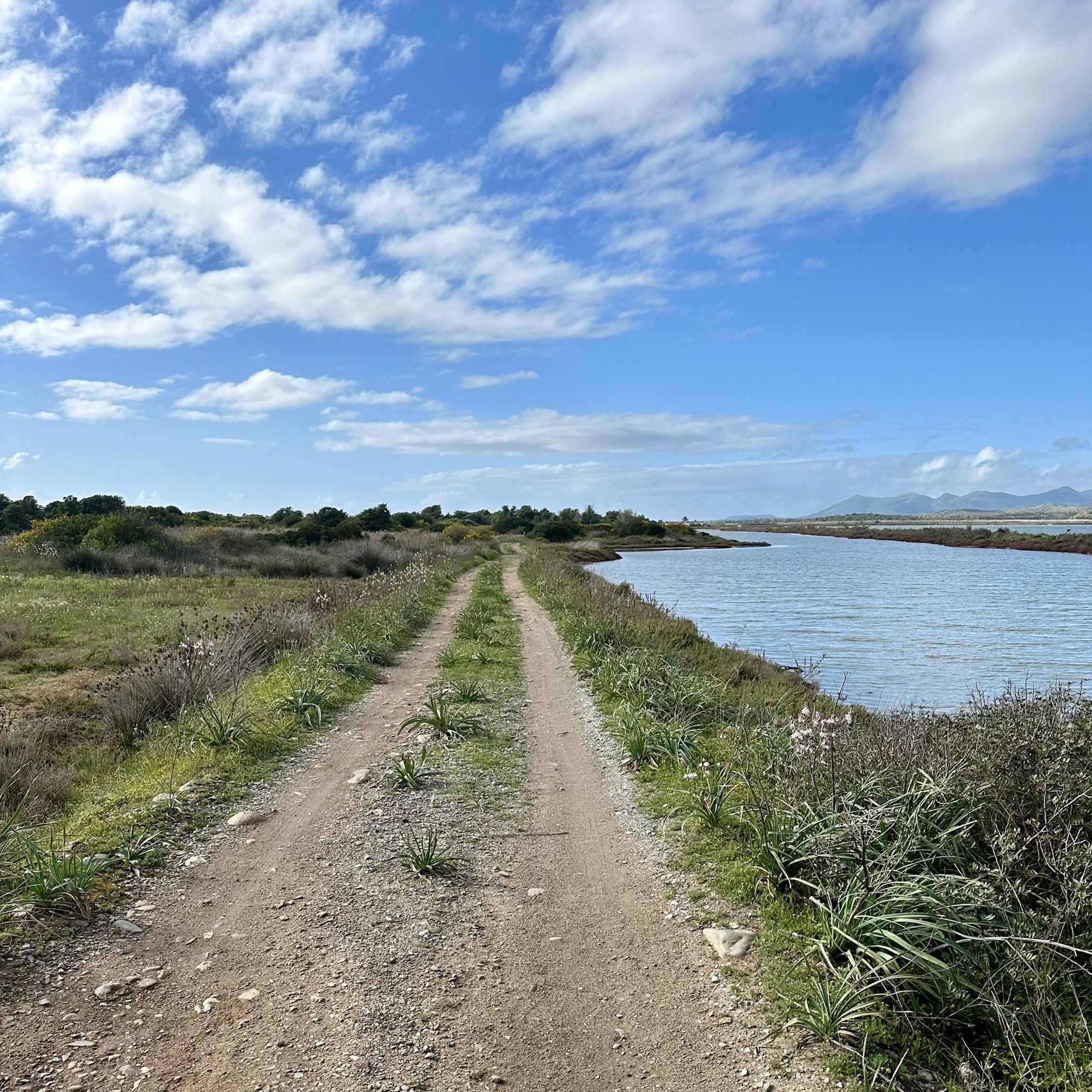
This is the most beautiful stretch of the cycle path that connects Tratalias and the island of Sant'Antioco. Here you cycle through the Santa Caterina pond, on a very narrow strip of sand surrounded by the sea. A unique cycle path!
1
0

Basilica which stands on the tomb of the martyr of the same name, it is one of the oldest monuments in the entire region.
1
0

Ponto Romano is the last of the 3 ancient Roman bridges that led to the island of Sant Antioco. The bridge was still in use until 1954, when the alternative road was built. In 2006 the bridge was restored.
0
0

The Savoy Su Pisu Fort, also known as "Sa guardia de Su Pisu" or "the castle," dominates the island from atop a 60-meter hill. This military structure was built between 1813 and 1815. Its location was previously occupied by Punic walls, which had partially demolished a nuraghe. At the time, the island of Sant'Antioco was constantly threatened by incursions from the Ottoman Empire, particularly from Tunis, where ships carrying Barbary pirates set sail to plunder the poorly defended villages along the Sardinian coast.
1
0

Beautiful little known place
0
0
Frequently Asked Questions
What natural attractions can I explore around Giba?
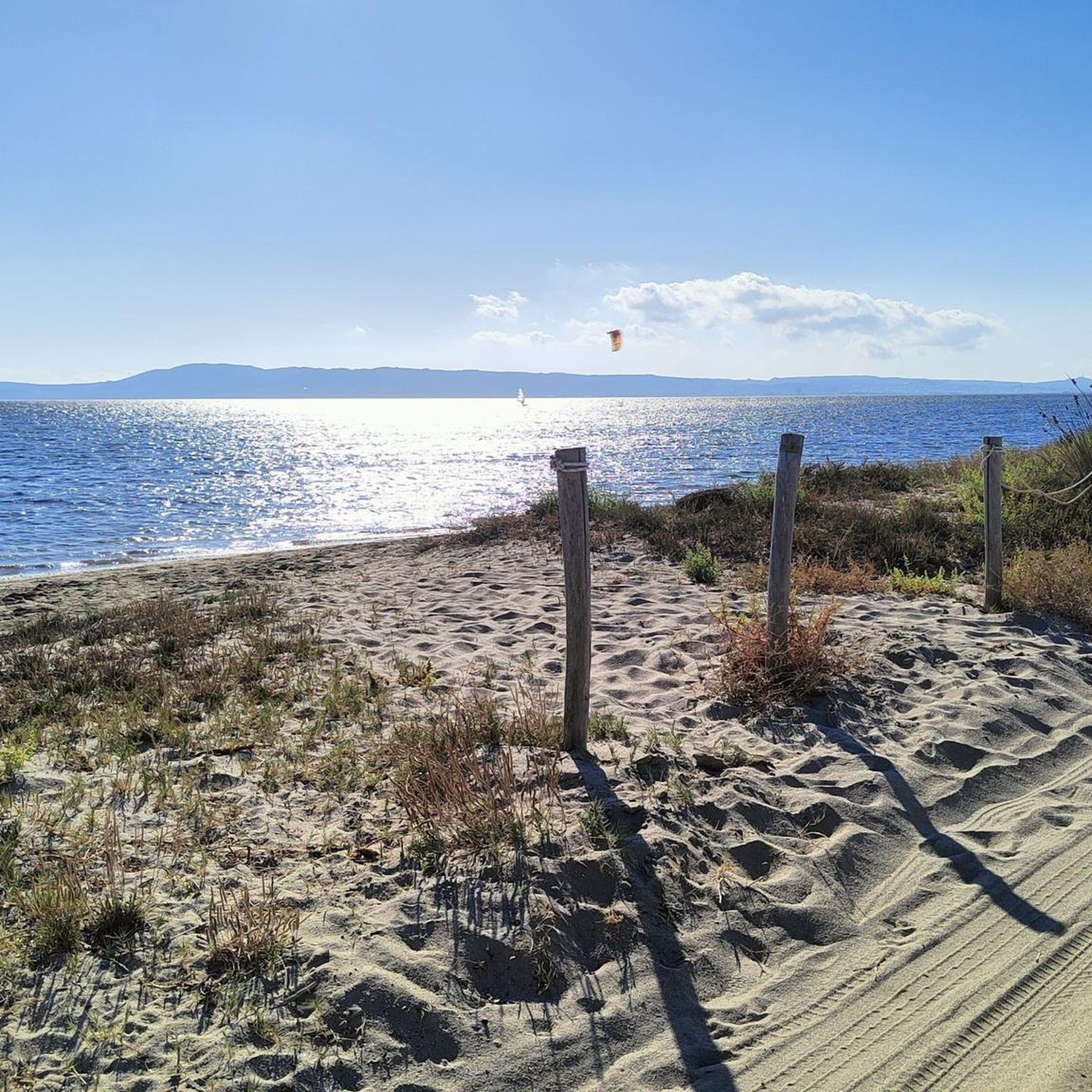
The region around Giba offers diverse natural beauty. You can visit Porto Botte, known for its crystal-clear waters, white sand dunes, and as a popular spot for kite surfers. The adjacent lagoon is a vital habitat for various bird species, including flamingos. Nearby, Lake Montepranu is ideal for recreational fishing. Don't miss the Tratalias–Sant'Antioco Cycle Path, which offers scenic views overlooking the sea and the Santa Caterina pond, where you can observe pink salt collection.
What historical and cultural sites can I visit around Giba?
Giba boasts a rich history. You can explore ancient Nuraghe structures like Nuraghe Villarios and Nuraghe Meurra, which includes a village, sacred well, and a Tomb of Giants. The Domus de Janas of Is Gannaus, dating back to 3500 BC, also offers a glimpse into the area's ancient past. Other notable sites include the Roman Bridge of Sant'Antioco, the Church of Saint Mary of Montserrat in Tratalias, and the Su Pisu Savoyard Fort on Sant'Antioco island.
Are there family-friendly attractions around Giba?
Yes, several attractions around Giba are suitable for families. The Tratalias–Sant'Antioco Cycle Path is a great option for a leisurely ride with scenic views. Historical sites like the Roman Bridge of Sant'Antioco and the Basilica di Sant'Antioco Martire offer educational experiences. The Necropoli Montessu, with its 'domus de janas,' is also open daily for exploration. The beaches of Porto Botte provide a relaxing environment for all ages.
What outdoor activities and routes are available near Giba?
The area around Giba is excellent for outdoor enthusiasts. You can enjoy cycling along the Tratalias–Sant'Antioco Cycle Path. For more extensive cycling, explore routes like the 'Stagno di Porto Botte – Porto Botte Lagoon and Beach loop' or the 'Tour of the Island of Sant'Antioco'. Gravel biking options include the 'Porto Botte Beach – Porto Botte Pond loop'. You can find more details on these and other routes in the Gravel biking around Giba, Cycling around Giba, and Road Cycling Routes around Giba guides.
Can I go birdwatching near Giba?
Yes, the lagoon adjacent to Porto Botte is a prime location for birdwatching. It serves as a vital habitat for various bird species, including black-winged stilts, western marsh harriers, and greater flamingos, making it a popular spot for enthusiasts.
Where can I see ancient Nuraghe structures near Giba?
Giba has been inhabited since the Neolithic period, and you can find several Nuraghe structures. Notable examples include Nuraghe Villarios, strategically built to oversee the coast, and the well-preserved complex of Nuraghe Meurra, which dates to the 12th century BC and includes a village, a sacred well, and a Tomb of Giants.
What is unique about the Roman Bridge of Sant'Antioco?
The Roman Bridge of Sant'Antioco is unique because, unlike most Roman bridges that span rivers or elevation differences, it connects the mainland to an island. Though significantly remodeled over centuries, it was an integral part of the Roman road from Karales to Sulci.
Can I visit caves near Giba?
Yes, the Grotte Is Zuddas are a significant natural wonder located in the southwestern part of Sardinia. Discovered in 1971, these caves feature dolomite rock formations dating back approximately 530 million years. They maintain a constant temperature of 16 degrees Celsius and nearly 100% humidity, offering several rooms with distinctive concretions for public viewing.
What is the significance of the Basilica di Sant'Antioco Martire?
The Basilica di Sant'Antioco Martire is one of the oldest monuments in the entire region. Built over the tomb of the martyr Sant'Antioco, it stands in the historic center of the island of the same name. The original church dates back to the 5th century and has been repeatedly rebuilt and expanded over time.
What local products and traditions can I experience in Giba?
Giba has a rich cultural and culinary tradition. The region is known for typical products such as artichokes, Carignano wine, and olive oil. You might also encounter local festivals, such as one dedicated to artichokes in mid-March. Traditional crafts include textiles like rugs and tapestries, knives, baskets, and 'Is pippias de cane' (dolls made of reeds).
Are there any archaeological sites with ancient tombs near Giba?
Yes, the Necropoli Montessu is an important archaeological site featuring around 50 'domus de janas' (fairy houses or tombs). Particularly interesting sections include 'The Church' and 'The Grotto of Pigs'. The site is open to the public daily, offering a fascinating look into ancient burial practices.
When is the best time to visit Giba?
The region around Giba, with its coastal attractions and outdoor activities, is generally pleasant during spring (March-May) and autumn (September-November) when temperatures are milder and ideal for exploration. Summer (June-August) is popular for beach activities, though it can be quite warm. The artichoke festival in mid-March could be a unique cultural experience.
Most popular attractions around Giba

Get inspired with the komoot mobile app


Explore more
Still not found the Highlight you’re looking for? See guides of the top attractions in other regions:
