Attractions and Places To See around Frùmini Majori/Fluminimaggiore - Top 20
Best attractions and places to see around Frùmini Majori/Fluminimaggiore include a blend of historical sites, natural landscapes, and cultural points of interest. Located in southwest Sardinia, the area features majestic mountains and a Mediterranean coastline. Visitors can explore ancient Punic-Roman and Nuragic vestiges, as well as significant mining heritage. The region offers diverse experiences for those interested in history and nature.
Best attractions and places to see around Frùmini Majori/Fluminimaggiore
- The most popular attractions is Nebida Belvedere Walk, a…
Last updated: May 27, 2026
Nebida Belvedere Walk
Highlight (Segment) • Trail
Translated by Google •
Tip by

Masua beach and view of Pan di Zucchero
Highlight • Beach
Translated by Google •
Tip by

Sign up now to discover places like this
Get recommendations on the best single tracks, peaks, & plenty of other exciting outdoor places.
Sign up for free
Porto Corallo Cove
Highlight • Beach
Translated by Google •
Tip by
La Marmora Ore Washing Plant
Highlight • Historical Site
Translated by Google •
Tip by
Pan di Zucchero Rock Formation
Highlight • Natural Monument
Translated by Google •
Tip by

Sign up for free to discover even more attractions around Frùmini Majori/Fluminimaggiore.
Sign up for free
Already have an account?
Start today with a free account
Your next adventure awaits.
Login or Signup
Popular around Frùmini Majori/Fluminimaggiore
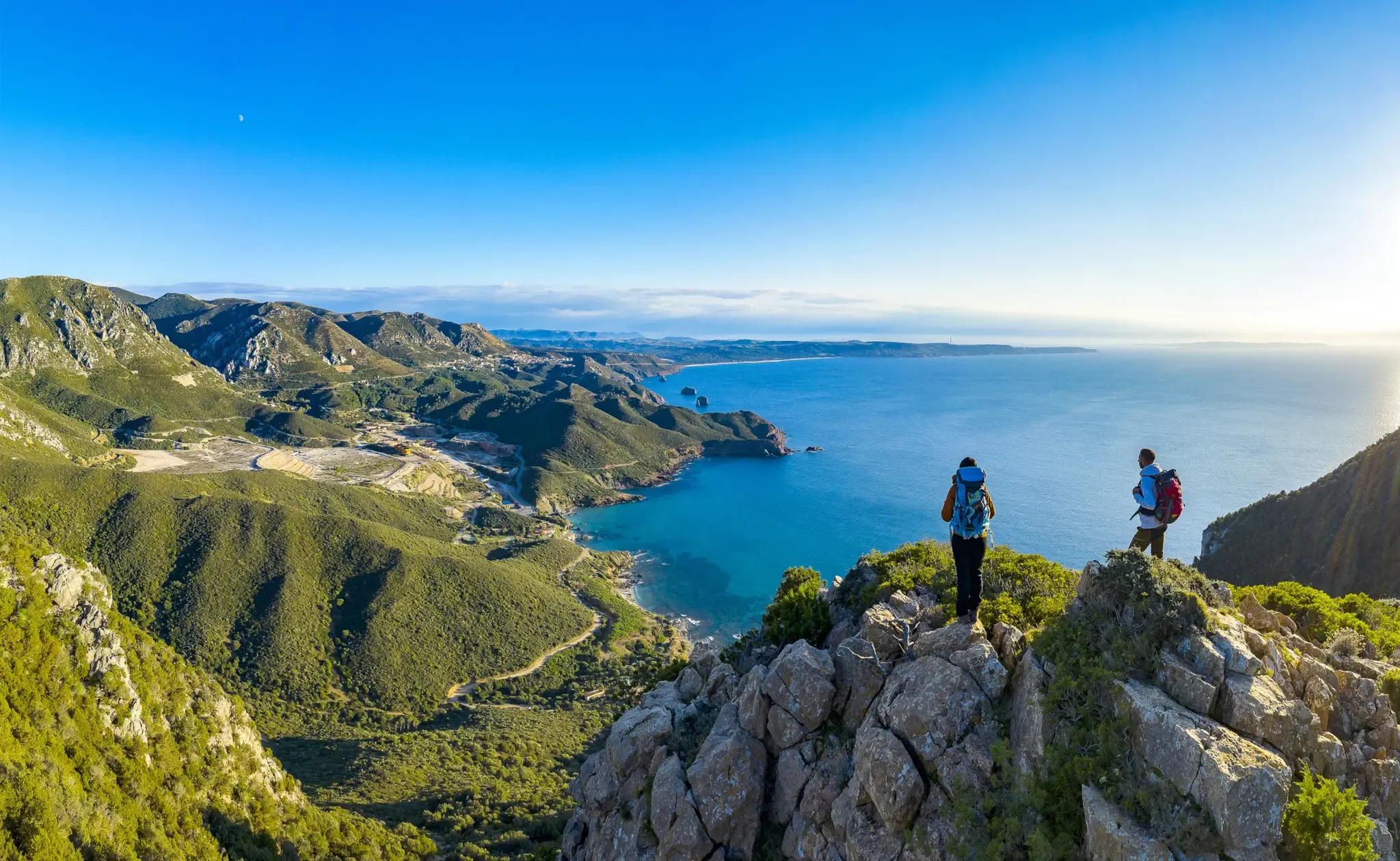
Cammino Minerario di Santa Barbara – memories of ancient Sardinia
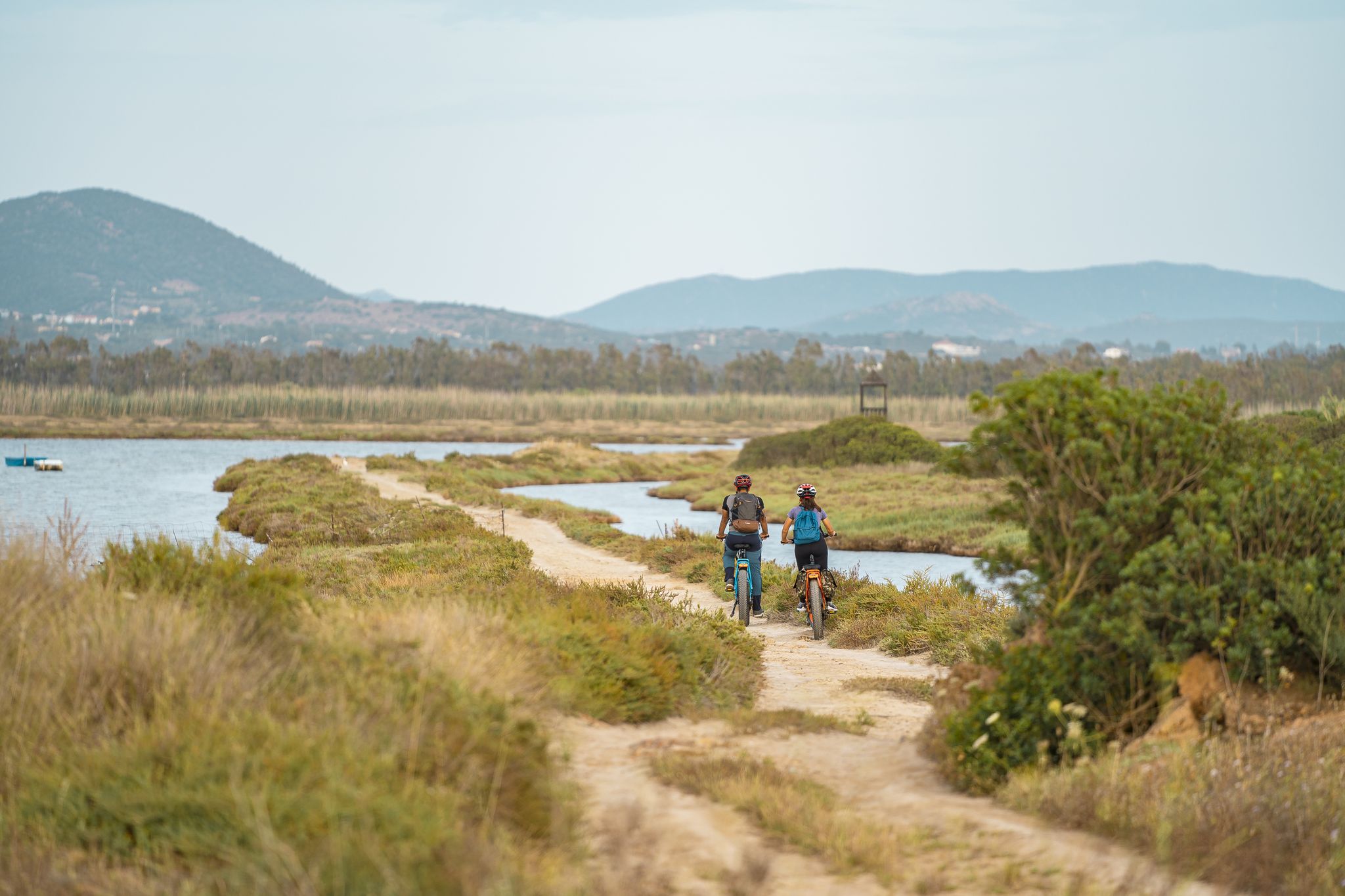
Ciclovia del Cammino Minerario di Santa Barbara
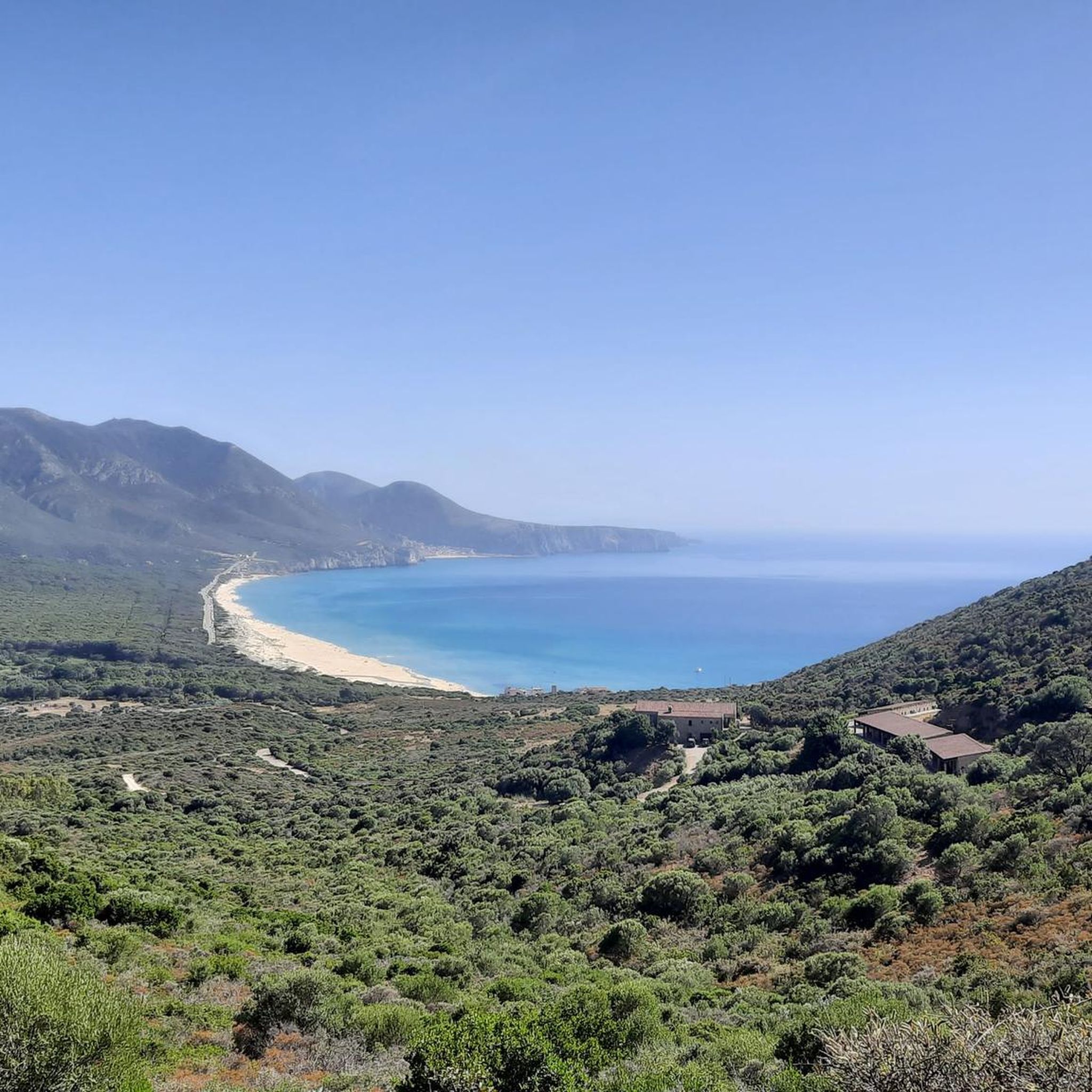
Hiking around Frùmini Majori/Fluminimaggiore
Cycling around Frùmini Majori/Fluminimaggiore
MTB Trails around Frùmini Majori/Fluminimaggiore
Running Trails around Frùmini Majori/Fluminimaggiore
Road Cycling Routes around Frùmini Majori/Fluminimaggiore
Gravel biking around Frùmini Majori/Fluminimaggiore

Tips from the Community

When the sun sets and the sea turns to liquid silver, then it happens: From the tranquil blue, the rock rises – not like a foreign body, but like a thought of the earth turned to stone. Pan di Zucchero, or Sugarloaf, they call it, and indeed: There it stands, as if licked by the sky and washed by the sea, round and proud, as if watching over the Sardinian coast. The last rays of day creep over its limestone walls, licking firmly at the edges, casting both shine and shadow. In this light, it glows – not garishly, not obtrusively, but like something that remembers: the millennia of the sea, the silence beneath the water, the spray of geologists, birds, wind, and the hand of man who searched for ore and dug veins nearby. A monument that demands nothing. It simply stands there – and is contemplated. From Masua, one approaches, on foot or by boat, with the rocks on the right and the open blue on the left. Those who take the path will be rewarded with views that are out of the ordinary. Those who choose the boat will be amazed: by the grottos that dig into the base like eyes, by the almost outrageous height – 133 meters rising vertically from nothing. And then, in the late afternoon, when the sun is low and the rocks are silent, something else happens: Sugarloaf Mountain begins to tell its story. About the time when it was still connected to the mainland. About its little brothers – Il Morto, S'Agusteri – that stand lost in the sea. And about all the seagulls that circle as if they had invented the place. No photo, no filter can replace this moment: the whisper of the wind, the salty air, the light that forgets the sky. You stand there and are silent. And the rock – it remains. As if it had always been there. And always would be.
0
0

The majestic limestone monument rises like a sentinel from the deep blue Mediterranean. This imposing rocky spire off the southwest coast of Sardinia is a geological masterpiece, formed by millions of years of erosion. The 133-meter-high rock is a remnant of the Cretaceous period.
1
0

If you stroll along the Belvedere, definitely go down the stairs👍
1
0
From here you can see the ruins of Lamarmora
0
0

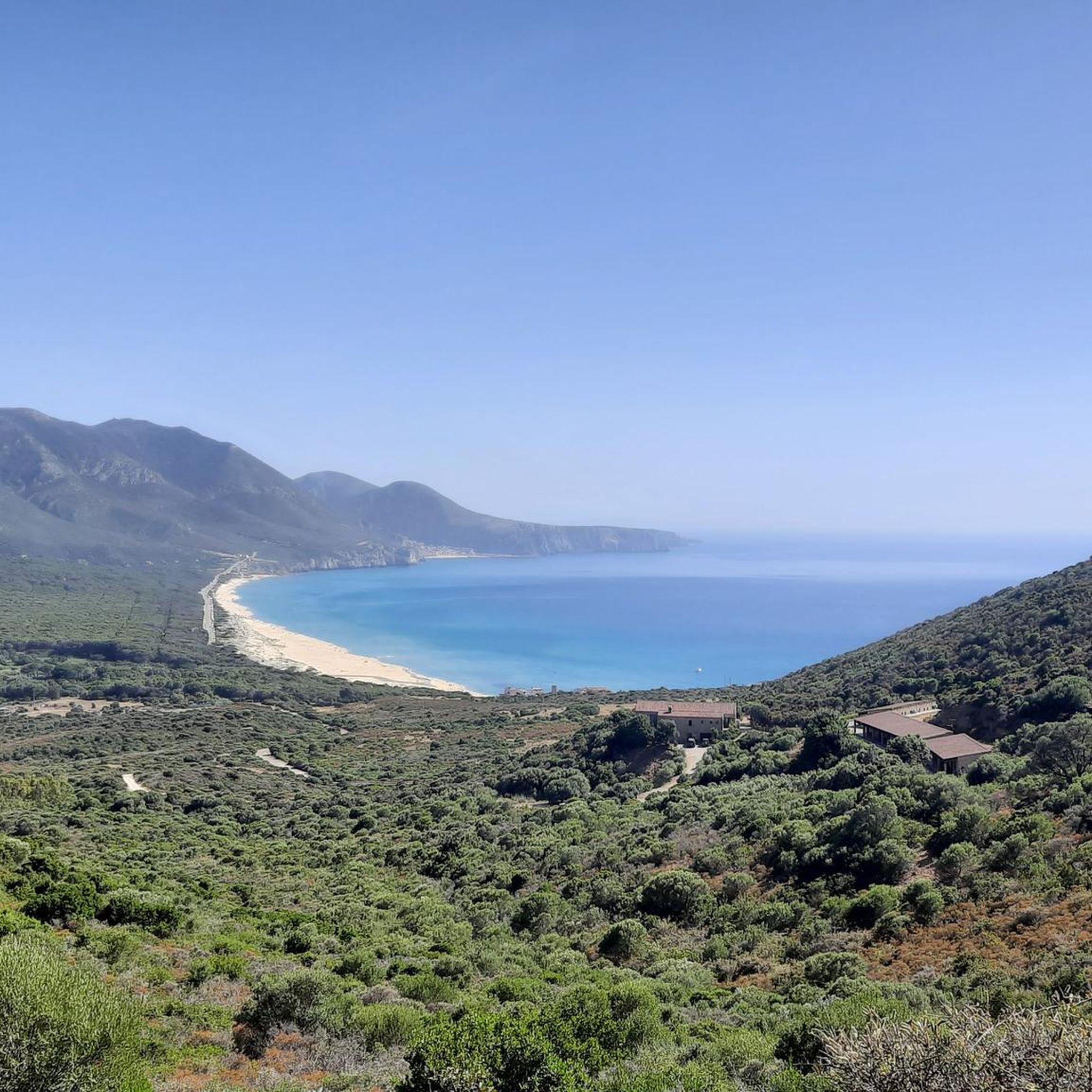
Beautiful, sheltered little bay with great red rocks. You can swim here, but you should watch out for sea urchins because of the rocks. Hardly any shade, small pebble beach.
1
0

View of Pan di Zucchero from Masua beach
0
0

The Sardinian word “nébida” means fog. Is that the namesake?
2
0
Frequently Asked Questions
What historical and archaeological sites can I visit in Frùmini Majori/Fluminimaggiore?
The region is rich in history. You can explore the ancient Punic-Roman Temple of Antas, which was a place of worship since the Nuragic period. Nearby, you'll find Roman quarries and prehistoric Nuragic vestiges like Nuraghe Su Corrazzu de Su Estiu. The La Marmora Ore Washing Plant also offers a glimpse into the area's significant mining past.
Are there any natural caves or geological wonders to explore?
Yes, the Su Mannau Caves are a must-see, featuring stunning stalactite and stalagmite formations, underground lakes, and an internal river. These caves also hold archaeological significance. Additionally, the Pan di Zucchero Rock Formation is an impressive natural monument rising from the sea, visible from Masua beach.
What beaches are easily accessible from Frùmini Majori/Fluminimaggiore?
You can visit Porto Corallo Cove, known for its reddish pebbles and peaceful setting. Masua beach offers beautiful views of the Pan di Zucchero sea stack. Another option is Portixeddu Beach, a long stretch of fine, ochre-colored sand, ideal for walks.
What outdoor activities can I do near these attractions?
The area is excellent for outdoor enthusiasts. You can find numerous hiking, gravel biking, and mountain biking routes. For hiking, explore trails around the Temple of Antas or discover the Monte Linas Park with its Muru Mannu Waterfalls. For more detailed routes, check out the Hiking around Frùmini Majori/Fluminimaggiore guide.
Are there family-friendly attractions or activities in the area?
Many natural sites are suitable for families. Portixeddu Beach is ideal for family walks, and the Masua beach offers a beautiful setting. Exploring the Su Mannau Caves can also be an exciting experience for older children, offering a glimpse into geological wonders.
Where can I learn about the local culture and history beyond archaeological sites?
The Museo Etnografico, housed in the 18th-century Licheri Water Mill, showcases local rural life and traditional crafts. There's also an Archaeological Museum displaying artifacts from various historical periods found in the region, and a Paleontological Museum with local fossils.
What is the best time to visit Frùmini Majori/Fluminimaggiore for outdoor activities?
The Iglesiente area, where Fluminimaggiore is located, generally offers pleasant weather for outdoor activities during spring (April-May) and autumn (September-October). These seasons provide milder temperatures, making hiking and exploring more comfortable than the hotter summer months.
Can I explore the region's mining heritage?
Absolutely. The area has a significant mining history. You can visit the ghost village of the Malacalzetta mine and the former mining village of Arenas. The La Marmora Ore Washing Plant is a prominent example of industrial archaeology overlooking the sea. The Su Zurfuru Mine has also been transformed into a cultural and tourist site.
Are there any viewpoints offering panoramic scenery?
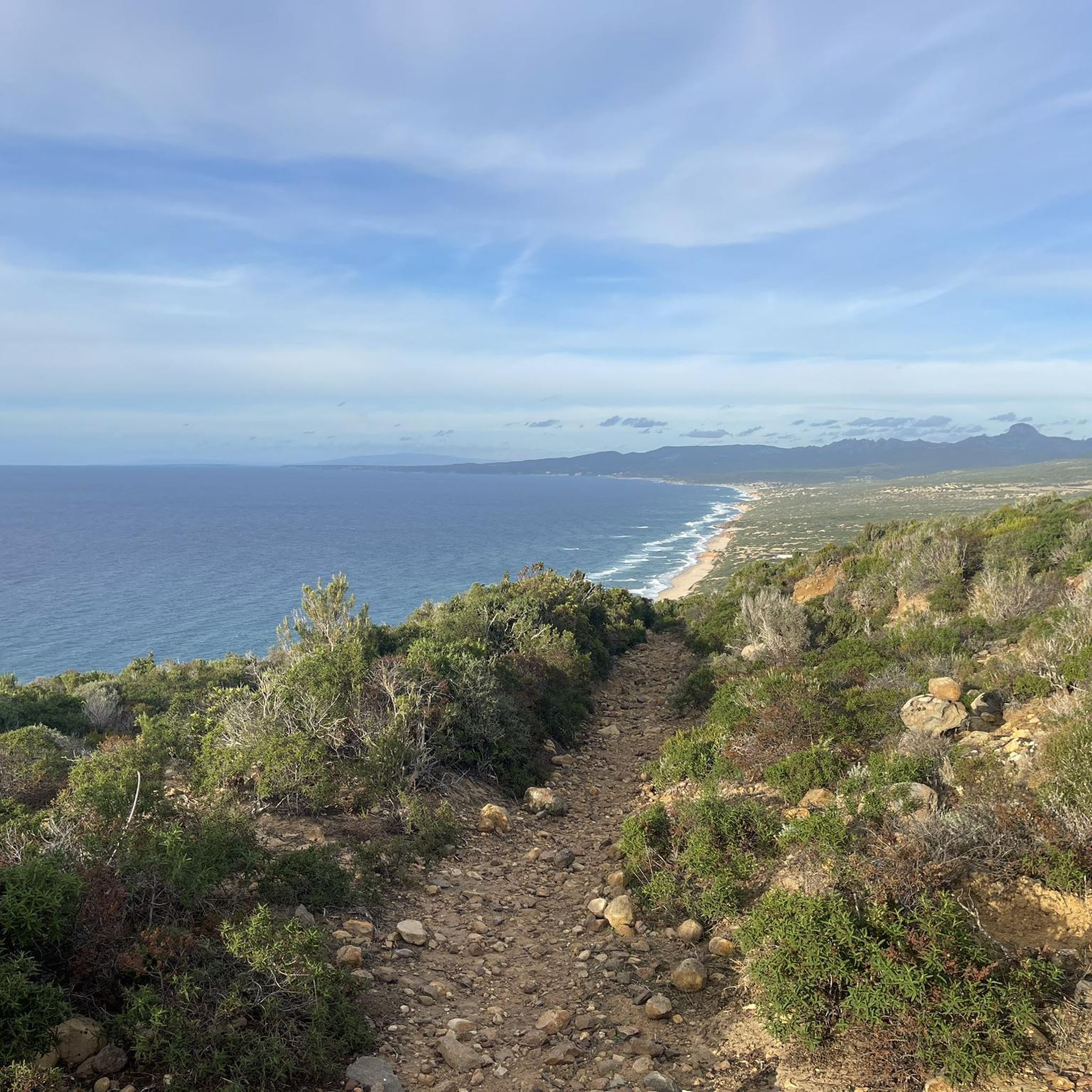
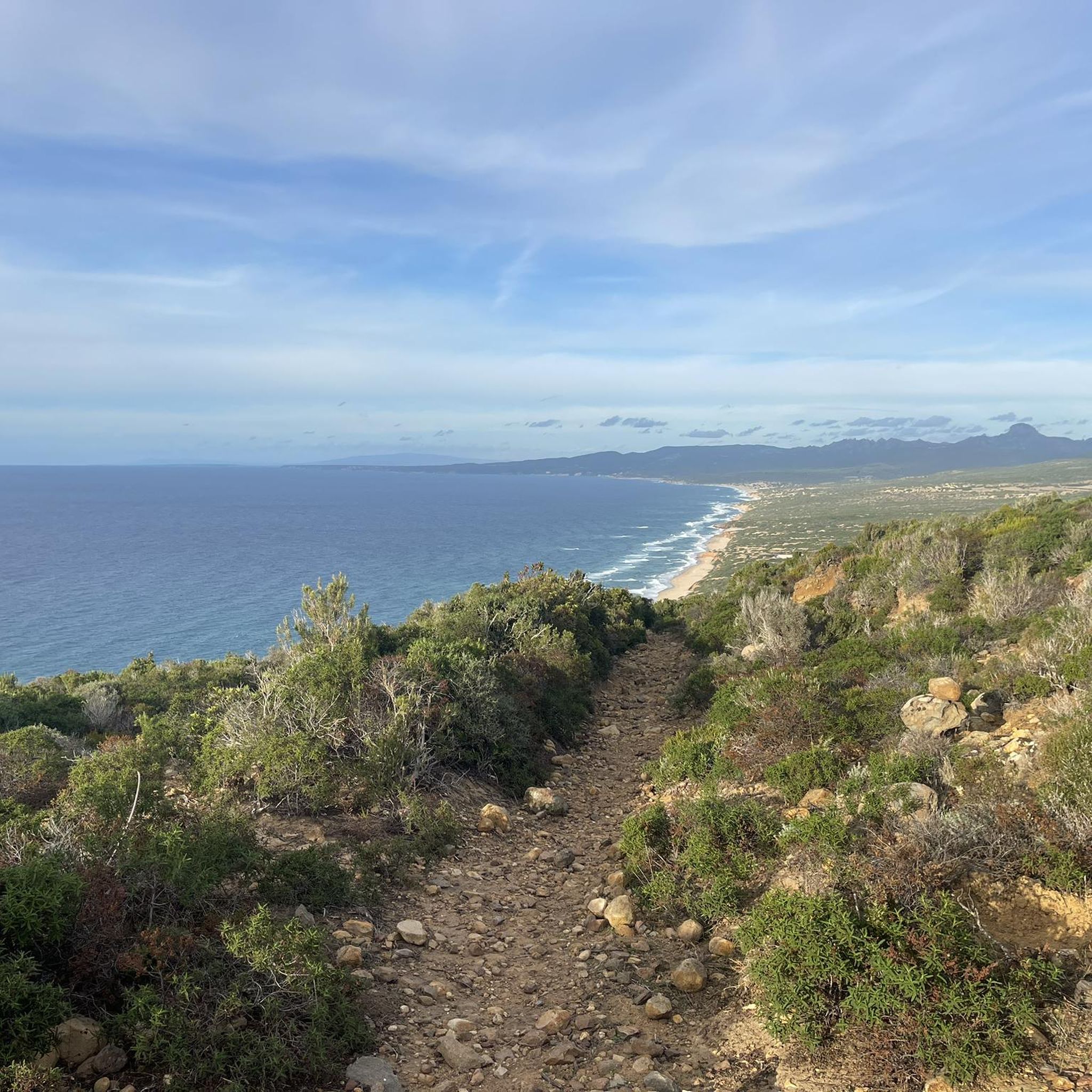
Yes, the Nebida Belvedere Walk offers stunning coastal views, including industrial monuments and former mining facilities. Capo Pecora also provides a wild and magnificent panorama of the coastline.
What are some unique natural features besides beaches and caves?
The Monte Linas area features the Muru Mannu Waterfalls, cascading approximately 70 meters. The Pubusinu Spring is one of Sardinia's largest perennial water sources, and the Rio Mannu River flows through the village, shaping the local landscape.
What do visitors enjoy most about the attractions around Frùmini Majori/Fluminimaggiore?
Visitors particularly appreciate the blend of historical sites, dramatic natural landscapes, and the insights into traditional Sardinian life and its mining heritage. The coastal paths, like the Nebida Belvedere Walk, are highly rated for their scenic beauty and historical context.
Most popular routes around Frùmini Majori/Fluminimaggiore
Most popular attractions around Frùmini Majori/Fluminimaggiore

Get inspired with the komoot mobile app


Explore more
Still not found the Highlight you’re looking for? See guides of the top attractions in other regions:
