Attractions and Places To See around Montefiore Conca - Top 20
Attractions and places to see around Montefiore Conca include a variety of historical landmarks, cultural sites, and natural features. This medieval village, located in the Rimini hinterland, is recognized for its well-preserved heritage and scenic surroundings. Nestled in the Conca Valley, it offers panoramic views stretching from the Adriatic coast to the Apennine hills. The area provides opportunities to explore ancient castles, historic centers, and natural landscapes.
Best attractions and places to see around Montefiore Conca
- The most popular attractions…
Last updated: May 9, 2026
Tavoleto Castle
Highlight • Castle
Translated by Google •
Tip by

San Clemente Historic Center
Highlight • Historical Site
Translated by Google •
Tip by

Sign up now to discover places like this
Get recommendations on the best single tracks, peaks, & plenty of other exciting outdoor places.
Sign up for free
Saludecio
Highlight • Settlement
Translated by Google •
Tip by

Across Marano river
Highlight • Trail
Translated by Google •
Tip by

Montescudo
Highlight • Settlement
Translated by Google •
Tip by
Sign up for free to discover even more attractions around Montefiore Conca.
Sign up for free
Already have an account?
Start today with a free account
Your next adventure awaits.
Login or Signup

Tips from the Community

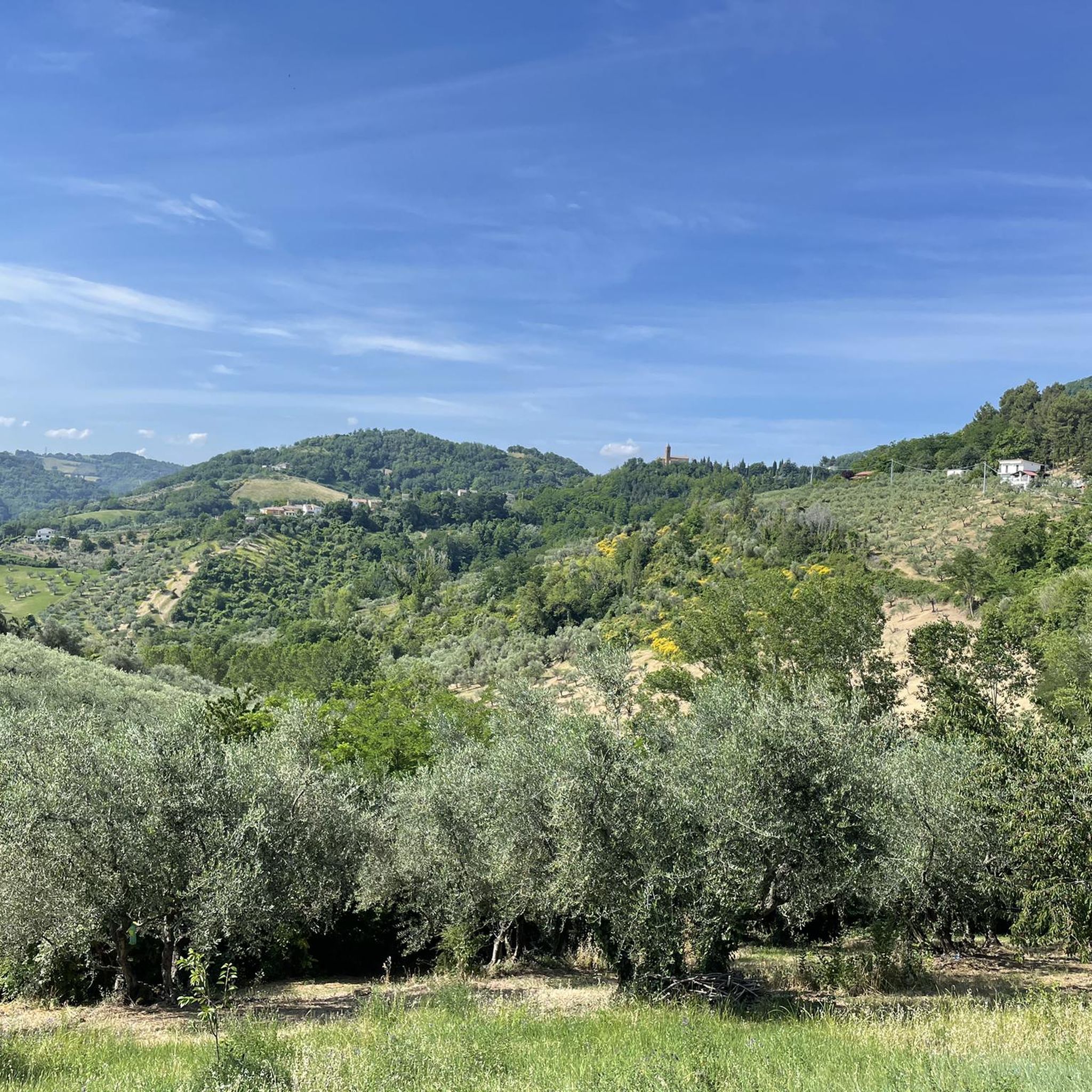
Saludecio is registered in the Italian Association of Painted Villages because of the 50 splendid murals that color its streets.
0
0

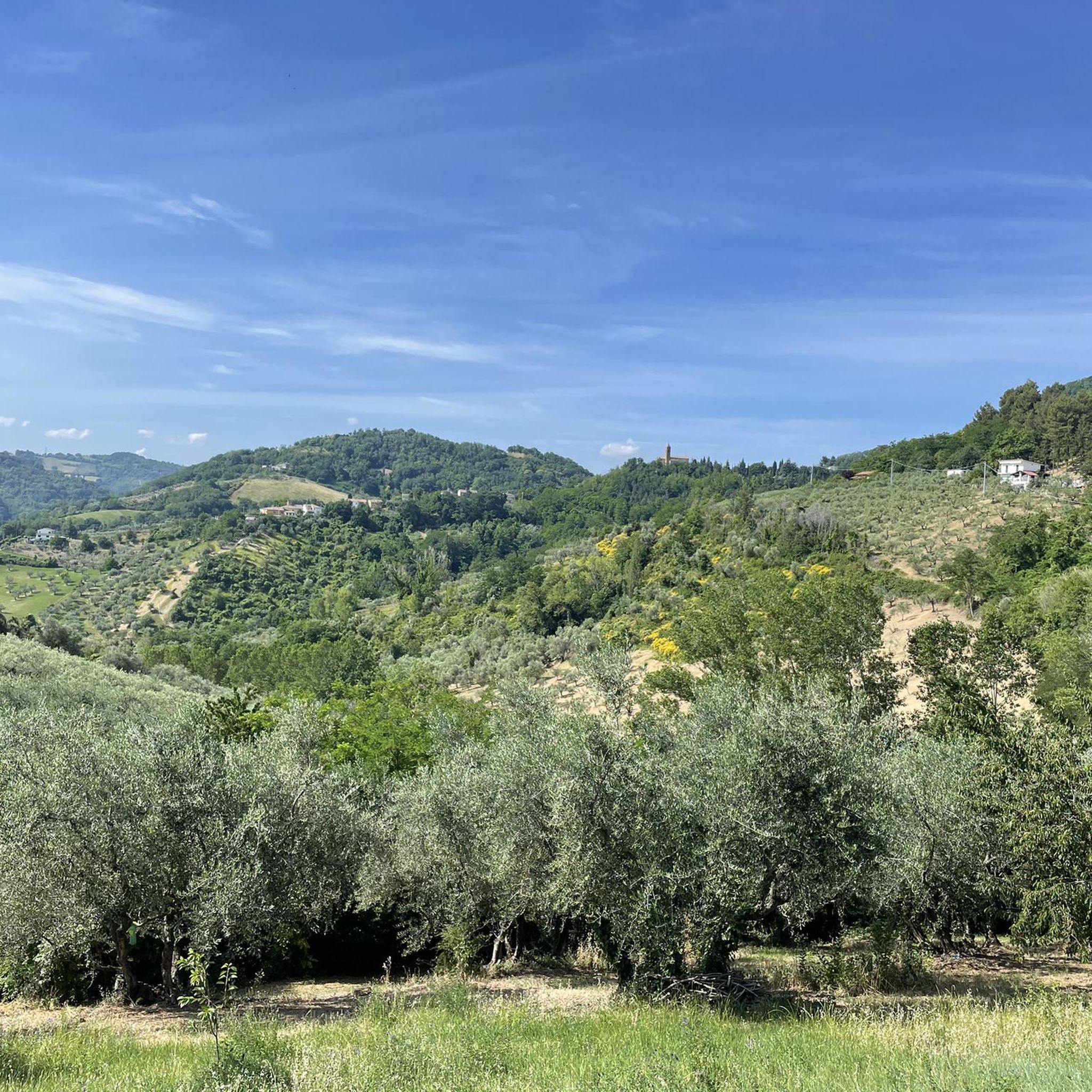
Dating back to the Malatesta era and still well preserved today, the village of San Clemente is one of the best destinations in the Romagna hinterland. The walls and bastions are clearly visible, enclosing the center of the village as they once did. Not far away is also Castelleale, commissioned in 1388 by Leale Malatesta, bishop of Rimini.
0
0

Here there is good, fresh and... free water😁👍
0
0

The village of San Clemente dates back to the Malatesta era and its origins are still clearly visible today. The walls enclose, as in the past, the heart of the historic center and the complex known as Castelleale. It is one of the rare examples remaining in the Rimini area of a building that is both a large farm and a fortified villa, built in 1388 by Leale Malatesta, bishop of Rimini.
0
0
The construction of the castle took place by the family of Sigismondo Malatesta in the early 1300s and was disputed between the Malatesta and Montefeltro families in the battles for the acquisition of the territory. It was thus lost and reconquered five times, until Federico da Montefeltro finally conquered Tavoleto in 1458. Federico ordered the demolition of the castle and then rebuilt it under the work of the architect Francesco di Giorgio Martini who finished it before 1474. In 1631 it became the direct domain of the Papacy, but in 1885 it was donated to the Lawyer Petrangolini at the same time as the assignment of the title of count and the subjugation of the surrounding territories. It was subsequently sold to a private individual who transformed it into a restaurant in the more recent 1960s and renovated it according to the standards of those years. The current owners instead purchased it with the intention of bringing it back to its origins. Today it is home to receptions and ceremonies.
0
0

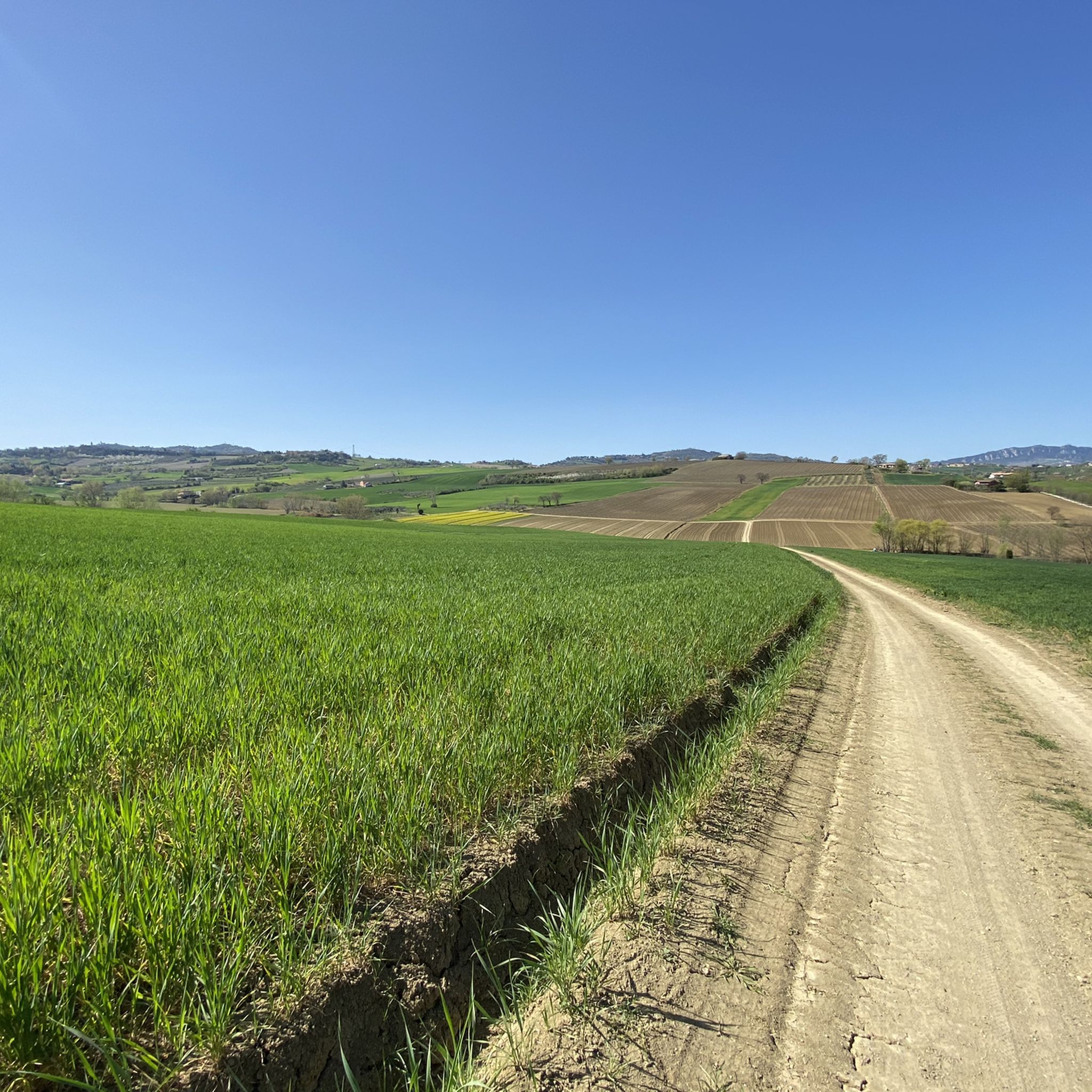
The path is dirty especially at the beginning coming from the 1944 path. However, it is interesting but once you get close to Riccione, in my opinion it is more the effort than the pleasure to follow the path due to the numerous obstacles that impose the hand transport of the bike.
0
0
The path is, so to speak, the continuation of the path called 1944. It passes through the caves of the Second World War then becomes flat and follows the course of the Marano. The path is dirty but certainly the most difficult part due to the vegetation (reeds in particular) is at the beginning above and before reaching the caves coming from path 1944
0
0
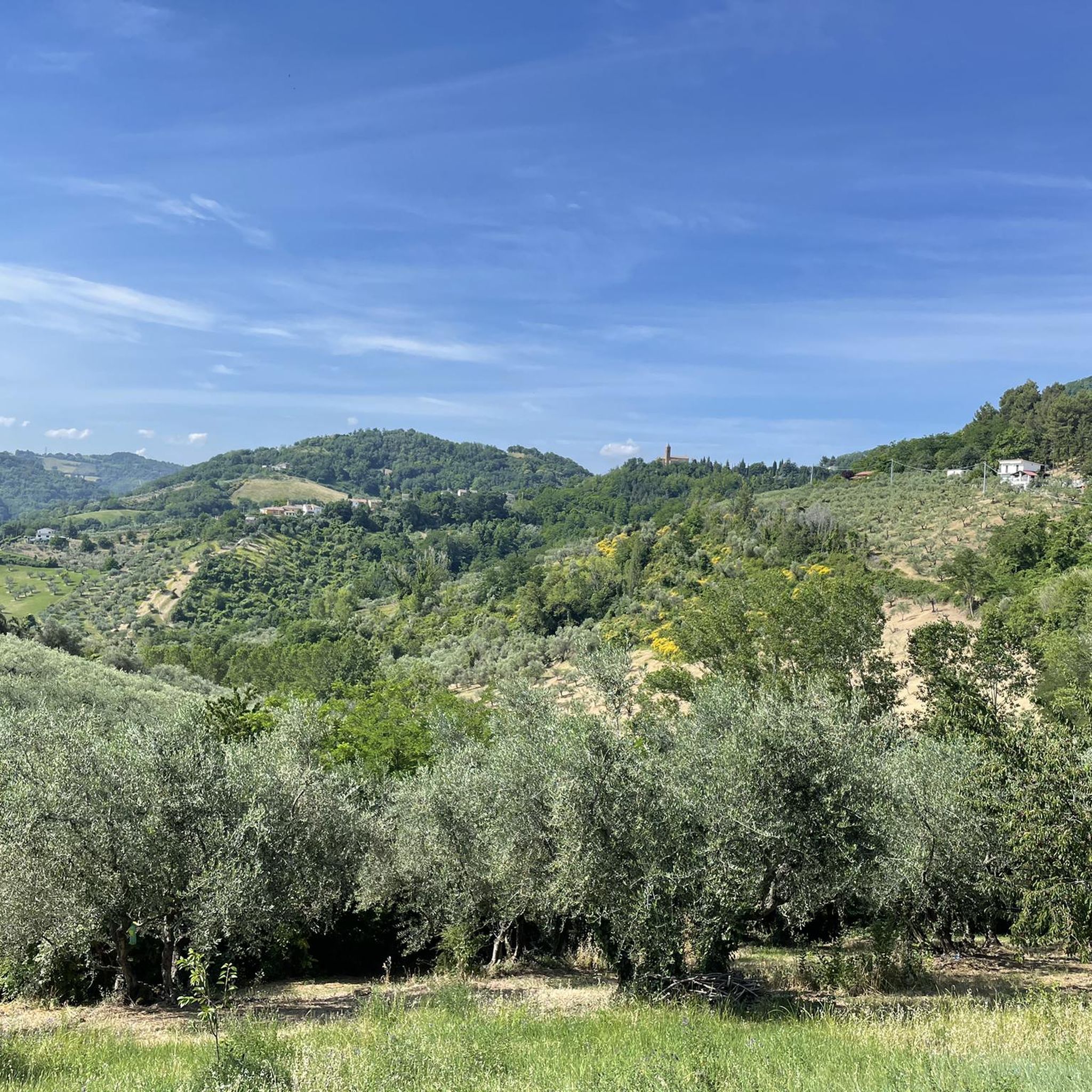
A hamlet of the Montescudo-Monte Colombo municipality, Montescudo was an autonomous municipality until 31 December 2015. A village of Malatesta origins, the local potato festival is particularly famous, a typical variety which is harvested in the month of August.
1
0
Frequently Asked Questions
What historical landmarks can I explore in Montefiore Conca?
Montefiore Conca is rich in history, with its most prominent landmark being the Rocca Malatestiana (Malatesta Fortress). This imposing medieval castle offers guided tours and panoramic views of the Conca Valley and Adriatic coast. You can also see the ancient Porta Curina, marking the entrance to the fortified village. Nearby, explore Tavoleto Castle, built by the Malatesta family, or the well-preserved San Clemente Historic Center.
Are there any significant cultural or religious sites to visit?
Yes, Montefiore Conca features several notable cultural and religious sites. The 14th-century Chiesa di San Paolo near Porta Curina houses a Madonna of Mercy and a wooden crucifix. Outside the main village, the Santuario della Madonna di Bonora is a significant site of worship, known for its venerated 15th-century image of the Virgin. Additionally, the Chiesa dell'Ospedale, built in the 15th century, once hosted pilgrims.
What natural features and scenic views can I find around Montefiore Conca?
The village is nestled in the beautiful Conca Valley, offering landscapes of gentle hills. From various high points, especially the Rocca Malatestiana, you can enjoy stunning panoramic views stretching from green mountains to the Adriatic beaches and the Apennine hills. The scenic Ventena Valley, accessible via paths from the village, is ideal for spotting wildlife amidst chestnut and olive groves. For a unique natural excursion, the Onferno Caves, a network of karst caves, are a short distance away.
What kind of outdoor activities can I do near Montefiore Conca?
The area around Montefiore Conca is excellent for outdoor enthusiasts. You can find numerous hiking trails, such as the 'CAI trails of Ventena and Val di Ranco' or the 'Medieval fortress trail to Big Bench'. For cyclists, there are road cycling routes like the 'Mondaino Castle – Porta Marina of Saludecio loop' and gravel biking options. You can find more details and routes on the hiking guide, road cycling guide, and gravel biking guide for Montefiore Conca.
Are there family-friendly attractions in the area?
Yes, several attractions around Montefiore Conca are suitable for families. Exploring the historic centers of villages like San Clemente, Saludecio, and Mondaino offers an engaging historical experience. The Rocca Malatestiana itself can be an exciting visit for children, with its castle walls and panoramic views. Gentle walks in the Conca or Ventena Valleys are also pleasant for families.
What is the historic center of Montefiore Conca like?
Wandering through Montefiore Conca's historic center is like stepping back in time. It features well-preserved medieval cobblestone lanes, with flowers adorning balconies and charming cafes in Piazza della Libertà. The village walls have been restored, offering a rewarding walk and a glimpse into its rich history and artistic heritage.
Can I find hiking trails suitable for beginners or easy walks?
Yes, there are hiking options for various skill levels. An easy trail is the 'Medieval fortress trail to Big Bench (via Route 043)', which is just under 6 km. Many paths extend from the village into the scenic Ventena Valley, offering pleasant walks. For more detailed information on trails, refer to the Hiking around Montefiore Conca guide.
What other historic villages or settlements are worth visiting nearby?
Beyond Montefiore Conca, the region boasts several other captivating historic settlements. Mondaino is a must-see, known for its fortress that was a strategic part of the Malatesta Lordship's defensive line. Another excellent choice is Saludecio, a Malatesta stronghold with a characteristic profile of bell towers, towers, and walls, offering a glimpse into medieval defensive architecture.
What do visitors enjoy most about the attractions around Montefiore Conca?
Visitors particularly appreciate the rich historical context and the stunning panoramic views. Many enjoy exploring the well-preserved medieval villages and castles, such as the Rocca Malatestiana, and the sense of stepping back in time. The scenic beauty of the valleys and the opportunity for outdoor activities like hiking and cycling also receive high praise, with over 100 upvotes and more than 20 photos shared by the komoot community.
Are there any local events or festivals in Montefiore Conca?
Montefiore Conca hosts various events throughout the year. These include religious parades during Easter, live music performances at the fortress in the summer months, and festivals dedicated to local produce, such as chestnuts, in the autumn. These events offer a great way to experience the local culture and community spirit.
Can I find challenging hiking or cycling routes in the area?
Yes, for those seeking more challenging outdoor experiences, the region offers several options. Some road cycling routes, like the 'Mondaino Castle – Porta Marina of Saludecio loop', are rated as difficult, covering over 66 km. Similarly, gravel biking routes such as the 'Mondaino Castle – Mondaino loop' can be challenging. You can explore these and other routes in the respective hiking, road cycling, and gravel biking guides.
What is the best time of year to visit Montefiore Conca?
While specific seasonal considerations are not detailed, the region's mild climate generally makes spring and autumn ideal for visiting, when the weather is pleasant for exploring historical sites and engaging in outdoor activities like hiking and cycling. Summer also offers cultural events and live music at the fortress, though it can be warmer. Autumn is particularly appealing for local produce festivals.
Most popular routes around Montefiore Conca
Most popular attractions around Montefiore Conca

Get inspired with the komoot mobile app


Explore more
Still not found the Highlight you’re looking for? See guides of the top attractions in other regions:
