Attractions and Places To See around Delia - Top 11
Best attractions and places to see around Delia include historical sites, cultural landmarks, and natural viewpoints. Delia is a municipality in the Sicilian hinterland, situated on the slope of Monserrato hill. The area is characterized by rolling hills abundant with olive and almond trees, offering a glimpse into its rich history and cultural heritage. This region provides a variety of points of interest for visitors exploring the province of Caltanissetta.
Best attractions and places to see around Delia
- The most…
Last updated: July 28, 2026
Abandoned Railway Buildings of the Naro–Canicattì Line
Highlight • Historical Site
Translated by Google •
Tip by

Wide panorama
Highlight • Viewpoint
Translated by Google •
Tip by

Sign up now to discover places like this
Get recommendations on the best single tracks, peaks, & plenty of other exciting outdoor places.
Sign up for free
Fountain of the Boy, Campobello di Licata
Highlight • Monument
Translated by Google •
Tip by

Mother Church of Canicattì
Highlight • Religious Site
Translated by Google •
Tip by

Trabia Tallarita Sulphur Mines
Highlight • Historical Site
Translated by Google •
Tip by

Sign up for free to discover even more attractions around Delia.
Sign up for free
Already have an account?
Start today with a free account
Your next adventure awaits.
Login or Signup

Tips from the Community

Born at the beginning of the twentieth century and designed in a period of industrial expansion, strongly influenced by the need to serve the sulfur mines in the area by facilitating the transport of the mineral to the ports of embarkation such as Licata and Porto Empedocle and allowing the movement of miners between residential centers and workplaces. Its construction began only many years after the Baccarini Law of 1879, in a difficult economic context and with a tortuous route designed to reduce costs and the need for large engineering works The section between Canicattì and Naro was inaugurated on February 28, 1911 marking the beginning of a new phase for local mobility and for the mining economy of the area The connection was narrow gauge, a typical feature of secondary Sicilian railways, and was not electrified. The line was about twelve and a half kilometers long and included a few stops including Rocca di Mendola, an agricultural hamlet of Naro. The route did not have rack sections, unlike other sections of the network, and the maximum gradient was twenty-five per thousand, allowing for relatively simple management of the convoys. The railway played a fundamental role in the transport of sulphur and agricultural products such as cereals, legumes and dried fruit, contributing to the economic growth of the communities it crossed and allowing greater mobility for commuters and miners. Despite good intentions, the line was built late compared to the real industrial needs and the decline of the sulphur industry together with the competition from road transport progressively reduced its usefulness. The railway service was abolished on 28 September 1958 and the line was dismantled shortly thereafter Today only a few recognisable sections of the old railway remain, often transformed into country roads or incorporated into cultivated fields while the service buildings are mostly abandoned and in ruins.
0
0

The mother church of Canicattì
0
1

Campobello di Licata is a municipality in the province of Agrigento, located on a plateau in the Salso river valley. The town boasts the church of San Giovanni Battista (also known as the Sanctuary of the Madonna dell'Aiuto).
0
0

Iconic town to absolutely visit, numerous points of interest including churches and squares that immerse you in the local culture.
0
0
I recommend a visit to this area which bears witness to a past of hard work that was important for the area. It is an ancient sulfur mine.
0
0

Ancient sulfur mines closed in 1975. These mines played a fundamental role in the Sicilian economy in the past. They are a sad testimony to the extreme working conditions to which the workers who worked within them were subjected.
1
0

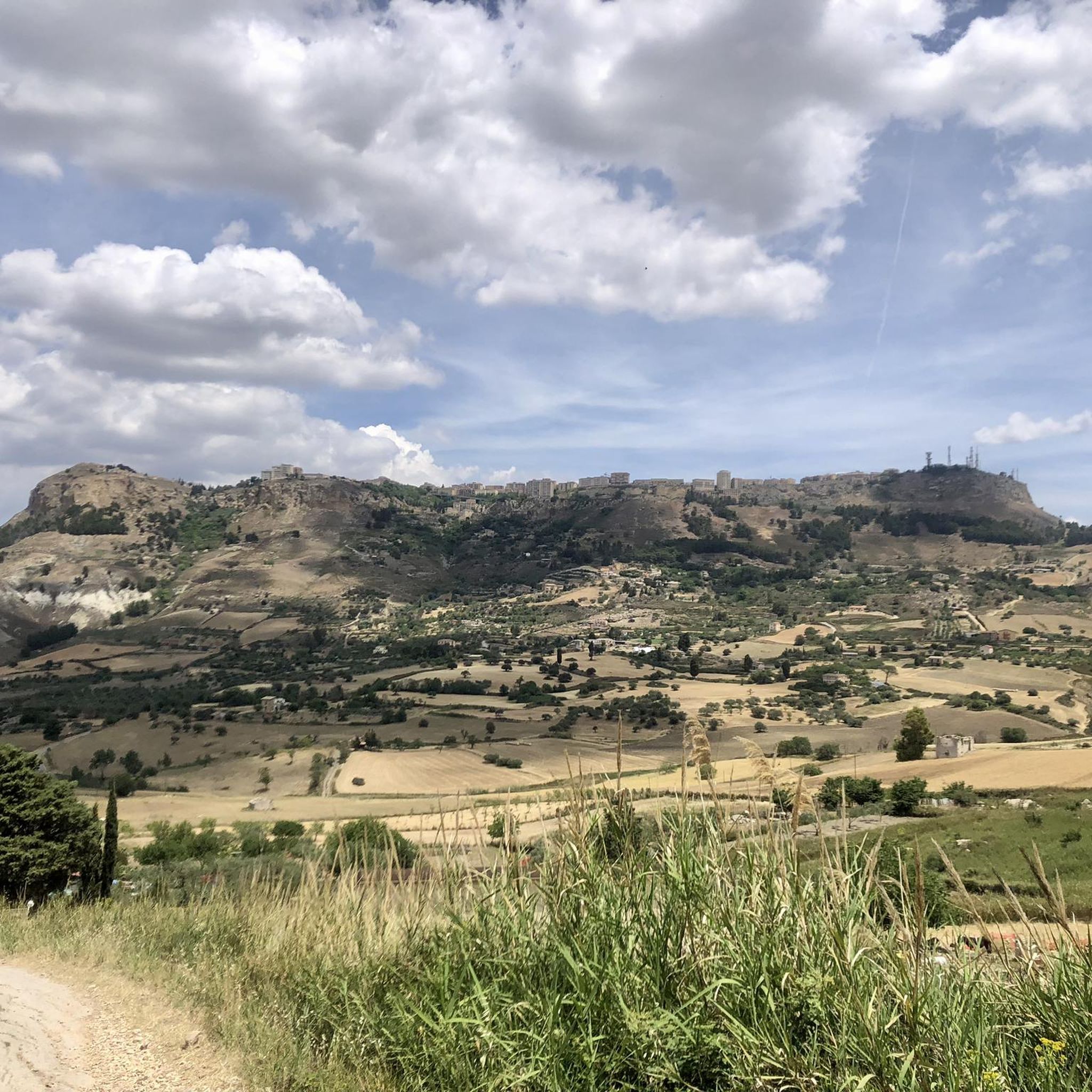
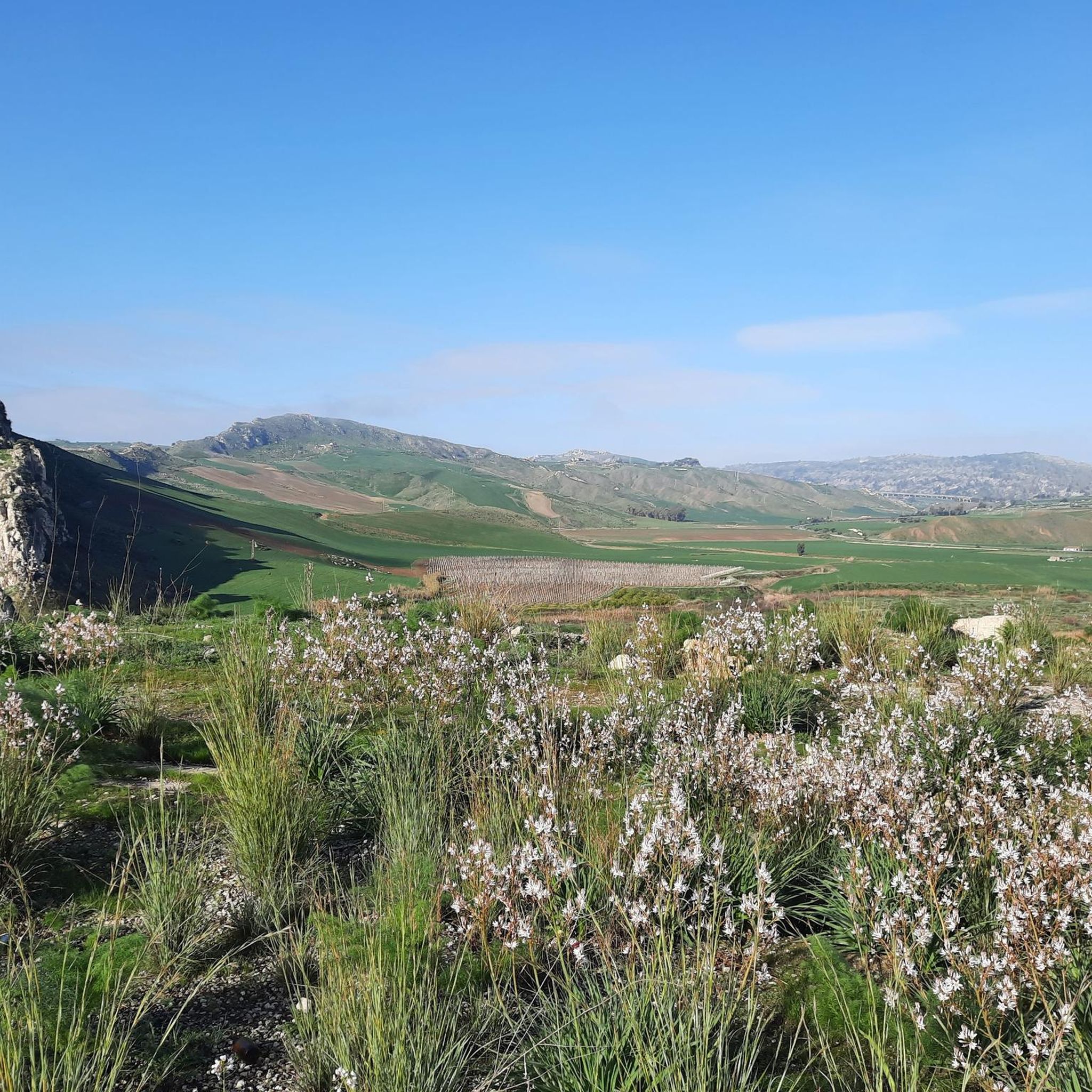
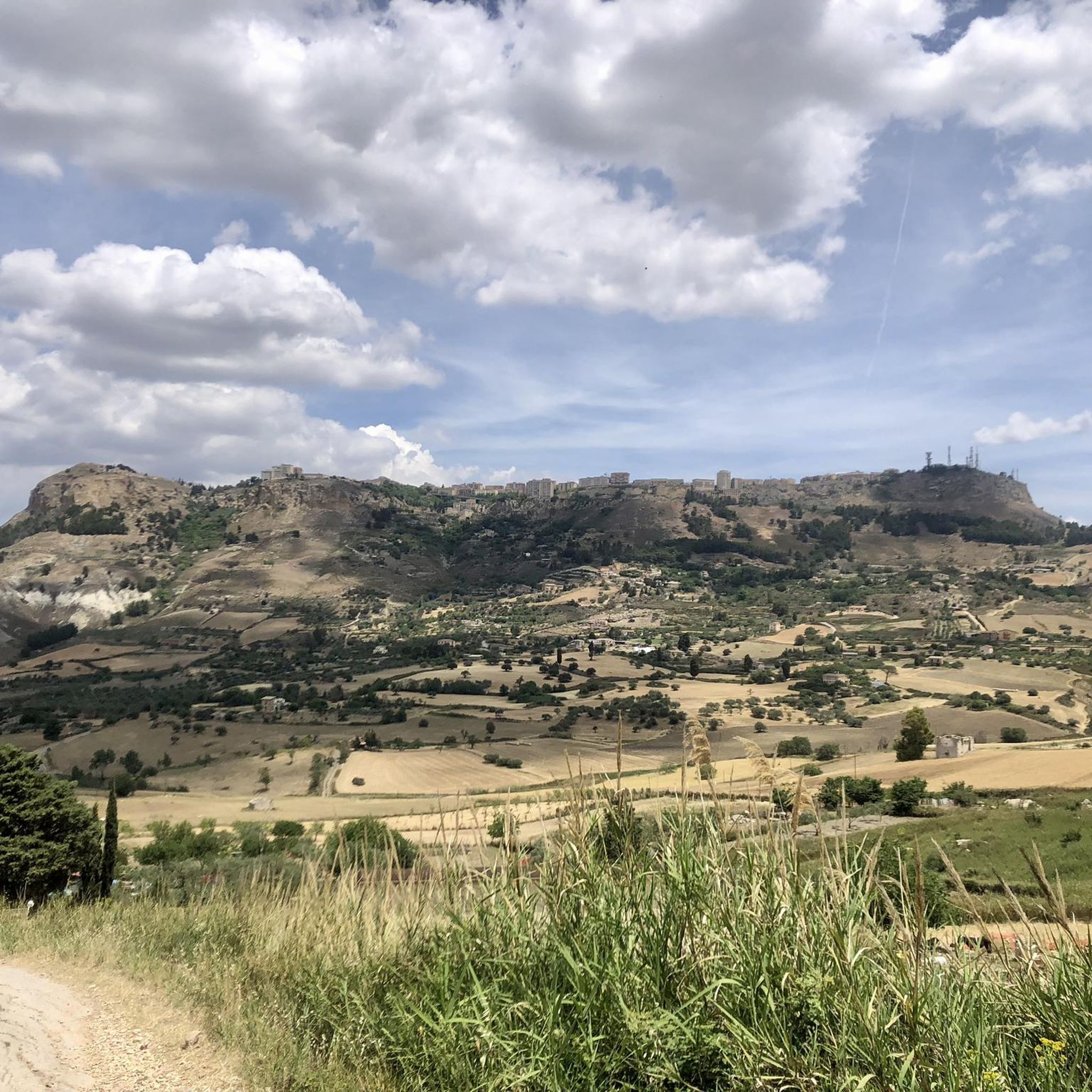
A beautiful route (SS190) between Riesi and Ravanusa. Here is a view of Monte Oliveto (236 m) and Poggio del Conte Bosco (359 m)
0
0
Frequently Asked Questions
What historical sites can I visit in Delia?
Delia is rich in history. You can explore the ancient Abandoned Railway Buildings of the Naro–Canicattì Line, which tell a story of industrial expansion and the sulfur mining era. Another significant site is the Norman Castle of Delia (Castello di Sabuci), an ancient fortress offering panoramic views from its highest point. The Trabia Tallarita Sulphur Mines, though closed, serve as a poignant reminder of Sicily's past economy and working conditions.
Are there any cultural attractions or museums in Delia?
Yes, Delia offers several cultural attractions. The Museo d'Arte Sacra, dedicated to Archbishop Giovanni Speciale, houses sacred works including paintings, fabrics, and sculptures. The Mother Church (Chiesa Madre di S. Maria di Loreto), built in 1622, features a painting by P. D'Asaro. You can also visit the Chiesa di San Domenico, known for its valuable canvas by Filippo Paladini, and other historical churches like Sant'Antonio Abate with its recently reopened crypt.
Where can I find scenic views around Delia?
For expansive views, head to Wide panorama, which offers a scenic route between Riesi and Ravanusa with vistas of Monte Oliveto and Poggio del Conte Bosco. The Norman Castle of Delia also provides a suggestive panorama of the surrounding hills and the Gela plain from its highest point.
What natural features characterize the landscape around Delia?
Delia is nestled in the Sicilian hinterland, characterized by rolling hills abundant with olive and almond trees. The town itself is situated on the slope of Monserrato Hill, offering a picturesque natural setting.
Are there family-friendly activities or attractions in Delia?
Families can enjoy visiting the Fountain of the Boy, Campobello di Licata, a unique man-made monument. The Wide panorama viewpoint is also considered family-friendly, offering beautiful scenery for all ages to enjoy.
What outdoor activities, like cycling or hiking, are available near Delia?
The region around Delia is great for outdoor activities. You can find various cycling routes, including options for touring bicycles, mountain bikes, and road cycling. For example, there are routes like the 'Riesi Railway Mine Loop' for touring bicycles or the 'Canicattì and the Valley of the Temples Loop' for road cycling. You can explore more options on the Cycling around Delia, MTB Trails around Delia, and Road Cycling Routes around Delia guide pages.
What is the best time of year to visit Delia?
Delia is a welcoming destination year-round. The region's traditional festivals, such as the ancient Easter rites and the 'Sagra della Cuddrireddra di Delia' in August, suggest that spring and summer offer vibrant cultural experiences. The mild Sicilian climate generally makes it pleasant to visit during these seasons to enjoy both outdoor attractions and local events.
Are there any unique local traditions or festivals in Delia?
Delia is known for its ancient Easter rites, which beautifully blend faith, tradition, and folklore. Additionally, in August, the town hosts the 'Sagra della Cuddrireddra di Delia,' a festival celebrating a traditional local dessert, offering a taste of authentic Sicilian culture.
What kind of religious heritage can I explore in Delia?
Delia has a deep-rooted religious heritage reflected in its numerous churches. Key sites include the Mother Church (Chiesa Madre di S. Maria di Loreto), the Chiesa di San Domenico with its notable artwork, and other historical churches like Sant'Antonio Abate, Carmel Church, the Church of the Holy Cross, and the Church of Santa Maria dell'Itria. Many of these buildings showcase significant architectural and artistic elements.
What do visitors typically enjoy the most about the attractions near Delia?
Visitors appreciate the rich historical and artistic heritage of Delia, combined with its local culture and natural environment. The komoot community particularly enjoys the historical sites, religious buildings, and viewpoints, with many sharing photos and upvoting highlights like the Fountain of the Boy and the Wide panorama.
Are there any lesser-known historical points of interest in the area?
Beyond the main landmarks, you can discover the historical remnants of mills around Delia. Additionally, the Abandoned Railway Buildings of the Naro–Canicattì Line, though mostly in ruins, offer a glimpse into a past era of industrial expansion tied to the sulfur mines and local mobility, providing a unique historical perspective.

Get inspired with the komoot mobile app


Explore more
Still not found the Highlight you’re looking for? See guides of the top attractions in other regions:
