Attractions and Places To See around Canicattì - Top 20
Attractions and places to see around Canicattì are found in a city located in a hilly area of Sicily, between Agrigento and Caltanissetta. The region's origins are rooted in Arab culture, with a historic center characterized by winding streets. Canicattì offers a mix of historical sites, natural landscapes, and architectural landmarks.
Best attractions and places to see around Canicattì
- The most popular attraction is Petra di Calathansuderj, a historical site that features an archaeological area with a stronghold. This…
Last updated: July 20, 2026
Deli Sulphur Railway Station (Disused)
Highlight • Historical Site
Translated by Google •
Tip by

Petra di Calathansuderj
Highlight • Historical Site
Translated by Google •
Tip by

Sign up now to discover places like this
Get recommendations on the best single tracks, peaks, & plenty of other exciting outdoor places.
Sign up for free
Old Favara Railway Station
Highlight • Historical Site
Translated by Google •
Tip by
Route Around the Naro Dam
Highlight • Trail
Translated by Google •
Tip by

Ascent towards Serradifalco
Highlight • Climb
Translated by Google •
Tip by

Sign up for free to discover even more attractions around Canicattì.
Sign up for free
Already have an account?
Start today with a free account
Your next adventure awaits.
Login or Signup


Tips from the Community

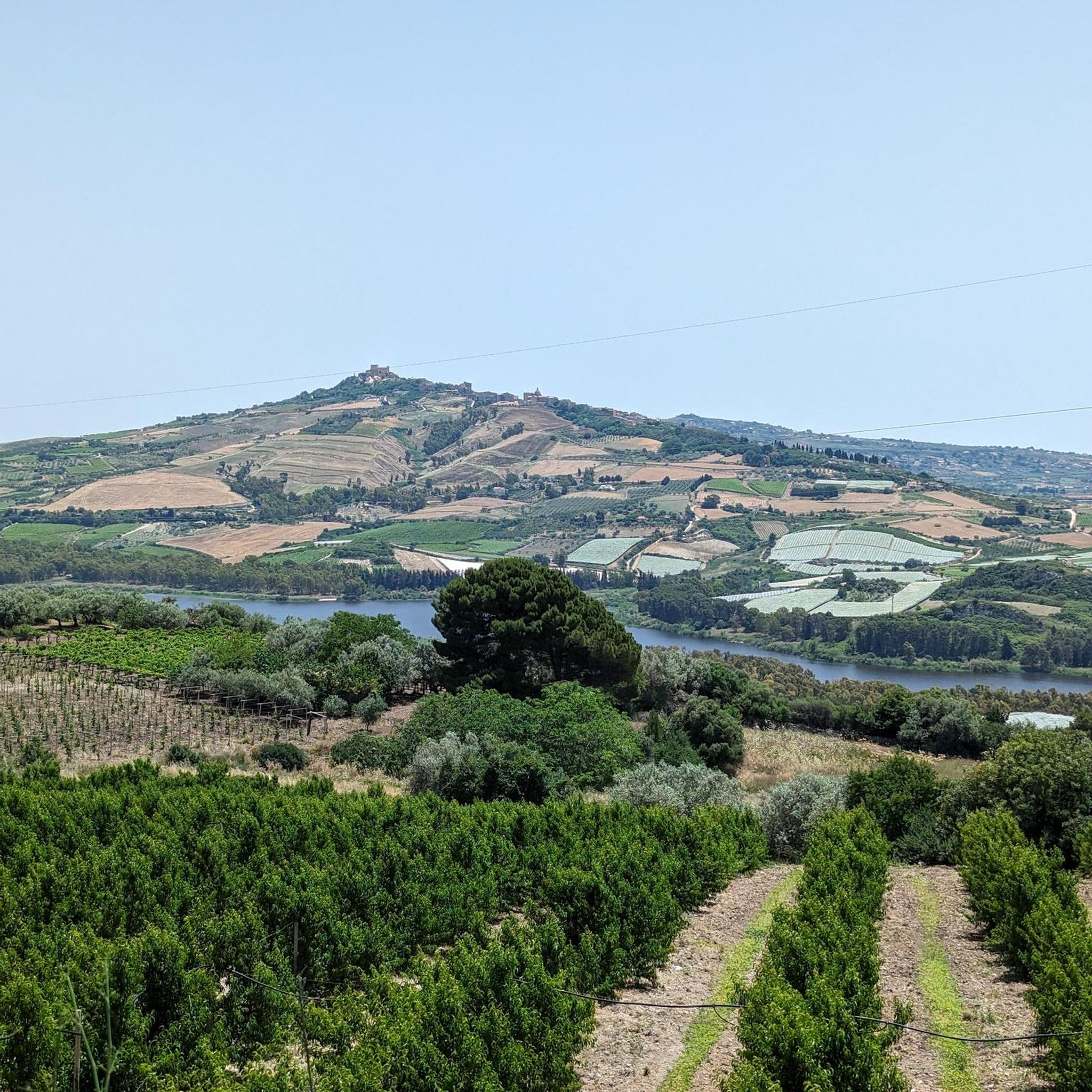
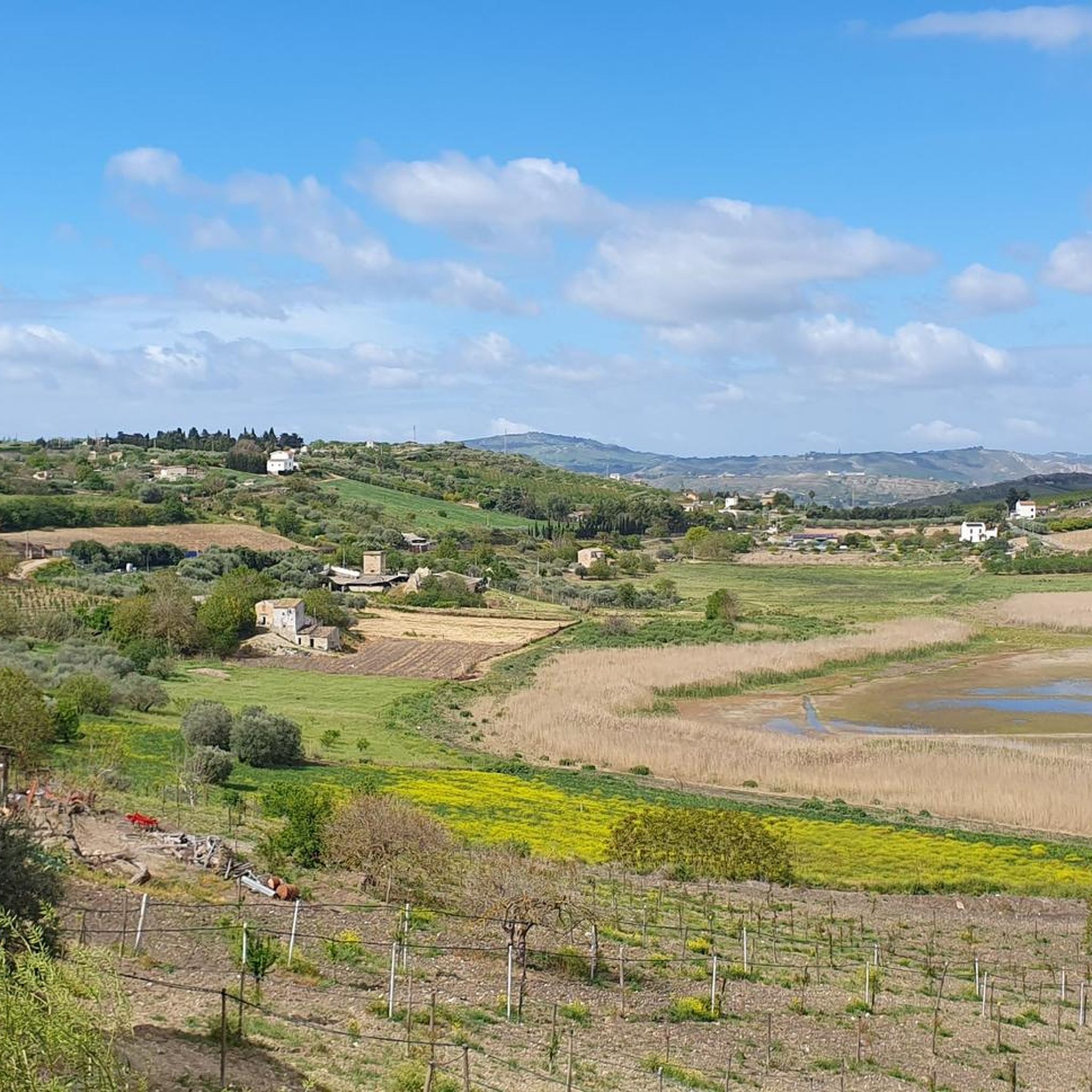
The forest of the Naro dam or Lake S.Giovanni and my route. For more than 20 years it has been looked after by me to make it a safe and fun route to traverse. The paths make a complete circuit around the immense lake and the woods
0
0
Deli station former railway
0
0

The archaeological area of Petra of Calathansuderj hides a unique stronghold, testimony to the Byzantine-Arab-Norman influence, with an imposing structure 30 meters high and 40 meters wide, full of tunnels dug for the defense and control of the roads communication. The discovery of numerous ceramic finds, dated between the 2nd and 14th centuries AD, reveals the strategic importance of this site through the centuries.
4
0

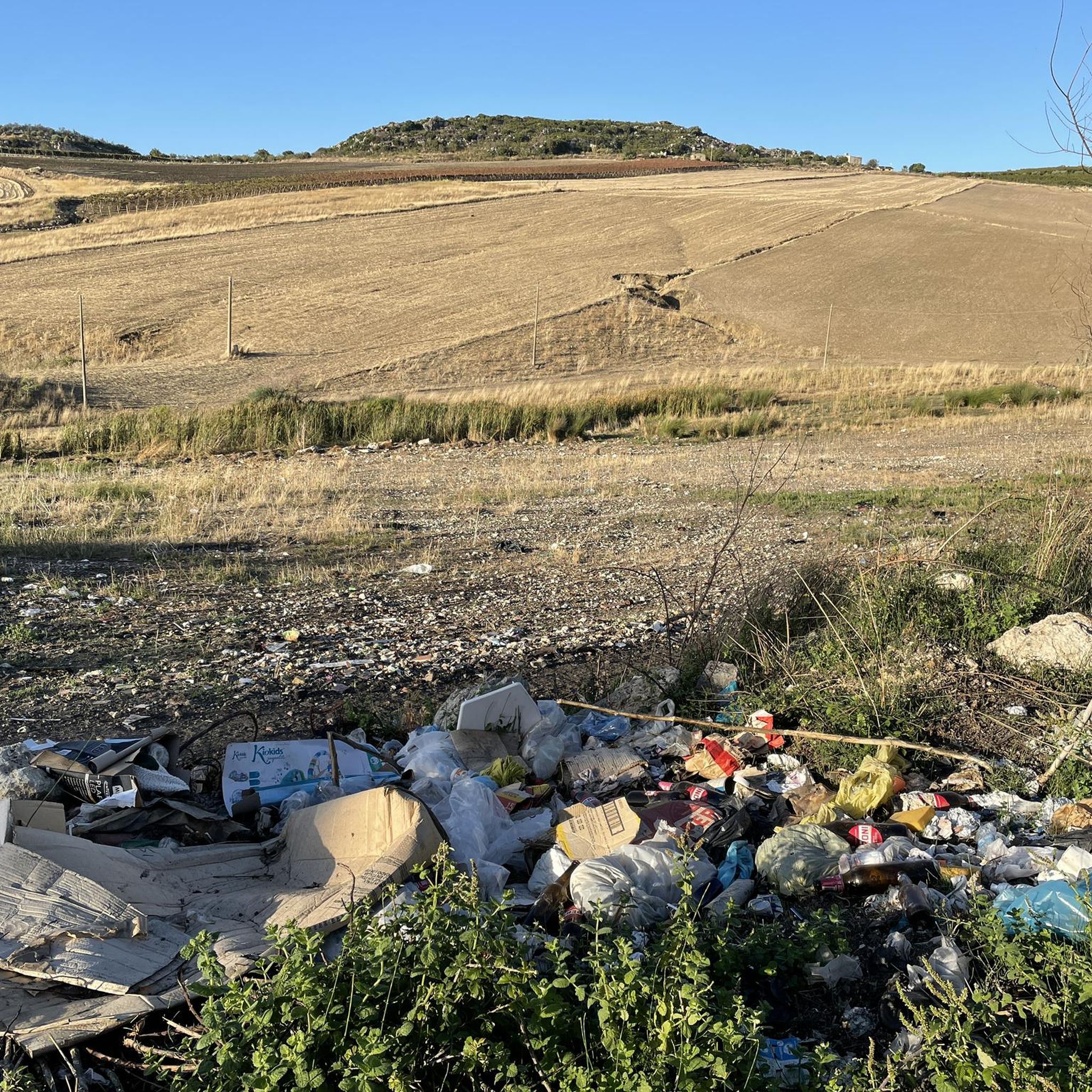
be careful in case of rain it is an area that becomes really difficult to cross
0
0
rushed by during the Sicily Divide, it is worth a careful visit
0
0
Up and up and up…. But what a beauty
0
0

The line was opened in two periods: between 1911 and 1915 the Naro - Licata section was activated as a continuation of the Canicattì - Naro connection opened on 28/02/1911; in 1921 the connection between Margonia and Agrigento was made. The line had 6 rack and pinion sections with a gradient of 75 ‰ for a total of 10.26 km: from km 3 + 300 to km 5 + 195; from km 11.307 to km 12.798; from km 14.374 to km 15.406; from km 16.568 to km 18.031; from km 38.608 to km 40.618; from km 40.938 to km 43.271 (progressive referring to the station of Agrigento Bassa). Current state: The railway site, no longer armed, can only be traced in parts as a dirt country road. Long stretches of former grounds have been incorporated into cultivated fields or transformed into ordinary roads. The works of art are generally still visible, although some are in poor condition. Most of the buildings of the former stations and the toll booths have been abandoned and dilapidated. The Agrigento Centrale - Agrigento Bassa section was common to the Palermo - Agrigento Centrale ordinary gauge line and the Castelvetrano - Agrigento Centrale narrow gauge line. The trains coming from Licata could reach Agrigento Centrale thanks to a narrow gauge track placed between the ordinary gauge track. The narrow gauge track between Agrigento Bassa and Agrigento Centrale remained in operation even after the closure of the line, used by the Castelvetrano - Agrigento Centrale railway.
0
0
The line was opened in two periods: between 1911 and 1915 the Naro - Licata section was activated as a continuation of the Canicattì - Naro connection opened on 28/02/1911; in 1921 the connection between Margonia and Agrigento was made. The line had 6 rack and pinion sections with a gradient of 75 ‰ for a total of 10.26 km: from km 3 + 300 to km 5 + 195; from km 11.307 to km 12.798; from km 14.374 to km 15.406; from km 16.568 to km 18.031; from km 38.608 to km 40.618; from km 40.938 to km 43.271 (progressive referring to the station of Agrigento Bassa). Current state: The railway site, no longer armed, can only be traced in parts as a dirt country road. Long stretches of former grounds have been incorporated into cultivated fields or transformed into ordinary roads. The works of art are generally still visible, although some are in poor condition. Most of the buildings of the former stations and the toll booths have been abandoned and dilapidated. The Agrigento Centrale - Agrigento Bassa section was common to the Palermo - Agrigento Centrale ordinary gauge line and the Castelvetrano - Agrigento Centrale narrow gauge line. The trains coming from Licata could reach Agrigento Centrale thanks to a narrow gauge track placed between the ordinary gauge track. The narrow gauge track between Agrigento Bassa and Agrigento Centrale remained in operation even after the closure of the line, used by the Castelvetrano - Agrigento Centrale railway.
2
0
Frequently Asked Questions
What historical sites can I explore in Canicattì?
Canicattì offers a rich history, including the Petra di Calathansuderj, an archaeological area with a Byzantine-Arab-Norman stronghold. You can also visit the Monumental Complex of the Badia, which includes a former convent and the Church of Saints Philip and James, or wander through the historic center with its winding streets and notable palaces.
Are there any significant architectural landmarks in Canicattì?
Yes, Canicattì features several architectural wonders. The Mother Church (Chiesa Madre) in Dome Square is an impressive 18th-century structure. The city also boasts the magnificent Cathedral St. Pancras Renaissance, the exuberant Fountain of Neptune, and the spectacular Art Nouveau Social Theater designed by Ernesto Basile.
Where can I find natural landscapes or scenic routes near Canicattì?
For natural beauty, consider the Route Around the Naro Dam, an 11 km path through nature with views of the Naro castle and lake. Another scenic option is the Ascent towards Serradifalco, known for its beautiful views.
What outdoor activities are available around Canicattì?
The area around Canicattì is excellent for cycling and mountain biking. You can find various routes, such as the 'Canicattì and the Valley of the Temples Loop' for road cycling or 'Naro e il Castello di Montechiaro da Canicattì' for mountain biking. Explore more options on the Road Cycling Routes around Canicattì, Cycling around Canicattì, and MTB Trails around Canicattì guide pages.
Are there any disused railway stations or industrial heritage sites to visit?
Yes, you can explore the historical railway infrastructure. The Deli Sulphur Railway Station (Disused) and the Old Favara Railway Station are remnants of a former narrow-gauge line. While the tracks are largely gone, the station buildings and some works of art are still visible, offering a glimpse into the region's past.
What are some notable churches in Canicattì?
Beyond the Mother Church and Cathedral St. Pancras Renaissance, Canicattì is home to several other significant churches. These include the Church of the Venerable Padre Gioacchino La Lomia, San Diego, San Giuseppe, Chiesa del Purgatorio, and San Francesco, each contributing to the city's spiritual and architectural heritage.
Can I visit an archaeological site near Canicattì?
Yes, a few kilometers east of Canicattì lies the Vito Soldano Archaeological Site. This extensive settlement features an antiquarium and the remains of a thermal building from the early 4th century AD, providing insights into ancient dwelling methods and the development of the latifundium from the 1st century BC to the 9th century AD.
What are the best day trips from Canicattì?
Canicattì's central location makes it an ideal base for day trips to nearby significant attractions. You can easily reach the famous Valley of the Temples and the stunning Stair of the Turks (Scala dei Turchi) in Agrigento, both offering unique historical and natural experiences.
What is the best way to experience the history and mythology of Canicattì?
The best way to immerse yourself in Canicattì's history and mythology is by wandering through its historic center. The old town is divided into distinct wards like Borgalino and Badia, where winding, picturesque streets reveal the city's rich past and legends.
Are there any castles or towers to see in Canicattì?
You can visit the ruins of Castel Bonanno and the Civic Tower, which stands alone at its foot. These sites offer a tangible connection to the city's past and provide a glimpse into its historical defenses and urban development.
What is the significance of the Fountain of Neptune in Canicattì?
The Fountain of Neptune, located in IV Novembre Square, is considered an emblem of Canicattì. Its exuberant design and natural elegance make it a captivating landmark and a popular spot for visitors to appreciate the city's artistic flair.
What kind of art and culture can I find in Canicattì?
Canicattì offers a blend of art and culture, from the architectural beauty of its palaces and churches to the performing arts at the Social Theater, an exquisite example of Art Nouveau design. The city's historic center itself is a cultural experience, reflecting its Arab origins and rich heritage.
Most popular attractions around Canicattì

Get inspired with the komoot mobile app


Explore more
Still not found the Highlight you’re looking for? See guides of the top attractions in other regions:
