Attractions and Places To See around Sant'Angelo Muxaro - Top 20
Best attractions and places to see around Sant'Angelo Muxaro include a blend of ancient history, cultural sites, and natural landscapes. This hilltop village in the province of Agrigento, Sicily, is situated in the rugged countryside of the Platani Valley. The area is known for its Bronze Age archaeological sites, including a significant necropolis, and offers an authentic Sicilian experience.
Best attractions and places to see around Sant'Angelo Muxaro
- The most popular attractions is Joppolo Giancaxio, a settlement that features…
Last updated: October 11, 2026
Joppolo Giancaxio
Highlight • Settlement
Translated by Google •
Tip by

Monte Conca Nature Reserve
Highlight • Natural Monument
Translated by Google •
Tip by
Sign up now to discover places like this
Get recommendations on the best single tracks, peaks, & plenty of other exciting outdoor places.
Petra di Calathansuderj
Highlight • Historical Site
Translated by Google •
Tip by
Aragona
Highlight • Settlement
Translated by Google •
Tip by
Torre del Salto d’Angiò
Highlight • Castle
Translated by Google •
Tip by

Sign up for free to discover even more attractions around Sant'Angelo Muxaro.
Already have an account?
Start today with a free account
Your next adventure awaits.
Tips from the Community

Such a warm little village. I was in the bar opposite the church on the piazza and was greeted so warmly as if I had always lived there. Next to the church is a beautiful mural and I also had a good meal at il Pellegrino.
0
0
Beautiful nature reserve along the Magna Via Francigena. I had problems crossing the river. Hiking poles are an advantage.
2
0
Aragona is not the prettiest village on the Magna Via but it is comparatively large and there are several restaurants and bars to stop at. Almost everyone goes to "la botte del Pellegrino" where there is a special menu for hikers.
0
0

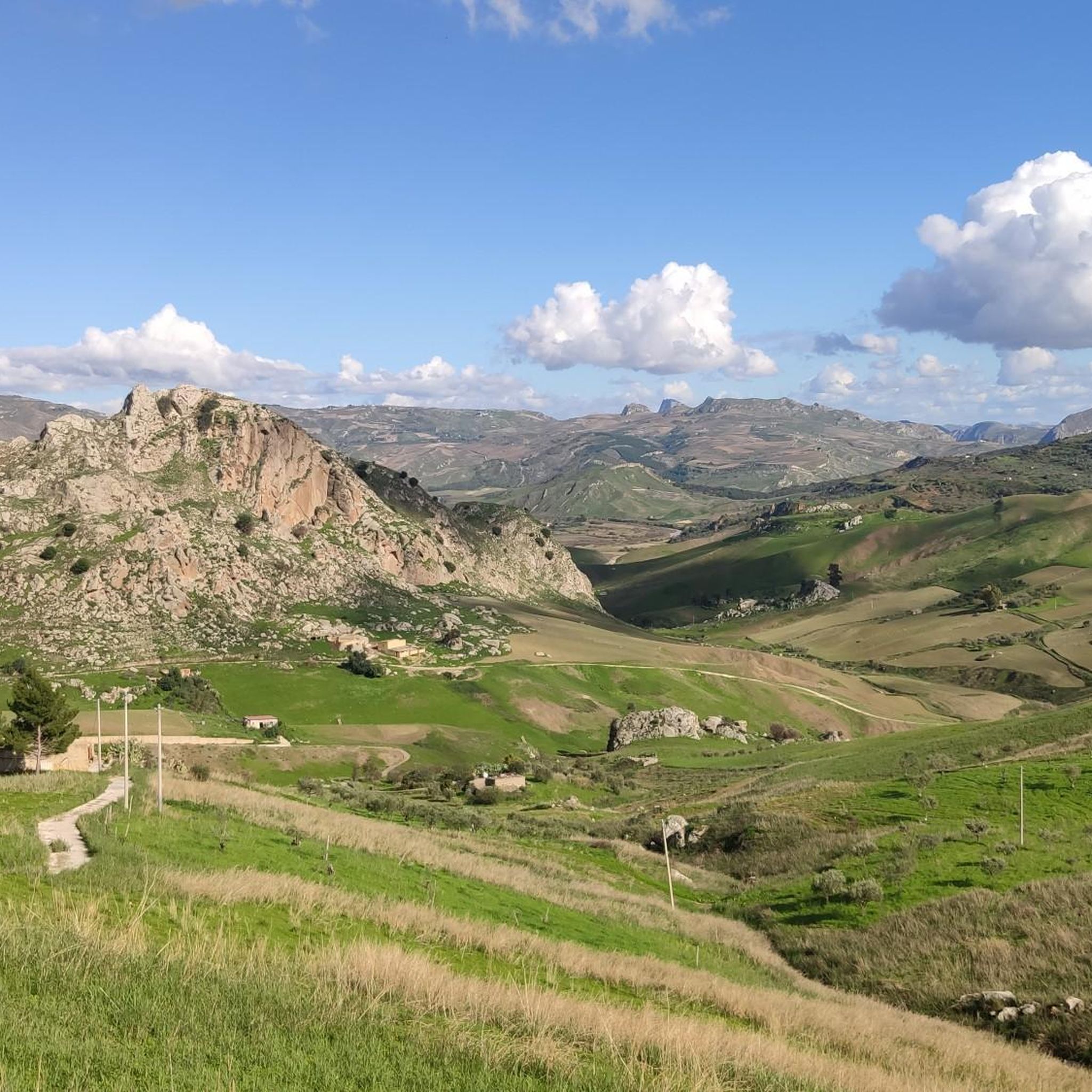
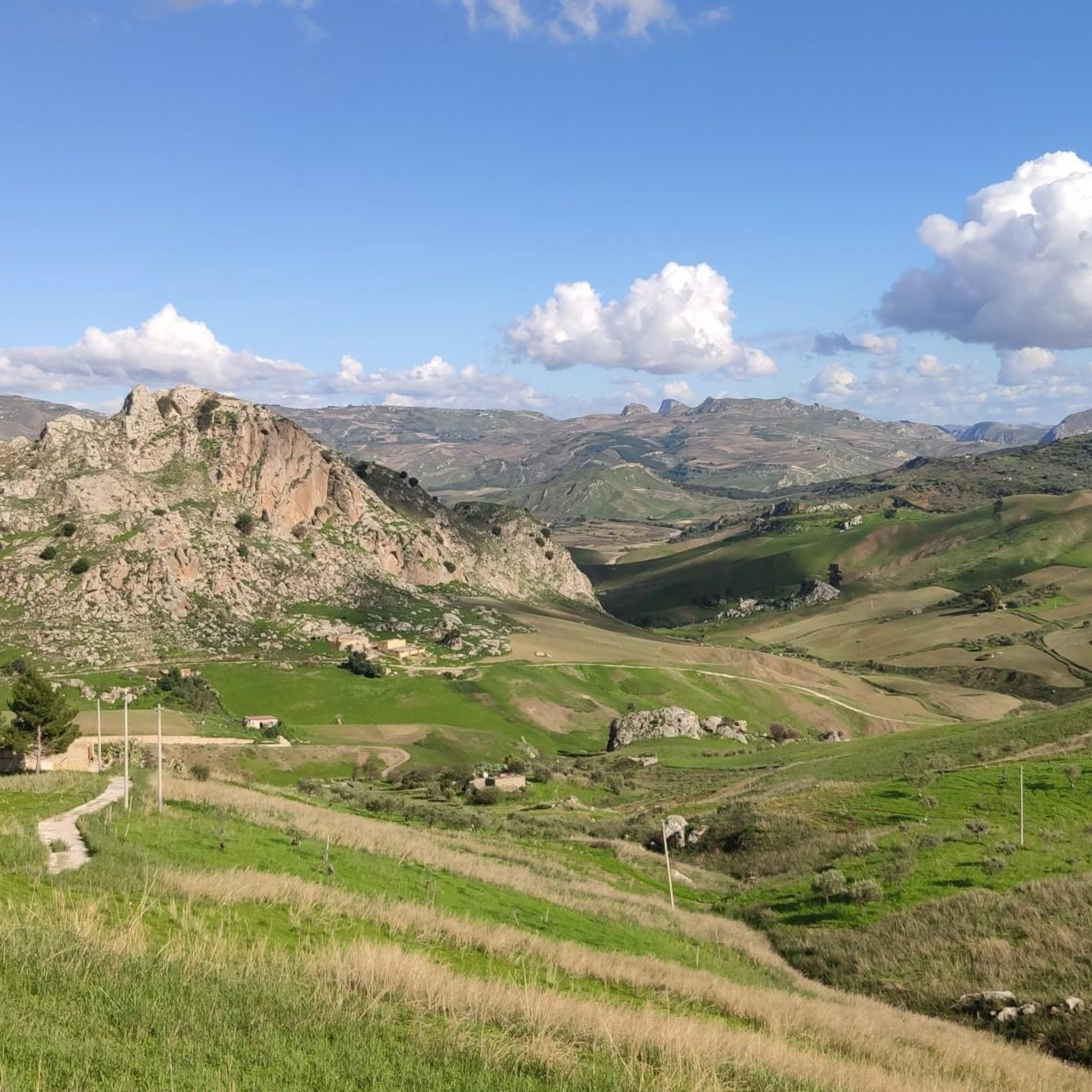
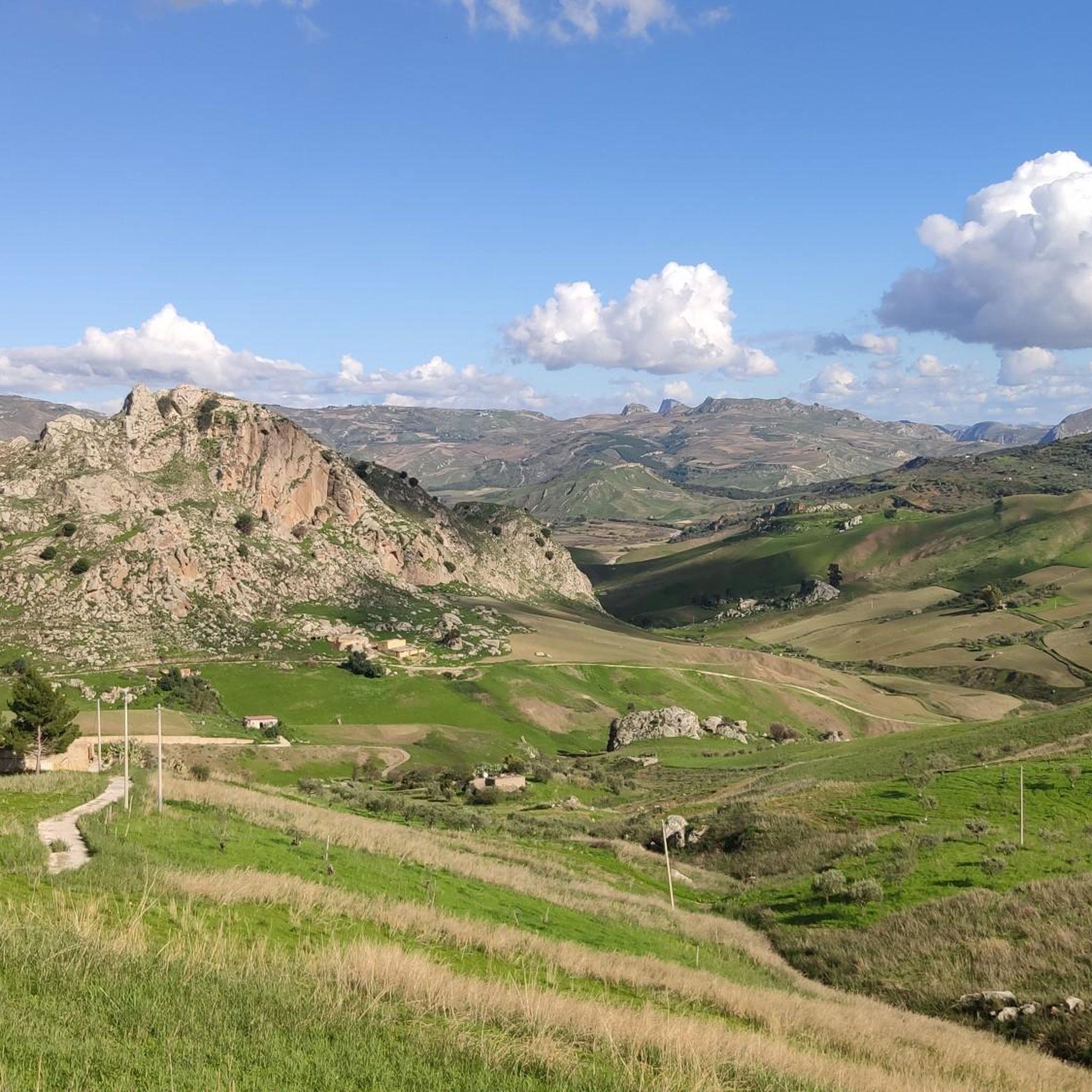
Around the majestic cliff of the ducal castle, built by the Colonna princes, stands the picturesque village of Joppolo Giancaxio, founded in 1696 at the behest of the baron. In addition to its castle, this agricultural center is famous for the cultivation of yellow melon and for the annual festival held in early August, attracting enthusiasts and the curious.
2
0
Aragon is especially famous for the phenomenon of the Macalube, the cold mud volcanoes. It is a geological phenomenon linked to the presence of methane in the soil, which makes the panorama very suggestive and unique. Aragon is also a good refreshment point, in case of need.
3
0
The archaeological area of Petra of Calathansuderj hides a unique stronghold, testimony to the Byzantine-Arab-Norman influence, with an imposing structure 30 meters high and 40 meters wide, full of tunnels dug for the defense and control of the roads communication. The discovery of numerous ceramic finds, dated between the 2nd and 14th centuries AD, reveals the strategic importance of this site through the centuries.
4
0
The Monte Conca nature reserve, established in 1995, is an exceptional example of a landscape shaped by karst, with impressive underground karst systems that include the Inghiottitoio and Risorgenza caves. This protected area boasts a rich biodiversity, with habitats ranging from Mediterranean scrub to prairies, hosting endemic plant species and animals at risk of extinction, including the fox, the porcupine and the rare Bonelli's eagle.
4
0

The Torre del Salto d'Angiò, also known by the name "a Turri" as it is called in popular jargon, is located about 12 km from Aragona, in the province of Agrigento. The structure is rectangular in shape, incorporated into an 18th century farmhouse, and is divided into three levels, of which the first and third have rounded mullioned windows, while the second has pointed single-lancet windows. Its imposing mass stands at the center of three courtyards, where the rooms of the farm were once located. The Torre del Salto d'Angiò is positioned at the meeting point of three fiefdoms: Diesi, Cantarella and Muxarello and overlooks the territory of the latter two. In the period between the 13th and 14th centuries these two fiefdoms were united into a single fiefdom: the Muxaro. A Turri has undergone many transformations over the centuries and is still a structure with a particular charm, thanks also to the enchanting and solitary landscape in which it is located. Source: www.castellodangio.it
0
0
Frequently Asked Questions
What historical and archaeological sites can I explore in Sant'Angelo Muxaro?
Sant'Angelo Muxaro is rich in ancient history. You can visit the Archaeological Area of Sant'Angelo Muxaro (Necropolis), believed to be the ancient Sican city of Kamikos, featuring over two hundred rock-cut tombs from the Bronze Age, including monumental tholos tombs like the iconic Prince's Tomb. Additionally, the Petra di Calathansuderj archaeological area offers a unique stronghold with Byzantine-Arab-Norman influences, tunnels, and ceramic finds dating from the 2nd to the 14th centuries AD.
Are there any significant natural features or reserves to visit?
Yes, the region boasts impressive natural beauty. The Sant'Angelo Muxaro Cave Nature Reserve (Grotta di Sant'Angelo or Grotta Ciavuli) is a must-see, featuring unique karst phenomena like stalactites, stalagmites, and underground streams. You can also explore the Monte Conca Nature Reserve, an exceptional example of a karst landscape with underground systems and diverse habitats, home to endemic plant species and endangered animals like the Bonelli's eagle.
What kind of outdoor activities can I do around Sant'Angelo Muxaro?
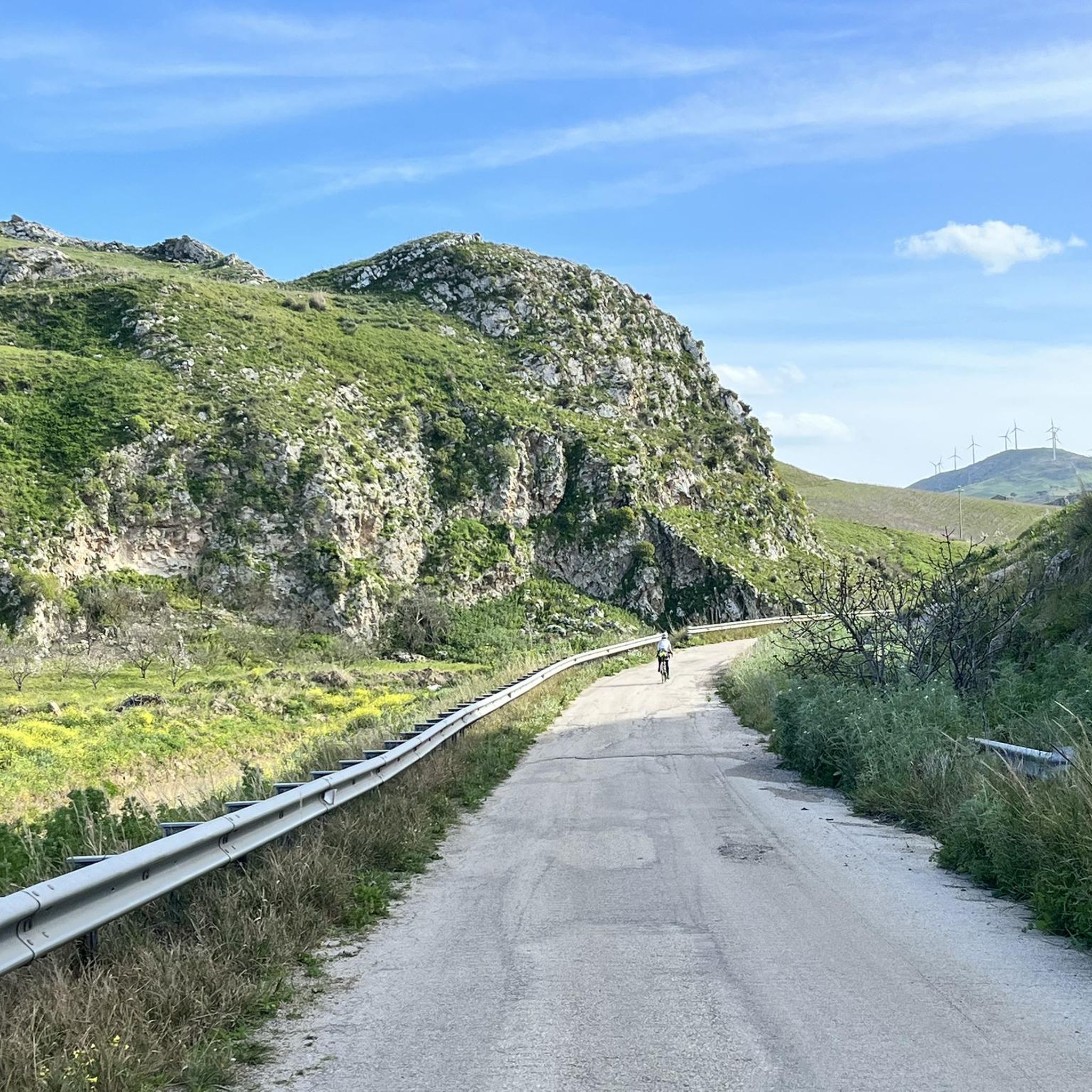
The rugged countryside of the Platani Valley offers various outdoor activities. You can find numerous routes for mountain biking and cycling. For MTB enthusiasts, consider exploring trails like the "Loop Trail above Aragona" or the "Macalube di Aragona Nature Reserve Loop." Cyclists can enjoy routes such as "The Platani River towards Rocca Grande" or the "Platani Valley Loop." You can find more details and routes on the MTB Trails around Sant'Angelo Muxaro and Cycling around Sant'Angelo Muxaro guide pages.
Are there family-friendly attractions or activities in the area?
While specific family-focused activities are not extensively listed, the charming village of Joppolo Giancaxio, with its ducal castle and panoramic views, is noted as family-friendly. Exploring the medieval historic center of Sant'Angelo Muxaro itself, with its winding streets and local cafés, can also be an enjoyable experience for families.
What is the best time of year to visit Sant'Angelo Muxaro?
Sant'Angelo Muxaro can be enjoyed throughout the year, but spring (May) and early autumn are particularly pleasant for outdoor activities and exploring. The village also hosts several traditional festivals, such as the feast of the Patron Saint Sant'Angelo Martire in May, and various food festivals, which offer vibrant cultural experiences.
Where can I experience local culture and traditions in Sant'Angelo Muxaro?
Sant'Angelo Muxaro is known for its community-based tourism, where local families often host visitors, offering insights into daily life, regional cuisine, and traditional crafts. Attending local festivals like the Ricotta Festival or the Wild Asparagus Festival provides an authentic taste of rural Sicilian life. The Piazzetta Sant'Angelo Martire, the main square, is also a great place to soak in the local atmosphere.
What are the unique geological features of the Sant'Angelo Muxaro region?
The landscape around Sant'Angelo Muxaro is characterized by rises consisting of evaporitic rocks, primarily limestone, gypsum, and various salts, formed millions of years ago. This geological composition has led to impressive karst phenomena, particularly evident in the Sant'Angelo Muxaro Cave Nature Reserve and the Monte Conca Nature Reserve, which feature extensive underground systems.
Can I find good viewpoints for panoramic scenery?
Absolutely. Due to its hilltop location, Sant'Angelo Muxaro offers sweeping panoramic views of the surrounding olive groves, wheat fields, and the vast Platani Valley. The short footpath leading from the village center to the Sant'Angelo Muxaro Cave also provides excellent vantage points.
Are there any specific hiking trails recommended near Sant'Angelo Muxaro?
While specific hiking trails are not detailed in the provided data, the natural reserves like Monte Conca Nature Reserve and the Sant'Angelo Muxaro Cave Nature Reserve offer opportunities for walks and exploration. The region's rugged terrain suggests various paths for trekking. For more structured routes, you can explore the MTB Trails around Sant'Angelo Muxaro guide, which often includes paths suitable for hiking.
What makes the archaeological area of Sant'Angelo Muxaro particularly important?
The archaeological area is highly significant because it is believed to be the site of Kamikos, the ancient Sican city linked to the myth of King Kokalos and Daedalus. Its necropolis contains over two hundred rock-cut tombs, including the monumental tholos tombs, which are unique in Sicily and show architectural similarities to Mycenaean funerary structures, making it a crucial site for understanding Bronze Age history in the Mediterranean.
What kind of wildlife might I encounter in the natural reserves?
In the Monte Conca Nature Reserve, you might spot various animals at risk of extinction, including the fox, the porcupine, and the rare Bonelli's eagle. The diverse habitats within the reserve support a rich biodiversity, making it an interesting spot for wildlife observation.
Are there other historic villages or towns worth visiting nearby?
Yes, nearby Joppolo Giancaxio is a picturesque village with a ducal castle and agricultural traditions, offering panoramic views. Another interesting town is Aragona, famous for the geological phenomenon of the Macalube, which are cold mud volcanoes, creating a unique landscape.
Most popular attractions around Sant'Angelo Muxaro

Get inspired with the komoot mobile app


Explore more
Still not found the Highlight you’re looking for? See guides of the top attractions in other regions:
