Attractions and Places To See around Cianciana - Top 7
Best attractions and places to see around Cianciana Sicily include a blend of historical landmarks, cultural sites, and natural beauty. This town, nestled in the Sicani Mountains and the Platani river valley, reflects a past influenced by Roman times and a significant 19th-century sulfur mining industry. Visitors can explore diverse landscapes, from mountains with ancient caves to river valleys with unique flora. The area offers opportunities to delve into history, culture, and nature.
Best attractions and places to see around Cianciana
- The most popular attractions is Montallegro, a settlement that offers cafes on its main street. It is a passing village along the SIBIT Cycle Route.
- Another must-see spot is Lake Magazzolo and Castello Dam, an artificial lake formed by the damming of the Magazzolo river. The lake's waters are used for civil and agricultural purposes, serving various municipalities in the province of Agrigento.
- Visitors also love Easter Bread Arches of San Biagio Platani, a man-made monument representing a particular tradition for Easter festivities. These large structures of woven and decorated bread are created with craftsmanship and commitment from the local community.
- Cianciana is known for its historical sites, natural features like Monte Cavallo, and unique cultural traditions. The region offers a variety of attractions to see and explore, from ancient churches and palaces to geological formations and museums.
- The attractions around Cianciana are appreciated by the komoot community, with 13 upvotes and 8 photos shared by visitors.
Last updated: May 19, 2026
Lake Magazzolo and Castello Dam
Highlight (Segment) • Lake
Translated by Google •
Tip by

Montallegro
Highlight • Settlement
Translated by Google •
Tip by

Sign up now to discover places like this
Get recommendations on the best single tracks, peaks, & plenty of other exciting outdoor places.
Sign up for free
Easter Bread Arches of San Biagio Platani
Highlight • Monument
The preparation of the bread arches requires craftsmanship and considerable commitment from the local community. The women of the village gather to weave bread and create elaborate designs and decorations. The woven loaves are then assembled to form the arches, which are exhibited in various areas of the country.
Bread bows are considered a symbol of celebration and abundance and are a way to celebrate Easter and share its joy with the whole community. During Easter week, residents and visitors can admire the bread arches and participate in religious processions and celebrations that take place in the area.
The tradition of bread arches in San Biagio Platani is an example of how Italian communities have developed unique forms of cultural expression linked to religious holidays. These local traditions help preserve the history and identity of the communities and are often an occasion to gather and celebrate together.
Translated by Google •
Tip by

View of Bivona
Highlight • Viewpoint
Translated by Google •
Tip by

Murals of Beddamè
Highlight • Monument
Translated by Google •
Tip by

Sign up for free to discover even more attractions around Cianciana.
Sign up for free
Already have an account?
Start today with a free account
Your next adventure awaits.
Login or Signup
Popular around Cianciana
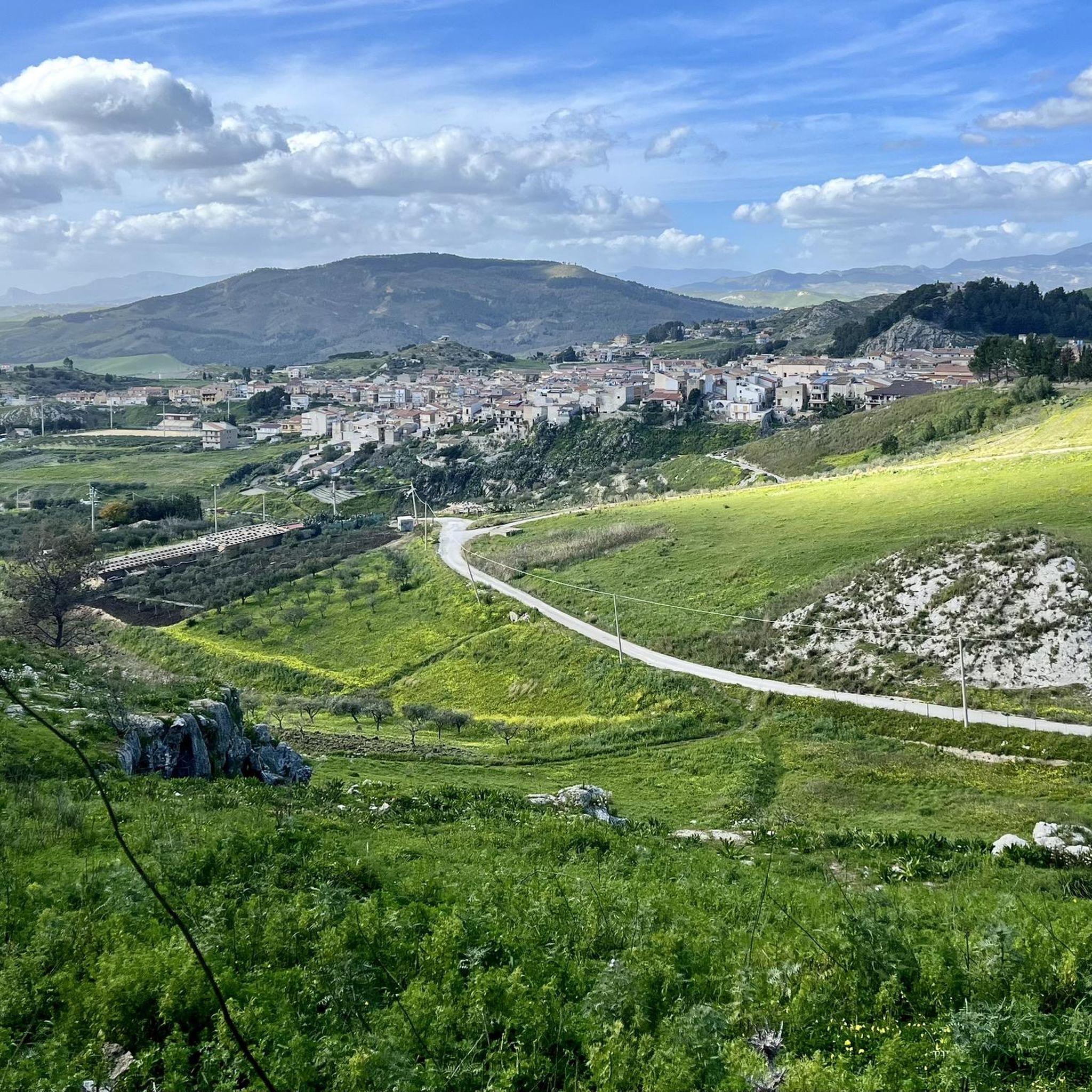
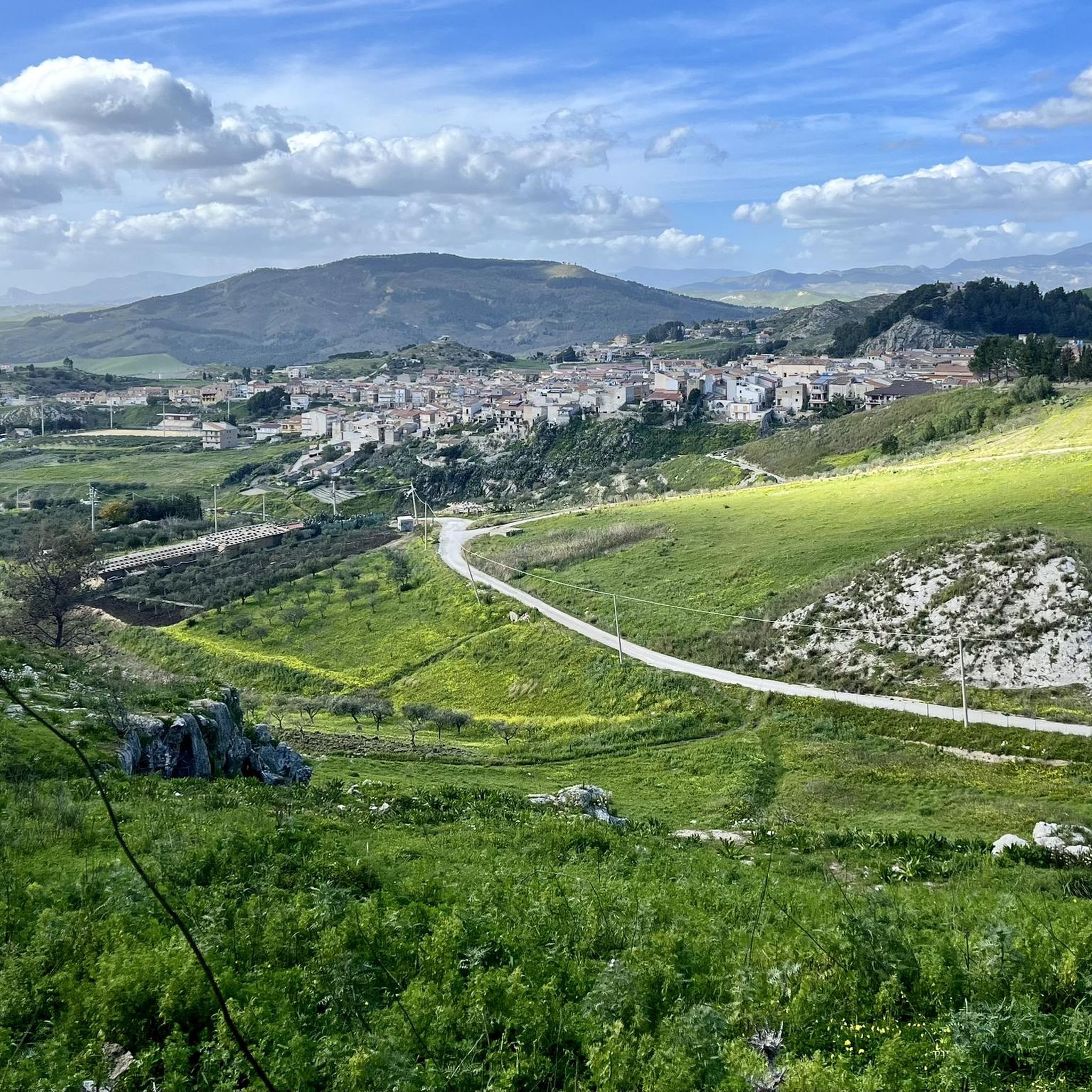
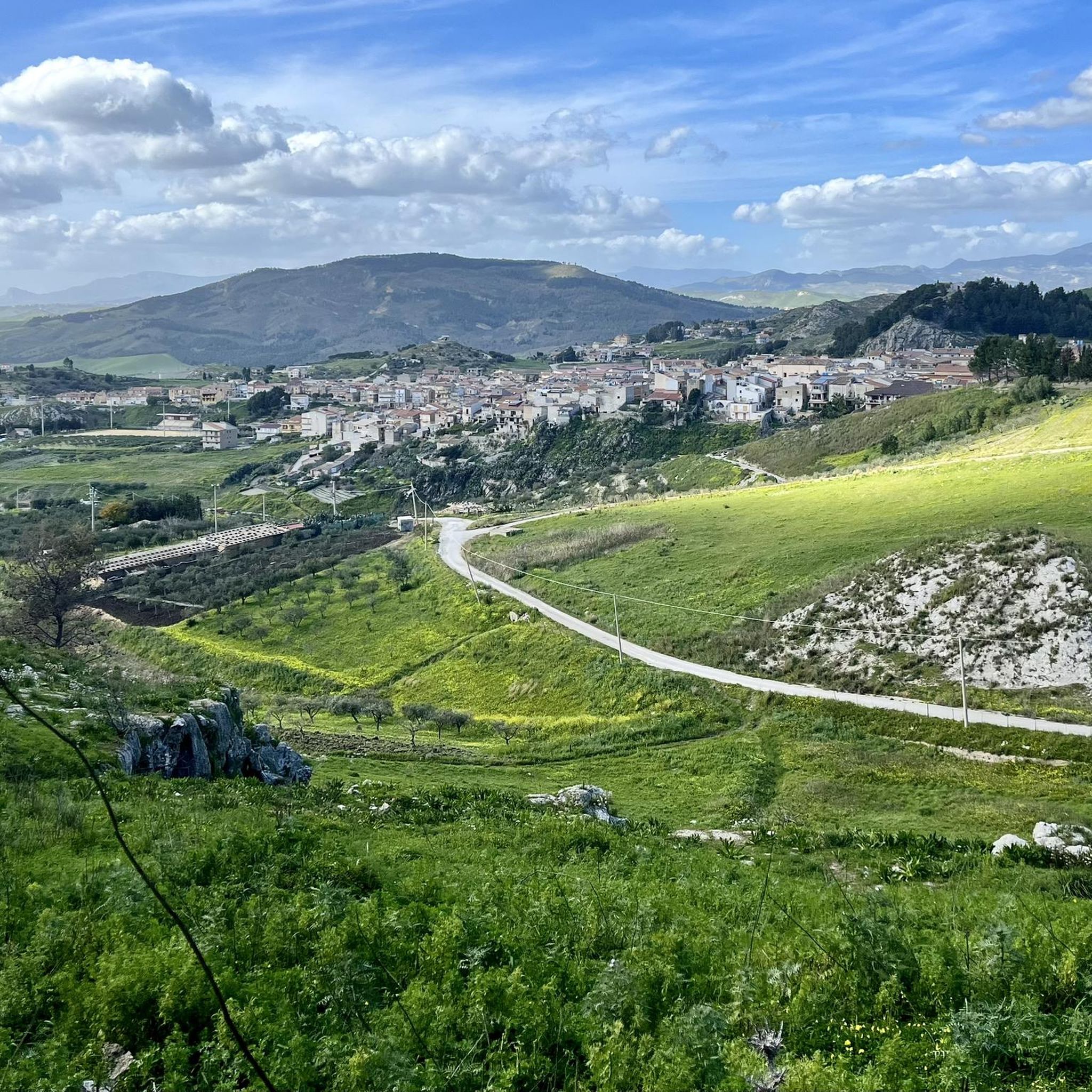
Tips from the Community

A few cafes on the main street. Good place to get something to eat and drink even in winter.
1
0

Bivona, in the heart of Agrigento, is famous for fishing and artisan chairs. With Islamic roots, it hosted Jews, leaving traces of a synagogue. It was a prominent feudal center, elevated to a duchy by Charles V.
1
0

The feast of the Easter Arches of San Biagio Platani began in the second half of the seventeenth century when the two brotherhoods, respectively "Madunnara" with headquarters in the Mother Church and "Signurara" with headquarters in the Carmine Church near Calvary, took care to delimit artistically the sacred space where the meeting of the Risen Christ with the Madonna his Mother takes place on Easter day. Starting with the term "Archi di Pasqua" one immediately understands what the structure is. The scenic apparatus of the event refers to the triumphal arch which in basilican architecture represented the limit, the threshold of passage from the central nave to the transept where the sacred rite takes place. The triumphal arches of San Biagio Platani mark the sacred space where the ritual of the triumph of life over death, the victory of Christ, the revelation of the "Mystery" in the resurrection takes place. This ceremonial takes place at a precise moment of the year, when nature, with an explosion of scents and colors, celebrates the awakening of spring in the Sicani Valley. It is no coincidence that the structure of the central arches takes shape in a fusion of plant materials, products of nature, an architecture of fruits, essences, smells and what the peasant people can offer to the victorious Christ. Bread, the fruit of hard work in the fields, is the essential decorative element of the architecture of the celebration, in which it takes on a connotative symbolism of the rhythms of the life of a people. Source: https://www.archidipasqua.eu/
1
0
The "arches of bread" of San Biagio Platani are a particular tradition that takes place in the city of San Biagio Platani, in the province of Agrigento, Sicily. These arches are made for the Easter festivities and consist of large structures of woven and decorated bread. The preparation of the bread arches requires craftsmanship and considerable commitment from the local community. The women of the village gather to weave bread and create elaborate designs and decorations. The woven loaves are then assembled to form the arches, which are exhibited in various areas of the country. Bread bows are considered a symbol of celebration and abundance and are a way to celebrate Easter and share its joy with the whole community. During Easter week, residents and visitors can admire the bread arches and participate in religious processions and celebrations that take place in the area. The tradition of bread arches in San Biagio Platani is an example of how Italian communities have developed unique forms of cultural expression linked to religious holidays. These local traditions help preserve the history and identity of the communities and are often an occasion to gather and celebrate together.
1
0

The Magazzolo Lake is an artificial lake formed by the damming of the Magazzolo river through the Castello dam. The project dates back to the late sixties but it took ten years to build this dam between 1975 and 1985. The waters of this lake are used for civil and agricultural use and serve various municipalities in the province of Agrigento.
2
0

Everywhere in the village you can discover lovingly designed pictures on the facades, which were created by local artists and deal with the history, tradition and culture of Sicily.
1
0

A detour with a short break in a bistro is ok.
0
0

Frequently Asked Questions
What are some notable historical and cultural sites to visit in Cianciana?
Cianciana is rich in history. You can explore several historic churches like the Holy Trinity Mother Church (Chiesa Madre SS. Trinità) and the Carmine Church (Chiesa del Carmine), both featuring impressive architecture. Don't miss the Clock Tower, a recognizable symbol of the town, or the Civic Museum of the Old Mill (Museo Civico "Vecchio Mulino"), which preserves the memory of local sulfur mining and peasant life. The Miners Monument also pays tribute to the town's industrial past.
Are there any natural attractions or outdoor features to explore around Cianciana?
Yes, the area around Cianciana offers diverse natural beauty. You can visit Monte Cavallo, the highest mountain in Cianciana, known for its caves where Neolithic remains have been found. The Platani River Valley provides scenic landscapes with woods, vineyards, and unique flora. For a unique geological experience, consider the Macalube Nature Reserve with its volcanic geysers and mud pools, or the Abyss Bissana, a volcanic/spa phenomenon.
What are some family-friendly attractions in the Cianciana area?
Families can enjoy several attractions. The Municipal Garden/City Park features artistic fountains, a miniature reproduction of Sicily, a small Eiffel Tower, and a playground. The Lake Magazzolo and Castello Dam is also considered family-friendly and offers a scenic spot. Additionally, the Easter Bread Arches of San Biagio Platani, while seasonal, are a fascinating cultural experience for all ages.
Where can I find unique cultural traditions or events near Cianciana?
A truly unique cultural tradition is the Easter Bread Arches of San Biagio Platani. These large structures of woven and decorated bread are created with immense craftsmanship and commitment from the local community for Easter festivities. It's a profound expression of local identity and celebration.
What kind of outdoor activities, like cycling or mountain biking, can I do near Cianciana?
The region around Cianciana is excellent for outdoor activities. For mountain biking, you can find routes like the 'Piana Grande Beach loop from Calamonaci' or the 'Mountainbike loop from Sant'Angelo Muxaro'. If you prefer road cycling, consider the 'From Bivona to Burgio – loop tour' or the 'Montallegro – B&B Outdoor Courtyard loop from Cattolica Eraclea'. You can find more details on these and other routes in the MTB Trails around Cianciana, Cycling around Cianciana, and Road Cycling Routes around Cianciana guides.
Are there any interesting religious sites or sanctuaries in the area?
Yes, the Sanctuary of Santa Maria di Rifesi is a significant religious site with a fascinating legend about a wooden crucifix carved in the 1200s. Within Cianciana itself, you can visit several historic churches, including the Holy Trinity Mother Church, Carmine Church, and Purgatory Church, each with its own unique history and artwork.
What are some good places for a scenic view or photography near Cianciana?
The Lake Magazzolo and Castello Dam offers panoramic views, making it a popular spot for photography. The Calvary Church also provides excellent views of the surrounding area. Additionally, the Platani River Valley and the slopes of Monte Cavallo offer diverse landscapes perfect for nature photography.
What can I expect when visiting Montallegro?
Montallegro is a charming settlement that serves as a convenient stop, especially if you're following the SIBIT Cycle Route. Visitors appreciate its cafes on the main street, making it a good place to get something to eat and drink, even during winter months. It's also known for pleasant walks.
Are there any unique art installations or street art to see?
Yes, you can discover the Murals of Beddamè. Throughout the village, local artists have created lovingly designed pictures on building facades, depicting the history, traditions, and culture of Sicily.
What is the significance of the Pliocene geological formations in Cianciana?
The territory of Cianciana is known for its Pliocene origin. Hikers can observe distinctive geological features such as yellow sand, limestone tuff, and blue clays. This area also contains deposits of rock salt and sulfur, which were historically crucial to Cianciana's development and its sulfur mining industry.
What are some less crowded or hidden outdoor gems around Cianciana?
For those seeking quieter spots, exploring the various karst cavities within Monte Cavallo, such as Grotta del Cavallo or Grotta dello Zubbio, offers a unique adventure. The less-traveled paths within the Monte Cavallo Woods or along the banks of the Platani River can also provide a serene outdoor experience away from the main tourist routes.

Get inspired with the komoot mobile app


Explore more
Still not found the Highlight you’re looking for? See guides of the top attractions in other regions:
