Attractions and Places To See around Gibellina - Top 20
Best attractions and places to see around Gibellina include a unique blend of modern art, architectural innovation, and poignant history, largely shaped by the 1968 Belice earthquake. Rebuilt as an open-air museum, Gibellina is recognized as the "Capital of Contemporary Art 2026," showcasing an urban landscape filled with works by renowned artists. The surrounding Sicilian countryside features gentle plains, large valleys, woodlands, and fields of vines and olive trees. This region offers a distinctive experience combining cultural exploration with natural beauty.
Best attractions and places to see around Gibellina
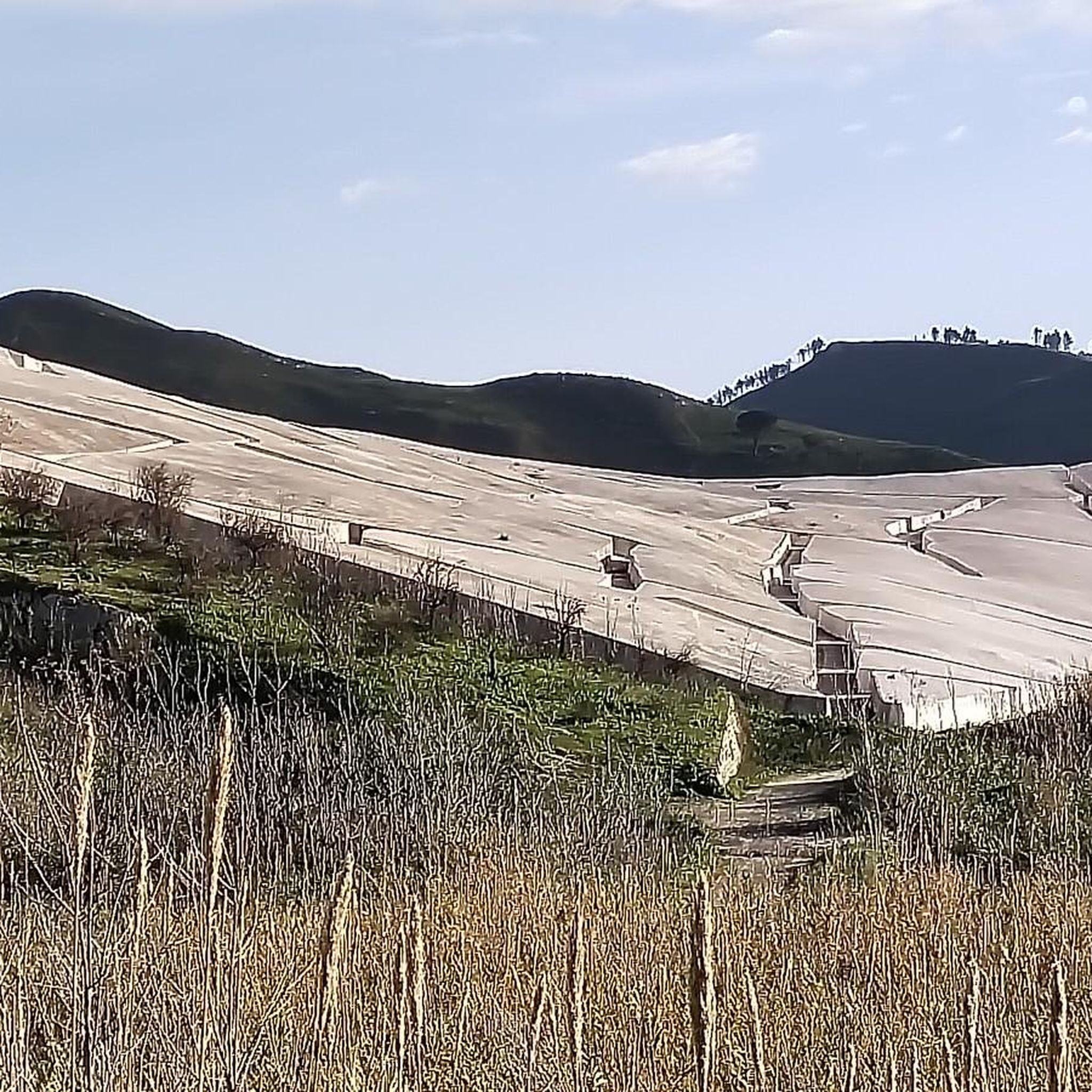
- The most popular attractions is Cretto di Burri, a man-made monument that is an environmental art work created by Alberto Burri between 1984 and 1989. It covers the ruins of the old city of Gibellina, which was completely destroyed by the 1968 earthquake, serving as a perennial memory of this event.
- Another must-see spot is Poggioreale Ruins, a historical site consisting of the remains of the city of Poggioreale destroyed by the 1968 Belice earthquake. Visitors can observe the preserved structures of the former settlement.
- Visitors also love Wonderful view of Salemi, a viewpoint offering vistas of the historic town of Salemi. Salemi is known for its Norman-Swabian castle and characteristic historic center, which played a role in Italian history.
- Gibellina is known for its contemporary art installations, historical sites, and natural trails. Visitors can explore a variety of attractions, from monumental land art to ancient ruins and scenic viewpoints.
- The attractions around Gibellina are appreciated by the komoot community, with 18 upvotes and 34 photos shared by visitors.
Last updated: October 9, 2026
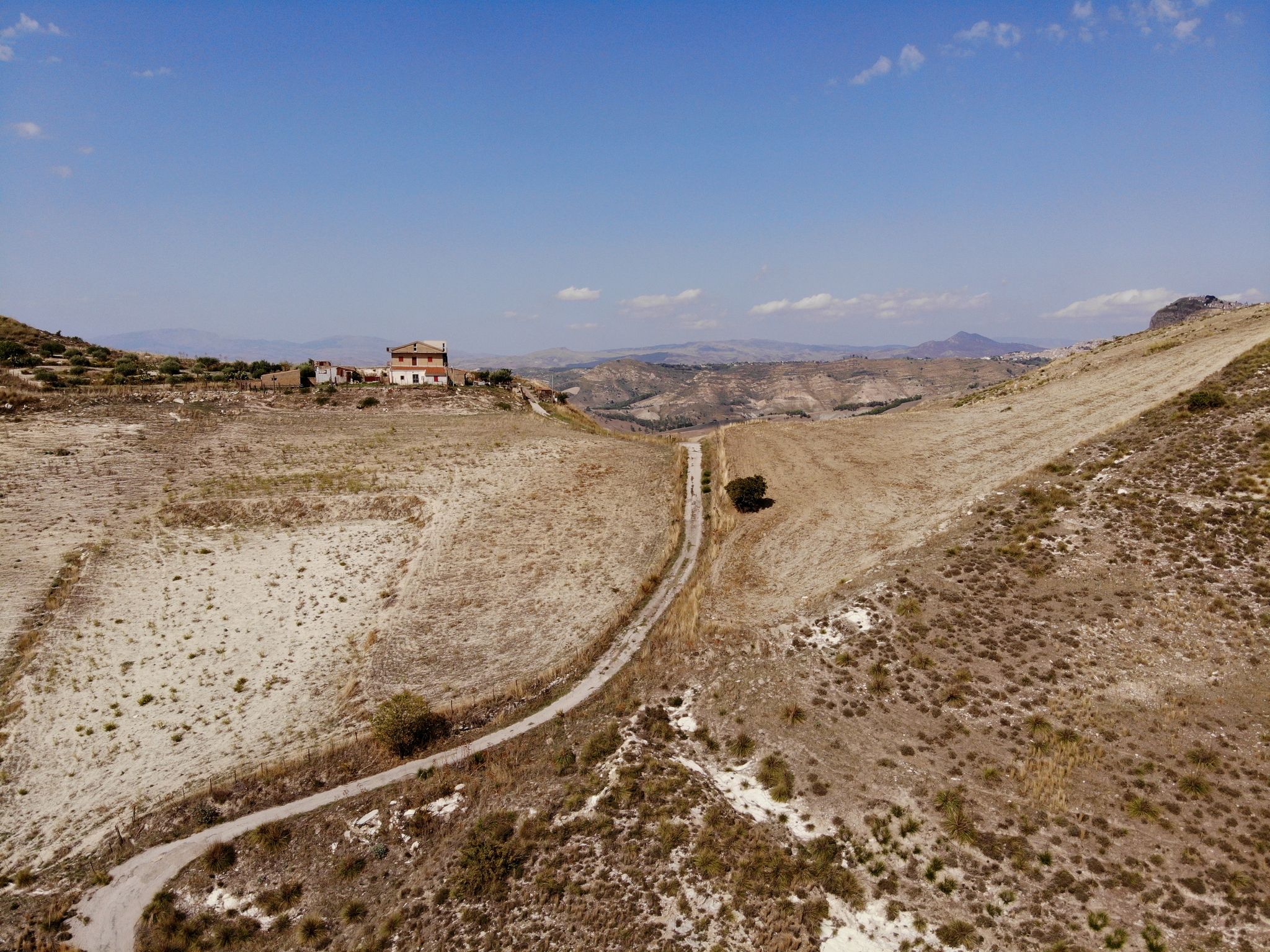
Wonderful view of Salemi
Highlight • Viewpoint
Today Salemi is a splendid town of around 10,000 inhabitants, part of the most beautiful villages in Italy according to the National Association of Italian Municipalities.
Translated by Google •
Tip by

Cretto di Burri
Highlight • Monument
Translated by Google •
Tip by

Sign up now to discover places like this
Get recommendations on the best single tracks, peaks, & plenty of other exciting outdoor places.
the Star of Belìce
Highlight • Monument
Translated by Google •
Tip by
Poggioreale Ruins
Highlight (Segment) • Historical Site
Translated by Google •
Tip by

Historic Centre of Salemi
Highlight • Historical Site
Translated by Google •
Tip by

Sign up for free to discover even more attractions around Gibellina.
Already have an account?
Start today with a free account
Your next adventure awaits.
Other adventures around Gibellina

Tips from the Community

The Belice Gate, or Belice Gate, is a stainless steel installation by Pietro Consagra erected on the road leading to the town of Gibellina Nuova. The work recalls the town lights that were once displayed for the holidays, but over time it has also become a symbol of the Belice Valley. It was erected following the artistic reconstruction of Gibellina, as desired by Mayor Ludovico Corrao. The work is 26 meters tall.
25
0
The beautiful Stella at the entrance to Belice. https://it.m.wikipedia.org/wiki/Stella_d'entrata_al_Belice
27
0
A country that is absolutely worth visiting, it was the first capital of Italy, even if only for one day.
0
0

The Cretto di Burri in Gibellina, also known as “Il Grande Cretto”, is a unique work of art that honors the destroyed town of Gibellina after the devastating earthquake of 1968. Italian artist Alberto Burri created this monumental work between 1985 and 1989 and it was completed in 2015. With its huge white concrete blocks that look like giant cracks in the ground, the work symbolizes the lasting pain and memory of the past, but at the same time, renewal and reconstruction. Walking through the Cretto almost feels like walking through the past, as if you are re-entering the streets and alleys of the old town. The approximately 80,000 square meter area is made up of concrete structures that trace the original city layout. What is particularly impressive is the fact that the blocks are made from the rubble of the old town itself. When you stand on the Cretto and take in the simple but powerful aesthetic, you can literally feel the connection between art, history and human resilience. It is not only a reminder of what was lost, but also a symbol of hope and rebirth. It is especially beautiful if you do the hike in clear weather - the view into the distance underlines the silence and grandeur of this unique place.
1
0
History, culture and breathtaking views of the hilly surroundings are all mixed here. The view of the Norman-Swabian castle that towers over the town is particularly impressive - a perfect destination after a challenging stage. The climb, especially in the Monte delle Rose district, is quite demanding, but the reward is worth it: a spectacular view of the old town and the castle. Salemi is not only a visual highlight, but also steeped in history. In May 1860, Giuseppe Garibaldi briefly proclaimed Salemi the first capital of a united Italy - even if the title only lasted for one day. This town combines the legacy of a turbulent past with the charm of a typical Sicilian village, which lies about 400 meters above sea level. Salemi not only offers a historical insight, but also a challenging but worthwhile route through the rural region. When you drive through the winding streets here, you can literally feel how history and the present merge into one another.
0
0

seen online and seen live it is that place that is worth seeing live, huge and astonishing, shame only for the history of all this
2
1
place rich in history and suffering, unfortunately at 07/2024 it was not possible to access, everything was cordoned off, and work inside, I hope it is to try to recover something of this unique place
0
0
Work of art that marks the entrance to Belice.
38
0
Frequently Asked Questions
What are the most significant art installations to see in Gibellina?
Gibellina is an open-air museum. A must-see is the monumental Cretto di Burri, a vast land art installation covering the ruins of the old town destroyed by the 1968 earthquake. In Gibellina Nuova, you'll find numerous public artworks, including Pietro Consagra's star-shaped gate, the Porta del Belice, and Mimmo Paladino's "Montagna di Sale." The town's urban fabric itself, with its Sistema delle Piazze and modern architecture, is a work of art.
Where can I learn more about the history of Gibellina and the 1968 earthquake?
The Cretto di Burri is a powerful memorial to the old town destroyed by the 1968 Belice earthquake. For a deeper historical perspective, you can visit the Poggioreale Ruins, which are the preserved remains of another city devastated by the same earthquake. While access to the ruins is officially restricted due to safety concerns, their presence offers a poignant reminder of the region's past.
Are there any museums in Gibellina worth visiting?
Yes, Gibellina offers several notable museums. The Museo d'Arte Contemporanea (MAC), also known as the Ludovico Corrao Museum, houses one of Southern Italy's largest collections of contemporary art. Additionally, the Museo delle Trame Mediterranee, located in Baglio di Stefano, features diverse collections of costumes, jewelry, ceramics, and textiles from various Mediterranean cultures.
What kind of outdoor activities can I do near Gibellina?
The region around Gibellina offers a variety of outdoor activities. You can explore the Finestrelle Forest, which is popular for mountain biking and gravel biking, offering breathtaking views of vineyards. For more structured routes, there are numerous running, cycling, and mountain biking trails available. You can find detailed information and routes in the Running Trails around Gibellina, Cycling around Gibellina, and MTB Trails around Gibellina guides.
Are there any family-friendly attractions or activities in Gibellina?
While Gibellina's primary focus is on art and history, families can enjoy exploring the unique urban landscape of Gibellina Nuova, which feels like an open-air museum with its many sculptures and architectural designs. The Finestrelle Forest provides a natural setting for picnics and easy walks, offering a change of pace for children.
What are the best viewpoints in the Gibellina area?
For stunning panoramic views, visit the Wonderful view of Salemi, which offers vistas of the historic town of Salemi and its Norman-Swabian castle. The Finestrelle Forest also provides excellent viewpoints, especially from its summit, where you can see the surrounding hills covered in vineyards.
Can I visit the historic town of Salemi from Gibellina?
Absolutely. Salemi is a short distance from Gibellina and is rich in history. You can enjoy the Wonderful view of Salemi and explore the Historic Centre of Salemi, known for its Norman-Swabian castle and its significant role in Italian history, including being proclaimed the capital of Italy for a day by Garibaldi.
What is the best time of year to visit Gibellina?
The best time to visit Gibellina is generally during the spring (April to June) and early autumn (September to October). During these months, the weather is pleasant for exploring the outdoor art installations and historical sites, and for enjoying outdoor activities in the surrounding countryside. Summers can be quite hot, while winters are milder but can be rainy.
Is Gibellina accessible by public transport?
While Gibellina Nuova is designed as an accessible town, public transport options within the immediate area can be limited. It is generally recommended to have a car for exploring the various attractions, especially those outside the main town center like the Cretto di Burri and the Poggioreale Ruins. However, local bus services connect Gibellina with nearby towns.
Are there places to eat or stay in Gibellina Nuova?
Gibellina Nuova, as a rebuilt town, has amenities including cafes and restaurants where you can enjoy local Sicilian cuisine. There are also accommodation options available, ranging from guesthouses to small hotels, providing a base for exploring the town's unique artistic and historical offerings and the wider Belice Valley.
What is the Fondazione Orestiadi and what does it offer?
The Fondazione Orestiadi is located in Baglio di Stefano, which also houses the Museo delle Trame Mediterranee. It is an important cultural institution that hosts an international theatre season, particularly vibrant during the summer months. It contributes significantly to Gibellina's reputation as a hub for contemporary art and culture.
Most popular attractions around Gibellina

Get inspired with the komoot mobile app


Explore more
Still not found the Highlight you’re looking for? See guides of the top attractions in other regions:
