Attractions and Places To See around Salemi - Top 20
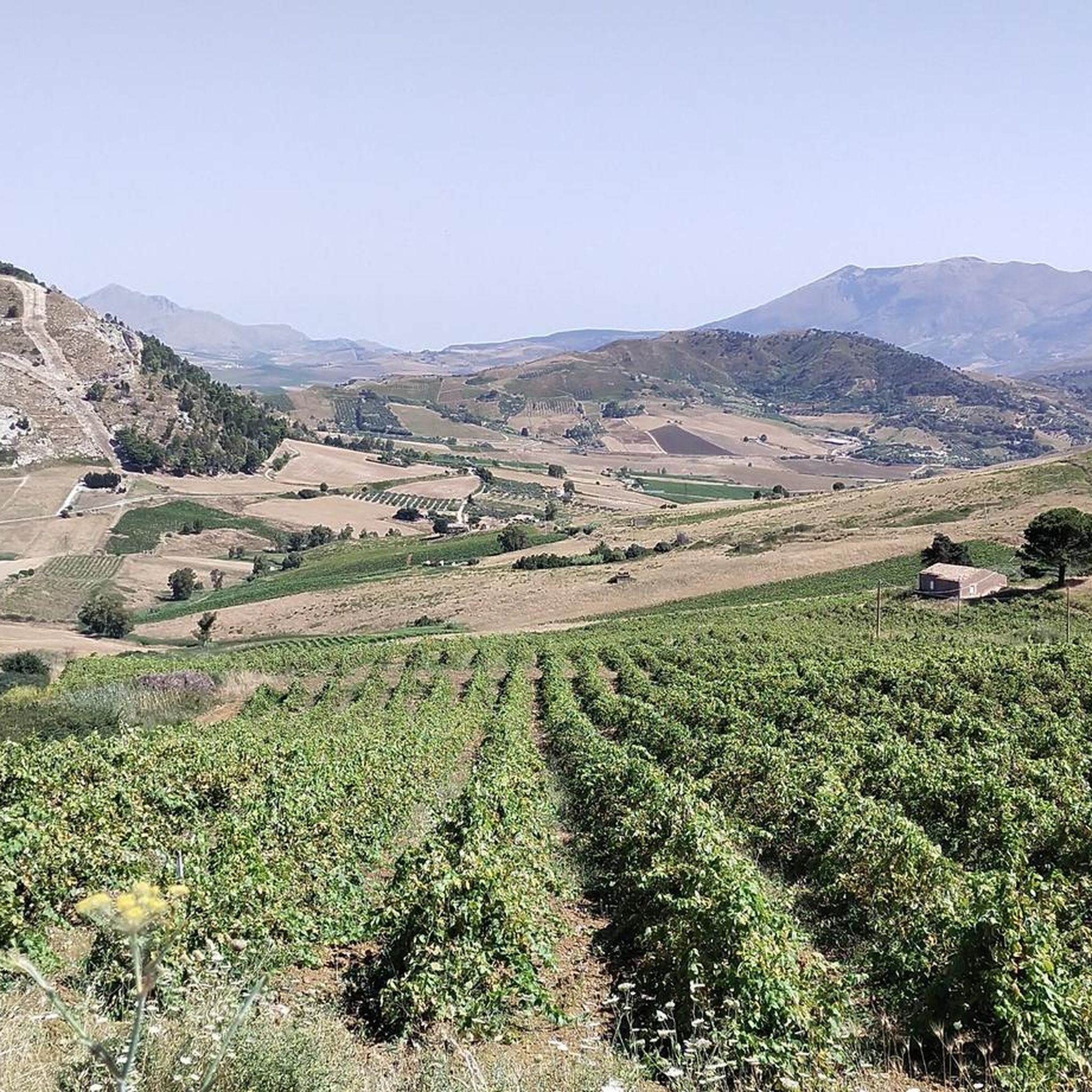
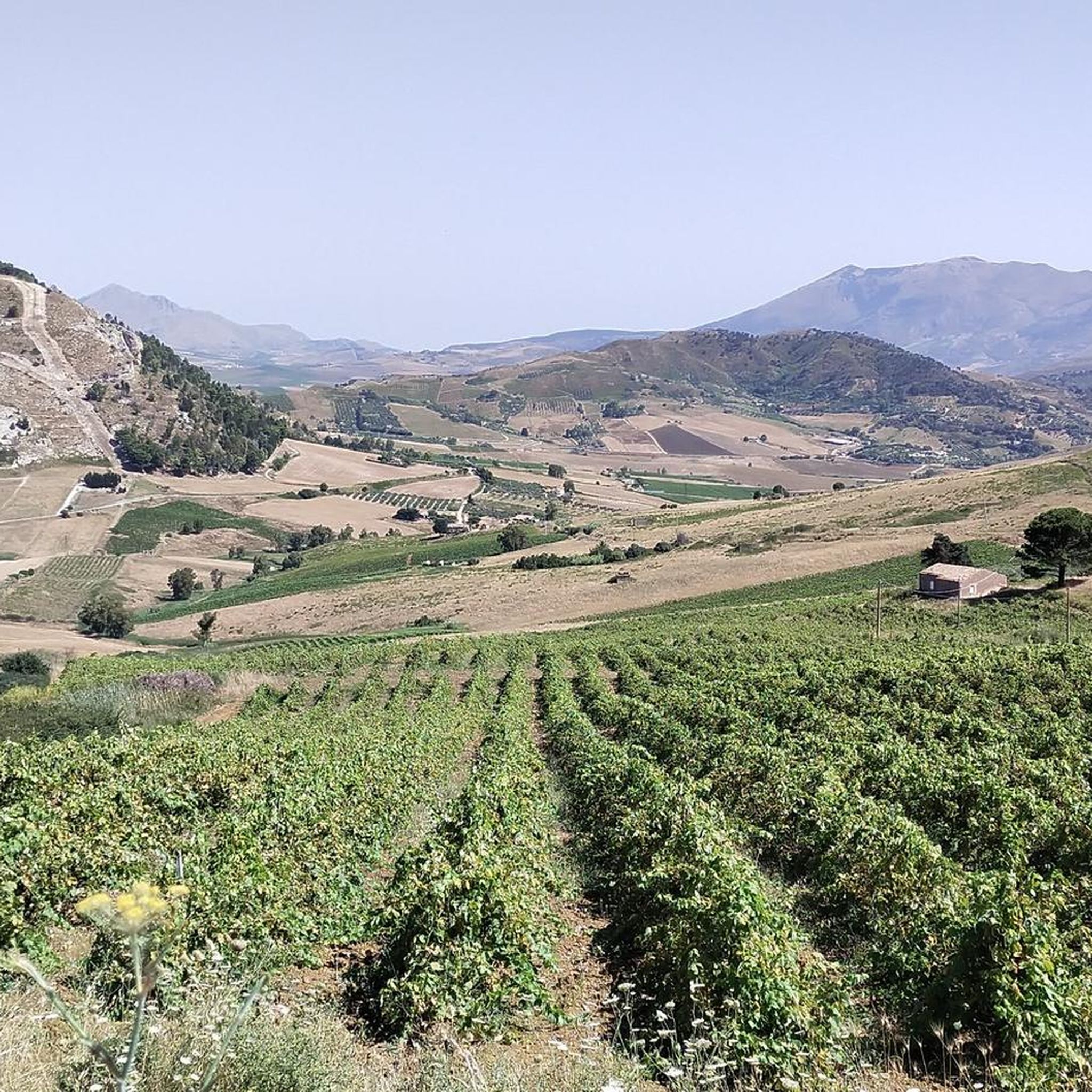
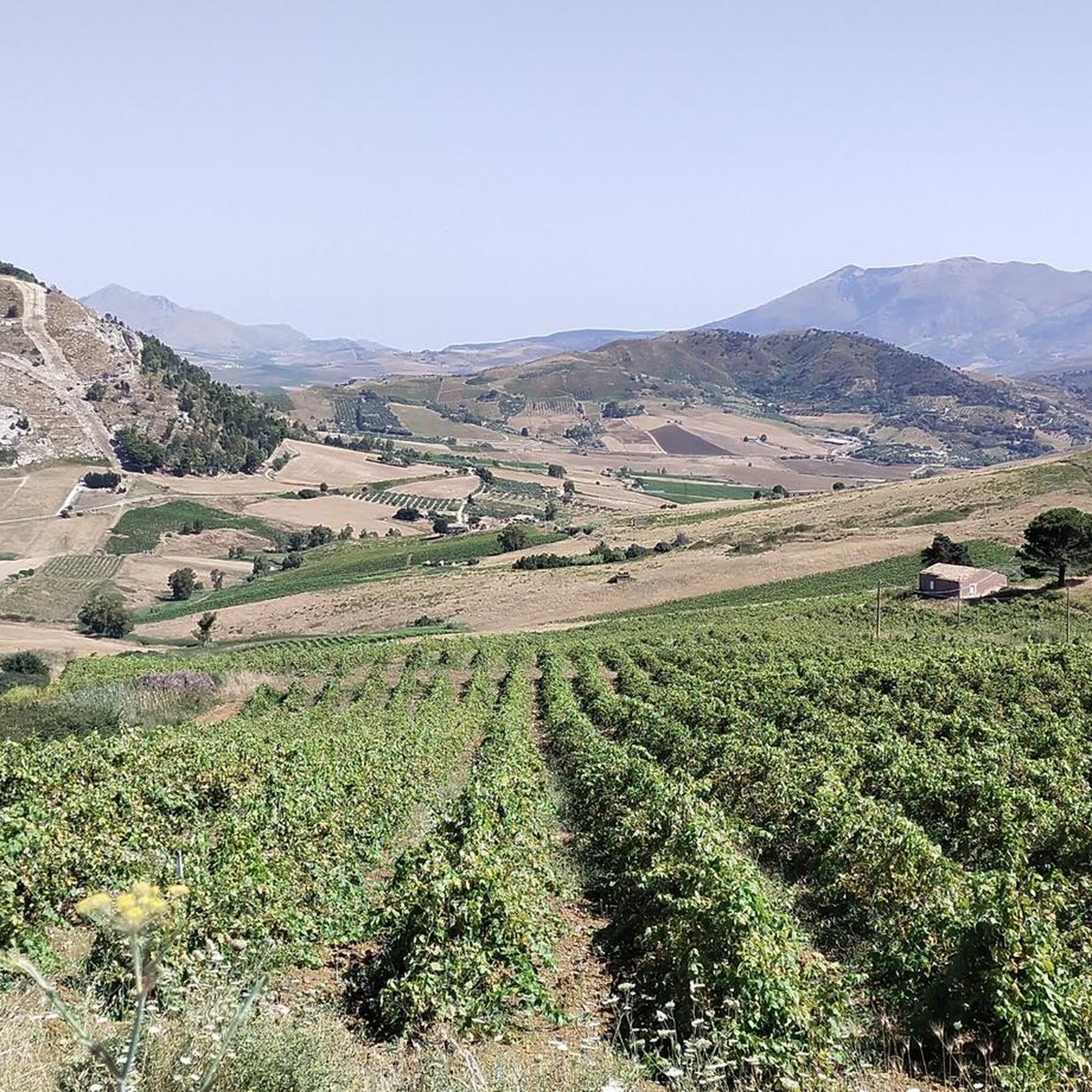
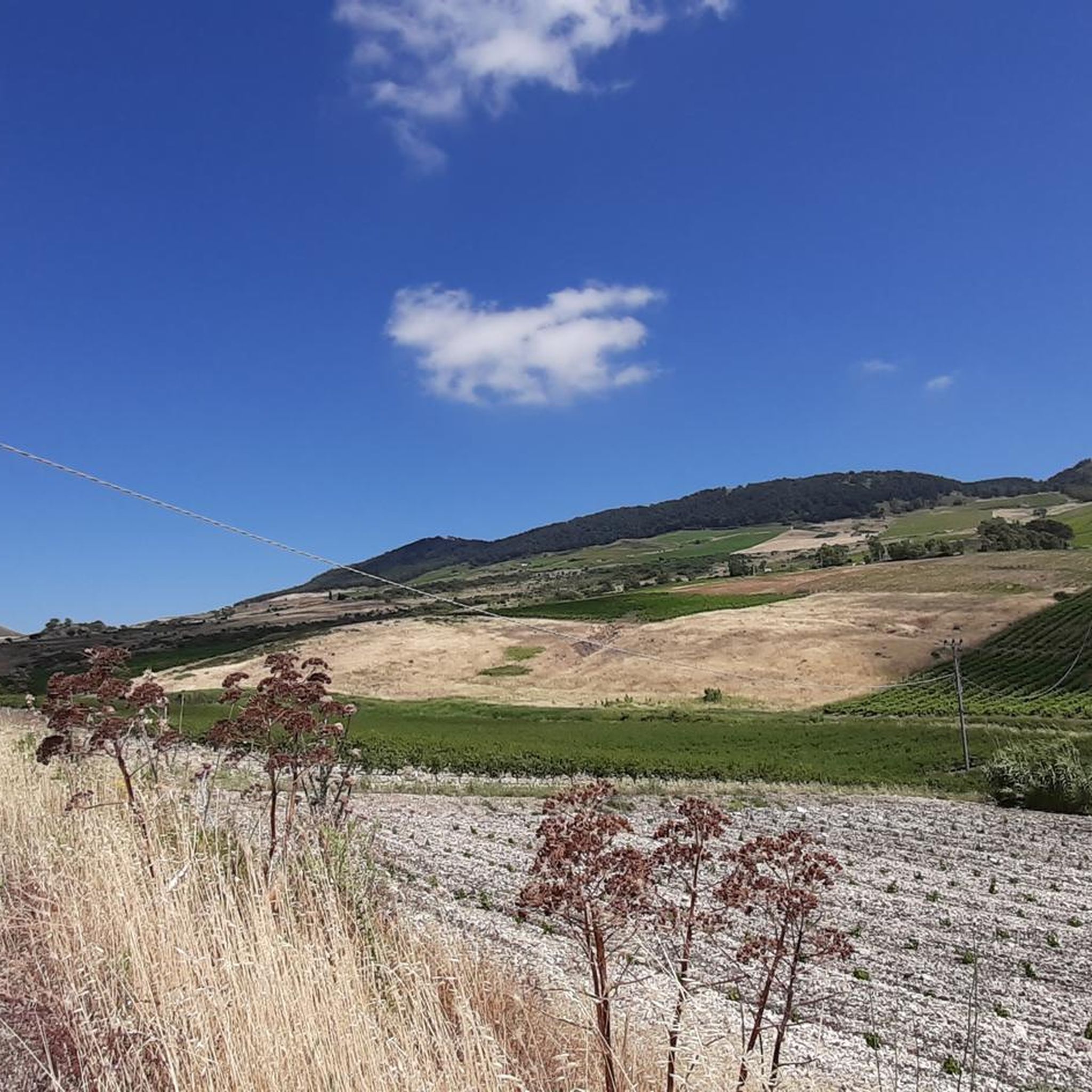
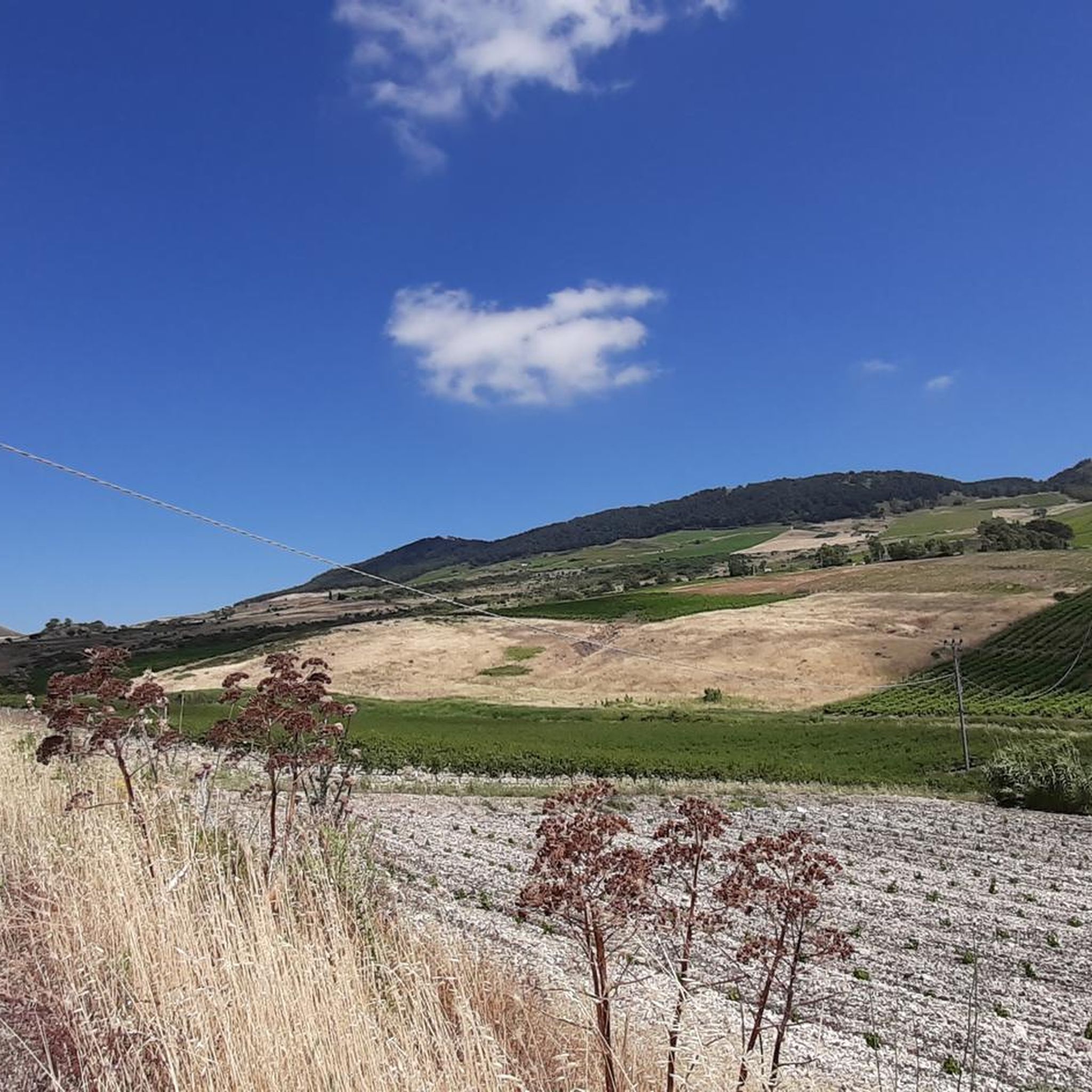
Attractions and places to see around Salemi, a historic hilltop town in western Sicily, offer a rich blend of history, culture, and natural beauty. The town features a medieval setting with narrow streets and architecture reflecting Norman, Arab, and Baroque influences. Salemi is nestled in the picturesque Belìce Valley, surrounded by rolling hills, vineyards, and olive groves. This region provides scenic views and a true experience of western Sicilian rural life.
Best attractions and places to see around Salemi
- The most popular attractions is Segesta Archaeological Park, a historical site that features an ancient Doric temple and a Greek-style theater. The park is one of the most important archaeological sites in Sicily, with origins dating back to the 11th century BC.
- Another must-see spot is Wonderful view of Salemi, a viewpoint offering panoramic vistas of the town and surrounding Belìce Valley. This location includes the Norman-Swabian castle, where Giuseppe Garibaldi briefly declared Salemi the first capital of Italy in 1860.
- Visitors also love Historic Centre of Salemi, a historical site showcasing the town's layered past. The center features narrow streets and architecture from various dominations, including the Norman castle that still dominates the city.
- Salemi is known for its historical sites, cultural museums, and natural landscapes. Visitors can explore ancient archaeological parks, various museums, and the scenic Belìce Valley.
- The attractions around Salemi are appreciated by the komoot community, with more than 110 upvotes and over 110 photos shared by visitors.
Last updated: July 20, 2026
Segesta Archaeological Park
Highlight • Historical Site
Translated by Google •
Tip by

Ancient Theater of Segesta
Highlight • Historical Site
Translated by Google •
Tip by

Sign up now to discover places like this
Get recommendations on the best single tracks, peaks, & plenty of other exciting outdoor places.
Sign up for free
Wonderful view of Salemi
Highlight • Viewpoint
Today Salemi is a splendid town of around 10,000 inhabitants, part of the most beautiful villages in Italy according to the National Association of Italian Municipalities.
Translated by Google •
Tip by

Cretto di Burri
Highlight • Monument
Translated by Google •
Tip by
Historic Centre of Salemi
Highlight • Historical Site
Translated by Google •
Tip by

Sign up for free to discover even more attractions around Salemi.
Sign up for free
Already have an account?
Start today with a free account
Your next adventure awaits.
Login or Signup

Tips from the Community

Information about the archaeological site of Segesta.
24
0
A country that is absolutely worth visiting, it was the first capital of Italy, even if only for one day.
0
0

The Cretto di Burri in Gibellina, also known as “Il Grande Cretto”, is a unique work of art that honors the destroyed town of Gibellina after the devastating earthquake of 1968. Italian artist Alberto Burri created this monumental work between 1985 and 1989 and it was completed in 2015. With its huge white concrete blocks that look like giant cracks in the ground, the work symbolizes the lasting pain and memory of the past, but at the same time, renewal and reconstruction. Walking through the Cretto almost feels like walking through the past, as if you are re-entering the streets and alleys of the old town. The approximately 80,000 square meter area is made up of concrete structures that trace the original city layout. What is particularly impressive is the fact that the blocks are made from the rubble of the old town itself. When you stand on the Cretto and take in the simple but powerful aesthetic, you can literally feel the connection between art, history and human resilience. It is not only a reminder of what was lost, but also a symbol of hope and rebirth. It is especially beautiful if you do the hike in clear weather - the view into the distance underlines the silence and grandeur of this unique place.
1
0
History, culture and breathtaking views of the hilly surroundings are all mixed here. The view of the Norman-Swabian castle that towers over the town is particularly impressive - a perfect destination after a challenging stage. The climb, especially in the Monte delle Rose district, is quite demanding, but the reward is worth it: a spectacular view of the old town and the castle. Salemi is not only a visual highlight, but also steeped in history. In May 1860, Giuseppe Garibaldi briefly proclaimed Salemi the first capital of a united Italy - even if the title only lasted for one day. This town combines the legacy of a turbulent past with the charm of a typical Sicilian village, which lies about 400 meters above sea level. Salemi not only offers a historical insight, but also a challenging but worthwhile route through the rural region. When you drive through the winding streets here, you can literally feel how history and the present merge into one another.
0
0
The Doric Temple of Segesta is impressively embedded in the hills of Sicily and invites not only history lovers to take a walk into the past. The unfinished construction gives the temple a rough look, but that is precisely what makes it so attractive - the columns still have the original protective layer that would normally have been removed after completion. The hiking trail up rewards you with a wonderful view of the surrounding landscape and the Gulf of Castellammare. What I particularly liked: From the temple, a beautiful path leads further up to the theater, which is located on the top of the hill. If you choose to walk instead of taking the shuttle, you will be rewarded with many smaller discoveries and fantastic views. The entire complex exudes a special calm - it is a place that invites you to linger and makes history tangible. The magic of the ancient site can be enjoyed wonderfully here, especially in the off-season, when there is less going on.
3
1
The ancient theater of Segesta not only offers an impressive historical setting, but also a breathtaking panoramic view of the surrounding valleys and mountains of Sicily. If you make it this far, you will not only be greeted by the amphitheater, but also by a setting that extends far beyond the ruins. The curved stone tiers seem to blend seamlessly into the landscape, and on clear days the view stretches as far as the sea. The climb is worth it for any hike, especially if you can enjoy the peace and wind at the top of Monte Barbaro. If you are interested in history, you will have a lot to discover here, as the theater was rebuilt by the Romans and is still amazingly well preserved. And if you are lucky, there might even be a performance taking place - the amphitheater is still in use today. If the walk is too steep for you, there is the option of taking a shuttle. But the climb is worth it, especially if you want to enjoy the view every now and then.
1
0

seen online and seen live it is that place that is worth seeing live, huge and astonishing, shame only for the history of all this
2
1

The Sicilian town of Gibellina was devastated by an earthquake in 1968. After the disaster, the residents at the time created a gigantic open-air museum. Alberto Burri's work of art lies like a shroud over the town of Gibellina, which was destroyed by the earthquake. The sidewalks between the concrete structures show where the town's streets and alleys used to run.
2
0
Frequently Asked Questions
What historical sites can I visit in Salemi?
Salemi is rich in history. You can explore the Historic Centre of Salemi with its narrow streets and architecture reflecting various dominations. The town is dominated by the Norman-Swabian Castle, where Giuseppe Garibaldi briefly declared Salemi the first capital of Italy. Additionally, the Segesta Archaeological Park, featuring an ancient Doric temple and a Greek-style theater, is a must-see nearby.
Are there museums in Salemi?
Yes, Salemi offers a comprehensive Salemi Museum Complex, housed in the former Jesuit College. This complex includes several distinct museums such as the Museum of Sacred Art, the Museum of the Risorgimento, the Museum of the Mafia, the Archaeological Museum, the Museum of Bread, and the Museum of Pietra Campanedda, offering deep insights into the town's past and traditions.
Where can I find scenic views of Salemi and the surrounding area?
For breathtaking panoramic views, visit the Wonderful view of Salemi viewpoint. From here, you can see the town, its Norman-Swabian castle, and the expansive Belìce Valley with its vineyards and olive groves. The elevated position of Salemi itself provides wide vistas across the inland landscape.
What natural features characterize the area around Salemi?
Salemi is nestled in the picturesque Belìce Valley, characterized by rolling hills, expansive vineyards, and olive groves. The surrounding countryside, including the hills of Filci and Polizo, offers natural beauty ideal for exploration and experiencing western Sicilian rural life.
Are there hiking opportunities near Salemi?
Absolutely. The area around Salemi, particularly the Belìce Valley and the hills of Filci and Polizo, offers scenic walks. You can find various hiking routes, including those within the Segesta Archaeological Park. For more detailed routes, explore the Hiking around Salemi guide.
Can I go cycling around Salemi?
Yes, the region around Salemi is suitable for cycling. You can find various routes for both road cycling and mountain biking that take you through the scenic Belìce Valley and past historical sites. Check out the Road Cycling Routes around Salemi and MTB Trails around Salemi guides for detailed tours.
What is the 'Cretto di Burri' and where is it located?
The Cretto di Burri, also known as the Great Cretto, is a monumental work of environmental art created by Alberto Burri. It covers the ruins of the old city of Gibellina, which was completely destroyed by the 1968 Belìce earthquake. It's a powerful memorial and a unique artistic landscape located near Salemi.
Are there family-friendly attractions around Salemi?
Yes, the Segesta Archaeological Park is considered family-friendly, offering an engaging historical experience for all ages. Exploring Salemi's historic center and its various museums can also be an enriching family activity.
What cultural events or traditions are unique to Salemi?
Salemi is particularly famous for its annual bread festival in March, which coincides with the Feast of St. Joseph. During this event, elaborate and intricate bread sculptures are created, reflecting the town's deep devotion to bread and its rich traditions.
What is the best time of year to visit Salemi?
The best time to visit Salemi is typically during the spring (April to June) and early autumn (September to October). During these months, the weather is pleasant for exploring historical sites, enjoying outdoor activities, and experiencing local festivals without the intense heat of summer.
Can I explore ancient archaeological sites beyond Segesta near Salemi?
Yes, in addition to Segesta, the region around Salemi boasts other significant archaeological areas. You can visit Mokarta, an ancient Capannicular village from the Late Bronze Age, as well as Monte Polizzo and San Miceli, which reveal further traces of ancient civilizations in the area.
What are some recommended day trips from Salemi?
Salemi serves as an excellent base for exploring other significant sites in western Sicily. Highly recommended day trips include the Doric Temple of Segesta (part of the Segesta Archaeological Park) and the extensive archaeological park of Selinunte, both offering profound insights into ancient Greek history.
Most popular attractions around Salemi

Get inspired with the komoot mobile app


Explore more
Still not found the Highlight you’re looking for? See guides of the top attractions in other regions:
