Attractions and Places To See around Camporeale - Top 20
Best attractions and places to see around Camporeale are located in the hinterland of Palermo, Sicily. This region offers a mix of historical sites, natural features, and agricultural landscapes, including a notable wine-making tradition. Visitors can explore ancient ruins, castles, and reservoirs, alongside areas of natural beauty. The town's location also provides access to other significant Sicilian sites.
Best attractions and places to see around Camporeale
- The most popular attractions is Ventimiglia Castle and Church of SS. Maria del Alto, a castle that offers panoramic views and integrates an active church within its 11th-century walls. The site has been modernized several times until the 15th century and is accessible via a fortified road.
- Another must-see spot is Poggioreale Ruins, a historical site comprising the remains of the city of Poggioreale, destroyed by the 1968 Belice earthquake. This location is rich in history, showcasing the impact of the earthquake on the settlement.
- Visitors also love Medieval Cistern in Bosco d'Alcamo Nature Reserve, a historical site featuring two ancient cisterns dug into the forest. These cisterns are found amidst stone remnants, suggesting old houses in the area.
- Camporeale is known for its castles, historical sites, and natural features like reservoirs and lakes. The area offers a variety of attractions to see and explore, from ancient ruins to man-made monuments.
- The attractions around Camporeale are appreciated by the komoot community, with 15 upvotes and 27 photos shared by visitors.
Last updated: July 20, 2026
Ventimiglia Castle and Church of SS. Maria del Alto
Highlight • Castle
Translated by Google •
Tip by

Poggioreale Ruins
Highlight (Segment) • Historical Site
Translated by Google •
Tip by

Sign up now to discover places like this
Get recommendations on the best single tracks, peaks, & plenty of other exciting outdoor places.
Sign up for free
Lake Poma
Highlight • Lake
Translated by Google •
Tip by
Medieval Cistern in Bosco d'Alcamo Nature Reserve
Highlight • Historical Site
Translated by Google •
Tip by
La Funtanazza Reservoir
Highlight • Monument
Translated by Google •
Tip by

Sign up for free to discover even more attractions around Camporeale.
Sign up for free
Already have an account?
Start today with a free account
Your next adventure awaits.
Login or Signup

Tips from the Community

At certain times it can be busy, even with heavy vehicles.
0
0

The climb along the paved Way of the Cross, which is mostly car-free, takes you steadily uphill. From here you can already enjoy great views of the surrounding hills and wind turbines that dominate the panorama. Once you reach the top, you will be greeted by the imposing ruins of the 11th century castle. A real highlight is the active church of SS. Maria del Alto, which is integrated directly into the old walls. It is a fascinating interplay of history and living faith. The view from above is definitely worth the trip - the vastness of the landscape below you, the small villages in the distance and the gentle breeze make the visit perfect for a break with a view. The old ruin has retained some of its charm over the centuries, and the walk around the castle can be easily captured on camera.
0
0

place rich in history and suffering, unfortunately at 07/2024 it was not possible to access, everything was cordoned off, and work inside, I hope it is to try to recover something of this unique place
0
0

Where is it
1
0

Ruins of Poggioreale are the remains of the city of Poggioreale destroyed by the Belice earthquake of 1968. Entrance to the site is officially forbidden, the entrance gate is closed although there is the possibility of climbing over. In fact, the buildings are in danger and danger is around the corner. Avoid venturing inside the ruins due to the risk of collapse, but above all do not go up to the upper floors as you are not aware of the state of the load-bearing walls. In any case, access is at your own risk.
0
0
Lake Poma is an artificial lake located about 5 km from Partinico (PA), created by building a dam on the Jato river. In 1994 the area was identified as a protection oasis and wildlife refuge. Hunting is prohibited in the oasis, although poaching is sometimes reported. The flora, thanks also to the reforestation carried out in recent years, consists of: eucalyptus, ash, dwarf palm, wild pear, wild olive, Aleppo pine, domestic pine, rush, reed and black poplar. The avifauna is home to numerous species such as: the wigeon, the mallard, the pintail, the teal, the wild goose, the coot, the gray heron, the little egret, the white heron and many others. Among the birds of prey we find the peregrine falcon, the buzzard and the kestrel. During the migrations you can observe the white stork, the osprey, the glossy ibis and the cattle egret. In winter, the trees on the shores of the lake are often used as a roost for the cormorants, which return to their places of origin the following morning.
0
0

The "Funtanazza" is a medieval water reservoir. It was waterproofed with a mixture of earthenware, pesto and mortar.
0
0

Two ancient cisterns have been dug in the middle of the forest, in the midst of many piles of stones like the remains of old houses.
0
0
Frequently Asked Questions
What historical sites can I explore in Camporeale?
Camporeale offers a rich history, including the impressive Ventimiglia Castle and Church of SS. Maria del Alto, an 11th-century castle with panoramic views. You can also visit the Poggioreale Ruins, which are the remains of a city destroyed by the 1968 Belice earthquake, offering a poignant glimpse into the region's past. The town's historic center also preserves buildings of historical and artistic interest, including churches and noble palaces.
Are there any ancient ruins or archaeological sites near Camporeale?
Yes, beyond Camporeale itself, you can find significant ancient ruins nearby. The Doric Temple of Segesta and the Theater of Segesta are approximately 22-23 km away, offering a remarkable experience of ancient Greek architecture and history.
What natural attractions are there around Camporeale?
The area around Camporeale is characterized by beautiful agricultural landscapes, rolling hills, and extensive olive groves. You can also explore the Medieval Cistern in Bosco d'Alcamo Nature Reserve, where ancient cisterns are dug into the forest amidst stone remnants. Another notable natural feature is Lake Poma, an artificial lake that serves as a protection oasis and wildlife refuge, home to diverse flora and avifauna.
Are there family-friendly attractions in the Camporeale area?
Yes, Lake Poma is considered a family-friendly attraction, offering opportunities to observe diverse wildlife in its protection oasis. The natural landscapes and agricultural areas also provide pleasant settings for family outings.
What outdoor activities can I do near these attractions?
The region around Camporeale is excellent for various outdoor activities. You can find numerous cycling routes, including road cycling, mountain biking (MTB), and general touring bicycle routes. For detailed routes and guides, explore the Road Cycling Routes around Camporeale, MTB Trails around Camporeale, and Cycling around Camporeale guides.
What is Camporeale's wine-making tradition like?
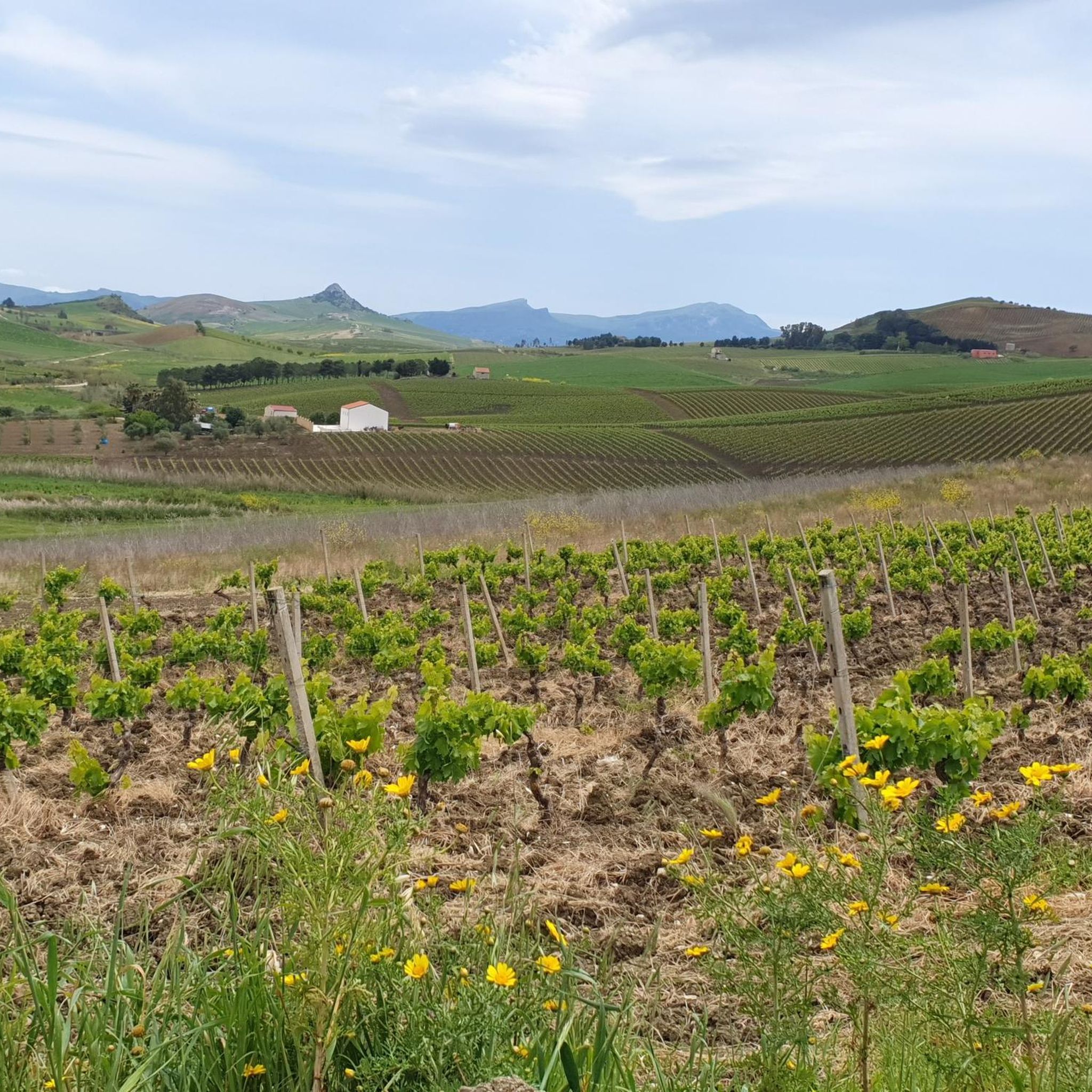
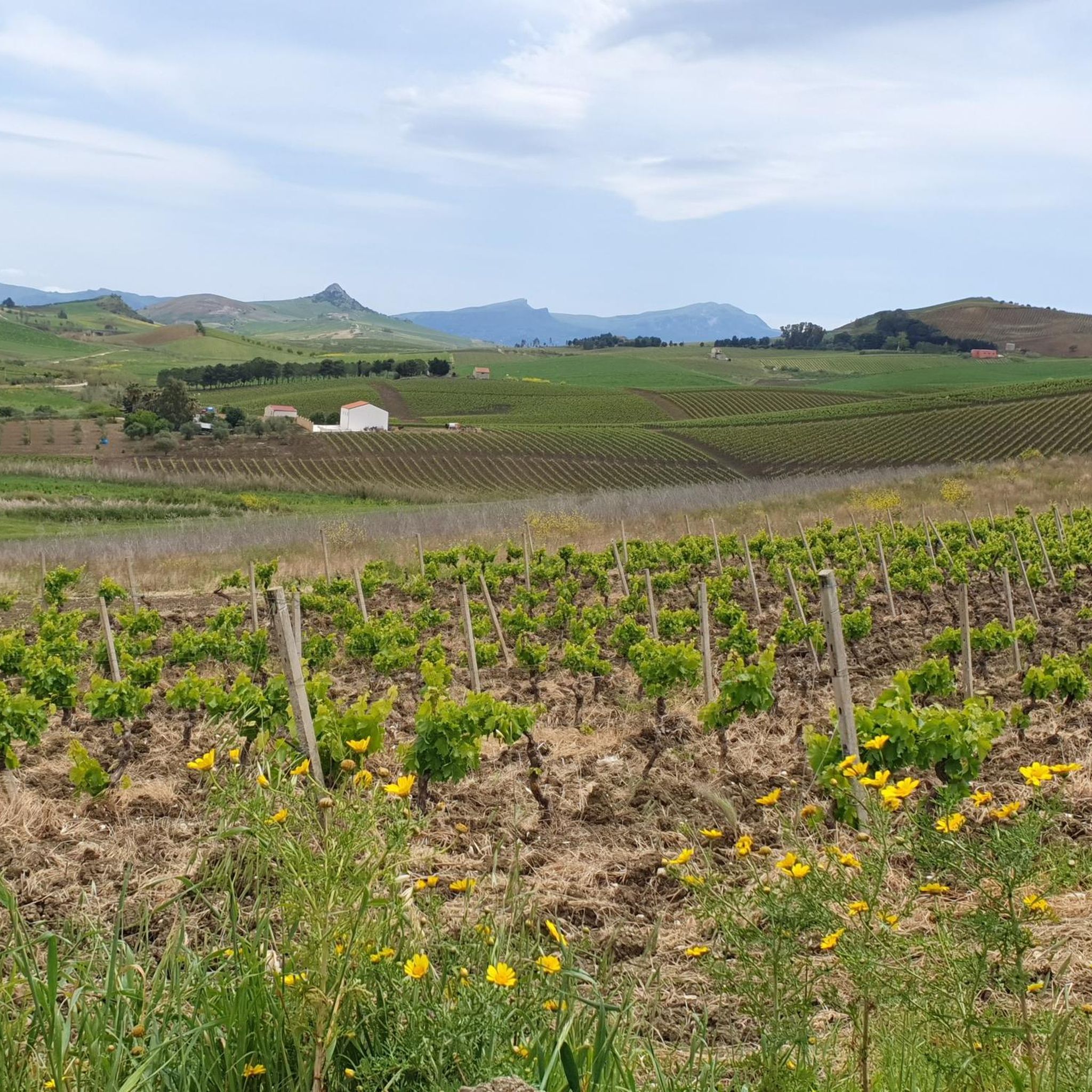
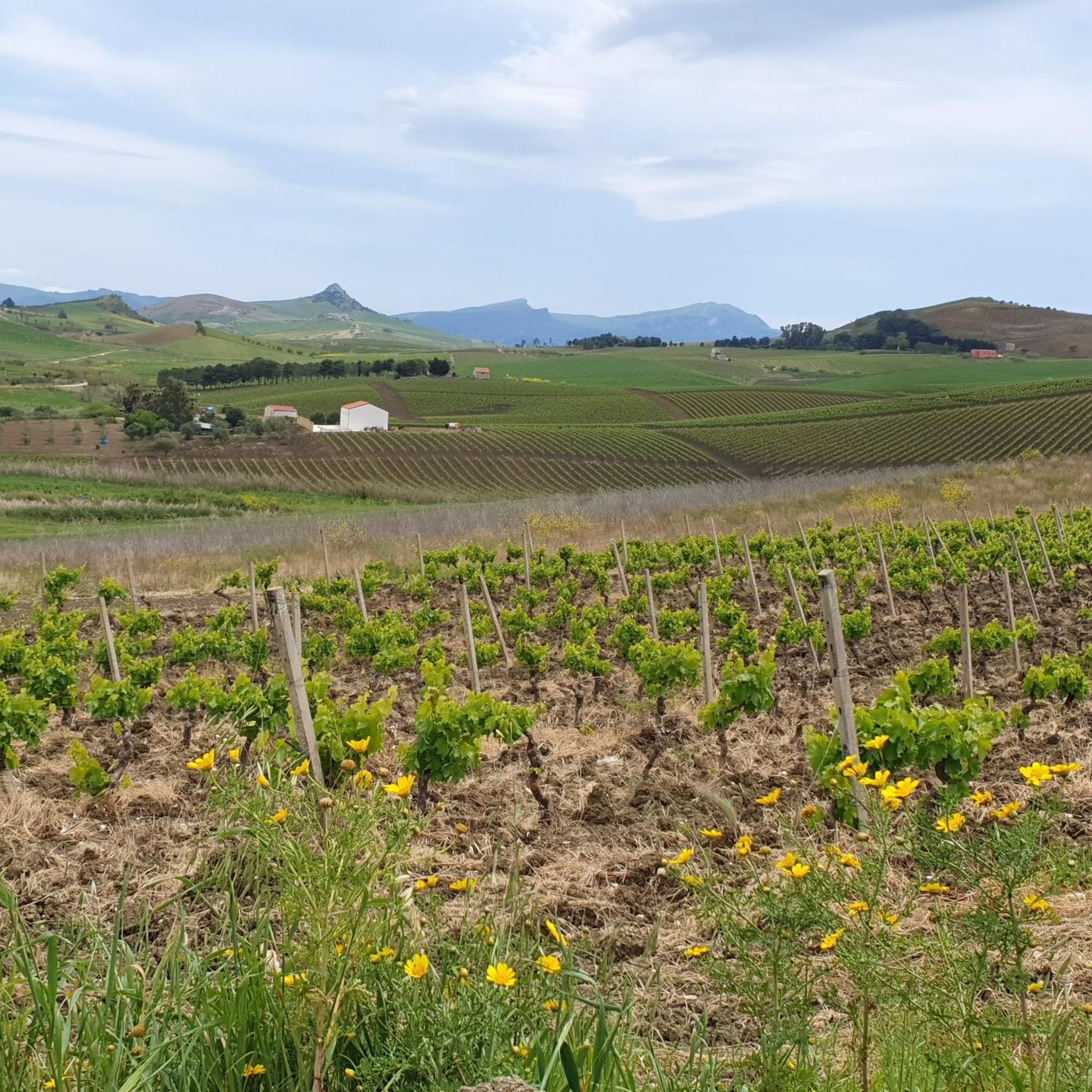
Camporeale is renowned for its significant wine-making tradition. The "Alto Belice" area, where Camporeale is located, is particularly noted for its agri-food and wine production. Visitors can find local wineries, such as Alessandro di Camporeale, offering opportunities to taste fine wines and typical local products.
When is the best time to visit Camporeale's attractions?
The best time to visit Camporeale and its attractions is generally during the spring (April to June) and autumn (September to October) months. During these periods, the weather is pleasant for exploring historical sites, enjoying outdoor activities, and experiencing the natural beauty of the agricultural landscapes without the intense heat of summer.
Are there any unique man-made monuments or structures to see?
Beyond castles and ruins, you can visit La Funtanazza Reservoir, a medieval water reservoir that was waterproofed with a unique mixture of earthenware, pesto, and mortar. Additionally, the impressive Cretto di Burri, a land art monument in Gibellina, is about 15.6 km away.
What is the Bosco d'Alcamo Nature Reserve like?
The Bosco d'Alcamo Nature Reserve is a natural area near Camporeale where you can find the Medieval Cistern. It's a place for natural and historical exploration, featuring ancient cisterns carved into the forest amidst stone remnants of old houses, offering a glimpse into the region's past and natural beauty.
What other castles are in the vicinity of Camporeale?
In addition to Ventimiglia Castle, you can also explore the Castello dei Conti di Modica in Alcamo, which is approximately 14.3 km from Camporeale. This historical castle adds another layer to the region's rich architectural heritage.
Are there any hot springs or thermal baths nearby?
Yes, for those seeking relaxation, the Terme Segestane hot springs are located in Castellammare del Golfo, roughly 19.3 km from Camporeale. These thermal baths offer a unique experience to unwind and enjoy the natural therapeutic waters of the region.
Most popular attractions around Camporeale

Get inspired with the komoot mobile app


Explore more
Still not found the Highlight you’re looking for? See guides of the top attractions in other regions:
