Attractions and Places To See around Pisticci - Top 20
Best attractions and places to see around Pisticci include a variety of historical sites and scenic viewpoints. Pisticci is situated as a natural amphitheater between hills and the Ionian Sea, with its historic center perched across three hills. Located between the Basento and Cavone rivers, it offers a vantage point over the Ionian Sea. The region features a landscape shaped by clay hills to the west and a connection to the Ionian coast.
Best attractions and places to see around Pisticci
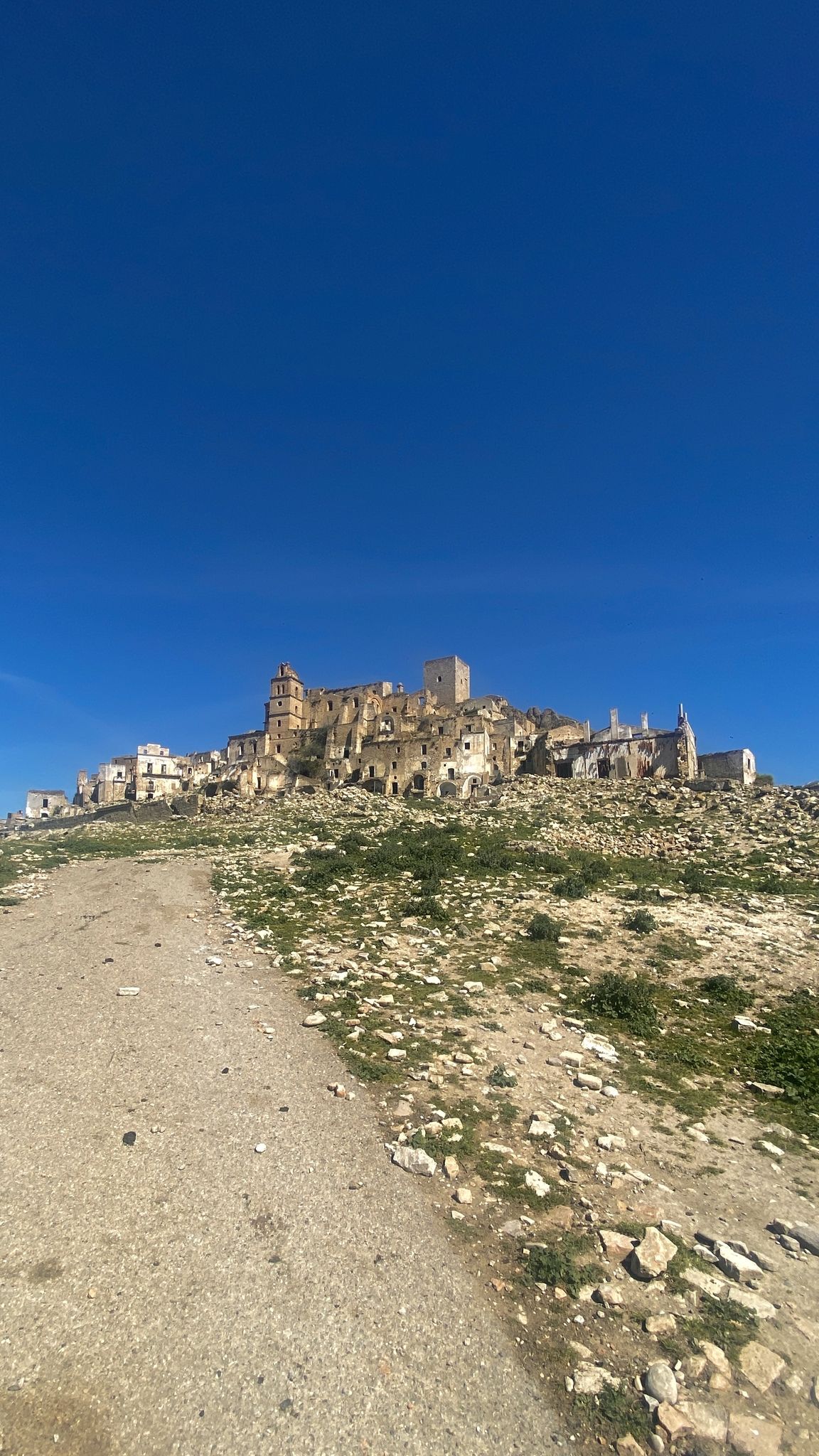
- The most popular attraction is Craco, ghost town, a historical site that is an abandoned town rising on the Lucanian hills. It is a suggestive Italian ghost town, accessible via a guided tour along a secured itinerary.
- Another must-see spot is Bernalda Castle and Church of San Bernardino, a castle and religious building. This site is part of a characteristic historic center that stands on a plateau sloping towards the sea, offering views of the Ionian Sea.
- Visitors also love Pisticci Historic Town Center, a historical site and settlement. This town center stands out for its unique charm and acts as a balcony over the Ionian Sea, providing views of the surrounding landscape.
- Pisticci is known for its historical sites, settlements, and viewpoints. Visitors can explore ancient towns, architectural structures, and scenic overlooks.
- The attractions around Pisticci are appreciated by the komoot community, with more than 30 upvotes and over 20 photos shared by visitors.
Last updated: July 21, 2026
Craco, ghost town
Highlight • Historical Site
Of the old Craco today the houses clinging to the rock remain and in particular the Norman tower, which stands on the highest part of the village. Among the ghost towns in Italy Craco stands out because of its suggestive landscape. The ghost town of Craco can be admired thanks to a guided tour, along a secured itinerary, given that some architectures still continue to yield.
Translated by Google •
Tip by

Craco Ghost Town
Highlight • Historical Site
This country was devastated by a landslide in 1963, later all its citizens moved to the new municipality, Craco Peschiera.
Translated by Google •
Tip by

Sign up now to discover places like this
Get recommendations on the best single tracks, peaks, & plenty of other exciting outdoor places.
Sign up for free
Pisticci Historic Town Center
Highlight • Historical Site
Located between the Basento and Cavone rivers, Pisticci connects the ancient eastern plateau to the Ionian coast, although the clay hills to the west present natural challenges. With its S shape, it is the balcony over the Ionian Sea, offering breathtaking views and telling a story that is reflected in the architecture and dominant position. Pisticci captures the heart with its picturesque nature and role as a privileged spectator on the splendor of the Ionian Sea.
Translated by Google •
Tip by

Bernalda Castle and Church of San Bernardino
Highlight • Castle
Translated by Google •
Tip by

Disused Bridge over the Agri
Highlight • Bridge
Translated by Google •
Tip by

Sign up for free to discover even more attractions around Pisticci.
Sign up for free
Already have an account?
Start today with a free account
Your next adventure awaits.
Login or Signup
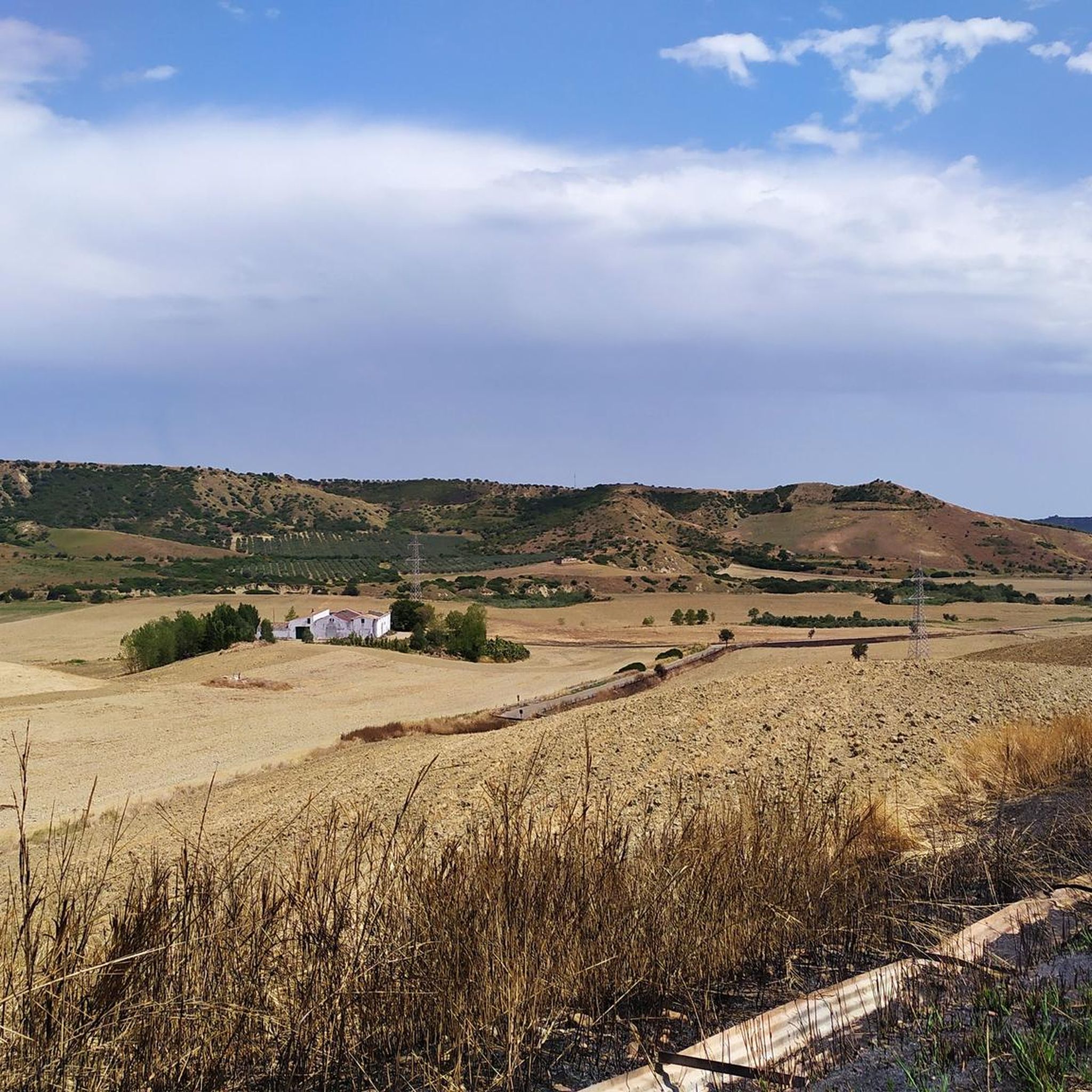
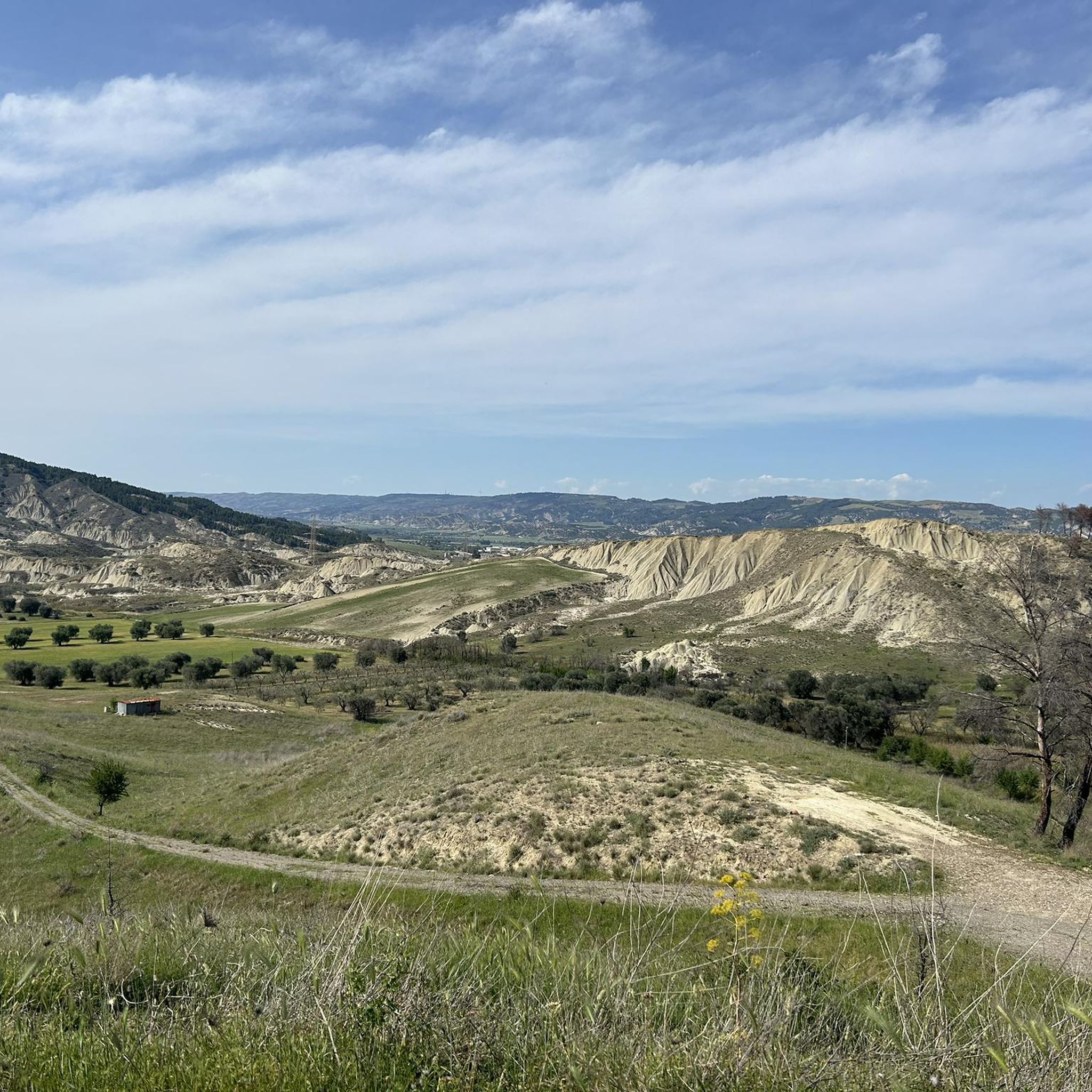
Other adventures around Pisticci

Tips from the Community

The historic center of Bernalda is a dive into an ancient and panoramic corner, white to soften the sun and made of well-maintained light stone. The church and the castle ramparts appear as a single entity, but this architectural aspect should be explored further. From below the town, it's a beautiful sight.
0
0

Excellent stop for coffee/pastries before going back down the cliff towards the cable
0
0

Perhaps the most famous ghost town in Italy. a truly fascinating atmosphere in a place frozen in time. Discover our Basilicata by bike on www.viaggiatorelento.com
1
0
Climb up to Craco Vecchia and descent to the bed of the Salandrella river
0
1

Municipality in the Basento valley of around 12,000 inhabitants, Bernalda boasts a characteristic historic center which stands on a plateau sloping towards the sea. From here it is splendid to observe the Ionian Sea and the hamlet of Metaponto. Also of particular beauty are the church of San Bernardino and the castle of Bernalda, probably built by the Normans.
1
0

Pisticci, a natural amphitheater between hills and the Ionian Sea, stands out for its unique charm. The three hills, Serra Cipolla, San Francesco and Monte Corno, surround an Italian municipality that embraces a varied landscape. Among the hamlets such as Casinello, Centro Agricolo and Marina di Pisticci, the beauty of this location emerges. Located between the Basento and Cavone rivers, Pisticci connects the ancient eastern plateau to the Ionian coast, although the clay hills to the west present natural challenges. With its S shape, it is the balcony over the Ionian Sea, offering breathtaking views and telling a story that is reflected in the architecture and dominant position. Pisticci captures the heart with its picturesque nature and role as a privileged spectator on the splendor of the Ionian Sea.
3
0
It is difficult to find the entrance as it is hidden by vegetation and both the ascent and descent are in poor condition. Unfortunately it is the only road that can be traveled by bike. Requires maintenance and official reporting
0
0

The only way to cross the river. The bridge is run-down but for bicycles no problem :) The path is a bit hidden and you'll have to push your bike for a few meters.
0
0
Frequently Asked Questions
What historical sites can I visit around Pisticci?
The region around Pisticci is rich in history. You can explore the evocative Craco, ghost town, an abandoned town accessible via a guided tour. Another significant site is the Bernalda Castle and Church of San Bernardino, part of a historic center with views of the Ionian Sea. Don't miss the Pisticci Historic Town Center itself, known for its unique charm and panoramic views.
Are there any family-friendly attractions in the Pisticci area?
Yes, the Bernalda Castle and Church of San Bernardino is listed as family-friendly. Exploring the historic centers of Pisticci and Bernalda can also be an engaging experience for families, offering a glimpse into local culture and architecture.
What outdoor activities can I do near Pisticci?
Pisticci offers various outdoor activities, especially cycling. You can find numerous routes for road cycling, touring, and mountain biking. For example, there are challenging road cycling routes like the 'Pisticci and Craco Calanchi Loop' or more moderate touring routes such as 'Metaponto Beach loop from Metaponto'. Mountain bikers can explore trails like 'La città fantasma di Craco - giro ad anello'. You can find more details on these routes in the Road Cycling Routes around Pisticci, Cycling around Pisticci, and MTB Trails around Pisticci guides.
When is the best time to visit Pisticci's attractions?
The region enjoys a Mediterranean climate. Spring (April-May) and early autumn (September-October) generally offer pleasant temperatures for exploring historical sites and engaging in outdoor activities without the intense heat of summer. Summer (June-August) is ideal for coastal activities, but inland exploration might be very warm.
Are there any accessible trails or attractions around Pisticci?
While specific accessible trails are not highlighted, many historic town centers, including Pisticci Historic Town Center, involve hilly and sometimes uneven terrain due to their ancient nature. It's advisable to check specific site conditions if accessibility is a primary concern.
Where can I find a unique or 'hidden gem' attraction near Pisticci?
A truly unique spot is the Disused Bridge over the Agri. It's described as a cool spot, easy to miss, and accessible via a narrow, overgrown path. It connects Policoro to Scanzano and is suitable for bicycles, offering an adventurous detour.
What should I pack for a day trip exploring Pisticci and its surroundings?
For a day trip, comfortable walking shoes are essential, especially when exploring historic centers or trails. Depending on the season, light layers, sun protection (hat, sunscreen), and plenty of water are recommended. If you plan on cycling, appropriate gear for your chosen route is necessary.
Can I find places for a coffee or snack near the attractions?
Yes, the Pisticci Historic Town Center is noted as an 'Excellent stop for coffee/pastries'. You'll generally find cafes and small eateries within the historic centers of Pisticci and Bernalda, perfect for a break during your exploration.
What do visitors typically enjoy most about the attractions in Pisticci?
Visitors are often captivated by the unique charm and historical atmosphere of the area. The 'ghost town' of Craco is particularly praised for its suggestive and still atmosphere. The panoramic views over the Ionian Sea from places like Pisticci Historic Town Center and Bernalda are also highly appreciated.
Are there any specific walking or hiking trails recommended near Pisticci?
While dedicated hiking trails are not explicitly detailed in the highlights, the region's landscape, particularly around Craco, offers opportunities for walks. For more structured outdoor activities, consider the mountain biking routes that often traverse scenic areas, such as 'La città fantasma di Craco - giro ad anello', which can be adapted for walking in parts. Refer to the MTB Trails around Pisticci guide for routes that might offer walking potential.
How much time should I allocate to visit the main attractions around Pisticci?
To fully experience the main attractions like Craco, ghost town (which requires a guided tour), Pisticci Historic Town Center, and Bernalda Castle and Church of San Bernardino, it's recommended to dedicate at least a full day, or even two, to allow for travel between sites and thorough exploration at a relaxed pace.
Are dogs allowed on walks or at attractions near Pisticci?
Policies for dogs can vary by specific attraction. While outdoor areas and general walks in the countryside are usually dog-friendly, it's best to check with individual sites, especially historical buildings or guided tours like the one at Craco, regarding their pet policies before visiting.
Are there any wild swimming spots near Pisticci?
Pisticci is located near the Ionian coast, offering access to various beaches. While specific 'wild swimming' spots are not highlighted, the nearby coastal areas provide opportunities for swimming in the sea. Marina di Pisticci is the closest coastal area where you can find beaches for swimming.

Get inspired with the komoot mobile app


Explore more
Still not found the Highlight you’re looking for? See guides of the top attractions in other regions:
