Attractions and Places To See around Cambiago - Top 20
Best attractions and places to see around Cambiago, a municipality in the Metropolitan City of Milan, Italy, blend historical architecture with natural features. The area is characterized by the Martesana Canal, a historic waterway built in 1460, which offers extensive cycle paths and connects to the Adda river. Visitors can explore various historical buildings, cultural sites, and natural landscapes. Cambiago provides opportunities for outdoor activities and cultural immersion within its surroundings.
Best attractions and places to see around Cambiago
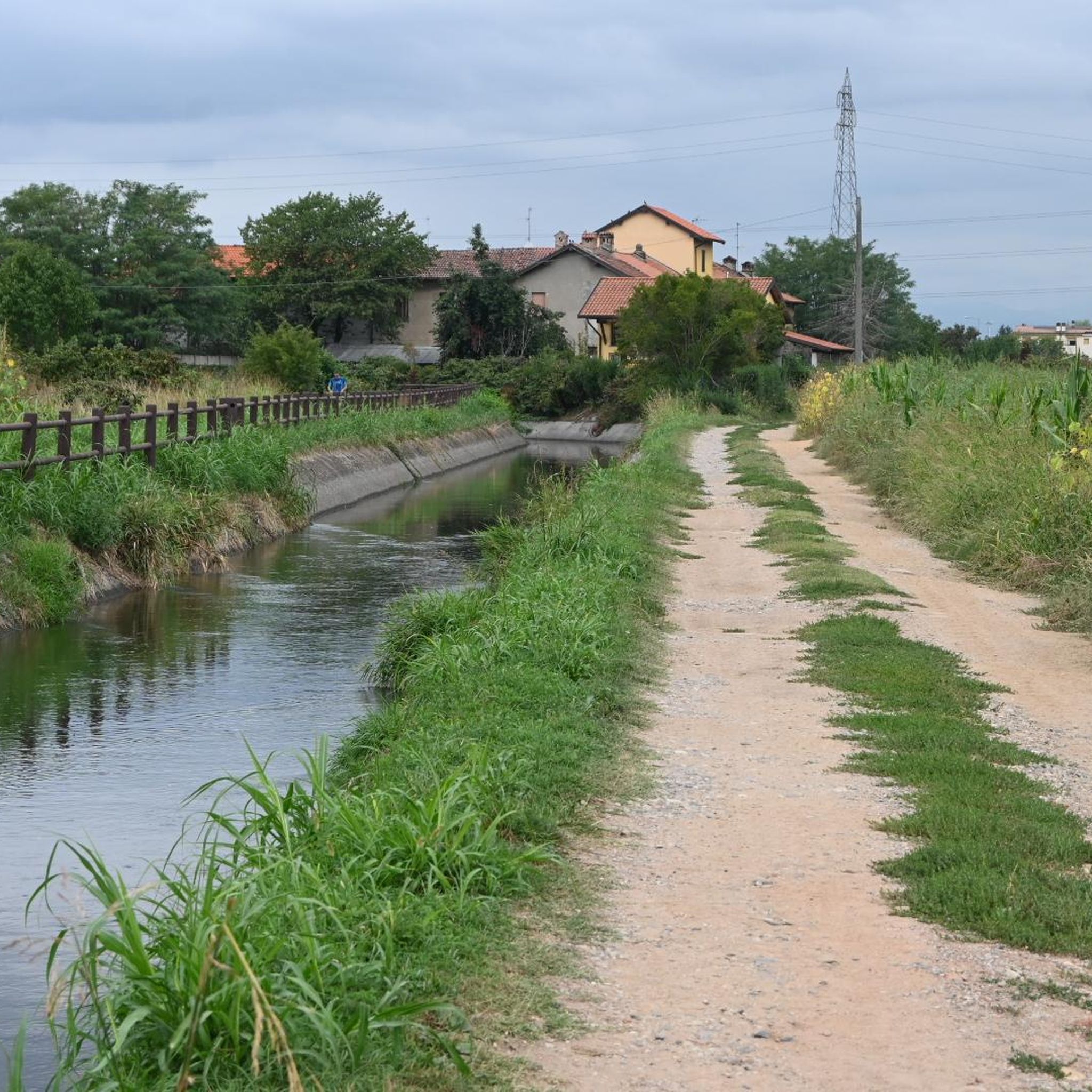
- The most popular attractions is Martesana Canal Cycle Path, a cycle way that traverses a historic area northeast of Milan. This path is a popular escape route from the city, offering green spaces and picturesque corners.
- Another must-see spot is The Rudun Water Wheel, Groppello d'Adda, a man-made monument. This famous water wheel, built around 1600, is located on the Naviglio Martesana and is known locally as 'el rudun'.
- Visitors also love Martesana Canal, a historic canal connecting Milan with the Adda river. It offers a gravel ride experience with paved cycle paths and dirt roads along the river.
- Cambiago is known for its cycle paths, historical sites, and natural waterways. The region offers a variety of attractions to see and explore, from historical monuments to extensive outdoor routes.
- The attractions around Cambiago are appreciated by the komoot community, with more than 1000 upvotes and 88 photos shared across 6 highlights.
Last updated: August 16, 2026
Martesana Canal Cycle Path
Highlight (Segment) • Cycleway
Translated by Google •
Tip by

Martesana Canal
Highlight • Cycleway
Translated by Google •
Tip by

Sign up now to discover places like this
Get recommendations on the best single tracks, peaks, & plenty of other exciting outdoor places.
Sign up for free
Naviglio Martesana Cycle Path Between Bellinzago Lombardo and Inzago
Highlight (Segment) • Cycleway
Translated by Google •
Tip by

The Rudun Water Wheel, Groppello d'Adda
Highlight • Monument
Translated by Google •
Tip by

Naviglio Martesana Towpath
Highlight (Segment) • Cycleway
Translated by Google •
Tip by

Sign up for free to discover even more attractions around Cambiago.
Sign up for free
Already have an account?
Start today with a free account
Your next adventure awaits.
Login or Signup

Tips from the Community

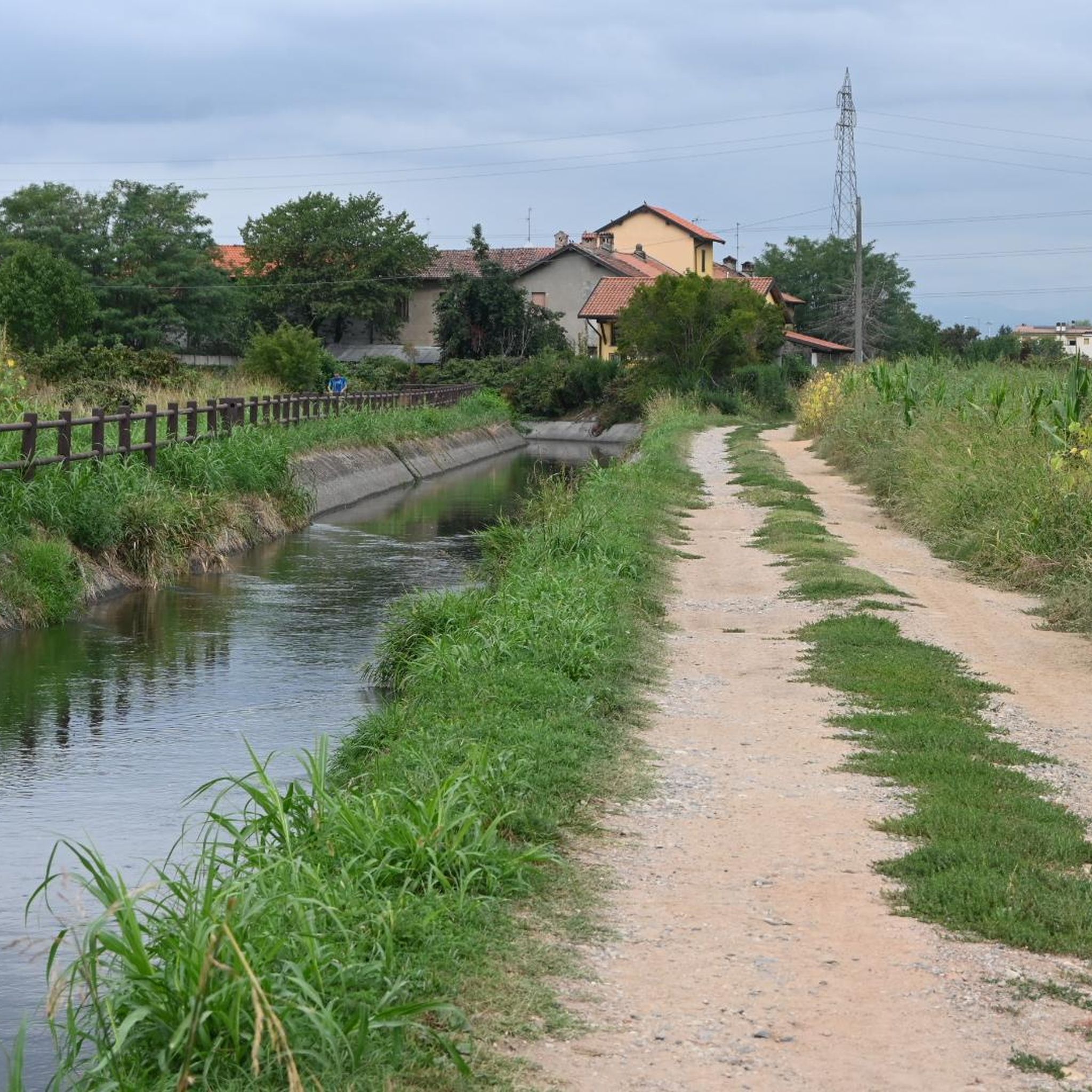
The section of the Naviglio Martesana cycle path between Bellinzago Lombardo and Inzago is a flat, entirely asphalted stretch without technical difficulties, ideal for cycle tourists of all levels. This specific rural fragment runs for about 3-4 kilometers along the Martesana canal in a protected area.
0
0

Easy cycle path suitable for everyone!
3
0
The Naviglio della Martesana, initially known as Naviglio Piccolo, is one of the Milanese canals that connects Milan with the course of the Adda river through the municipalities of Martesana. Commissioned in the 15th century by Francesco Sforza, it was used for irrigating the countryside but also represented the ambitious project of connecting Milan with Lake Como and thus with the Alps and Ticino. The Naviglio della Martesana is a place rich in history and beauty, a heritage for everyone that, however, today is still little known and protected. Along the Naviglio runs a rather busy cycle path, which allows you to admire the landscape and cultural beauties, such as the rich flora, fauna, or the numerous historic villas, including the Renaissance Villa Melzi d’Eril in Vaprio d’Adda.
1
0

The Naviglio Martesana cycle path is a cycle-pedestrian route of about 30-35 km that connects Milan (Cassina de' Pomm/via Melchiorre Gioia area) to Trezzo sull'Adda, running alongside the canal of the same name. It is a predominantly asphalted, flat, easy route suitable for everyone, which crosses parks, rural areas, and historic noble villas from the 17th-18th centuries.
2
0

It's nice, relaxing to pedal away from traffic for many kilometers. Thanks to whoever created it for all of us,
1
0

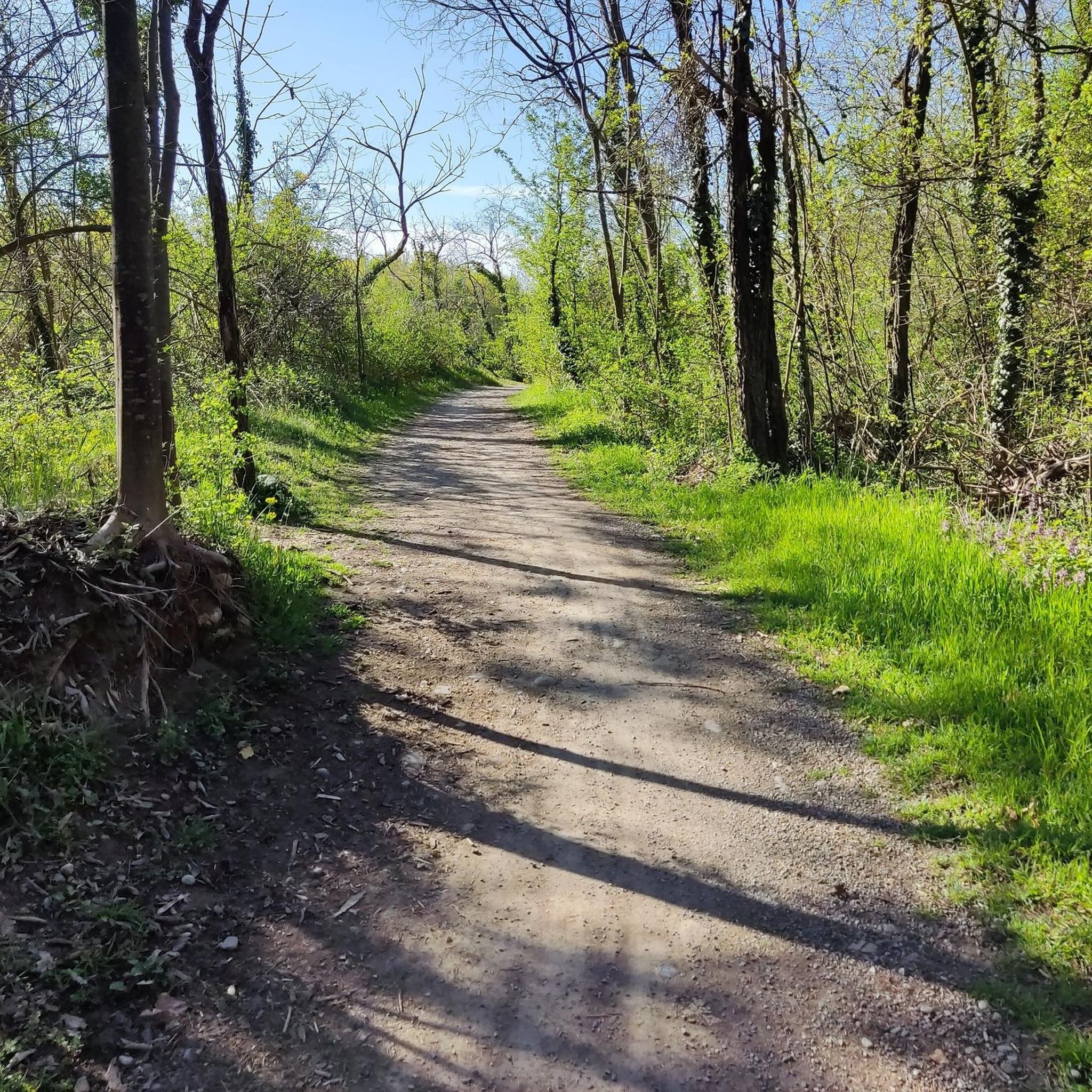
Nice gravel ride, from Gessate to Cremona. 95% on paved cycle paths and dirt road in the woods along the Adda. The first stretch from Cassano to Lodi is very nice, all in the woods, several single tracks with tall grass or "cycle path" but with a dirt surface. The river is almost always nearby. From Lodi to Cremona all on paved cycle path, elevated on cultivated fields and more exposed to the wind. Stops in Lodi, Pizzighettone and Cremona for visits. Return by train.
2
0

This place is a quiet place surrounded by greenery
3
0

Always current engineering works
5
0
Frequently Asked Questions
What natural features can I explore around Cambiago?
The primary natural feature is the historic Martesana Canal, built in 1460. It offers extensive green spaces and picturesque corners, connecting Milan with the Adda river. You can also explore the Adda river itself, which provides opportunities for wildlife spotting and scenic views.
Are there cycling paths suitable for families around Cambiago?
Yes, the area is well-known for its cycle paths. The Martesana Canal Cycle Path is a popular and family-friendly option, offering a green escape from the city. Another excellent choice is the Naviglio Martesana Cycle Path Between Bellinzago Lombardo and Inzago, which is about 30 km long and considered one of Italy's most beautiful cycle paths, suitable for various bike types.
What historical sites can I visit near Cambiago?
Beyond the canal's history, you can visit the unique The Rudun Water Wheel, Groppello d'Adda, a famous water wheel built around 1600, possibly designed by Leonardo da Vinci. Also, the Taccani Hydroelectric Power Plant and Trezzo Castle Tower offers a blend of industrial history and medieval architecture along the Adda river.
Are there any cultural attractions or museums in the area?
Yes, cycling enthusiasts will appreciate LA Collezione Ernesto Colnago in Cambiago. This museum showcases 75 years of cycling history with legendary bicycles, original autographed jerseys, and vintage images. Admission is free by reservation.
What kind of outdoor activities can I do near these attractions?
The region is ideal for various outdoor activities. You can enjoy cycling along the Martesana Canal, with routes like the easy Martesana Canal – Martesana Canal Cycle Path loop from Cambiago. For gravel biking, consider the Bridge over the Muzza – Martesana Canal loop from Gorgonzola. Running trails are also available, such as the Running loop from Cambiago.
When is the best time to visit Cambiago for outdoor activities?
The Martesana Canal cycle paths can be muggy in the peak summer heat. Spring and autumn generally offer more pleasant temperatures for outdoor activities like cycling and walking, with cooler conditions than normal streets along the canal.
Are there easy walking routes near Cambiago?
Many sections of the Martesana Canal offer comfortable and safe cycle-pedestrian paths with thin dirt bottoms, making them suitable for easy walks. These paths provide a relaxing experience alongside the water, often with historical points of interest.
What do visitors enjoy most about the attractions around Cambiago?
Visitors particularly appreciate the scenic beauty and historical context of the Martesana Canal, often describing it as a beautiful escape route from the city. The well-maintained cycle paths and the tranquility of the Adda river area are also highly valued for long walks and rides.
Can I find dog-friendly trails in the Cambiago area?
The extensive cycle and walking paths along the Martesana Canal and the Adda river are generally dog-friendly, offering ample space for walks. Always ensure your dog is on a leash and respect local regulations.
What are some lesser-known historical buildings in Cambiago?
Beyond the main attractions, Cambiago features several historic churches like the Chiesa della Beata Vergine del Rosario and the Chiesa di S. Zenone. Other notable architectural sites include the Cascina Orombella complex, the Filanda Via ai Campi 7 (a spinning mill), and the Palazzo Cottini, offering glimpses into the town's past.
How can I reach the attractions around Cambiago using public transport?
While specific public transport details for each attraction are not provided, Cambiago is a municipality within the Metropolitan City of Milan, suggesting connections to the broader public transport network. For detailed routes, it's advisable to check local transport schedules for buses or trains connecting to Cambiago and nearby towns along the Martesana Canal.
Are there any viewpoints or panoramic spots?
The Trezzo Castle Tower, located behind the Taccani Hydroelectric Power Plant, offers a prominent viewpoint. Its 42-meter high square tower provides panoramic views of the Adda river and the surrounding historical area.
Most popular routes around Cambiago
Most popular attractions around Cambiago

Get inspired with the komoot mobile app


Explore more
Still not found the Highlight you’re looking for? See guides of the top attractions in other regions:
