The best cycling routes around Basiano
4.3
(1112)
9,373
riders
292
rides
Touring cycling around Basiano, located in Lombardy, Italy, is characterized by its generally flat terrain and extensive canal systems. The region features a network of routes traversing the Lombard countryside, providing accessible cycling experiences. Key features include the Naviglio Martesana and Villoresi Canal, which offer tranquil, tree-lined paths. This landscape is suitable for touring cyclists seeking routes with minimal elevation gain.
Best touring cycling routes around Basiano
- The most popular touring cycling route is Astino Monastery – Old Square and…
Last updated: July 31, 2026
3.6
(8)
42
riders
32.4km
01:58
120m
120m
Easy bike ride. Great for any fitness level. Mostly paved surfaces. Suitable for all skill levels.
4.3
(3)
31
riders
Hard bike ride. Very good fitness required. Mostly paved surfaces. Suitable for all skill levels.

Sign up for free
5.0
(8)
17
riders
21.4km
01:45
70m
70m
Easy bike ride. Great for any fitness level. Mostly paved surfaces. Suitable for all skill levels.
15
riders
16.2km
00:59
40m
40m
Easy bike ride. Great for any fitness level. Mostly paved surfaces. Suitable for all skill levels.
18
riders
25.6km
01:37
170m
170m
Moderate bike ride. Good fitness required. Mostly paved surfaces. Suitable for all skill levels.
Get access to more routes and recommendations from other explorers.
Sign up for free
Already have an account?
Our route recommendations are based on thousands of hikes, rides, and runs completed by other people on komoot.
Start today with a free account
Your next adventure awaits.
Login or Signup
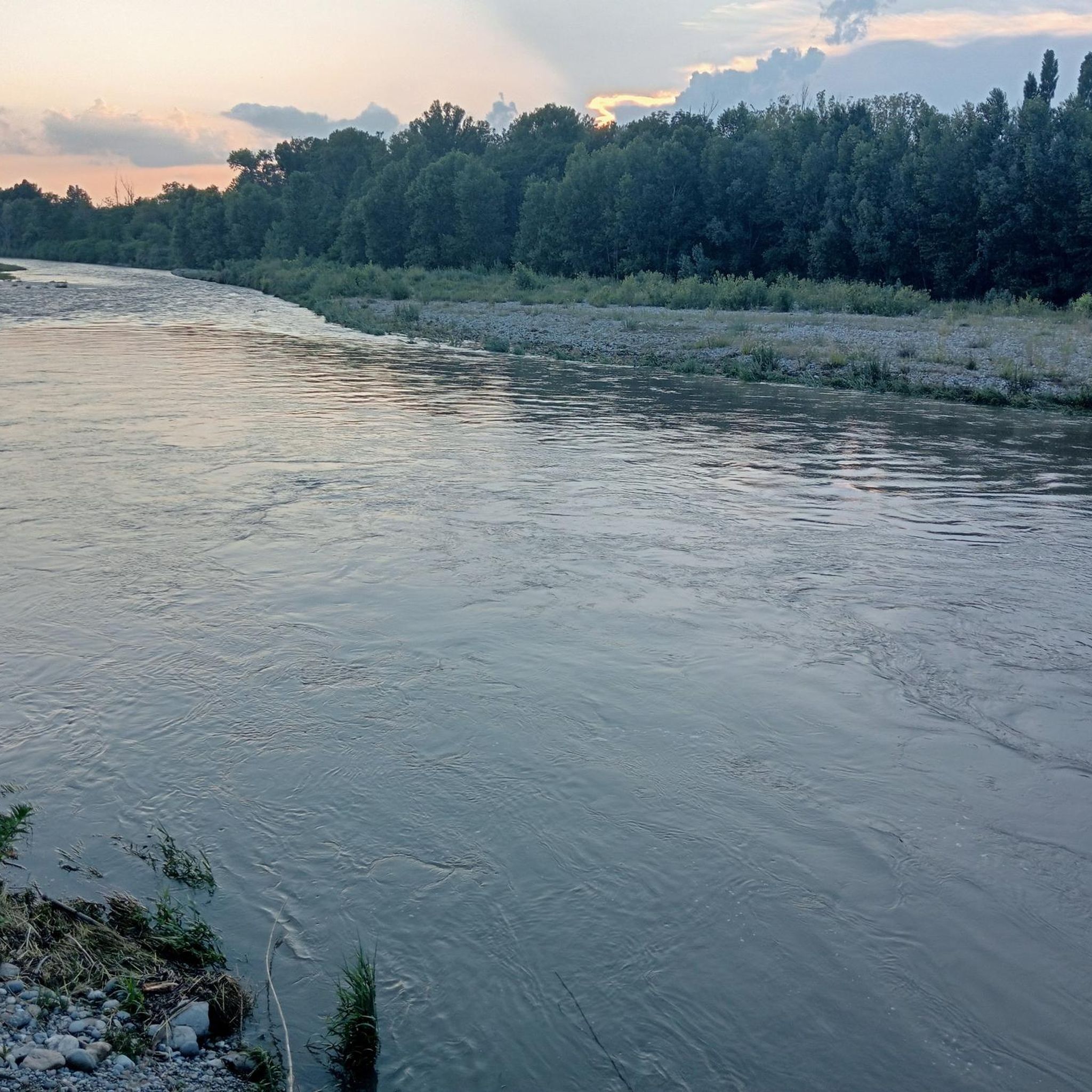
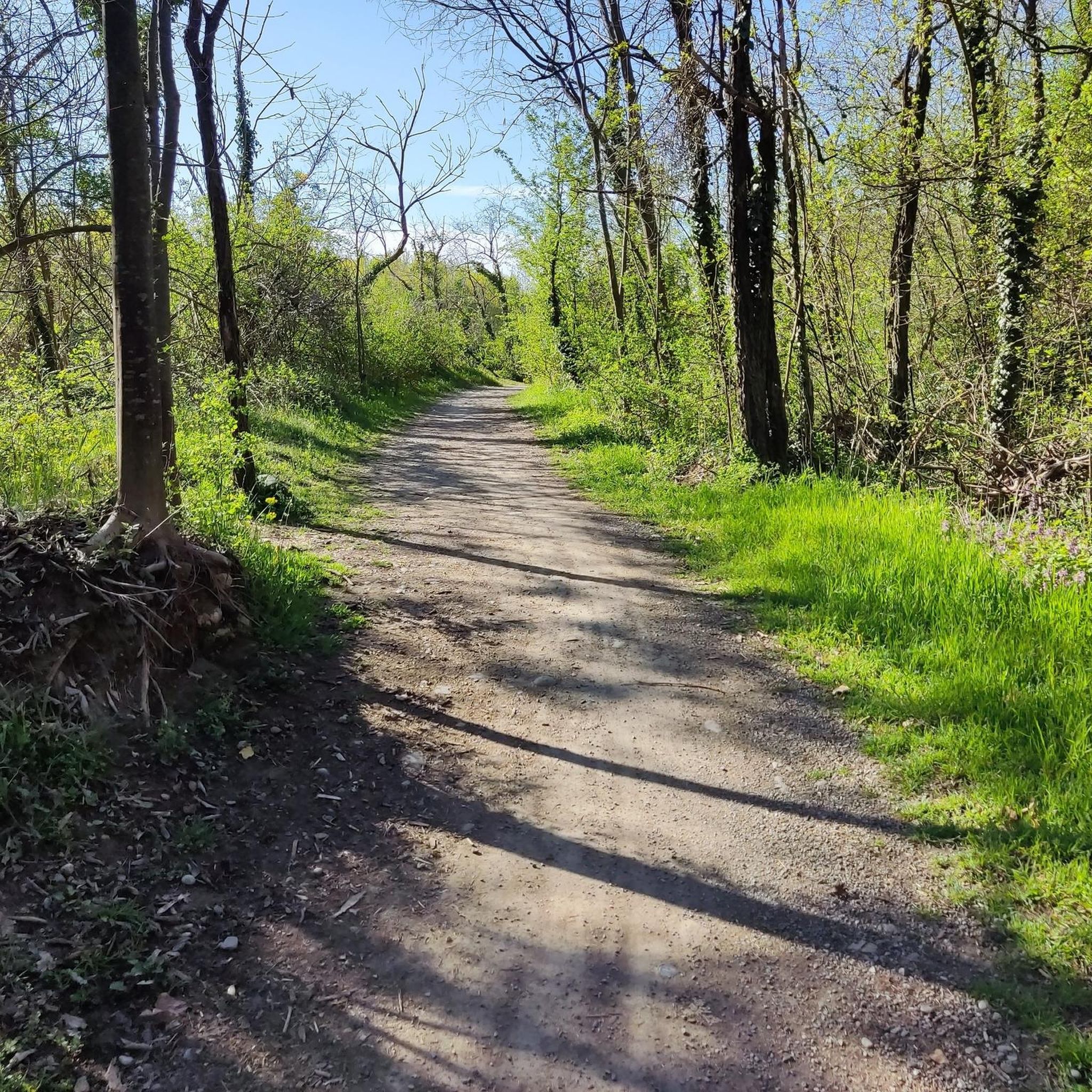
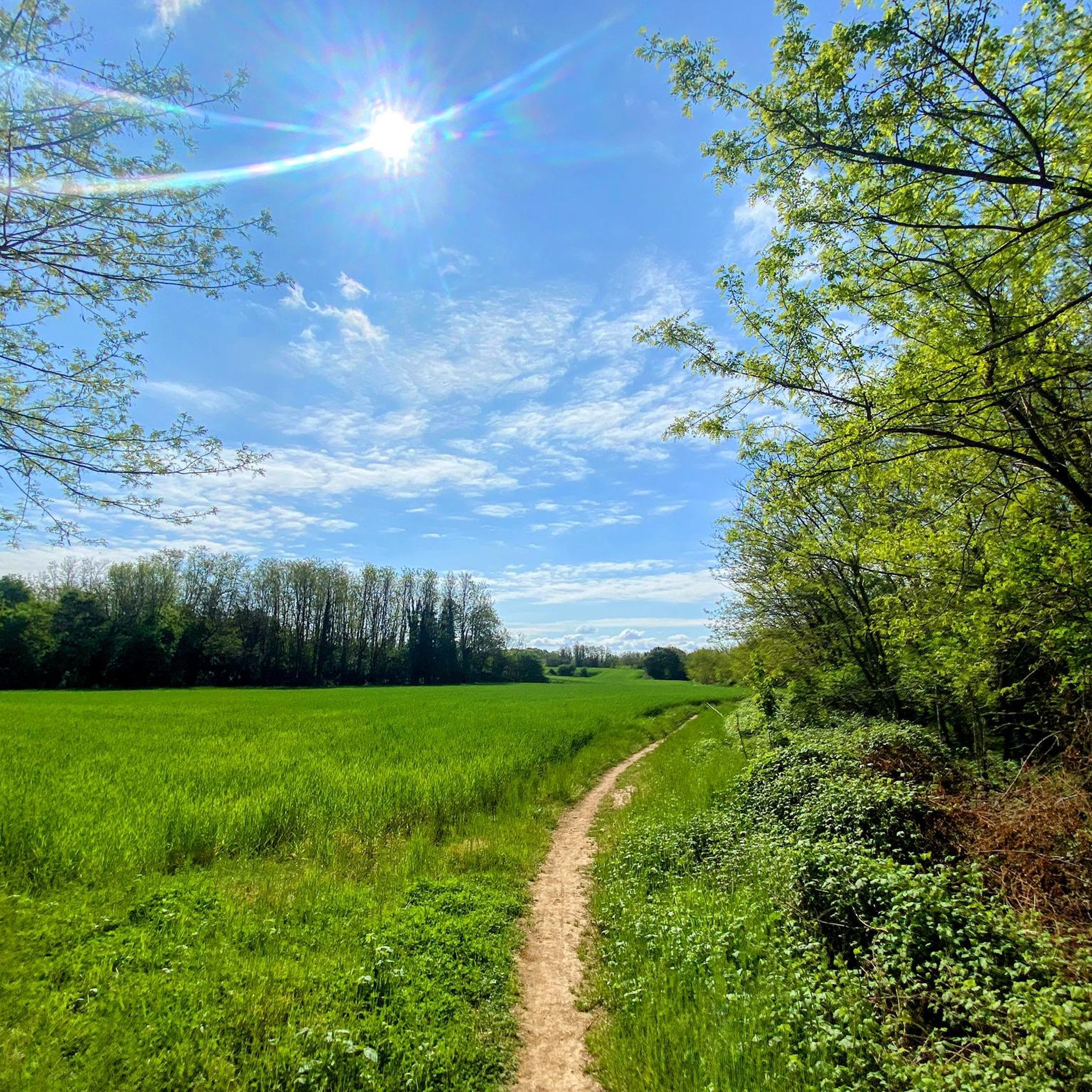

Tips from the Community

The section of the Naviglio Martesana cycle path between Bellinzago Lombardo and Inzago is a flat, entirely asphalted stretch without technical difficulties, ideal for cycle tourists of all levels. This specific rural fragment runs for about 3-4 kilometers along the Martesana canal in a protected area.
0
0
The Naviglio della Martesana, definitively completed in 1496 under the guidance of Ludovico il Moro, flows from Trezzo sull’Adda to Milan for a total length of 38 km. The route runs alongside the ancient Roman road (the current SS 11 padana superiore) which crossed the Adda with two branches: at Vaprio and Cassano. Irrigation of the land located above the spring belt was for a long time the predominant use of the canal, so much so that initially navigation was limited to two days a week; concurrently with the improvement of the agricultural structure thanks to irrigation, a notable flourishing of stately villas occurred in the Baroque era, intended to enjoy the convenience of travel on water and to control owned lands.
1
0
Naviglio della Martesana is perhaps the least known of the ancient artificial canals connecting Milan to the great Lombard rivers. It originates from the Adda in Concesa, a hamlet of Trezzo d’Adda, crosses the Martesana sub-region, northeast of the provincial capital, and once in the city, it plunges underground beneath Via Melchiorre Gioia, at the height of Cassina de’ Pomm. It measures approximately 38 km in length, with a width varying from 9 to 18 meters. However, once upon a time, the Naviglio della Martesana continued in the open air all the way to the center, where a lock system centered on the Conca dell’Incoronata connected it to the short Naviglio di S. Marco and the urban network of the Navigli. The lock was inaugurated in 1496, utilizing lock gates designed by Leonardo da Vinci. The canal had been opened in 1471, under Francesco Sforza. By connecting it to the other Navigli, Leonardo laid the foundations for realizing a dream of the Sforzas: to travel by water from the Ticino, and therefore from Lake Maggiore, all the way to the Adda.
1
0

In Cernusco Lombardone there is Villa Lurani Cernuschi. Of 17th-century origin, it was extensively remodeled in the 19th century. The complex is enriched by magnificent Italian gardens and a vast English park. The villa has been inhabited by the Lurani Cernuschi family for over two centuries. Among the most remembered figures of the house are Count Francesco, a musician and mountaineer, and his son, Count Giovannino, who is especially known for his great passion for motoring. In eternal memory of Francesco's passion, the piano that was played by Maestro Giuseppe Verdi during his visits still stands proudly in one of the rooms. Giovanni Lurani Cernuschi's enthusiasm for engines is instead remembered in the former stables of the house where a gallery of signatures left on the walls by some of the most famous drivers who raced on the nearby Monza circuit from the thirties to the eighties is preserved: Taruffi, Chiron, Bandini, Graham Hill, Scarfiotti, Chiti.
0
0
The Naviglio della Martesana, initially known as Naviglio Piccolo, is one of the Milanese canals that connects Milan with the course of the Adda river through the municipalities of Martesana. Commissioned in the 15th century by Francesco Sforza, it was used for irrigating the countryside but also represented the ambitious project of connecting Milan with Lake Como and thus with the Alps and Ticino. The Naviglio della Martesana is a place rich in history and beauty, a heritage for everyone that, however, today is still little known and protected. Along the Naviglio runs a rather busy cycle path, which allows you to admire the landscape and cultural beauties, such as the rich flora, fauna, or the numerous historic villas, including the Renaissance Villa Melzi d’Eril in Vaprio d’Adda.
1
0
The Villoresi Canal towpath cycle path is a flat, almost entirely dedicated cycle-pedestrian route of about 85-90 km, connecting the Ticino river (Panperduto, Somma Lombardo dams) to the Adda river (Groppello). It crosses the Brianza and the northern area of Milan, ideal for cycle touring, gravel/MTB bikes, and walks.
0
0

A beautiful stretch of the Martesana; it's a pleasure to stop for a coffee at the various cafés along the route.
0
0

In Groppello d'Adda, along the Martesana Canal, there is a large waterwheel called "el rudun." It is not a mill, but a noria that was used to raise water for irrigation. It was built in 1618 at the behest of Cardinal Federico Borromeo. It was used to irrigate the vegetable gardens and gardens of the Archbishop's Villa. Tradition attributes the design to Leonardo da Vinci. The water also fed kitchens, washhouses, and livestock watering troughs. The original wheel was dismantled in the late 19th century. The current one is a 1989 reconstruction, restored several times. It has a diameter of 11 meters and eight large blades. Today, it is a historical and educational symbol that tells the story of the area's past.
2
0
Frequently Asked Questions
How many touring cycling routes are available around Basiano?
Basiano offers a wide selection of touring cycling routes, with over 280 options available. These routes cater to various skill levels, including over 160 easy rides, 90 moderate trails, and more than 30 challenging routes for experienced cyclists.
What kind of terrain can I expect on touring cycling routes in Basiano?
The touring cycling routes around Basiano are primarily characterized by generally flat terrain, making them ideal for relaxed rides. You'll find extensive canal systems, such as the Martesana Canal and Villoresi Canal, which offer tranquil, tree-lined paths. The routes traverse the Lombard countryside, providing accessible cycling experiences with minimal elevation gain.
Are there routes suitable for beginners or those looking for an easy ride?
Yes, Basiano is very welcoming for beginners and those seeking easy rides. Over 160 of the available touring cycling routes are classified as easy. A great option for a relaxed ride is the Heathland Trail – Boscone di Ornago loop from Basiano, an easy 13.3-mile (21.4 km) path that takes you through local green spaces.
What natural features or landmarks can I see while cycling around Basiano?
While cycling around Basiano, you'll encounter picturesque canal systems like the Naviglio Martesana Cycle Path and the Villoresi Canal, which are central to the region's charm. You can also discover historical points of interest such as The Rudun Water Wheel in Groppello d'Adda, believed to be designed by Leonardo da Vinci, and the impressive Taccani Hydroelectric Power Plant and Trezzo Castle Tower.
Can I cycle along the famous Naviglio Martesana from Basiano?
Absolutely! The Naviglio Martesana Cycle Path is a major highlight for touring cyclists in the region. Basiano's proximity to this approximately 30-kilometer-long path allows you to easily access one of Italy's most beautiful cycling routes, connecting Milan with the Adda River and offering serene canal-side scenery.
Are there any circular touring cycling routes in the area?
Yes, many touring cycling routes around Basiano are designed as loops, allowing you to start and finish in the same location. For example, the View over Canonica d'Adda loop from Trezzano Rosa is an easy 16.4-mile (26.5 km) route that offers scenic views and a convenient circular path.
Are the touring cycling routes around Basiano suitable for families?
Many of the routes around Basiano are well-suited for families, especially those along the canal systems. The generally flat terrain and dedicated cycle paths, like those along the Naviglio Martesana, provide a safe and enjoyable environment for cyclists of all ages. Look for the 'easy' rated routes for the most family-friendly options.
What are the options for parking or public transport access to the routes?
Basiano offers various options for accessing its cycling routes. Parking is generally available in and around the town, particularly near popular starting points for trails. For those using public transport, Basiano is connected to the wider Milan province, allowing for access via local bus services. You can plan your journey to Basiano and then easily connect to the extensive network of cycle paths.
Can I bring my dog on the touring cycling routes?
Many of the outdoor areas and paths around Basiano, especially the canal-side routes and local parks, are dog-friendly. However, it's always recommended to keep your dog on a leash and ensure they are comfortable with cycling alongside you. Be mindful of local regulations and other path users.
Where can I find places to eat or rest along the routes?
The towns and villages along the canal systems and within the Lombard countryside offer various opportunities for refreshments. Basiano itself has local cafes and restaurants, and you'll find similar establishments in nearby communities like Trezzano Rosa or Vaprio d'Adda, which are often situated along popular cycling routes. These spots are perfect for a break and to refuel during your ride.
What do other touring cyclists say about the routes in Basiano?
The touring cycling routes around Basiano are highly regarded by the komoot community, boasting an impressive average rating of 4.3 stars from over 1,400 reviews. More than 11,000 touring cyclists have explored Basiano's varied terrain using komoot, often praising the tranquil canal-side paths, the gentle Lombard countryside, and the accessibility of historical sites.
Are there more challenging touring cycling routes for experienced riders?
Yes, for experienced riders seeking a greater challenge, Basiano offers over 30 difficult touring cycling routes. An example is the Astino Monastery – Old Square and Civic Tower loop from Basiano, a 38.6-mile (62.2 km) trail with varied terrain and significant elevation changes, taking approximately 3 hours and 55 minutes to complete.
What is the best time of year for touring cycling in Basiano?
The best time for touring cycling in Basiano is generally during the spring (April to June) and autumn (September to October) months. During these periods, the weather is typically mild and pleasant, with comfortable temperatures for longer rides. Summer can also be enjoyable, but it's advisable to start early in the day to avoid the midday heat, especially on open canal paths.
Most popular attractions around Basiano

Get inspired with the komoot mobile app


Explore more
Browse the best Cycling routes in other regions.
