The best running trails around Bellinzago Lombardo
4.2
(217)
12,182
runners
374
runs
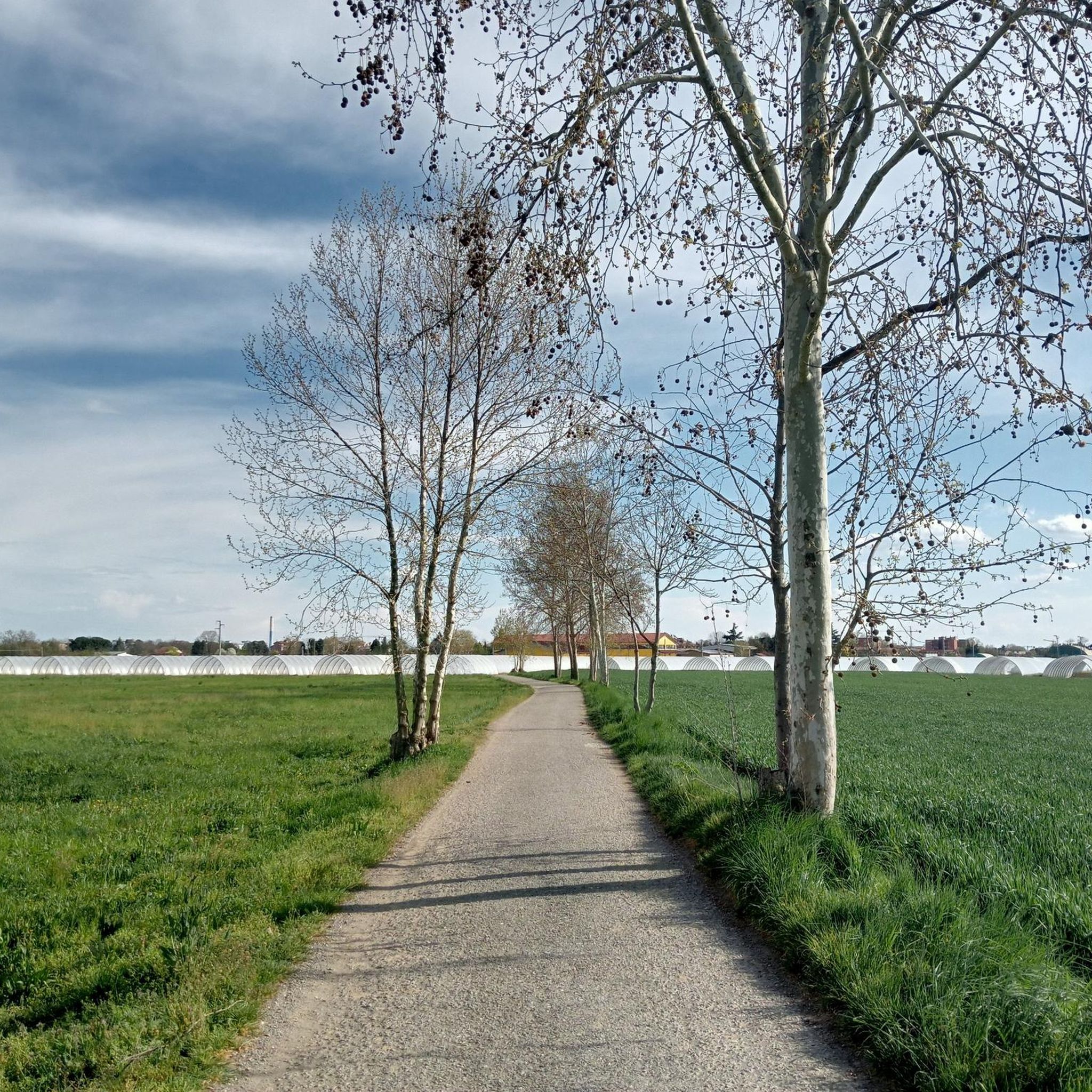
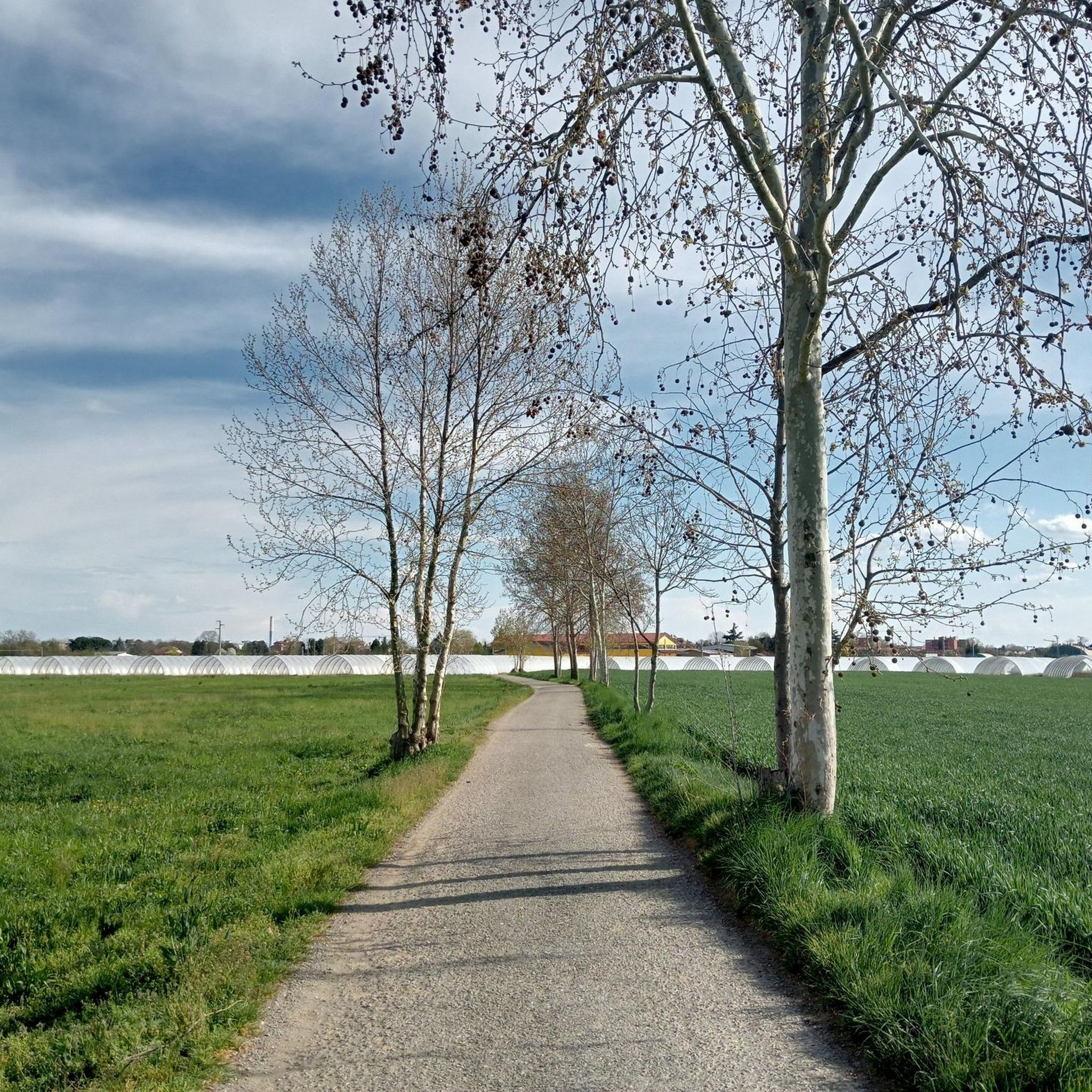
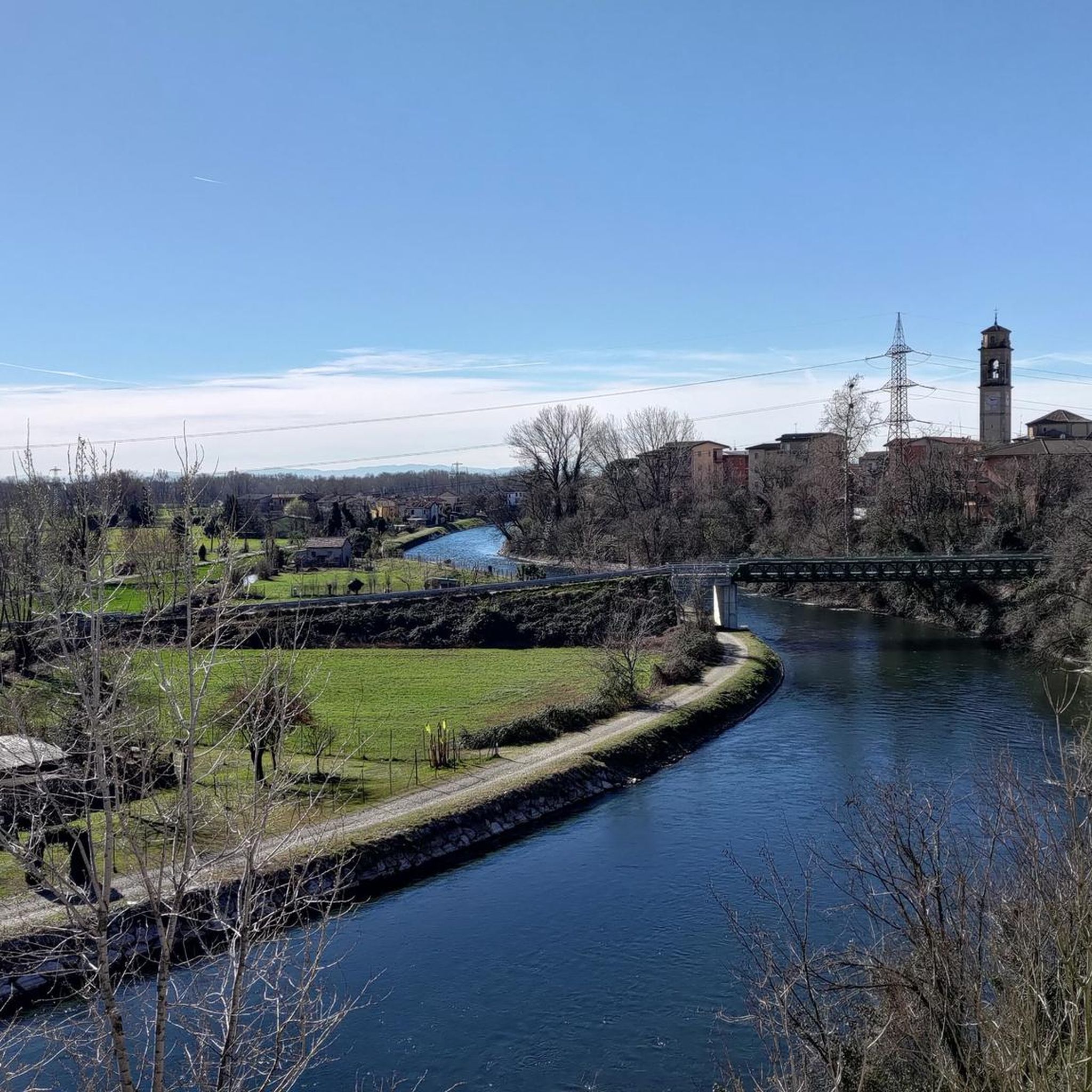
Jogging around Bellinzago Lombardo offers access to a predominantly flat and accessible terrain, characteristic of the Lombardy plain. The region's primary feature for runners is the Naviglio Martesana canal, which provides an extensive cycle-pedestrian pathway. This historic canal, dating back to the 15th century, is bordered by green spaces and offers a calming waterside environment. The landscape is generally level, making it suitable for various fitness levels.
Best jogging routes around Bellinzago Lombardo
- The most popular jogging route is Martesana…
Last updated: May 23, 2026
5.0
(1)
243
runners
18.9km
01:57
40m
40m
Hard run. Very good fitness required. Mostly paved surfaces. Suitable for all skill levels.
5.0
(1)
122
runners
Moderate run. Good fitness required. Mostly paved surfaces. Suitable for all skill levels.

Sign up for free
5.0
(1)
74
runners
10.4km
01:04
20m
20m
Moderate run. Good fitness required. Mostly paved surfaces. Suitable for all skill levels.
3.0
(1)
63
runners
11.8km
01:13
20m
20m
Moderate run. Good fitness required. Mostly paved surfaces. Suitable for all skill levels.
51
runners
8.65km
00:53
10m
10m
Moderate run. Good fitness required. Mostly paved surfaces. Suitable for all skill levels.
Get access to more routes and recommendations from other explorers.
Sign up for free
Already have an account?
Our route recommendations are based on thousands of hikes, rides, and runs completed by other people on komoot.
Start today with a free account
Your next adventure awaits.
Login or Signup
Tips from the Community

Villa Fornaci is a historic hamlet geographically divided between the municipalities of Gessate and Bellinzago Lombardo, in the metropolitan city of Milan. The core rises and develops entirely along the banks of the Naviglio della Martesana (also called Naviglio Piccolo), representing one of the most characteristic and historically rich hydraulic and industrial crossing points in the entire Martesana territory.
0
0
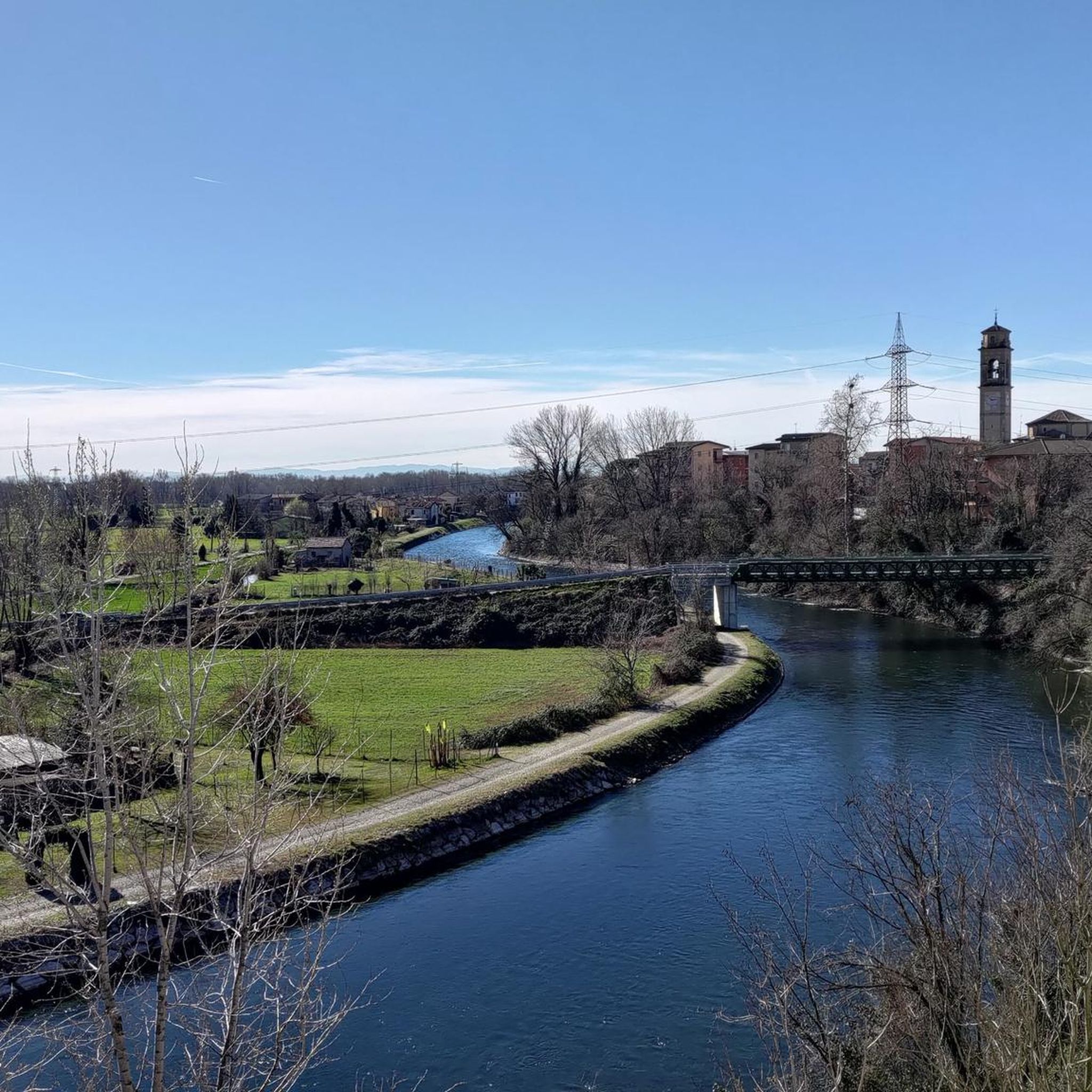
The Naviglio della Martesana, definitively completed in 1496 under the leadership of Ludovico il Moro, flows from Trezzo sull’Adda to Milan for a total length of 38 km. The route runs alongside the ancient Roman road (the current SS 11 padana superiore) which crossed the Adda with two branches: at Vaprio and at Cassano. Irrigation of the land located above the spring belt was for a long time the predominant use of the canal, so much so that initially navigation was limited to two days a week; concurrently with the improvement of the agricultural structure thanks to irrigation, a notable flourishing of stately villas occurred in the Baroque era, aimed at enjoying the convenience of water travel and controlling the owned lands.
0
0
The Naviglio della Martesana, definitively completed in 1496 under the guidance of Ludovico il Moro, flows from Trezzo sull’Adda to Milan for a total length of 38 km. The route runs alongside the ancient Roman road (the current SS 11 padana superiore) which crossed the Adda with two branches: at Vaprio and Cassano. Irrigation of the land located above the spring belt was for a long time the predominant use of the canal, so much so that initially navigation was limited to two days a week; concurrently with the improvement of the agricultural structure thanks to irrigation, a notable flourishing of stately villas occurred in the Baroque era, intended to enjoy the convenience of travel on water and to control owned lands.
1
0
The Naviglio della Martesana, definitively completed in 1496 under the guidance of Ludovico il Moro, flows from Trezzo sull’Adda to Milan for a total length of 38 km. The route runs alongside the ancient Roman road (the current SS 11 padana superiore) which crossed the Adda with two branches: at Vaprio and at Cassano. The irrigation of the lands located above the spring belt was for a long time the prevalent use of the canal, so much so that initially navigation was limited to two days a week; concurrently with the improvement of the agrarian structure thanks to irrigation, a notable flourishing of stately villas emerged in the Baroque era, aimed at enjoying the convenience of travel on water and controlling the lands of property.
1
0
Naviglio della Martesana is perhaps the least known of the ancient artificial canals connecting Milan to the great Lombard rivers. It originates from the Adda in Concesa, a hamlet of Trezzo d’Adda, crosses the Martesana sub-region, northeast of the provincial capital, and once in the city, it plunges underground beneath Via Melchiorre Gioia, at the height of Cassina de’ Pomm. It measures approximately 38 km in length, with a width varying from 9 to 18 meters. However, once upon a time, the Naviglio della Martesana continued in the open air all the way to the center, where a lock system centered on the Conca dell’Incoronata connected it to the short Naviglio di S. Marco and the urban network of the Navigli. The lock was inaugurated in 1496, utilizing lock gates designed by Leonardo da Vinci. The canal had been opened in 1471, under Francesco Sforza. By connecting it to the other Navigli, Leonardo laid the foundations for realizing a dream of the Sforzas: to travel by water from the Ticino, and therefore from Lake Maggiore, all the way to the Adda.
1
0
The covered wooden bridge over the Naviglio Martesana in Gorgonzola is a historic and characteristic pedestrian crossing from the 15th century, renovated over time, which connects the two banks of the canal. A local symbol, it unites historic buildings and offers a suggestive view, representing one of the most iconic structures in the town along the canal.
0
0
Completed in 1471, the Naviglio Martesana was a huge hydraulic work of its time. Used for the transport of things and people, on both banks there was the road that was used by horses pulling barges along this important waterway that connected the villages with Milan, the big city. Now the use of the canal as a transport route has fallen into disuse after the mass arrival of rubber-wheeled transport and the route has been transformed into a beautiful cycle path, it is on this route that the Martesana cycle path is described, 36 kilometers on its own protected route and almost not at all trafficked by motor vehicles.
0
0
The imposing water wheel (about eleven meters in diameter) was built in the early 17th century by Cardinal Federico Borromeo to lift water from the canal and convey it to the nearby Archbishop's Palace. A washhouse can be seen near the wheel.
1
0
Frequently Asked Questions
How many running routes are available around Bellinzago Lombardo?
There are over 360 running routes around Bellinzago Lombardo, offering a wide variety of options for different fitness levels and preferences. The majority of these are moderate, with some easier and more challenging trails also available.
What kind of terrain can I expect on jogging routes in Bellinzago Lombardo?
The terrain around Bellinzago Lombardo is predominantly flat and accessible, characteristic of the Lombardy plain. Most routes follow the Naviglio Martesana canal, which features an extensive cycle-pedestrian pathway, making it ideal for easy and steady runs with minimal elevation changes.
Are there any long-distance running trails in the area?
Yes, the region offers options for longer runs. The Martesana Canal loop from Inzago is a popular choice, covering nearly 19 kilometers (11.8 miles) along the historic canal, perfect for those looking for a more extended workout.
What are the best routes for beginners or easy jogs?
For an easy and scenic run, consider routes along the Naviglio Martesana canal. Many sections are flat and traffic-free. While specific 'easy' routes are numerous, a good example of a moderate, yet accessible, option is the Martesana Canal – Martesana Canal Cycle Path loop from Inzago, which is 9.3 kilometers (5.8 miles) long.
Are there any circular jogging routes around Bellinzago Lombardo?
Yes, many of the running paths in the area are designed as loops, offering convenient circular routes. For instance, the Trail Along the Adda River loop from Inzago provides a pleasant 10.4-kilometer (6.5-mile) circular run through riverside landscapes.
What natural features or landmarks can I see while running?
Jogging along the Naviglio Martesana canal offers pleasant natural scenery and historical charm. You can enjoy the calming waterside environment and green spaces. Notable landmarks include the Rudun Water Wheel in Groppello d'Adda, and you might also encounter old manufacturing buildings. Further afield, you can find natural highlights like Pignone Park and Waterfall on the Adda River.
Are the running routes in Bellinzago Lombardo suitable for families?
Yes, the predominantly flat and traffic-free nature of the cycle-pedestrian path along the Naviglio Martesana makes many routes suitable for families. The accessible terrain ensures a comfortable experience for all ages.
Can I bring my dog on the running trails?
Many of the outdoor paths, especially those along the Naviglio Martesana canal, are generally dog-friendly. However, it's always recommended to keep your dog on a leash and be mindful of other users, particularly cyclists and pedestrians.
Is there public transport access to the running trails?
Bellinzago Lombardo is connected to the wider region, and public transport options can bring you close to the main running arteries, such as the Naviglio Martesana canal path. It's advisable to check local bus or train schedules for the most convenient access points to specific trailheads.
Where can I find parking near the running routes?
Parking is generally available in and around Bellinzago Lombardo, particularly near the access points to the Naviglio Martesana canal path. Many local towns along the canal, such as Inzago, offer parking facilities that provide convenient starting points for your run.
What do other runners enjoy most about jogging in Bellinzago Lombardo?
The running routes in Bellinzago Lombardo are highly rated by the komoot community, with an average score of 4.3 stars from over 190 reviews. Runners often praise the scenic beauty of the Naviglio Martesana canal, the flat and accessible terrain, and the peaceful, traffic-free experience that allows for enjoyable and consistent runs.
What is the best season for running in Bellinzago Lombardo?
The flat terrain and waterside environment make Bellinzago Lombardo suitable for running in most seasons. Spring and autumn offer pleasant temperatures and vibrant scenery. Summer can be warm, so early morning or late evening runs are recommended. Winter runs are also possible, though conditions may vary.
Are there any cafes or refreshment points along the Naviglio Martesana canal?
Yes, as the Naviglio Martesana canal path connects various municipalities, you will find several towns and villages along its extensive length. These often have cafes, bars, and other refreshment points where you can take a break and refuel during or after your run.
Most popular routes around Bellinzago Lombardo
Most popular attractions around Bellinzago Lombardo

Get inspired with the komoot mobile app


Explore more
Browse the best Running Trails & Routes in other regions.
