Attractions and Places To See around Olevano Di Lomellina - Top 20
Best attractions and places to see around Olevano Di Lomellina include historical landmarks, agricultural landscapes, and natural features within the Lomellina region. This rural town in the province of Pavia, Lombardy, is characterized by extensive rice fields and a network of waterways. The area offers insights into rich agricultural traditions and historical sites. Visitors can explore a mix of natural monuments and cultural points of interest.
Best attractions and places to see around Olevano Di Lomellina
- The most popular attraction…
Last updated: May 11, 2026
Sartirana Castle
Highlight • Castle
Translated by Google •
Tip by

Dosso of Lomellina
Highlight • Natural Monument
Translated by Google •
Tip by
Sign up now to discover places like this
Get recommendations on the best single tracks, peaks, & plenty of other exciting outdoor places.
Sign up for free
Basilica of San Lorenzo, Mortara
Highlight • Religious Site
Translated by Google •
Tip by

Nicorvo
Highlight • Settlement
Translated by Google •
Tip by
Naviglio Langosco
Highlight • River
Translated by Google •
Tip by
Sign up for free to discover even more attractions around Olevano Di Lomellina.
Sign up for free
Already have an account?
Start today with a free account
Your next adventure awaits.
Login or Signup


Tips from the Community

Sartirana beautiful castle, a pity about the cars parked in front
0
0


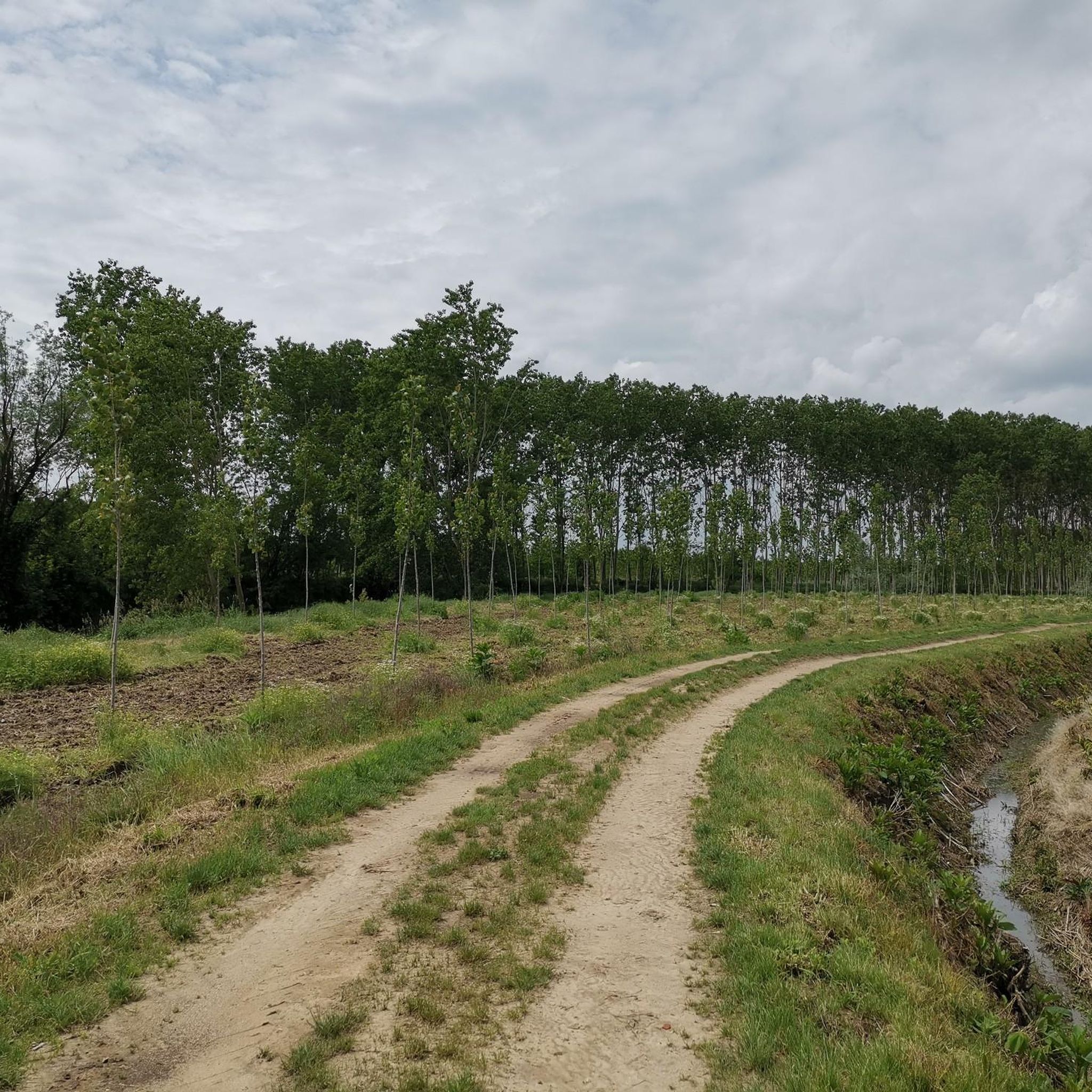
A historically important route is the stretch of the Via Francigena in Lomellina which, coming from Robbio, crosses the entire town and allows you to pass by the eighteenth-century sanctuary of the "Madonnina" and the parish church of S. Terenziano (seventeenth century). The route is marked by volunteers to facilitate the passage of pilgrims. In the village there is a hospice near the parish house run by volunteers. As you pass in front of the "Madonnina", it is possible to notice a majestic and centuries-old magnolia behind it. Wikipedia
3
0
Nicorvo is a charming comune in the Italian province of Pavia, located in the Lombardy region. With a population of 385 inhabitants and an area of 8.2 km², it is located in the northern part of the Lomellina, near the left bank of the Agogna river. The economy of Nicorvo is mainly based on agriculture, with a particular focus on rice cultivation,
3
0
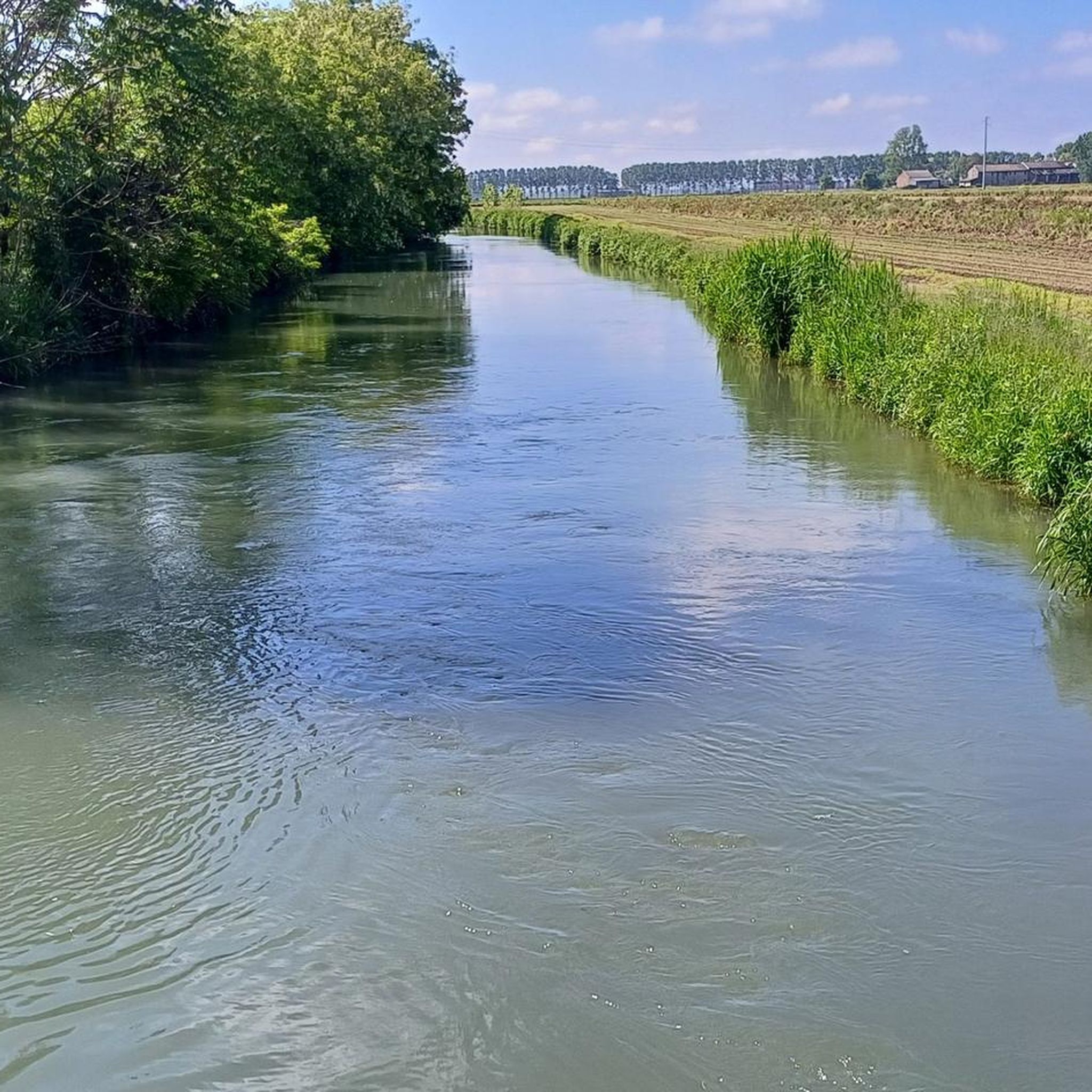
The Naviglio Langosco (in Lombard: Nivili Langosch) is a canal fed by the Ticino River. The purpose of this canal is to irrigate the fields in the Novarese and Lomellina regions. It was realized in the 17th century on the initiative of Count Guido Langosco. The count ordered the construction of the canal, which was designed by engineer Pietro Antonio Barca, and work began in 1613 and was completed in 1665. The canal begins in the province of Novara, north of the Ponte di Turbigo, and flows then through the areas of Galliate, Romentino, Trecate, and Cerano. It then leaves Piedmont and enters Lombardy, where it flows past Cassolnovo, Vigevano (where it crosses the Terdoppio), and Gambolò. It ends near Cascina Montagione, in the municipality of Tromello. 🏞️🇮🇹
6
0
The Basilica di San Lorenzo is Mortara's most prominent historical monument, a Gothic building from the 14th century. Located in the city center, near the Palazzo del Comune, it attracts attention with its terracotta facade. Architecture: Built in Gothic Lombard style between 1375 and 1380 by Bernardino da Novara. Martino Bassi made some structural changes in 1573. Exterior: The cotto facade has frescoes in the lunettes of the portals, made by Nando Bialetti. The tondi on the facade are by Boniforte da Mortara. The colorful stained glass windows are the work of Francesco Mossmeyer. Interior: Rich in works of art, including paintings by Paolo da Brescia and a remarkable wooden nativity scene by Lorenzo da Mortara. In the 20th century the interior was renovated by Giuseppe Piatti.
6
0

You arrive from Albonese and you are spoiled for choice, do I go right or left? Take the right and reach Borgolavezzaro. If you go left you have the possibility to decide whether to head towards Robbio or Ceretto Lomellina.
1
1

The collegiate basilica of San Lorenzo is dedicated to Lawrence of Rome and has the title of a minor basilica. The Gothic church dates from the 14th century and is the seat of the canon chapter. The church was designed between 1375 and 1380 by Bartolino da Novara in the Lombard Gothic style and was built of brick. A renovation was carried out in 1573 by Martino Bassi, restorations took place in 1840 and again in 1916. In this case, Giuseppe Piatti made the church simpler by removing chapels and replacing the altar. Pope Pius XII raised the church to the rank of a minor basilica in 1939. Source: Wikipedia
2
0
Frequently Asked Questions
What natural features can I explore around Olevano di Lomellina?
The region is characterized by extensive rice fields, which offer a unique spectacle, especially when flooded in late spring or green in summer. You can also visit the Dosso of Lomellina, a natural monument of small, sandy hills that show how the landscape was shaped by river changes. The Naviglio Langosco, a 17th-century canal, provides scenic paths along its route. Additionally, the nearby Garzaia di Sant'Alessandro is a protected area vital for various bird species, particularly herons.
What historical and cultural sites can I visit in Olevano di Lomellina?
Olevano di Lomellina offers several historical and cultural points of interest. You can explore the historic Olevano di Lomellina Castle, which has a medieval core and an 18th-century facade, or the 17th-century Castelvecchio manor house. The village is also home to several historic churches, including Chiesa del Santissimo Salvatore and Chiesa di San Rocco. Nearby, the Basilica of San Lorenzo in Mortara is a prominent 14th-century Gothic-Lombard church rich in art. For a deeper dive into local heritage, the Museo di Arte e Tradizione Contadina (Museum of Rural Art and Tradition) showcases the agricultural history of Lomellina.
Are there family-friendly attractions in the Olevano di Lomellina area?
Yes, several attractions are suitable for families. The Dosso of Lomellina offers an interesting natural landscape to explore. The village of Nicorvo is noted as family-friendly, and the Basilica of San Lorenzo in Mortara can be an engaging visit for those interested in history and art. The Museo di Arte e Tradizione Contadina provides an educational experience about the region's agricultural past. Exploring the expansive rice fields and the flat terrain of Lomellina by bike or on foot can also be enjoyable for families.
What kind of cycling routes are available around Olevano di Lomellina?
The flat terrain of the Lomellina region is ideal for cycling. You can find various routes for different types of bikes. For road cycling, options include the 'Ring tour of Lomellina' or the 'Lomellina countryside – Dosso of Lomellina loop from Mortara'. Mountain biking trails are also available, such as the 'Decorated Bicycle – Scaldasole Castle loop from Ottobiano'. For general touring, consider routes like the 'Scaldasole Castle – Naviglio Langosco loop from Mortara'. You can find more details and specific routes on the Road Cycling Routes, MTB Trails, and Cycling around Olevano Di Lomellina guide pages.
Are there good walking or hiking paths around Olevano di Lomellina?
Yes, the natural surroundings of Olevano di Lomellina offer opportunities for walking and trekking. The flat terrain of the broader Lomellina region is well-suited for exploration on foot. A historically significant route is the Via Francigena Path, which traverses the region and passes through nearby towns like Nicorvo. The paths along the Naviglio Langosco canal also provide scenic walking opportunities.
What is the best time to visit Olevano di Lomellina?
The best time to visit Olevano di Lomellina largely depends on your interests. Late spring is particularly beautiful when the rice fields are flooded, creating unique reflections. Summer offers lush green landscapes. The flat terrain makes it pleasant for outdoor activities like cycling and walking from spring through autumn. If you're interested in local traditions, consider visiting on the fourth Sunday of October for the Festa Patronale di San Michele, which features folklore and cultural events.
How can I experience the local agricultural heritage?
To immerse yourself in the local agricultural heritage, visit the Museo di Arte e Tradizione Contadina (Museum of Rural Art and Tradition), housed in an ancient farmhouse. It features an extensive collection of tools and machinery illustrating the evolution of farming techniques, especially for rice and cereal cultivation. Additionally, simply exploring the surrounding landscape of rice fields, corn, wheat, asparagus, and pea crops provides a direct experience of the area's agricultural identity.
What local culinary specialties should I try in the Lomellina region?
When visiting the Lomellina region, be sure to sample some local delicacies. The 'Salam d'la Duja,' a salami preserved in fat, is a culinary highlight. You should also try 'paniscia,' a traditional dish. The broader Lomellina region is also known for its goose salami and the 'offelle' of Parona, which are sweet treats.
Is Olevano di Lomellina accessible by public transport?
While the region is best explored by car, motorbike, bicycle, or on foot, information regarding specific public transport options directly to Olevano di Lomellina attractions is limited. It's advisable to check local bus schedules or train connections to nearby larger towns like Mortara and then plan onward travel, possibly by taxi or local bus, to the village and its attractions.
What do visitors enjoy most about the attractions around Olevano di Lomellina?
Visitors appreciate the unique agricultural landscapes, particularly the extensive rice fields, and the sense of stepping back in time in a typical rural Italian village. The Dosso of Lomellina offers a pleasant surprise with its small hills amidst flat countryside. The historical sites, such as the Basilica of San Lorenzo, are valued for their rich art and architecture. Many also enjoy the opportunities for gentle outdoor activities like cycling and walking along canals like the Naviglio Langosco.
Are there any specific events or festivals in Olevano di Lomellina?
Yes, Olevano di Lomellina hosts the Festa Patronale di San Michele, the patron saint festival. This event is held annually on the fourth Sunday of October and includes various folklore and cultural activities that celebrate the region's traditional peasant customs and heritage.
Can I find accommodation or dining options in Olevano di Lomellina?
Olevano di Lomellina is a rural village, so dining and accommodation options might be more limited compared to larger towns. However, you can expect to find local eateries offering traditional Lomellina cuisine. For accommodation, options might include agriturismi (farm stays) or guesthouses that provide an authentic rural experience. It's recommended to check in advance for availability and opening hours.
Most popular routes around Olevano Di Lomellina
Most popular attractions around Olevano Di Lomellina

Get inspired with the komoot mobile app


Explore more
Still not found the Highlight you’re looking for? See guides of the top attractions in other regions:
