Attractions and Places To See around Mortara - Top 20
Best attractions and places to see around Mortara are found in the Lombardy region of Italy, within the historical Lomellina district. This area is characterized by its rich history, cultural sites, and an agricultural landscape dominated by rice fields. Visitors can explore a blend of historical architecture, significant religious sites, and unique natural features. The region offers a variety of landmarks and cultural experiences.
Best attractions and places to see around Mortara
- The most popular attractions is Ducal Square, Vigevano, a historical site known as one of Italy's greatest Renaissance squares. Leonardo da Vinci is said to have sketched this piazza, which now features shops and cafes.
- Another must-see spot is Gravellona Lomellina Artist’s town, a settlement known for its extensive frescoes and murals. This town features decorative elements made of various materials throughout its buildings and streets.
- Visitors also love Church of San Valeriano, Robbio, a Romanesque-style religious building. This historical site along the Via Francigena has been documented since the 12th century and features brick construction and ancient frescoes.
- Mortara is known for its historical sites, religious buildings, and unique natural features like the rice fields of Lomellina. The area offers a variety of attractions to see and explore, from ancient basilicas to artistically decorated towns.
- The attractions around Mortara are appreciated by the komoot community, with more than 260 upvotes and over 280 photos shared by visitors.
Last updated: August 2, 2026
Ducal Square, Vigevano
Highlight • Historical Site
Translated by Google •
Tip by

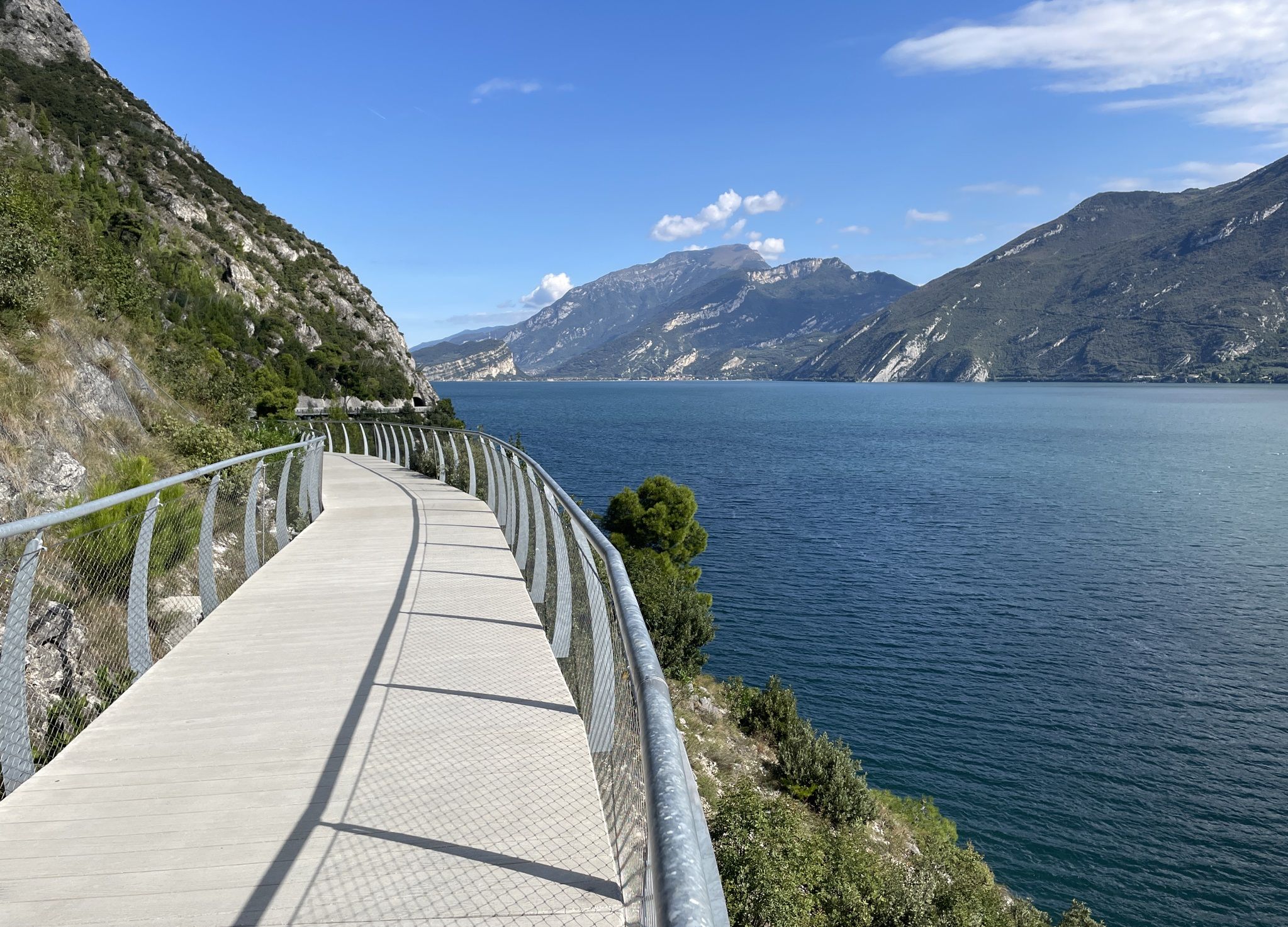
Scenic Road Along the Canal in Parco Lombardo della Valle del Ticino
Highlight (Segment) • Cycleway
Translated by Google •
Tip by

Sign up now to discover places like this
Get recommendations on the best single tracks, peaks, & plenty of other exciting outdoor places.
Sign up for free
Gravellona Lomellina Artist’s town
Highlight • Settlement
Translated by Google •
Tip by

Historic Center of Tornaco
Highlight • Historical Site
Translated by Google •
Tip by
Church of San Siro, Borgo San Siro
Highlight • Religious Site
The parish church of Borgo San Siro is dedicated to SAN SIRO.
Translated by Google •
Tip by
Sign up for free to discover even more attractions around Mortara.
Sign up for free
Already have an account?
Start today with a free account
Your next adventure awaits.
Login or Signup
Popular around Mortara


Tips from the Community

The Church of San Siro is the main place of worship in the municipality of the same name in the province of Pavia, belonging to the Diocese of Vigevano. Built between 1729 and 1732 on the remains of a 13th-century chapel, it features an elegant Greek cross plan in the late Baroque style, enriched by 18th-century canvases by the painter Carlo Antonio Bianchi from Pavia.
0
0
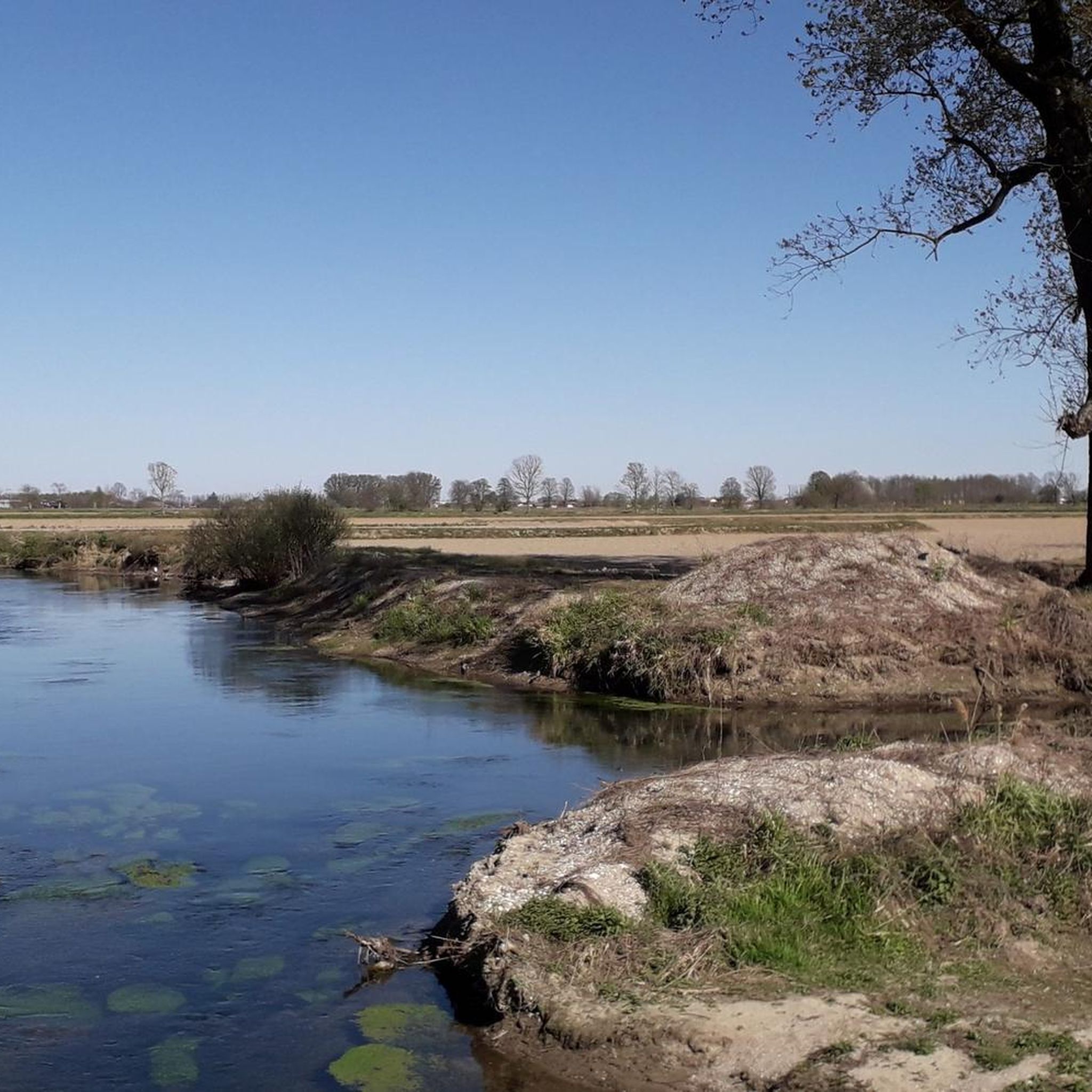
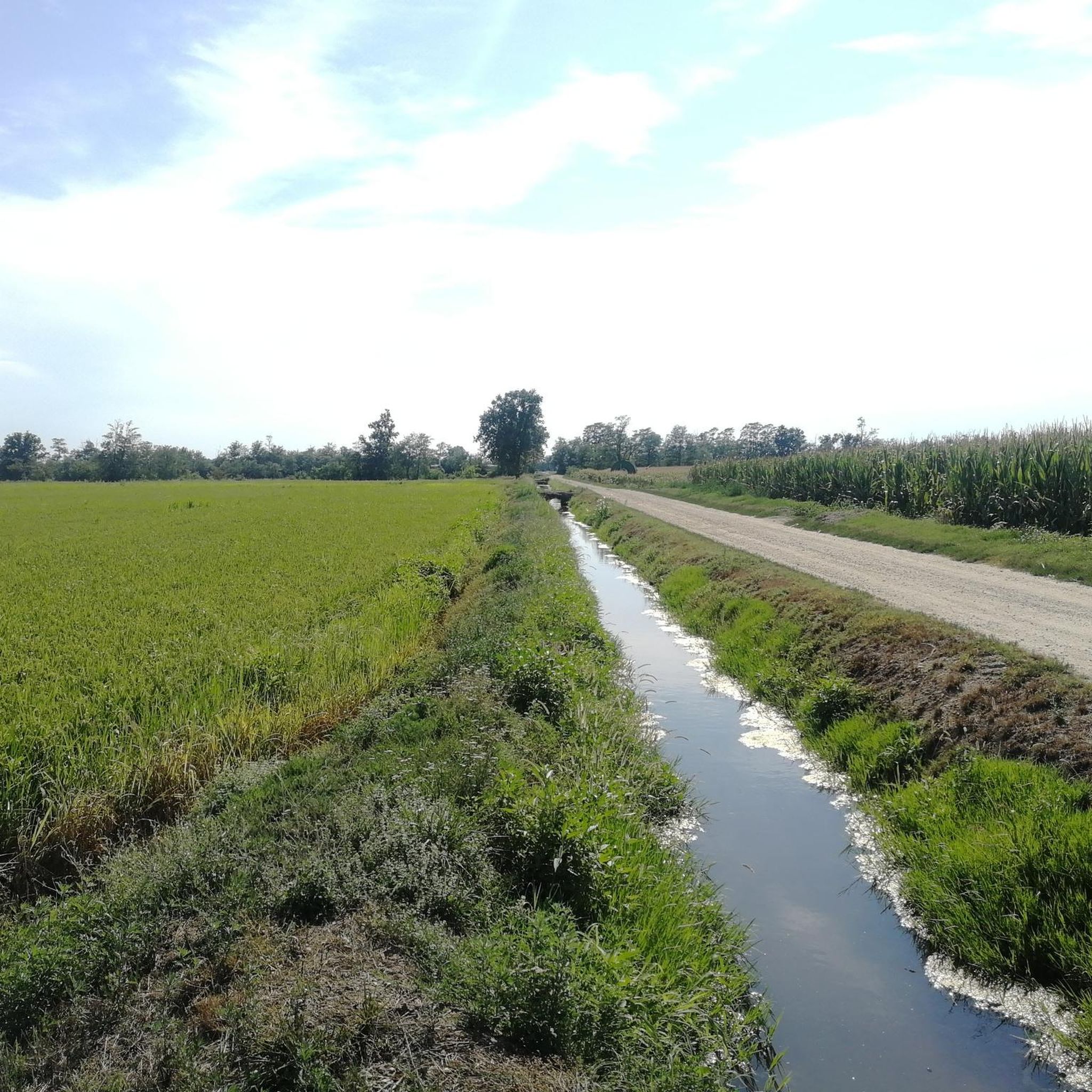
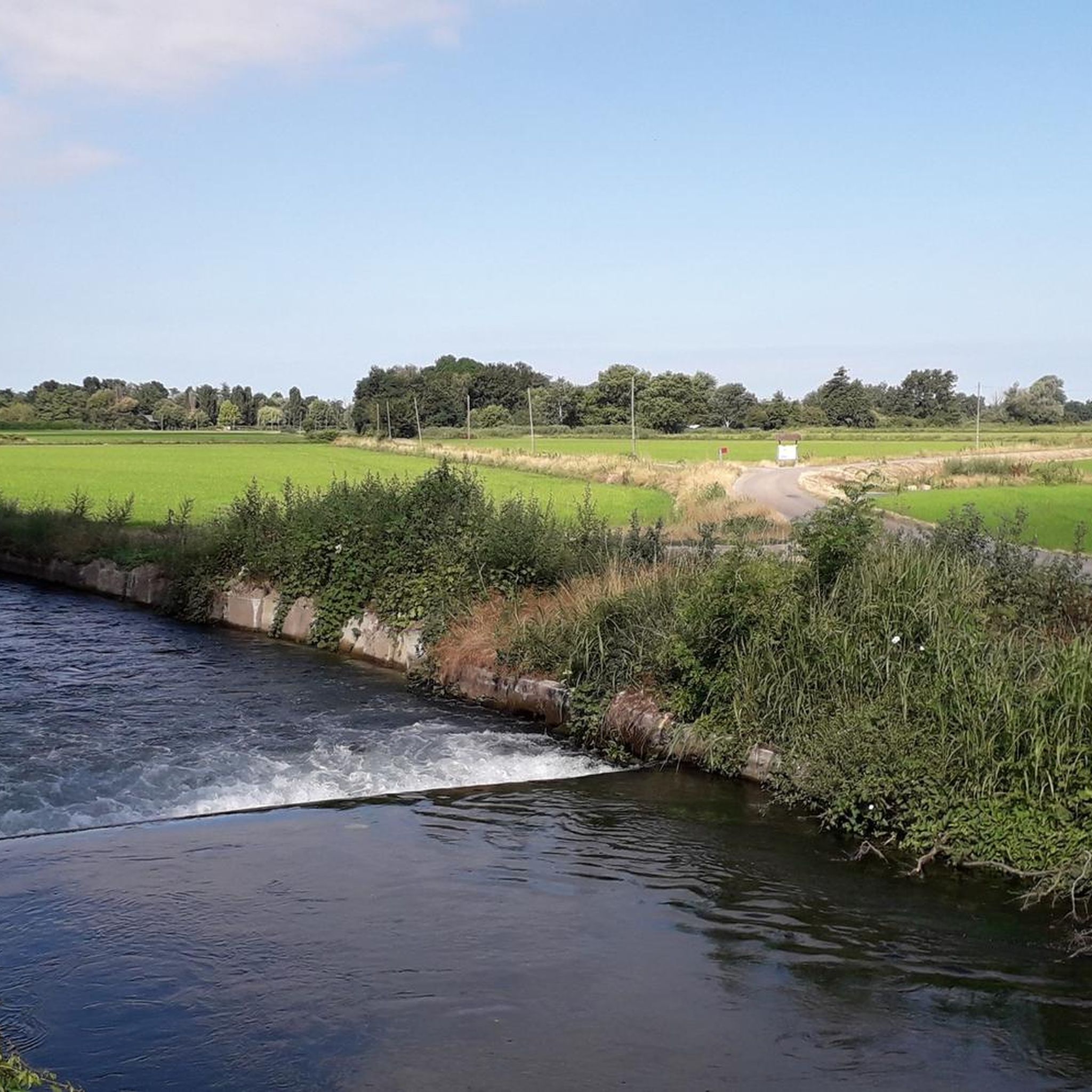
The Parco Lombardo della Valle del Ticino is crossed not by a single canal, but by a complex and historic hydraulic network. The main ones are the Canale Villoresi and the Panperduto (Somma Lombardo).
0
0
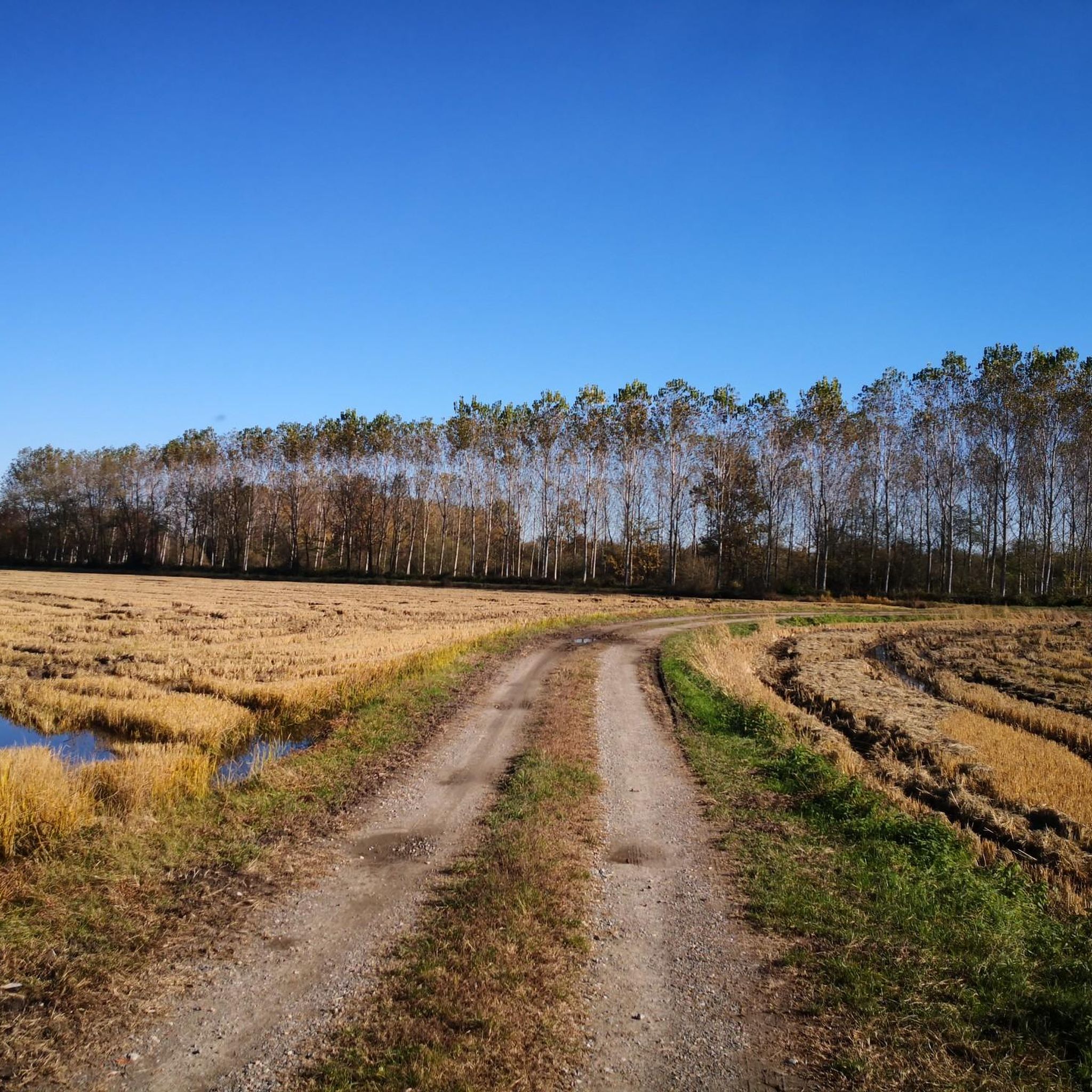
Tornaco is a small Italian municipality located in Piedmont, in the southeastern part of the province of Novara, almost on the border with the province of Pavia. It has a population of about 900 inhabitants and stands at an altitude of 122 meters above sea level. It is a predominantly agricultural village, strongly linked to the traditional cultivation of rice and cereals, included in the circuit of the Piedmontese Quality Rice Road.
0
0
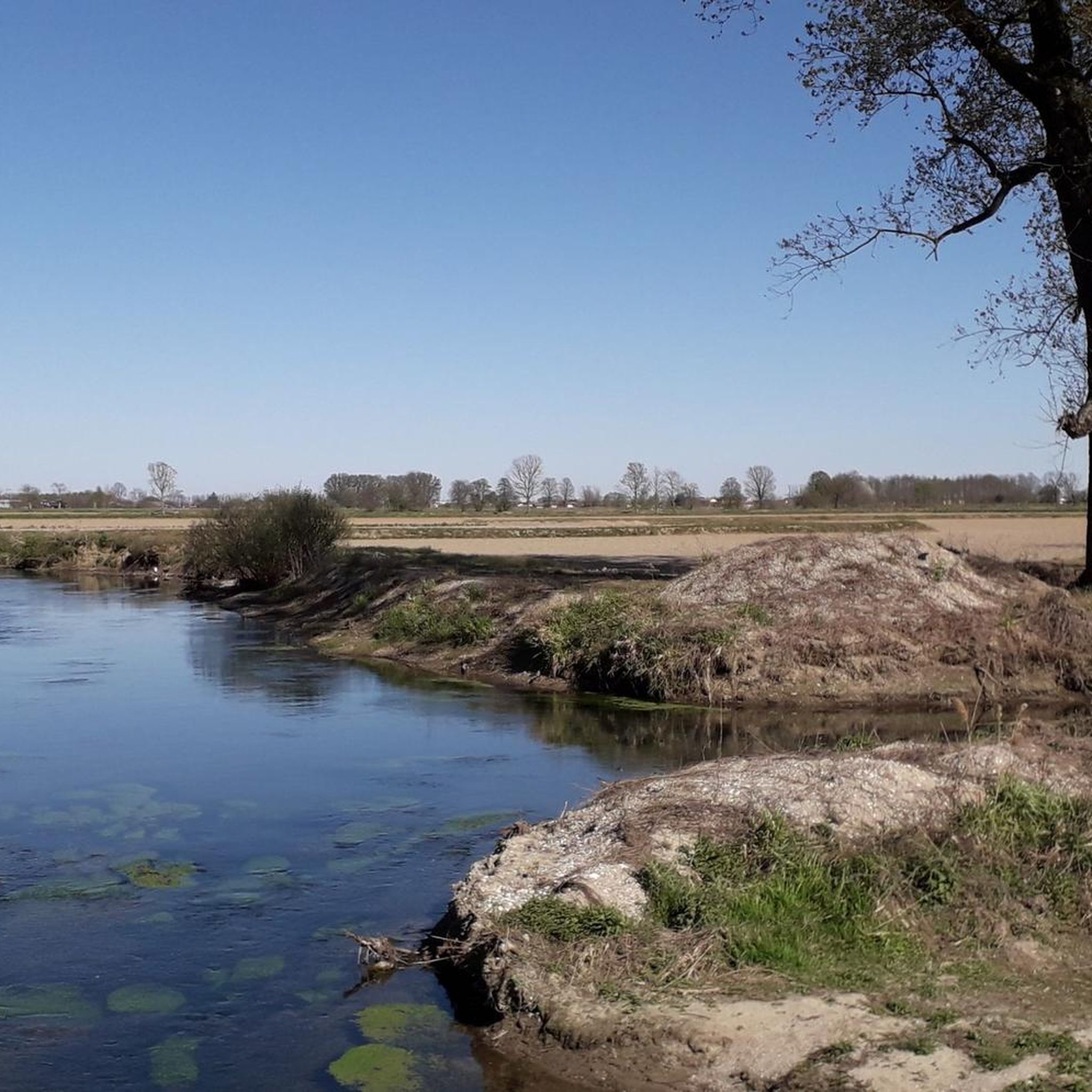
The Lombardo Park of the Ticino Valley is the oldest regional park in Italy, established in 1974, and represents the first river park in Europe. With an area of approximately 91,800 hectares, it develops entirely in Lombardy, running along the Ticino River from Lake Maggiore (Sesto Calende) to its confluence with the Po River (Pavia), crossing as many as 47 municipalities in the provinces of Milan, Pavia, and Varese. Together with its twin, the Piedmontese Natural Park of the Ticino Valley, it forms the largest protected river area on the continent, also recognized as a MAB UNESCO Biosphere Reserve.
0
0
Gravellona Lomellina is a characteristic Italian municipality of about 2,700 inhabitants located in the province of Pavia, in Lombardy. Located at the gates of Vigevano, it is nationally famous as a "town of art" or "painted village" for the extraordinary presence of frescoes, murals, and artistic installations that decorate the entire urban fabric.
0
0

Certainly one of the most beautiful, if not the most beautiful, in Lomellina. The murals depicting ancient crafts and environments, the geranium-adorned street lamps, and the chimney sweeps on the rooftops bring back memories of your grandparents' stories, and it's wonderful to be a child again for a few moments.
1
0

In every corner of Gravellona Lomellina there is something that catches your attention!!! Bears on bikes, old tractors and zebras!!! Top!
1
1

Small church dedicated to the patron saint of Pavia (San Siro). Passing along roads with little traffic, it is worth a visit.
1
0
Frequently Asked Questions
What historical sites can I visit in and around Mortara?
Mortara and its surroundings offer a rich array of historical sites. You can explore the Gothic Basilica of San Lorenzo, a central landmark in Mortara. Slightly outside the historic center, the Abbey of Sant'Albino is a significant stop along the Via Francigena, featuring 15th-century frescoes. The Church of Santa Croce, rebuilt in 1596, holds notable artworks including an "Adoration of the Magi" by Bernardino Lanino. Additionally, the 11th-century Pieve e Battistero di Velezzo offer a parish church and a unique circular baptistery. Further afield, the Ducal Square in Vigevano is a renowned Renaissance square, and the Church of San Valeriano in Robbio is a Romanesque-style religious building also located along the Via Francigena.
Are there any museums or cultural venues in Mortara?
Yes, Mortara has several cultural venues. The Duomo Treasure Museum (Tesoro del Duomo) showcases a collection including objects donated by Francesco II Sforza and a vestment worn by Napoleon Bonaparte. The Vittorio Emanuele II Municipal Theater, built in 1846, serves as a key cultural venue. The Palazzo Cambieri and Francesco Pezza Library also contribute to the city's cultural landscape.
What natural attractions can I find around Mortara?
While Mortara is a town, it is nestled within the Lomellina region, known for its unique natural characteristics. You can witness vast rice fields, which change appearance with the seasons—from flooded in spring to emerald green in summer. The region also features "Garzaie," protected areas like the Garzaia di Sant'Alessandro, which are habitats for various water birds such as herons and egrets. The Dosso of Lomellina offers a glimpse into the region's unique sandy hills, shaped by ancient river paths.
What outdoor activities can I do near Mortara?
The area around Mortara is excellent for outdoor activities, particularly cycling and running. For gravel biking, you can explore routes like the "Monticello Village and Church – Gravel Road Between Rice Fields loop from Vespolate" or the "Ayala Marina – Ticino River Trail loop from Vigevano." If you prefer mountain biking, options include the "La Fagiana Park Center – Palazzo Archinto loop from Parona Lomellina." Runners can enjoy trails such as the "Running loop from Mortara" or the "Bosco della Merlata loop from Mortara." You can find more details on these and other routes in the Gravel biking around Mortara, MTB Trails around Mortara, and Running Trails around Mortara guides.
Are there family-friendly attractions in the Mortara area?
Yes, several attractions around Mortara are suitable for families. The Ducal Square in Vigevano is a great place for a stroll, with shops and cafes. Gravellona Lomellina Artist’s town, with its extensive frescoes and murals, offers a visually engaging experience for all ages. Historical sites like the Church of San Valeriano, Robbio, and the Basilica of San Lorenzo, Mortara, are also considered family-friendly, allowing for cultural exploration. The Dosso of Lomellina provides a gentle natural landscape to explore.
What is the "Artist's town" of Gravellona Lomellina known for?
Gravellona Lomellina is celebrated as an "Artist's town" due to its unique artistic decorations. Many buildings in the center, and even access roads, feature extensive frescoes, murals, and works of art. You'll find decorative elements made of various materials throughout its streets, including electrical substations transformed with eyes and ears, artistic posts on cycle paths, and wrought iron figures on rooftops. It's a vibrant and visually engaging place to visit.
When is the best time to visit Mortara to experience its natural landscapes and local events?
To best experience Mortara's natural landscapes, late spring and summer are ideal. In late spring, you can see the vast rice fields flooded, reflecting the sky, while in summer, they turn emerald green. For a unique cultural experience, plan your visit for the last Sunday of September to attend the annual Goose Festival (Sagra del Salame d'Oca), which celebrates Mortara's renowned goose salami with historical parades, dances, and a "living goose game."
Are there any wheelchair accessible attractions in the area?
Yes, the Ducal Square in Vigevano is noted as a wheelchair accessible historical site, offering an opportunity to enjoy one of Italy's greatest Renaissance squares.
What is the Monumental Cemetery of Mortara?
The Monumental Cemetery of Mortara, located on the northeastern outskirts of the city, is one of the largest and most significant cemeteries in the Lomellina area. Established in 1802, it is notable for its monumental Baroque architecture, featuring impressive headstones and monuments made of marble and granite, often rising significantly above ground.
What is the significance of the Basilica di San Lorenzo in Mortara?
The Basilica di San Lorenzo is Mortara's most prominent historical monument. This Gothic basilica, built between 1375 and 1380, is akin to a small museum of sacred art, housing paintings and sculptures from the 15th, 16th, and 17th centuries. Its terracotta facade, frescoes, and stained-glass windows make it a significant architectural and artistic landmark in the city center.
What is unique about the Church of Santa Croce in Mortara?
The Church of Santa Croce, founded in 1080 and rebuilt in 1596, holds unique historical and religious significance. It contains notable artworks, including an "Adoration of the Magi" from 1533 by Bernardino Lanino and a "Saint Michael" by Guglielmo Caccia. A distinctive feature is an indentation in Carrara marble within the church, believed to be a footprint of Christ, retrieved during the Crusades.
Most popular routes around Mortara
Most popular attractions around Mortara

Get inspired with the komoot mobile app


Explore more
Still not found the Highlight you’re looking for? See guides of the top attractions in other regions:
