The best cycling routes around Siziano
4.3
(790)
5,160
riders
298
rides
Touring cycling around Siziano is characterized by its flat terrain and extensive network of canal paths, offering accessible routes for various skill levels. The region features a landscape dominated by agricultural fields and waterways, including the historic Naviglio Pavese. These routes provide opportunities to explore the Lombardy countryside, often passing by local villages and green areas. The area's low elevation ensures gentle gradients, making it suitable for relaxed cycling.
Best touring cycling routes around Siziano
- The most popular touring cycling…
Last updated: October 4, 2026
4.0
(7)
36
riders
Moderate bike ride. Good fitness required. Mostly paved surfaces. Suitable for all skill levels.
4.8
(8)
63
riders
Moderate bike ride. Good fitness required. Mostly paved surfaces. Suitable for all skill levels.

4.4
(11)
38
riders
Easy bike ride. Great for any fitness level. Mostly paved surfaces. Suitable for all skill levels.
4.0
(2)
14
riders
40.6km
02:21
70m
70m
Moderate bike ride. Good fitness required. Mostly paved surfaces. Suitable for all skill levels.
4.0
(2)
16
riders
Easy bike ride. Great for any fitness level. Mostly paved surfaces. Suitable for all skill levels.
Get access to more routes and recommendations from other explorers.
Already have an account?
Our route recommendations are based on thousands of hikes, rides, and runs completed by other people on komoot.
Start today with a free account
Your next adventure awaits.

Tips from the Community

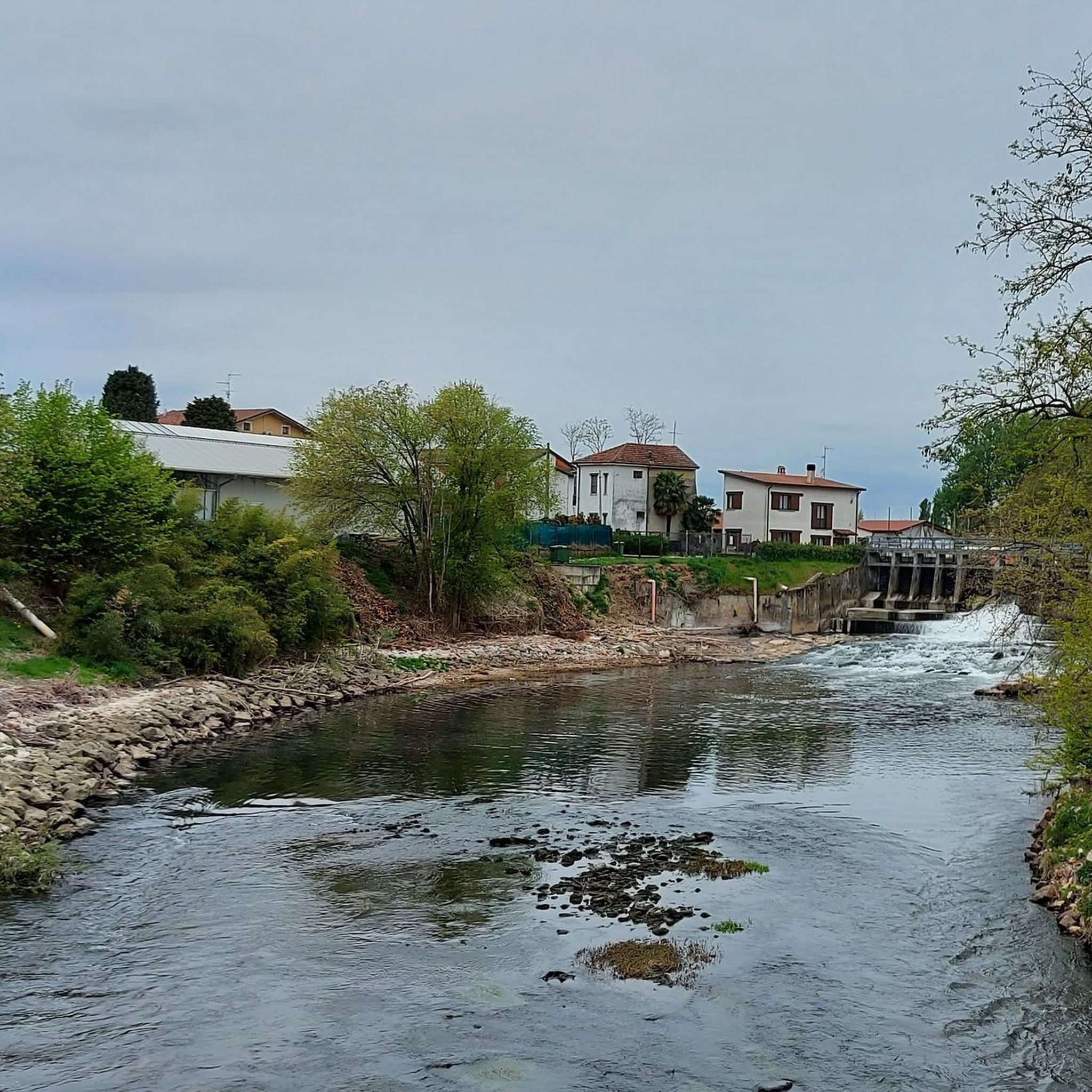
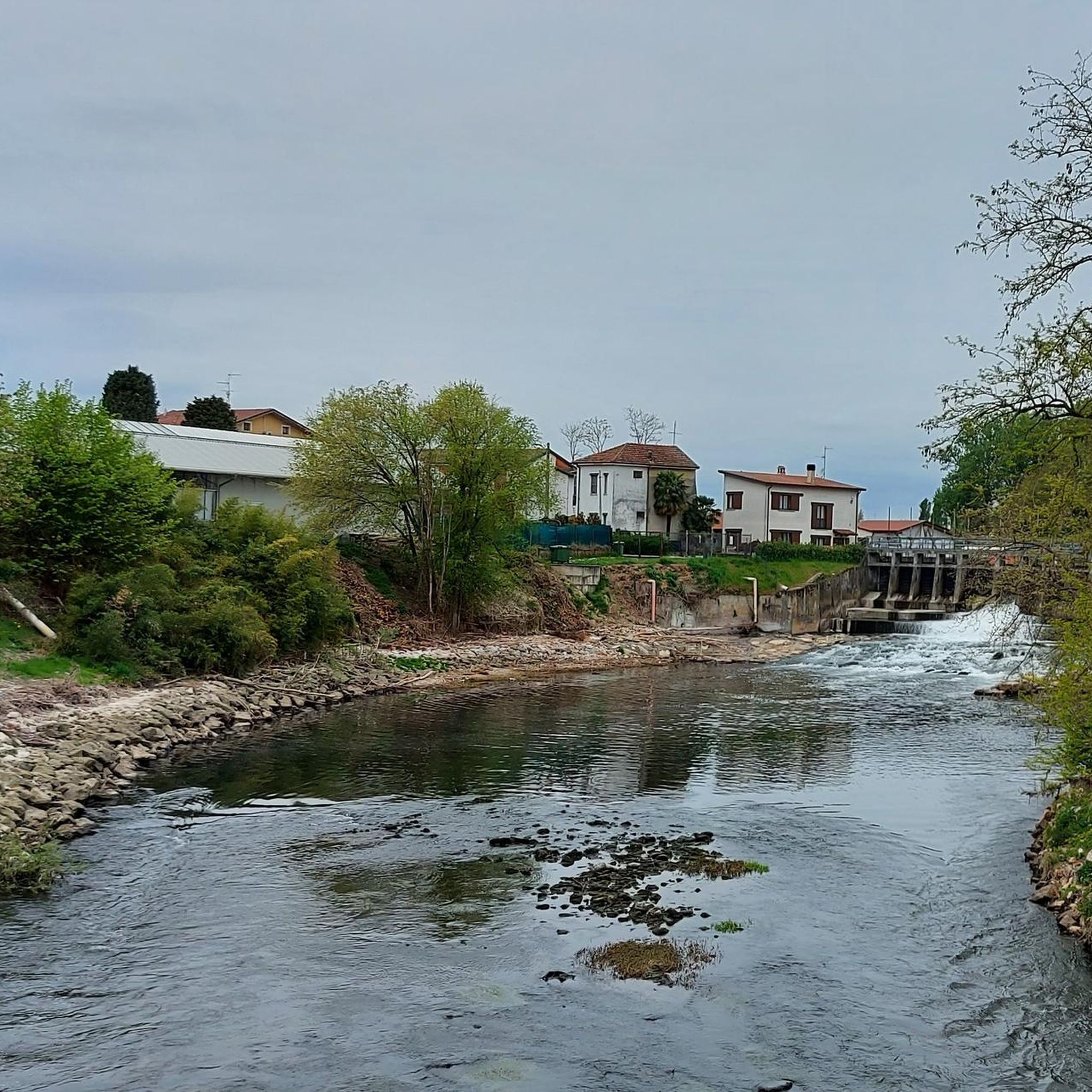
The locks (or conche) of the Naviglio Pavese in Casarile are historic hydraulic works from the 19th century that serve to overcome a water level difference of about 4.8 meters. Main information Location: Along the Naviglio Pavese in the town center of Casarile (MI), between Via Naviglio and Via Roma. Construction period: First half of the 19th century. Function: To regulate the flow of ships and compensate for the difference in the canal's water level along the route between Milan and Pavia. Current state: The area is a destination for cycle tourists along the towpath, although part of the historic structures and control cabins are abandoned or have been repurposed for artisanal and service uses.
0
0
The Abbey of Chiaravalle Milanese is a Cistercian monastic complex founded in 1135 by St. Bernard of Clairvaux. Located within the South Milan Agricultural Park (Parco Agricolo Sud Milano), it represents one of the most important examples of the transition between Romanesque and Gothic architecture in Lombardy. The abbey is famous not only for its historical and artistic value but also for the monks' historical role in the agricultural reclamation of the surrounding territory.
1
0
The Abbey of Chiaravalle Milanese is a Cistercian monastic complex founded in 1135 by Saint Bernard of Clairvaux. Located within the Parco Agricolo Sud Milano, it represents one of the most important examples of the transition between Romanesque and Gothic architecture in Lombardy. The abbey is famous not only for its historical and artistic value, but also for the historical role of the monks in the agricultural reclamation of the surrounding territory.
0
0

The Abbey is famous because it contributed to the reclamation of the surrounding lands in past centuries, transforming the marshes of the Po Valley into productive organisms. And in fact, it was right here, around the year 1000, that the monks invented Grana Padano, the globally less famous version of Parmigiano.
0
0
The Abbey is famous because it contributed to the reclamation of the surrounding lands in past centuries, transforming the marshes of the Po Valley into productive organisms. And in fact, right here, around the year 1000, the monks invented Grana Padano, the globally less famous version of Parmigiano.
1
0
The Abbey of Chiaravalle Milanese, founded by Saint Bernard of Clairvaux in 1135, is one of the most important Italian monastic complexes, located in Milan within the Parco Agricolo Sud Milano. Still populated today by the traditional Cistercian monastic community, it is a place of considerable spiritual value and a significant hub from a historical, artistic, and cultural perspective. The complex is a highly prized tourist destination, whose value has increased significantly in recent years thanks to restoration and enhancement projects.
1
0


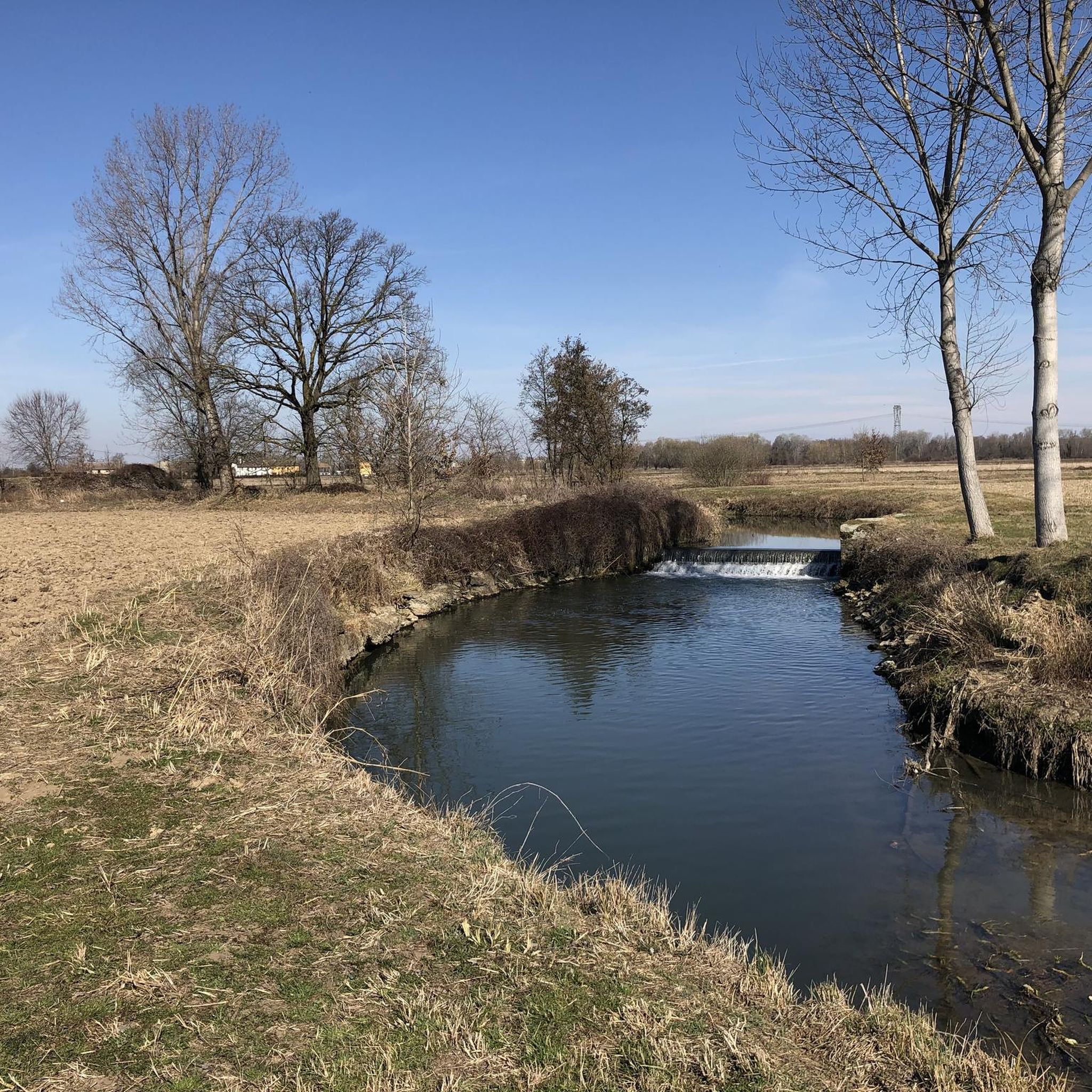
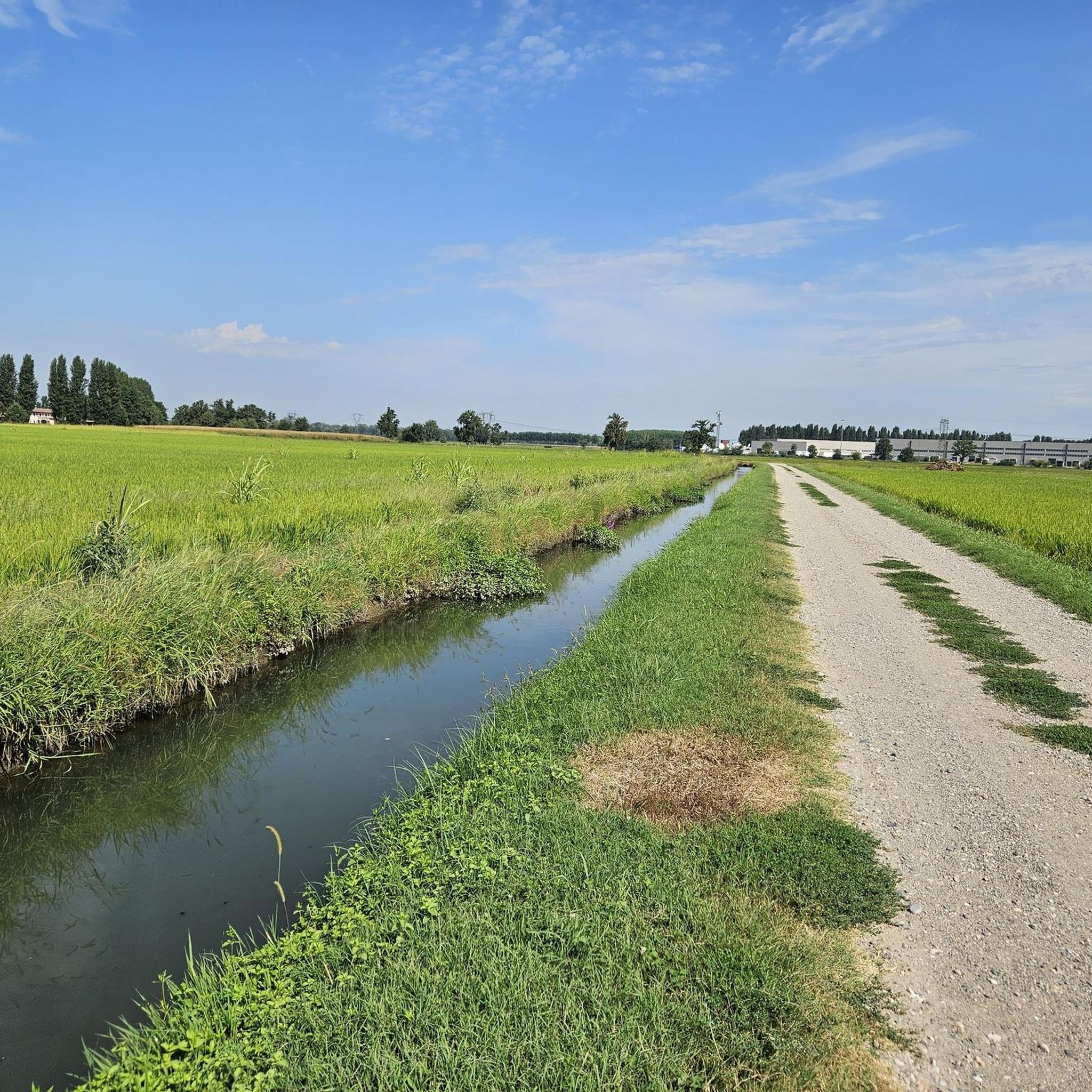
Arriving from Villamaggiore, after a short stretch on the Vigentina, there is this beautiful cycle path that runs alongside Pieve Emanuele, allowing you to return to the Vigentina road at the height of the hamlet of Cavallino in the direction of Opera.
1
0
Frequently Asked Questions
How many touring cycling routes are available around Siziano?
There are over 300 touring cycling routes in the Siziano area, offering a wide range of options for exploring the Lombardy countryside. These routes are well-regarded by the komoot community, with an average rating of 4.3 stars from over 850 reviews.
Are there easy touring cycling routes suitable for beginners in Siziano?
Yes, Siziano is known for its flat terrain and canal paths, making it ideal for beginners. There are over 170 easy routes available. An excellent option is the Oasi Lacchiarella – Villamaggiore (Lacchiarella) loop from Siziano, which is 9.6 miles (15.4 km) long and typically takes less than an hour.
What about more challenging touring cycling routes around Siziano?
While the region is generally flat, there are some longer routes that offer a greater challenge. You can find over 30 difficult routes. For instance, the Gravel Path to Gudo Gambaredo – Bereguardo Pontoon Bridge loop from Villamaggiore is a demanding 65-mile (104.6 km) ride with over 160 meters of elevation gain, suitable for experienced cyclists.
Are there family-friendly touring cycling routes in Siziano?
The flat terrain and dedicated cycle paths, especially along the Naviglio Pavese, make many routes around Siziano very suitable for families. These paths often avoid heavy traffic and provide a safe environment for children. Look for routes marked as 'easy' for the most family-friendly options.
Can I find circular touring cycling routes around Siziano?
Yes, many touring cycling routes in Siziano are designed as loops, allowing you to start and end at the same point. Examples include the popular Naviglio Pavese Cycle Path – Naviglio Pavese Cycle Path loop from Villamaggiore and the Moirago Lock – Naviglio Pavese near Badile loop from Pieve Emanuele.
What interesting sights can I explore along the touring cycling routes near Siziano?
The routes often pass by historical and natural points of interest. You can cycle past the Moirago Lock and Waterkeeper's House, explore the impressive Chiaravalle Abbey, or visit the renowned Certosa of Pavia (Charterhouse of Pavia). Many routes also follow the scenic Naviglio Pavese Cycle Path.
Where can I find parking for touring cycling routes near Siziano?
Given the rural nature and proximity to towns, parking is generally available in or near the starting points of many routes, particularly in villages like Siziano, Villamaggiore, or Pieve Emanuele. Look for public parking areas in these towns, especially near canal access points or local amenities.
Is Siziano accessible by public transport for cyclists?
Siziano is connected by regional train services, which can often accommodate bicycles, though it's advisable to check specific train line policies and peak hour restrictions. This allows for point-to-point rides or accessing different starting points for circular routes.
What is the best season for touring cycling in Siziano?
Spring (April-May) and autumn (September-October) are generally the best seasons for touring cycling in Siziano. The weather is mild, and the agricultural landscapes are vibrant. Summer can be hot, especially in July and August, while winter can be cold and foggy, though cycling is still possible on clear days.
Are there places to stop for refreshments along the touring cycling routes?
Yes, many routes pass through or near small villages and towns where you can find cafes, bars, and trattorias for refreshments. Along the Naviglio Pavese, you might also encounter agriturismi or small shops. It's always a good idea to carry water and snacks, especially on longer stretches.
What do other touring cyclists say about the routes in Siziano?
The touring cycling routes in Siziano are highly rated by the komoot community, with an average score of 4.3 stars. Reviewers often praise the flat, accessible terrain, the picturesque canal paths, and the opportunity to explore the quiet Lombardy countryside and its historical landmarks.
Are there routes that specifically follow the Naviglio Pavese canal?
Absolutely. The Naviglio Pavese is a defining feature of touring cycling in Siziano. Many routes, such as the Naviglio Pavese Cycle Path – Naviglio Pavese Cycle Path loop from Villamaggiore, directly follow the historic canal, offering flat, scenic rides through agricultural fields and past charming locks.
Most popular attractions around Siziano

Get inspired with the komoot mobile app


Explore more
Browse the best Cycling routes in other regions.
