Attractions and Places To See around Albuzzano - Top 20
Best attractions and places to see around Albuzzano include a mix of historical sites within the municipality and a wider array of cultural landmarks in the nearby city of Pavia. Albuzzano, located in the province of Pavia, Italy, offers a base for exploring the rich heritage of the Lombardy region. The area features architectural complexes, ancient cloisters, and fortified houses. The surrounding area, particularly Pavia, provides numerous historical and cultural attractions.
Best attractions and places to see around Albuzzano
- The…
Last updated: September 27, 2026
Ponte Coperto (the Covered Bridge) in Pavia
Highlight • Bridge
Translated by Google •
Tip by

Visconti Castle of Pavia
Highlight • Castle
Translated by Google •
Tip by

Sign up now to discover places like this
Get recommendations on the best single tracks, peaks, & plenty of other exciting outdoor places.
Statue of the Washerwoman
Highlight • Monument
Translated by Google •
Tip by

Sanctuary of Santa Maria del Novello
Highlight • Religious Site
Popular …
Translated by Google •
Tip by

Little Church of Our Lady of Loreto
Highlight • Religious Site
The rural aedicule from the 15th century with an image of the Virgin of Loreto.
The ancient oratory …
Translated by Google •
Tip by
Sign up for free to discover even more attractions around Albuzzano.
Already have an account?
Start today with a free account
Your next adventure awaits.

Tips from the Community

The Monument to the Washerwoman is a famous bronze sculpture located in Pavia, positioned on the riverbank in the characteristic Borgo Ticino district. The work is located at the entrance of Via Milazzo, immediately to the left after crossing the famous Ponte Coperto.
0
0

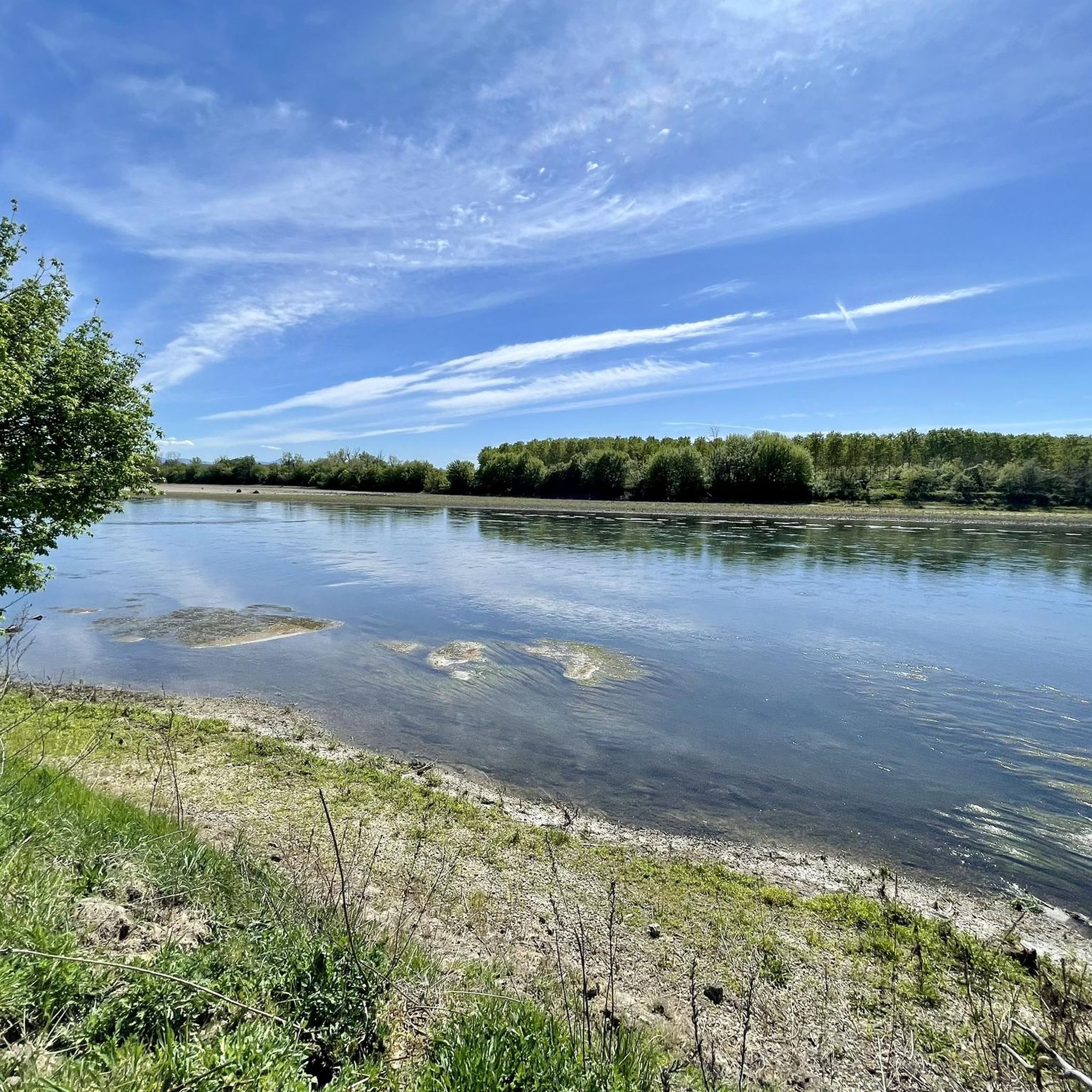
The Sanctuary of Santa Maria del Novello (also known as Santuario del Novello) is a fascinating religious building located in Travacò Siccomario, in the province of Pavia. This small country church stands in a suggestive and isolated position within the floodplain area, just a few steps from the main left bank of the Po River. Origins: The original structure dates back to the late 1500s (or early 1600s according to some local sources). It was commissioned by the Bonacossa family and built over a previous country oratory, of which it still preserves the original fresco of the Madonna inside. Protection from floods: According to popular tradition, the building was erected at that precise spot to invoke divine protection against floods.
0
0

The patronage of this shrine, dedicated to the Madonna, refers to the town of Loreto. This is one of the great and important Marian pilgrimage sites in Europe, along with Lourdes in the French Pyrenees and Fatima in Portugal. Unlike the other two places mentioned, however, Loreto is not known for apparitions of the Mother of God. Here, pilgrims can find something very tangible: Mary's childhood home in Nazareth (Israel). Her parents—not mentioned by name in the biblical writings of the New Testament—are mentioned in apocryphal traditions: Saint Anne and Saint Joachim are thus the grandparents of Jesus Christ (their common feast day in the calendar of saints is July 26). Crusaders likely dismantled the venerated building in Nazareth and brought it to Europe when the era of the Christian kingdoms in the Holy Land came to an end towards the end of the 13th century. But this very sober assumption is countered by a much more interesting legend: According to this, four angels carried out the translation and flew the house over the Mediterranean.
0
0

A memorial to the laundresses. Thanks to Willem VS for his excellent descriptions!
3
0

The Chiesuolo della Madonna di Loreto was built in three successive phases: The rural aedicule from the 15th century with an image of the Virgin of Loreto. The ancient oratory in brick from the 17th century, also dedicated to the Madonna di Loreto. The current church, dating from 1781. Architecture: The church has a single nave with a protiro (covered entrance) and is built of exposed brickwork. Inside there are frescoes and an altarpiece with the Madonna di Loreto. Significance: The Chiesuolo is also called ‘Il Chiesuolo’ and is dedicated to the Madonna of Loreto. It is an important historical testimony and a place of devotion. https://www.lombardiabeniculturali.it/architetture/schede/PV240-01108/
6
0
This imposing brick castle was built between 1360 and 1365 by order of Galeazzo Visconti and served as a fortification and residence. The north wing of the castle was destroyed at the battle of Pavia (1525) between the French and the Spanish. Petrarch loved the building and assembled a rich library there, which later moved to France. The large courtyard has arcades and an ornate loggia with twin windows.
7
0
According to legend, some pilgrims wanted to attend midnight mass in the city on Christmas Eve in 999, but due to the thick fog their boats could not cross the river. Suddenly, a man dressed in red arrived and promised that he would immediately build a bridge in exchange for the first soul to cross the bridge. The man in red was the devil, and only the Archangel Michael, who had come from the nearby church, recognized him. Michael pretended to agree to the deal, but once the bridge was built, a goat crossed it first. The bridge is therefore also known as the Ponte del Diavolo ("Devil's Bridge").
10
0
The covered bridge has its origins in Roman times. The current one was constructed in the 14th century and covered in 1583. Upstream of the bridge you can still see pillars of the original bridge, reconstructed after the Second World War. A memorial stone on the bridge tells that Albert Einstein stayed in Pavia for several months and loved the place.
8
0
Frequently Asked Questions
What historical sites can I visit within Albuzzano itself?
Within Albuzzano, you can explore the ancient Chiostro di Santa Maria alle Cacce, which dates back to 747 and features Lombard architectural elements and frescoes. Other notable sites include the fortified house at Casaforte Piazza Garibaldi 13, the Castello di Vigalfo, and the Chiesa dell'Assunzione di Maria Vergine.
What are the most significant historical and cultural attractions in nearby Pavia?
Pavia, located approximately 35km from Albuzzano, offers a rich array of historical and cultural sites. Must-see attractions include the imposing Visconti Castle of Pavia, which houses the Civic Museums, and the iconic Ponte Coperto. The majestic Cathedral of Pavia and the Basilica of San Michele Maggiore, a masterpiece of Longobard-Romanesque architecture, are also highly recommended. For more information on Pavia's heritage, you can visit visitpavia.com.
Are there any natural features or viewpoints to enjoy around Albuzzano?
While Albuzzano itself is more focused on historical sites, the surrounding area offers natural beauty. You can visit the Orto Botanico (Botanical Garden of Pavia), part of the University of Pavia, which is particularly beautiful in spring with its collections of wild roses and azaleas. Another unique natural feature is the pontoon bridge over the Ticino River in Bereguardo, one of the few remaining barge bridges in Italy.
What family-friendly activities are available in and around Albuzzano?
Many attractions in the region are suitable for families. In Pavia, the Ponte Coperto and the Visconti Castle of Pavia are great for all ages. The Statue of the Washerwoman offers an interesting historical anecdote for children. The Botanical Garden of Pavia also provides a pleasant outdoor experience for families.
What outdoor activities or routes can I find near Albuzzano?
The area around Albuzzano is excellent for outdoor enthusiasts. You can find various routes for gravel biking, mountain biking, and running. For example, there are challenging gravel biking routes like the 'Trail Along the Ticino' or moderate MTB trails such as 'Covered Bridge of Pavia – Lungoticino Sforza loop'. Running enthusiasts can enjoy scenic loops like 'Scenic Road in the Green'. You can explore more options on the Gravel biking around Albuzzano, MTB Trails around Albuzzano, and Running Trails around Albuzzano guide pages.
Are there any wheelchair-accessible attractions in the area?
Yes, the Statue of the Washerwoman in Pavia is noted as wheelchair-accessible, offering a chance to appreciate this symbolic monument by the Ticino River.
When is the best time to visit Albuzzano and its surroundings?
The spring months are particularly recommended for visiting the region, especially if you plan to explore the Botanical Garden of Pavia when its collections of wild and ancient roses, and azaleas are in full bloom. Summer also offers cultural and musical events at the Visconti Castle of Pavia.
What do visitors particularly enjoy about the attractions near Albuzzano?
Visitors frequently praise the historical depth and architectural beauty of the region. The Ponte Coperto is loved for its unique design and historical significance, while the Cathedral of Pavia impresses with its grand scale and Renaissance influences. The Statue of the Washerwoman is cherished as a poignant symbol of local history. The komoot community has shared over 120 photos and given more than 400 upvotes to the attractions around Albuzzano, highlighting their appeal.
Are there sites related to the Lombard era in the region?
Absolutely. The region is rich in Lombard history. The Chiostro di Santa Maria alle Cacce in Albuzzano retains visible Lombard architectural elements. In Pavia, the Basilica of San Michele Maggiore is considered a masterpiece of Longobard-Romanesque architecture and was a site for the coronation of Roman Emperors. The Basilica di San Pietro in Ciel d'Oro also has origins in the Longobard era. You can find more details on Pavia's Lombard heritage at visitpavia.com.
Are there any unique or 'hidden gems' worth discovering near Albuzzano?
Beyond the main attractions, consider visiting the Certosa di Pavia, a beautiful monastery connected to the Visconti Castle by the Visconteo Park. Another unique sight is the Castle of Vigevano, considered one of Europe's largest fortified structures, showcasing exceptional Italian Renaissance architecture.
Can I find dog-friendly places or trails in the Albuzzano area?
While specific dog-friendly designations for attractions are not always available, the numerous outdoor routes for gravel biking, mountain biking, and running around Albuzzano and in the nearby Parco del Ticino offer opportunities for walks with your dog. Always check local regulations for specific trails and natural areas.
Where can I find cafes or pubs in Albuzzano?
Albuzzano, being a smaller municipality, has local cafes and pubs. While specific establishments are not detailed in the guide data, you will find options within the town center for refreshments and local experiences.
Most popular routes around Albuzzano
Most popular attractions around Albuzzano

Get inspired with the komoot mobile app


Explore more
Still not found the Highlight you’re looking for? See guides of the top attractions in other regions:
