Attractions and Places To See around Bastida Pancarana - Top 20
Best attractions and places to see around Bastida Pancarana include a mix of historical sites, cultural landmarks, and natural features. This tranquil municipality in the province of Pavia, Lombardy, is characterized by its serene countryside. The area offers a relaxing atmosphere and historical connections to the River Po. Its proximity to the city of Pavia provides access to significant historical and cultural sites.
Best attractions and places to see around Bastida Pancarana
- The most popular attractions is Ponte Coperto (the…
Last updated: November 6, 2026
Ponte Coperto (the Covered Bridge) in Pavia
Highlight • Bridge
Translated by Google •
Tip by

Visconti Castle of Pavia
Highlight • Castle
Translated by Google •
Tip by

Sign up now to discover places like this
Get recommendations on the best single tracks, peaks, & plenty of other exciting outdoor places.
Statue of the Washerwoman
Highlight • Monument
Translated by Google •
Tip by

Sanctuary of Santa Maria del Novello
Highlight • Religious Site
Popular …
Translated by Google •
Tip by

Naviglio Pavese Lock at the Confluence
Highlight • Structure
Translated by Google •
Tip by

Sign up for free to discover even more attractions around Bastida Pancarana.
Already have an account?
Start today with a free account
Your next adventure awaits.

Tips from the Community

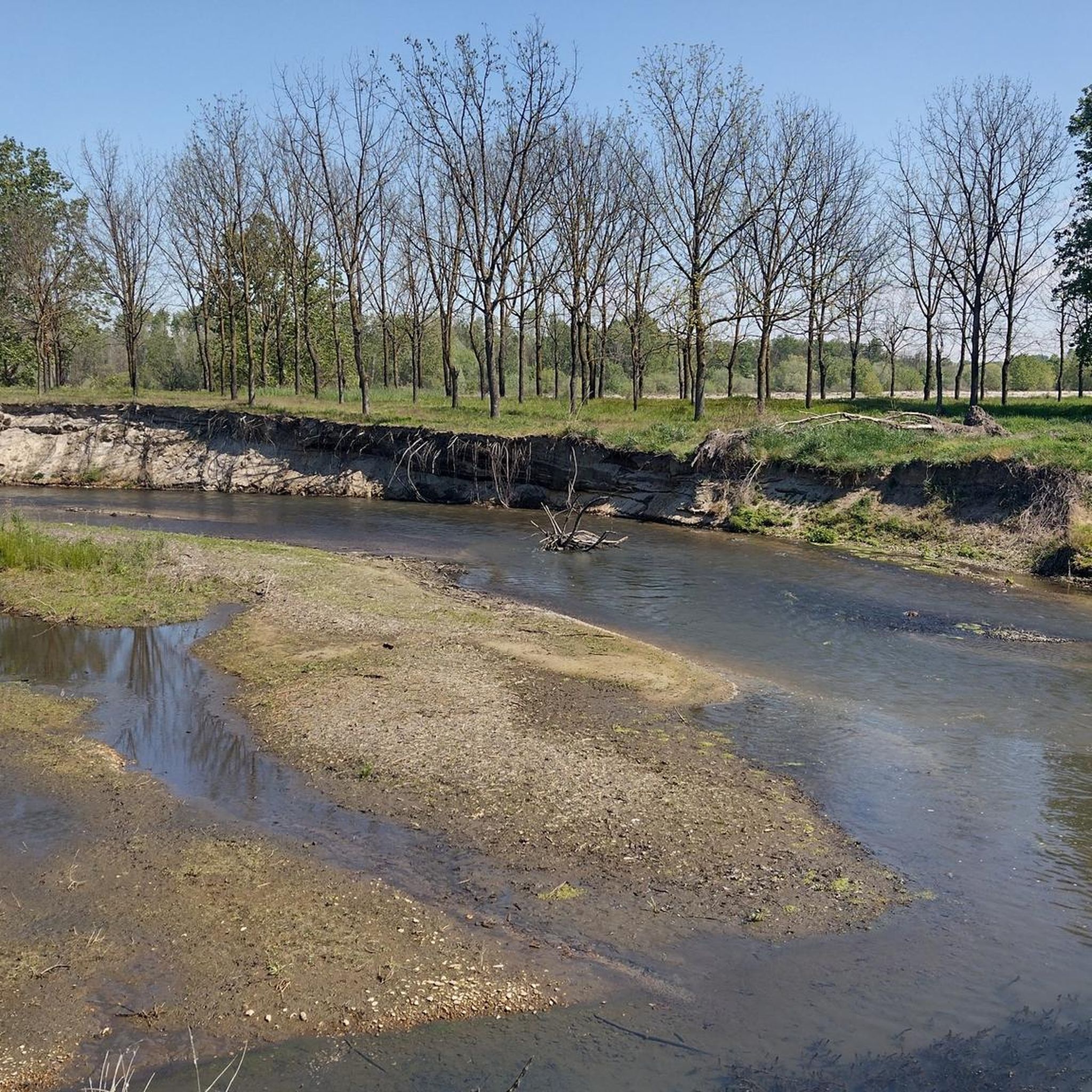
The Naviglio Pavese connects Milan to Pavia for 33.1 km and ends with its confluence into the Ticino river near Pavia, where the last hydraulic regulation lock (chiusa) is located. Main features Route and length: The canal is 33.1 km long and connects the Darsena in Milan to the dock/confluence of the Ticino in Pavia. Elevation gain and locks: The total elevation difference between Milan and the Ticino is 56.6 meters, overcome by twelve locks and the inclination of the bed. History: The works for the final completion were commissioned by Napoleon and finished in 1819, with the official inauguration on August 16, 1819, by Archduke Ranieri. Historical navigation: As early as 1820, the first steamships operated at the confluence with the Ticino, connecting Milan to the Po and the Adriatic.
0
0

The Monument to the Washerwoman is a famous bronze sculpture located in Pavia, positioned on the riverbank in the characteristic Borgo Ticino district. The work is located at the entrance of Via Milazzo, immediately to the left after crossing the famous Ponte Coperto.
1
0
The Sanctuary of Santa Maria del Novello (also known as Santuario del Novello) is a fascinating religious building located in Travacò Siccomario, in the province of Pavia. This small country church stands in a suggestive and isolated position within the floodplain area, just a few steps from the main left bank of the Po River. Origins: The original structure dates back to the late 1500s (or early 1600s according to some local sources). It was commissioned by the Bonacossa family and built over a previous country oratory, of which it still preserves the original fresco of the Madonna inside. Protection from floods: According to popular tradition, the building was erected at that precise spot to invoke divine protection against floods.
0
0

A memorial to the laundresses. Thanks to Willem VS for his excellent descriptions!
3
0

This imposing brick castle was built between 1360 and 1365 by order of Galeazzo Visconti and served as a fortification and residence. The north wing of the castle was destroyed at the battle of Pavia (1525) between the French and the Spanish. Petrarch loved the building and assembled a rich library there, which later moved to France. The large courtyard has arcades and an ornate loggia with twin windows.
7
0
According to legend, some pilgrims wanted to attend midnight mass in the city on Christmas Eve in 999, but due to the thick fog their boats could not cross the river. Suddenly, a man dressed in red arrived and promised that he would immediately build a bridge in exchange for the first soul to cross the bridge. The man in red was the devil, and only the Archangel Michael, who had come from the nearby church, recognized him. Michael pretended to agree to the deal, but once the bridge was built, a goat crossed it first. The bridge is therefore also known as the Ponte del Diavolo ("Devil's Bridge").
10
0
The covered bridge has its origins in Roman times. The current one was constructed in the 14th century and covered in 1583. Upstream of the bridge you can still see pillars of the original bridge, reconstructed after the Second World War. A memorial stone on the bridge tells that Albert Einstein stayed in Pavia for several months and loved the place.
8
0
The Statua della Lavandaia in Pavia is one of the symbols of the city. This beautiful sculpture, created by local artist Giovanni Scapolla in 1981, recalls the time when the banks of the Ticino River were populated by women who washed clothes in the river. Giovanni Scapolla was inspired by his mother, a famous washerwoman named 'Sciura Teresina', who always wore a traditional 'caplina' on her head. Names of the washerwomen: The washerwomen often had nicknames related to physical characteristics. The most famous was 'Angiuleta', but there were others such as 'Marieta dai pe tort' (with crooked feet) and 'Gianina la culona' (the plump one). Method: The women worked all day on the riverbank. The clothes were soaked overnight in large concrete containers and then washed by the river using a wooden board (‘a scägn’). Men and children collected the washed clothes and delivered them throughout the city. It was hard and unprofitable work, with only one or two lira each. Singing and entertainment: To pass the time, the washerwomen often sang. One of their favorite songs was “La donna è mobile” from Verdi's opera Rigoletto. They even adapted the text: 'La dona l'è UN MOBIL da met in sala, l'om l'è un asin da met in stala', referring to the fact that men walked around all day while the women stood still to to wash.
9
0
Frequently Asked Questions
What historical landmarks can I explore near Bastida Pancarana?
The region around Bastida Pancarana is rich in history. You can visit the iconic Ponte Coperto (the Covered Bridge) in Pavia, a replica of a 14th-century bridge with Roman origins. Another significant site is the Visconti Castle of Pavia, an imposing medieval fortress that now houses the city museum. The Cathedral of Pavia, with its grand dome, is also a must-see historical and religious building.
Are there any natural attractions or scenic spots in the area?
Bastida Pancarana is known for its tranquil Lombard countryside, offering a serene atmosphere. The area has historical ties to the River Po, and you can find picturesque views along its banks. The Ponte Coperto in Pavia offers beautiful views of the Ticino River, especially at sunset. Additionally, the nearby Vernavola Park in Pavia provides a green space for relaxation.
What cycling opportunities are available near Bastida Pancarana?
There are several cycling options. The Greenway Voghera–Varzi: Voghera–Salice Terme Segment is a popular cycle path that follows an old railway line, perfect for outdoor activities. For more routes, you can explore various cycling tours, road cycling routes, and gravel biking trails around the area. Find detailed routes and guides at Cycling around Bastida Pancarana, Road Cycling Routes around Bastida Pancarana, and Gravel biking around Bastida Pancarana.
Are there family-friendly attractions or activities near Bastida Pancarana?
Yes, many attractions in the area are suitable for families. The Ponte Coperto in Pavia and the Visconti Castle of Pavia are both tagged as family-friendly. The Greenway Voghera–Varzi: Voghera–Salice Terme Segment offers an easy cycle path for family outings. The Cathedral of Pavia and the Statue of the Washerwoman also welcome families.
What is the best time of year to visit Bastida Pancarana and its surroundings?
The tranquil Lombard countryside and outdoor activities are best enjoyed during spring and autumn when the weather is mild and pleasant for cycling or exploring historical sites. Summer can be warm, but still suitable for visits, especially if you plan to enjoy the scenic river views. Winter offers a different charm, though some outdoor activities might be less accessible.
Is there anything unique or a 'hidden gem' to discover?
Beyond the well-known landmarks, consider visiting the Statue of the Washerwoman in Pavia. This beautiful sculpture recalls the historical presence of washerwomen along the Ticino River and offers a glimpse into local heritage. Another unique feature is the Ponte su Chiatte (Pontoon Bridge) of Bereguardo, one of the few remaining pontoon bridges in Italy, with origins dating back to 1374.
What kind of outdoor activities can I do near Bastida Pancarana?
The area is ideal for various outdoor activities, especially cycling. You can enjoy touring bicycle routes like 'On the banks of the great river in Bressana Bottarone' or more challenging rides such as the 'Vineyards in Oltrepò Pavese' loop. There are also dedicated road cycling and gravel biking routes available. For detailed routes and maps, check the guides for Cycling around Bastida Pancarana and Gravel biking around Bastida Pancarana.
Are there any viewpoints or places with scenic vistas?
Yes, the Ponte Coperto in Pavia offers picturesque views of the Ticino River and the city skyline, particularly beautiful at sunset. The Statue of the Washerwoman, located beyond the bridge, also provides a charming viewpoint of the river and the Borgo Ticino area.
What cultural sites related to education or museums are nearby?
Pavia, being a university city, offers several cultural sites. The Visconti Castle of Pavia houses the Musei Civici (Civic Museums). You can also explore the historic University of Pavia and the Museo per la Storia dell'Università di Pavia, which showcases the university's rich history and artifacts.
How can I get around to these attractions, and is parking available?
While Bastida Pancarana itself is a tranquil municipality, many of the key attractions are located in the nearby city of Pavia. Pavia is accessible by public transport, and once there, many sites are within walking distance or a short bus ride. For those traveling by car, parking facilities are generally available near major attractions in Pavia, though it's advisable to check specific locations for details.
What do visitors particularly enjoy about the attractions near Bastida Pancarana?
Visitors frequently praise the historical significance and architectural beauty of sites like the Ponte Coperto and the Visconti Castle. The peaceful atmosphere of the Lombard countryside and the opportunities for cycling on routes like the Greenway Voghera–Varzi are also highly appreciated. The blend of history, culture, and nature makes the area appealing to a wide range of visitors.
Most popular routes around Bastida Pancarana
Most popular attractions around Bastida Pancarana

Get inspired with the komoot mobile app


Explore more
Still not found the Highlight you’re looking for? See guides of the top attractions in other regions:
