Attractions and Places To See around San Damiano Al Colle - Top 20
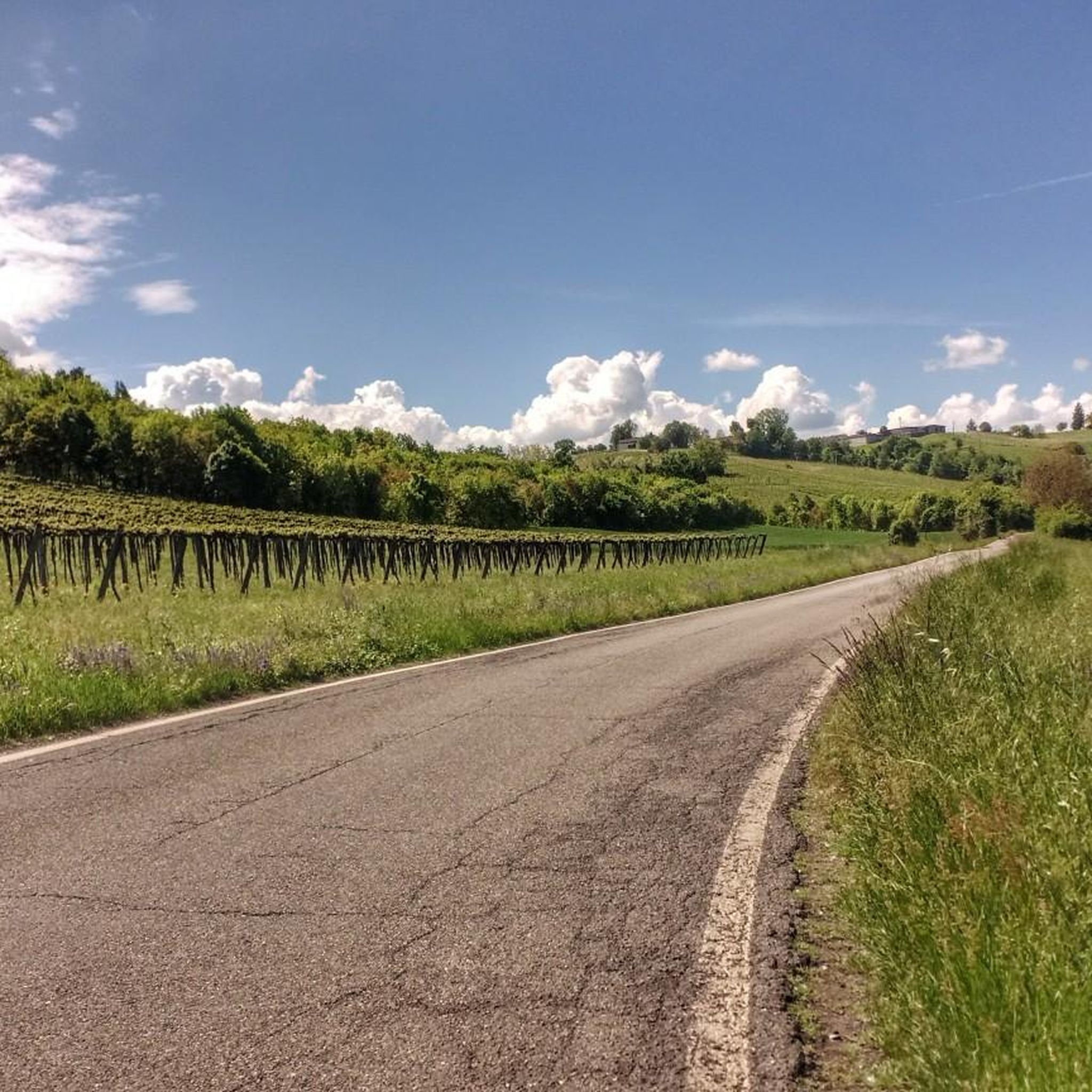
Best attractions and places to see around San Damiano Al Colle include historical landmarks, cultural sites, and natural landscapes within the Oltrepò Pavese region of Italy. The area is characterized by vineyard-lined hills and offers opportunities for outdoor activities. Visitors can explore various sites that reflect the region's history and scenic beauty.
Best attractions and places to see around San Damiano Al Colle
- The most popular attractions is Cicognola Castle and Viewpoint, a castle that served a defensive function…
Last updated: July 21, 2026
Cicognola Castle and Viewpoint
Highlight • Castle
Translated by Google •
Tip by

Little Church of Our Lady of Loreto
Highlight • Religious Site
The rural aedicule from the 15th century with an image of the Virgin of Loreto.
The ancient oratory …
Translated by Google •
Tip by

Sign up now to discover places like this
Get recommendations on the best single tracks, peaks, & plenty of other exciting outdoor places.
Sign up for free
Rocca of Borgonovo Val Tidone
Highlight • Castle
Piazza Giuseppe Garibaldi, 18, 29011 Borgonovo Val Tidone PC
Translated by Google •
Tip by

Rocca di Pianello Val Tidone
Highlight • Castle
Translated by Google •
Tip by

Church of Saint Augustine, Spessa Po
Highlight • Religious Site
Translated by Google •
Tip by
Sign up for free to discover even more attractions around San Damiano Al Colle.
Sign up for free
Already have an account?
Start today with a free account
Your next adventure awaits.
Login or Signup

Tips from the Community

The patronage of this shrine, dedicated to the Madonna, refers to the town of Loreto. This is one of the great and important Marian pilgrimage sites in Europe, along with Lourdes in the French Pyrenees and Fatima in Portugal. Unlike the other two places mentioned, however, Loreto is not known for apparitions of the Mother of God. Here, pilgrims can find something very tangible: Mary's childhood home in Nazareth (Israel). Her parents—not mentioned by name in the biblical writings of the New Testament—are mentioned in apocryphal traditions: Saint Anne and Saint Joachim are thus the grandparents of Jesus Christ (their common feast day in the calendar of saints is July 26). Crusaders likely dismantled the venerated building in Nazareth and brought it to Europe when the era of the Christian kingdoms in the Holy Land came to an end towards the end of the 13th century. But this very sober assumption is countered by a much more interesting legend: According to this, four angels carried out the translation and flew the house over the Mediterranean.
0
0

The Chiesuolo della Madonna di Loreto was built in three successive phases: The rural aedicule from the 15th century with an image of the Virgin of Loreto. The ancient oratory in brick from the 17th century, also dedicated to the Madonna di Loreto. The current church, dating from 1781. Architecture: The church has a single nave with a protiro (covered entrance) and is built of exposed brickwork. Inside there are frescoes and an altarpiece with the Madonna di Loreto. Significance: The Chiesuolo is also called ‘Il Chiesuolo’ and is dedicated to the Madonna of Loreto. It is an important historical testimony and a place of devotion. https://www.lombardiabeniculturali.it/architetture/schede/PV240-01108/
6
0

dedicated to Saint Augustine (whose tomb is in Pavia in San Pietro in ciel d'oro), one of the 4 fathers of the Church, patron saint of Spessa, whose feast occurs on the last Sunday of August; beautiful image on the outside on the facade and statue inside.
1
0
The origins of this church date back to the 14th century. At that time it was considered an oratory dependent on the parish of San Zenone Po. Later, in the 16th century, it was further expanded and renovated in the Renaissance style. The facade of the church is characterized by four slender pilasters resting on a plinth. The central field contains the main portal, framed by a simple frame. Above the entrance is a painting of Sant'Agostino, after which the church is named. An undecorated architrave separates the two floors, forming a triangular space with a central circular element. Inside, the church has a single nave with a flat ceiling decorated in panels.
7
0

The Borgonuovo oppidum was founded in 1196 by the Municipality of Piacenza to defend the western border of its territories, equipped with a fortress, towers and city walls with an escarpment and fortified entrances. In the current complex, built entirely of bricks, the fortress and the receptacle can clearly be distinguished. These buildings together with the church and the pilgrims' hospital once formed the village of Calendasco. The body of the fortress has typical elements of fourteenth-century Po Valley castles, such as the sawtooth motif combined with the crowning of small windows with segmental arches. The deep moat, the entrance, once equipped with a drawbridge as can be seen from the recesses of the ravelin, and the pusterla, or small door, with drawbridge access are still visible. To the south is a semicircular tower much higher than the rest of the building; the north-east wing, equipped with a scarp and with a rustic appearance and lack of homogeneity, dates back to a later period. The entrance hall, covered by a cross vault decorated with sixteenth-century frescoes, leads into the courtyard where a portico with three arches is visible. The receptacle, a rustic body with small arched windows and a decorative sawtooth motif, is outside the moat, near the bridge-beater.
0
0
The Rocca di Pianello is believed to have been built towards the end of the fourteenth century, perhaps adapting a pre-existing 10th century fortress, destroyed by Federico Barbarossa in 1164. The reconstruction probably took place following the Visconti investiture of Jacopo Dal Verme in 1378. The irregular plan of the The building is perhaps due to the need to place a late medieval extension to the only tower of which we traditionally have memory. The owners made important changes in the 17th century, transforming it into a private home; today the building houses the Municipality of Pianello and the Archaeological Museum of Val Tidone, which houses the fundamental evidence that emerged from excavations in the area.
0
0
Fortress of Borgonovo Valtidone The Borgonuovo oppidum was founded in 1196 by the Municipality of Piacenza to defend the western border of its territories, equipped with a fortress, towers and city walls with an escarpment and fortified entrances. In the current complex, built entirely of bricks, the fortress and the receptacle can clearly be distinguished. These buildings together with the church and the pilgrims' hospital once formed the village of Calendasco. The body of the fortress has typical elements of fourteenth-century Po Valley castles, such as the sawtooth motif combined with the crowning of small windows with segmental arches. The deep moat, the entrance, once equipped with a drawbridge as can be seen from the recesses of the ravelin, and the pusterla, or small door, with drawbridge access are still visible. To the south is a semicircular tower much higher than the rest of the building; the north-east wing, equipped with a scarp and with a rustic appearance and lack of homogeneity, dates back to a later period. The entrance hall, covered by a cross vault decorated with sixteenth-century frescoes, leads into the courtyard where a portico with three arches is visible. The receptacle, a rustic body with small arched windows and a decorative sawtooth motif, is outside the moat, near the bridge-beater.
0
0

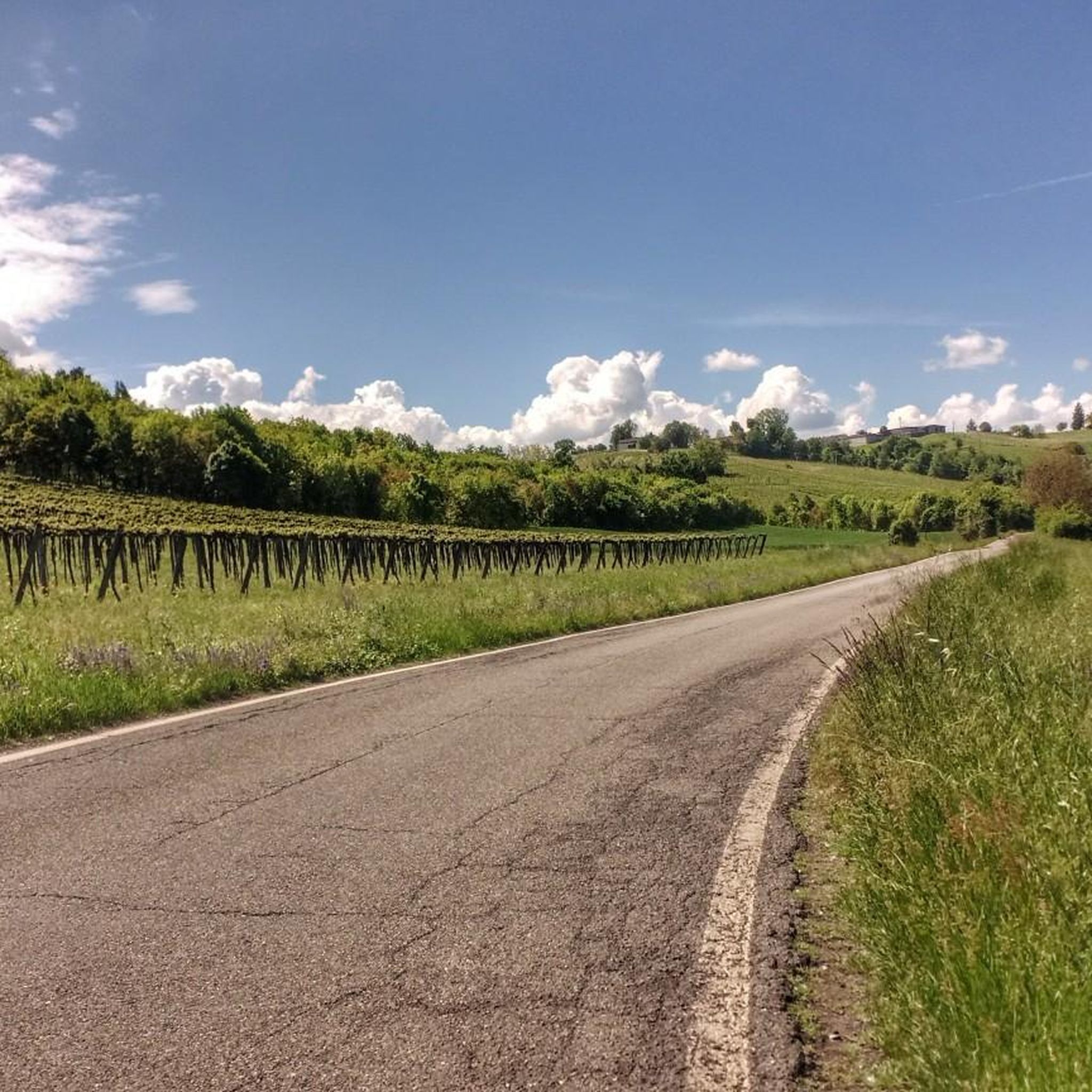
Cicognola offers a splendid castle and an equally interesting panoramic point on the hills of the Oltrepò Pavese. Stop in this small town for a break and to admire its beauties.
1
0
Frequently Asked Questions
What historical landmarks can I explore around San Damiano Al Colle?
The region is rich in history, featuring several castles and ancient fortifications. You can visit the Cicognola Castle and Viewpoint, a 13th-century structure with a defensive past overlooking the Scuropasso Valley. Other significant historical sites include the Rocca of Borgonovo Val Tidone, founded in 1196, and the Rocca di Pianello Val Tidone, which houses the Municipality and an Archaeological Museum.
Are there any notable religious sites in the area?
Yes, the Little Church of Our Lady of Loreto is a significant religious building with parts dating back to the 15th, 17th, and 18th centuries, featuring exposed brickwork and interior frescoes. Another historical religious site is the Church of Saint Augustine, Spessa Po, with origins from the 14th century and Renaissance-style renovations.
Where can I find scenic views or natural beauty near San Damiano Al Colle?
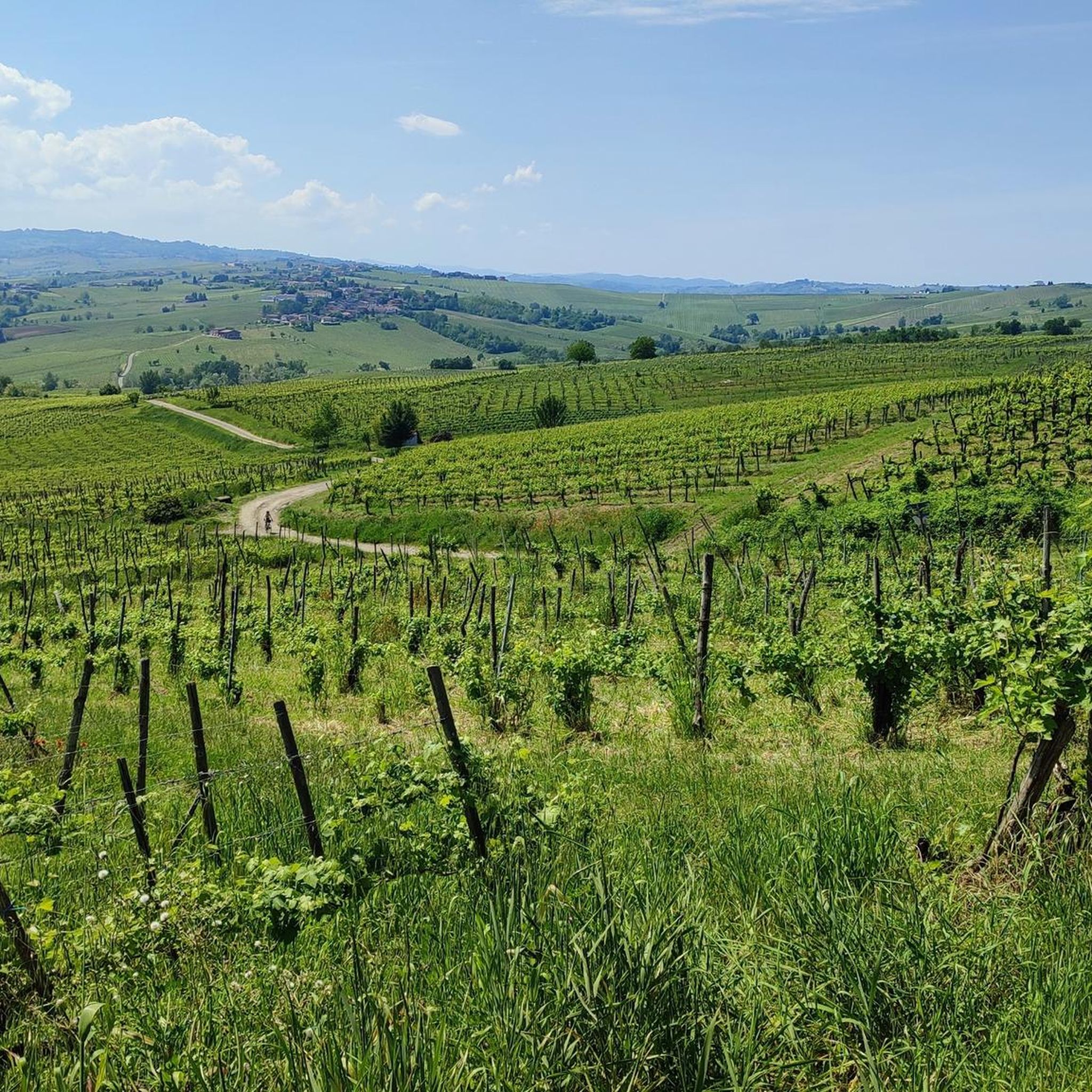
The area is renowned for its picturesque natural landscapes. The Cicognola Castle and Viewpoint offers splendid panoramic views, particularly over the Scuropasso Valley. The entire Oltrepò Pavese region around San Damiano Al Colle is characterized by beautiful vineyard-lined hills, providing numerous scenic routes for exploration.
What kind of outdoor activities are available in the San Damiano Al Colle region?
The region is highly recommended for outdoor activities such as cycling, gravel biking, and hiking. You can find numerous routes that allow you to experience the natural charm of the area, characterized by rolling hills and vineyards. For detailed routes, explore the Cycling around San Damiano Al Colle, Gravel biking around San Damiano Al Colle, and Hiking around San Damiano Al Colle guides.
Are there specific hiking trails recommended around San Damiano Al Colle?
Yes, there are several hiking trails suitable for various skill levels. Some popular options include a moderate 9.6 km hiking loop from Zenevredo, an easy 5.4 km loop from Ziano Piacentino, and a moderate 10.4 km trail from Ziano Piacentino to the Chapel of San Lupo. You can find more options in the Hiking around San Damiano Al Colle guide.
What cycling routes are available in the area?
The vineyard-lined hills offer excellent cycling opportunities. You can find routes like the 'Scenic View of the Vineyards – Vineyards loop from Santa Maria della Versa' (15.2 km, moderate) or the 'Shakespeare Literary Bench – Piozzano Castle loop from San Damiano al Colle' (54.7 km, difficult). More routes are detailed in the Cycling around San Damiano Al Colle guide.
Are there family-friendly attractions in San Damiano Al Colle?
Many of the historical and religious sites are suitable for families. The Little Church of Our Lady of Loreto, Rocca of Borgonovo Val Tidone, Rocca di Pianello Val Tidone, and the Church of Saint Augustine, Spessa Po are all marked as family-friendly. Exploring the castles and churches can be an engaging way for families to learn about the region's history.
What is the best time of year to visit San Damiano Al Colle?
Given the emphasis on outdoor activities like cycling and hiking, and the presence of vineyard-lined hills, the spring, summer, and early autumn months would likely be the most enjoyable for visiting San Damiano Al Colle. During these seasons, the weather is generally pleasant for exploring the natural landscapes and historical sites.
What do visitors enjoy most about the attractions around San Damiano Al Colle?
Visitors frequently appreciate the historical significance and strategic locations of the castles, such as the Cicognola Castle and Viewpoint, which is often described as one of the most beautiful castles in the Oltrepò. The religious sites like the Little Church of Our Lady of Loreto are valued for their rich history and architectural details. The scenic beauty of the vineyard-covered hills and the opportunities for outdoor activities are also highly rated.
Are there any museums in the vicinity of San Damiano Al Colle?
Yes, the Rocca di Pianello Val Tidone houses the Archaeological Museum of Val Tidone, which preserves important archaeological evidence discovered from excavations in the local area. This offers a deeper insight into the region's ancient past.
Can I find dog-friendly walks or trails near San Damiano Al Colle?
While specific dog-friendly designations for individual trails are not detailed, the numerous hiking and cycling routes through the vineyard-lined hills and natural landscapes generally offer opportunities for walks with dogs, provided they are kept on a leash and local regulations are followed. Always ensure to clean up after your pet.
What are the main characteristics of the castles in this region?
The castles around San Damiano Al Colle, such as the Cicognola Castle, Rocca of Borgonovo Val Tidone, and Rocca di Pianello Val Tidone, often date back to the 13th-15th centuries, sometimes built on even older fortifications. They typically served defensive functions, controlled strategic valleys, and feature elements like exposed brickwork, deep moats, and architectural styles characteristic of Po Valley castles.
Most popular routes around San Damiano Al Colle
Most popular attractions around San Damiano Al Colle

Get inspired with the komoot mobile app


Explore more
Still not found the Highlight you’re looking for? See guides of the top attractions in other regions:
