Attractions and Places To See around Santa Maria Della Versa - Top 20
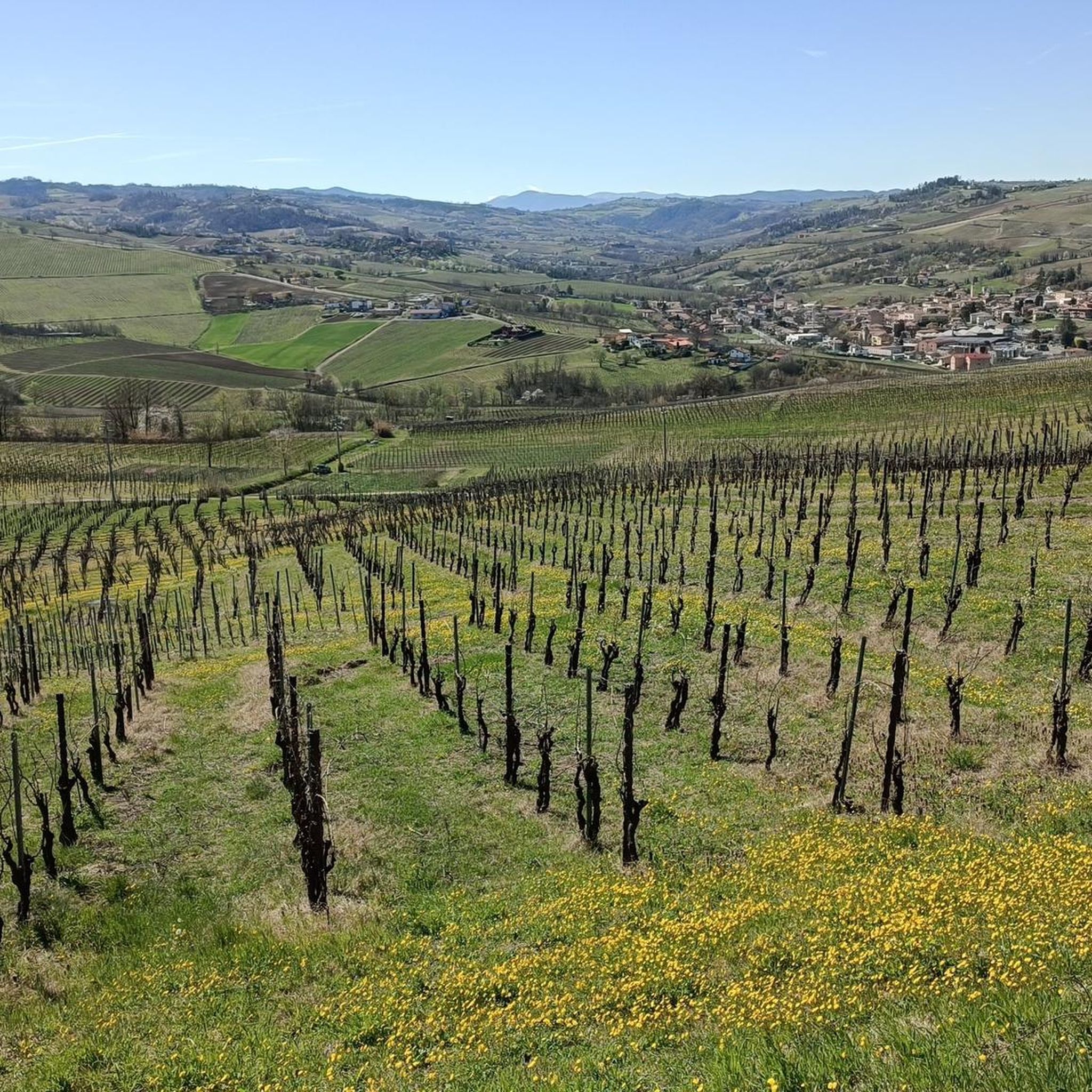
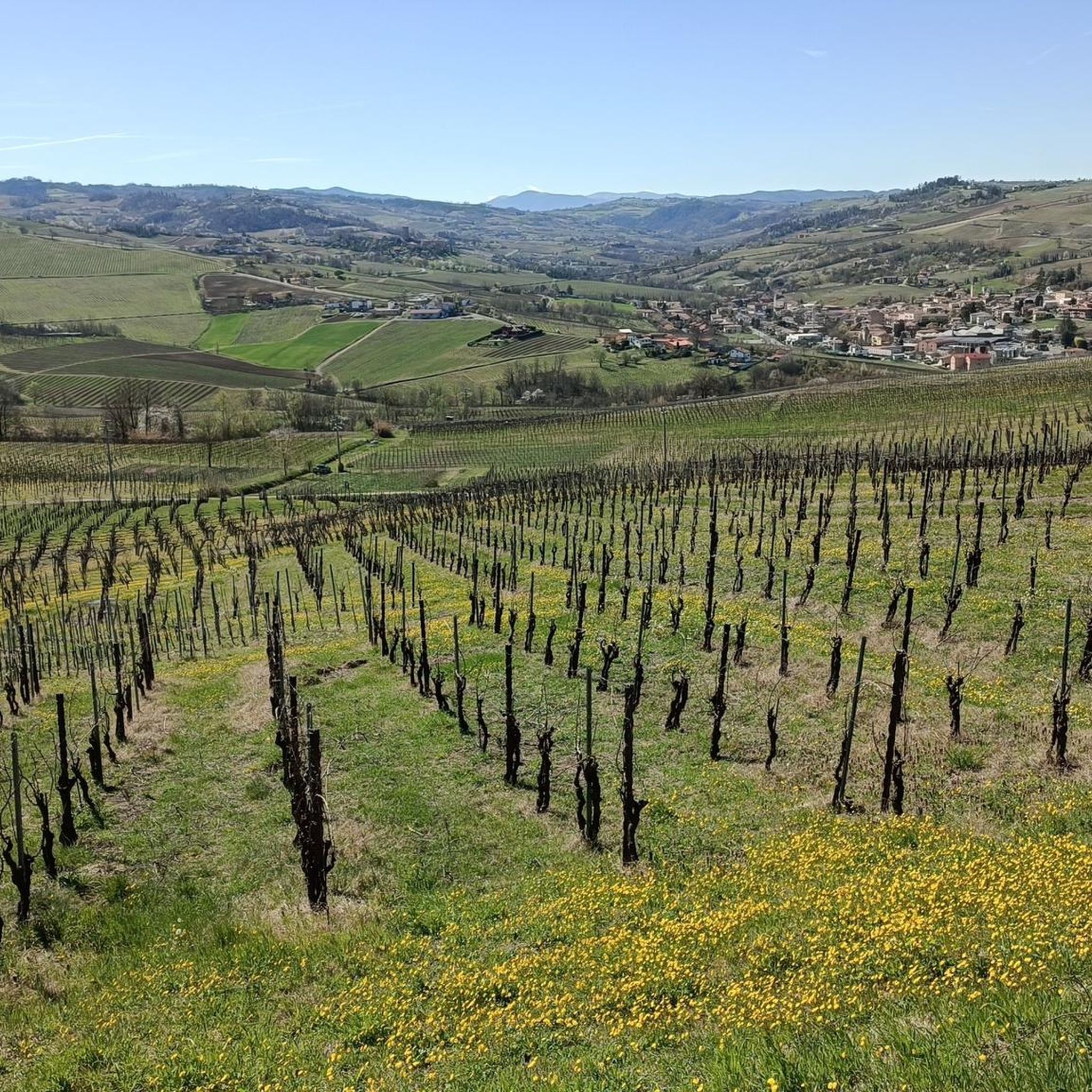
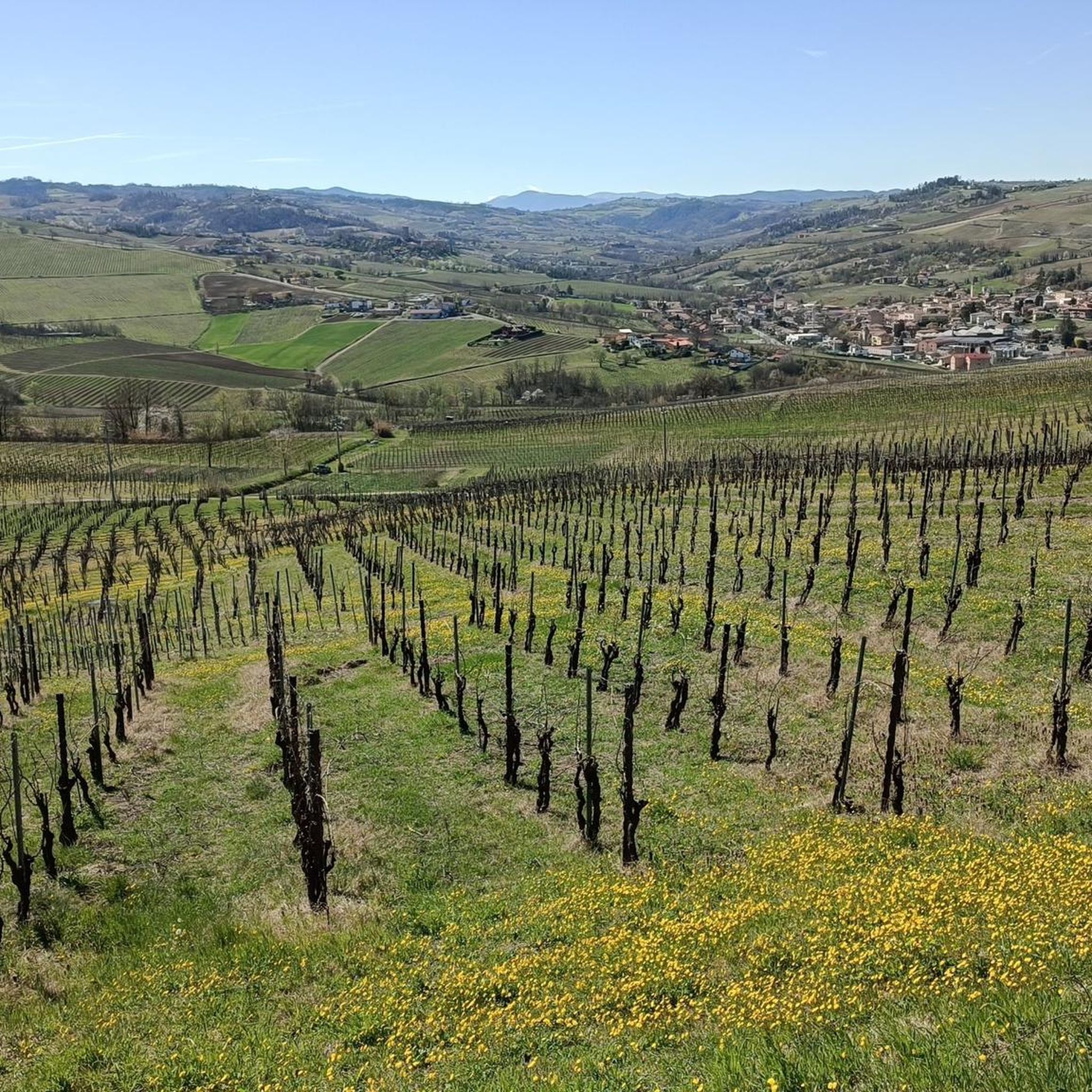
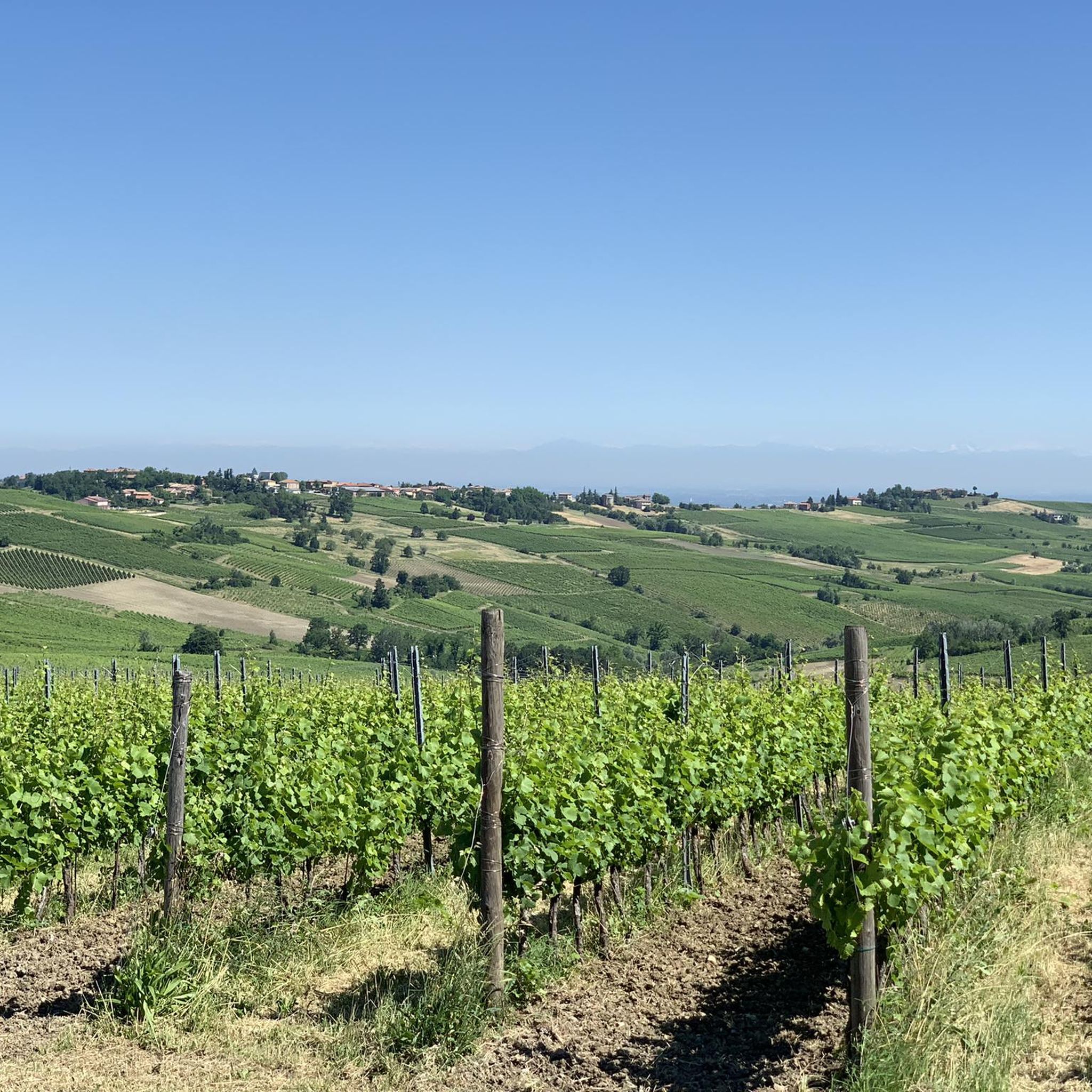
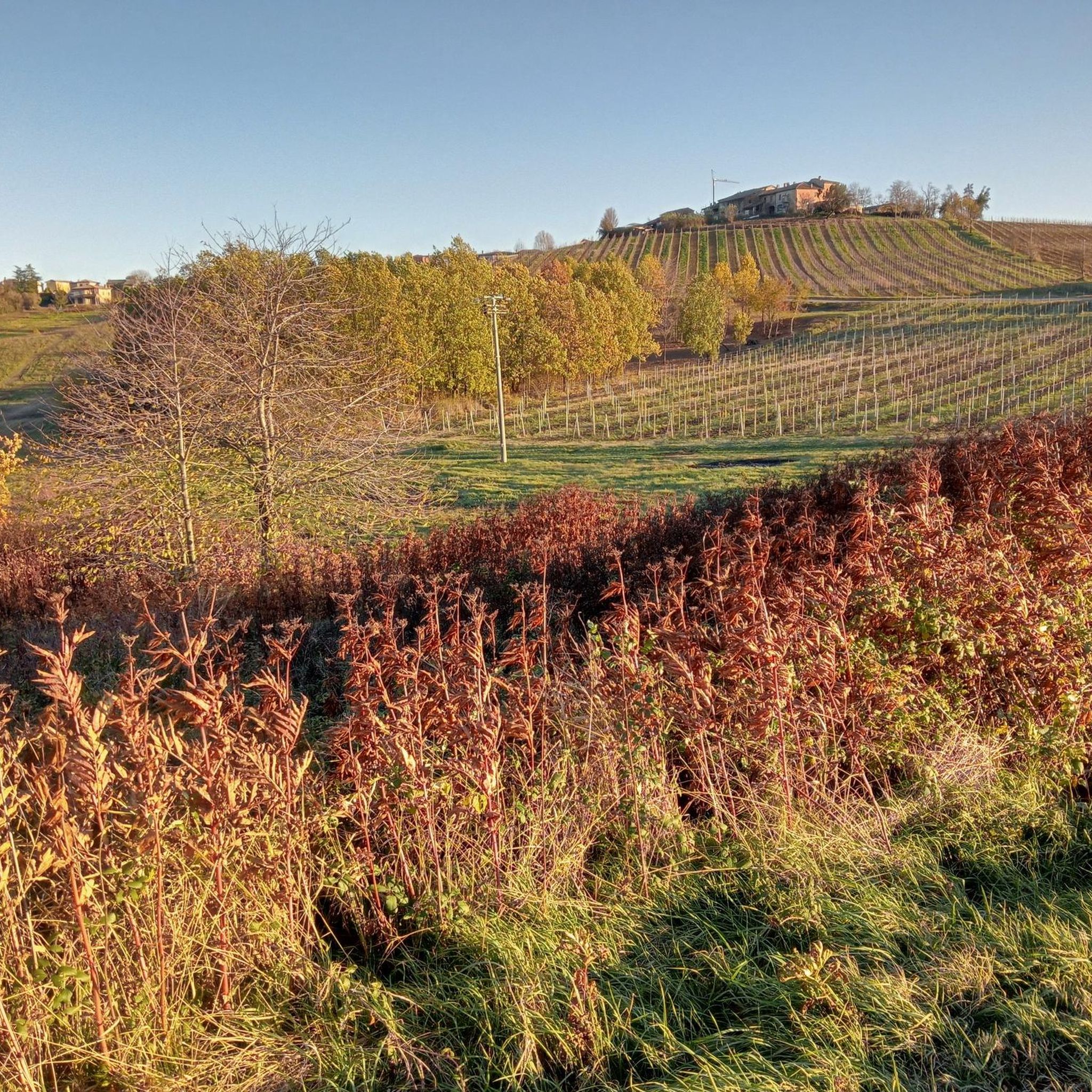
Best attractions and places to see around Santa Maria Della Versa are found in the Oltrepò Pavese hills of Lombardy, Italy. This region is known for its viticulture, particularly Pinot Noir grapes, and is often referred to as the "capital of sparkling wine." The area features rolling hills, historical landmarks, and charming villages. Visitors can explore a landscape rich in natural beauty and cultural heritage.
Best attractions and places to see around Santa Maria Della Versa
- The most popular attractions…
Last updated: August 4, 2026
Cicognola Castle and Viewpoint
Highlight • Castle
Translated by Google •
Tip by

Montalto Pavese
Highlight • Settlement
Translated by Google •
Tip by

Sign up now to discover places like this
Get recommendations on the best single tracks, peaks, & plenty of other exciting outdoor places.
Sign up for free
"Little Stelvio" Pavese
Highlight (Segment) • Cycleway
Translated by Google •
Tip by
Molato Dam
Highlight • Monument
Translated by Google •
Tip by
Rocca of Borgonovo Val Tidone
Highlight • Castle
Piazza Giuseppe Garibaldi, 18, 29011 Borgonovo Val Tidone PC
Translated by Google •
Tip by

Sign up for free to discover even more attractions around Santa Maria Della Versa.
Sign up for free
Already have an account?
Start today with a free account
Your next adventure awaits.
Login or Signup

Tips from the Community

very scenic and fun road near Lake Trebecco
0
0

Beautiful ride between the provinces of PV and PC to do not immediately after a day of rain, terrain in parts clay and muddy. At km. 6.40 take the low variant because the one that gives the track is impassable.
0
0

Montalto Pavese stands in a dominant position on the first hills above Casteggio, the beautiful castle (one of the best preserved in the region) with its Italian garden and its wine production.
23
0

Village above Casteggio with two excellent restaurants and panoramic square
1
0

The Borgonuovo oppidum was founded in 1196 by the Municipality of Piacenza to defend the western border of its territories, equipped with a fortress, towers and city walls with an escarpment and fortified entrances. In the current complex, built entirely of bricks, the fortress and the receptacle can clearly be distinguished. These buildings together with the church and the pilgrims' hospital once formed the village of Calendasco. The body of the fortress has typical elements of fourteenth-century Po Valley castles, such as the sawtooth motif combined with the crowning of small windows with segmental arches. The deep moat, the entrance, once equipped with a drawbridge as can be seen from the recesses of the ravelin, and the pusterla, or small door, with drawbridge access are still visible. To the south is a semicircular tower much higher than the rest of the building; the north-east wing, equipped with a scarp and with a rustic appearance and lack of homogeneity, dates back to a later period. The entrance hall, covered by a cross vault decorated with sixteenth-century frescoes, leads into the courtyard where a portico with three arches is visible. The receptacle, a rustic body with small arched windows and a decorative sawtooth motif, is outside the moat, near the bridge-beater.
0
0
Fortress of Borgonovo Valtidone The Borgonuovo oppidum was founded in 1196 by the Municipality of Piacenza to defend the western border of its territories, equipped with a fortress, towers and city walls with an escarpment and fortified entrances. In the current complex, built entirely of bricks, the fortress and the receptacle can clearly be distinguished. These buildings together with the church and the pilgrims' hospital once formed the village of Calendasco. The body of the fortress has typical elements of fourteenth-century Po Valley castles, such as the sawtooth motif combined with the crowning of small windows with segmental arches. The deep moat, the entrance, once equipped with a drawbridge as can be seen from the recesses of the ravelin, and the pusterla, or small door, with drawbridge access are still visible. To the south is a semicircular tower much higher than the rest of the building; the north-east wing, equipped with a scarp and with a rustic appearance and lack of homogeneity, dates back to a later period. The entrance hall, covered by a cross vault decorated with sixteenth-century frescoes, leads into the courtyard where a portico with three arches is visible. The receptacle, a rustic body with small arched windows and a decorative sawtooth motif, is outside the moat, near the bridge-beater.
0
0

You arrive from Scuropasso, Casteggio or Oliva Gessi. Coming from Pavia, you go up from the Scuropasso valley, via Lirio and Finigeto. Nice climb, longer than the usual low hill climbs, about 6 km. Fairly regular, with a few short stretches of counterslope once you reach the coast. Overview. Very little traffic.
1
0

Cicognola offers a splendid castle and an equally interesting panoramic point on the hills of the Oltrepò Pavese. Stop in this small town for a break and to admire its beauties.
1
0
Frequently Asked Questions
What historical sites can I explore around Santa Maria Della Versa?
The region offers several historical sites. You can visit the ancient Cicognola Castle and Viewpoint, which served a defensive function in the Middle Ages and offers views over the Scuropasso Valley. Another significant site is the Montalto Pavese settlement, featuring a well-preserved castle with an Italian garden. Additionally, the remnants of the ancient Soriasco Castle Tower and the Parish Church of Santissimo Nome di Maria Vergine, housing a 14th-century Madonna image, are notable historical points within the village.
Are there any notable viewpoints in the area?
Yes, the Oltrepò Pavese hills provide many scenic viewpoints. The Cicognola Castle and Viewpoint offers excellent views over the Scuropasso Valley. The settlement of Montalto Pavese also stands in a dominant position, providing panoramic vistas of the surrounding hills. For cyclists, the "Little Stelvio" Pavese climb offers stunning views as you ascend through its hairpin bends.
What kind of outdoor activities are available near Santa Maria Della Versa?
The rolling hills and vineyards around Santa Maria Della Versa are ideal for various outdoor activities. You can enjoy hiking, mountain biking, and road cycling. There are numerous routes available, such as the moderate 'Tassara Historic Village loop' for hikers, or the 'Vineyard View – Montescano Hill Climb loop' for road cyclists. For more options, explore the guides for hiking, MTB, and road cycling in the area.
Can I find family-friendly attractions around Santa Maria Della Versa?
While many attractions are focused on history and viticulture, families can enjoy the natural beauty of the region. The Molato Dam, which creates Lake Trebecco, is a family-friendly spot offering splendid panoramic views of the artificial lake. Exploring the charming historical center of Santa Maria Della Versa and enjoying local gastronomy can also be pleasant family activities.
What is the region known for besides its historical sites?
Santa Maria Della Versa and the surrounding Oltrepò Pavese region are primarily renowned for their viticulture, particularly Pinot Noir grapes, earning it titles like the 'capital of sparkling wine.' The area is characterized by picturesque vineyard-covered hills and offers an unforgettable gourmet journey through local gastronomy, including cheeses, cured meats, sweets, and high-quality grappa from distilleries.
Where can I experience the local viticulture?
The entire Valle Versa is dedicated to viticulture, especially Pinot Noir. You can experience it by exploring the extensive vineyard-covered hills that embrace the village. Many major wine producers are located here, transforming Pinot Nero into sparkling wine. While specific wineries are not listed, the region is dotted with opportunities to taste and purchase local wines and spirits.
What is the "Little Stelvio" Pavese?
The "Little Stelvio" Pavese is a mythical and scenic cycle way known for its challenging climb. In just 4 kilometers, it features a series of hairpin bends, ascending over 250 meters in altitude. It's a popular spot for cyclists looking for an exhilarating ride and spectacular views.
What can I expect from the historical center of Santa Maria Della Versa?
The historical center of Santa Maria Della Versa, once known as 'Borgata Versa,' developed around an ancient chapel. It became a hub for markets and fairs, eventually surpassing older settlements in importance. Today, you can expect a charming village atmosphere with historical buildings, local shops, and a sense of its rich past as a vibrant commercial and cultural center.
Are there specific hiking trails suitable for different skill levels?
Yes, the area offers hiking trails for various skill levels. For example, the 'Hiking loop from Castana' is an easy option, while the 'Tassara Historic Village loop from Golferenzo' is considered moderate. You can find more detailed information on distances and difficulty grades in the Hiking around Santa Maria Della Versa guide.
What is the best time of year to visit Santa Maria Della Versa?
The Oltrepò Pavese region, including Santa Maria Della Versa, is beautiful throughout the year, but the best time to visit often depends on your interests. Spring and autumn offer pleasant temperatures for outdoor activities like hiking and cycling, with the autumn harvest season being particularly vibrant for experiencing viticulture. Summer is also popular, though it can be warmer.
Are there options for mountain biking or road cycling?
Absolutely. The rolling hills and scenic routes make Santa Maria Della Versa a fantastic destination for both mountain biking and road cycling. You can tackle challenging climbs like the "Little Stelvio" Pavese or explore routes like the 'Tidone Trail' for MTB. Guides for MTB Trails and Road Cycling Routes provide detailed information on various tours.
What makes the Oltrepò Pavese region special?
The Oltrepò Pavese region is special for its unique combination of rich viticultural heritage, picturesque vineyard-covered hills, and historical charm. It's known as the 'capital of sparkling wine' due to its Pinot Noir production. Visitors can enjoy a blend of architectural beauty, gourmet experiences, and a calm, authentic Italian village atmosphere, especially during the harvest season.
Most popular routes around Santa Maria Della Versa
Most popular attractions around Santa Maria Della Versa

Get inspired with the komoot mobile app


Explore more
Still not found the Highlight you’re looking for? See guides of the top attractions in other regions:
