Top 7 Lakes around Esine
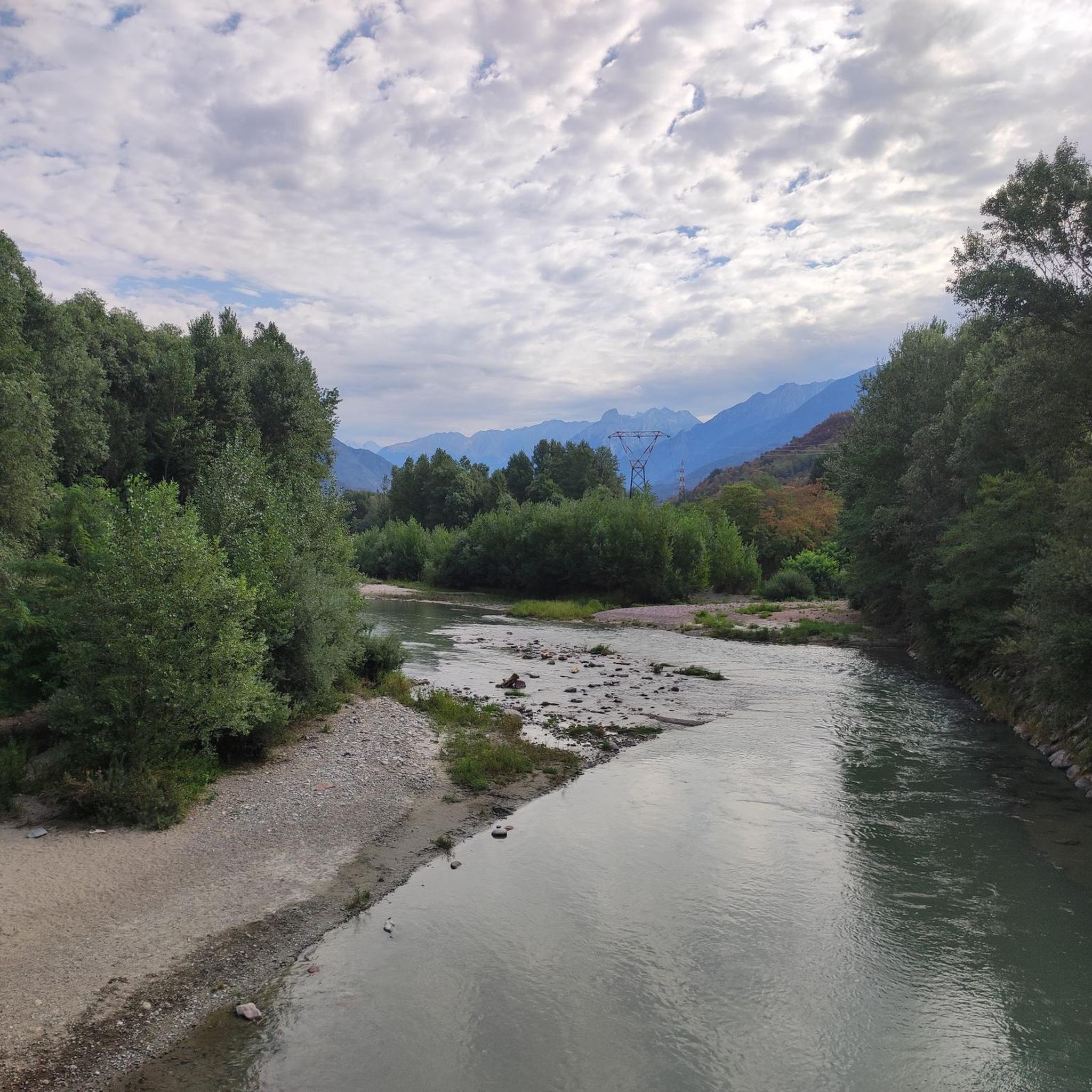
Best lakes around Esine are situated in the province of Brescia, Italy, providing access to a variety of natural water bodies. The region features alpine lakes and smaller, tranquil bodies of water nestled amidst mountains and forests. These lakes are often of glacial origin, characterized by serene waters and surrounding natural landscapes. The area offers opportunities for exploring diverse aquatic environments and their surrounding trails.
Best lakes around Esine
- The most popular lakes is Lova Lake, a lake that is an alpine lake of glacial origin, located at an elevation of less than 1,300 meters. It is a popular hiking destination with various surrounding trails and a recreation area.
- Another must-see spot is Lake Moro, a small alpine lake known for its dark waters and peaceful natural setting. Visitors can expect a tranquil escape amidst mountains and forests, with well-maintained roads providing easy access.
- Visitors also love Dosso Rotondo Hut, a hut located at the foot of the homonymous mountain. This spot is special for its hospitality, food, and the small lake with rafts available in front of the refuge.
- Esine is known for alpine lakes, small alpine lakes, and ponds. The region offers a variety of lakes to see and explore, from glacial basins to tranquil ponds.
- The lakes around Esine are appreciated by the komoot community, with more than 180 upvotes and 70 photos.
Last updated: June 3, 2026
Lova Lake
Highlight • Lake
Translated by Google •
Tip by

Lake Moro
Highlight • Lake
Lake Moro (lac de la cüna in Camunian dialect) is a small alpine lake in Val Camonica surrounded by woods and mountains.
The lake basin is located at 381 m above sea level and is small in size. It reaches a depth of 42.20 m and has rocky walls that immediately descend deep, in fact its waters are very dark and, in the winter, they can freeze. It would seem of glacial origin, even if some sources, especially oral ones, would speak of an alleged volcanic origin. The water comes from deep sub-lacustrine springs.
Translated by Google •
Tip by

Sign up now to discover places like this
Get recommendations on the best single tracks, peaks, & plenty of other exciting outdoor places.
Sign up for free
Dosso Rotondo Hut
Highlight • Mountain Hut
Translated by Google •
Tip by

Chapel of Saint Fiorino
Highlight • Religious Site
Showing Translation
Tip by

Lago Lavena
Highlight • Lake
Translated by Google •
Tip by

Sign up for free to discover even more lakes around Esine.
Sign up for free
Already have an account?
Start today with a free account
Your next adventure awaits.
Login or Signup
Other adventures around Esine

Tips from the Community

Lago Lavena is a small alpine body of water located in Alta Val Brembana, in the territory of Carona, nestled among the giants of the Orobie Alps. Situated at an altitude of about 1970 meters, it lies along the popular route leading from Rifugio Calvi towards Passo di Valsecca. Its clear waters reflect the surrounding rocky walls, among which stands out the imposing silhouette of Pizzo del Diavolo di Tenda. Despite its small size compared to the nearby artificial basins, the lake retains a wild and unspoiled charm, representing an ideal stop for hikers seeking silence and high-altitude panoramas in one of the most evocative corners of the province of Bergamo.
0
0

The Church of San Fiorino is one of Borno's small historical wonders, and thanks to the sources I consulted, I can give you an accurate, complete, and up-to-date overview. 🕍 Identity and location It is a subsidiary church dedicated to San Fiorino / San Floriano, the Roman legionary invoked against fires and floods. It stands northwest of Borno, along the road leading to Lake Lova, in a very quiet grassy and wooded area. 📜 Origins and history The sources agree on a long and layered history: 11th–13th century: first documented construction phases. 1410: appears in the list of ancient Camun churches subject to contribution to the Bishop of Brescia. 1456: a papal bull establishes the curatial benefit of S. Florini. 1532: cited in the Queriniano Catalogue of ecclesiastical benefices. 1567–1573: recorded in pastoral visits as a country church. Archaeological findings During restorations and excavations, artifacts have emerged that suggest the presence of an ancient Roman place of worship: a fragment of an altar dedicated to Mercury, with a Latin inscription; a Roman burial with the mark "LLAESEC"; stone elements with grooves typical of ancient thresholds. These findings strengthen the hypothesis that the church was built on a previous pagan temple. 🏛️ Architecture The church is simple and harmonious, typical of Camun rural chapels: Single nave with two bays. Rectangular presbytery with a barrel vault. Mixed masonry bell tower. Sober facade, with an off-center stone portal and traces of frescoes. Inside, you can find: 16th-century frescoes (partially mutilated), a 15th-century fresco with San Fiorino in the guise of a legionary, architectural elements from different eras. 🔧 Restorations The church, deteriorated by time, was restored in 1978 thanks to Don Costantino Ravelli.
0
0
The Church of San Fiorino is one of the small historical and spiritual pearls of the Borno plateau (Valle Camonica): a simple, intimate building, but layered with history, ancient cults, and surprising discoveries. 🕍 Identity and location The small church stands north of the inhabited area of Borno, along the road leading to Lova, in a grassy and silent area, slightly set back from the village. It is a subsidiary church dedicated to San Fiorino / San Floriano, a figure venerated as a protector against fires and floods. 📜 Origins and history The first attestations date back to the 15th century, but tradition and archaeological findings suggest an even older origin. Key points of its history: 1456: A bull of Callixtus III mentions the chapel of Sancti Florinj among the Camunican churches subject to contribution. 1532: It appears in the Queriniano Catalogue of ecclesiastical benefices. 16th century: It is registered in pastoral visits as a country church. Around 1650: Extensions and renovations that give it its current appearance. 1978–1980: Modern restorations that bring to light frescoes and Roman artifacts. 🏛️ Architecture The church is simple and harmonious, typical of Camunican rural chapels: Single nave with two bays. Rectangular presbytery with a barrel vault. Mixed masonry bell gable. Sober facade, with a decentered stone portal and traces of ancient frescoes. Inside, you can find: 16th-century frescoes, partly mutilated; a 15th-century fresco depicting San Fiorino as a Roman legionary; architectural elements from different eras. 🏺 Archaeological finds During the 1980 restorations, artifacts emerged that suggest the presence, in Roman times, of a small temple dedicated to Mercury: a fragment of a Roman altar with a dedication to Mercury; a Roman burial with the inscription “LLAESEC”; stone elements with grooves typical of ancient thresholds. These findings make the site particularly fascinating: a place where Christian worship seems to have overlapped with a previous pagan sacred site.
0
0
It is not Lake San Fiorino but Lake Lova
0
0
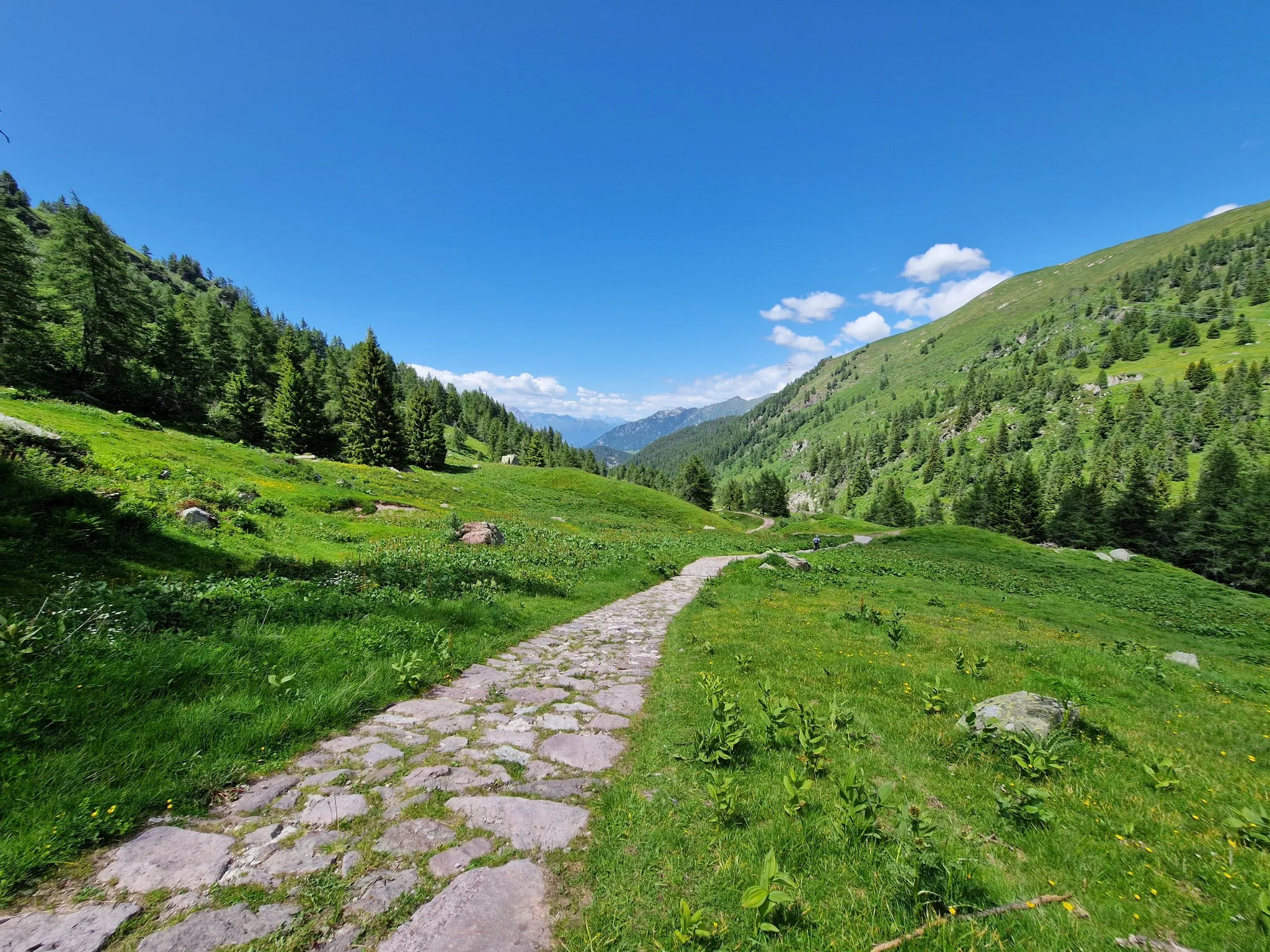
Lake Lova is a picturesque hiking destination located above Borno, on the Altopiano del Sole plateau in Val Camonica. It is appreciated for its alpine landscape, tranquility, and the variety of surrounding trails. The lake is located at approximately 1,392 meters above sea level and can be reached via several hiking trails, including the Sentiero della Memoria (Path of Remembrance) that starts from the church of San Fiorino in Borno. After a short paved stretch to the Trattoria Navertino, you take a dirt path that winds through larch and fir trees, with steep sections and slippery cobblestones. The hike is immersed in a natural environment typical of the Lombard Prealps, with natural fountains and good cell phone coverage. A longer alternative is the Monte Mignone – Lake Lova circular hike, approximately 11.1 km long with an elevation gain of 837 meters, to be done counterclockwise. This route offers spectacular views and passes through pastures and woods, with the lake as its focal point. Lake Lova is also a hub for other trails: from here, you can continue towards the San Fermo Refuge or the Laeng Refuge, following CAI trails 106 and 182. Parking is available near the lake, making it accessible even for less experienced hikers. Scenically, the lake is nestled in a green valley surrounded by woods and pastures, with calm waters reflecting the sky and surrounding mountains. It's an ideal destination in all seasons, but particularly captivating in autumn due to the colorful foliage.
0
0

Welcoming refuge, very good value for money. E-bike charging
0
0

The Dosso Rotondo refuge is located in the Adamello Natural Park area, at about 1,900 meters above sea level. The structure is immersed in a breathtaking landscape, with a view of the surrounding peaks and the suggestive Lake Idro. Reachable via paths that wind through woods and alpine meadows, the refuge is an ideal place for a stop to enjoy typical dishes of the mountain tradition. Thanks to its position, it also offers numerous itineraries for those who want to continue towards other higher destinations or simply explore the surroundings.
0
0

Located at 381 m.a.s.l. in the basin between the Sorline area of Angolo Terme and the Capo di Lago hamlet of Darfo Boario Terme, Lago Moro is surrounded by lush nature. The basin welcomes us with its transparent waters, made dark and mysterious by the profiles of the vegetation.
0
0
Frequently Asked Questions
What are some popular lakes around Esine?
Among the most appreciated lakes are Lova Lake, an alpine lake of glacial origin known for its hiking trails, and Lake Moro, a small alpine lake with distinct dark waters. Visitors also enjoy the area around Dosso Rotondo Hut, which features a small lake and offers hospitality.
Are there hiking trails near the lakes around Esine?
Yes, the region offers various hiking opportunities. Lova Lake is a popular hiking destination with trails leading towards the San Fermo Refuge or Laeng Refuge. You can also find an intermediate hike to the View of Lake San Fiorino, offering panoramic views. For more options, explore the MTB Trails around Esine guide, which includes routes like the Montecchio Roman Bridge – Lake Moro loop.
What are the unique natural features of Lake Lova?
Lova Lake is an alpine lake of glacial origin, nestled at nearly 1,300 meters above sea level between Pizzo Camino and Mount Mignone. It's characterized by its tranquil waters reflecting surrounding woods and mountains, making it a picturesque alpine landscape. The area is particularly captivating in autumn when the foliage displays vibrant colors.
What makes Lake Moro distinctive?
Lake Moro, known locally as "lac de la cüna," is a small alpine lake with notably dark waters due to steep rocky walls. It reaches a depth of 42.20 meters and is fed by deep sub-lacustrine springs. The lake is encircled by woods and mountains, providing a peaceful natural setting.
Is there parking available at the lakes around Esine?
Yes, parking is generally accessible. For Lova Lake, parking is available near the lake, making it convenient for hikers. Lake Moro also has well-maintained roads leading up to it, suggesting easy access for vehicles.
Are the lakes around Esine suitable for families?
Many lakes in the region are family-friendly. Lova Lake offers a recreation area with benches, barbecue, and picnic spots. Lake Moro provides a tranquil natural escape, and Dasdana Pond has picnic tables and a bivouac, making it suitable for family outings.
What is the best time of year to visit the lakes around Esine?
The lakes are beautiful throughout the year, but autumn is particularly recommended for Lova Lake, when the surrounding foliage displays vibrant colors. While the surface of Lake Moro can freeze in winter, it offers a unique atmosphere during colder months.
Can I swim in any of the lakes around Esine?
Yes, swimming is possible in some of the lakes. For instance, you can take a refreshing swim in Lake Moro.
Are there places to eat or stay near the lakes?
Yes, there are options for food and accommodation. The Dosso Rotondo Hut, located at the foot of its namesake mountain, offers excellent hospitality and food, and is practically always open. Near Dasdana Pond, there's a small restaurant serving local fare like bread and salami.
What other outdoor activities can I do near the lakes around Esine?
Beyond hiking, the area around Esine's lakes is excellent for cycling. You can explore various routes for MTB, Gravel biking, and general cycling. Routes like the Montecchio Roman Bridge – Lake Moro loop offer scenic rides.
What is the difficulty level of trails around the lakes?
Trail difficulties vary. The circular hike around Monte Mignone – Lova Lake is approximately 11.1 km long with significant elevation gain, suitable for experienced and less experienced hikers. The trail to the View of Lake San Fiorino is an intermediate hike of about 11.8 km with a 470-meter elevation gain, requiring a minimum level of fitness and sure-footedness.
Are there any lesser-known lakes or ponds worth visiting?
Yes, Dasdana Pond is a serene spot at 2000m altitude, surrounded by mountains, offering fishing opportunities and picnic tables. It's a place for pure relaxation, often with only the whistling of marmots as background music.
How can I reach the lakes around Esine by public transport?
While specific public transport routes to each lake can vary, Esine is connected to the regional transport network. For detailed information on reaching specific lakes like Lake Moro or Lova Lake by public transport, it's advisable to check local bus schedules or regional train connections from the Cogno-Esine train station.
Most popular attractions around Esine

Get inspired with the komoot mobile app


Explore more
Still not found your perfect lake around Esine? Check out the guides of these regions to see even more beautiful places.
