Top 17 Mountain Passes around Pisogne
Best mountain passes around Pisogne are situated between Lake Iseo and the surrounding mountains. This area features a blend of natural landscapes and varied terrain. The region offers routes appealing to hikers and cyclists.
Best mountain passes around Pisogne
- The most popular mountain passes is Pass of the Seven Crosses, a mountain pass that is an ancient road between the upper Val Trompia and Val Grigna. It features a dry stone wall and seven iron crosses, with a 1688…
Last updated: July 23, 2026
Pass of the Seven Crosses
Highlight • Mountain Pass
Translated by Google •
Tip by

Colle di San Zeno Pass
Highlight • Mountain Pass
Translated by Google •
Tip by

Sign up now to discover places like this
Get recommendations on the best single tracks, peaks, & plenty of other exciting outdoor places.
Sign up for free
Passo Spino
Highlight • Mountain Pass
It is a small wooded pass, not marked by structures or refuges.
It is located on the road/mule track that connects the two main passes in the area:
Croce di Marone
Showing Translation
Tip by

San Fermo Hills
Highlight • Mountain Pass
Translated by Google •
Tip by
Passo Croce
Highlight • Mountain Pass
Here you can fill your water supplies, the locals call this place: "il fontanone" …
Translated by Google •
Tip by
Sign up for free to discover even more mountain passes around Pisogne.
Sign up for free
Already have an account?
Start today with a free account
Your next adventure awaits.
Login or Signup
Popular around Pisogne
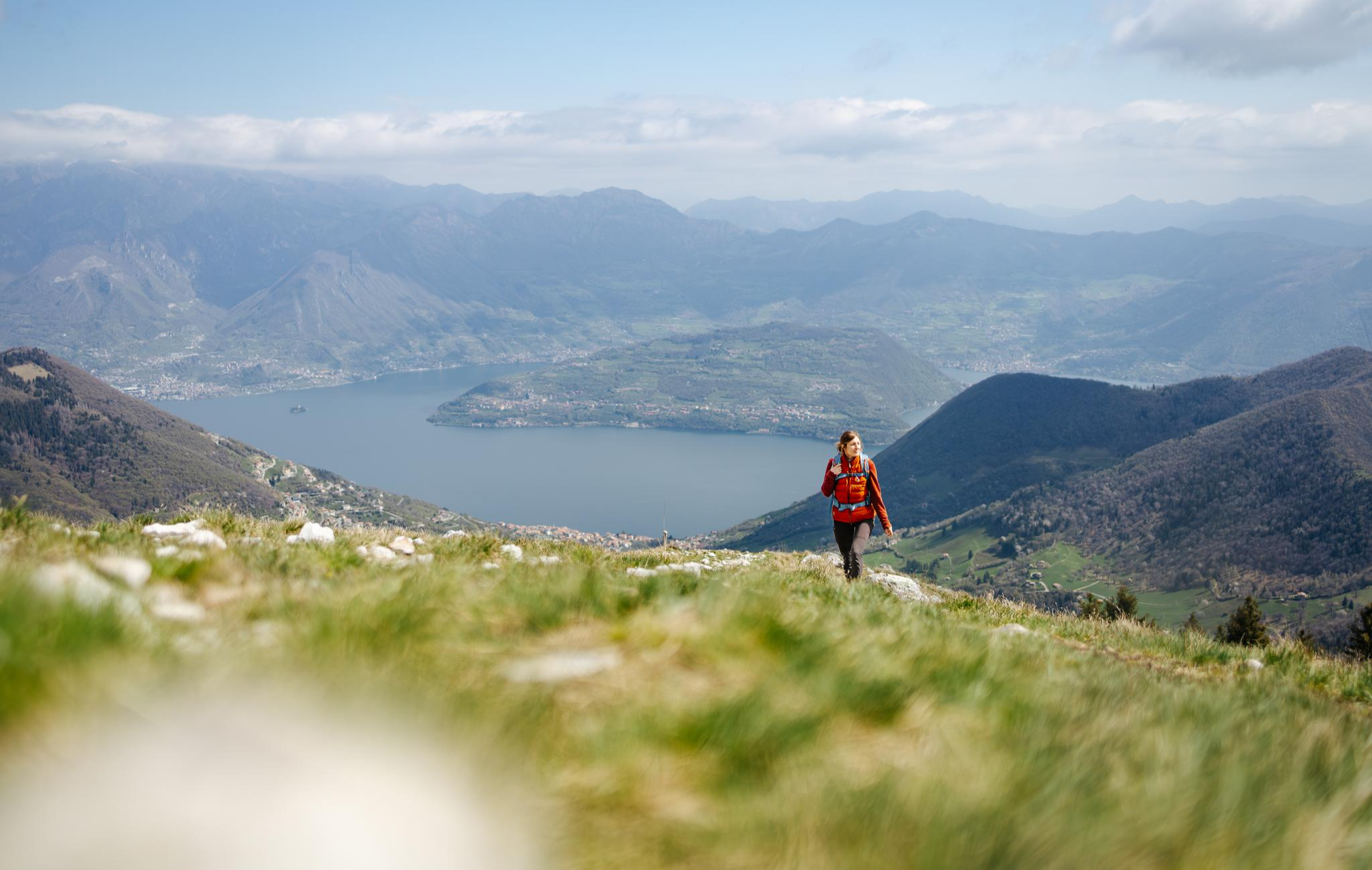
From the lake to the peaks - hiking on Lake Iseo
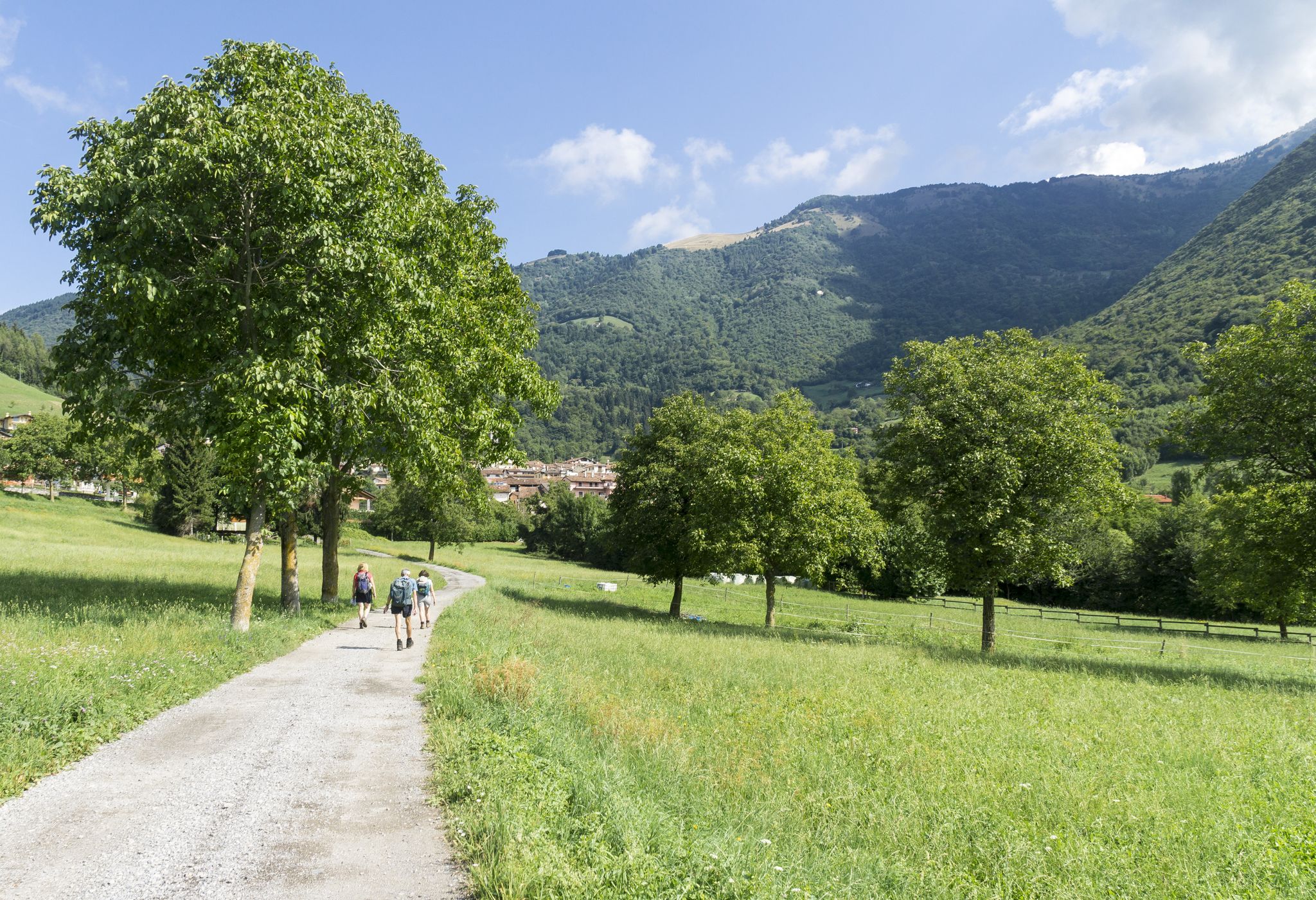
A journey through history and nature in Italy – Via Valeriana on foot
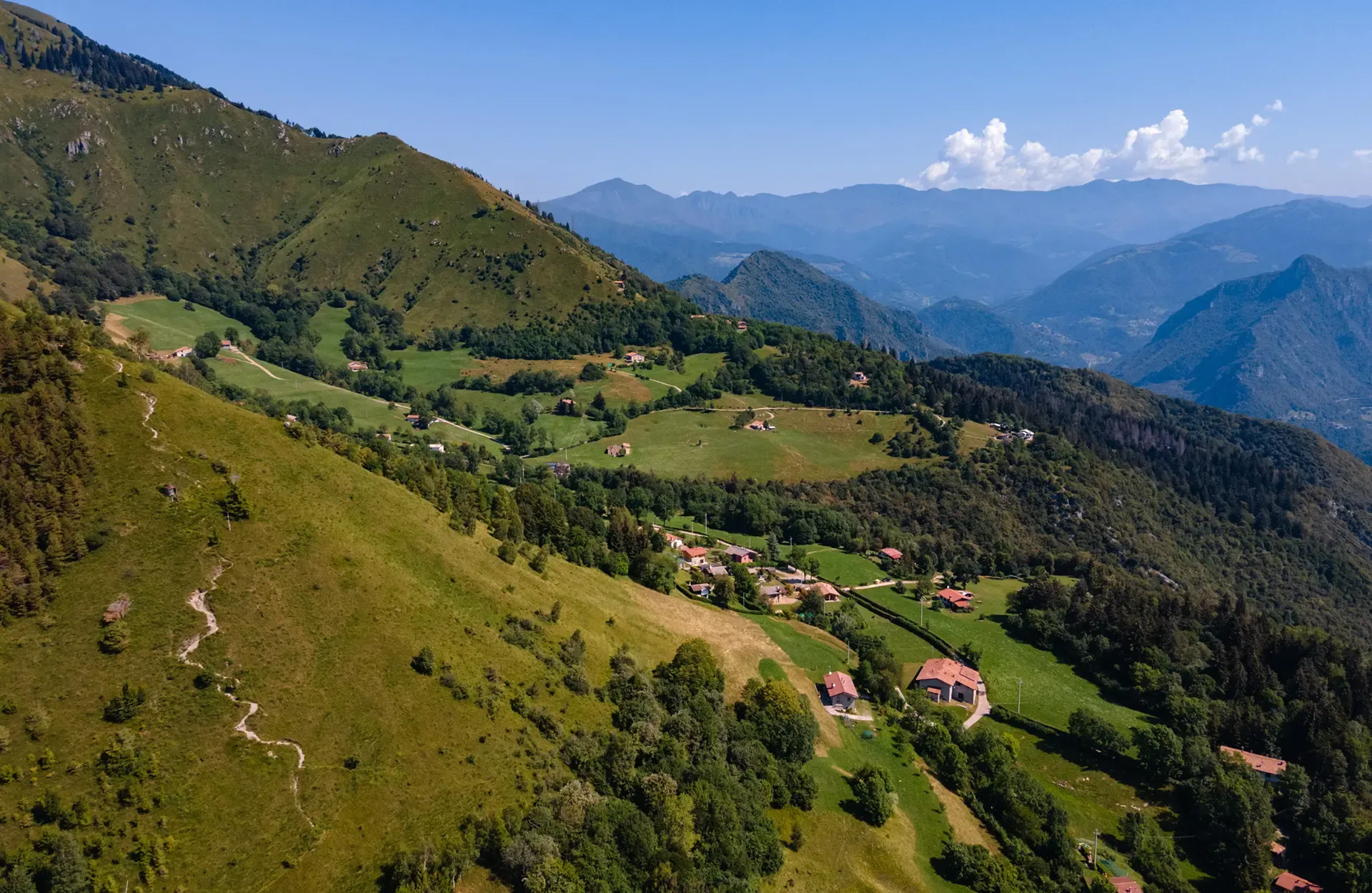
Montecampione – a gem among the valleys of Brescia
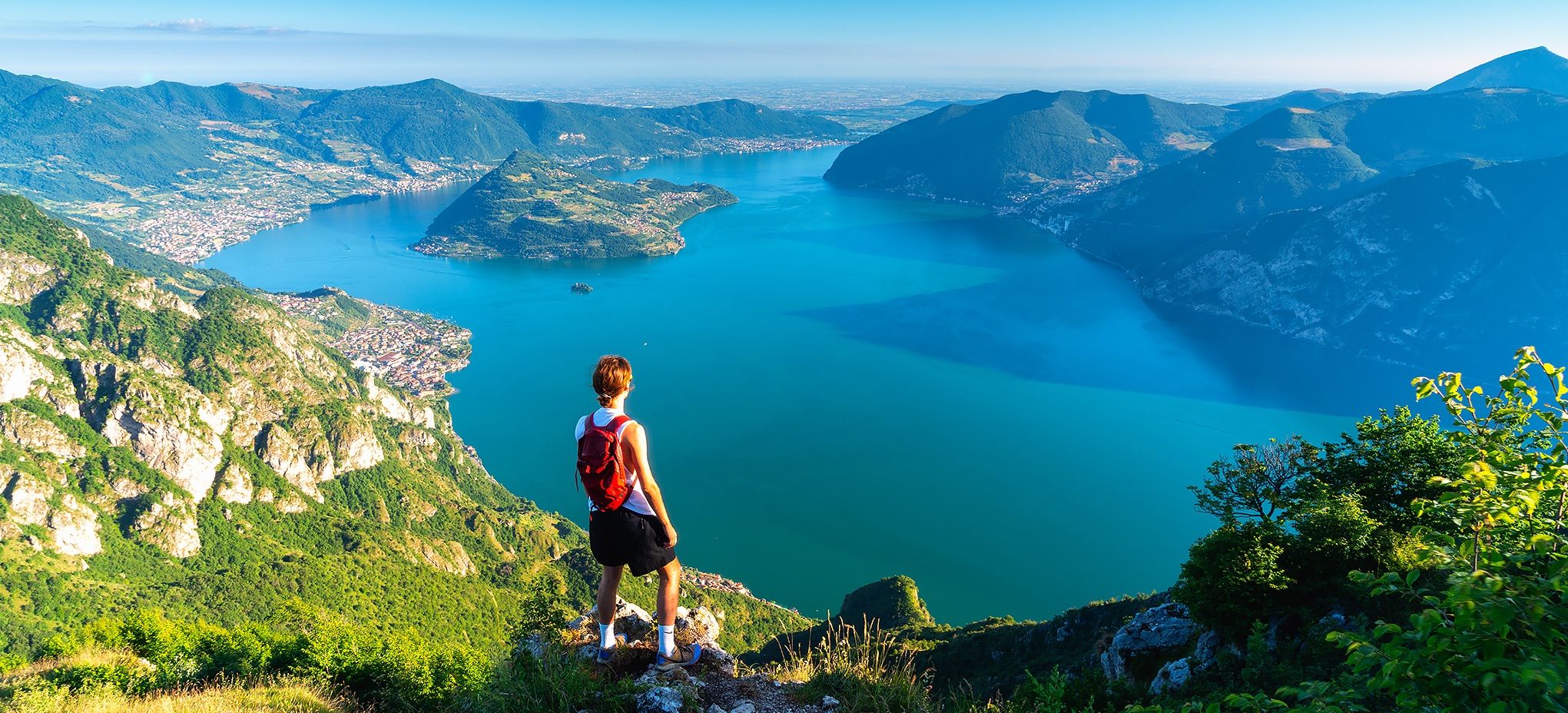
Where mountains meet the water – hike on Italy’s Lake Iseo
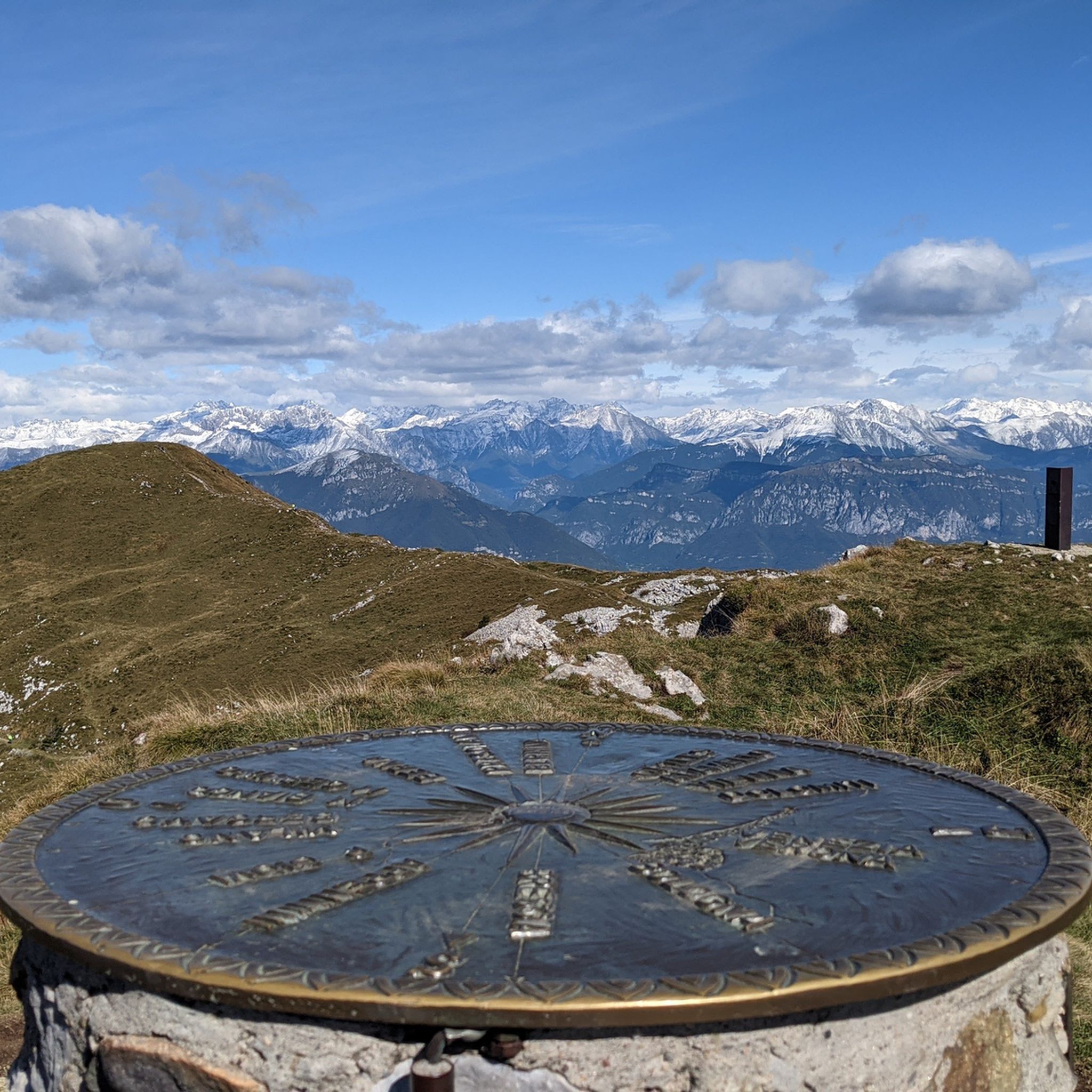
Hiking around Pisogne
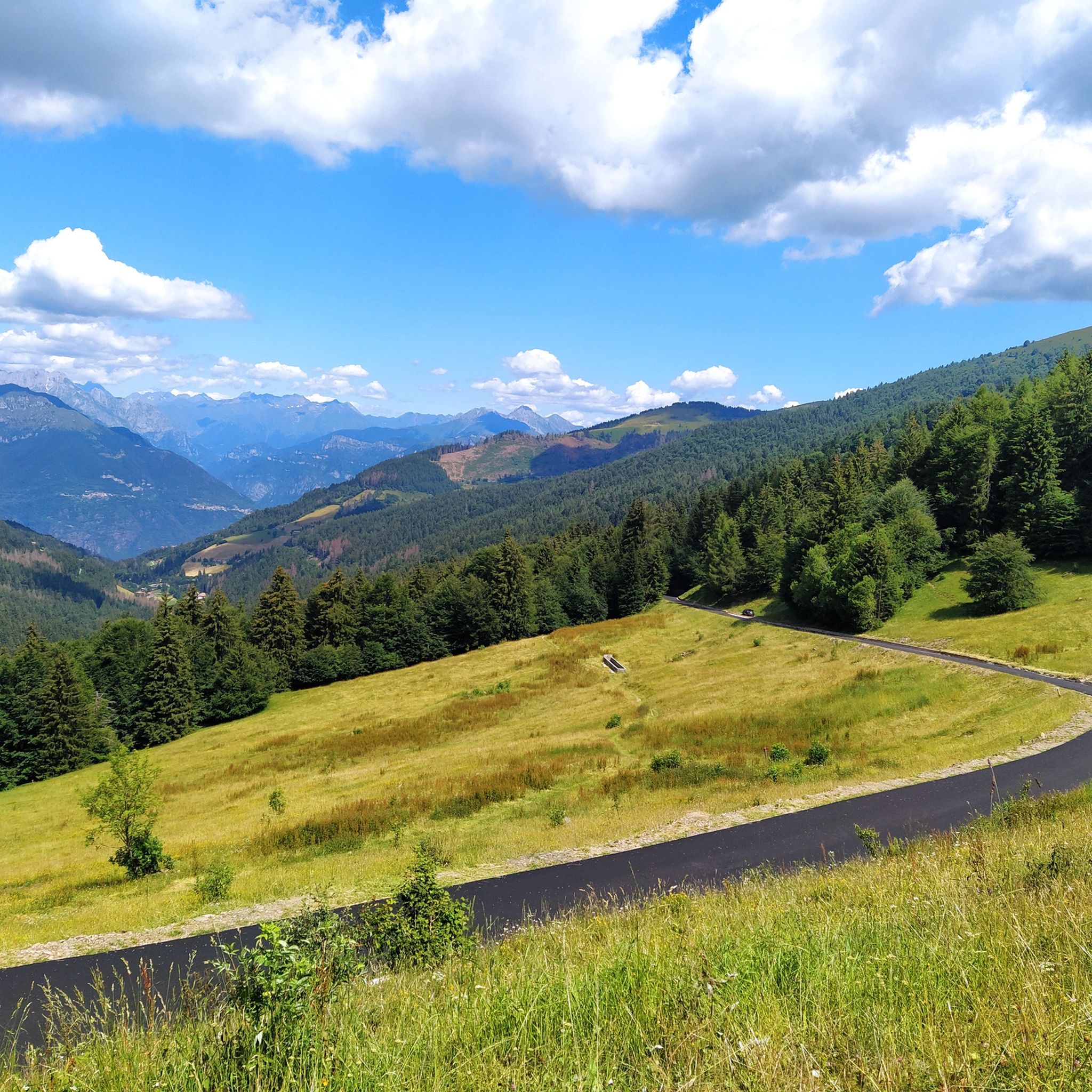
Road Cycling Routes around Pisogne
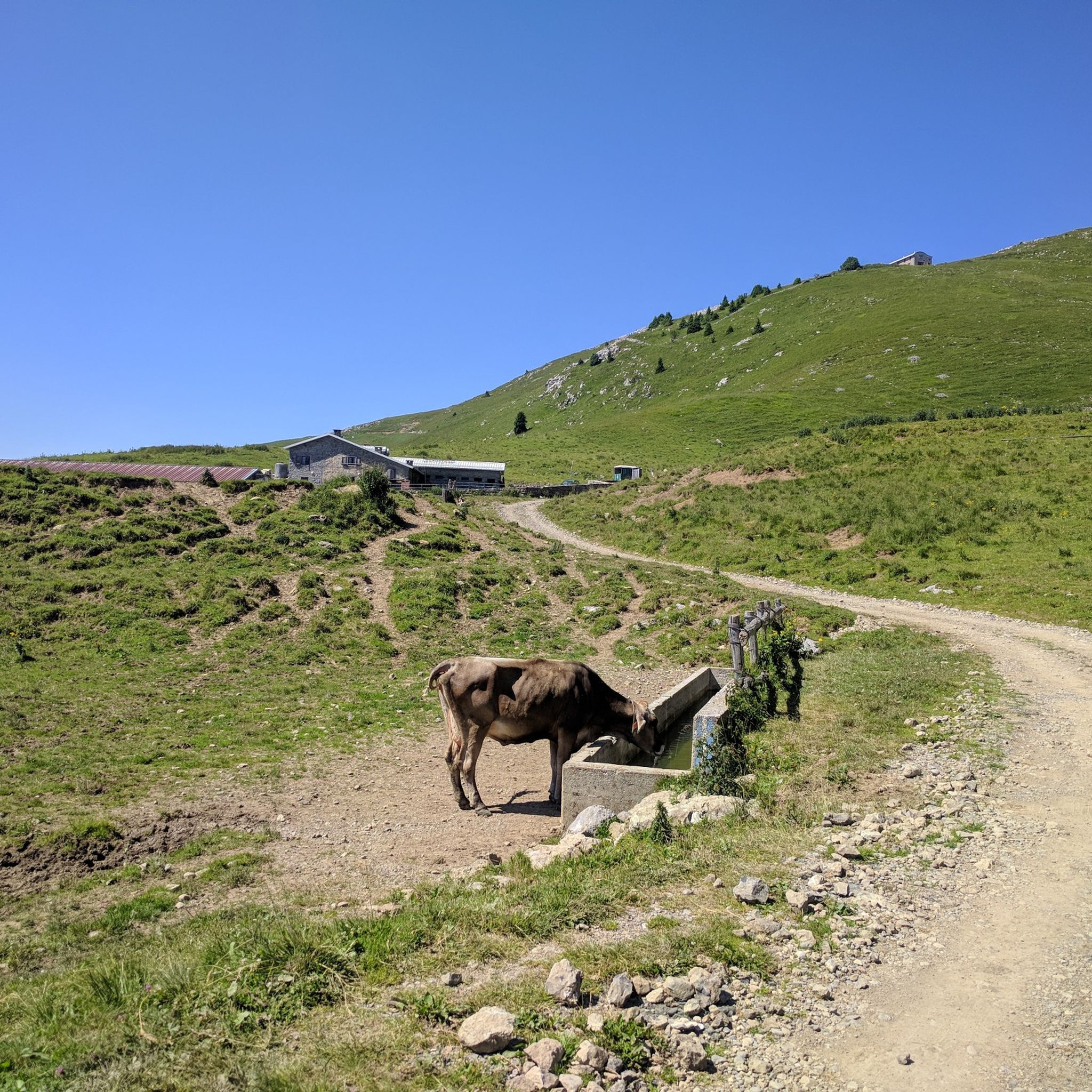
MTB Trails around Pisogne
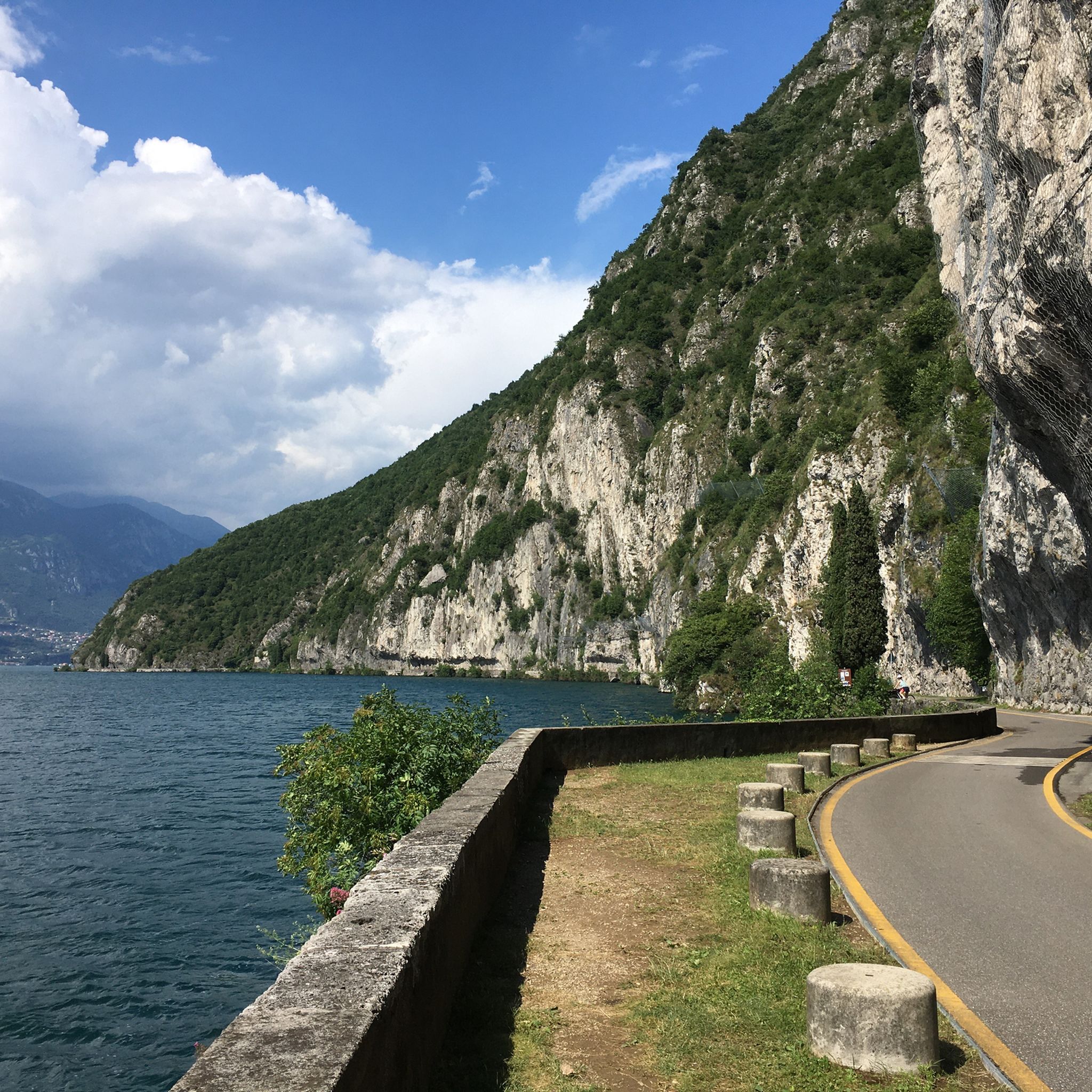
Cycling around Pisogne
Running Trails around Pisogne
Gravel biking around Pisogne
Other adventures around Pisogne


Tips from the Community

in June the blooming of the laburnums creates a fairytale setting
0
0
In June, the blooming of the laburnums creates a fairytale setting
0
0

Fountain and commercial activities for refreshment, from here you go up to the bench or take the path to Adrara and arrive at Villongo, a long and fun descent that compensates for the effort of climbing from Grone.
0
0

Rather unknown pass, although it has already hosted the Giro. The small road has hardly any significant car traffic and is fantastic for cycling.
0
0

📌 Characteristics of Passo Spino (Sebino version) It is a small wooded pass, not marked by structures or refuges. It is located on the road/mule track that connects the two main passes in the area: Croce di Marone Forcella di Sale It is a transit point for MTB riders and hikers who follow the “Malghe in rete” loop. The section between Forcella di Sale and Passo Spino is predominantly downhill, with some short uphill sections. 🥾 Why it is important Passo Spino is useful as a reference point if: you are doing the Croce di Marone → Forcella di Sale → Noase → Sale Marasino loop you are riding the panoramic mountain road that connects the two main passes of Sebino you are climbing or descending by MTB along the “Malghe in rete” route It is not a panoramic viewpoint like Croce di Pezzolo or the Almana ridge: it is more of a technical passage along the ridge. 🗺️ Quick summary Forcella di Sale = pass at 1150 m, start of the Sentiero Benedetti Passo Spino = immediately after, on the road that continues towards Noase Croce di Marone = connected to both via the same mountain road
0
0

wonderful view of the valley below
0
0

Piardi refuge with beautiful views of Mount Guglielmo and the valleys below. Crocesia very popular with all types of cyclists
0
0

Colli di San Fermo, or commonly known as San Fermo, is a small hamlet nestled among the Orobic mountains, strategically positioned between the suggestive Cavallina valley and the picturesque Lake Iseo. When you travel along the Cavallina valley and pass Grone, you find yourself in front of this picturesque mountain village. Renowned among cyclists in the province of Brescia and Bergamo, the hills of San Fermo offer panoramic roads and a privileged geographical position that make them a popular destination for two-wheel lovers.
3
0
Frequently Asked Questions
What are some popular mountain passes around Pisogne?
The area around Pisogne offers several popular mountain passes. Among them, the Pass of the Seven Crosses is an ancient road known for its historical charm. Another important junction point is Passo Croce, where various forest roads and paths converge. Colle di San Zeno is also well-regarded, offering scenic routes from both Pisogne and Pezzaze.
What kind of terrain can I expect on the mountain passes near Pisogne?
The terrain varies across the mountain passes. For instance, the route to San Fermo Pass (La Bratta) features a mix of asphalt, concrete, and dirt road sections. Colle di San Zeno has beautifully paved western approaches, while the eastern side, though older, is also fully paved. Hikers exploring areas like Corna Trentapassi will encounter ancient mule tracks and wooded paths, with some sections requiring sure-footedness due to slippery or steep terrain.
Are there any historically significant mountain passes in the area?
Yes, the Pass of the Seven Crosses (Passo delle Sette Crocette) is particularly rich in history. This ancient road, connecting the upper Val Trompia and Val Grigna, features a dry stone wall, seven iron crosses, and a 1688 cippus. Legends of witchcraft and mountain piety associated with tragic events add to its fascinating atmosphere.
Which mountain passes offer challenging routes for cyclists?
For cyclists seeking a challenge, San Fermo Pass (La Bratta) is a rewarding climb with an average gradient of 7% and sections reaching almost 20%. Colle di San Zeno also offers a scenic and engaging ride, with its paved routes suitable for road bikes, especially the well-maintained western approach from Pisogne.
Are there mountain passes with good viewpoints?
Absolutely. Many passes offer stunning vistas. San Fermo Pass (La Bratta) provides wonderful lake views. Colle di Caf is a small panoramic point where you can enjoy views of the mountains dominating Lake Iseo, including Monte Guglielmo. Additionally, Corna Trentapassi is celebrated for its breathtaking panoramic views across the entirety of Lake Iseo.
What outdoor activities can I do near these mountain passes?
Beyond exploring the passes themselves, the Pisogne area is excellent for various outdoor activities. You can find numerous cycling routes, including challenging road cycling tours like the Montecampione Climb or more moderate options. There are also many running trails, such as the Pisogne Lakeside Promenade. For more details on routes, you can check out the guides for Cycling around Pisogne, Road Cycling Routes around Pisogne, and Running Trails around Pisogne.
When is the best time to visit the mountain passes around Pisogne?
The best time to visit generally depends on the activity. For hiking and cycling, spring, summer, and early autumn offer pleasant weather conditions. During these seasons, the trails are typically clear, and the views are vibrant. Winter conditions can make some passes risky, especially at higher elevations, potentially requiring specialized gear like crampons.
Are there family-friendly mountain passes or routes near Pisogne?
While many passes offer challenging terrain, some routes or sections can be suitable for families, especially those looking for scenic drives or shorter walks. For example, the western approach to Colle di San Zeno is beautifully paved and offers a scenic drive. For specific family-friendly hiking routes, it's best to check individual trail descriptions for difficulty and length.
How can I access the mountain passes, and is parking available?
Access to the mountain passes often involves driving to a starting point. For instance, Passabocche, a key starting point for Monte Guglielmo explorations, provides parking at an unpaved clearing. Many passes are accessible by road, and parking availability can vary, so it's advisable to check specific locations beforehand. Public transport options might be limited directly to the passes themselves, but Pisogne itself is well-connected.
What do visitors enjoy most about the mountain passes around Pisogne?
Visitors frequently praise the beautiful landscapes, the pleasant and mountainous environment with green meadows and red rocks, and the stunning lake views. The historical significance of places like the Pass of the Seven Crosses also captivates many. Cyclists appreciate the challenging climbs and rewarding panoramas, while hikers enjoy the varied trails and the sense of adventure.
Are there any less crowded mountain trails or passes near Pisogne?
While specific data on 'less crowded' trails isn't available, exploring some of the lesser-known routes or visiting during off-peak times (weekdays, outside of major holidays) can help you find a more tranquil experience. The region offers a variety of paths, so venturing slightly off the most popular routes can lead to quieter discoveries.
Can I find drinking water sources on the mountain passes?
Yes, at Passo Croce, there is an important drinking water source known locally as "il fontanone." This is a convenient spot to refill your water supplies before continuing on the trails that branch out from this junction.
Are the mountain passes around Pisogne suitable for dog walking?
While specific regulations for dogs on every pass are not detailed, many natural trails in outdoor areas are generally dog-friendly, provided dogs are kept under control, especially around livestock or wildlife. It's always recommended to check local signage and be respectful of the environment and other visitors. Ensure you carry water for your dog and clean up after them.
Most popular routes around Pisogne
Most popular attractions around Pisogne

Get inspired with the komoot mobile app


Explore more
See even more epic mountain passes by checking out these guides around Pisogne:
