Top 20 Mountain Passes around Cimolais
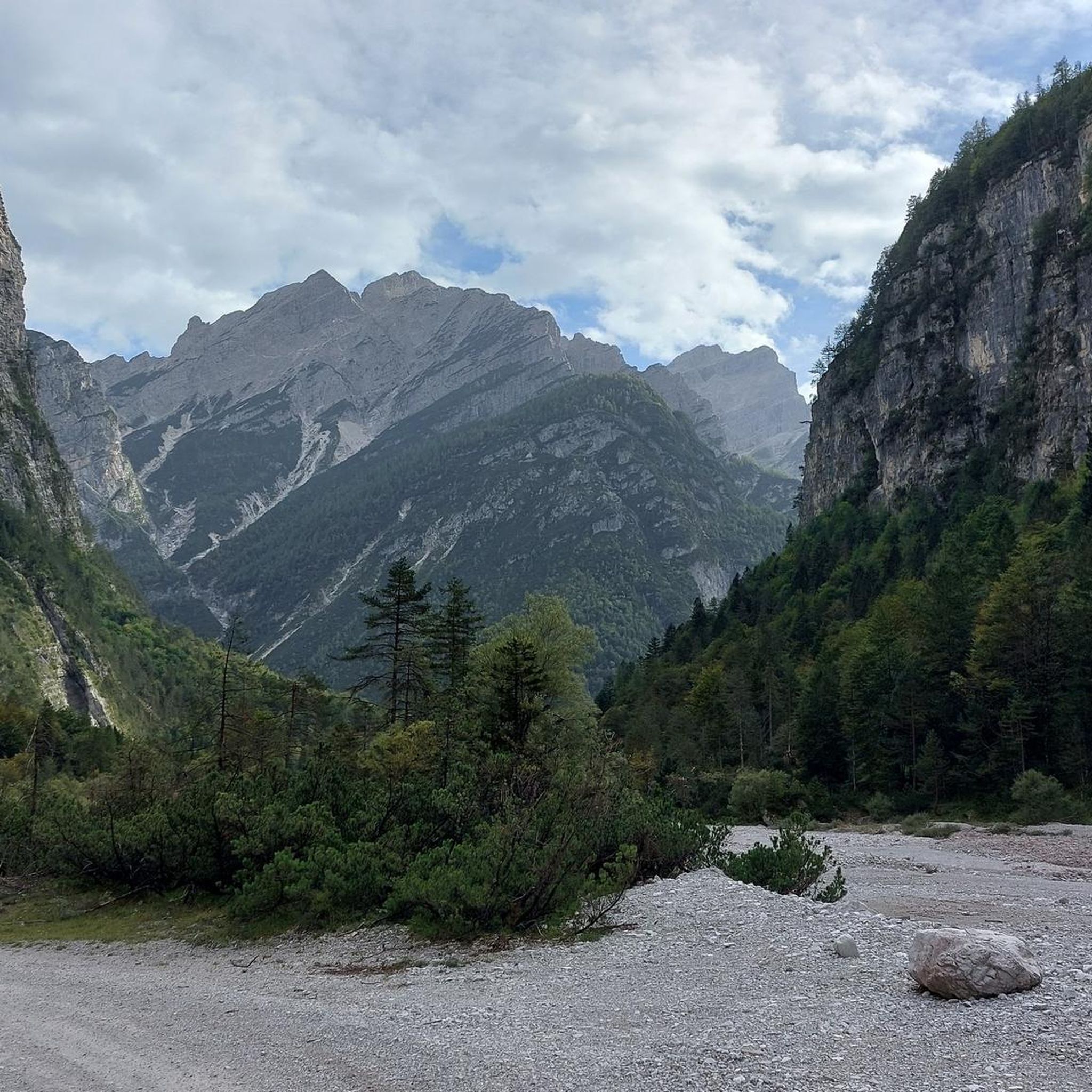
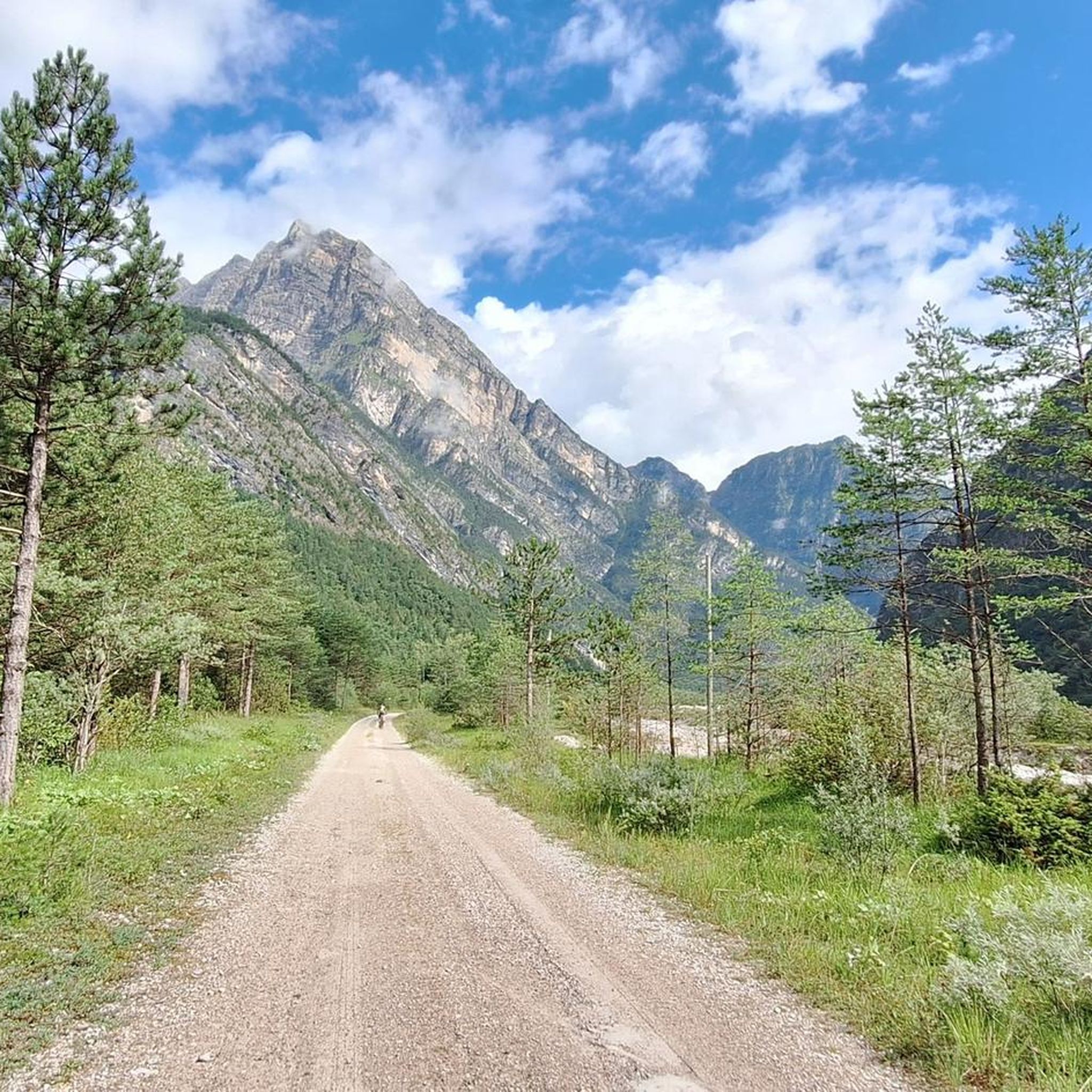
Best mountain passes around Cimolais are situated within the Friulian Dolomites Natural Park, offering a base for exploring various mountain passes and high-altitude "forcelle." The region features peaks such as the Campanile di Val Montanaia and Cima dei Tre Preti. This area provides opportunities for trekking, mountaineering, and mountain biking amidst natural landscapes.
Best mountain passes around Cimolais
- The most popular mountain passes is Vigo di Cadore - Sella Ciampigotto, a mountain pass that features a challenging climb with…
Last updated: May 29, 2026
Passo della Mauria (1298 m)
Highlight • Mountain Pass
Translated by Google •
Tip by

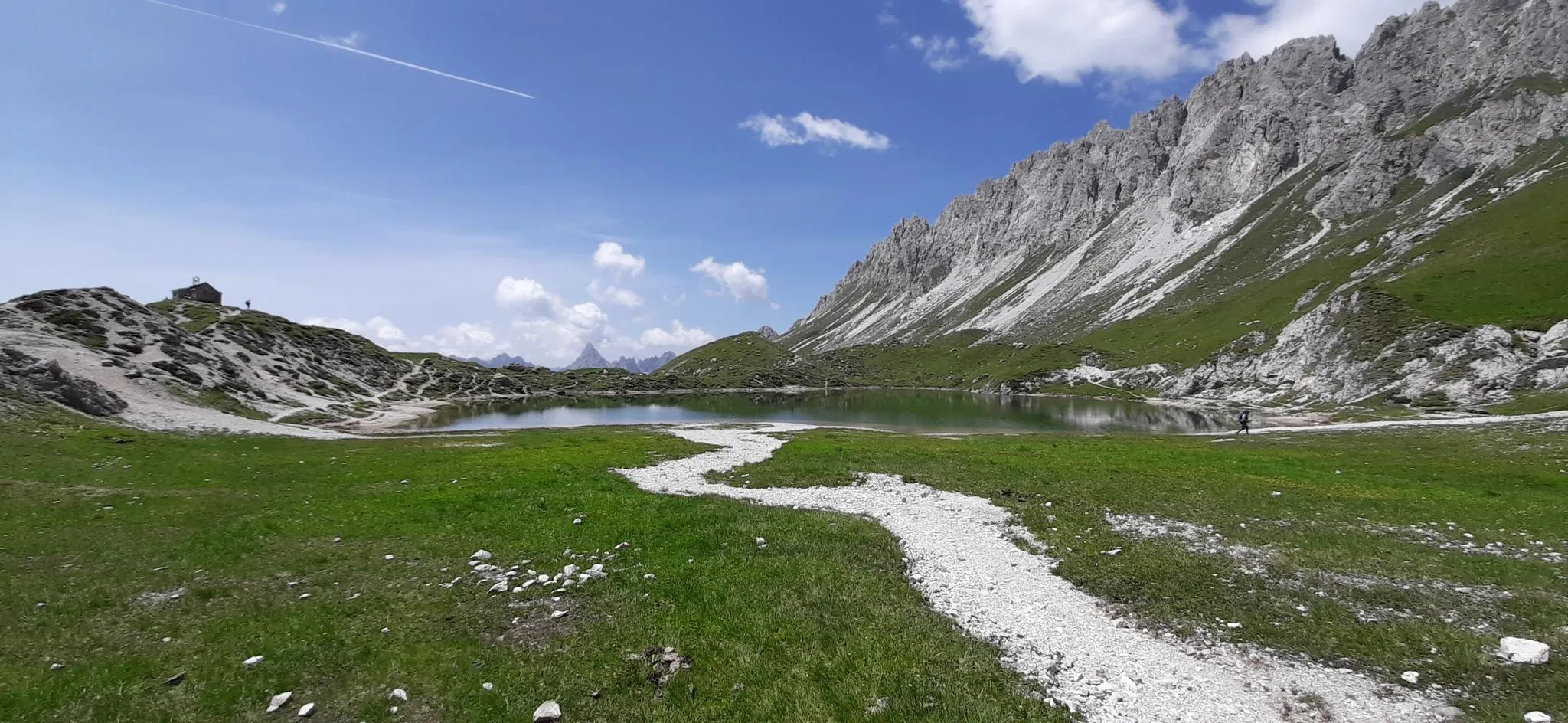
Forcella Scodavacca
Highlight • Mountain Pass
Translated by Google •
Tip by

Sign up now to discover places like this
Get recommendations on the best single tracks, peaks, & plenty of other exciting outdoor places.
Sign up for free
Vigo di Cadore - Sella Ciampigotto
Highlight (Segment) • Mountain Pass
Translated by Google •
Tip by

Monfalcone di Forni Pass
Highlight • Mountain Pass
Translated by Google •
Tip by

Forcella Urtisiel
Highlight • Mountain Pass
Translated by Google •
Tip by
Sign up for free to discover even more mountain passes around Cimolais.
Sign up for free
Already have an account?
Start today with a free account
Your next adventure awaits.
Login or Signup
Other adventures around Cimolais

Tips from the Community

Rugged and wild, the perfect synthesis of the Friulian Dolomites: a breathtakingly beautiful pass. It's a sweaty climb, but even before you get there, you realize it was worth it.
0
0
Panoramic, beautiful, located along the Tuoi dai scolps.
0
0

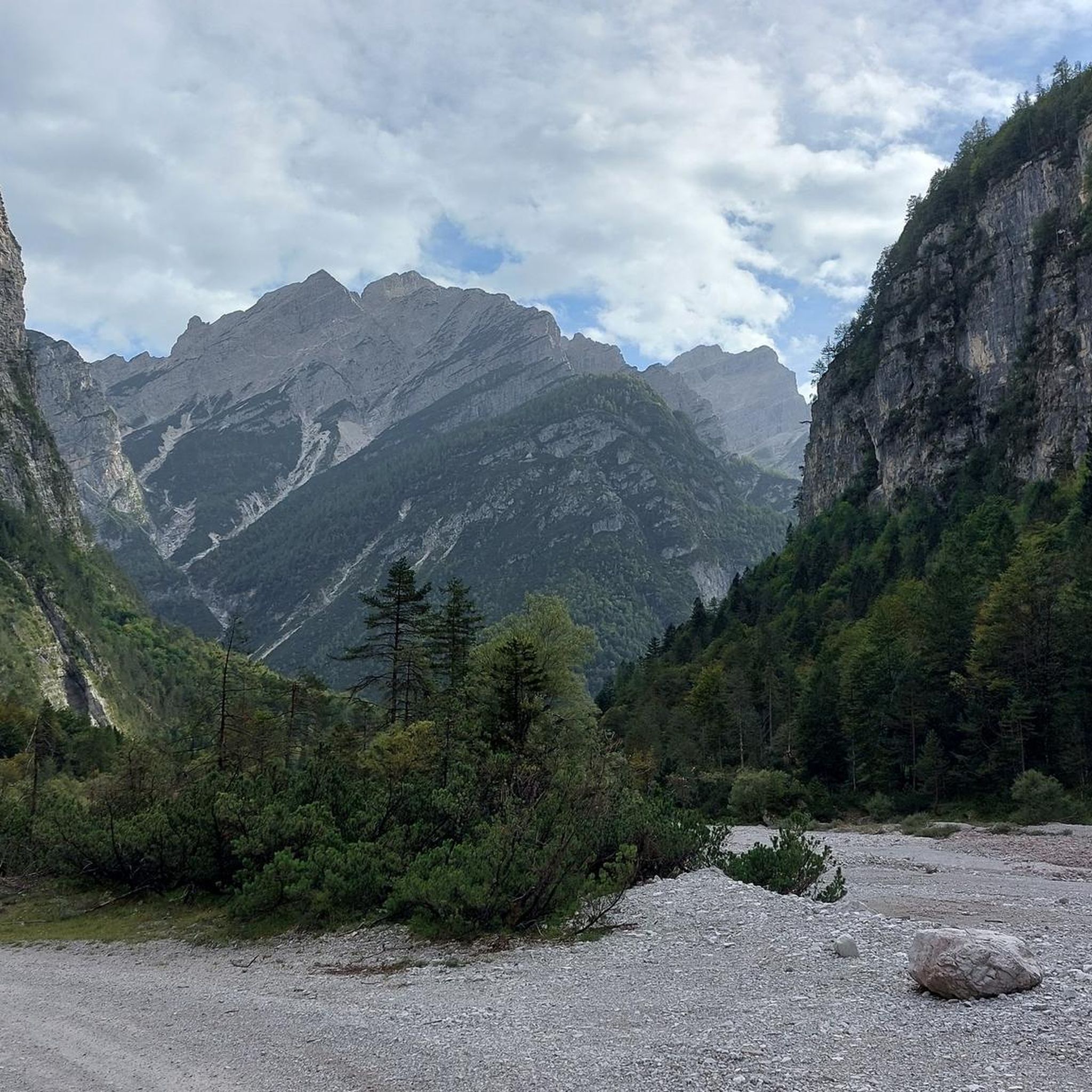
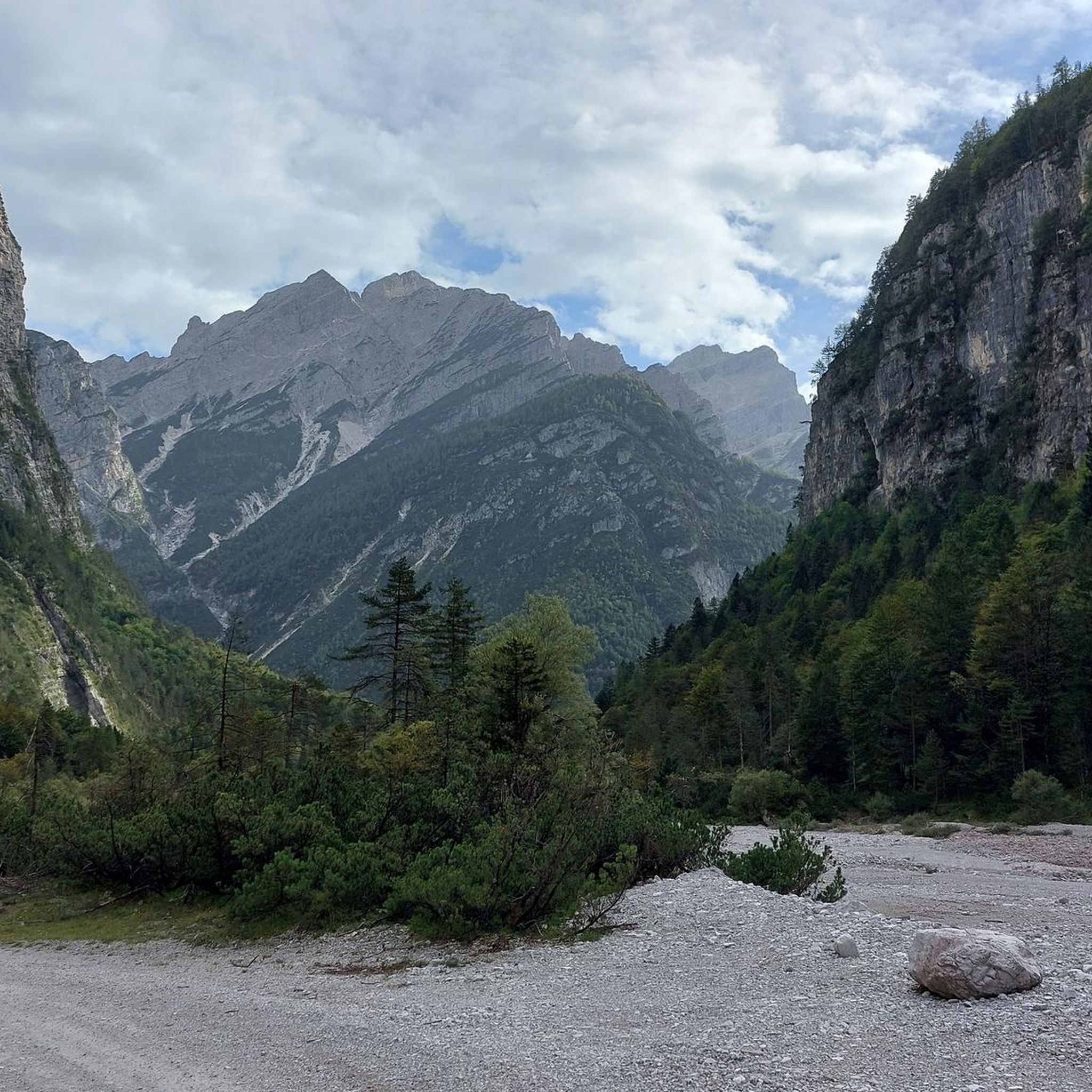
The pass is somewhat unspectacular, but easy to drive along the road. It's practically a must for further access into the Dolomites.
0
0

Forcella Urtisiel (little vegetable garden), a small pass that connects the Tagliamento valley to the Cimoliana valley.
0
0


Passo Mauria (1,298 m) is one of the most evocative passes in the Eastern Dolomites, located on the border between Veneto and Friuli Venezia Giulia. This historic pass is a point of reference for hikers, cyclists and motorcyclists thanks to its strategic position and the breathtaking views it offers. Nestled among fir forests and imposing peaks, Passo Mauria is a perfect starting point for venturing along the paths that cross the Cridola Group or to reach destinations such as Ricovero Miaron. The spectacular views of the surrounding mountains and the tranquility of the area make it an ideal place to immerse yourself in nature and enjoy an authentic and uncontaminated atmosphere. For trekking enthusiasts, the pass offers access to routes that vary from simple to more challenging, offering views that range from the Dolomites to Cadore. During the winter, the landscape transforms into a snowy wonder, attracting snowshoe hikers and ski mountaineers.
0
0
Pass between Friuli and Veneto at 1350 meters above sea level, starting point for excursions in the Friulian Dolomites.
1
0
Forcella Scodavacca, 2050 meters above sea level, its width and length make it peculiar compared to many other forks. It is the typical Dolomite fork.
0
1
Frequently Asked Questions
What are some of the most notable mountain passes around Cimolais?
The region around Cimolais, within the Friulian Dolomites Natural Park, offers several impressive mountain passes. Among them, Passo della Mauria (1298 m) is highly recommended for its scenic routes connecting Veneto and Friuli Venezia Giulia. Another significant pass is Forcella Scodavacca, a panoramic 'fork' at 2,043 meters, known for its dramatic spires like the Berti and Spinotti towers. Visitors also appreciate Vigo di Cadore - Sella Ciampigotto, which features a challenging climb with rewarding views.
What kind of terrain and difficulty can I expect on mountain passes near Cimolais?
The mountain passes around Cimolais offer a range of experiences, from intermediate to challenging. For instance, Passo della Mauria is described as very pedalable and scenic, making it suitable for cycling enthusiasts. In contrast, reaching Forcella Scodavacca involves a long but rewarding climb along a narrow path that turns to gravel near the top, offering a wilder mountain experience. Many routes feature well-kept asphalt initially, transitioning to trails with loose rock or gravel at higher elevations.
Are there any family-friendly options for exploring mountain passes around Cimolais?
While many of the higher mountain passes present intermediate to challenging terrain, the broader area around Cimolais offers numerous trails that can be enjoyed by families. For easier, family-friendly hiking, look for paths that stay at lower elevations or are specifically marked as suitable for beginners. The region's natural beauty can be appreciated on less strenuous walks, though specific 'family-friendly' mountain passes are not explicitly highlighted in the data provided.
What natural features and viewpoints can I discover along these mountain passes?
The mountain passes around Cimolais are rich in natural beauty. You'll encounter fir forests, imposing peaks, and dramatic rock formations. Forcella Scodavacca, for example, is dominated by bold spires like the Berti and Spinotti towers, and Mount Cridola. Many passes offer spectacular panoramas and breathtaking views of the Friulian Dolomites, making them excellent viewpoints for photography and enjoying the untouched nature.
What outdoor activities can I do near these mountain passes?
The area around Cimolais is a hub for various outdoor activities. Besides exploring mountain passes, you can find extensive MTB trails, gravel biking routes, and running trails. These activities allow you to immerse yourself in the untouched nature and rich biodiversity of the Friulian Dolomites, with options ranging from moderate to difficult.
When is the best time of year to visit the mountain passes around Cimolais?
The best time to visit the mountain passes around Cimolais is typically during the warmer months, from late spring to early autumn (May to October). During this period, the weather is generally more stable, and the trails are free of snow, making them ideal for hiking, cycling, and mountaineering. Autumn offers particularly beautiful scenery with changing foliage. Winter conditions can make many high-altitude passes inaccessible or require specialized equipment.
Are there any facilities or huts available near the mountain passes?
Yes, some mountain passes and nearby trails have facilities. For instance, near Vigo di Cadore - Sella Ciampigotto, there is a small, managed hut a few hundred meters away where you can get food and drinks. Other areas might have bivouacs or caseras (shepherd's huts) that can offer shelter or refreshments, especially along longer routes.
What is Forcella Forada and what does it offer?
Forcella Forada serves as a gateway between the Malga Tragonia valley and the Francescutto bivouac, accessible via CAI path 211a. While it might not offer immediate dramatic views, it is easily traversable and provides crucial access further into the Dolomites. It's a key point for connecting various hiking routes and exploring the surrounding natural monuments.
What makes Passo della Mauria a popular choice for cyclists?
Passo della Mauria (1298 m) is highly recommended for cycling enthusiasts because it offers a very pedalable and scenic route. The climb is rewarding, with well-kept asphalt through fir forests and impressive peaks, followed by a fast and winding descent. Its strategic position connecting Veneto and Friuli Venezia Giulia also makes it a great starting point for further excursions.
Can I find challenging climbs and trails around Cimolais?
Absolutely. The region is known for its challenging trails and climbs. Passes like Forcella Scodavacca involve long, demanding ascents on narrow paths that turn to gravel. The area also features peaks like Mount Cridola, which can be reached via technical routes. Many of the nearby running and MTB trails are also rated as difficult, catering to experienced adventurers.
What is the significance of Monfalcone di Forni Pass?
Monfalcone di Forni Pass is another wonderful notch in the Friulian Dolomites, offering awesome views on both sides. It's known for its beautiful and reserved atmosphere, though it's not suitable for everyone due to its challenging nature. From this forcella, you can find some of the most beautiful peaks of the Dolomites and explore various routes, including very hard climbs for professionals.
Are there opportunities for wildlife spotting near the mountain passes?
The Friulian Dolomites Natural Park, where Cimolais is located, is known for its untouched nature and rich biodiversity. While specific wildlife sightings are not guaranteed, exploring the mountain passes and surrounding trails offers excellent opportunities for observing local fauna in their natural habitat. Keep an eye out for various bird species, chamois, and other alpine wildlife.
Most popular routes around Cimolais
Most popular attractions around Cimolais

Get inspired with the komoot mobile app


Explore more
See even more epic mountain passes by checking out these guides around Cimolais:
