Attractions and Places To See around Terzo D'Aquileia - Top 20
Best attractions and places to see around Terzo D'Aquileia include sites with Roman origins, historically serving as a staging post for roads from ancient Aquileia. The region features significant Roman and early Christian sites, particularly within the nearby UNESCO World Heritage site of Aquileia. Visitors can explore a mix of historical landmarks, archaeological areas, and natural features like the Grado Lagoon and the Isonzo River. This area offers a blend of cultural heritage and scenic landscapes.
Best attractions and places to see around Terzo D'Aquileia
- The most popular attractions is Lagoon Cycle Path between Aquileia and Grado, a cycle way that runs through the Grado lagoon, an area rich in flora and fauna. This path is also the final section of the Alpe-Adria cycle path, offering sea air and views of islands like Barbana.
- Another must-see spot is Basilica of Saint Mary of the Assumption and Aquileia Archaeological Area, a religious building and historical site. This complex features the largest early Christian floor mosaic in Italy from the 4th century and offers views from its over 70-meter-high bell tower.
- Visitors also love Bridge Over the Isonzo River, a bridge offering views of the Isonzo River. This river flows through the historic Slovenian region of Goriška and the Italian region of Friuli-Venezia Giulia.
- Terzo D'Aquileia is known for its Roman archaeological sites, extensive cycle paths, and natural river and lagoon areas. The region provides a variety of attractions, from ancient ruins to scenic routes for cycling.
- The attractions around Terzo D'Aquileia are appreciated by the komoot community, with more than 2500 upvotes and over 1100 photos shared by visitors.
Last updated: July 20, 2026
Lagoon Cycle Path between Aquileia and Grado
Highlight (Segment) • Cycleway
One of the largest of the several hundred islands in the lagoon is called Barbana. On Barbana there is a pilgrimage church with the statue of the Madonna and Child, to which the fishermen of Grado hold a pilgrimage every year on the first Sunday in July, the so-called Perdon de Barbana. There are restaurants on several islands in the lagoon. So if you want to rest in an extraordinary ambience, you have come to the right place.
Translated by Google •
Tip by

Alpe‑Adria Cycle Path at Terzo d'Aquileia
Highlight (Segment) • Cycleway
Translated by Google •
Tip by

Sign up now to discover places like this
Get recommendations on the best single tracks, peaks, & plenty of other exciting outdoor places.
Sign up for free
Roman Forum of Aquileia
Highlight • Historical Site
Translated by Google •
Tip by

Basilica of Saint Mary of the Assumption and Aquileia Archaeological Area
Highlight • Religious Site
Worth seeing are the Roman inland port, the Forum, the Via Sacra, from the patriarchal time the basilica with the important floor mosaics, the National Archaeological Museum and the Early Christian Museum, Roman roads, the aqueduct and remnants of other infrastructure.
Translated by Google •
Tip by
Bridge Over the Isonzo River
Highlight • Bridge
Translated by Google •
Tip by

Sign up for free to discover even more attractions around Terzo D'Aquileia.
Sign up for free
Already have an account?
Start today with a free account
Your next adventure awaits.
Login or Signup

Tips from the Community

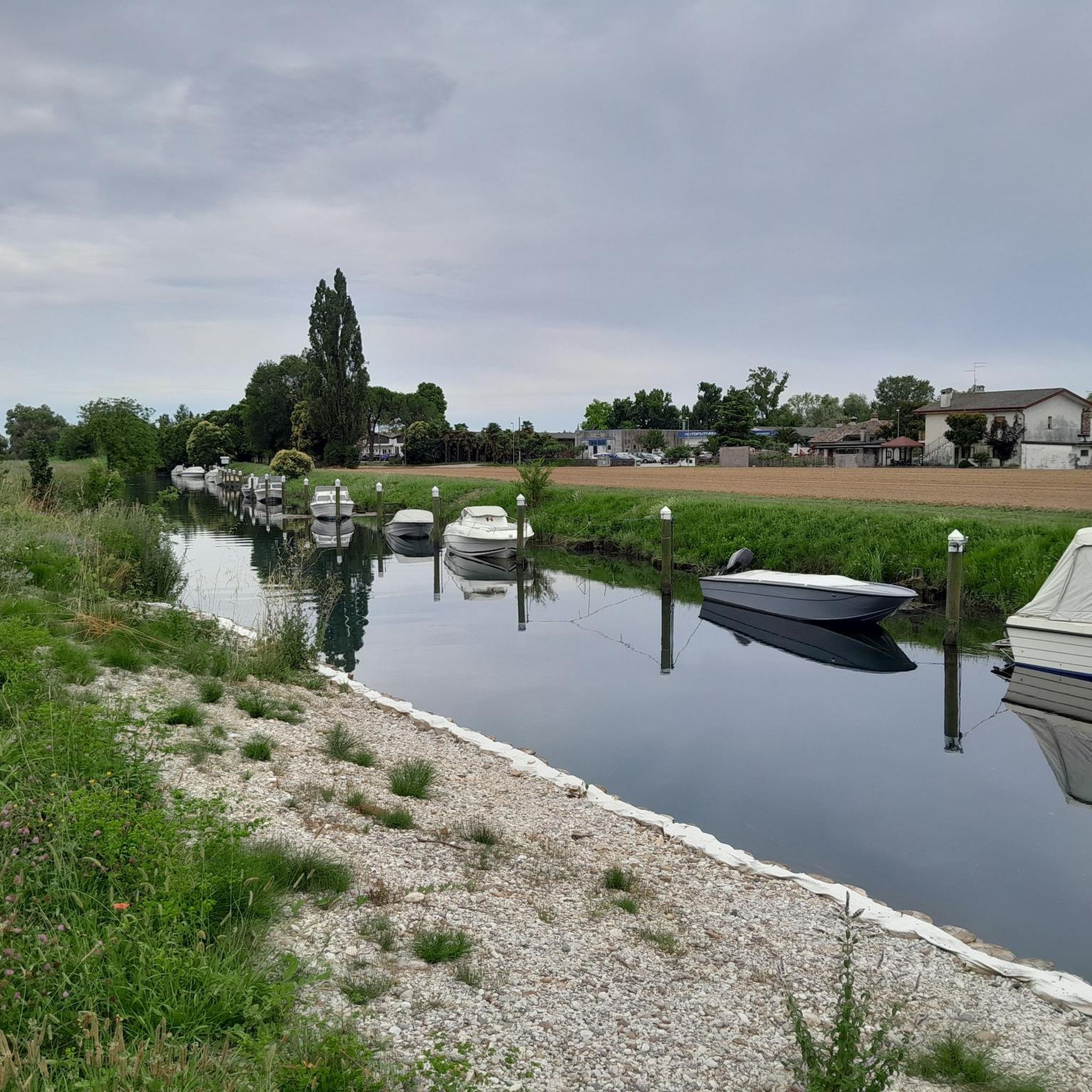
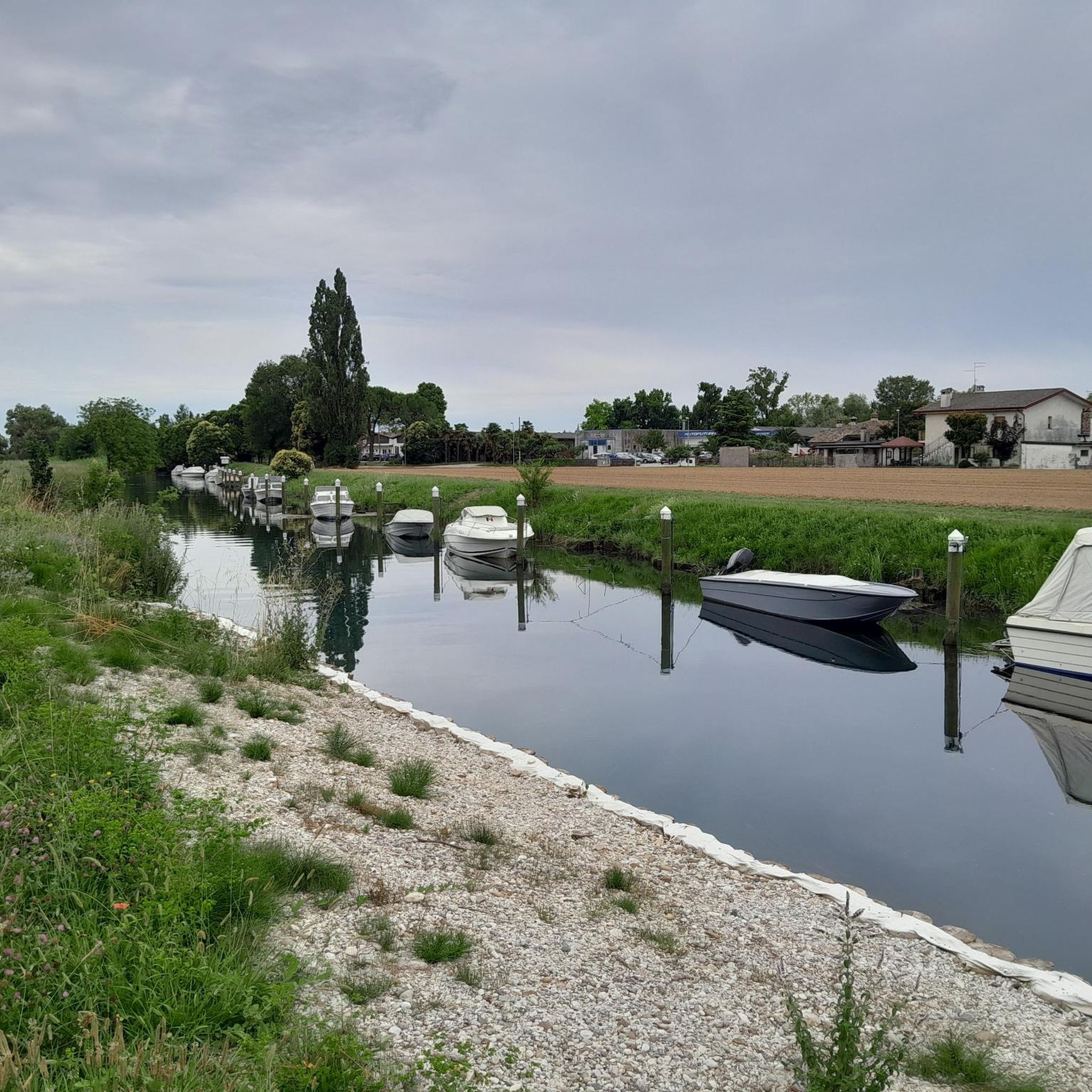
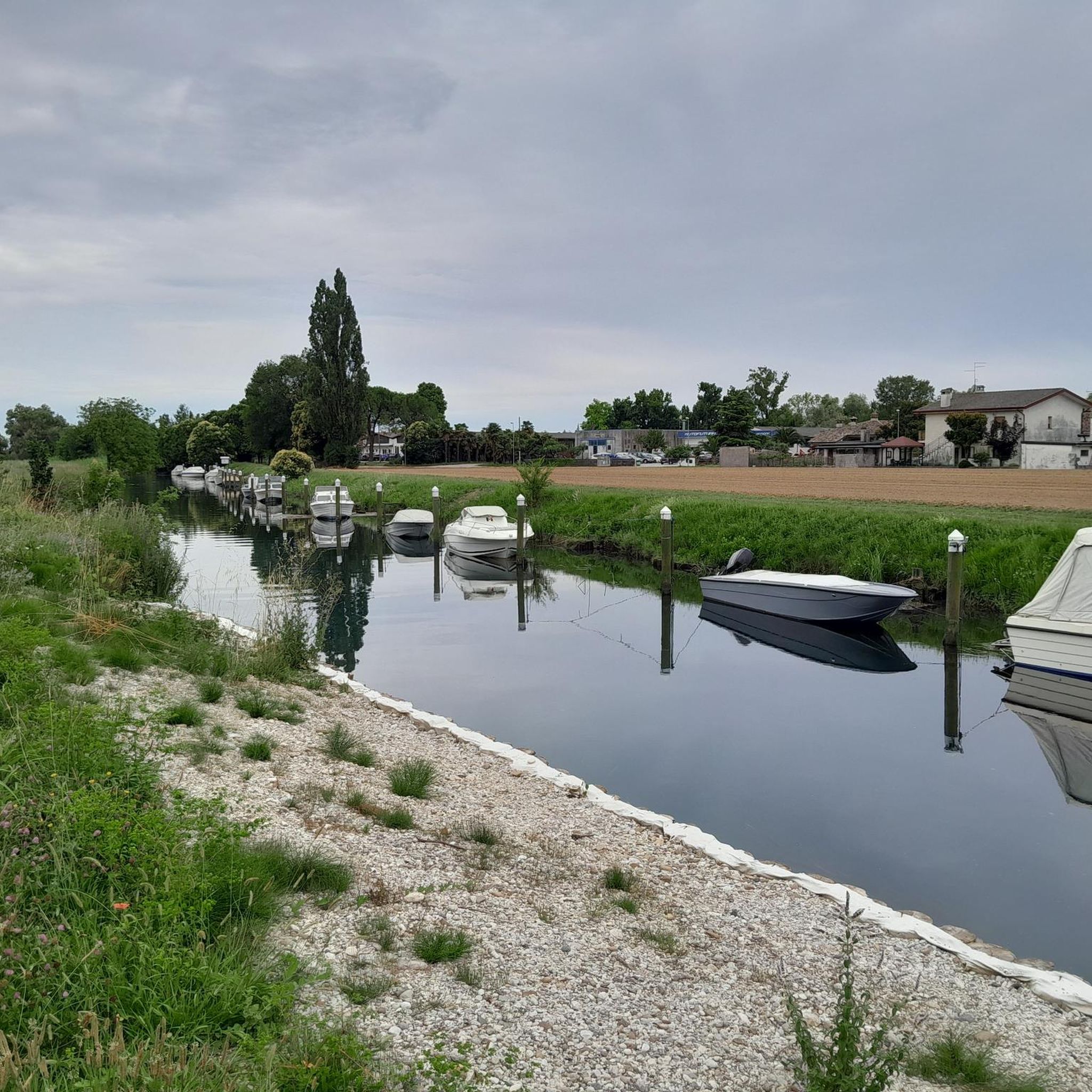
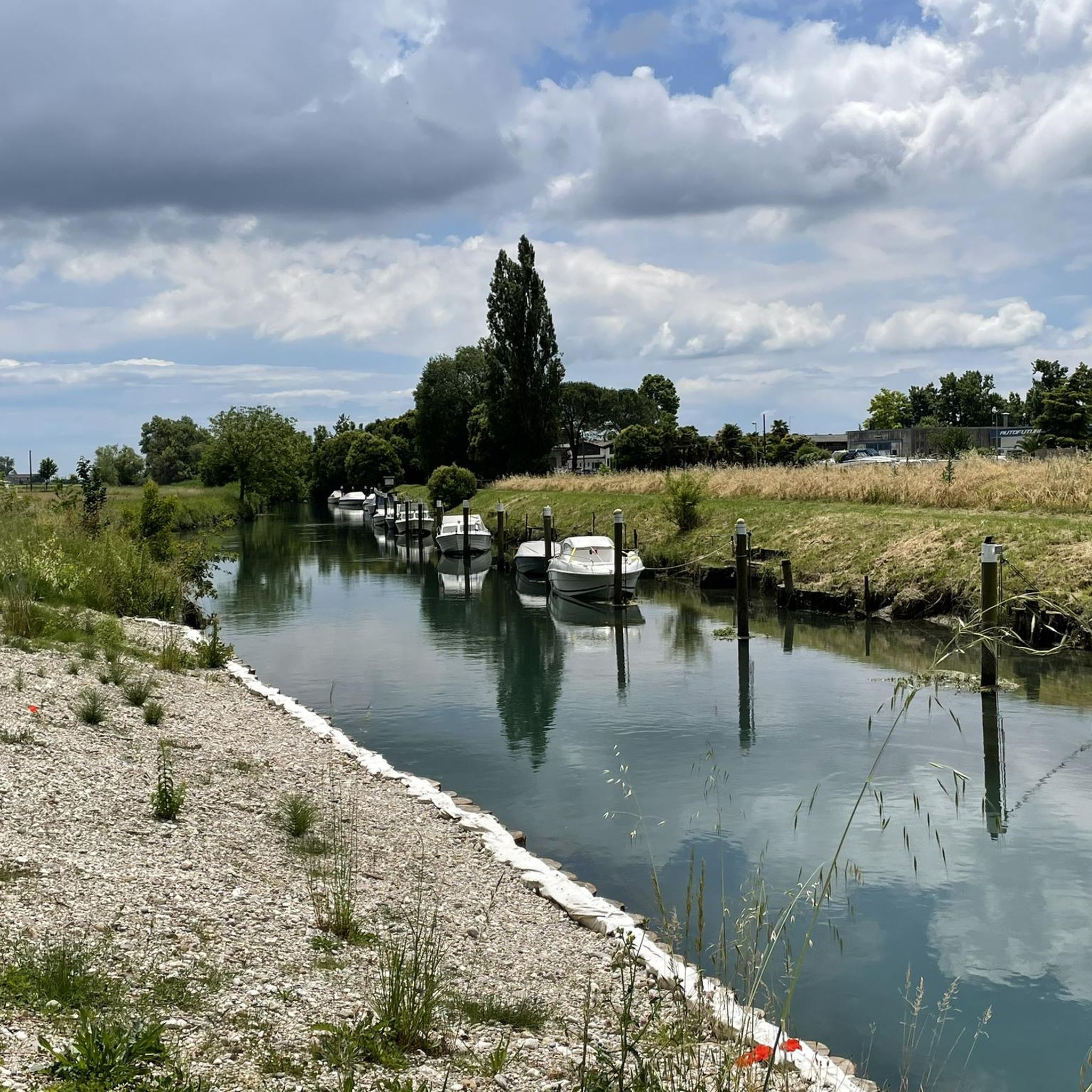
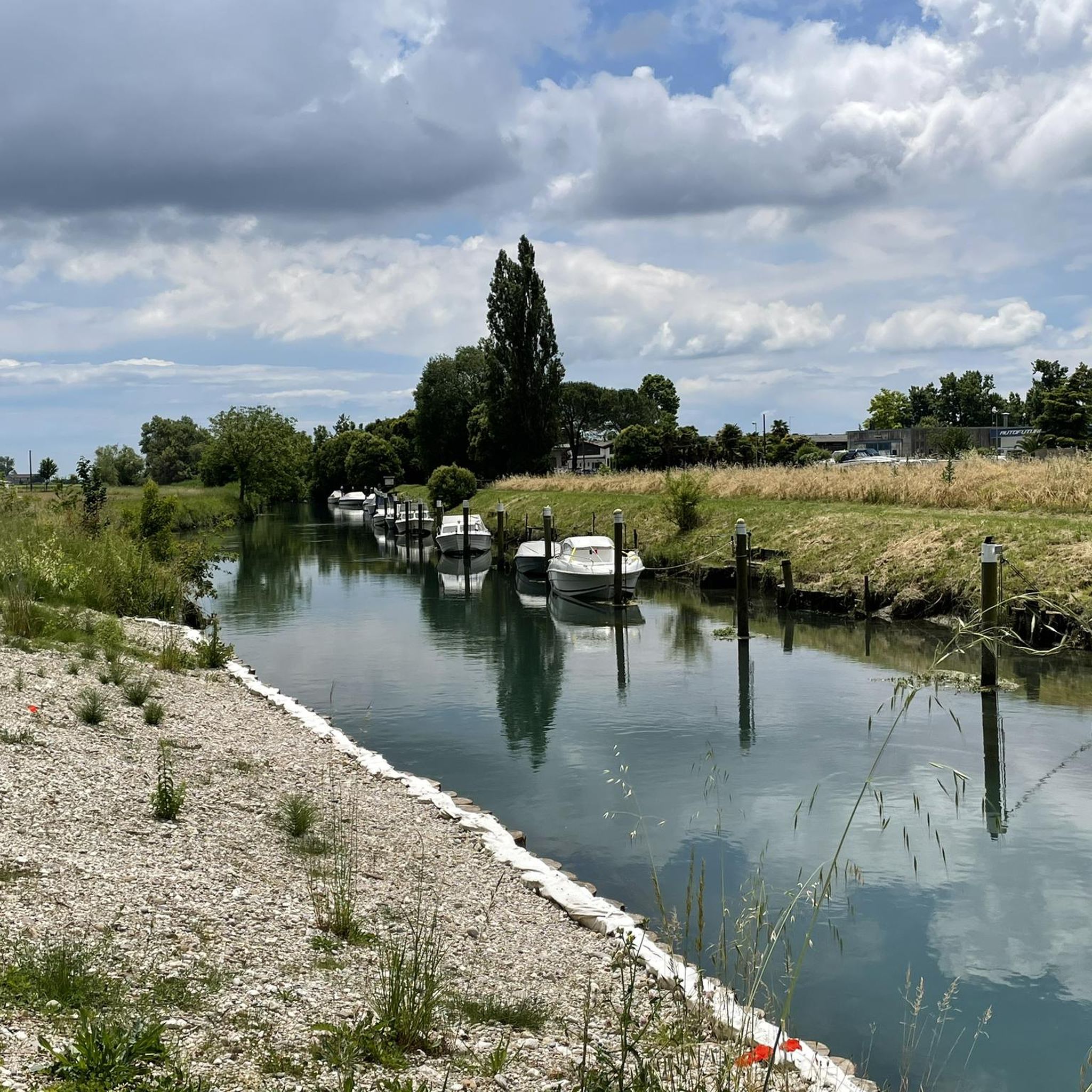
Wonderful river, with an even more beautiful water color
3
0

The Roman Forum is located on the cycle path through Aquileia
5
0

Ruins from Roman times. They are clearly visible from the FVG1 cycle path and can be visited free of charge during the day.
4
0

The Roman Forum of Aquileia was the center of the town's public life, functioning as a market, administrative center and meeting place for the inhabitants. Today, you can explore the remains of the Roman Forum, including the partially reconstructed basilica and the remains of various other buildings. These ruins offer a glimpse into the daily life and architecture of ancient Roman civilization.
5
0

The Basilica Santa Maria Assunta is the largest and most admired monument of ancient Aquileia. What we see today is the result of various renovations and expansions carried out over the centuries, which however have not compromised the solemnity of the building and the charm that it still exerts on visitors. The true jewel of the basilica is the floor mosaic, which covered the two large worship halls built in the early 4th century. The mosaic in the southern hall, which corresponds to the current basilica, with its 750 m2 is the largest in the Western Christian world. For almost a third of its extension it is dedicated to the story of Jonah and is surprising for the richness and precision of the details. The north hall instead corresponds to the current crypt of the excavations: some of the surviving mosaics, visible around the foundations of the bell tower built at the beginning of the 11th century, are particularly accurate and still mysterious in their symbolism. The crypt of the frescoes, however, dates back to the 9th century and is decorated with images from the 12th century which present a singular union between the Christian arts of the East and the West. In the period April-September it is possible to climb the bell tower, over 70 meters high, which offers a view over the entire city and the surrounding plain up to the sea. The basilica complex also includes the baptistery and its south hall.
10
0

With Salzburg as the starting point, the Alps as the stage point and Grado on the Adriatic as the destination, the cycle path connects extremely beautiful and popular holiday destinations. Because of this and the fact that high Alpine passes are bridged by train through the Tauern lock and are therefore no longer necessary, the cycle path has been a popular transalp since it opened in 2012, as it is not particularly difficult in terms of technology and fitness.
8
0
If you like Roman remains you should stop here. Can be visited without admission.
5
0

It deserves for the diversity of the places crossed
3
0
Frequently Asked Questions
What historical and archaeological sites can I visit near Terzo D'Aquileia?
The region is rich in Roman and early Christian history. You can explore the Basilica of Saint Mary of the Assumption and Aquileia Archaeological Area, a UNESCO World Heritage site known for its extensive 4th-century mosaic pavement and bell tower with panoramic views. Also, visit the Roman Forum of Aquileia, which was the center of ancient Roman public life. The National Archaeological Museum and the Early Christian Museum in Aquileia further showcase artifacts and mosaics from the Roman era.
Are there any natural attractions or scenic viewpoints in the area?
Yes, the area offers beautiful natural scenery. The Lagoon Cycle Path between Aquileia and Grado provides stunning views of the Grado lagoon, which is rich in flora and fauna, including over 150 bird species. You can also enjoy views from the Bridge Over the Isonzo River, offering picturesque river scenery. The bell tower of the Basilica in Aquileia also provides extensive views of the surrounding plain and sea.
What cycling opportunities are available around Terzo D'Aquileia?
Cycling is a popular activity here. The Lagoon Cycle Path between Aquileia and Grado is a highlight, forming the final section of the Alpe-Adria cycle path and offering sea air and views of islands like Barbana. The Alpe‑Adria Cycle Path at Terzo d'Aquileia itself is known for connecting Salzburg to Grado and is generally not overly difficult. For more routes, you can explore the Cycling around Terzo D'Aquileia guide.
Are there family-friendly activities or attractions near Terzo D'Aquileia?
Many attractions are suitable for families. The Lagoon Cycle Path between Aquileia and Grado is a pleasant and easy ride for all ages. Exploring the ancient ruins of the Roman Forum of Aquileia and the Basilica of Saint Mary of the Assumption and Aquileia Archaeological Area can be an educational experience for children. The nearby Grado lagoon also offers opportunities for wildlife spotting.
What is the best time to visit Terzo D'Aquileia and the surrounding areas?
The period from April to September is ideal for visiting, especially if you wish to climb the bell tower of the Basilica in Aquileia for panoramic views. This timeframe generally offers pleasant weather for outdoor activities like cycling and exploring archaeological sites. Spring and autumn are also excellent for birdwatching in the Grado lagoon as many migratory birds rest there.
What kind of wildlife can be observed in the Grado Lagoon?
The Grado Lagoon is a vibrant ecosystem, home to over 150 different species of birds, making it a significant spot for birdwatching, especially during spring and autumn migrations. The lagoon also supports a variety of mussels, fish like sole and perch, and different types of shrimp.
Can I find hiking trails near Terzo D'Aquileia?
Yes, there are several hiking opportunities in the vicinity. You can find routes like the 'Cammino Celeste Trail: Barbana Island to Aquileia' or a loop around the 'Basilica of Aquileia'. For a comprehensive list and details, refer to the Hiking around Terzo D'Aquileia guide.
What is the significance of Aquileia as a UNESCO World Heritage site?
Aquileia is recognized by UNESCO for its archaeological area and the Patriarchal Basilica. It was one of the largest and wealthiest cities of the early Roman Empire and played a crucial role in the spread of Christianity. The site preserves extensive remains of the Roman city, including the forum, river port, and remarkable mosaic fragments, offering a unique insight into Roman civilization and early Christian art. More information can be found on the UNESCO website.
Are there any unique natural sights in Terzo D'Aquileia itself?
Terzo D'Aquileia is noted for a unique natural sight: a forest characterized by its tall and straight trees, which offers interesting opportunities for nature photography and a peaceful natural setting.
What are some other notable historical sites beyond Aquileia in the wider region?
Beyond Aquileia, you can visit the City Fortress of Palmanova, a distinctive star-shaped Renaissance military city located about 12.4 km away. Another significant site is the Military Memorial Redipuglia, a solemn war memorial approximately 12.3 km from Terzo D'Aquileia.
What do visitors particularly enjoy about the attractions around Terzo D'Aquileia?
Visitors frequently praise the historical depth of Aquileia, especially the impressive mosaics in the Basilica and the well-preserved Roman ruins. The scenic beauty of the Grado Lagoon and the tranquility of the cycle paths are also highly appreciated. Many enjoy the combination of cultural heritage and natural landscapes, often highlighting the opportunity to breathe in the sea air along the lagoon.
Are there any specific tips for visiting the Basilica of Saint Mary of the Assumption in Aquileia?
When visiting the Basilica of Saint Mary of the Assumption, be sure to see the magnificent 4th-century floor mosaic, which is the largest early Christian floor mosaic in Italy. During the period from April to September, you can climb the over 70-meter-high bell tower for expansive views. The complex also includes a 9th-century frescoed crypt and a baptistery, all worth exploring.
Most popular routes around Terzo D'Aquileia

Get inspired with the komoot mobile app


Explore more
Still not found the Highlight you’re looking for? See guides of the top attractions in other regions:
