The best cycling routes around San Vito Al Torre
4.4
(2404)
15,706
riders
469
rides
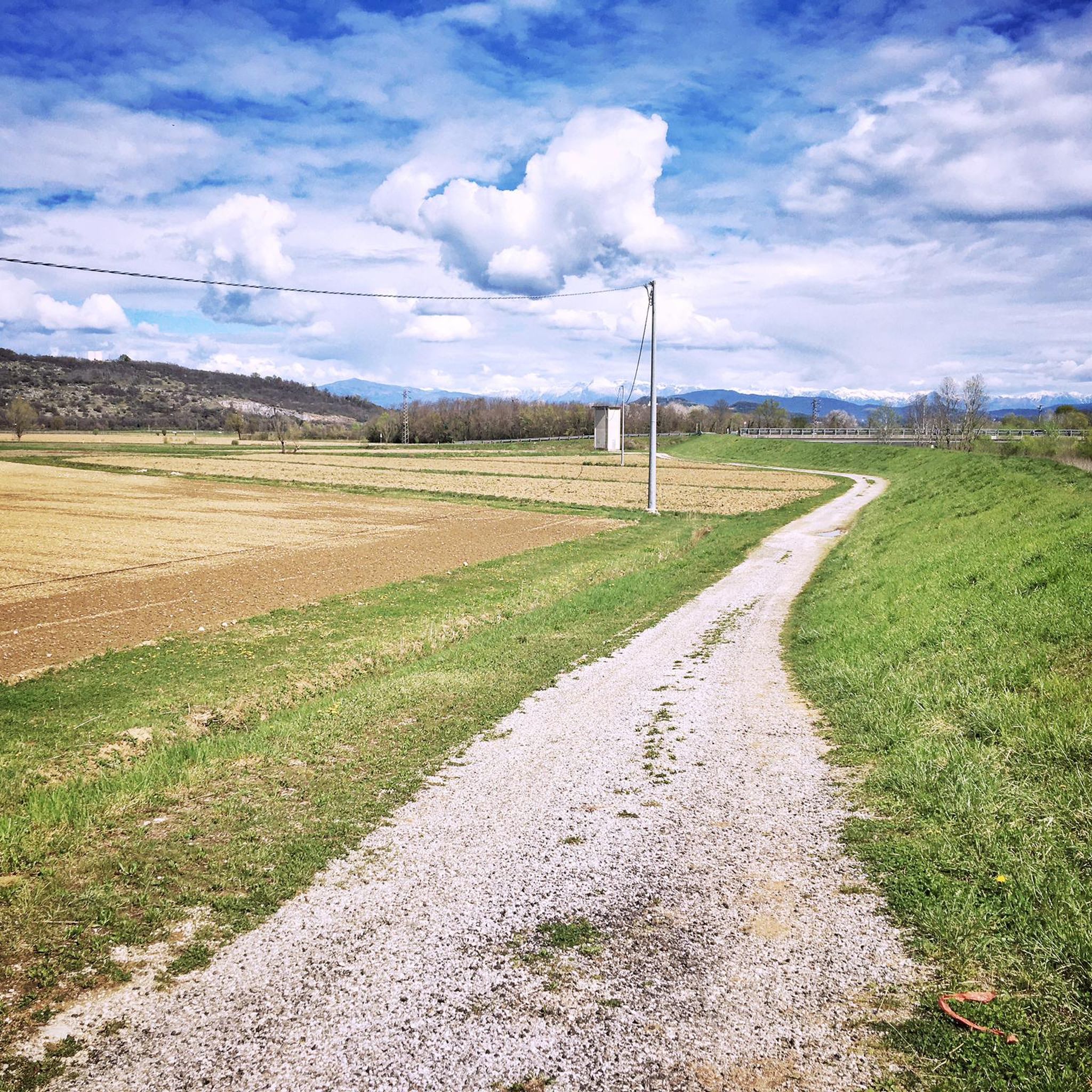
Touring cycling around San Vito Al Torre, located in Italy's Friuli Venezia Giulia region, offers routes through a natural landscape rich in vineyards and cultivated fields. The terrain is generally flat to gently undulating, providing a tranquil experience for cyclists. This area is integrated into a well-established network of paths and roads suitable for touring, connecting to notable attractions like Palmanova and coastal areas.
Best touring cycling routes around San Vito Al Torre
- The most popular touring cycling route is…
Last updated: May 16, 2026
3.7
(3)
24
riders
52.2km
03:16
460m
460m
Hard bike ride. Very good fitness required. Mostly paved surfaces. Suitable for all skill levels.
3.0
(1)
26
riders
13.9km
01:14
250m
250m
Moderate bike ride. Good fitness required. Mostly paved surfaces. Suitable for all skill levels.

Sign up for free
5.0
(1)
18
riders
55.5km
03:39
280m
280m
Moderate bike ride. Good fitness required. Mostly paved surfaces. Suitable for all skill levels.
5.0
(1)
10
riders
Easy bike ride. Great for any fitness level. Mostly paved surfaces. Suitable for all skill levels.
6
riders
65.4km
04:39
530m
530m
Hard bike ride. Very good fitness required. Mostly paved surfaces. Suitable for all skill levels.
Get access to more routes and recommendations from other explorers.
Sign up for free
Already have an account?
Our route recommendations are based on thousands of hikes, rides, and runs completed by other people on komoot.
Start today with a free account
Your next adventure awaits.
Login or Signup
Tips from the Community

The original 18th-century building was significantly remodeled after the damage from the Great War. Today it is also accessed via a beautiful staircase built in 1815.
0
0
The Ara Pacis Mundi monument is a temple dedicated to the memory of those fallen and lost in war.
0
0

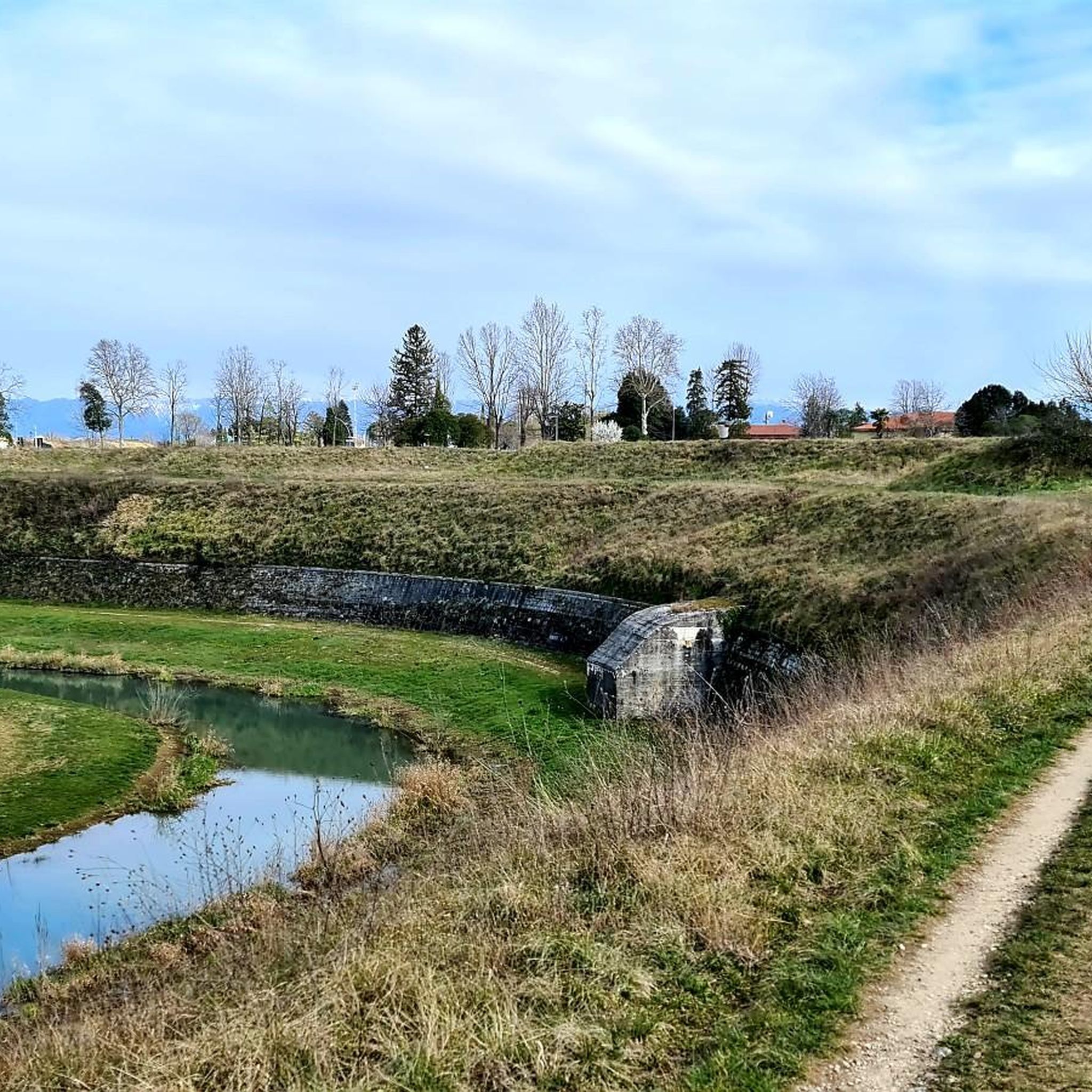
Documented at least since 1274 as "Castrum Zazilet", but in all probability much older, the Saciletto castle, strategically positioned to control the ancient road that led from Aquileia to Cividale, was repeatedly contested between the patriarch and the counts of Gorizia due to its relevant strategic position for the patriarchal dominion in lower Friuli. Source: consorziocastelli.it
0
0

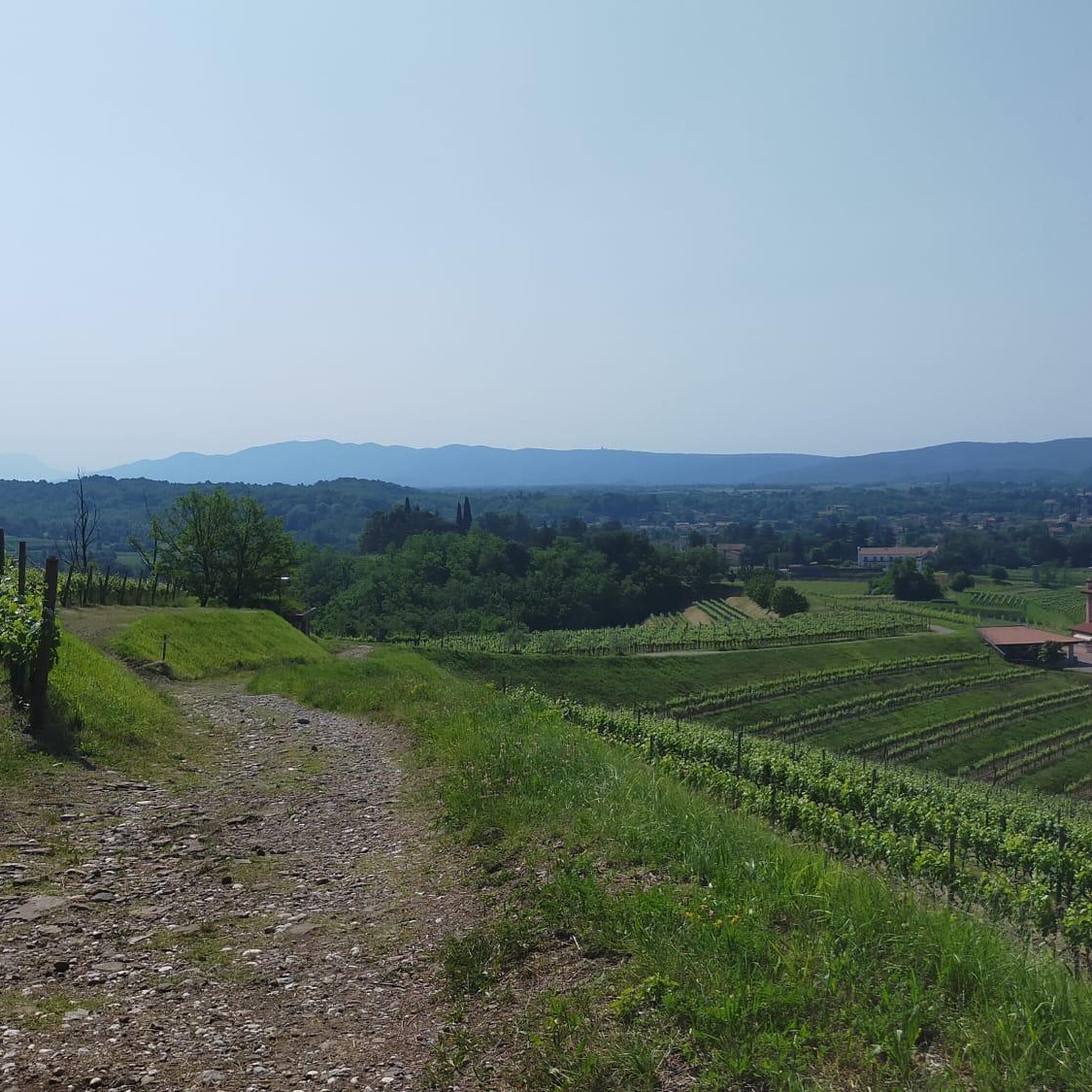
Even in winter, this dirt road offers a truly extraordinary array of colors. At the foot of the hill where the Ara Pacis of Medea stands
0
0

The first reliable information about the castle dates back to 1589. Since 1760, it has been sold and enlarged, altered, and restored several times. During the 20th century, the building passed into the hands of several families, was divided and used for various purposes: as an Austrian gendarmerie, a chair factory, a kindergarten, and, during the First World War, as the site of a field hospital, in whose courtyard several tents were set up to care for wounded soldiers from the trenches of the nearby front. The three families who lived there in 1946 have now grown to six, and the south wing is currently used as a holiday home. Source: https://www.alcastellodiaiello.com/aiello/storia-del-castello-de.php
0
0
In recent years, Aiello has positioned itself as "the village of sundials." Numerous sundials, installed by a group of enthusiasts on the walls of houses and public buildings, are now affixed to various walls on buildings in the village or are displayed throughout the village. On the last Sunday in May, the "Festival of Sundials" is held, featuring exhibitions, music, and entertainment.
0
0
A fortified building has been documented at the castle site since 1263. It was purchased by the Patriarch of Aquileia in 1303 and destroyed in 1309. In 1491, the building was sold to Bernardino di Floriano Antonini, who had it converted into a residential building. At the beginning of the 20th century, Enrico Paolo Salem, who had acquired the building in 1923, had the core of the complex completely rebuilt in the Romanesque style. Today, it is fully restored and serves as a private residence. Source: Wikipedia
0
0

The medieval village of Šmartno is one of the most beautiful villages in the central Brda region. Built on Roman foundations, it is now considered an architectural gem and cultural monument. Behind its walls, it leads back to the rich and picturesque stories of the past and reveals the charm of Brda hospitality. The village of Šmartno is located in the geographical center of Brda, with views stretching from Nanos in the east to the Carnic Alps in the northwest, and from the vast Friuli region to the Adriatic Sea. The village, surrounded by walls and fortified with defensive towers, was first mentioned in 1317. In the first half of the 16th century, a medieval fortress was built on the remains of a Roman outpost around the church. The village served as a border fortress until the mid-18th century, when the Venetian threat was over. The houses in the center are grouped around the Church of St. Martin, the largest parish church in Brda, after which the village was named. The church's bell tower was originally a fortress tower. The bell, featuring the motif of the Three Kings, dates from 1857. The Baroque church features three marble altars, one of which is particularly rich. The presbytery and the Stations of the Cross were painted by Tone Kralj.
5
0
Frequently Asked Questions
How many touring cycling routes are available around San Vito al Torre?
There are over 450 touring cycling routes around San Vito al Torre, offering a wide variety of options for all skill levels. This includes more than 150 easy routes, over 180 moderate routes, and more than 110 difficult routes for experienced cyclists.
What kind of terrain can I expect when cycling around San Vito al Torre?
The terrain around San Vito al Torre is generally flat to gently undulating, characterized by a natural landscape rich in vineyards and cultivated fields. This provides a tranquil and scenic experience, ideal for touring cyclists who prefer leisurely rides through picturesque countryside.
What historical sites or landmarks can I visit while cycling?
You can explore several historical sites and landmarks. Notably, the unique star-shaped fortress city of Palmanova is just 5 kilometers away. Within San Vito al Torre, you can visit historic villas like Villa Maniago and Villa Steffaneo. Additionally, several castles are nearby, such as Strassoldo Medieval Village and Watermills, Strassoldo di Sopra Castle, and Saciletto Castle.
Can I cycle to the coast from San Vito al Torre?
Yes, San Vito al Torre is connected to longer cycling routes that lead to the sea, such as those extending to Grado. This allows cyclists to transition from inland agricultural landscapes to coastal views, offering a diverse touring experience.
Are there any circular cycling routes available?
Many routes around San Vito al Torre are designed as loops, perfect for starting and ending in the same location. An example is the Church of Saint Anthony – Ara Pacis Mundi Memorial loop from Medea, a moderate 13.8 km trail featuring varied terrain and historical points of interest.
What do other cyclists enjoy most about touring cycling in San Vito al Torre?
The area is highly rated by the komoot community, with an average score of 4.4 stars from over 2500 reviews. Cyclists often praise the expansive vineyards, cultivated fields, and the connections to historic towns and coastal areas, highlighting the region's diverse and scenic routes.
Are there routes suitable for beginners or families?
Yes, there are over 150 easy routes perfect for beginners or families. A great option is the Saciletto Castle – New cycle path section loop from Campolongo Tapogliano / Cjamplunc-Tapoian, an easy 10.9 km trail through agricultural landscapes, often completed in about 36 minutes.
Are there more challenging routes for experienced cyclists?
Absolutely. For experienced cyclists seeking a greater challenge, there are over 110 difficult routes. An example is the Start of the Vigne Alte – Šmartno loop from Medea, a difficult 65.3 km route with significant elevation changes.
What is the best time of year for touring cycling in San Vito al Torre?
The best time for touring cycling in San Vito al Torre is typically during spring and autumn when the weather is mild and pleasant. These seasons offer ideal conditions for enjoying the vineyards and cultivated fields without extreme heat or cold.
Are there any routes that showcase the region's vineyards?
Yes, the region is known for its vineyards. A popular route that guides cyclists through extensive vineyards and cultivated fields is the Start of the Vigne Alte – Brda Vineyards loop from Medea, a moderate 55.2 km path offering scenic views.
Can I find routes that pass through charming villages?
Many routes connect to or pass through charming local villages. For instance, the Strassoldo Village – Saciletto Castle loop from Aiello del Friuli is an easy 16.9 km route that takes you through the historic Strassoldo Village.
Most popular routes around San Vito Al Torre
Most popular attractions around San Vito Al Torre

Get inspired with the komoot mobile app


Explore more
Browse the best Cycling routes in other regions.
