The 11 Most Amazing Peaks around Fogliano Redipuglia
Mountain peaks near Fogliano Redipuglia are primarily found within the unique Karst (Carso) plateau, a region characterized by its rocky, calcareous terrain. This area, with an average elevation of 334 meters, features distinct geological formations like dolines and caves, and elevated historical sites. The Karst Rim, forming the western edge, offers panoramic views and significant historical context from World War I. The region provides a blend of natural landscapes and historical exploration opportunities.
Best mountain peaks around Fogliano Redipuglia
- The…
Last updated: June 4, 2026
Summit 3 of Monte San Michele
Highlight • Viewpoint
Translated by Google •
Tip by

Monte San Michele and World War I Open-Air Museum
Highlight • Historical Site
Tip by

Sign up now to discover places like this
Get recommendations on the best single tracks, peaks, & plenty of other exciting outdoor places.
Sign up for free
Monte Cosichi
Highlight • Summit
Monte Kremenjak Border Viewpoint
Highlight • Viewpoint
Detailed description of the itinerary: isontinoinbici.it/ValichiDelCarso/mtb-carso-vallone-kremenjak-nova-vas.html
Photo Gallery: photos.app.goo.gl/wkVf9vi2vseroihM9
This …
Translated by Google •
Tip by

View of the Gulf of Monfalcone
Highlight • Viewpoint
Translated by Google •
Tip by
Sign up for free to discover even more peaks around Fogliano Redipuglia.
Sign up for free
Already have an account?
Start today with a free account
Your next adventure awaits.
Login or Signup
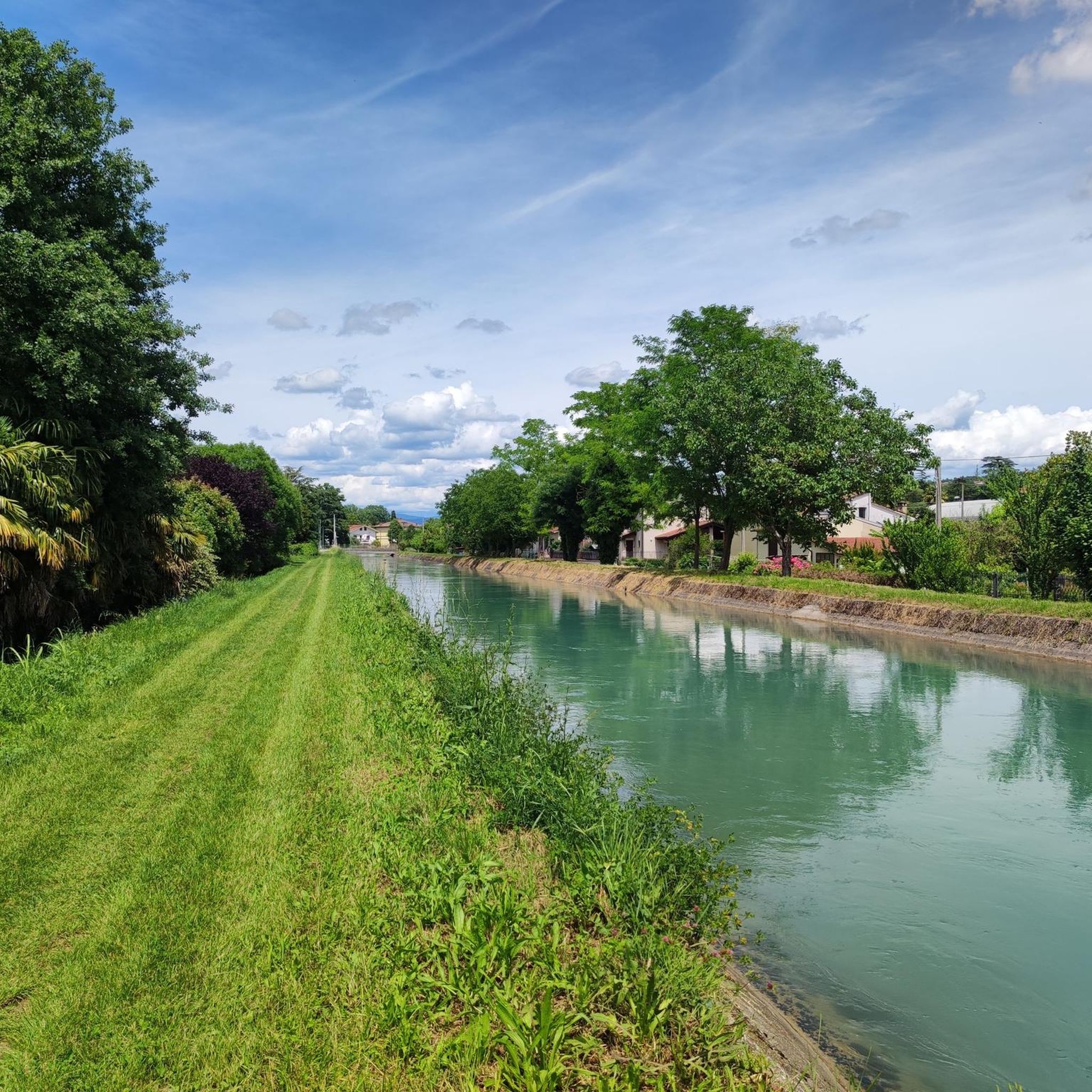
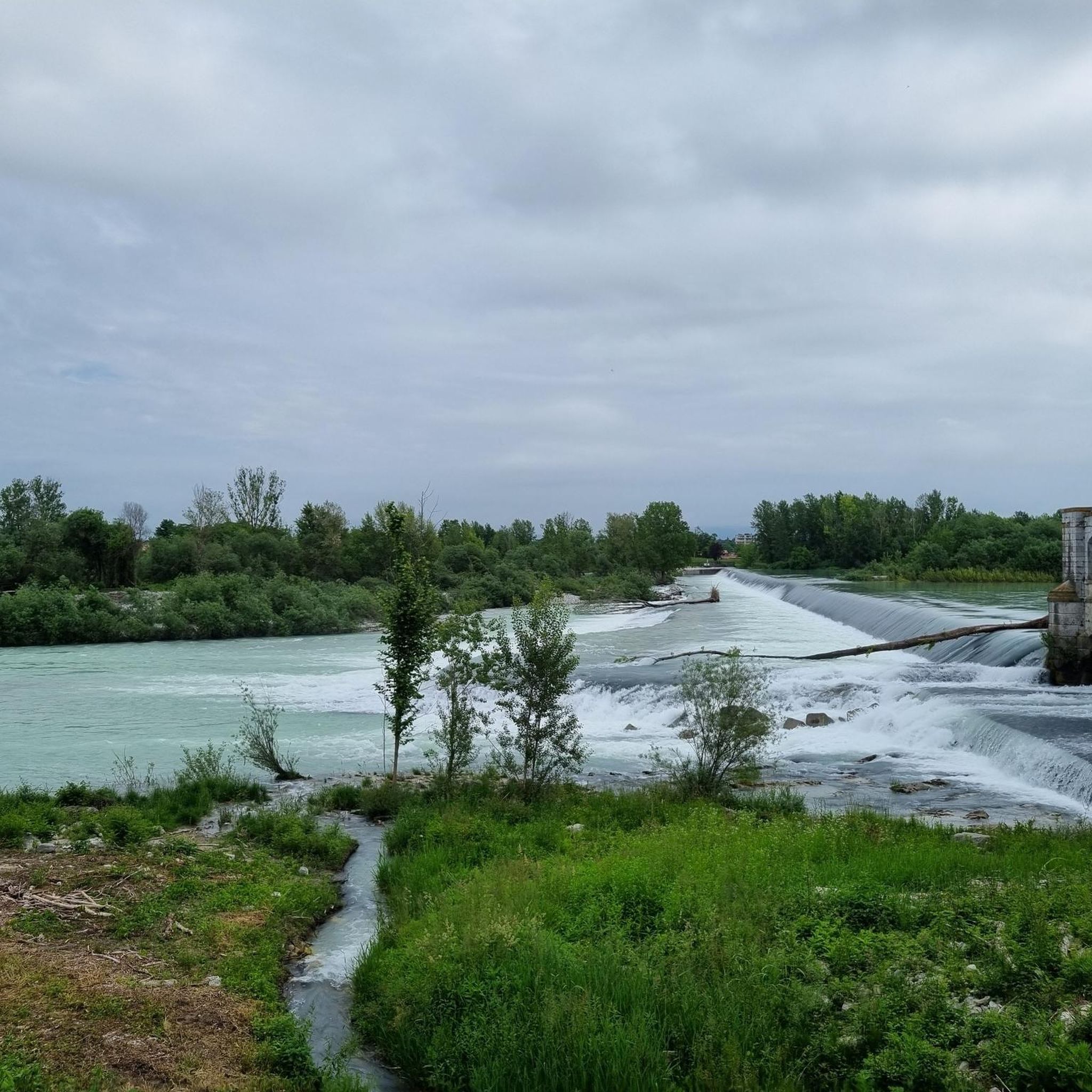
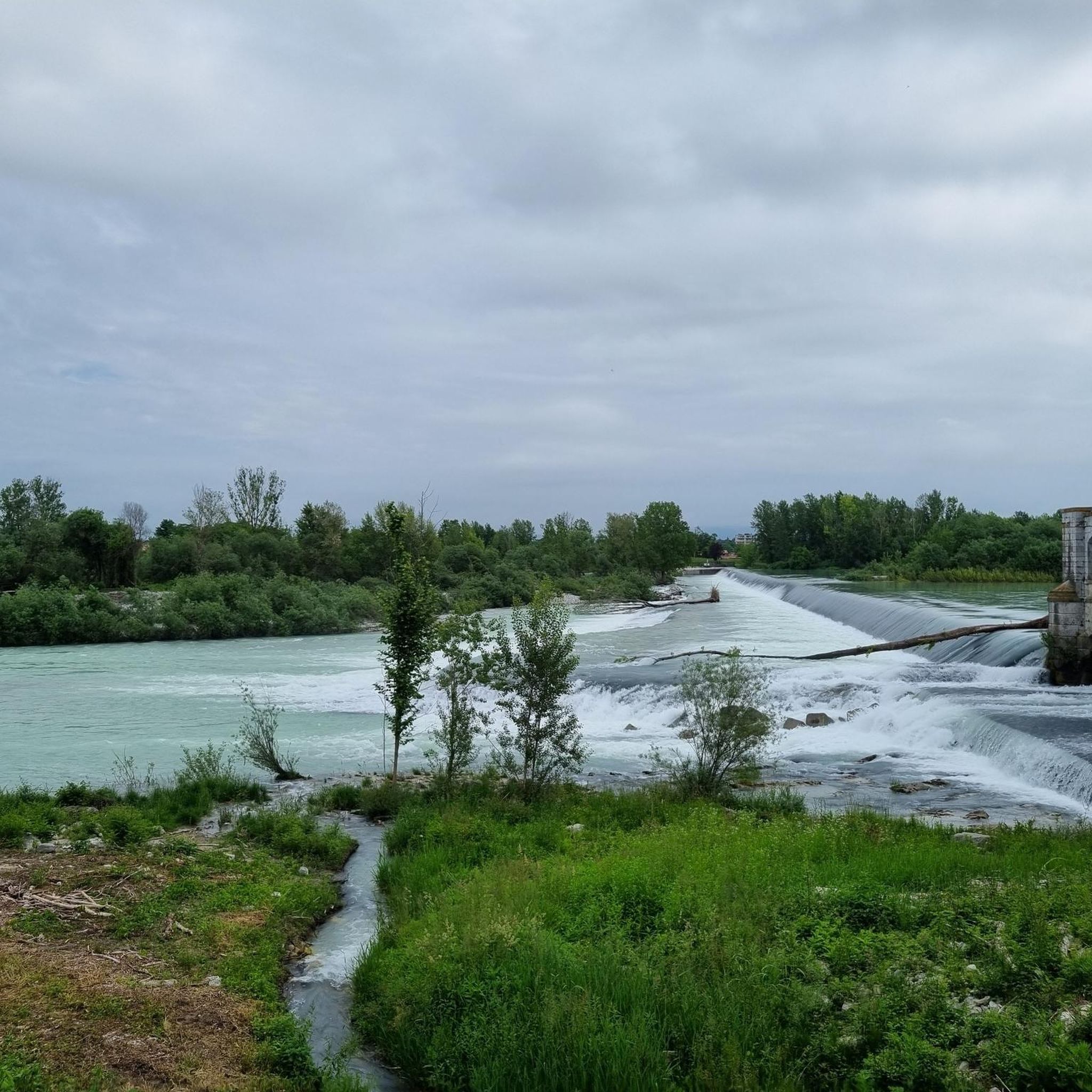
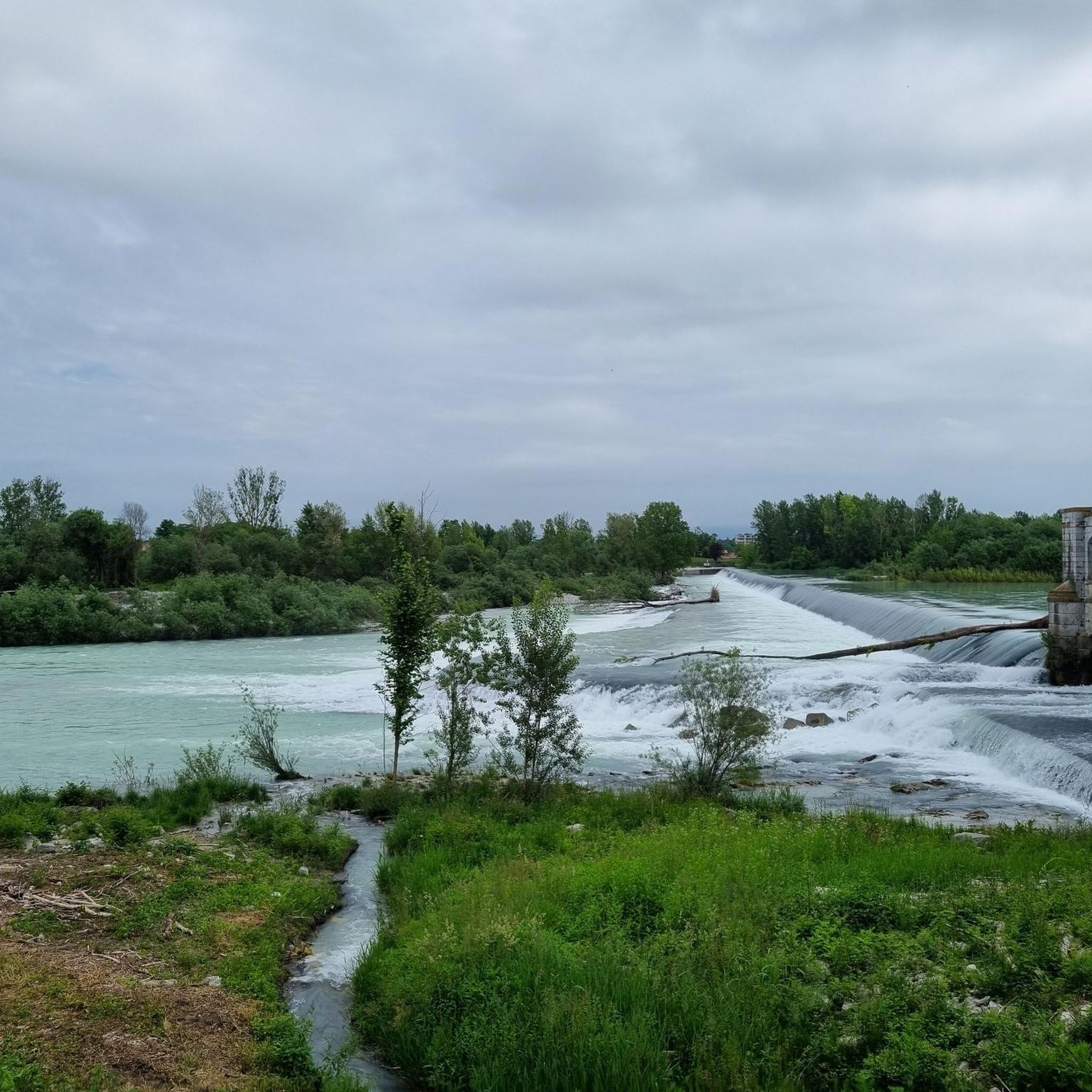
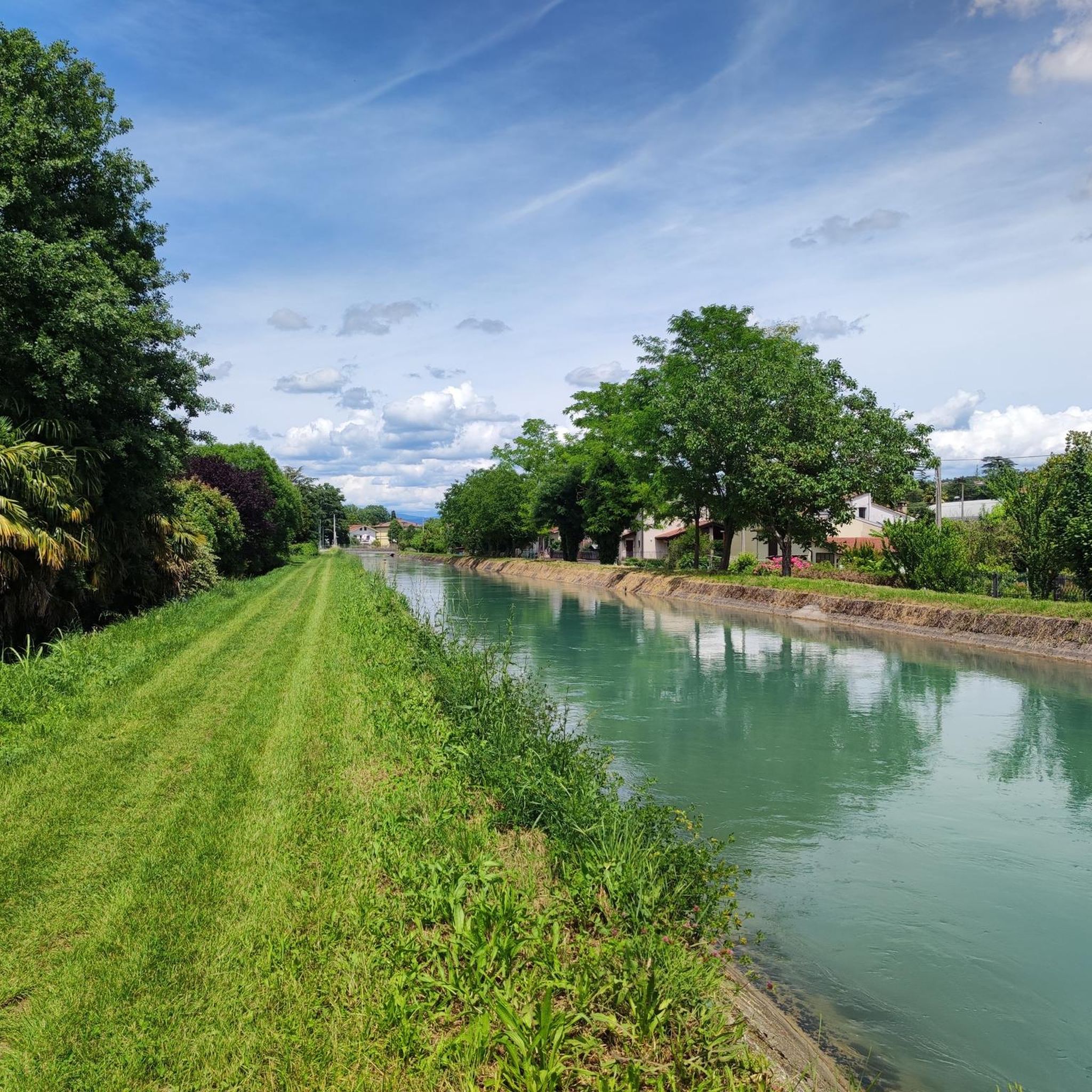
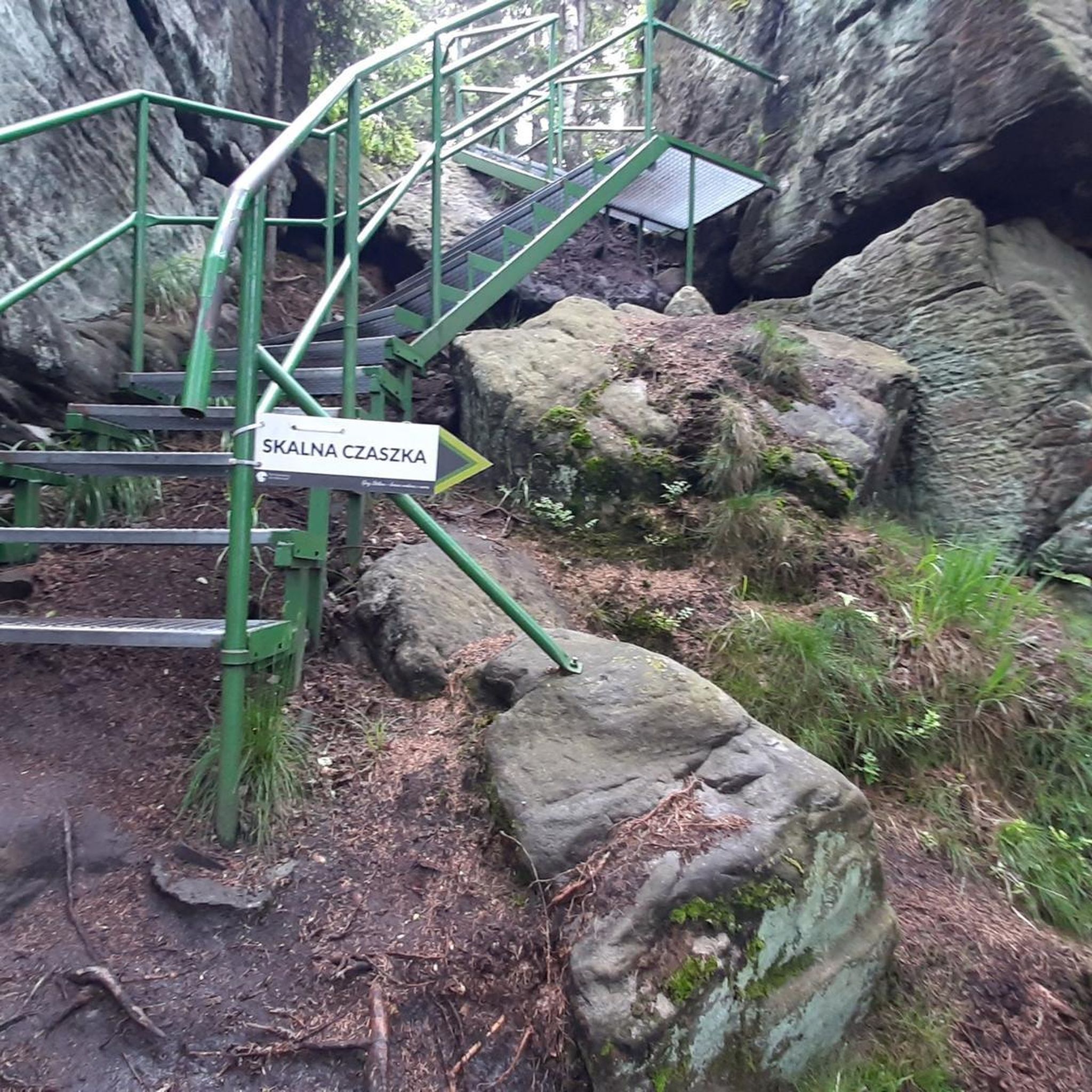
Tips from the Community

Panoramic view of the Gulf of Panzano.
1
0
A beautiful museum where you can admire and study historical artifacts to understand life in the trenches.
0
0

Kremenjak is a particularly panoramic Karst pass as it is a lookout point located on a "peak" at an altitude of 235, like the nearby Spik, which can be reached via paths.
0
0

The museum has recently been re-arranged and equipped with multimedia stations. The museum guides make the narration of the battles of the Carso compelling.
0
0

A fairly well-kept panoramic area, although with a series of works in progress
1
0
The Karst not only offers a wonderful and varied Nature, but it is a real stratification of History and Suffering from the Neolithic to today: not only the First World War but also the border between two worlds, the one under NATO influence and therefore American, and that of the Warsaw Pact and therefore USSR. This is witnessed by the various bunkers of the arrest infantry on Italian territory and the various border control huts on Slovenian territory, then Yugoslavian.
0
0
One of the many panoramic points that allow you to enjoy the spectacle of the Kustenland.
0
0

Frequently Asked Questions
What are the most notable elevated areas and historical sites around Fogliano Redipuglia?
The region around Fogliano Redipuglia is primarily characterized by the unique Karst (Carso) plateau, which features elevated historical sites and viewpoints rather than traditional towering mountain peaks. Key locations include the Summit 3 of Monte San Michele, offering suggestive observation points over the Isonzo valley and serving as a symbolic location of WWI battles. Another significant site is the Monte San Michele and World War I Open-Air Museum, providing both panoramic views and a poignant historical experience. Additionally, Monte Cosichi is a summit with historical significance, where you can explore the remains of Austro-Hungarian and Italian fortifications from WWI.
What kind of natural features can I expect to see in the elevated areas near Fogliano Redipuglia?
The Karst plateau is a natural wonder known for its distinctive geological formations. You'll encounter a rocky, calcareous terrain featuring unique landscapes shaped by water erosion, including numerous dolines (sinkholes) and an extensive network of underground caves. While not traditional mountain peaks, these elevated areas offer a fascinating blend of Alpine and Mediterranean vegetation. The western edge, known as the Karst Rim, provides steep ascents and panoramic views.
Are there any family-friendly elevated areas or historical sites to visit?
Yes, several elevated historical sites and viewpoints around Fogliano Redipuglia are suitable for families. For instance, the Summit 3 of Monte San Michele is listed as family-friendly, offering an educational experience with its historical context and views. The Redipuglia War Memorial, while solemn, is also an important historical site that can be visited by families to learn about the region's past.
What historical significance do the elevated areas around Fogliano Redipuglia hold?
The elevated areas around Fogliano Redipuglia are deeply intertwined with the history of World War I. Sites like the Redipuglia War Memorial and Monte Sei Busi – Fortifications at Elevation 118 were crucial battlefields. The entire area, including Monte San Michele and Monte Cosichi, served as key resistance points, and visitors can explore trenches, fortifications, and open-air museums dedicated to the Great War. The 'Pathways of Peace' network of trails further allows visitors to discover these battlefields.
What outdoor activities can I do near these elevated areas?
The unique terrain of the Karst plateau offers various outdoor activities, particularly cycling and hiking. You can explore the area on a touring bicycle, road bike, or gravel bike. For example, there are routes like the 'Summit 3 of Monte San Michele – Bridge over the Isonzo River loop' for touring bicycles, or the 'Vipava River Cycle Path – Summit 3 of Monte San Michele loop' for gravel biking. You can find more cycling routes in the Cycling around Fogliano Redipuglia guide, the Road Cycling Routes around Fogliano Redipuglia guide, and the Gravel biking around Fogliano Redipuglia guide.
What is the best time to visit the elevated areas and historical sites around Fogliano Redipuglia?
The Karst region offers pleasant conditions for exploration during spring and autumn. These seasons typically provide milder temperatures, making it ideal for hiking the 'Pathways of Peace' and visiting the open-air museums without the intense heat of summer or the potential chill of winter. The autumn also brings a kaleidoscope of bright colors to the karst landscape.
Are there any specific viewpoints worth visiting for panoramic scenery?
Absolutely. The Summit 3 of Monte San Michele is highly recommended for its suggestive observation points over the Isonzo valley. Another excellent spot is the Monte San Michele and World War I Open-Air Museum, which provides a beautiful panorama. Additionally, the Monte Kremenjak Border Viewpoint offers unique views along the historic border line.
What is the difficulty level of hiking trails in the elevated areas?
The trails in the elevated areas of the Karst plateau vary in difficulty. Many routes, especially those connecting historical sites, can range from intermediate to challenging. For example, Summit 3 of Monte San Michele is categorized as both intermediate and challenging, with some areas having dirt roads and paths of different difficulties. Monte Cosichi also features intermediate to challenging trails, with some technical passages on rocks, especially on descents.
What do visitors enjoy most about the elevated areas around Fogliano Redipuglia?
Visitors frequently appreciate the profound historical significance and the unique natural beauty of the Karst landscape. Many are moved by the poignant WWI sites, such as the Redipuglia War Memorial and the open-air museums on Monte San Michele. The panoramic views from various elevated points, combined with the distinct geological features like dolines and the blend of Alpine and Mediterranean vegetation, also receive high praise. The opportunity to explore these areas through hiking and cycling is also a major draw.
Are there any large caves or underground features to explore in the Karst region?
Yes, the broader Karst region is famous for its extensive network of underground caves. One of the most notable is the Grotta Gigante (Giant Cave) near Trieste. While not a mountain peak, it's an immense show cave recognized for having the world's largest inner chamber accessible to tourists, featuring impressive stalactites and stalagmites. It's a significant elevated geological feature and a popular destination.
Where can I find more traditional mountain peaks in the wider Friuli-Venezia Giulia region?
For those seeking more traditional mountain peaks, the wider Friuli-Venezia Giulia region offers spectacular options further afield. The region is embraced by the Carnic Alps, Julian Alps, and Friulian Dolomites, with many peaks exceeding 2,000 meters. Monte Cogliàns (Hohe Warte) is the highest point in Friuli-Venezia Giulia, reaching 2,781 meters. These ranges provide extensive opportunities for trekking, climbing, and winter sports in a rugged alpine environment.
Most popular routes around Fogliano Redipuglia
Most popular attractions around Fogliano Redipuglia

Get inspired with the komoot mobile app


Explore more
See even more amazing summits around Fogliano Redipuglia with these guides:
