The 20 Most Amazing Peaks around Polcenigo
Best mountain peaks around Polcenigo are situated in a region at the foot of the Western Carnic Pre-Alps. This area features diverse mountain peaks and natural attractions. The landscape offers varied outdoor activities, including hiking and cycling. Notable natural features include the Cansiglio Plateau and the Gorgazzo Spring.
Best mountain peaks around Polcenigo
- The most popular mountain peaks is Mount Pizzoc, a summit that stands at 1565 meters. It offers extensive panoramic views of the Alpago Mountains, the Venetian…
Last updated: November 19, 2026
Col Visentin Hut
Highlight • Mountain Hut
Translated by Google •
Tip by

Alpe del Nevegal
Highlight • Summit
Translated by Google •
Tip by

Sign up now to discover places like this
Get recommendations on the best single tracks, peaks, & plenty of other exciting outdoor places.
Mount Pizzoc
Highlight • Summit
Translated by Google •
Tip by

Città di Vittorio Veneto Mountain Hut
Highlight • Mountain Hut
Translated by Google •
Tip by
Pian di Cansiglio
Highlight • Natural
Showing Translation
Tip by

Sign up for free to discover even more peaks around Polcenigo.
Already have an account?
Start today with a free account
Your next adventure awaits.

Other adventures around Polcenigo

Tips from the Community

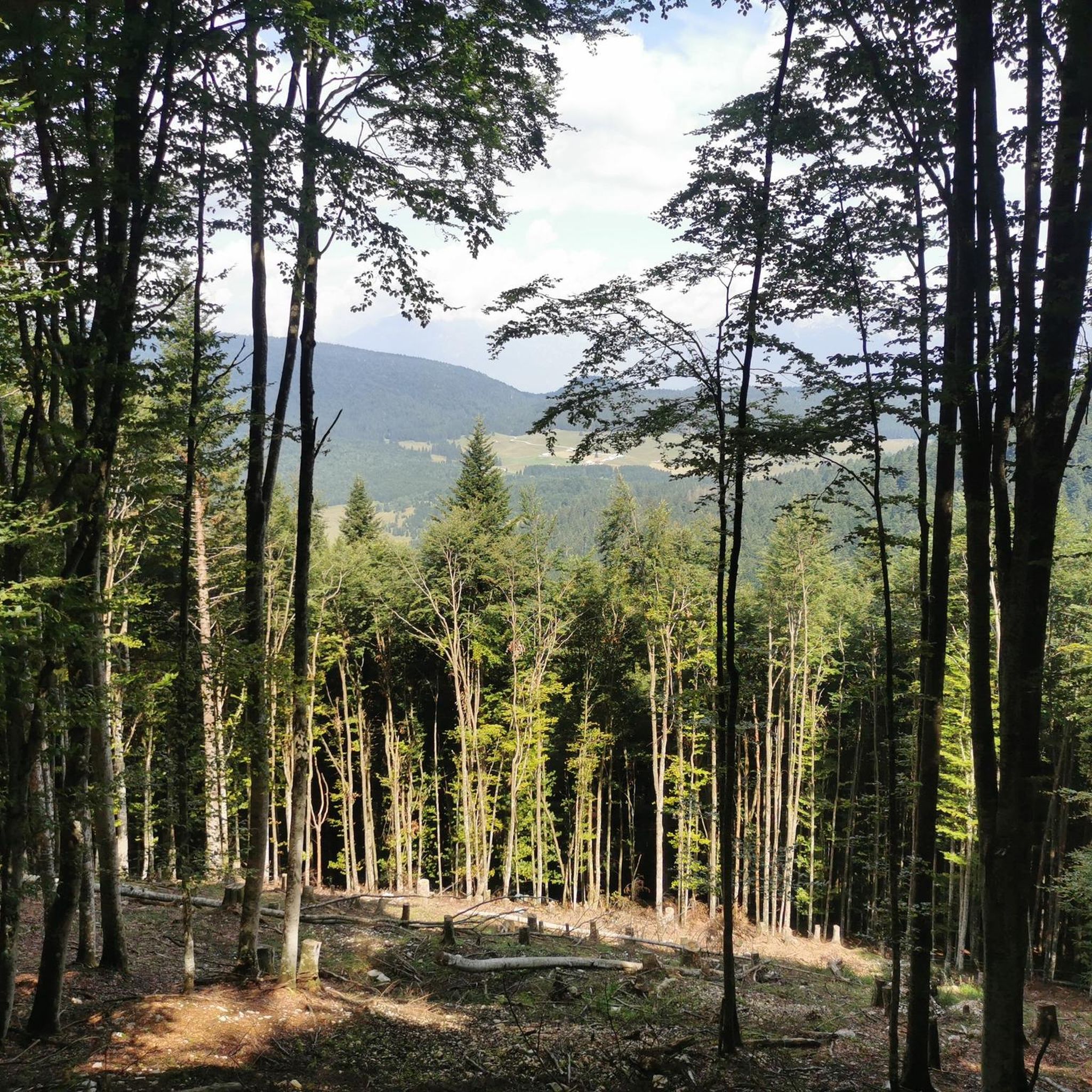
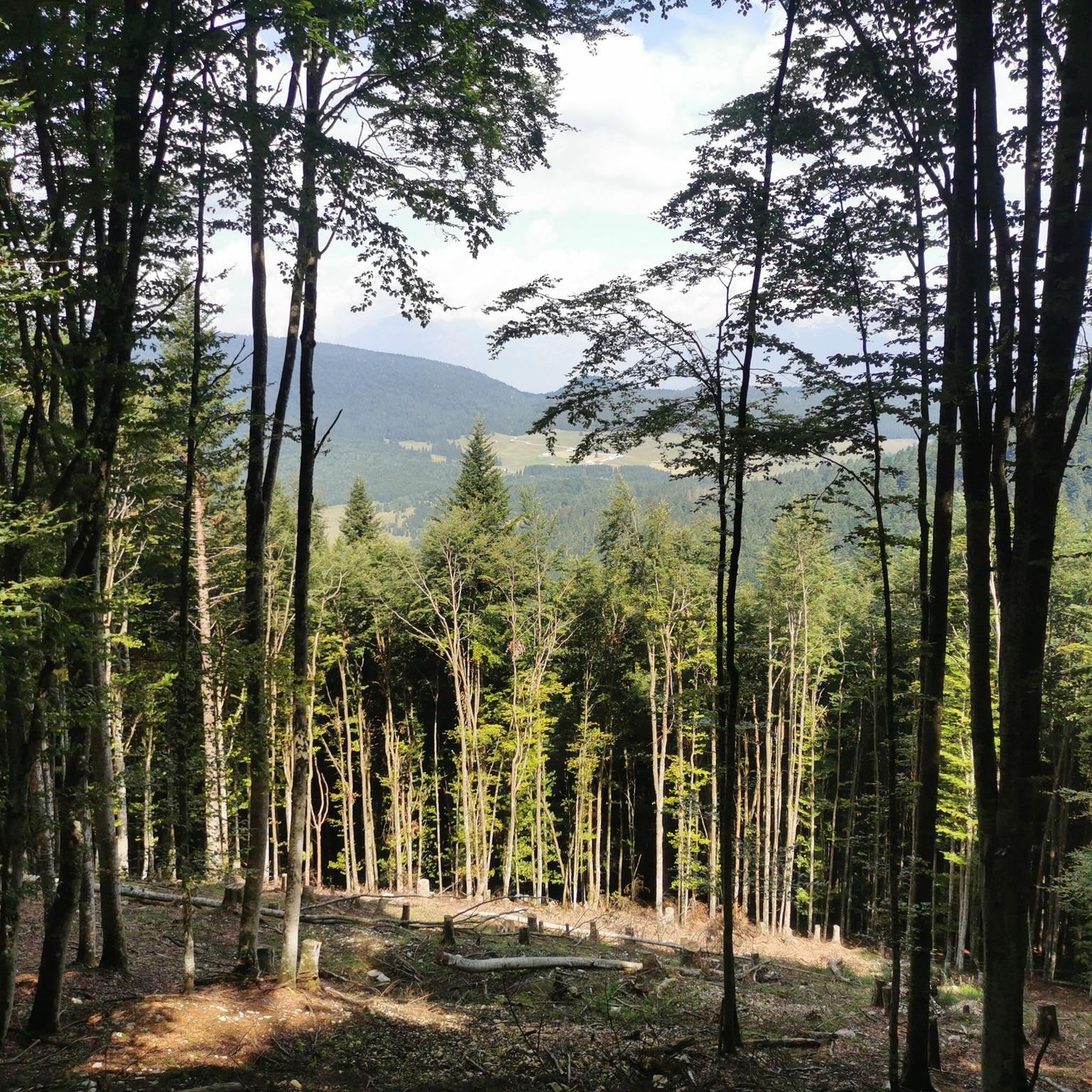
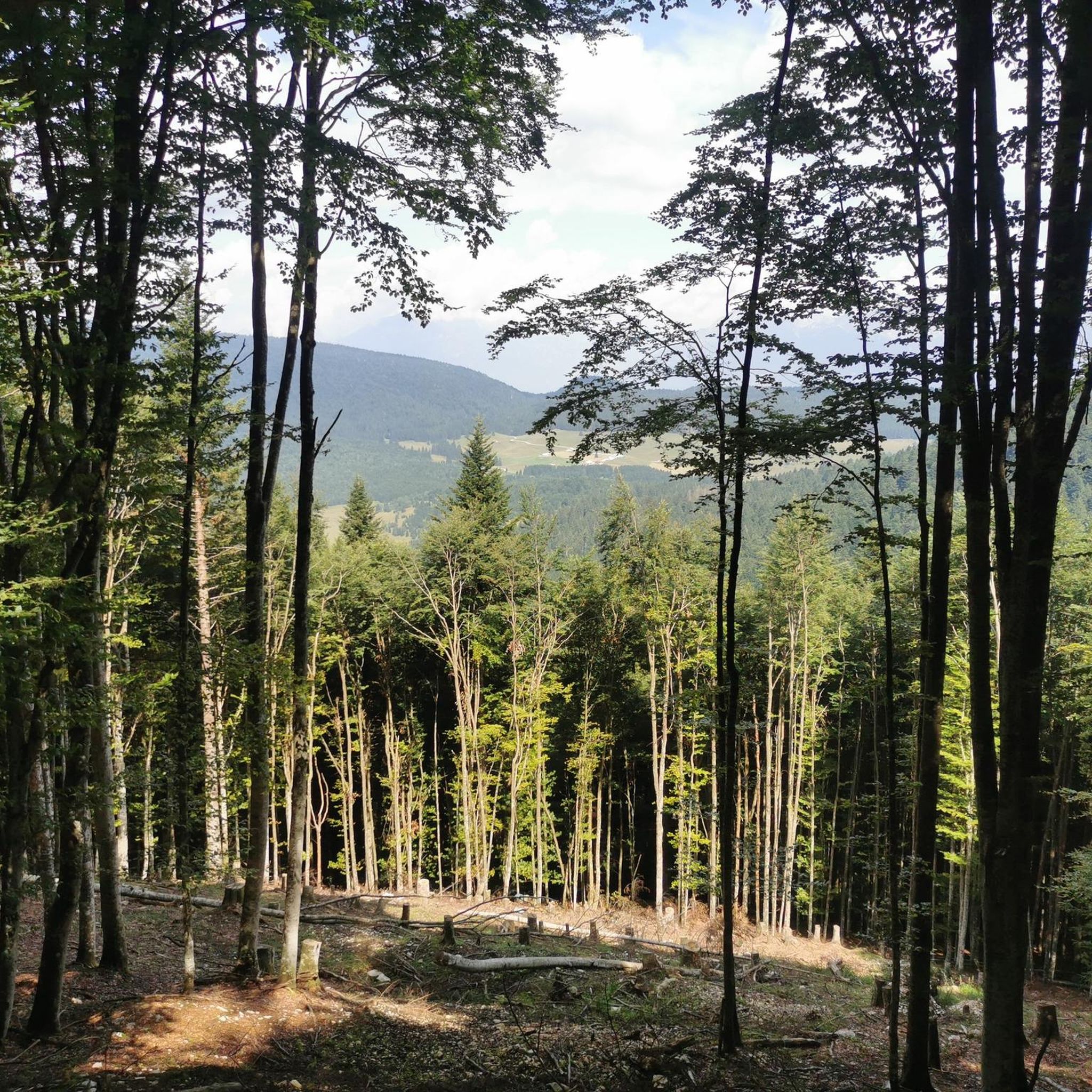
The Pian del Cansiglio (or Pian di Cansiglio) is a vast pre-Alpine plateau located between Veneto and Friuli-Venezia Giulia, straddling the provinces of Belluno, Treviso, and Pordenone. It is situated at an altitude between 900 and 1,200 meters and is famous for its ancient forest of beech and fir trees, historically known as the Forest of the Doges.
1
0

The Rifugio Città di Vittorio Veneto is located at an altitude of 1,547 meters, just below the summit of Monte Pizzoc in the Belluno Prealps. Built in 1933 on the initiative of the CAI of Vittorio Veneto and constructed on land donated by the Municipality of Fregona, it is the main reference point for those exploring the Cansiglio area. From its panoramic terrace, the view stretches from the Venetian plain to the Venice Lagoon and, on clear days, to the Dolomites. Easily accessible both by car via the road that climbs from Fregona and via numerous trails immersed in beech forests, it offers dining services with typical Venetian cuisine and overnight accommodation, serving as an ideal base for hiking, mountain biking, or snowshoeing in winter.
0
0

The Rifugio Città di Vittorio Veneto is located at an altitude of about 1,547 meters on Monte Pizzoc, in the municipality of Fregona (TV), on the edge of the Cansiglio forest. It is a renowned hiking and gastronomic destination in the Treviso Prealps, appreciated for its panoramic view that on clear days stretches as far as the Venice lagoon and the Euganean Hills.
10
0
The Pian del Cansiglio (or simply Cansiglio) is a vast plateau in the Belluno and Carnic Prealps, located between Veneto and Friuli-Venezia Giulia, in the provinces of Belluno, Treviso, and Pordenone.
8
0

The Pian del Cansiglio is a vast plateau located in the Belluno Prealps at an altitude between 900 and 1,200 meters above sea level. It extends across the Veneto region (provinces of Belluno and Treviso) and Friuli-Venezia Giulia (province of Pordenone). Its famous and immense forest – composed mainly of beech and Norway spruce – is considered one of the largest and most fascinating in Italy, historically known as the "Bosco della Serenissima" because the Republic of Venice drew timber from it for the oars of its ships.
2
0
L'Alpe del Nevegal, historically known as the "Terrace of the Dolomites", is a hill located a few kilometers from Belluno offering a spectacular view of the Valbelluna and the peaks of the Belluno Dolomites. A well-known tourist resort for both summer and winter, it is a prime destination for those seeking sport and relaxation a short distance from the Venetian plain. During winter, it offers slopes for alpine skiing and ski touring, while in summer it transforms into a paradise for trekking, trail running, and mountain biking, with routes reaching the Botanical Garden of the Eastern Alps and the Sanctuary of Mary Immaculate Our Lady of Lourdes. Its strategic position and breathtaking panoramas make it a unique natural balcony overlooking the UNESCO heritage.
0
0

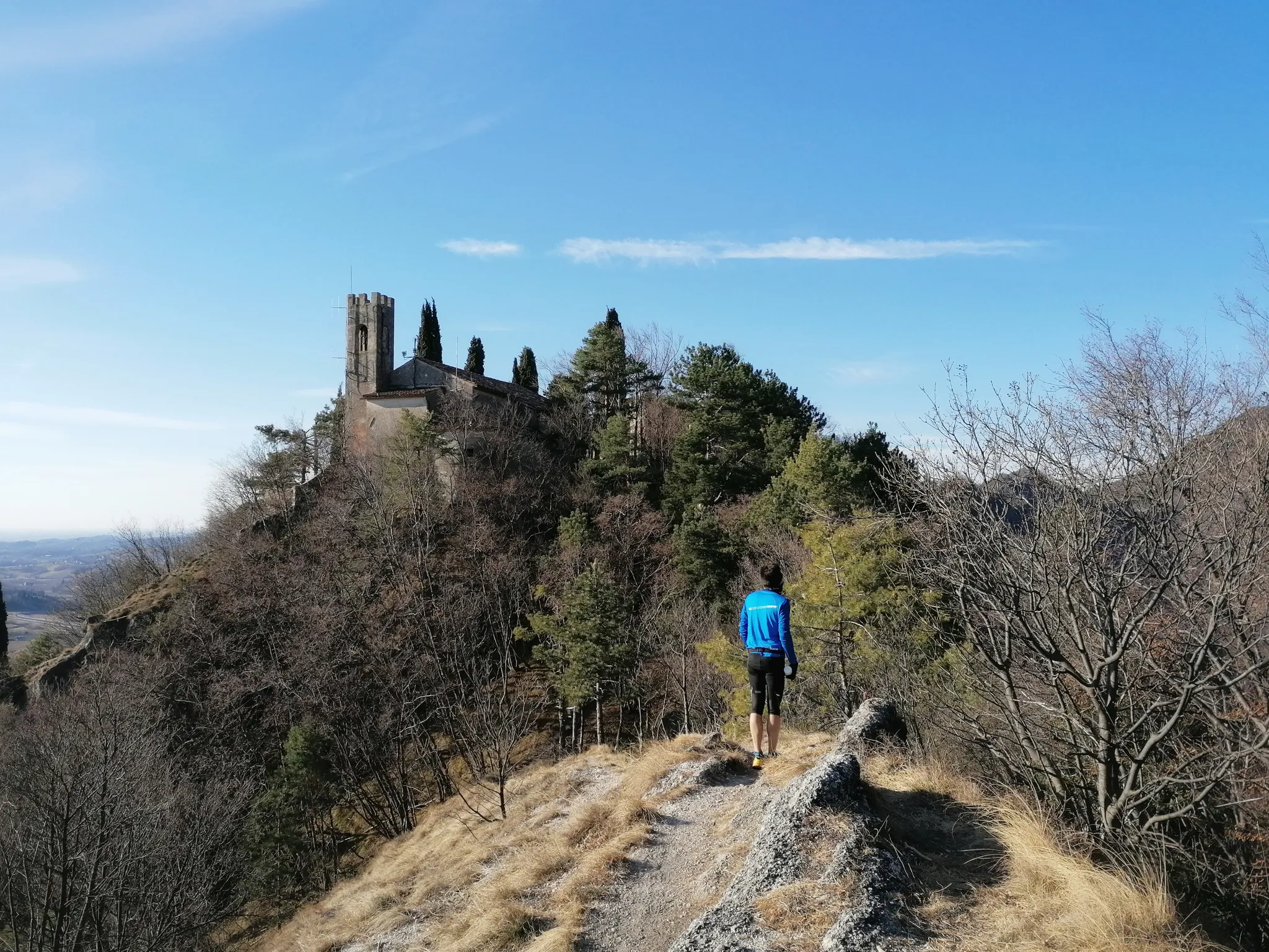
On May 25, 1964, a fire completely destroyed the first and second floors, rendering them unusable. The efforts of firefighters and artillerymen who rushed to the scene in force managed to contain the flames and prevent them from spreading to the nearby building. Despite the negative opinion of the Military Engineering Corps regarding restoration work, public opinion and the Belluno CAI Section pushed for yet another reconstruction, finding valid support in Gen. Pietro Torrazzo. This recommenced under the supervision of the 6th Mountain Artillery Regiment of Belluno. The inauguration ceremony was held on August 31, 1968. The seventies still saw the race to "conquer" a spot for television antennas, both military and civilian. The most imposing one, belonging to RAI, was placed a few meters from the refuge, on the north side, and is still there today. A new period of closure and management uncertainties followed. In 1988, the COMILITER of Padua decided on its renovation, which concluded in 1992. In 1993, the State Technical Office proposed a rental fee, and on May 1, 1994, after five years, the refuge reopened under new management. In 1995, the agreement, still in force, was signed. Today, this place represents an act of gratitude for the survival of a heritage entirely belonging to Belluno.
1
0
The idea to erect the first refuge of the CAI section of Belluno was taken during the board meeting of May 20, 1898, and formalized in July 1899. Its function was to support hikers from Belluno and Treviso. The refuge was inaugurated on September 23, 1900, and dedicated to Richard Henry Budden, one of the pioneering figures of mountaineering, proponent of numerous reforestation projects to safeguard the mountain environment, and a sincere friend of the province of Belluno. The construction was built on land donated by the De’ Bertoldi family. After difficult management, also due to the debt situation, during World War I the refuge was set on fire, making it unusable as a shelter. Reconstruction began in September 1938, when a detachment of the 24th battery of the 5th Alpine Artillery Regiment encamped on Col Visentin for the initial excavation operations. It was reopened on August 15, 1946. Based on the project by architect Alfarè, the current small tower was built, adapted into a chapel-shrine for the Fallen of the 5th Mountain Division, a votive tomb that held the lighthouse donated by the Navy and contains the list of brothers fallen in Libya, on Ortigara, on the Carso, on Sabotino, those on the arid Ethiopian plains, and finally those who remained on the fields of Albania, in the Montenegrin gorges, and in the desolate immensity of the Russian steppe.
1
0
Frequently Asked Questions
Which mountain peaks around Polcenigo offer the most extensive panoramic views?
For breathtaking panoramic views, consider visiting Col Visentin Hut. From its elevation of 1764 meters, you can see from the Adriatic Sea to Monte Grappa, the Montello, and various Dolomite peaks. On clear days, the vista can even extend to the Croatian coast. Mount Pizzoc also offers superb views, stretching from the Gulf of Trieste to the Euganean Hills and the Venice Lagoon.
Are there challenging mountain treks for experienced hikers near Polcenigo?
Yes, for experienced hikers seeking a rigorous mountaineering experience, Manera Peak (Cimon del Cavallo) is a significant draw. At 2251 meters, its ascent can be challenging, involving steep climbs and exposed sections that may require a via ferrata kit. It forms part of the 'Alta Via dei Rondoi' and promises vast panoramas of major Dolomite groups and the Julian and Carnic Alps.
What other natural attractions can I explore near the mountain peaks around Polcenigo?
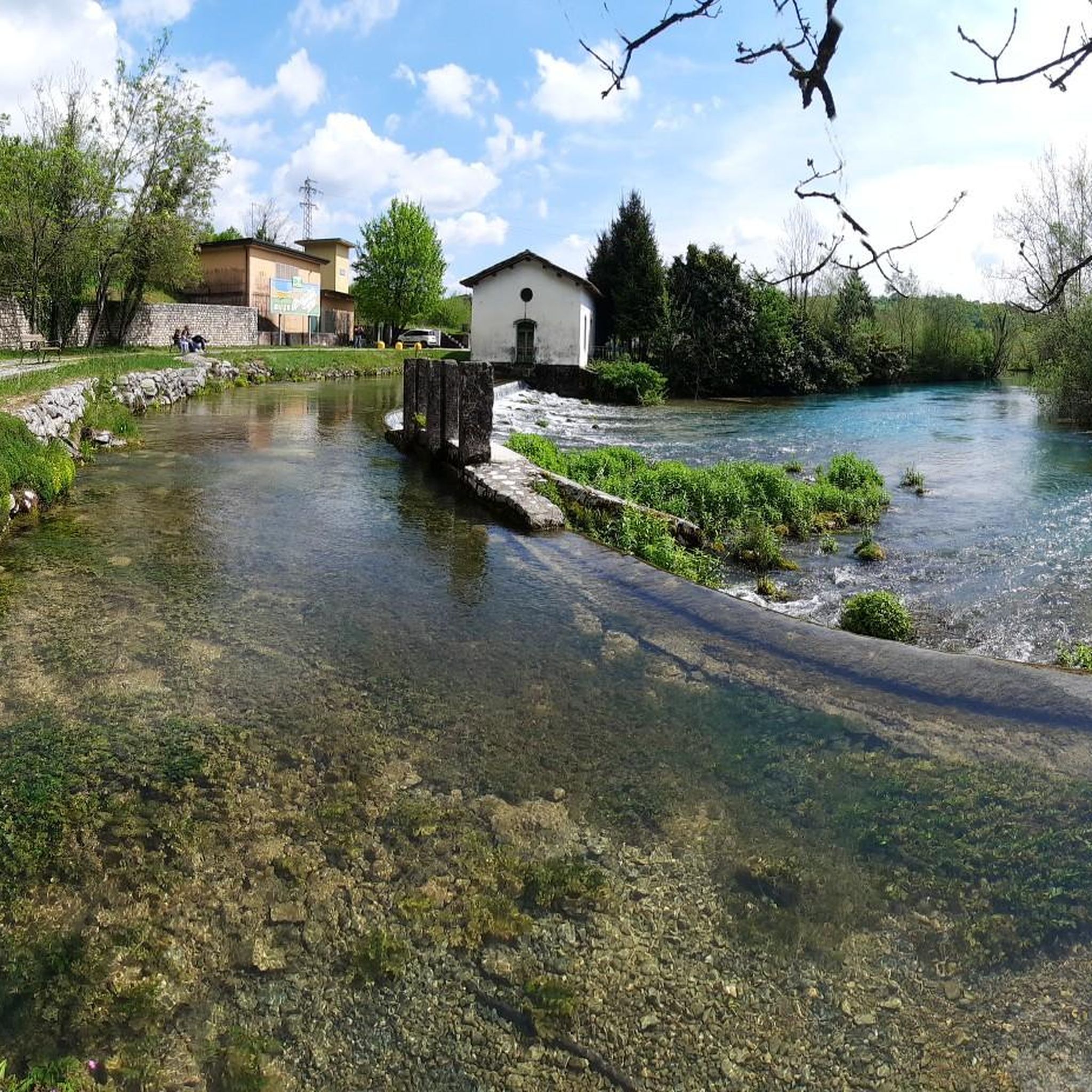
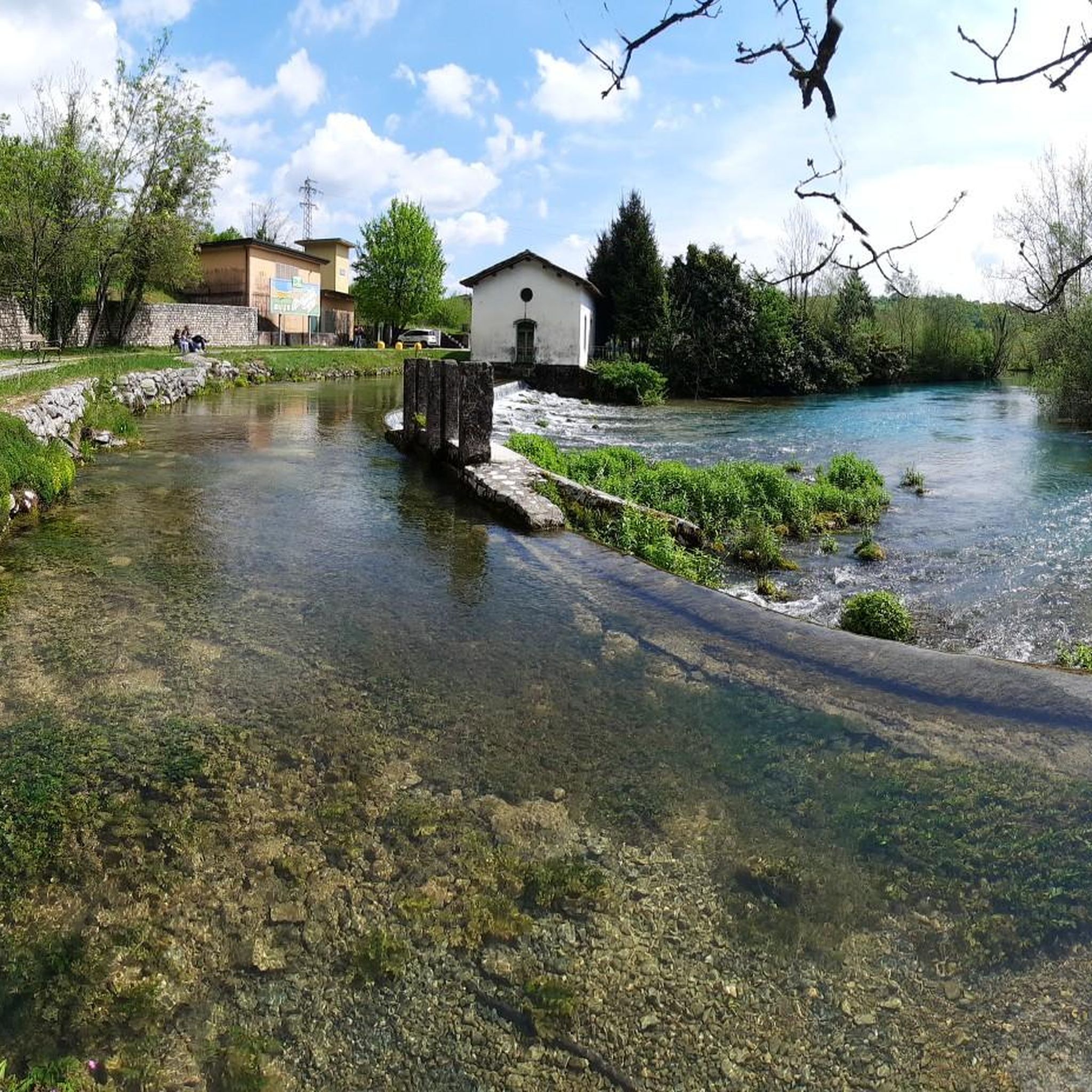
Beyond the peaks, the region boasts the unique Gorgazzo Spring, renowned for its extraordinarily clear, intensely blue, and turquoise waters. A statue of Christ placed nine meters deep at the entrance of the karst cave is perfectly visible from the outside. The extensive Cansiglio Plateau and its vast beech forests also offer numerous opportunities for hiking and cycling.
Do any mountain peaks near Polcenigo have historical significance?
Yes, Mount Pizzoc has historical ties, with routes like the Lieutenant Berry trail linked to partisan resistance during World War II. The summit also housed a NATO radar base during the Cold War. The Col Visentin Hut also has a rich history, having been rebuilt after being set on fire during World War I and again after a fire in 1964.
Are there easily accessible mountain peaks or viewpoints near Polcenigo?
For easier access, a road leads up to the Città di Vittorio Veneto Mountain Hut, just below the summit of Monte Pizzoc. From there, a short walk brings you to a panoramic bench with extensive views. The Cansiglio Plateau also offers numerous paths suitable for more relaxed walks amidst its forests and pastures.
What outdoor activities can I do near the mountain peaks around Polcenigo?
The area around Polcenigo is ideal for various outdoor activities. You can find numerous hiking trails, including moderate to difficult options like the 'Cansiglio Forest Nature Trail' or 'CAI Trail 984'. For running, routes like the 'Gorgazzo Spring loop' are popular. Road cycling enthusiasts can explore routes such as the 'Crosetta Pass – Cansiglio Forest loop'. You can find more details on these activities in the Hiking around Polcenigo, Running Trails around Polcenigo, and Road Cycling Routes around Polcenigo guides.
When is the best time to visit the mountain peaks around Polcenigo?
The mountain peaks around Polcenigo are enjoyable throughout the year, depending on your preferred activity. Summer is ideal for hiking and cycling, offering pleasant temperatures and clear views. Rifugio Col Visentin is a popular destination for both summer and winter tourism, catering to hikers, snowshoers, and cyclists.
Are there huts or facilities available on the mountain peaks?
Yes, there are several huts providing facilities. The Col Visentin Hut offers accommodation and is a popular stop for hikers and cyclists. Near Monte Pizzoc, you'll find the Città di Vittorio Veneto Mountain Hut, also known as Baracón, which serves as a restaurant and viewpoint.
What makes the Gorgazzo Spring a unique natural attraction near Polcenigo?
The Gorgazzo Spring is exceptional due to its extraordinarily clear, intensely blue, and turquoise waters. It is one of the deepest explored resurgent karst springs in the world. The transparency of the water is so remarkable that a statue of Christ placed nine meters deep at its entrance is perfectly visible from the outside, creating a mystical atmosphere.
What do visitors enjoy most about the mountain peaks around Polcenigo?
Visitors particularly appreciate the extensive panoramic views from peaks like Col Visentin and Monte Pizzoc, which can stretch from the Adriatic Sea to the Dolomites. The challenging climbs and rewarding vistas of summits like Manera Peak are also highly valued by the komoot community, as are the opportunities for diverse outdoor activities in the surrounding natural landscape.
Can I visit the mountain peaks around Polcenigo in winter?
Yes, some areas are suitable for winter activities. Rifugio Col Visentin is a popular destination for winter tourism, catering to snowshoers. Always check local conditions and weather forecasts before heading out, as some higher or more exposed routes may require specialized equipment or experience during winter months.
Most popular routes around Polcenigo
Most popular attractions around Polcenigo

Get inspired with the komoot mobile app


Explore more
See even more amazing summits around Polcenigo with these guides:
