The best walks and hikes around Budoia
4.3
(461)
1,697
hikers
77
hikes
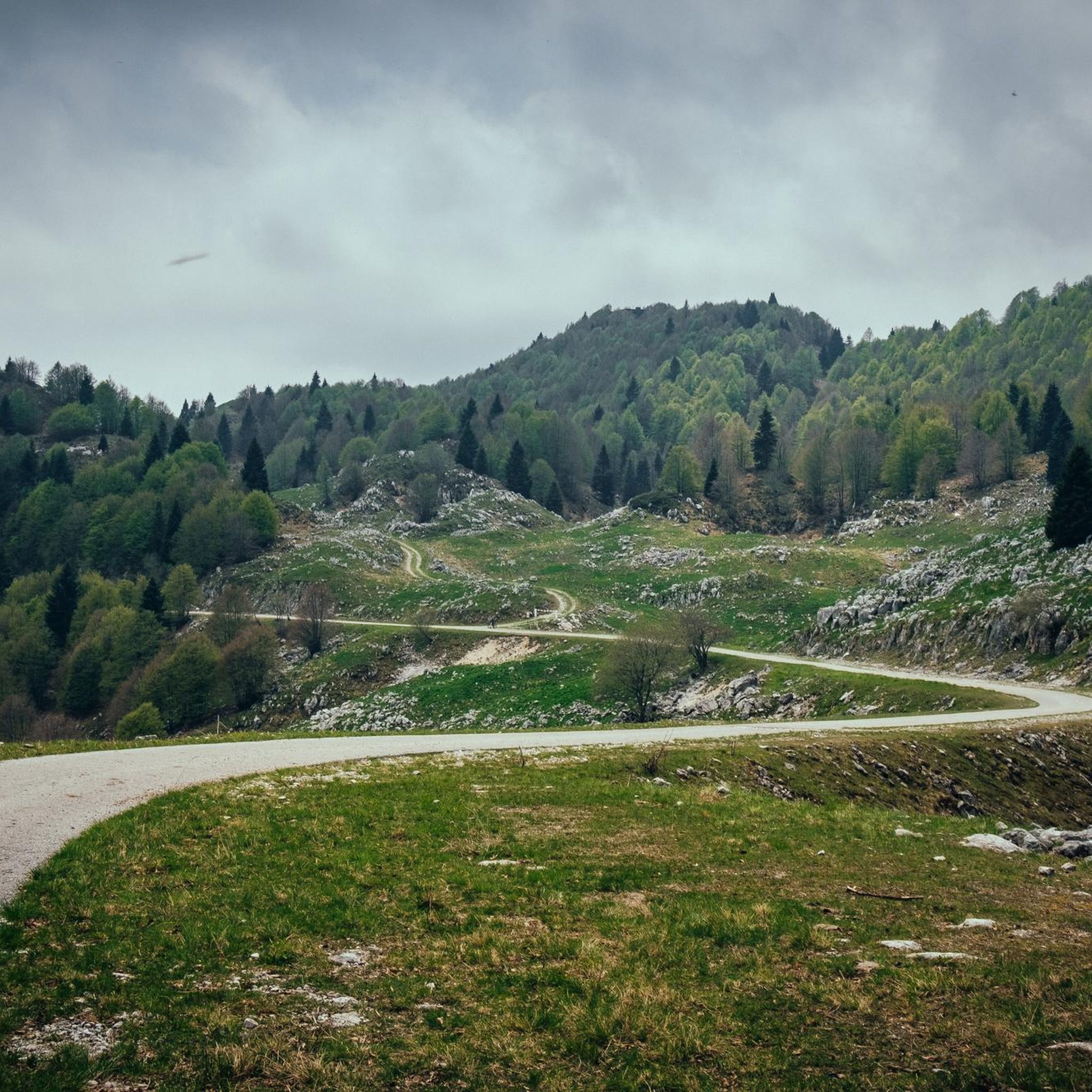
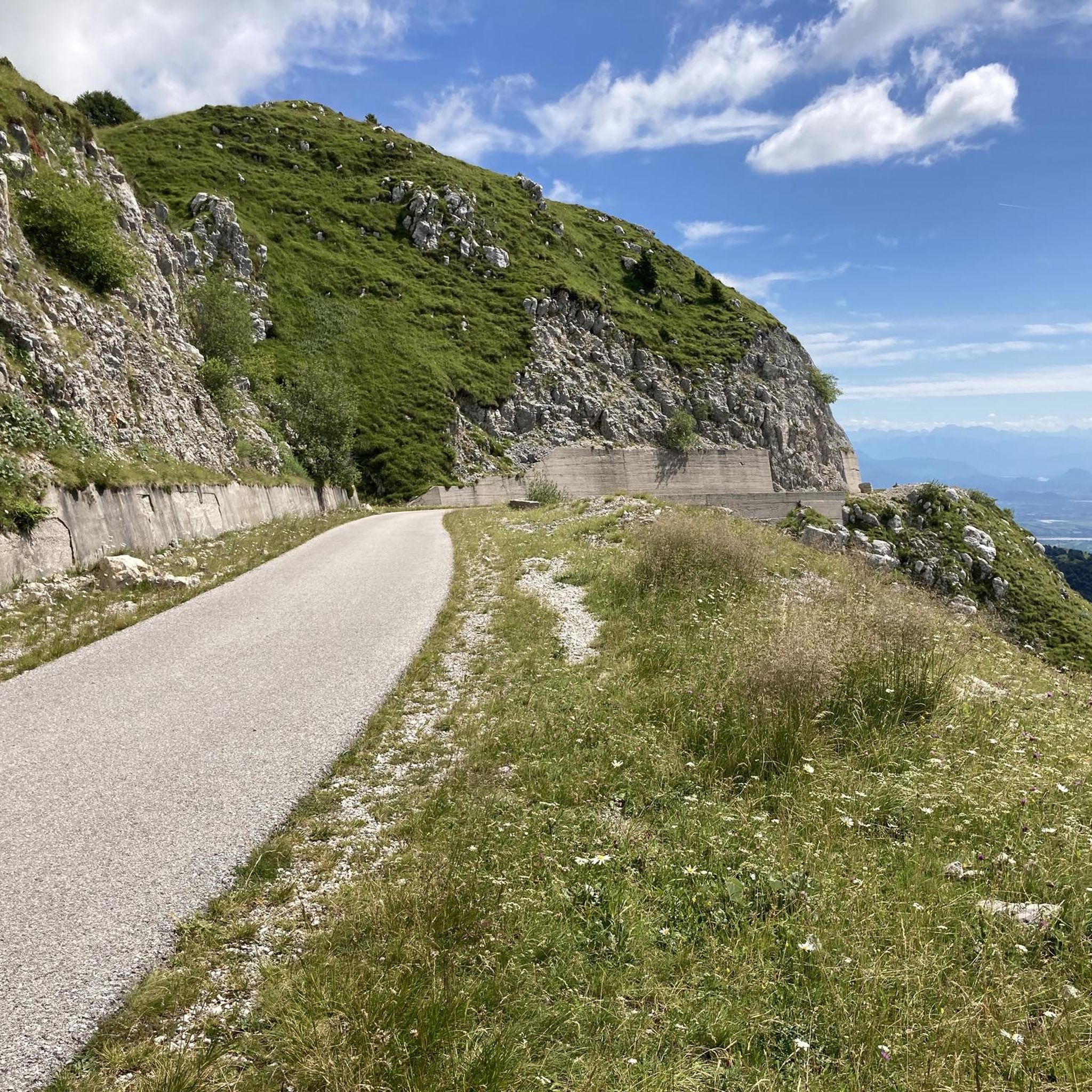
Hiking around Budoia offers diverse landscapes within the Carnian Pre-Alps, featuring a blend of geological formations and lush vegetation. The region is characterized by mountainous terrain providing panoramic views over the Veneto-Friuli plain, alongside widespread karst features like dolines and sinkholes. Extensive ancient woodlands, including beech and fir forests, cover much of the area, complemented by streams and waterfalls that shape the local environment.
Best hiking trails around Budoia
- The most popular hiking route is San Tomè to Mezzomonte Trail…
Last updated: July 20, 2026
4.3
(12)
23
hikers
15.2km
07:18
1,120m
1,120m
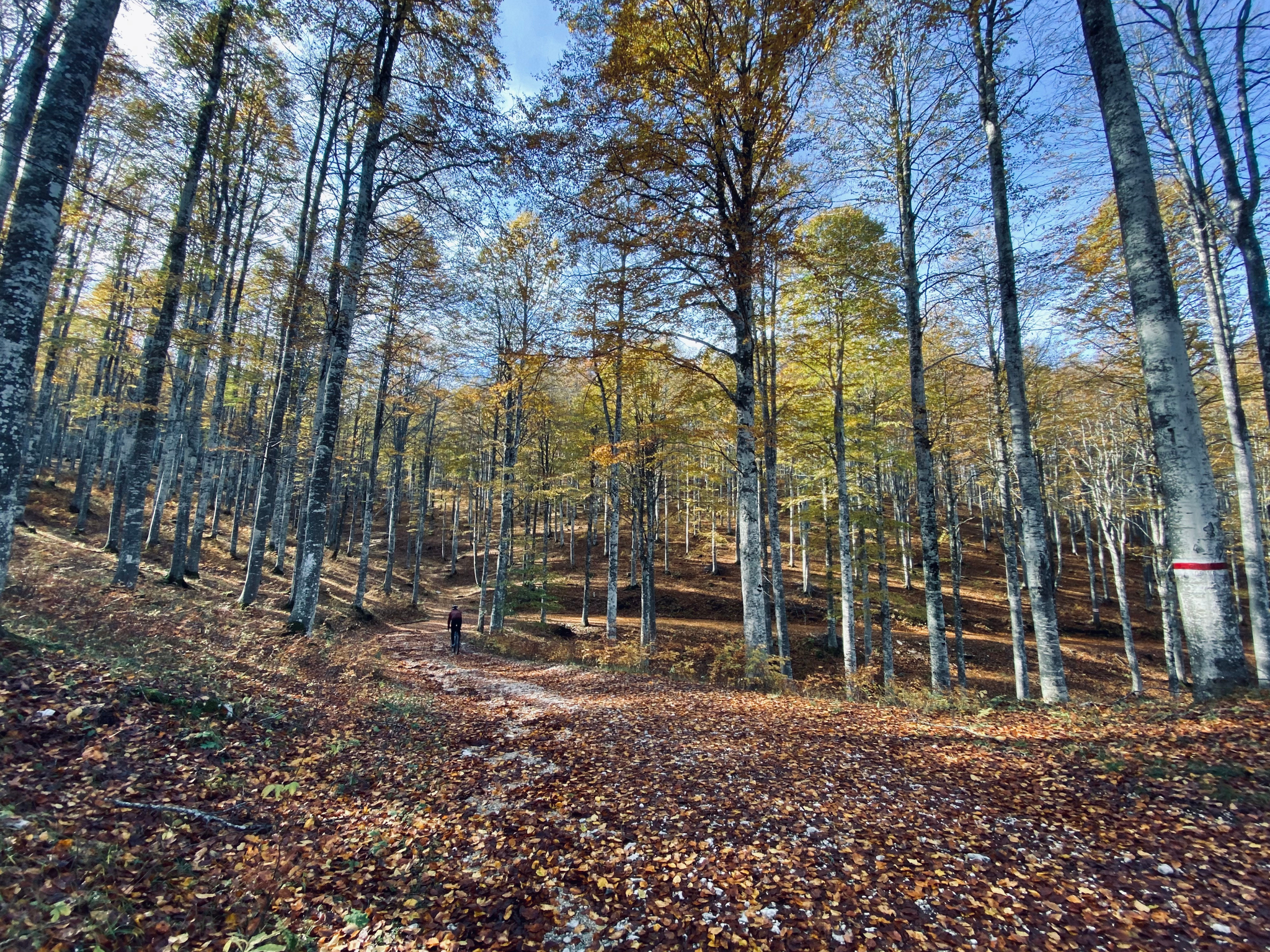
Historic water channel hike through beech forest with 17th-century stone pools and cascading waterfalls.
4.3
(6)
17
hikers
8.08km
02:56
520m
520m
Hike the moderate 5.0-mile San Tomè to Mezzomonte Trail through varied terrain, passing charming villages and offering scenic viewpoints.

Sign up for free
4
hikers
14.8km
07:35
1,230m
1,230m
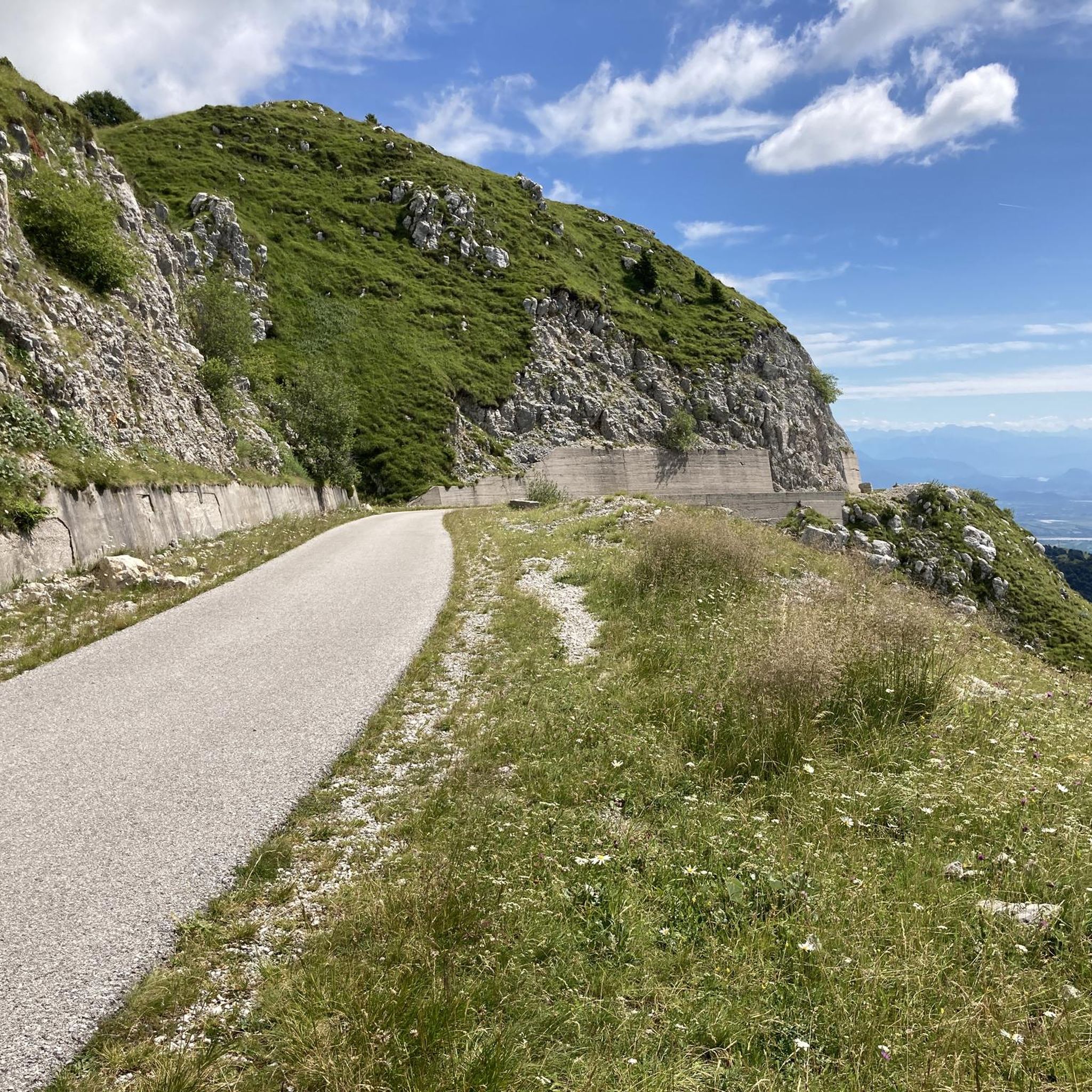
Historic mule track through dramatic gorges and golden beech forests to a cozy mountain refuge.
1.0
(1)
7
hikers
6.57km
04:16
880m
880m
CAI Trail 984a to Abisso Friz Cave is a challenging 4.1-mile hike with 2886 feet elevation gain, offering mountain views in Foresta del Cans
4.8
(73)
170
hikers
7.59km
02:08
140m
140m
Moderate hike. Good fitness required. Easily-accessible paths. Suitable for all skill levels.
Get access to more routes and recommendations from other explorers.
Sign up for free
Already have an account?
Our route recommendations are based on thousands of hikes, rides, and runs completed by other people on komoot.
Start today with a free account
Your next adventure awaits.
Login or Signup

Other adventures around Budoia

Tips from the Community

In Polcenigo, in the Pordenone foothills, there is not a castle named after San Floriano, but rather the famous Castello di Polcenigo which dominates the village from the top of San Pietro hill. The remains of this historic medieval fortress, transformed in the 18th century into a splendid Venetian villa by the architect Matteo Lucchesi and then unfortunately fallen into ruin, are today the subject of important restoration and consolidation interventions. The name San Floriano is instead linked to the homonymous San Floriano Park, located a short distance away on an adjacent hill. This place constitutes the only example of a rural park existing in Italy: a splendid natural and educational area that preserves at its summit a small church of ancient origins, built on an archaeological site and decorated inside with valuable 14th-century frescoes.
0
0
Polcenigo, nestled between the springs of the Livenza river and the foothills of the Carnic Prealps, is one of the most beautiful villages in Italy. Its historic center is an elegant network of stately palaces in Venetian style, testifying to the prestige of the noble Polcenigo family. Walking through the alleys, you discover a timeless atmosphere, dominated by the remains of the medieval castle that watches over the village from the top of the hill. The beating heart is Piazza Plebiscito, but the greatest charm lies in the symbiotic relationship with water: canals, old mills, and small bridges create picturesque views. Not far away, the Gorgazzo and Santissima springs offer waters of an almost unreal turquoise blue, making the village a fundamental stop for those seeking historical beauty and nature.
0
0
Polcenigo, nestled between the springs of the Livenza river and the foothills of the Carnic Prealps, is one of the most beautiful villages in Italy. Its historic center is an elegant network of stately palaces in Venetian style, testifying to the prestige of the noble Polcenigo family. Walking through the alleys, you discover a timeless atmosphere, dominated by the remains of the medieval castle that watches over the village from the top of the hill. The beating heart is Piazza Plebiscito, but the greatest charm lies in the symbiotic relationship with water: canals, old mills, and small bridges create picturesque views. Not far away, the Gorgazzo and Santissima springs offer waters of an almost unreal turquoise blue, making the village a fundamental stop for those seeking historical beauty and nature.
0
0

Pordenone foothills itinerary: St. Christopher's Way
0
0
Located at an altitude of about 600 meters along the road leading up from Aviano to Piancavallo, the Sanctuary of the Most Holy Crucifix (Santuario del Santissimo Crocifisso) is a place of profound spiritual and scenic charm. Consecrated in 1888 to replace a previous building destroyed by fire, the temple houses an ancient wooden crucifix, highly venerated by the local community. Beyond its religious value, the sanctuary is an iconic stop for cyclists and hikers thanks to its panoramic position which, on the clearest days, offers an extraordinary view of the Friulian plain all the way to the Adriatic Sea. It is a symbol of the region's rural and mountain tradition, nestled among the hairpin bends leading to the peaks of Monte Cavallo.
0
0

A fantastic place to explore both by bike and on foot. A lovely walk up the San Floriano hill overlooking the village of Polcenigo is also a lovely experience. The scenery is enchanting.
0
0

Beautiful, narrow, high gorge. Possibility of descending with ropes.
0
0
Frequently Asked Questions
How many hiking trails are available in Budoia?
Budoia offers a wide variety of hiking experiences, with over 70 trails available. These range from easy walks to more challenging mountain paths, catering to different fitness levels.
Are there any easy or family-friendly hiking options in Budoia?
Yes, Budoia has several easy and family-friendly trails. For instance, the San Tomè to Mezzomonte Trail is a moderate path showcasing diverse woodlands. Another option is the Gor Nature Trail – Polcenigo loop from Budoia / Budoie, which offers an immersive experience into the region's ecology.
Can I find challenging hikes with significant elevation gain in Budoia?
Absolutely. Budoia is nestled in the Carnian Pre-Alps, offering mountainous terrain with substantial elevation changes. Trails like the Historic Ruial water channel trail from Dardago and the Historic mule track to Casera Ricovero Friz are considered difficult, featuring over 1000 meters of ascent and dramatic gorges.
Are there any circular hiking routes in the Budoia area?
Yes, Budoia is known for its popular loop routes. Examples include the Gerometta Path and Col Cornier, Casera Valle Friz and Arneri Refuge, Carbonaie and Col Cornier, and the Val dei Sass and Antro delle Mate loop. These routes allow you to experience diverse landscapes without retracing your steps.
What kind of natural features or landmarks can I expect to see while hiking in Budoia?
Budoia's landscape is rich with natural wonders. You'll encounter extensive beech and fir forests, especially near the Piancavallo-Cansiglio ridge. The region is also characterized by fascinating karst features like dolines and sinkholes, and striking caves such as the Antro delle Mate. Don't miss the Gorgazzo Spring, where rainwater from the Cansiglio plateau emerges.
Are there any trails that feature waterfalls or streams?
Yes, the local landscape is shaped by streams and waterfalls. The Historic Ruial water channel trail is a prime example, following a 17th-century stone channel through a beech forest and featuring cascading waterfalls.
What are the typical forest types I'll encounter on hikes in Budoia?
Budoia boasts extensive and ancient woodlands. You'll primarily hike through beautiful beech and fir forests, particularly prominent near the Piancavallo-Cansiglio ridge and along the Val della Stua. The historic Strada del Taffarel, for instance, winds through a beech forest dating back to 1548.
Are there any mountain huts or refuges available for hikers?
Yes, the area provides access to mountain refuges. The Carlo and Massimo Semenza Mountain Hut, located in the high Val de Piera, offers a place for rest and facilities for hikers exploring the more challenging routes.
What do other hikers say about the trails in Budoia?
The trails in Budoia are highly rated by the komoot community, with an average score of 4.4 stars from over 350 reviews. Hikers often praise the diverse terrain, stunning panoramic views over the Veneto-Friuli plain, and the well-preserved natural environment.
What is the best time of year to go hiking in Budoia?
Budoia offers beautiful hiking opportunities throughout much of the year. Spring brings exceptional blooms of wildflowers, transforming the mountains into a lush garden. Autumn is also popular for its golden beech forests. Summer provides warm weather for higher altitude trails, while winter can offer unique snowshoeing experiences, though some trails may be less accessible.
Are there any historical sites or unique geological formations to explore?
Beyond the natural beauty, Budoia is rich in history and geology. You can explore historic mule tracks, some leading to places like Casera Ricovero Friz. The region's geological past is evident in its karst features, including dolines, sinkholes, and caves like the Antro delle Mate and the Bus de la Lum Sinkhole.
Are there any specific nature trails for observing local flora and fauna?
Yes, the San Tomè Nature Trail is excellent for observing various vegetation aspects, including broadleaved woodlands of Hop Hornbeam and Manna Ash. In spring, meadows are carpeted with wildflowers like Wild Narcissi, Wild Peony, and Gentians. The Gor Nature Trail near Polcenigo also offers an immersive ecological experience.
Most popular routes around Budoia
Most popular attractions around Budoia

Get inspired with the komoot mobile app


Explore more
Browse the best Hikes in other regions.
