The best road cycling routes around Fontanafredda
4.4
(467)
12,598
riders
50
rides
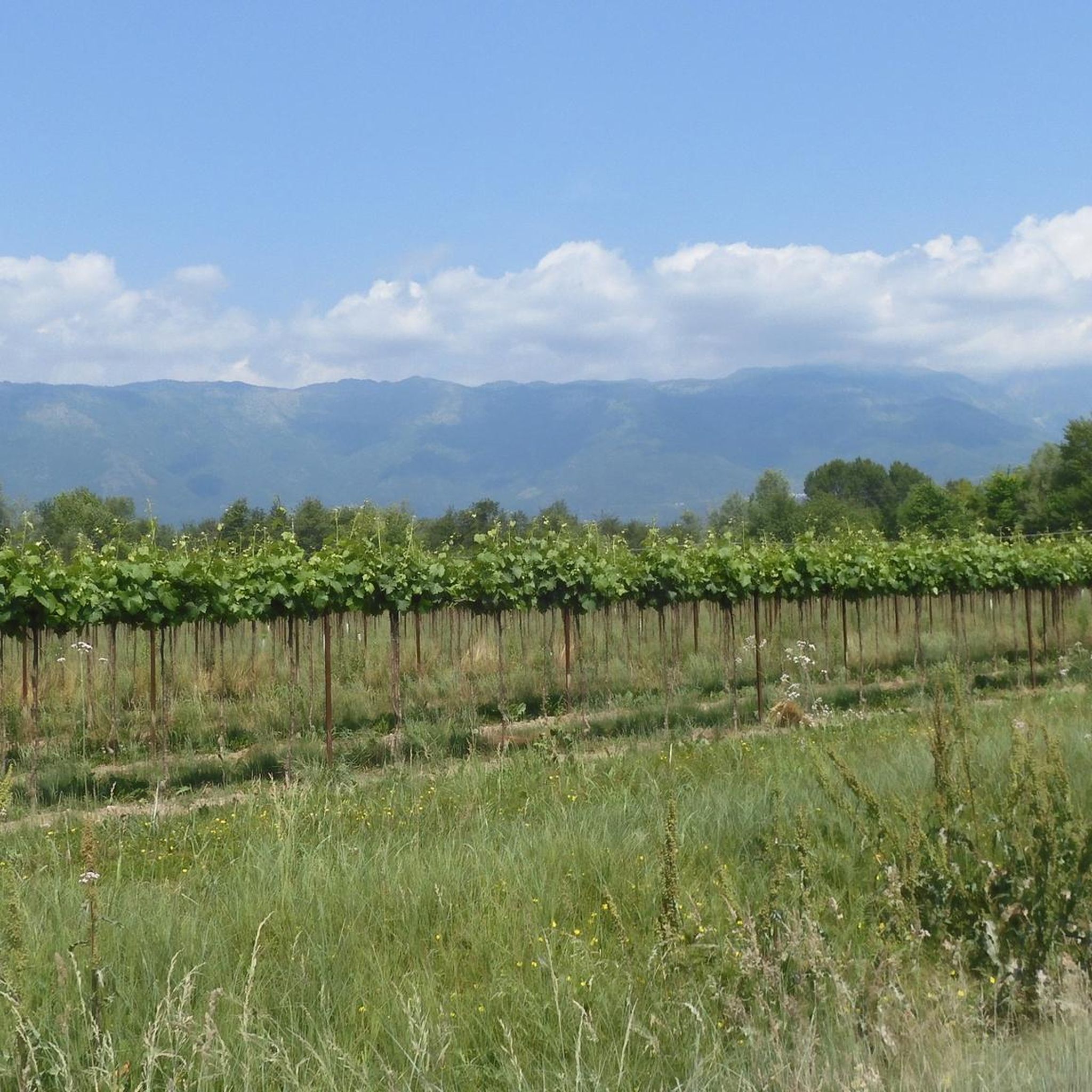
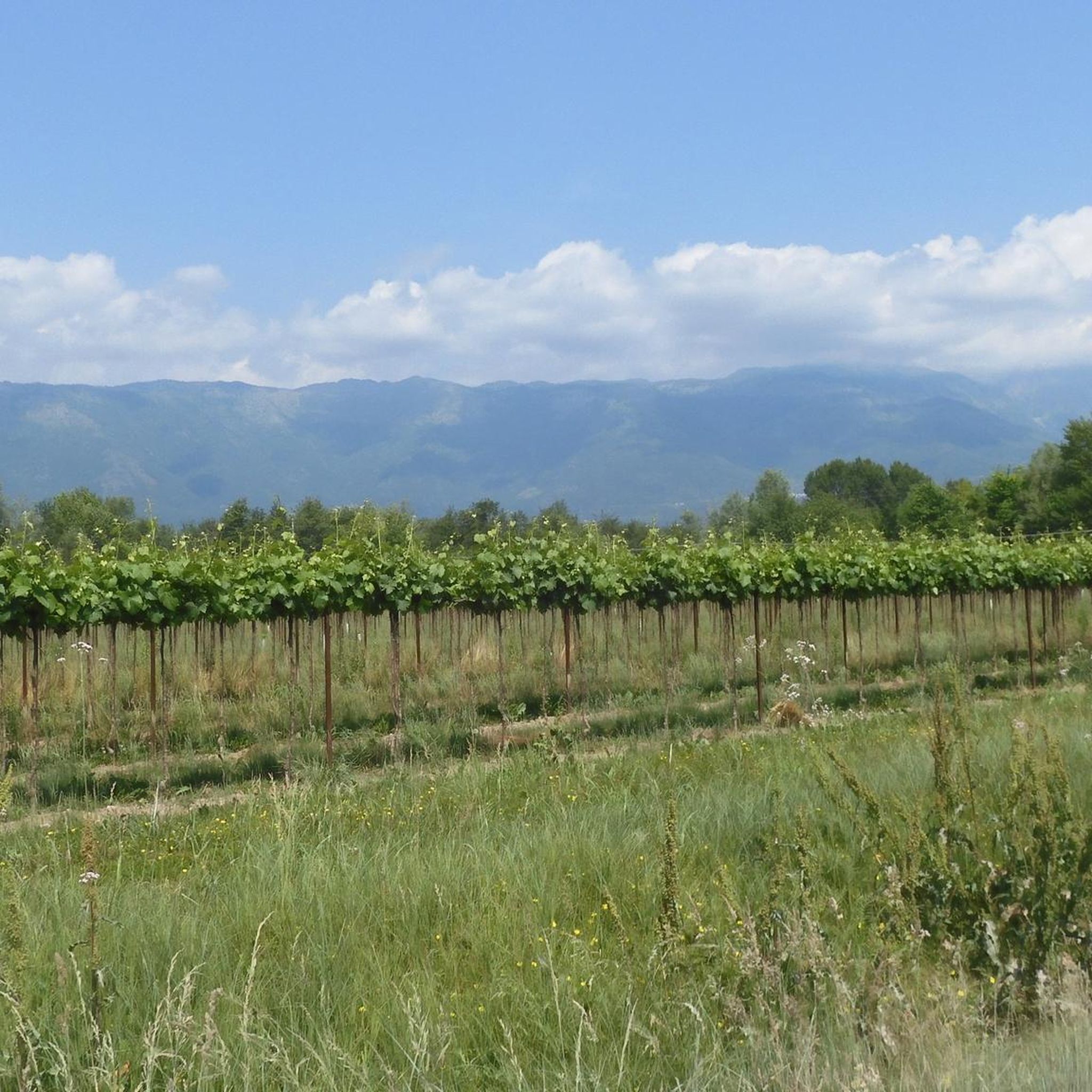
Road cycling around Fontanafredda is characterized by rolling hills, extensive vineyards, and historic villages set against the backdrop of the Italian Alps. The region's terrain features varied elevation profiles, from gentler slopes to challenging ascents. Cyclists traverse routes that wind through vine-clad landscapes and hazelnut groves, connecting charming towns. This area, part of the UNESCO World Heritage site of Langhe, Roero, and Monferrato, offers diverse road cycling experiences.
Best road cycling routes around Fontanafredda
- The most popular road cycling route…
Last updated: October 2, 2026
5.0
(19)
205
riders
86.7km
03:44
640m
640m
Moderate road ride. Good fitness required. Mostly well-paved surfaces and easy to ride.
5.0
(3)
144
riders
103km
04:50
1,210m
1,210m
Hard road ride. Very good fitness required. Mostly well-paved surfaces and easy to ride.

3.2
(5)
112
riders
Moderate road ride. Good fitness required. Mostly well-paved surfaces and easy to ride.
5.0
(2)
110
riders
Moderate road ride. Good fitness required. Some segments of this route may be unpaved and difficult to ride.
4.0
(4)
81
riders
53.9km
02:08
200m
200m
Moderate road ride. Good fitness required. Some segments of this route may be unpaved and difficult to ride.
Get access to more routes and recommendations from other explorers.
Already have an account?
Our route recommendations are based on thousands of hikes, rides, and runs completed by other people on komoot.
Start today with a free account
Your next adventure awaits.

Tips from the Community

Rolle is a small hamlet of Cison di Valmarino (TV), located in the Treviso Prealps along the panoramic Strada del Prosecco. Main characteristics of the village and vineyards First FAI village: In 2004, it became the first Italian village protected by the Fondo Ambiente Italiano (FAI). UNESCO Heritage: Since 2019, it has been part of the Prosecco Hills of Conegliano and Valdobbiadene, declared a World Heritage Site. Heroic viticulture: The vineyards climb steep slopes and south-facing terraces, requiring manual and strenuous work (often defined as "heroic"). Landscape and architecture: Described by a poet as "a postcard sent by the Gods", the village preserves stone buildings, an ancient Benedictine monastery dating back to the 13th century, and the small church dedicated to Saints Philip and James.
0
0

The springs of the Livenza at Santissima The spring of the Livenza at Santissima is fed by the waters that emerge from the limestone rock of the Carnic Prealps. The quantity of water is such that the river becomes navigable a few meters from the source. According to legend, to commemorate the apparition of the Holy Trinity to Emperor Theodosius (473), a small shrine was built near the spring. In a short time, the place became a destination for pilgrimages and rites related to fertility. A few meters from the spring stands the church of the Santissima Trinità, rebuilt and enlarged in the 16th century. A beautiful portico with arches leads directly inside the Sanctuary, where remarkable works of art can be admired, including the wooden altar depicting the Holy Trinity by Domenico da Tolmezzo (1494), as well as frescoes and paintings from the 16th and 17th centuries. Of particular naturalistic interest are also the "olle di risorgiva" (spring pools) in the Fontaniva area, where they create a suggestive landscape of water mirrors and small lakes scattered in the vegetation.
10
0


The historic center of Aviano, nestled at the foot of the Carnic Prealps, encloses an elegant fusion of Friulian architecture and Venetian style. The heart of the town develops around the main square, dominated by the Cathedral of San Zenone, a building of 15th-century origin later remodeled in subsequent centuries, which preserves valuable altars and sacred works inside. All around, stately buildings such as the refined Palazzo Menegozzi and well-kept alleys from which the mountains can be seen follow one another. Not far from the central nucleus stands the area of Castel d'Aviano, the ancient medieval fortified village that guards the remains of the walls and the church of Saints Maria and Giuliana, offering a suggestive and secluded atmosphere that happily combines history, art, and the foothills landscape.
0
0
Il Molinetto della Croda, in the Lierza valley, represents one of the most evocative corners of the Marca Trevigiana. In its almost four centuries of history, the ancient mill with a stone grinder has managed to maintain its charm and enchant artists and visitors.
15
0
The Chiesetta della Madonna di Lourdes (also known as the Chapel or Church of the Blessed Virgin of Lourdes) is an intimate and evocative place of worship located in Sarmede, on Via Madonnetta. Built in the 1930s on land originally owned by the local De Luca family, this small temple was created to respond to the community's deep Marian devotion. Also known locally in relation to the nearby area of Via Madonna di Valle, the structure features the simple and harmonious lines typical of the votive chapels of the Treviso foothills. The building serves as a devotional connecting point and a peaceful resting place set within the characteristic hilly landscape of the municipality, also famous for its murals, integrating perfectly into the historical and spiritual identity of the territory.
0
0
The parish church of San Lorenzo in Montagna is located in the homonymous hilly hamlet of Vittorio Veneto. Known for being the center of the smallest parish in the entire diocese in terms of population, this reality tells a centuries-old story of rural devotion. It became a curated church in 1605, the original structure was rebuilt in 1637, but it long lacked fundamental elements such as the tabernacle and the baptistery, which were only introduced in the 18th century. The current building is due to the initiative of the parish priest Don Giovanni Mattana, who led its reconstruction in 1866. Immersed in a suggestive pre-Alpine panorama, the church represents an authentic symbol of community identity and resilience, preserving the sober and spiritual charm of small religious centers of the past.
1
0
The Mire road winds through the territory of Corbanese, a hamlet of Tarzo, representing one of the most spectacular stretches of the Prosecco hills. This ridge itinerary ideally connects the area of Tarzo with that of Vittorio Veneto, offering a privileged perspective on the famous "feuds" of the area. The route is characterized by a succession of ups and downs that cut through high-altitude vineyards, where the slopes become extreme and cultivation becomes art. Along the Mire, the horizon opens to the south onto the Trevigiano plain and to the north onto the Belluno Prealps, creating a unique visual contrast between the geometric rigor of the rows and the wild nature of the peaks. It is an iconic place for those seeking silence and the raw beauty of the territory, far from the more trafficked valley routes.
0
0
Frequently Asked Questions
How many road cycling routes are available around Fontanafredda?
There are over 50 road cycling routes around Fontanafredda, catering to various skill levels. You'll find a good mix of easy, moderate, and difficult options to explore the region's beautiful landscapes.
What is the best time of year for road cycling in Fontanafredda?
The best times for road cycling in Fontanafredda are typically spring and early summer (April to June) and autumn (September to November). During these periods, temperatures are pleasant, and the landscapes are particularly vibrant, either with blooming orchards or the rich colors of autumn foliage across the vineyards.
Are there challenging road cycling routes with significant climbs in the Fontanafredda area?
Yes, the region offers several challenging routes with significant elevation gains. For instance, the Cellina Bridge – Lake Tramonti loop from Fontanafredda is a difficult route covering over 135 km with nearly 1,750 meters of ascent, providing a demanding experience for seasoned cyclists. Another difficult option is the Pian di Cansiglio – Lake Morto loop from Fontanafredda, which features over 1,500 meters of elevation gain.
Can I find easy or family-friendly road cycling routes near Fontanafredda?
While many routes feature rolling hills, there are easier options available. The region has 13 easy routes, often winding through village centers and rural landscapes. These routes are generally suitable for a more relaxed pace, allowing families to enjoy the scenery without excessive difficulty.
What kind of scenic views can I expect while road cycling around Fontanafredda?
Road cycling routes around Fontanafredda offer breathtaking panoramic views. You'll traverse picturesque routes that wind through vine-clad slopes, hazelnut groves, and ancient villages perched atop hills. The rugged Italian Alps often serve as a dramatic backdrop, adding to the scenic grandeur of this UNESCO World Heritage site.
Are there any notable attractions or landmarks to see along the road cycling routes?
Absolutely. The region is rich in attractions. You can cycle through charming historic villages like Alba, Barolo, and Barbaresco, discovering medieval castles and traditional architecture. For natural sights, consider routes that pass near the Forra Cunaz gorge or the Waterfall on the Meschio River. The Fontanafredda winery itself is a historic estate worth exploring.
What do other road cyclists enjoy most about cycling in Fontanafredda?
The area is highly rated by the komoot community, with an average score of 4.6 stars from over 30 reviews. Cyclists often praise the diverse scenery, ranging from extensive vineyards to historic villages, and the varied terrain that offers options for all ability levels. The well-developed bike tourism infrastructure and the region's culinary delights also contribute to a highly enjoyable experience.
Are there long-distance road cycling routes available from Fontanafredda?
Yes, Fontanafredda serves as a great starting point for longer rides. Routes like the Cellina Bridge – Lake Tramonti loop from Fontanafredda extend over 135 km, offering an endurance challenge through diverse landscapes. The Rolle – Le Mire Scenic Road loop from Fontanafredda is another long option, covering over 100 km with panoramic views.
Are there loop trails for road cycling around Fontanafredda?
Many of the road cycling routes around Fontanafredda are designed as loops, allowing you to start and end in the same location. Examples include the Polcenigo Village Center – Caneva loop from Fontanafredda and the Caneva – Polcenigo Village Center loop from Fontanafredda, which offer convenient circular journeys through the region.
What kind of food and wine experiences can I find along the cycling routes?
Piedmont, the home of Fontanafredda, is renowned for its culinary excellence and is the birthplace of the Slow Food movement. Cycling routes are often designed to include stops at rural trattorias, agriturismos, and small food producers. You can enjoy farm-to-table dining, taste local cheeses, white truffles, and world-class wines directly where they are made, especially Barolo and Barbaresco.
Is public transport an option for accessing cycling routes in Fontanafredda?
While the region is best explored by bike or car, public transport options to Fontanafredda itself exist, typically involving train connections to nearby larger towns like Alba or Bra, followed by local buses or taxis. However, for direct access to specific cycling route trailheads, a personal vehicle or local bike-friendly transport services might be more convenient.
Where can I find parking for cyclists in Fontanafredda?
Fontanafredda and the surrounding villages are generally welcoming to cyclists. You can often find parking in village centers or near popular attractions. Many bike-friendly hotels and accommodations in the area also offer dedicated parking facilities for guests with bicycles.
Most popular routes around Fontanafredda
Most popular attractions around Fontanafredda

Get inspired with the komoot mobile app


Explore more
Browse the best Road cycling routes in other regions.
