The best road cycling routes around San Giorgio Di Nogaro
4.5
(446)
5,583
riders
40
rides
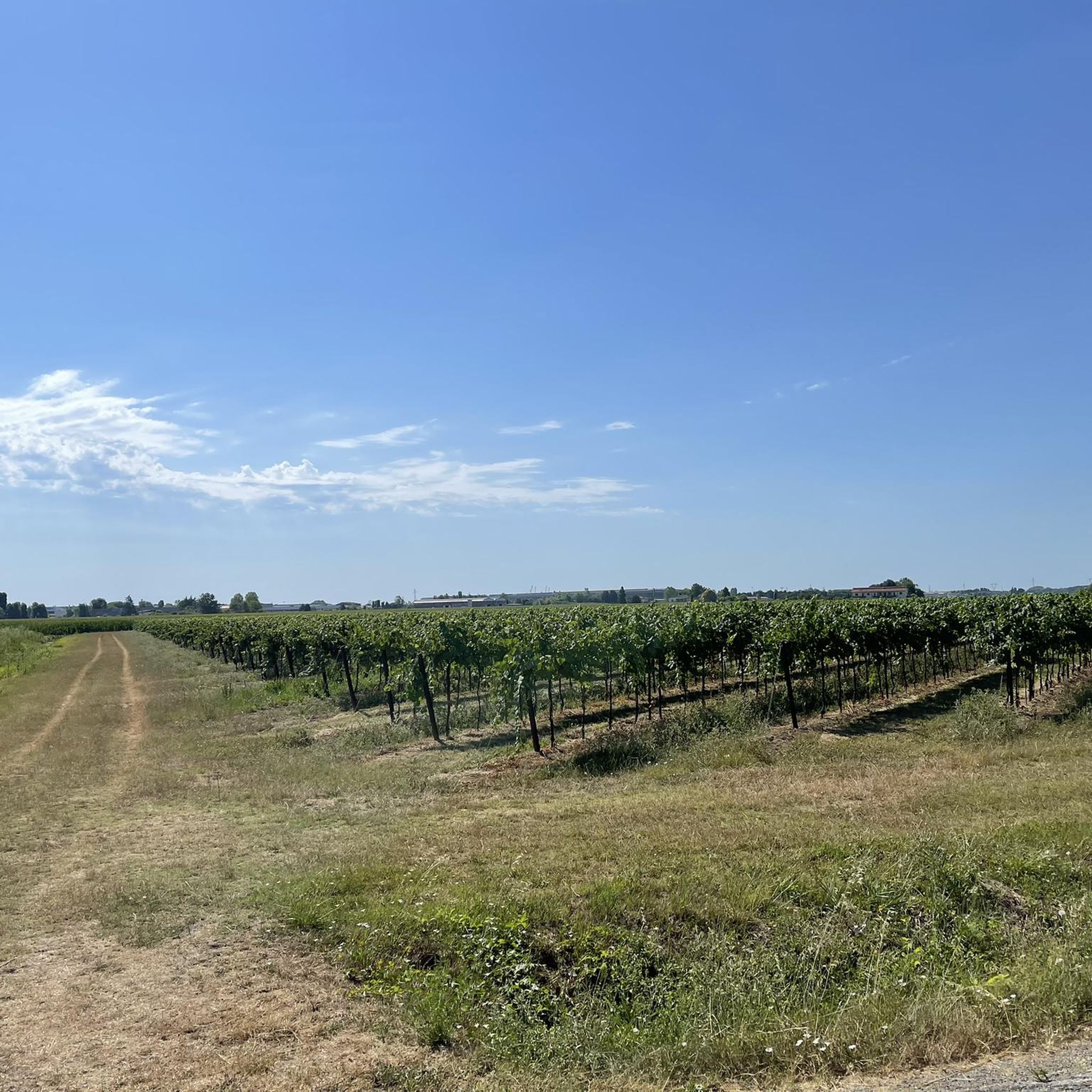
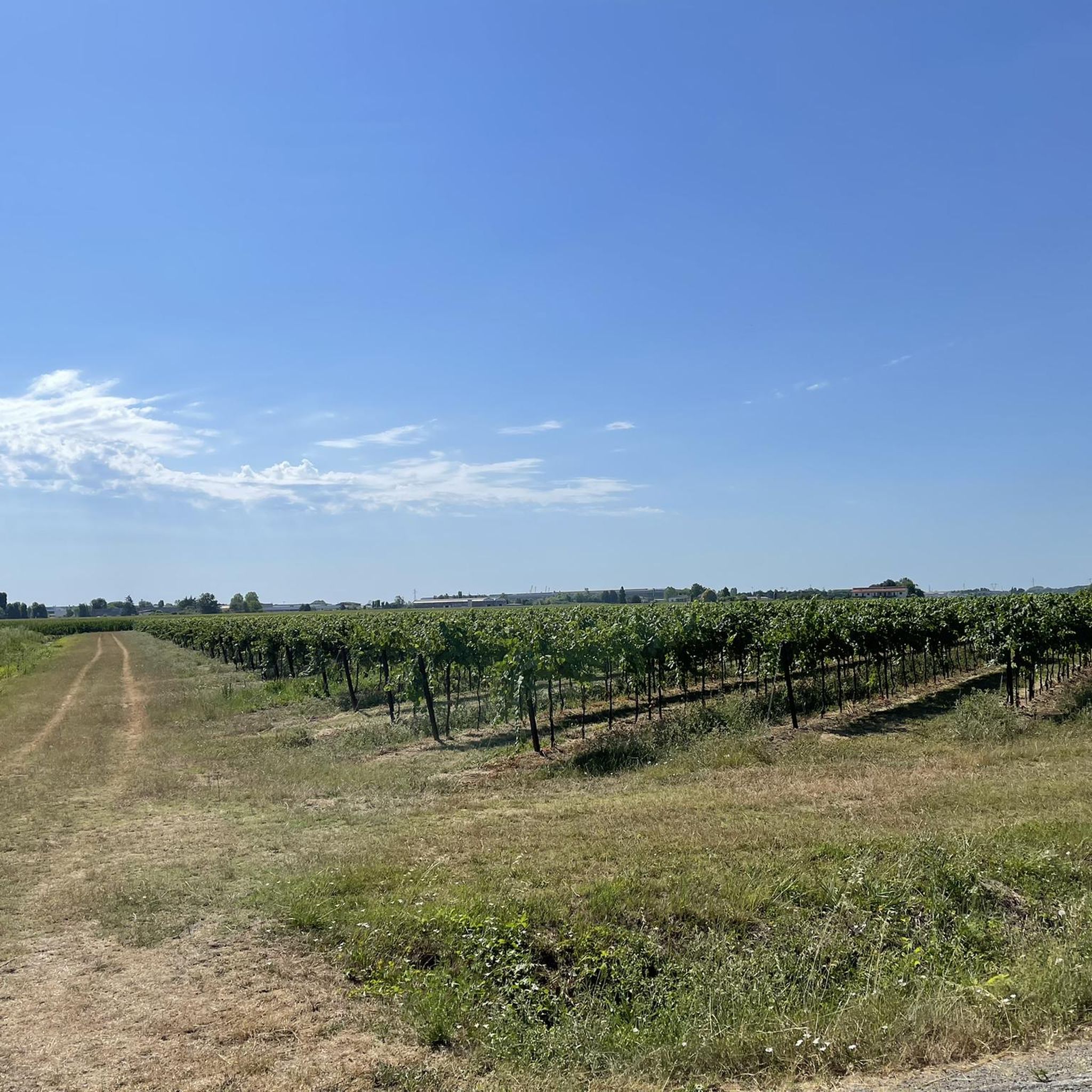
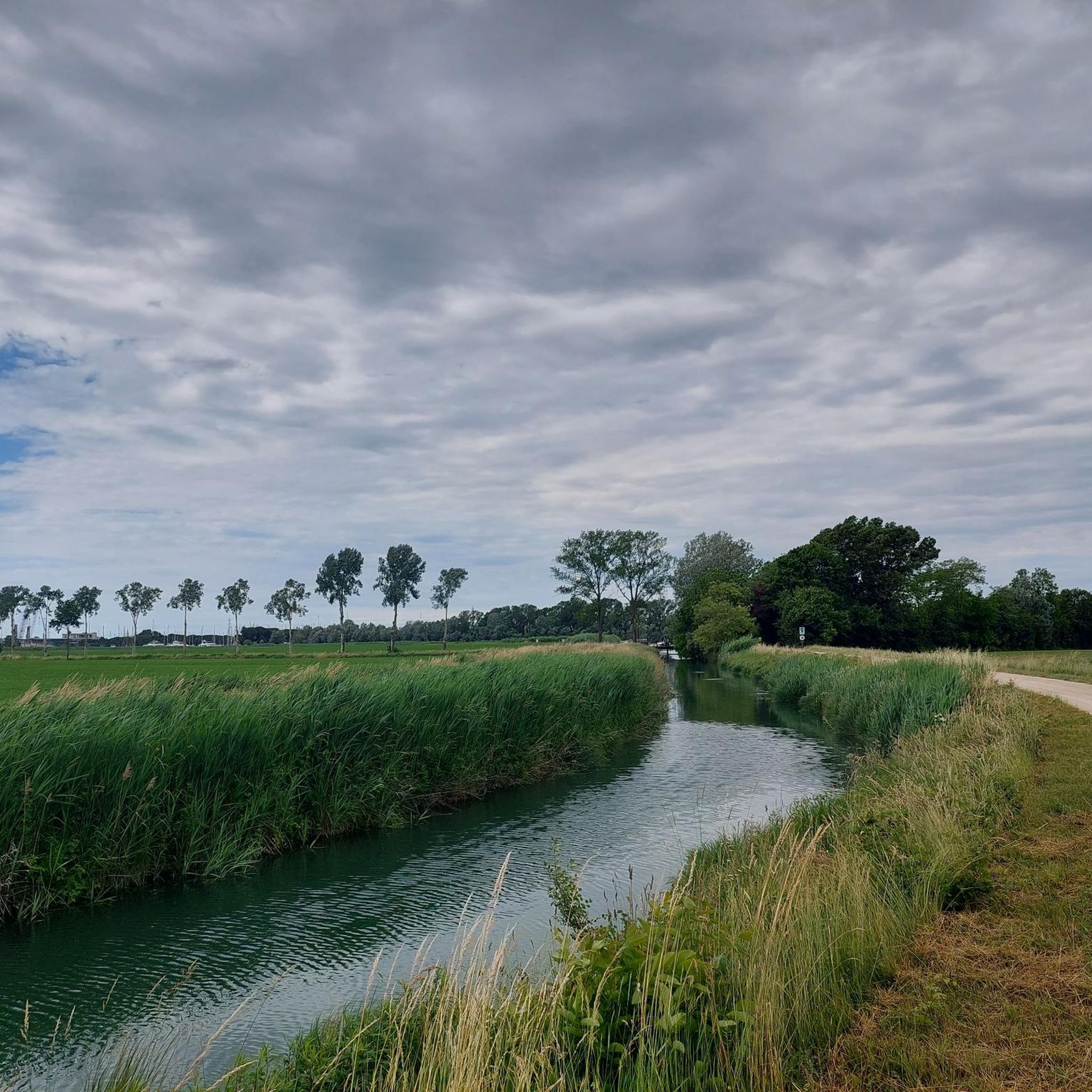
Road cycling around San Giorgio Di Nogaro offers predominantly flat terrain, with an average altitude of 7 meters, making it suitable for various fitness levels. The region is characterized by well-paved surfaces, agricultural lands, and proximity to the Marano Lagoon and Corno River. Routes often wind through cultivated areas and charming rural villages, providing a blend of natural and cultural experiences. This area provides accessible road cycling with minimal elevation changes.
Best road cycling routes around San Giorgio Di Nogaro
…Last updated: July 18, 2026
8
riders
50.1km
01:57
70m
70m
Easy road ride. Great for any fitness level. Mostly well-paved surfaces and easy to ride.
4.2
(5)
16
riders
Easy road ride. Great for any fitness level. Mostly well-paved surfaces and easy to ride.

Sign up for free
4.2
(17)
14
riders
Moderate road ride. Good fitness required. Mostly well-paved surfaces and easy to ride.
3.0
(1)
14
riders
23.4km
00:54
30m
30m
Easy road ride. Great for any fitness level. Mostly well-paved surfaces and easy to ride.
8
riders
Easy road ride. Great for any fitness level. Mostly well-paved surfaces and easy to ride.
Get access to more routes and recommendations from other explorers.
Sign up for free
Already have an account?
Our route recommendations are based on thousands of hikes, rides, and runs completed by other people on komoot.
Start today with a free account
Your next adventure awaits.
Login or Signup
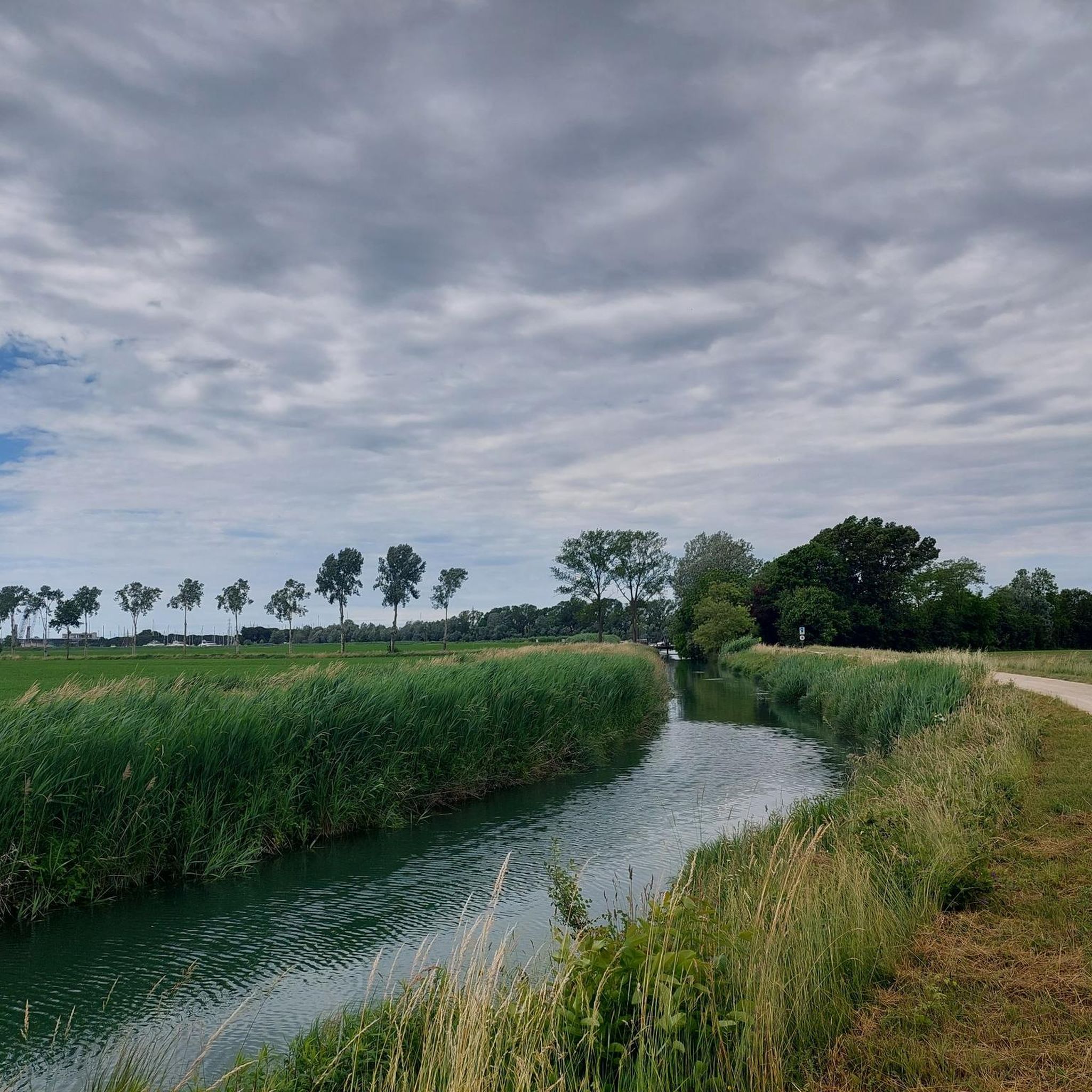
Tips from the Community


A fortress town worth seeing
0
0

Marano Lagunare, a place that gives its name to the homonymous lagoon, famous for fish and the wholesale trade of fish products.
0
0

This house of worship has the Madonna of the Rosary as its patron saint, meaning not one of the many saints to whom a church and parish are often entrusted, but here the spiritual focus is on a special prayer. "Your prayer is the expression of that faith which, according to Jesus' words, moves mountains (cf. Mt 17:20). Thank you for having followed this invitation," said Pope Leo XIV at the prayer vigil for peace on April 11, 2026. "The Rosary has united us this evening, like other age-old forms of prayer, in its regular rhythm based on repetition: thus peace makes its way, word by word, gesture by gesture, just as a constant drop hollows out the stone, just as the fabric on the loom grows with each new row. These are the slow times of life, a sign of God's patience. We must not be carried away by the acceleration of a world that does not know who or what it is chasing, but must again serve the rhythm of life and the harmony of creation and heal its wounds."
0
0

The star-shaped city, a fortress city that represents a masterpiece of military engineering commissioned by the Serenissima Republic of Venice and then expanded in the 19th century by Napoleon Bonaparte who added the second ring of walls.
0
0
Cycling along the walls of the Star City of Palmanopva is always a great ride
0
0
Palmanova is a fortress-city built by the Republic of Venice based on a precise design developed by a team of engineers and contractors from the Fortifications Office, under the guidance of Superintendent General Giulio Savorgnan. To strengthen the defenses of Friuli against Turkish raids and the expansionist ambitions of the Habsburgs, Venice decided to build a fortress in the center of the Friulian plain, a mature example of late-Renaissance "modern" fortification.
0
0
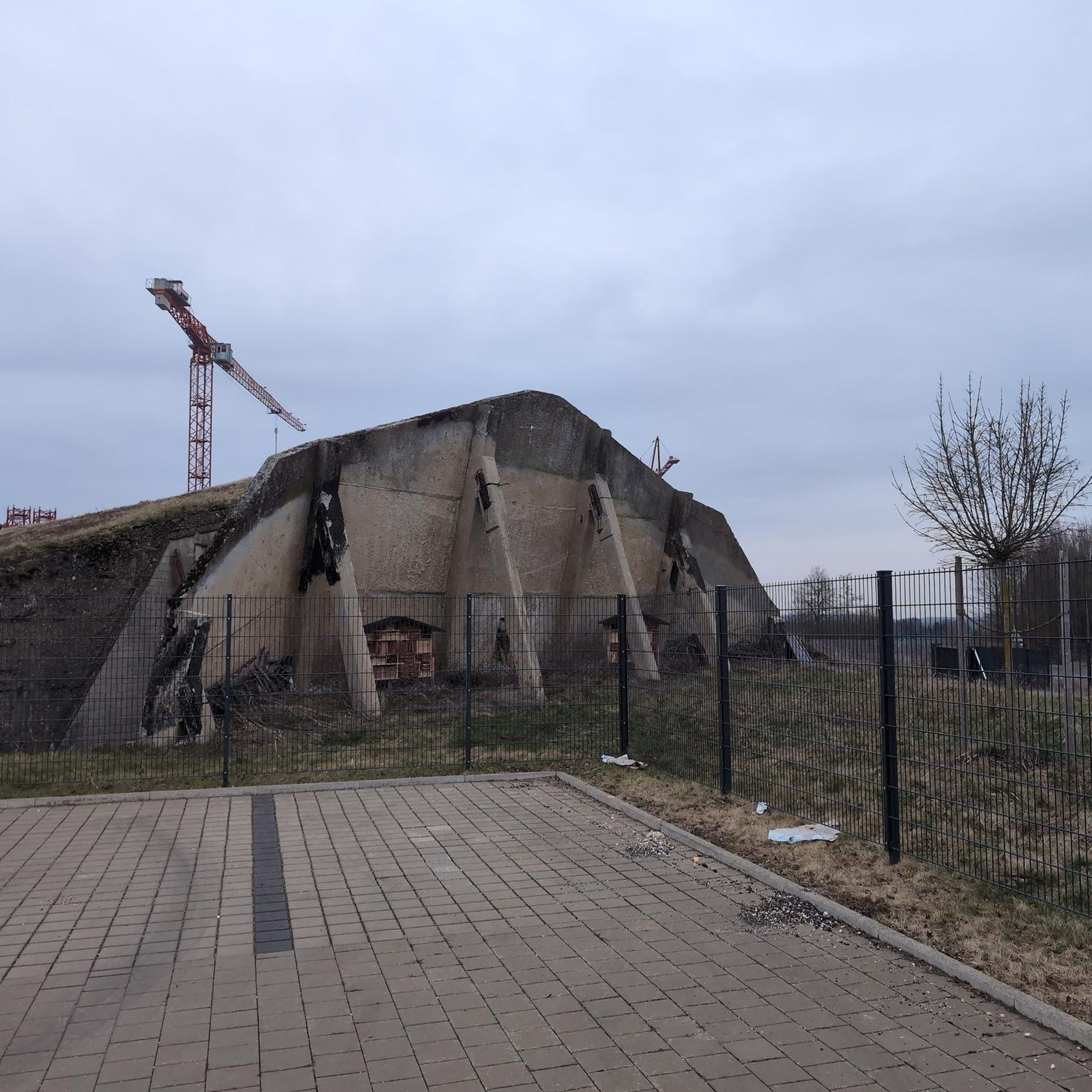
The Palmanova fortress is located on a site where spring water could have been an excellent defensive element, along with the moats. This machine was useful for moving the water.
0
0
Frequently Asked Questions
What is the typical terrain like for road cycling around San Giorgio Di Nogaro?
The area around San Giorgio Di Nogaro is characterized by predominantly flat terrain, with an average altitude of 7 meters. You'll find well-paved surfaces, agricultural lands, and routes winding near the Marano Lagoon and Corno River, making it suitable for various fitness levels.
How many road cycling routes are available around San Giorgio Di Nogaro?
There are over 30 road cycling routes available around San Giorgio Di Nogaro, offering a diverse range of options for cyclists. These include 12 easy routes, 16 moderate routes, and 2 more challenging options.
Are there family-friendly road cycling routes in the area?
Yes, the region's flat terrain makes it ideal for family-friendly road cycling. Many routes are easy, such as the Marano Lagunare – Marano Lagunare Marina loop from San Giorgio di Nogaro / San Zorç di Noiâr, which is 25.6 km long and offers scenic views of the lagoon.
What kind of natural features can I expect to see while cycling?
You can expect to see diverse natural features, including the unique ecosystem of the Marano Lagoon and the tranquil Corno River. Routes often pass through cultivated agricultural lands and charming rural villages, offering a glimpse into the authentic character of lower Friuli.
Are there any historical landmarks accessible by road bike?
Absolutely. You can cycle to significant historical sites like Palmanova, a UNESCO World Heritage fortress-city, or Aquileia, an ancient Roman colony with rich archaeological remains. The route Porta Aquileia (Palmanova) – Palmanova loop from San Giorgio di Nogaro is a great option for this.
What is the best time of year for road cycling in San Giorgio Di Nogaro?
The region is generally pleasant for cycling for much of the year. Spring and autumn offer mild temperatures, while summer can be warm but still enjoyable, especially for rides along the lagoon. Winters are typically mild, allowing for cycling, though you should check local weather conditions.
Are there circular road cycling routes available?
Yes, many routes are designed as loops, allowing you to start and end in the same location. An example is the San Giorgio di Nogaro, Rivignano e Ariis – ring tour, which is an easy 50.1 km loop connecting several local towns.
How long are the road cycling routes typically?
Route lengths vary, catering to different preferences. You can find shorter loops around 25 km, such as the Marano Lagunare – Marano Lagunare Marina loop from San Giorgio di Nogaro (21.8 km), or longer rides up to 50 km, like the Marano Lagunare loop from San Giorgio di Nogaro / San Zorç di Noiâr (49.3 km).
What do other road cyclists enjoy most about cycling in San Giorgio Di Nogaro?
The area is highly rated by the komoot community, with an average score of 4.4 stars from over 20 reviews. Cyclists often praise the predominantly flat terrain, well-maintained paths, and the scenic views of the Marano Lagoon and agricultural landscapes.
Is public transport available to access cycling routes?
Yes, many starting points for cycling routes in the San Giorgio Di Nogaro area are accessible by public transport, which adds to the convenience for visitors looking to explore the region by bike.
Are there any specific permits required for road cycling in the Friuli-Venezia Giulia region?
Generally, no specific permits are required for road cycling on public roads and dedicated cycleways in the Friuli-Venezia Giulia region. However, always respect local regulations and private property signs.
Are there any bike-friendly accommodations or cafes for cyclists in San Giorgio Di Nogaro?
While specific bike hotels are not detailed, the region is generally welcoming to cyclists. Many local cafes and establishments in San Giorgio Di Nogaro and surrounding villages cater to visitors, offering places to rest and refuel during your rides.
Most popular routes around San Giorgio Di Nogaro
Most popular attractions around San Giorgio Di Nogaro

Get inspired with the komoot mobile app


Explore more
Browse the best Road cycling routes in other regions.
