Top 20 Mountain Passes around Ampezzo
Best mountain passes around Ampezzo are located in the Eastern Dolomites, a region known for its alpine scenery and dramatic peaks. The area offers a network of passes that provide access to various outdoor activities. These passes connect different valleys and offer diverse landscapes. Cortina d'Ampezzo serves as a central point for exploring these routes.
Best mountain passes around Ampezzo
- The most popular mountain passes is Monte Zoncolan Climb from Ovaro, a climb that features a 10 km ascent…
Last updated: August 6, 2026
Monte Zoncolan Climb from Ovaro
Highlight (Segment) • Climb
The superlative of mountain roads leads up Monte Zoncolan. This ski mountain in the Carnic Alps has been the toughest climb in the Giro several times. …
Translated by Google •
Tip by

Passo Rest
Highlight • Mountain Pass
Translated by Google •
Tip by

Sign up now to discover places like this
Get recommendations on the best single tracks, peaks, & plenty of other exciting outdoor places.
Sign up for free
Fast descent, beautiful views
Highlight (Segment) • Viewpoint
Translated by Google •
Tip by

Sella di Razzo
Highlight • Mountain Pass
More information: quaeldich.de/paesse/sella-di-razzo
Translated by Google •
Tip by

Forcella Vinadia
Highlight (Segment) • Mountain Pass
Translated by Google •
Tip by

Sign up for free to discover even more mountain passes around Ampezzo.
Sign up for free
Already have an account?
Start today with a free account
Your next adventure awaits.
Login or Signup
Tips from the Community

The hardest hill in Europe, a title that may not correspond to the absolute truth, but which was not assigned by chance; probably the hardest climb ever faced by the Great Cycling. If you want to face this climb I think you know what you are getting into... I can only wish you good luck and assure you that the satisfaction it gives is unique
5
0

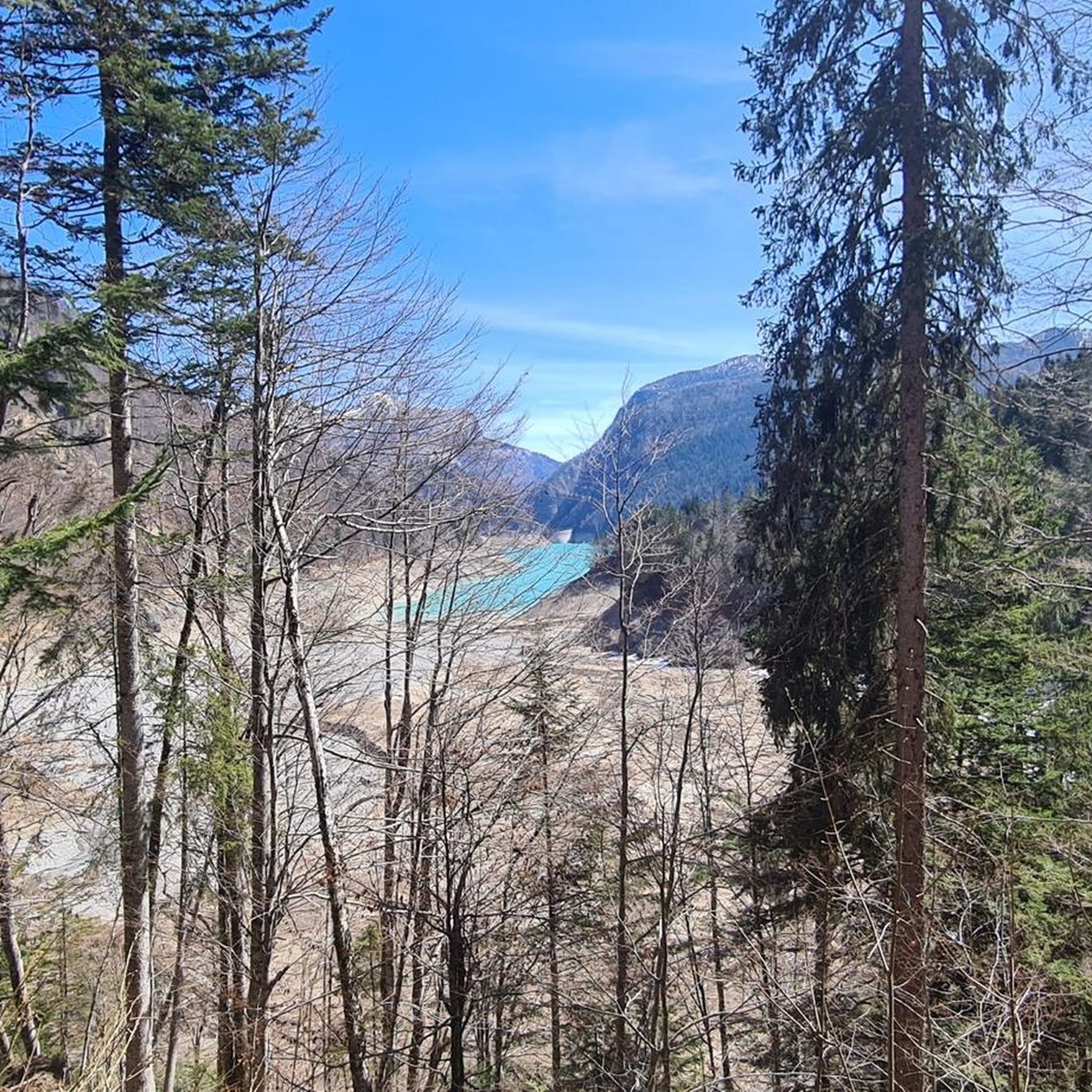
Nestled between a steep descent and a steep climb
1
0

Also known as Passo Rest, Forcella di Monte Rest is one of the most famous climbs in the Carnic Prealps. Often closed in winter, it connects Val Tramontina with the upper Tagliamento valley. The first time the Giro d'Italia passed through here, in 1974, the Spaniard Santiago Lazcano was the first to reach the top.
2
0

The ascent from the east has different ground conditions. The lower part has stones, the middle part is partly washed out with larger stones and small boulders. At critical points such as bends, typical Italian architecture with concrete. The climb to the last bend and shortly afterwards up to the saddle has a gradient of up to 32%. In return, the bend and the saddle offer a fantastic view to the east and west. The descent to the west is almost entirely asphalted at the beginning, then it is a forest path again, partly with stones and, depending on the weather, washed out areas.
2
0

great food, nice staff, beautiful panorama
0
0

Very shady stretch, nice to walk in warm temperatures
0
0
Nice area although cold, recommended in summer to cool off
0
0
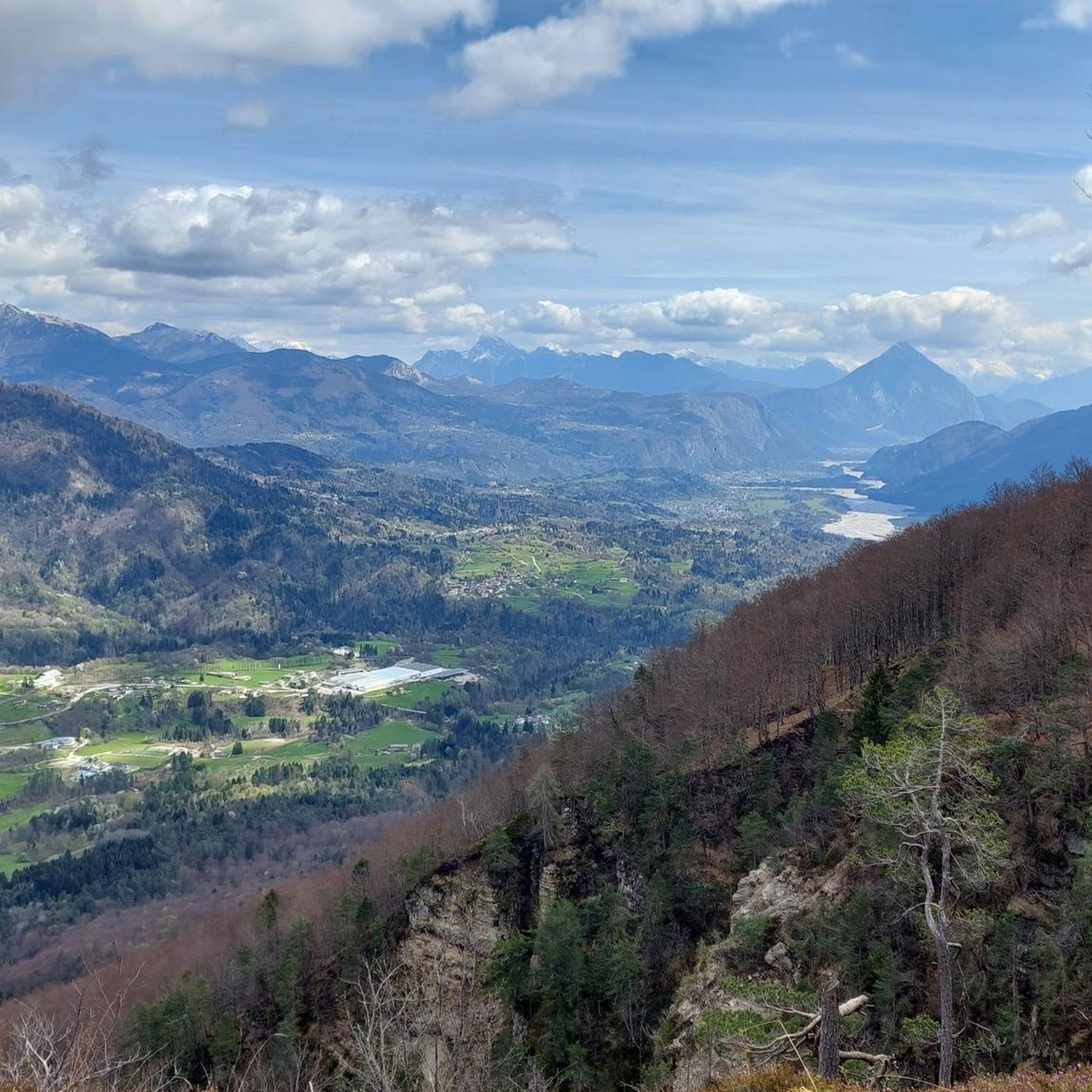
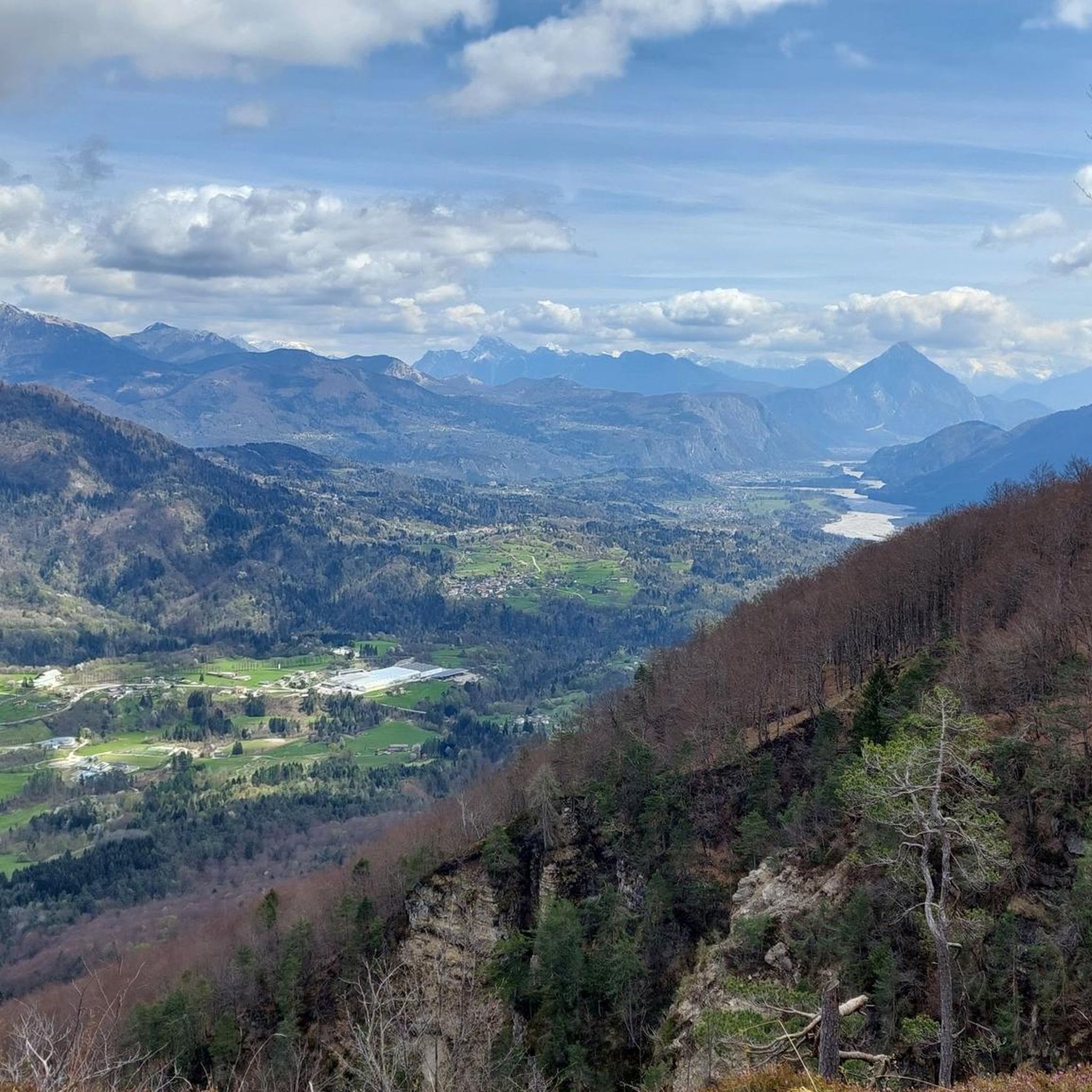
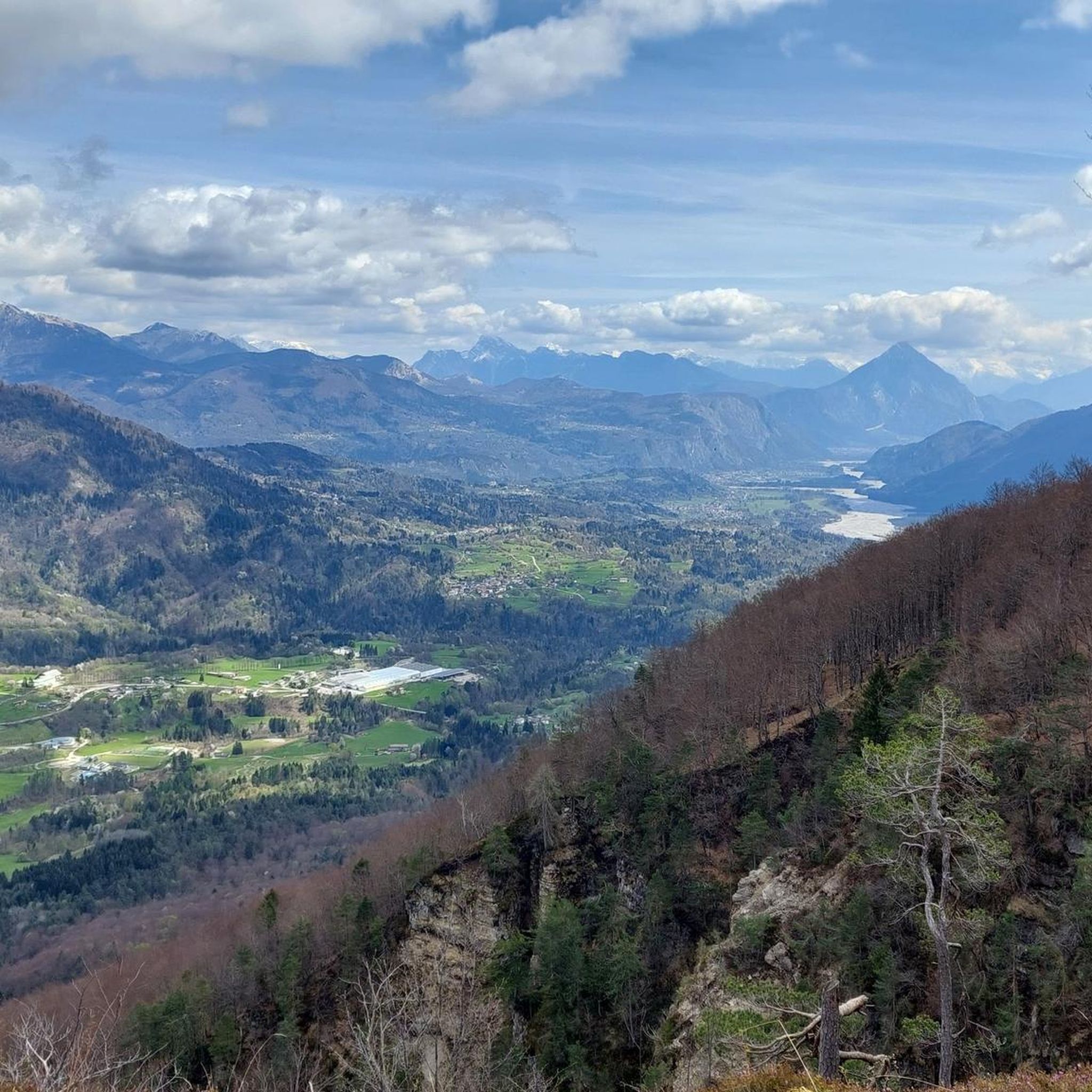
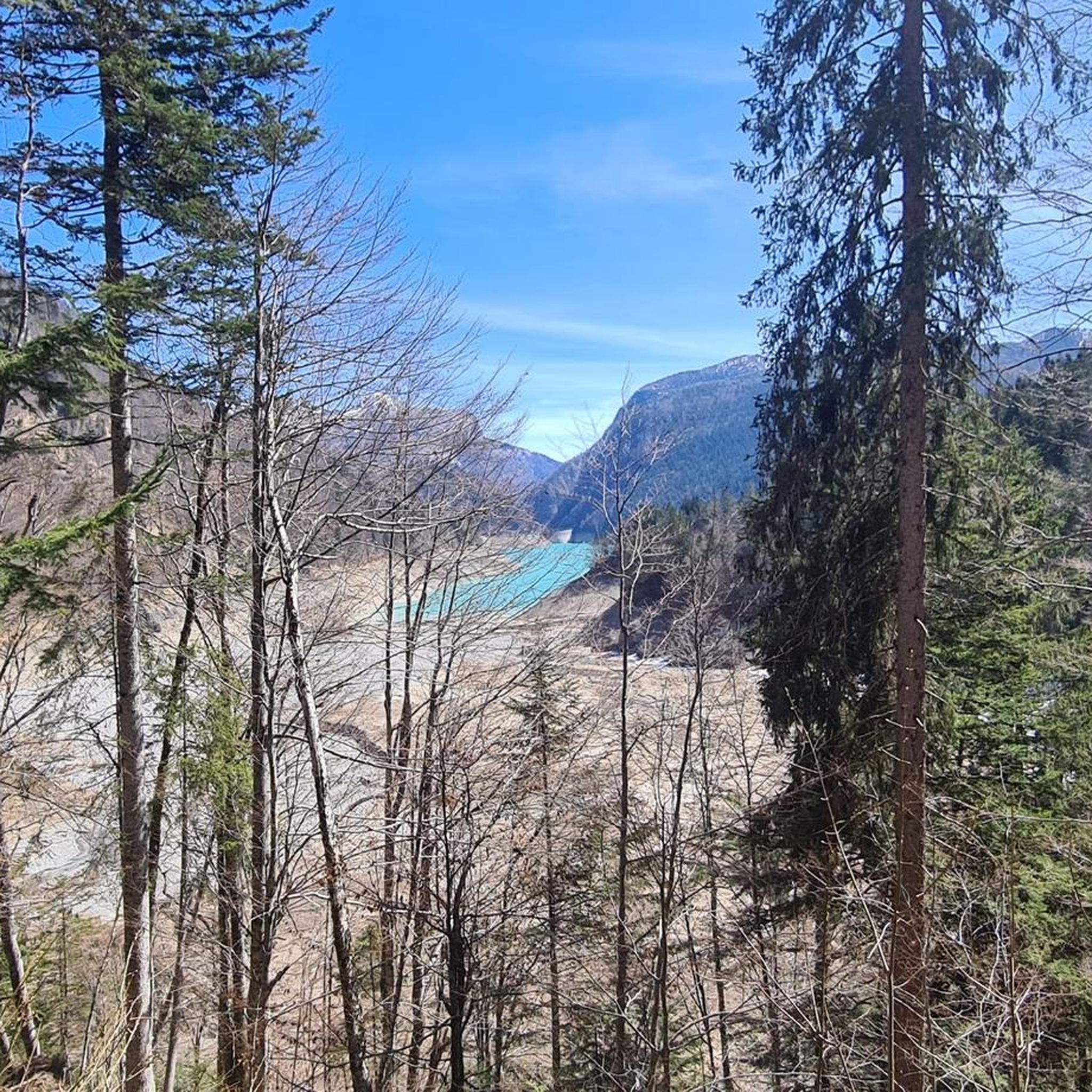
The driveway from Ampezzo offers a wonderful view of the Tagliamento Valley and the Julian Alps. The driveway itself is asphalted and concrete, not too steep and occasionally leads through forest areas. Unfortunately no water point, hardly any traffic. Once at the top it looks like a high valley and the view of the mountains to the north rewards the climb.
1
0
Frequently Asked Questions
What are the most scenic mountain passes in the Ampezzo region?
The Ampezzo region is home to several incredibly scenic mountain passes. Passo Giau is renowned for its exceptional 360-degree views of prominent peaks like Tofane, Pelmo, and Cristallo. Passo Falzarego offers breathtaking alpine vistas surrounded by Lagazuoi and Tofane. Passo Valparola provides dramatic landscapes with wide-open spaces and impressive rock faces, while Passo Tre Croci offers beautiful views of Monte Cristallo.
What kind of outdoor activities can I do near the mountain passes around Ampezzo?
The mountain passes around Ampezzo are excellent starting points for various outdoor activities. You can find numerous hiking trails, including routes to Nuvolau and Averau from Passo Giau, or explore the historical tunnels near Passo Falzarego. Cycling is also very popular, with passes like Passo Giau and Passo Valparola frequently featured in major races. In winter, areas like Passo Giau transform into hubs for snowshoeing and ski mountaineering. For more detailed routes, you can explore options like hiking around Ampezzo or cycling around Ampezzo.
Are there historical sites or points of interest near the Ampezzo mountain passes?
Yes, the Ampezzo mountain passes are rich in history, particularly from World War I. Passo Falzarego is famous for the nearby Lagazuoi mountain, which houses a fascinating open-air museum of war tunnels. Passo Valparola features remnants of WWI military positions, including the restored Forte Tre Sassi museum. Even Passo Giau has historical significance with ancient ruins and a Mesolithic burial site. The Cinque Torri area, close to Falzarego and Giau, also has an open-air museum with restored WWI trenches.
What is the best time to visit the mountain passes in Ampezzo?
The best time to visit the mountain passes in Ampezzo largely depends on your desired activities. For hiking and cycling, late spring (when meadows bloom with wildflowers) through early autumn offers pleasant weather and open roads. In winter, these passes become popular for snowshoeing, ski mountaineering, and accessing ski areas, though some roads may be closed. Always check local conditions before planning your trip.
Are there family-friendly options or easy trails near the Ampezzo mountain passes?
While many trails in the Dolomites can be challenging, there are options for families and those seeking easier routes. The general area around Passo Tre Croci, with its less challenging road, can be a good starting point for scenic drives. The Cinque Torri area, accessible by chairlift, offers relatively easier walks among the rock formations and historical trenches, making it suitable for families. Always check specific trail difficulty and elevation before heading out.
Where can I find mountain huts or places to eat near the passes?
Many of the mountain passes and their surrounding areas offer mountain huts (rifugi) and cafes. For example, Sella di Razzo, a mountain pass in the broader Ampezzo region, is known for its very nice inn with local products and hospitality. These huts often provide refreshments, meals, and sometimes even overnight stays, serving as excellent rest stops for hikers and cyclists.
What makes Passo Giau a must-visit destination?
Passo Giau is considered one of the most iconic passes in the Dolomites due to its exceptional 360-degree panoramic views of major peaks. It's a paradise for outdoor enthusiasts, serving as a starting point for numerous hikes, including routes to Nuvolau and Averau, and is a key section of the Alta Via 1 trekking route. Its winding roads with 29 hairpin turns also make it a favorite for cyclists and motorcyclists, and its stunning sunrises and sunsets are a photographer's dream.
Can I access the mountain passes by public transport?
While some passes might have limited bus services, especially during peak season, many of the higher and more remote passes are best accessed by car, motorcycle, or bicycle. Cortina d'Ampezzo serves as a central hub with connections, but direct public transport to every pass summit can be infrequent. It's advisable to check local bus schedules for specific routes and times if you plan to rely on public transport.
What is unique about Passo Valparola?
Passo Valparola, located just west of Passo Falzarego, offers a quieter and more tranquil atmosphere. It's known for its dramatic landscapes, including a serene heart-shaped lake at its summit, and significant historical sites like the restored Forte Tre Sassi, which houses a museum detailing World War I. It's also a popular cycling route, frequently featured in the Giro d'Italia.
Are there any challenging climbs for cyclists in the Ampezzo region?
Absolutely. The Ampezzo region is famous for its challenging climbs. The Monte Zoncolan Climb from Ovaro, though a bit further afield, is a legendary ascent known for its steep gradients, with sections reaching over 20 percent. Passes like Passo Giau also offer significant challenges with their numerous hairpin turns and elevation gains, making them a favorite for experienced cyclists.
What are the typical terrain and elevation of the mountain passes in Ampezzo?
The mountain passes in Ampezzo are characterized by high alpine terrain, featuring dramatic rock faces, verdant valleys, and high-altitude meadows. Elevations typically range from around 1,800 meters to over 2,200 meters. For instance, Passo Tre Croci is at 1,811 meters, Passo Falzarego at 2,105 meters, Passo Valparola at 2,192 meters, and Passo Giau at 2,236 meters. The roads are generally well-maintained, but can be winding and steep, especially on the more challenging climbs.
What are some popular hiking trails accessible from Passo Tre Croci?
Passo Tre Croci is a popular starting point for hikers, most notably for the challenging but rewarding trek to Lago di Sorapiss, known for its astounding views and vibrant turquoise color. It also provides access to trails within the Cristallo mountain range, offering opportunities for various hiking experiences, including via ferrata climbing.
What do visitors enjoy most about the mountain passes around Ampezzo?
Visitors to the mountain passes around Ampezzo consistently praise the breathtaking panoramic views, the opportunities for diverse outdoor activities like hiking and cycling, and the rich historical significance, particularly related to World War I. The stunning sunrises and sunsets, the vibrant wildflowers in spring, and the overall dramatic alpine scenery are frequently highlighted as memorable experiences.
Most popular routes around Ampezzo
Most popular attractions around Ampezzo

Get inspired with the komoot mobile app


Explore more
See even more epic mountain passes by checking out these guides around Ampezzo:
