Top 20 Castles around Partschins - Parcines
Best castles around Partschins - Parcines offer a glimpse into South Tyrol's rich history and architectural heritage. The region features a variety of historic estates, from medieval fortresses to stately homes, set amidst the natural landscape. These landmarks provide insights into the area's feudal past and ongoing traditions. Many are situated in scenic locations, offering views of the Etsch Valley and surrounding vineyards.
Best castles around Partschins - Parcines
- The most popular castles is View of Tirolo Castle, a…
Last updated: May 25, 2026
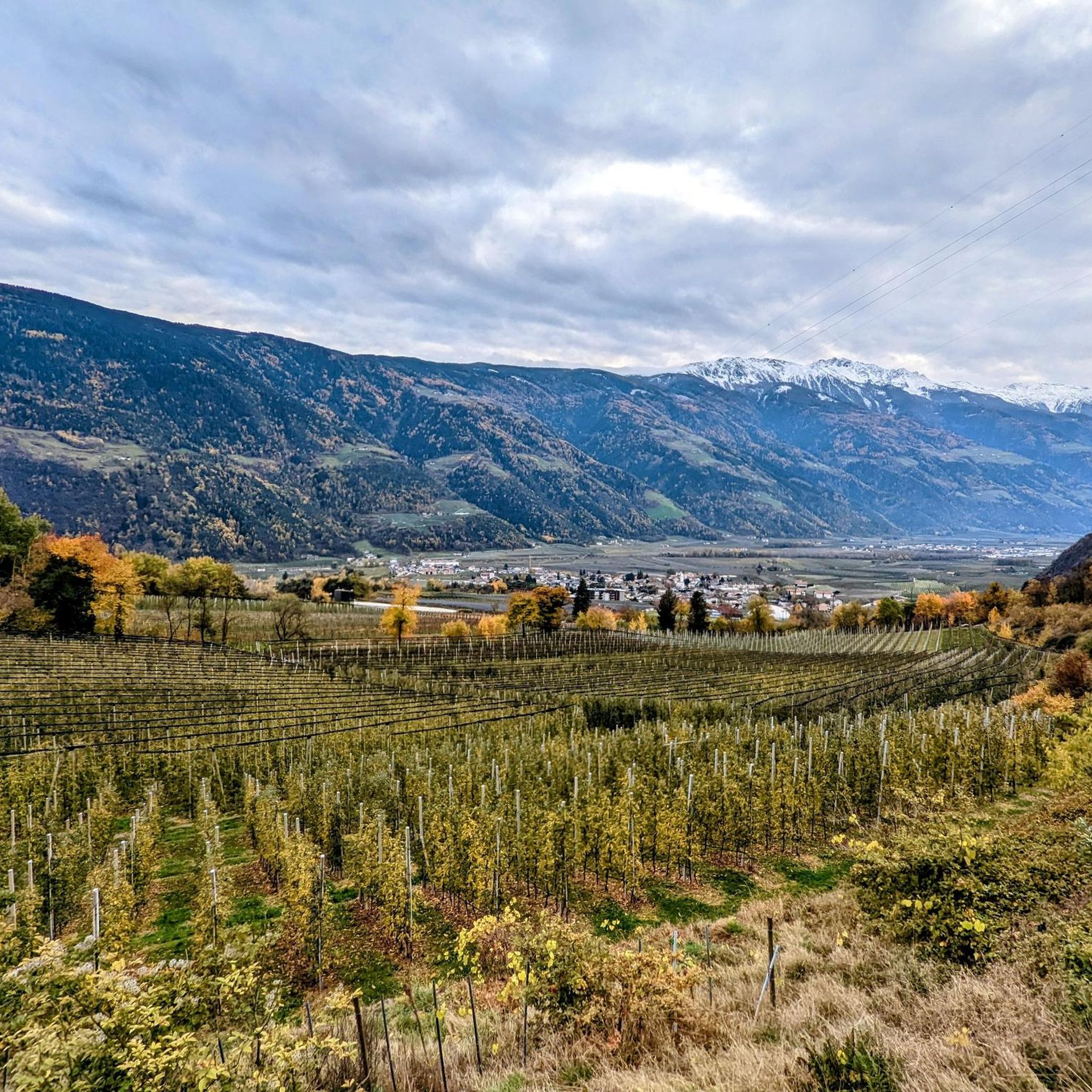
View of Schloss Tirol, Brunnenburg and vineyards from Dorf Tirol
Highlight • Viewpoint
to the Brunnenburg.
Welcome to Tirol Castle, the residential castle of the Counts of Tyrol. The castle gave the state of …
Translated by Google •
Tip by

View of Tirolo Castle
Highlight • Viewpoint
Translated by Google •
Tip by

Sign up now to discover places like this
Get recommendations on the best single tracks, peaks, & plenty of other exciting outdoor places.
Sign up for free
Brunnenburg Castle
Highlight • Castle
Translated by Google •
Tip by
Schenna — village, church, castle and mausoleum
Highlight • Settlement
There is, among other things, a tourist office with a very competent advice around
the holidays.
Address: Erzherzog-Johann-Platz, …
Translated by Google •
Tip by

Tyrol Castle (Schloss Tirol)
Highlight • Castle
Translated by Google •
Tip by

Sign up for free to discover even more castles around Partschins - Parcines.
Sign up for free
Already have an account?
Start today with a free account
Your next adventure awaits.
Login or Signup
Popular around Partschins - Parcines
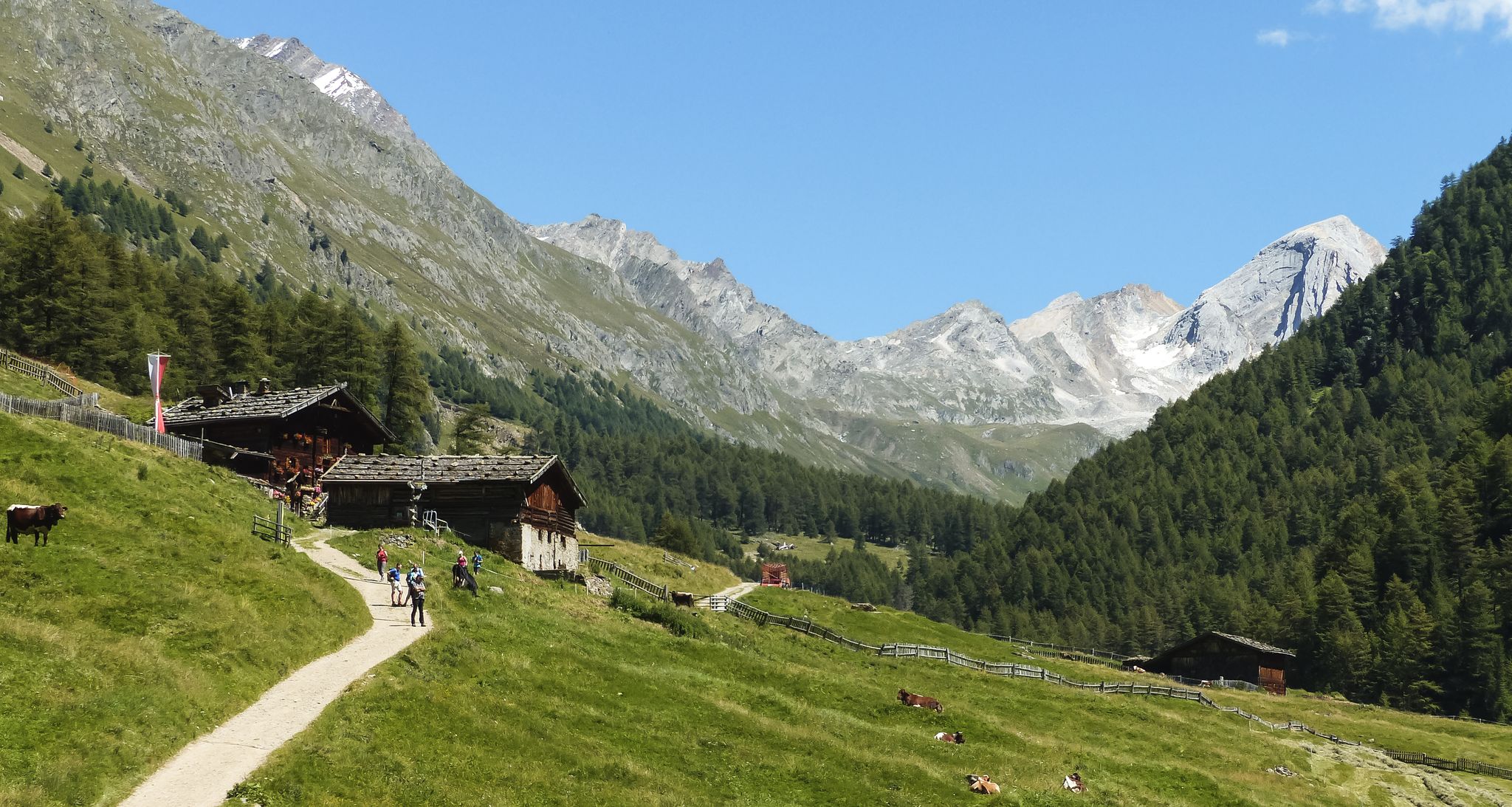
Meraner Höhenweg — in 8 stages through sunny South Tyrol
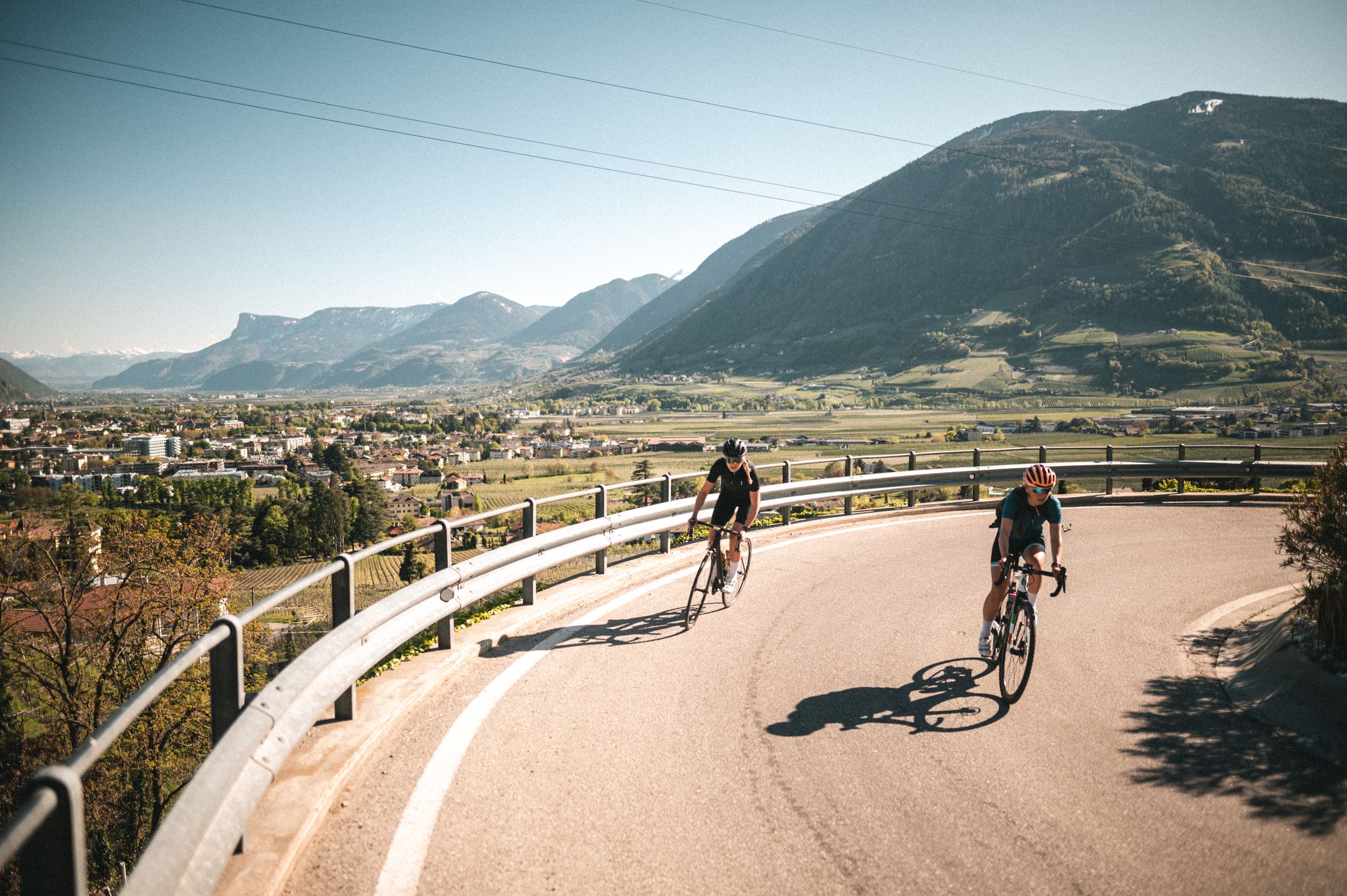
So much variety, so much South Tyrol
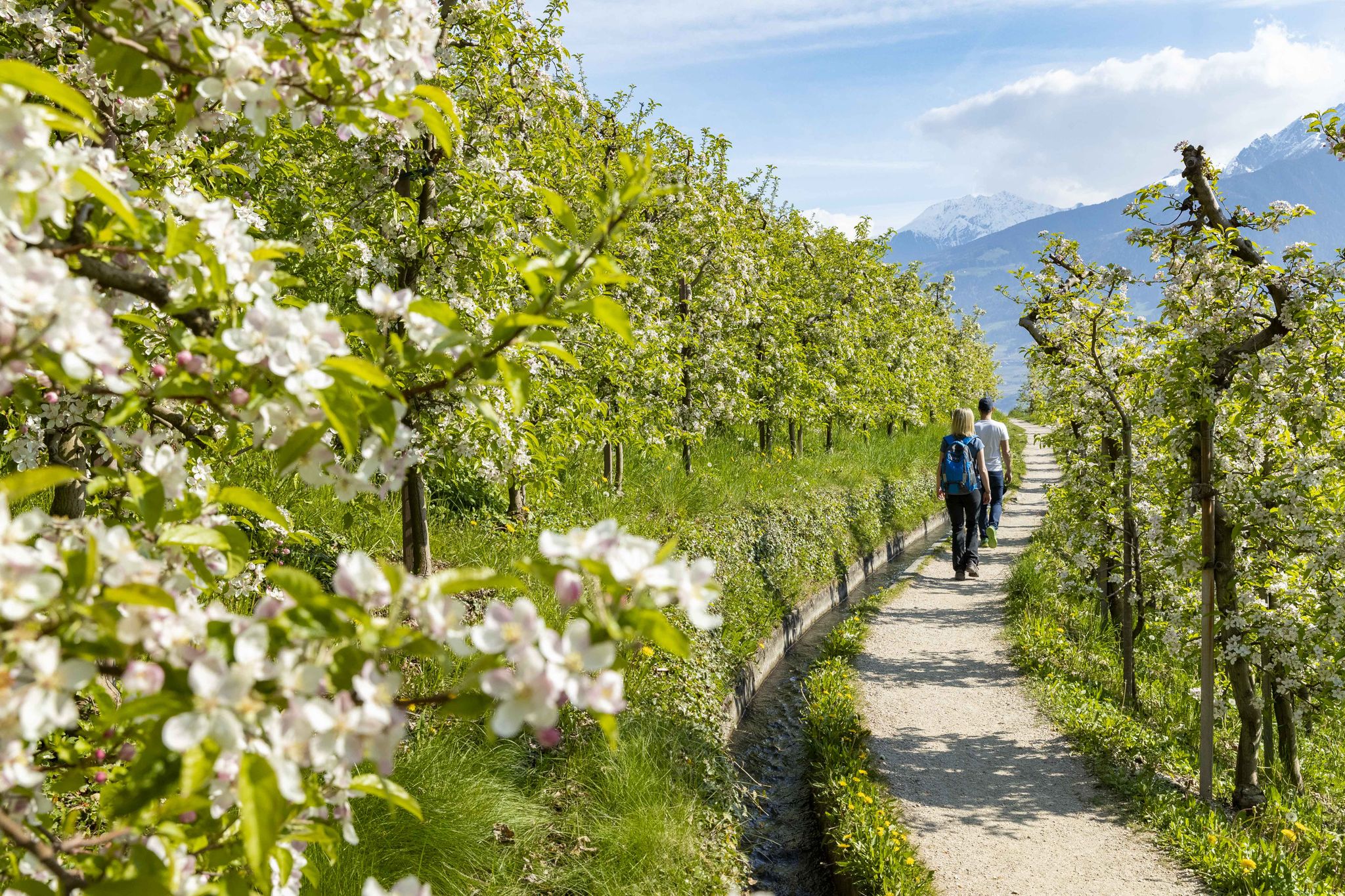
On the trail of the water along Italy’s Marlinger Waalweg
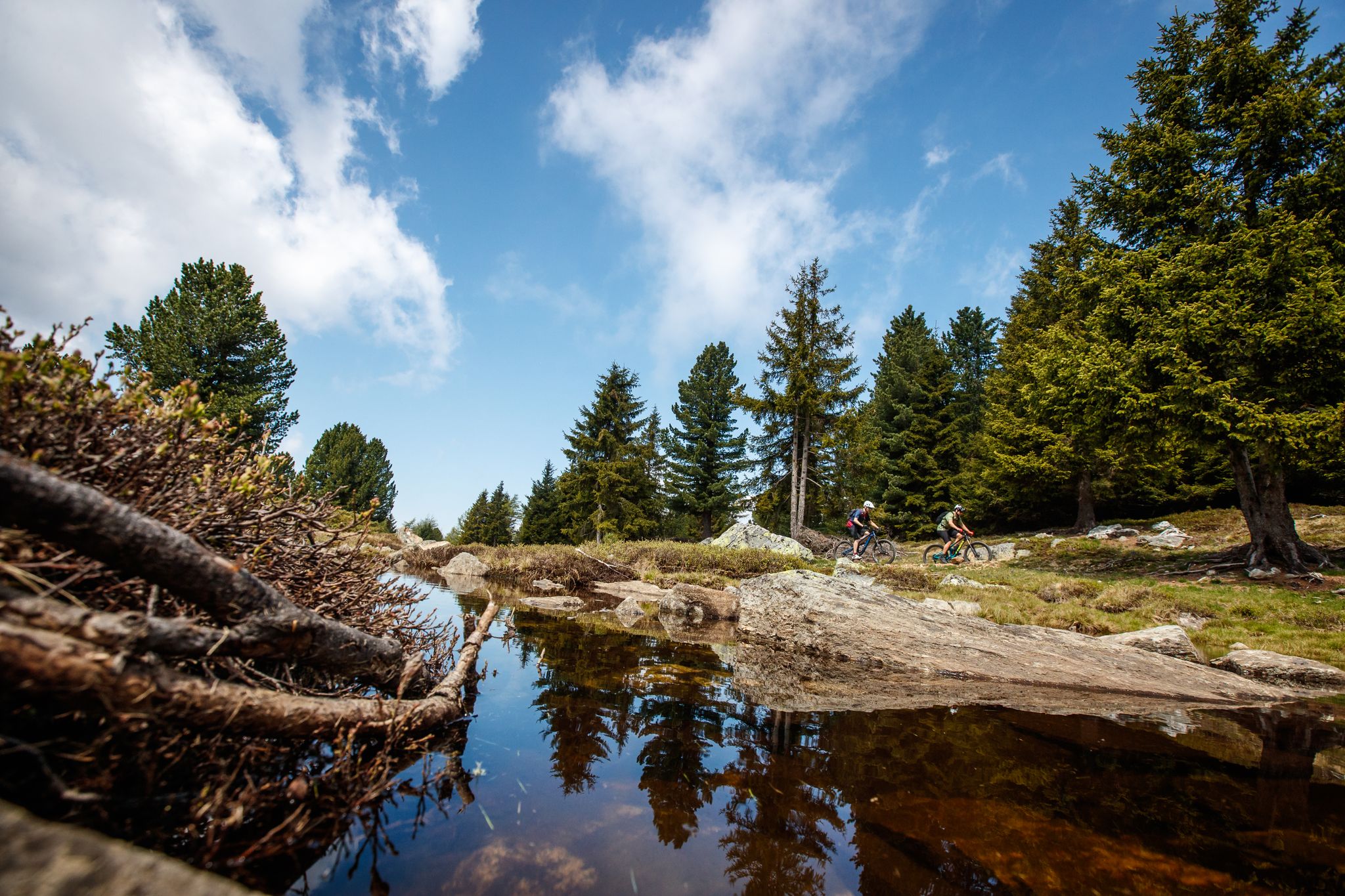
Bike between palm trees and glaciers in South Tyrol – Merano and Vinschgau
A Mediterranean-alpine paradise – day hikes in Italy’s Naturno
On the trails, get set, go! South Tyrol's BikeHotels are waiting for you
Mountain biking in the Val Venosta
The most beautiful waterfalls of the Alps
Hiking around Partschins - Parcines
Cycling around Partschins - Parcines
Other adventures around Partschins - Parcines


Tips from the Community

In 1903 he sold the castle to the entrepreneur Karl Schwickert from Pforzheim, who had it rebuilt. After his death in 1927, the castle fell into disrepair again until the de Rachewiltz family took up residence there and over time turned the castle into a center for cultural encounters. The American poet Ezra Pound completed his life's work, the Cantos, here from 1958 to 1962. Source: https://www.brunnenburg.net/de/willkommen-auf-der-brunnenburg/sagengeschichte/
13
0
The Brunneburg was built in 1250 by Wilhelm Tarant on a glacial rubble cone below Tyrol Castle. In 1356 the princely administrator of the Bishopric of Trent, Heinrich von Bopfingen, acquired it; he was pastor of Tyrol, envoy of Ludwig of Brandenburg and until 1359 also governor of Tyrol. In 1421 it was acquired by Ulrich Putsch, chaplain of Duke Frederick with his empty pockets, who later became a patron of art and science as Bishop of Brixen. In 1457 the castle came into the possession of Hans Kripp. It belonged to this Hall family for three and a half centuries. In 1705, Gregor Hofer built a house with a barn and gate at the foot of the castle rock using the “high wall tips” that still existed from the ruins. In 1884 the Brunnenburggut came into the hands of the mayor of Dorf Tirol, Michael Sonnenburger. Source:https://www.brunnenburg.net/de/willkommen-auf-der-brunnenburg/sagengeschichte/
13
0
Here you can see the Tyrol Castle as well to the Brunnenburg. Welcome to Tirol Castle, the residential castle of the Counts of Tyrol. The castle gave the state of Tyrol its name. Aspects of the country's history and rulership are combined here in a clear way. From the outer bailey of Tyrol Castle you have an impressive view of the Etsch Valley and the Vinschgau. Here you will feel like you have been transported back to a distant time when the Counts of Tyrol were the masters of this area. Source: https://www.schlosstirol.it/
15
0
In 1903 he sold the castle to the entrepreneur Karl Schwickert from Pforzheim, who had it rebuilt. After his death in 1927, the castle fell into disrepair again until the de Rachewiltz family took up residence there and over time turned the castle into a center for cultural encounters. The American poet Ezra Pound completed his life's work, the Cantos, here from 1958 to 1962. Source: https://www.brunnenburg.net/de/willkommen-auf-der-brunnenburg/sagengeschichte/
8
0
The Brunneburg was built in 1250 by Wilhelm Tarant on a glacial rubble cone below Tyrol Castle. In 1356 the princely administrator of the Bishopric of Trent, Heinrich von Bopfingen, acquired it; he was pastor of Tyrol, envoy of Ludwig of Brandenburg and until 1359 also governor of Tyrol. In 1421 it was acquired by Ulrich Putsch, chaplain of Duke Frederick with his empty pockets, who later became a patron of art and science as Bishop of Brixen. In 1457 the castle came into the possession of Hans Kripp. It belonged to this Hall family for three and a half centuries. In 1705, Gregor Hofer built a house with a barn and gate at the foot of the castle rock using the “high wall tips” that still existed from the ruins. In 1884 the Brunnenburggut came into the hands of the mayor of Dorf Tirol, Michael Sonnenburger. Source: https://www.brunnenburg.net/de/willkommen-auf-der-brunnenburg/sagengeschichte/
11
0

Wilhelm Tarant built the Brunnenburg around 1250 on a glacial rubble cone below Schloss Tirol. It got its name from the nearby spring. The castle, which fell into ruin over the centuries, was reborn at the beginning of the 20th century, and this is how the visitor encounters it today. The former residence of the American poet Ezra Pound (1885 to 1972) now houses the agricultural museum, which gives an insight into the life of South Tyrolean farmers and mountain farmers and into old trades.
3
0
Schenna is an Italian municipality with 2916 inhabitants in South Tyrol. It is about three kilometers north-east of Meran and about 25 kilometers north-west of Bozen, just opposite Dord Tirol. Worth seeing is the castle and the church with the mausoleum. From here you can hike wonderfully to Meran.
9
0

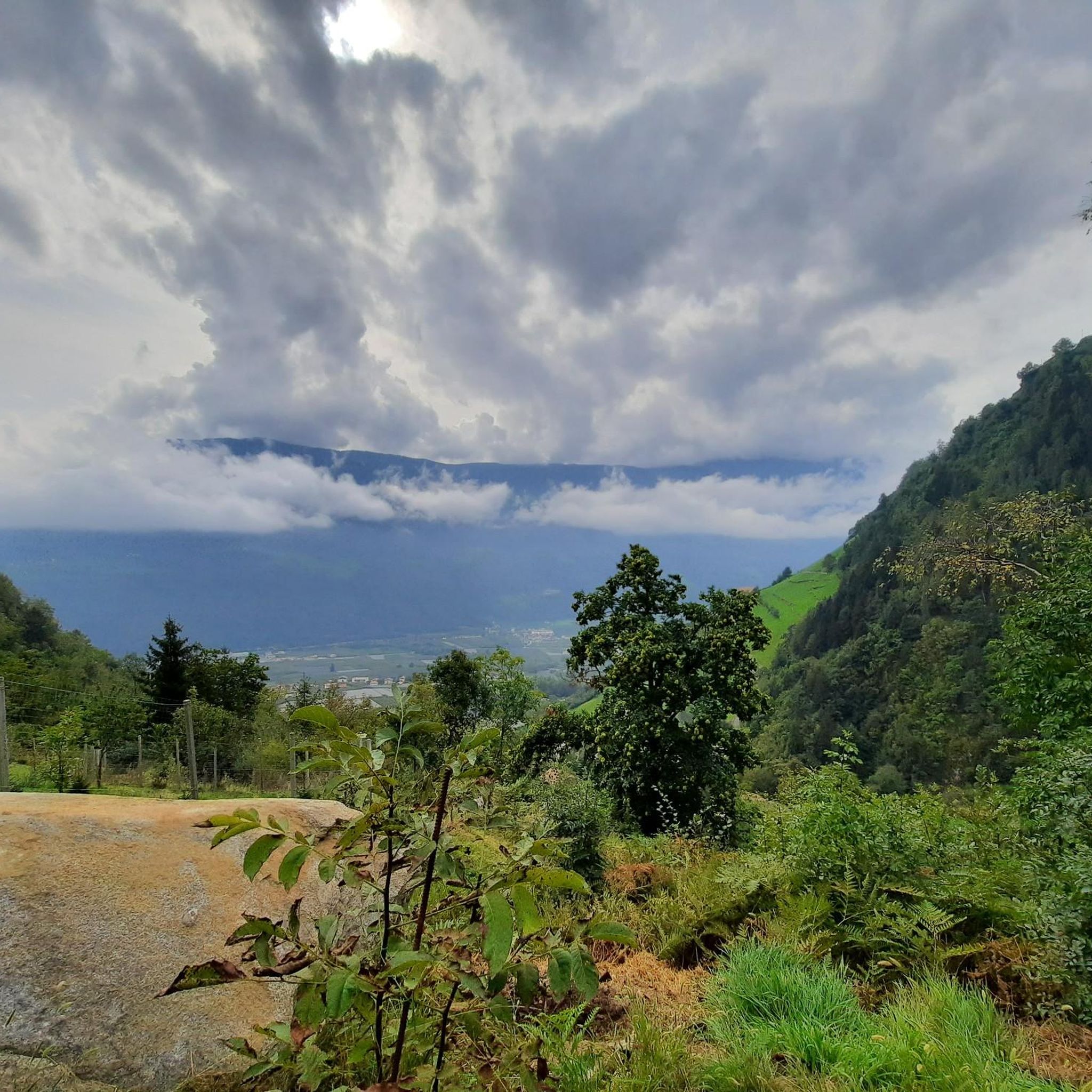
Must have been. Magnificent views as far as the eye can see
6
0
Frequently Asked Questions
Which castles around Partschins - Parcines offer unique experiences beyond just historical viewing?
For a unique experience, consider visiting Stachelburg Castle, which houses an organic wine farm and offers weekly wine tastings in its historic cellar. The Gaudententurm Estate, a historic mansion, also hosts weekly tastings at its Gaudenz distillery. While not open internally, Spauregg Castle is notable for its magnificent gardens featuring Mediterranean trees and an impressive 140-year-old redwood.
Are there any castles or viewpoints that are particularly family-friendly?
Yes, several spots are great for families. Brunnenburg Castle is considered family-friendly and offers a cultural experience. The View of Schloss Tirol, Brunnenburg and vineyards from Dorf Tirol and the View of Tirolo Castle are also family-friendly viewpoints, providing panoramic vistas that children often enjoy. Additionally, Tyrol Castle (Schloss Tirol) is a family-friendly historical site with a museum.
What kind of historical insights can I gain from visiting the castles in this region?
The castles around Partschins - Parcines offer a deep dive into South Tyrol's feudal past. Tyrol Castle (Schloss Tirol), the former ancestral seat of the Counts of Tyrol, provides insights into the region's history and rulership through its museum. Stachelburg Castle and Castel Naturno showcase medieval architecture and the lives of noble families from centuries past. Brunnenburg Castle also has a rich history, having been rebuilt and transformed into a center for cultural encounters where Ezra Pound completed his life's work.
Are there opportunities for outdoor activities like cycling or mountain biking near the castles?
Absolutely. The region around Partschins - Parcines offers numerous routes for cycling and mountain biking. You can find various options, from easy to difficult, for gravel biking, cycling, and MTB trails. For detailed routes and guides, explore the Gravel biking around Partschins - Parcines, Cycling around Partschins - Parcines, and MTB Trails around Partschins - Parcines guides.
What are the best viewpoints to see multiple castles or panoramic views?
For impressive panoramic views, visit the View of Schloss Tirol, Brunnenburg and vineyards from Dorf Tirol. From here, you can see both Tyrol Castle and Brunnenburg Castle, along with the Etsch Valley and Vinschgau. The View of Tirolo Castle also offers excellent panoramic views of the Meraner valley.
Can I visit the interiors of all castles, or are some only viewable from the outside?
Not all castles are open for internal visits. While Tyrol Castle (Schloss Tirol) houses a museum and is fully accessible, and Stachelburg Castle offers access to its wine cellar and courtyard during tastings, Spauregg Castle and Castel Naturno are privately owned and generally only viewable from their exteriors. The Gaudententurm Estate offers access during distillery tastings.
Are there any cafes or restaurants located near the castles?
Yes, you can find amenities near some of the castle sites. View of Tirolo Castle and Tyrol Castle (Schloss Tirol) both have cafes available. The village of Schenna, which includes Schenna Castle, also offers many restaurants.
What is the best time of year to visit the castles around Partschins - Parcines?
The best time to visit is generally during the spring, summer, and autumn months when the weather is pleasant for exploring and the castle gardens, like those at Spauregg Castle, are in full bloom. Many outdoor activities and tastings at places like Stachelburg Castle and the Gaudententurm Estate are also more frequent during these seasons. While some castles can be admired in winter, access to grounds and specific events might be limited.
How long should I plan for a visit to the castles?
The duration of your visit depends on the castle. For viewpoints like the View of Tirolo Castle, a quick stop might suffice. For castles with museums or extensive grounds like Tyrol Castle (Schloss Tirol), you might spend 2-3 hours. If you plan to include a wine tasting at Stachelburg Castle or a distillery tasting at the Gaudententurm Estate, allocate extra time for the experience.
Are there any castles that are particularly suitable for nature lovers?
Yes, Spauregg Castle is an excellent choice for nature lovers, even though its interior is not open to the public. Its magnificent gardens are a major highlight, featuring a variety of Mediterranean trees, including a rare yew, a cedar, and an impressive 45-meter-tall redwood tree. The scenic locations of many castles also offer beautiful views of the Etsch Valley and surrounding vineyards.
What do visitors appreciate most about the castles in Partschins - Parcines?
Visitors frequently appreciate the rich historical significance and architectural beauty of the castles. Many enjoy the panoramic views offered from various viewpoints, such as the View of Tirolo Castle, and the unique cultural experiences like wine tastings at Stachelburg Castle. The blend of history with the stunning natural landscape of South Tyrol is a common highlight.
Most popular routes around Partschins - Parcines
Most popular attractions around Partschins - Parcines

Get inspired with the komoot mobile app


Explore more
Looking for the best castles somewhere else? Discover other guides around Partschins - Parcines:
