Top 20 Castles around Hafling - Avelengo
Castles around Hafling - Avelengo offer a historical perspective on the South Tyrolean region, known for its mountainous landscape and cultural heritage. While the immediate area features historical churches and chapels, the broader Merano surroundings host several notable castles. These sites provide insights into the region's past, from medieval fortifications to later residential structures. The area combines natural beauty with historical landmarks, making it a destination for those interested in both outdoor activities and cultural exploration.
Best castles around Hafling - Avelengo
- The most popular castles is View of Tirolo Castle, a viewpoint that offers panoramic views of the Merano valley. This site provides a clear perspective of the former ancestral seat of the Counts of Tyrol.
- Another must-see spot is Brunnenburg Castle, a castle built around 1250. It was later rebuilt and became a center for cultural encounters, housing an agricultural museum.
- Visitors also love Tyrol Castle (Schloss Tirol), a historical site that is well-preserved and offers impressive outdoor and defense facilities. It serves as a museum detailing South Tyrolean history.
- Hafling - Avelengo is known for its historical churches, chapels, and castles. Visitors can explore medieval fortifications, residential castles, and ecclesiastical buildings that trace the region's history.
- The castles around Hafling - Avelengo are appreciated by the komoot community, with more than 3000 upvotes and over 600 photos shared by visitors.
Last updated: September 26, 2026
View of Schloss Tirol, Brunnenburg and vineyards from Dorf Tirol
Highlight • Viewpoint
to the Brunnenburg.
Welcome to Tirol Castle, the residential castle of the Counts of Tyrol. The castle gave the state of Tyrol its name. Aspects of the country's history and rulership are combined here in a clear way. From the outer bailey of Tyrol Castle you have an impressive view of the Etsch Valley and the Vinschgau. Here you will feel like you have been transported back to a distant time when the Counts of Tyrol were the masters of this area.
Source: schlosstirol.it
Translated by Google •
Tip by

View of Tirolo Castle
Highlight • Viewpoint
Translated by Google •
Tip by

Sign up now to discover places like this
Get recommendations on the best single tracks, peaks, & plenty of other exciting outdoor places.
Brunnenburg Castle
Highlight • Castle
Source: brunnenburg.net/de/willkommen-auf-der-brunnenburg/sagengeschichte
Translated by Google •
Tip by
The Passer in the Passeier Valley
Highlight • River
Showing Translation
Tip by

Schenna Village
Highlight • Settlement
Showing Translation
Tip by

Sign up for free to discover even more castles around Hafling - Avelengo.
Already have an account?
Start today with a free account
Your next adventure awaits.
Popular around Hafling - Avelengo
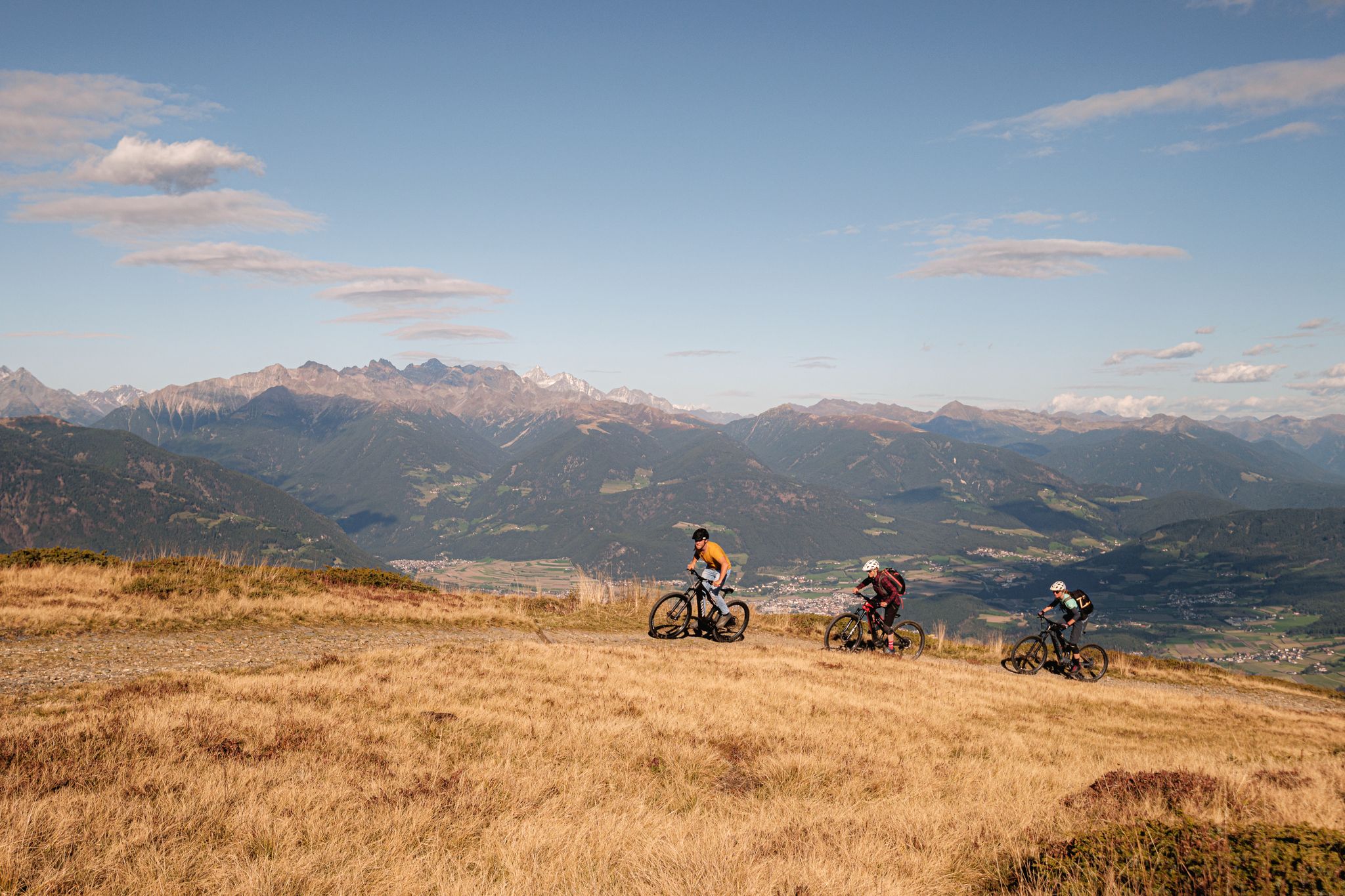
Glorious autumn – the coolest MTB Tours in South Tyrol
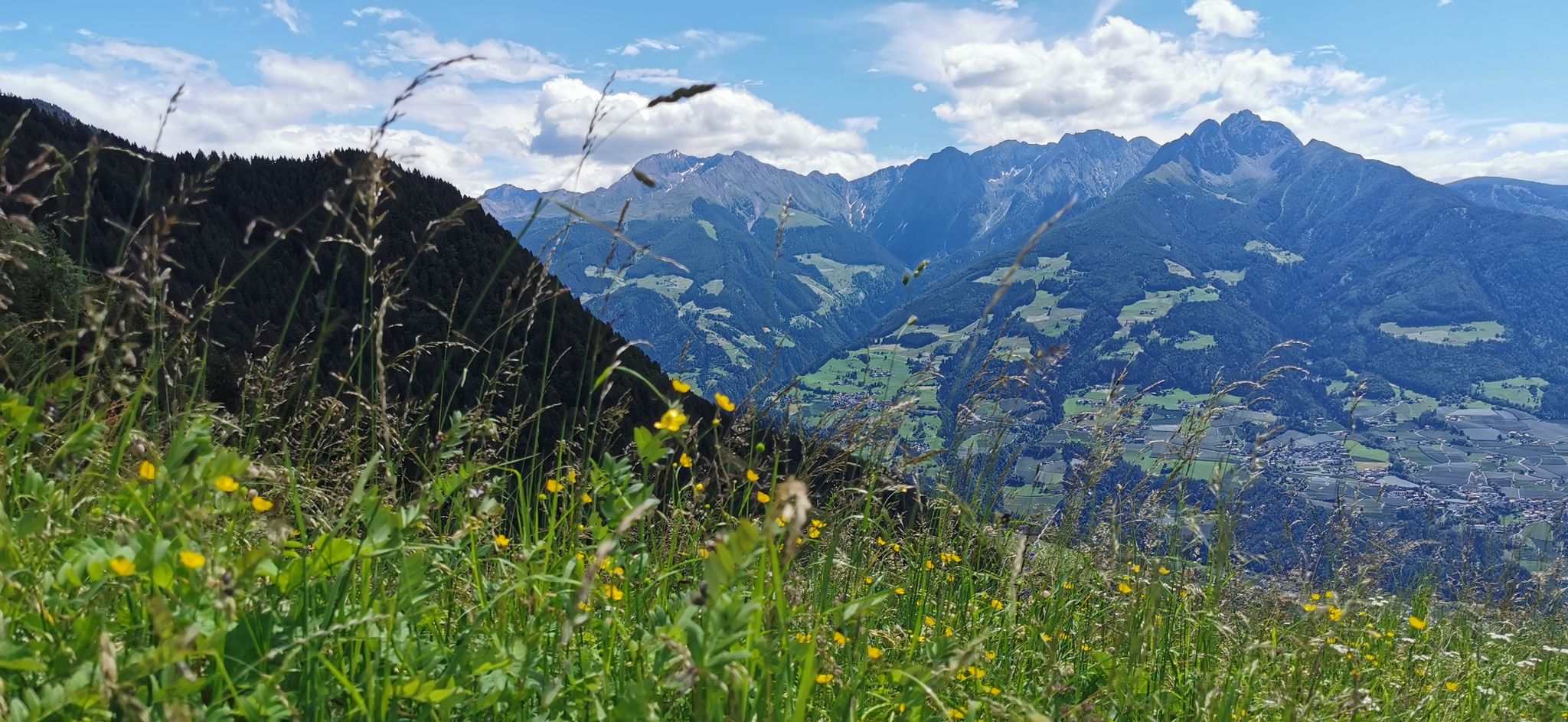
Extraordinary mountains – hiking around Merano in northern Italy
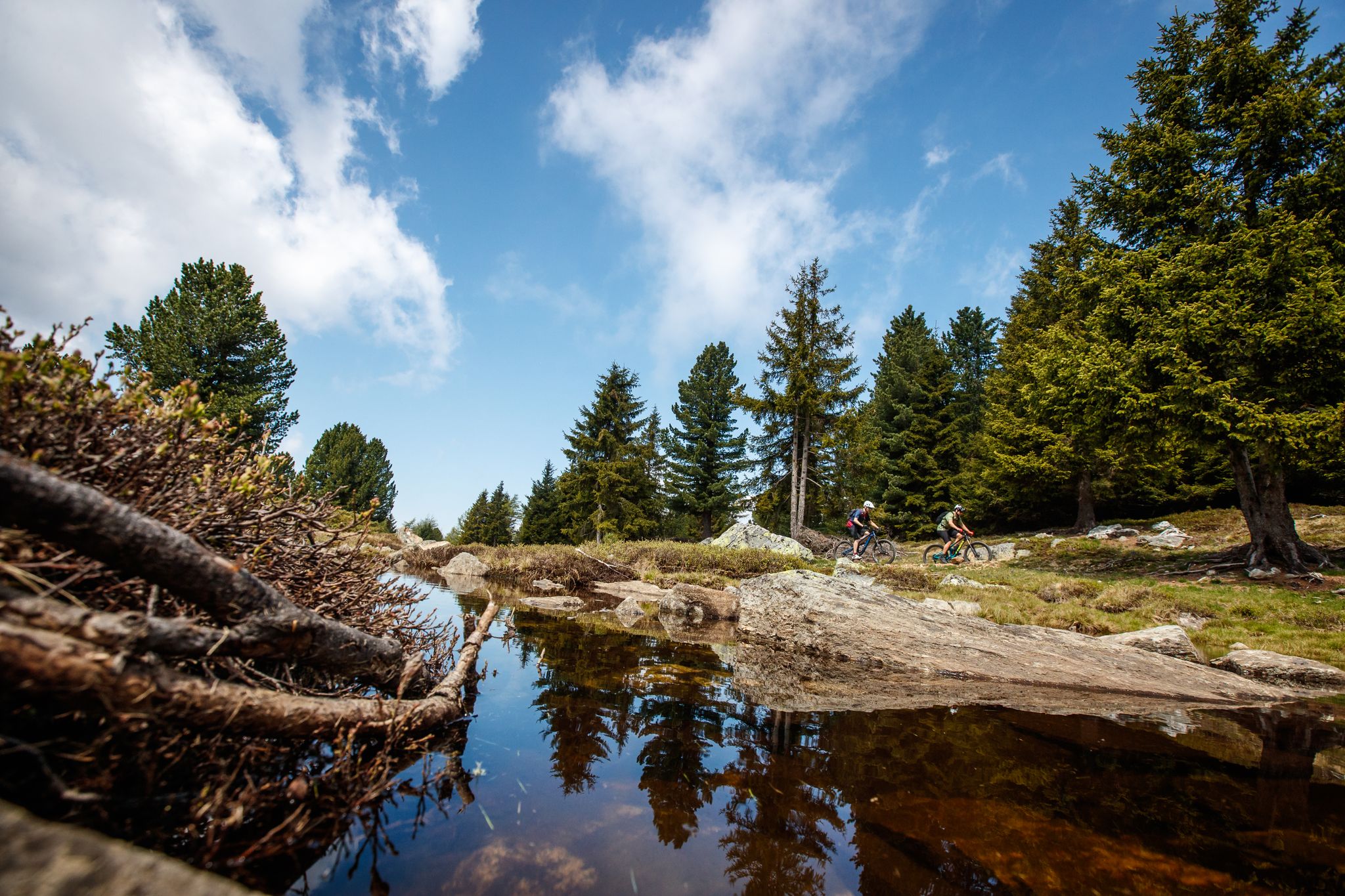
Bike between palm trees and glaciers in South Tyrol – Merano and Vinschgau
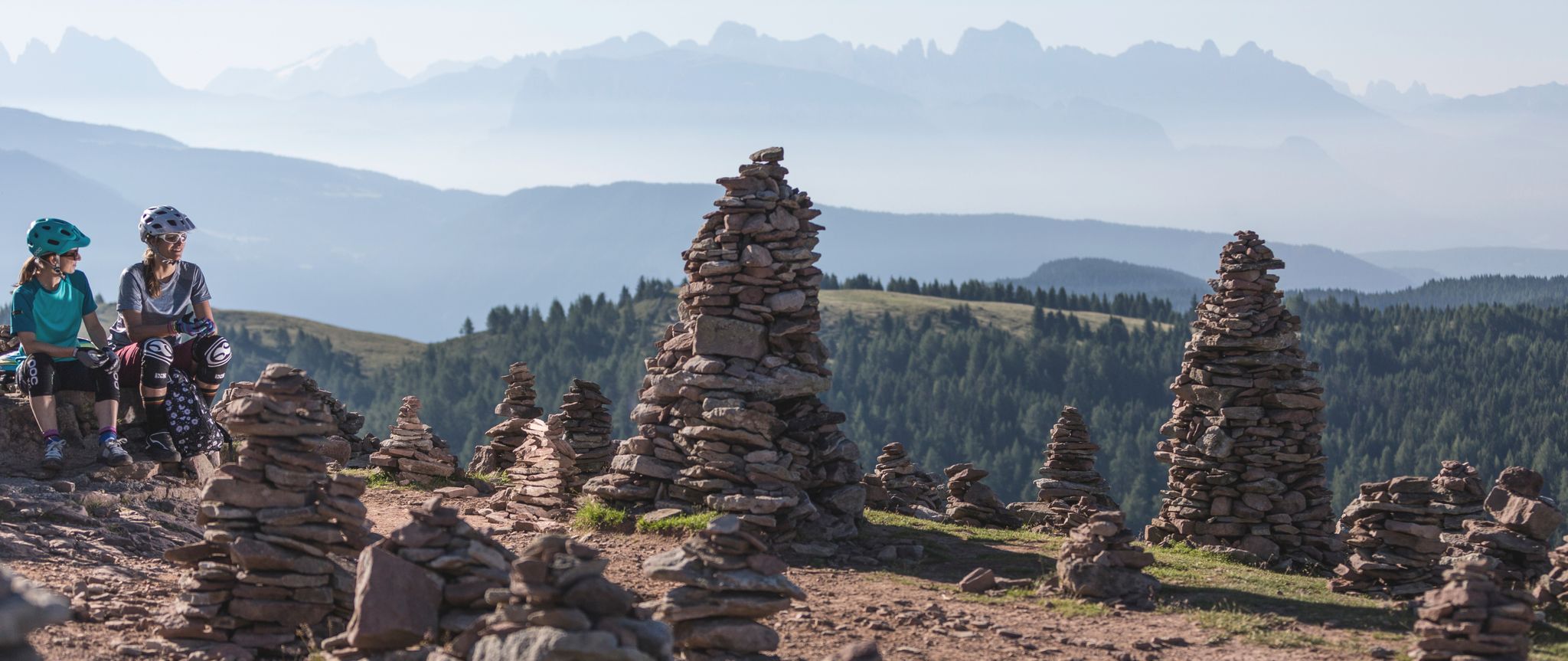
Summertime mountain biking South Tyrol
Hiking around Hafling - Avelengo
MTB Trails around Hafling - Avelengo
Road Cycling Routes around Hafling - Avelengo
Cycling around Hafling - Avelengo
Running Trails around Hafling - Avelengo

Gravel biking around Hafling - Avelengo
Other adventures around Hafling - Avelengo


Tips from the Community

From this vantage point on the paths around Castel Tirolo, the castle from which the Counts of Tyrol originated, you have a splendid view of the castle itself, the town of Merano and the valley of the Passirio river.
1
0

great bike path, sometimes forgiving cyclists in oncoming traffic
5
1

In 1903 he sold the castle to the entrepreneur Karl Schwickert from Pforzheim, who had it rebuilt. After his death in 1927, the castle fell into disrepair again until the de Rachewiltz family took up residence there and over time turned the castle into a center for cultural encounters. The American poet Ezra Pound completed his life's work, the Cantos, here from 1958 to 1962. Source: https://www.brunnenburg.net/de/willkommen-auf-der-brunnenburg/sagengeschichte/
16
0
The Brunneburg was built in 1250 by Wilhelm Tarant on a glacial rubble cone below Tyrol Castle. In 1356 the princely administrator of the Bishopric of Trent, Heinrich von Bopfingen, acquired it; he was pastor of Tyrol, envoy of Ludwig of Brandenburg and until 1359 also governor of Tyrol. In 1421 it was acquired by Ulrich Putsch, chaplain of Duke Frederick with his empty pockets, who later became a patron of art and science as Bishop of Brixen. In 1457 the castle came into the possession of Hans Kripp. It belonged to this Hall family for three and a half centuries. In 1705, Gregor Hofer built a house with a barn and gate at the foot of the castle rock using the “high wall tips” that still existed from the ruins. In 1884 the Brunnenburggut came into the hands of the mayor of Dorf Tirol, Michael Sonnenburger. Source:https://www.brunnenburg.net/de/willkommen-auf-der-brunnenburg/sagengeschichte/
17
0
Here you can see the Tyrol Castle as well to the Brunnenburg. Welcome to Tirol Castle, the residential castle of the Counts of Tyrol. The castle gave the state of Tyrol its name. Aspects of the country's history and rulership are combined here in a clear way. From the outer bailey of Tyrol Castle you have an impressive view of the Etsch Valley and the Vinschgau. Here you will feel like you have been transported back to a distant time when the Counts of Tyrol were the masters of this area. Source: https://www.schlosstirol.it/
20
0
In 1903 he sold the castle to the entrepreneur Karl Schwickert from Pforzheim, who had it rebuilt. After his death in 1927, the castle fell into disrepair again until the de Rachewiltz family took up residence there and over time turned the castle into a center for cultural encounters. The American poet Ezra Pound completed his life's work, the Cantos, here from 1958 to 1962. Source: https://www.brunnenburg.net/de/willkommen-auf-der-brunnenburg/sagengeschichte/
8
0
The Brunneburg was built in 1250 by Wilhelm Tarant on a glacial rubble cone below Tyrol Castle. In 1356 the princely administrator of the Bishopric of Trent, Heinrich von Bopfingen, acquired it; he was pastor of Tyrol, envoy of Ludwig of Brandenburg and until 1359 also governor of Tyrol. In 1421 it was acquired by Ulrich Putsch, chaplain of Duke Frederick with his empty pockets, who later became a patron of art and science as Bishop of Brixen. In 1457 the castle came into the possession of Hans Kripp. It belonged to this Hall family for three and a half centuries. In 1705, Gregor Hofer built a house with a barn and gate at the foot of the castle rock using the “high wall tips” that still existed from the ruins. In 1884 the Brunnenburggut came into the hands of the mayor of Dorf Tirol, Michael Sonnenburger. Source: https://www.brunnenburg.net/de/willkommen-auf-der-brunnenburg/sagengeschichte/
11
0

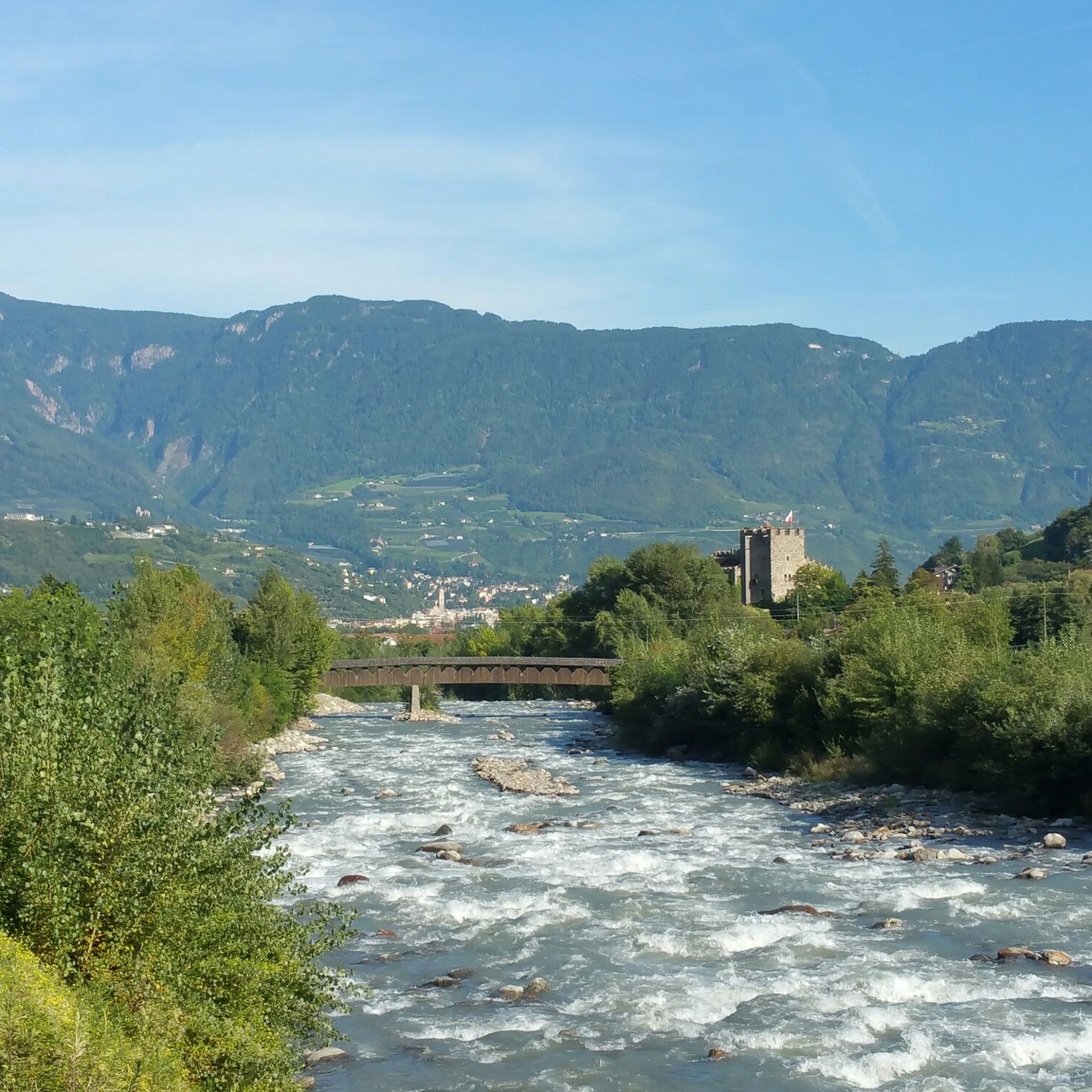
Passeier Cycle Path - spa town of Merano to St. Leonhard in Passeier The 19 km long Passeier Valley cycle path leads from the spa town of Merano to St. Leonhard in Passeier The Passeier Valley cycle path is mostly flat and along a slight incline through the wonderful landscapes of the Passeier Valley. The refreshing Passer accompanies the cyclist along the entire cycle path. The starting point is the spa town of Merano: from the thermal spa square, we head east through the Elisabeth Park into the Passeier Valley. Always continuing on the right bank of the river, we soon leave the city area. The path is still asphalted here, later it becomes a gravel path. Above us on the right we see Schenna with the castle, the church and the mausoleum of Archduke Johann. On the left are the villages of Tirol, Kuens and Riffian. We have already covered half of the route past Saltaus. We cross the river several times as the cycle path changes sides of the bank. At Quellenhof we drive past the golf course and continue to St. Martin. When we arrive in St. Leonhard in Passeier, we have reached the end of the cycle path. On the way there we pass the Sandwirt, the birthplace of the legendary freedom fighter Andreas Hofer. Here the MuseumPasseier awaits us with all its special features and valuable contemporary witnesses to the history of Tyrol. Worth seeing! Author: AT Text / Source: https://www.meranerland.org/de/freizeit-aktiv/rad-mountainbike/passeirer-radweg/
18
3
Frequently Asked Questions
What kind of historical sites can I expect to find around Hafling - Avelengo?
While Hafling - Avelengo itself is known for charming churches and chapels like St. Kathrein Church and St. Johann's Parish Church, the broader Merano area offers impressive castles. These sites provide a rich historical and cultural experience, showcasing everything from medieval fortifications to ecclesiastical buildings.
Which castles in the wider Merano area are worth visiting from Hafling - Avelengo?
Several notable castles are located in the wider Merano area. You can visit Brunnenburg Castle, built around 1250 and now housing an agricultural museum. Another significant site is Tyrol Castle (Schloss Tirol), the former ancestral seat of the Counts of Tyrol, which serves as a museum detailing South Tyrolean history. Lebenberg Castle (Monteleone Castle) near Cermes is also a beautiful, privately owned castle with guided tours available.
What is the historical significance of Tyrol Castle?
Tyrol Castle (Schloss Tirol) is historically significant as it gave the entire region of Tyrol its name. It was the ancestral seat of the Counts of Tyrol and is now a well-preserved historical site with impressive outdoor and defense facilities, housing a museum that vividly tells the story of South Tyrolean history.
What can I see and do at Brunnenburg Castle?
Brunnenburg Castle, originally built around 1250, was later revitalized and became a center for cultural encounters. It once served as the residence of American poet Ezra Pound and now hosts an agricultural museum, offering insights into the lives of South Tyrolean mountain farmers and ancient crafts. Visitors also enjoy the splendid views from the castle.
Are there any castles or viewpoints that offer panoramic views?
Yes, several locations offer stunning panoramic views. The View of Tirolo Castle is a popular viewpoint providing clear perspectives of the Merano valley and the former ancestral seat of the Counts of Tyrol. Additionally, the View of Schloss Tirol, Brunnenburg and vineyards from Dorf Tirol offers an impressive vista of both castles and the surrounding landscape.
Are there family-friendly options among the castles or historical sites?
Many of the historical sites and castles in the region are considered family-friendly. For instance, Brunnenburg Castle and Tyrol Castle (Schloss Tirol) are listed as family-friendly, offering engaging experiences for all ages. The village of Schenna, with its church, castle, and mausoleum, is also a great family destination.
What is the best season to visit the castles and historical sites?
The best time to visit the castles and historical sites around Hafling - Avelengo is generally from spring to autumn (April to October). During these months, the weather is pleasant for exploring, and many sites, like Lebenberg Castle, offer guided tours. Some sites, like Tyrol Castle, are well-maintained and accessible, making them suitable for visits even in cooler weather, though it's always good to check specific opening hours.
What outdoor activities can I combine with a visit to the castles?
The region around Hafling - Avelengo is excellent for outdoor activities. You can combine castle visits with various routes, including mountain hikes, road cycling, and touring cycling. For example, explore routes like the 'Heini Holzer Via Ferrata – Ifinger Peak loop' for mountaineering, or the 'Haflingerstraße Plateau – High plateau near Mölten loop' for road cycling. Find more options on the Mountain Hikes, Road Cycling, and Cycling guides.
Are there hiking trails near the castles?
Yes, there are numerous hiking opportunities near the castles. Many routes offer views of the castles or pass close by. For instance, the Schlossweg from Dorf Tirol provides unobstructed views of Tyrol Castle and Brunnenburg Castle. You can find detailed hiking trails in the Mountain Hikes around Hafling - Avelengo guide.
Can I go cycling near the castles?
Absolutely! The area around Hafling - Avelengo is popular for cycling. You can find various road cycling and touring cycling routes that allow you to explore the beautiful landscape, often with views of the castles. Check out the Road Cycling Routes around Hafling - Avelengo and Cycling around Hafling - Avelengo guides for detailed routes.
What do visitors particularly enjoy about the castles and historical sites in this region?
Visitors highly appreciate the combination of historical depth and natural beauty. The impressive outdoor and defense facilities of castles like Tyrol Castle, along with the museums and cultural centers found in places like Brunnenburg Castle, offer engaging insights into the past. The panoramic views of the Merano valley from various viewpoints are also a major highlight, making for memorable experiences.
Most popular routes around Hafling - Avelengo
Most popular attractions around Hafling - Avelengo

Get inspired with the komoot mobile app


Explore more
Looking for the best castles somewhere else? Discover other guides around Hafling - Avelengo:
