The best cycling routes around Roncegno Terme
4.4
(5644)
36,931
riders
160
rides
Touring cycling around Roncegno Terme is characterized by its location in the Valsugana Valley, with the Brenta River flowing through the landscape. The area features diverse terrain, from the gentle gradients of the Valsugana Cycle Path to the more challenging climbs of the Lagorai mountain chain. Notable natural features include Lake Caldonazzo and Lake Levico, alongside the protected Biotope of Roncegno. The region offers routes that traverse river valleys, lake shores, and mountain passes.
Best touring cycling routes around Roncegno…
Last updated: October 3, 2026
10.2km
00:43
150m
150m
Easy bike ride. Great for any fitness level. Mostly paved surfaces. Suitable for all skill levels.
4.8
(5)
203
riders
58.3km
04:45
1,740m
1,740m
Hard bike ride. Very good fitness required. Mostly paved surfaces. Suitable for all skill levels.

5.0
(7)
82
riders
70.9km
05:12
1,550m
1,550m
Hard bike ride. Very good fitness required. Mostly paved surfaces. Suitable for all skill levels.
22
riders
31.1km
02:54
1,290m
1,290m
Hard bike ride. Very good fitness required. Mostly paved surfaces. Suitable for all skill levels.
4.0
(1)
20
riders
71.4km
04:56
1,220m
1,220m
Hard bike ride. Very good fitness required. Mostly paved surfaces. Suitable for all skill levels.
Get access to more routes and recommendations from other explorers.
Already have an account?
Our route recommendations are based on thousands of hikes, rides, and runs completed by other people on komoot.
Start today with a free account
Your next adventure awaits.
Popular around Roncegno Terme
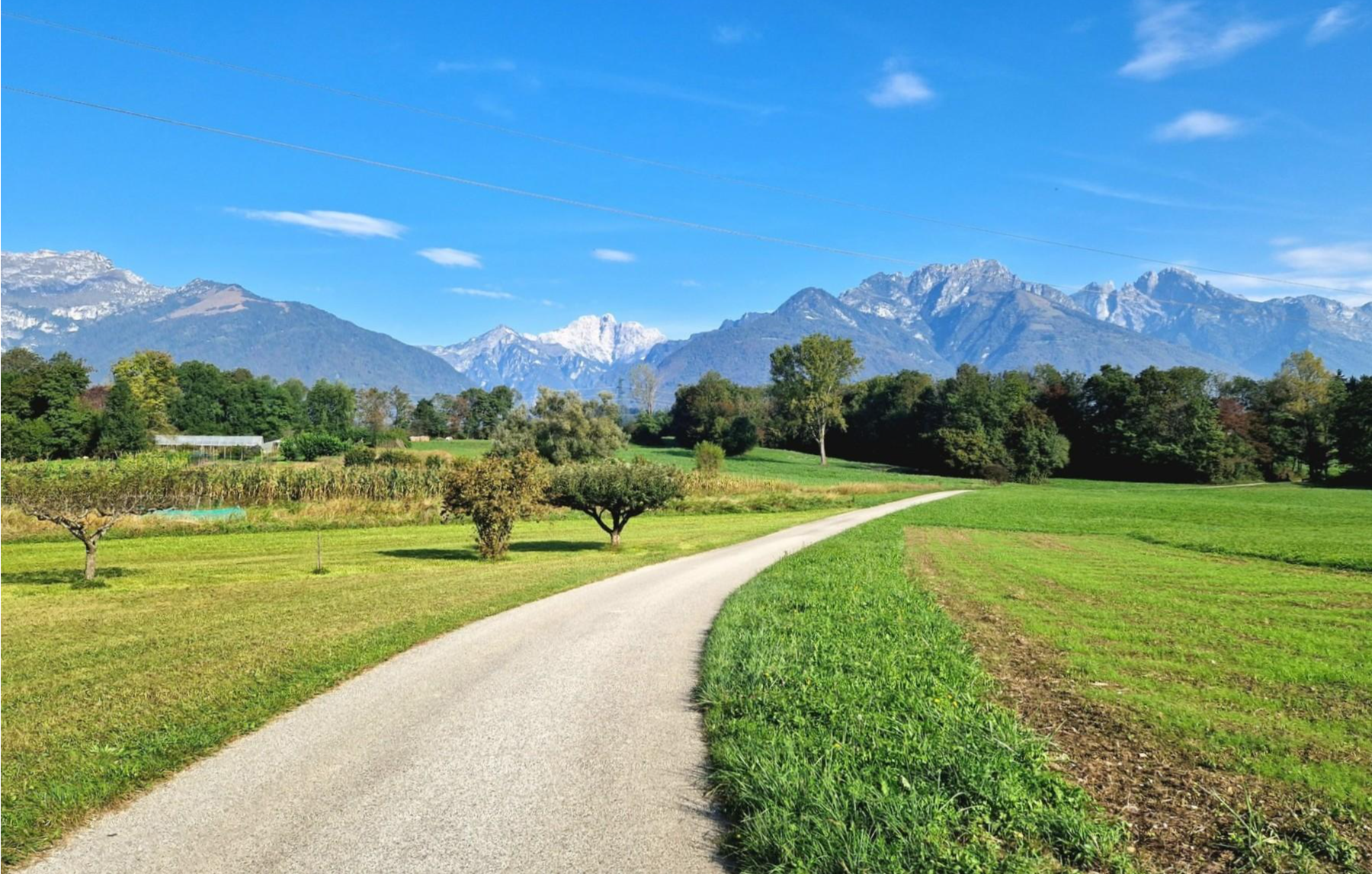
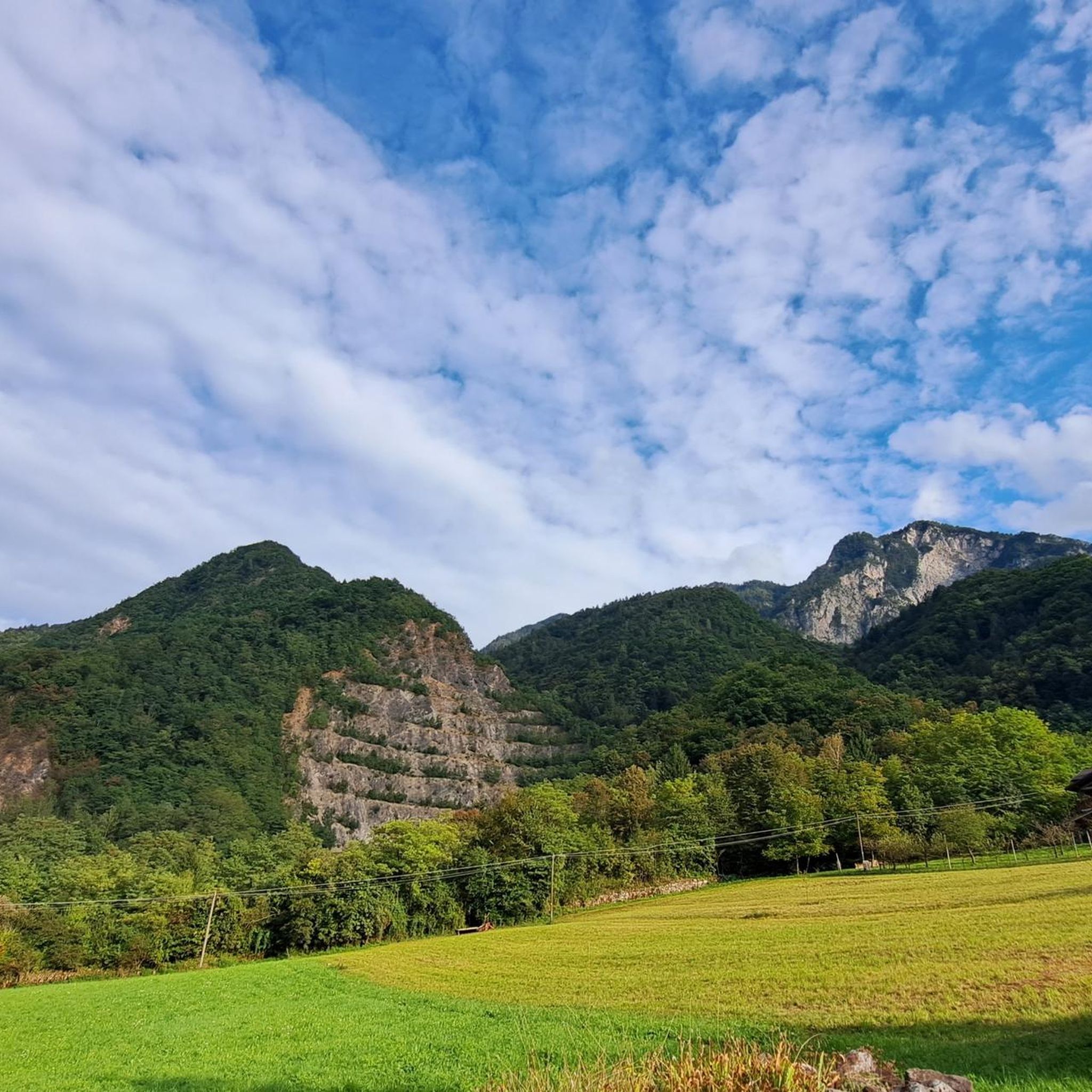
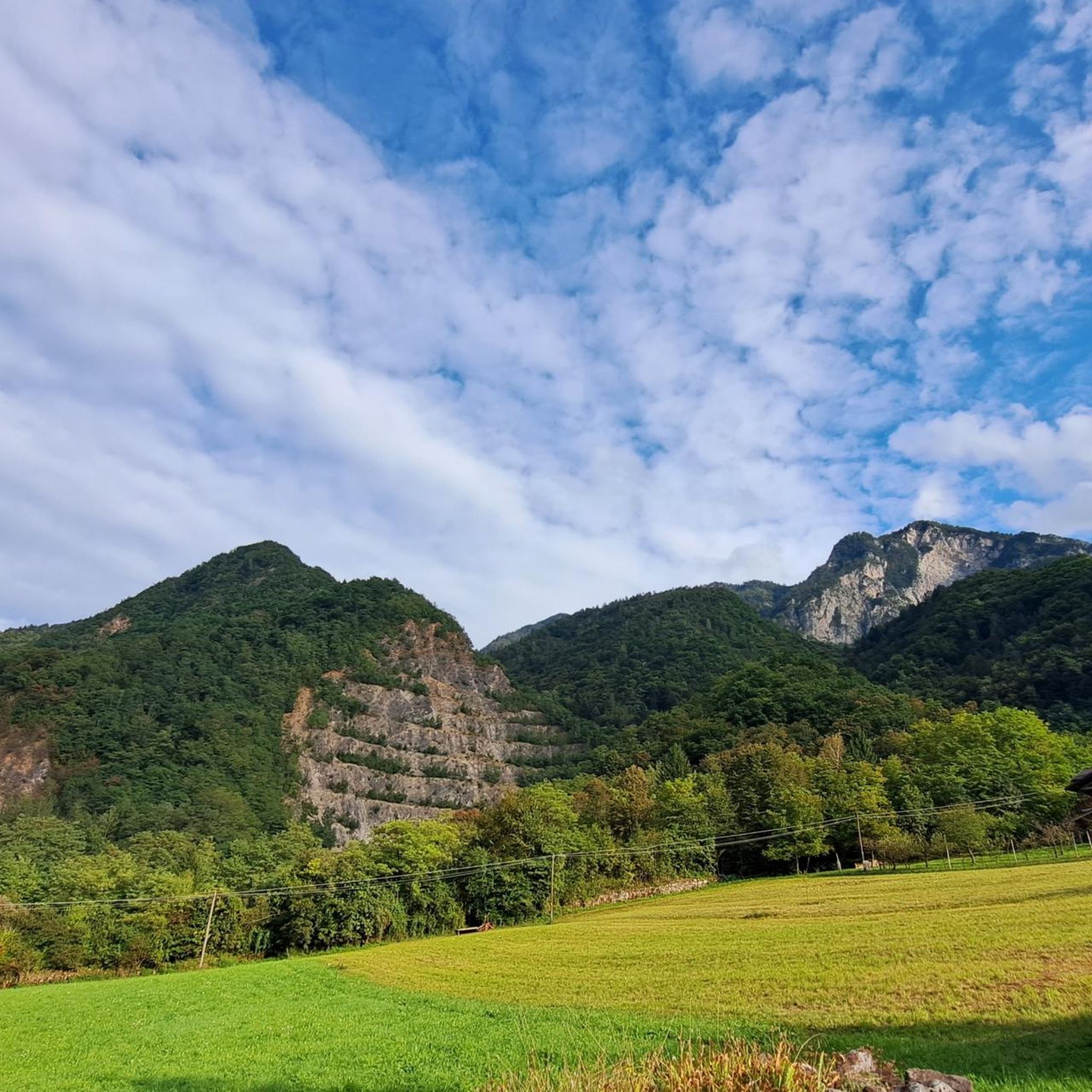
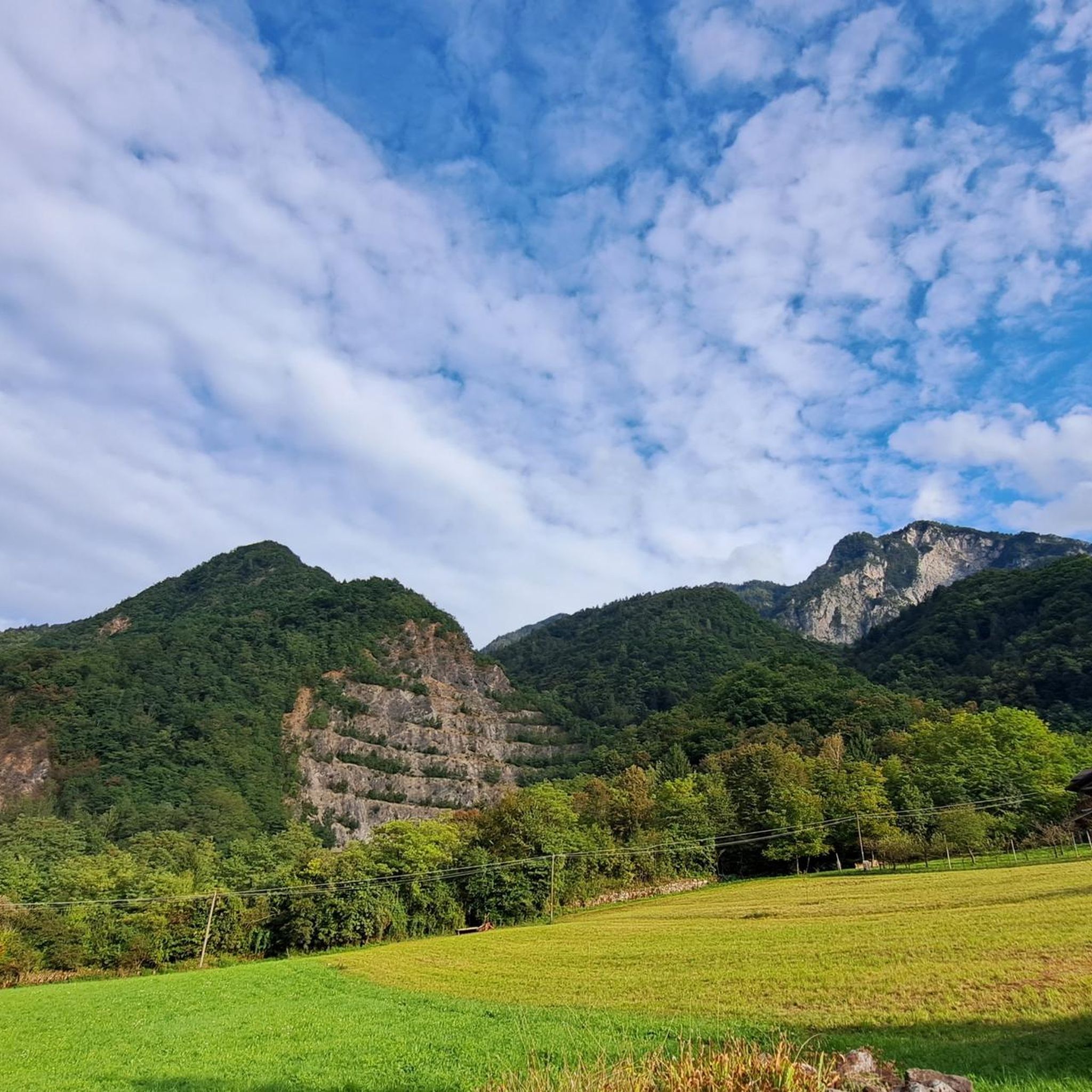
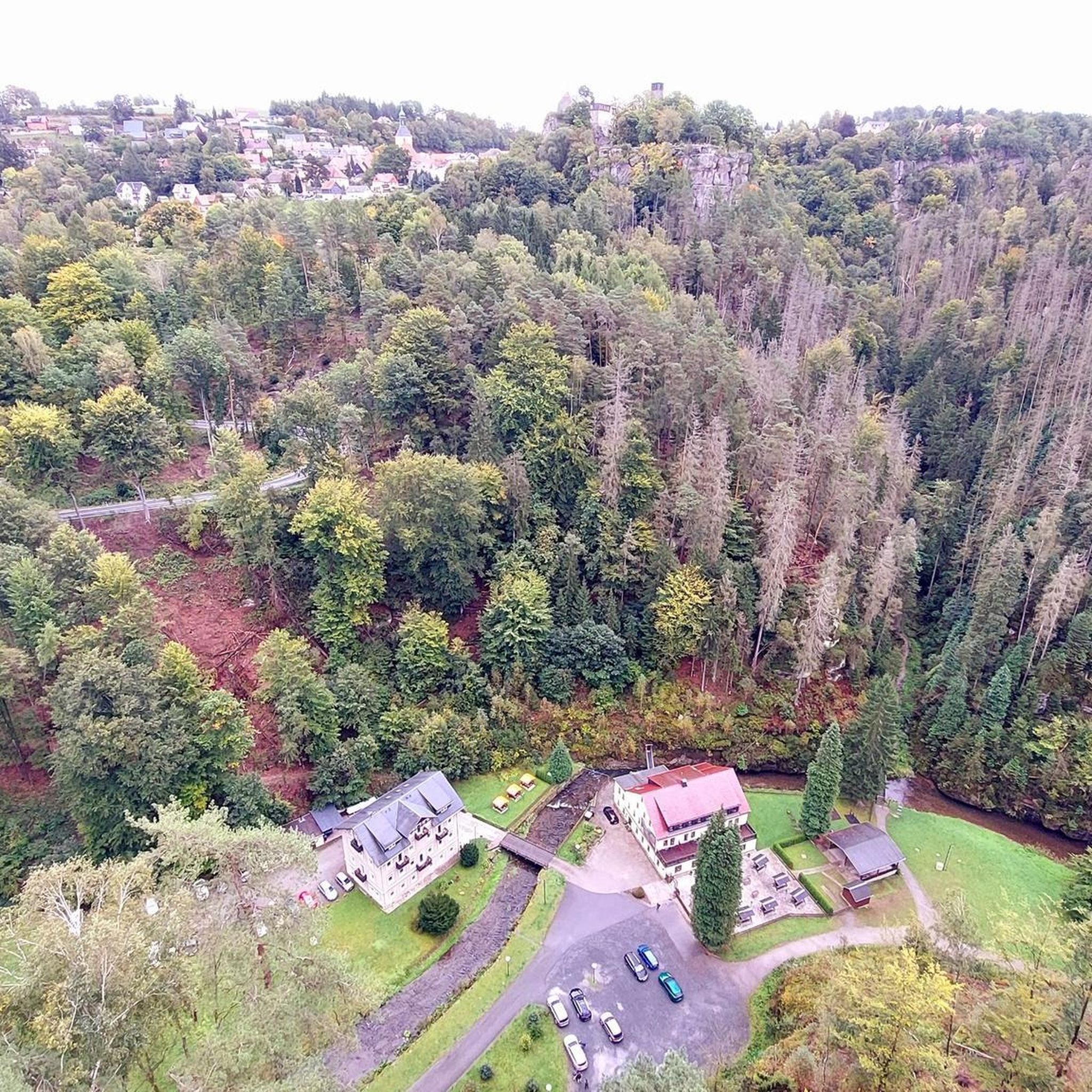
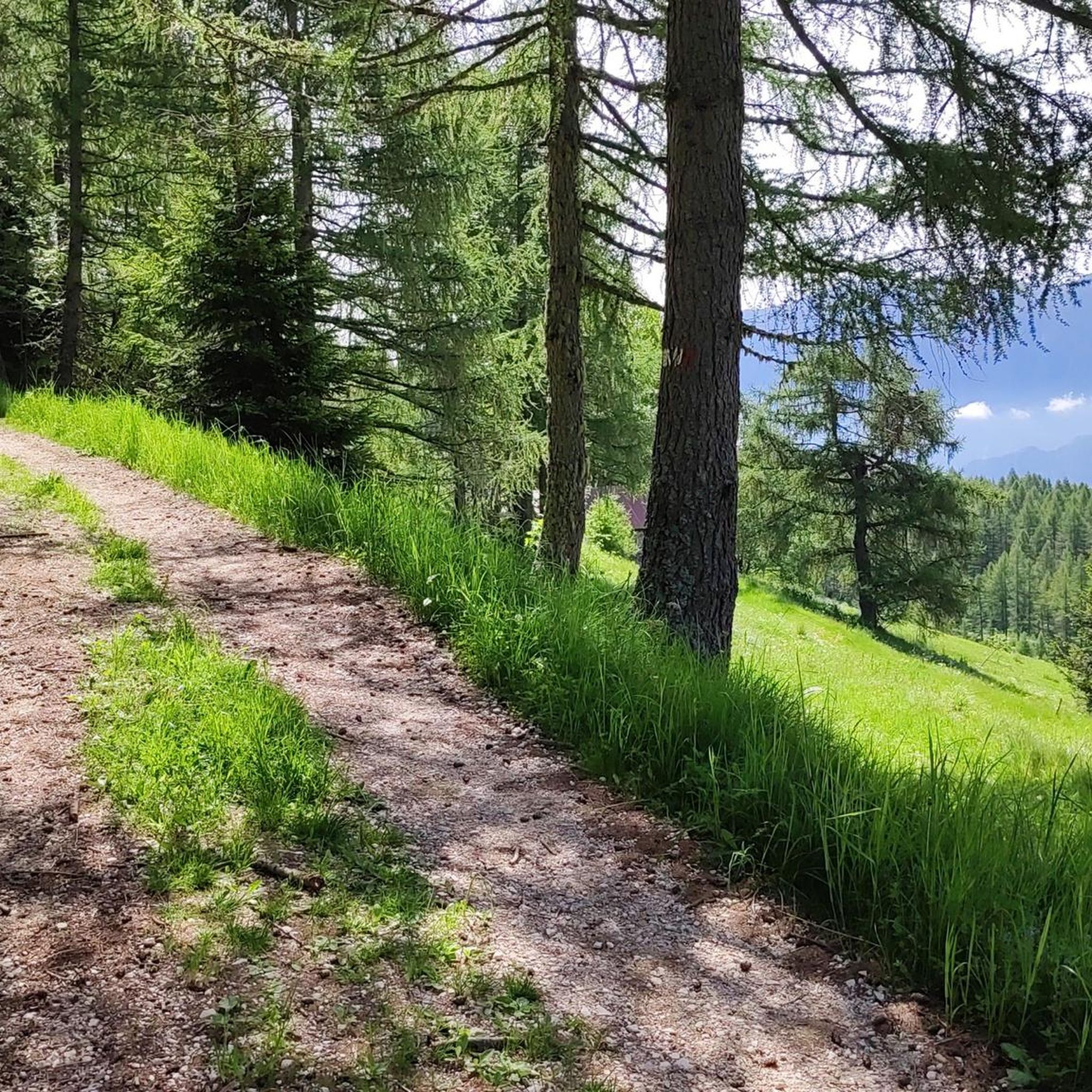

Other adventures around Roncegno Terme

Tips from the Community

Heavily frequented cycle path, but which is not overcrowded at least in late summer/autumn. Away from the cycle path, there are also beautiful paths to discover if you don't shy away from a few meters of altitude.
0
0

Another fascinating viewpoint on the north side of Lake Caldonazzo
0
0
The beautiful manor that from its hill dominates the plain of Pergine and which is owned by a foundation created by the citizens of Pergine Valsugana
0
0
Another superb panoramic spot on the lake
0
0
In the superb and historic square of the old town hall
0
0

Die Geschichte von Borgo Valsugana ist eng mit der Geschichte der Valsugana als wichtiges Durchgangstal verknüpft. Borgo Valsugana wurde zum ersten Mal im 1. Jahrhundert nach Christus als Ausugum, eine römische Militärstation an der Via Claudia Augusta, erwähnt. Archäologische Funde lassen aber den Schluss zu, dass die Gegend um Borgo bereits vorher besiedelt war.[2] Bis zum 11. Jahrhundert ist von der Geschichte Borgos wenig übermittelt. Erst mit der Entstehung des Fürstbistums Trient und der Aufteilung der Valsugana auf die beiden Bistümer Trient und Feltre ändert sich dies. So regierte von Borgo aus ein Statthalter des Bischofs von Feltre die zu Feltre gehörenden Teile der Valsugana. Im 14. Jahrhundert erhielt der Ort als Magnifica Comunità di Borgo ein eigenes Gemeindestatut vom Bischof in Feltre.[3] Die weltliche Herrschaft Feltres endete 1228 mit Ezzelino III. da Romano, der die Valsugana und Feltre besetzte. Danach folgte eine wechselvolle Phase, in der der Ort und das Tal unter verschiedene Einflusssphären gerieten. 1412 besetzten schließlich die Truppen Friedrichs IV. die Valsugana, womit auch Borgo unter die Herrschaft der Habsburger geriet. 1487 fiel die Valsugana im Krieg zwischen der Republik Venedig und Sigmund von Tirol kurzzeitig an Venedig. In der Folgezeit wurde das Tal immer wieder in den Konflikt zwischen dem Haus Habsburg und der Lagunenrepublik einbezogen, der erst 1516 beendet wurde.[4] 1609 bewilligte Erzherzog Maximilian III. den Bezirken der unteren Valsugana eigene Statuten. Damit begann eine Phase des wirtschaftlichen und kulturellen Aufschwungs auch von Borgo Valsugana. Dieser war gekennzeichnet durch die Einführung der Seidenraupenzucht, die zu einer bedeutenden Einkommensquelle wurde. Während dieser blühenden Zeit wurden im 18. Jahrhundert einige Paläste und auch die Pfarrkirche von Borgo Valsugana errichtet.[4] Nach der wechselvollen napoleonischen Zeit, in der man zeitweise unter französischer, österreichischer, bayerischer und italienischer Herrschaft stand, gelangte Borgo Valsugana mit dem Wiener Kongress wieder zu Österreich. Die österreichische Herrschaft wurde bis 1919 nur kurzfristig 1866 während des Dritten Italienischen Unabhängigkeitskrieges unterbrochen, als italienische Truppen unter General Giacomo Medici über die Valsugana bis vor die Tore Trients vorstießen. Dabei kam es am 23. Juli bei Borgo auch zu einem Scharmützel zwischen den österreichischen und italienischen Truppen. Mit dem am 12. August 1866 abgeschlossenen Waffenstillstand von Cormòns und dem Rückzug der Italiener endete dieses kurze Zwischenspiel aber wieder.[5] Strahlentherapiebehandlung in den 1950er Jahren im Krankenhaus Borgo Valsugana Bis zum Ersten Weltkrieg ist die Geschichte des Ortes hauptsächlich von verschiedenen Naturkatastrophen gekennzeichnet. So wurden 1862 bei einem Brand 159 Häuser zerstört, während 1882 eine verheerende Überschwemmung das Tal heimsuchte, der große Teile der Ackerflächen zum Opfer fielen, was eine erste größere Auswanderungswelle zur Folge hatte. Die Emigration verstärkte sich Ende des Jahrhunderts noch, als die Seidenraupenzucht durch die Pébrine-Krankheit so gut wie zum Erliegen kam. Einen Großteil der Auswanderer zog es in die Stadt Bludenz im Vorarlberg, zu der heute eine Städtepartnerschaft besteht.[4] Ein Aufschwung gelang erst wieder zu Beginn des 20. Jahrhunderts mit der beginnenden Industrialisierung. 1903 wurde Borgo an das Stromnetz angeschlossen. 1913 das Stadttheater, das Teatro Sociale, eingeweiht. 1914 wurde Borgo Valsugana zur Garnisonsstadt des k.u.k. Feldjägerbataillons 22. Mit Beginn des Ersten Weltkrieges wurden auch die wehrfähigen Männer von Borgo Valsugana eingezogen und Anfang August 1914 an die Ostfront geschickt, wo die meisten in den ersten beiden Kriegsmonaten in Galizien bei Lemberg, bei Przemyśl bzw. im Serbienfeldzug fielen. Mit dem Kriegseintritt Italiens am 23. Mai 1915 wurde Borgo Valsugana geräumt und faktisch zum Niemandsland, das im August 1915 von italienischen Truppen zwischenzeitlich besetzt wurde und mit der österreichisch-ungarischen Südtiroloffensive im Mai 1916 wieder unter österreichische Kontrolle kam. Kurz vor Kriegsende besetzten am 2. November 1918 schließlich italienische Truppen den Ort, der mit dem Vertrag von Saint-Germain 1919 zum Königreich Italien gelangte.[6] In der Nachkriegszeit begann der langsame Wiederaufbau des zu einem Drittel vollständig zerstörten Ortes, während die verbliebenen Gebäude zum Großteil schwer beschädigt waren. Im Zweiten Weltkrieg wurde Borgo Valsugana nur marginal gegen Kriegsende bei der Bekämpfung italienischer Widerstandsgruppen und bei der Bombardierung der Valsugana-Bahn durch die Alliierten berührt. Am 2. Mai 1945 zog die US-Armee in Borgo ein.[4] Zu den bedeutendsten Ereignissen nach 1945 zählt die Eröffnung der Strahlentherapieabteilung im Krankenhaus von Borgo Valsugana 1953, die als erste in Europa mit einer Kobaltkanone zur Behandlung von Tumoren arbeitete.[7] Im November 1966 wurden der Ort und das Umland von schweren Überschwemmungen getroffen, die beachtlichen Schäden hinterließen. Der danach erfolgte Wiederaufbau prägt noch heute das Ortsbild. Quelle Wikipedia
0
0
The castle that dominates Borgo Valsugana
0
0
Borgo Valsugana, beautiful riverside town
0
0
Frequently Asked Questions
What kind of terrain can I expect for touring cycling around Roncegno Terme?
Roncegno Terme offers a diverse range of terrain for touring cyclists. You'll find gentle gradients along the Brenta River valley and the Valsugana Cycle Path, ideal for relaxed rides. For more challenging experiences, the routes extend into the foothills of the Lagorai mountain chain, featuring significant elevation gains and mountain passes like Passo Manghen.
Are there touring cycling routes suitable for families or beginners in Roncegno Terme?
Yes, Roncegno Terme is well-suited for families and beginners. The Valsugana Cycle Path, which follows the Brenta River, is known for its ease and gentle gradients. An excellent option is the Along the Brenta – Loop from Roncegno, an easy 8.9 km route that takes about 36 minutes to complete. Another easy route is the Castel Ivano – Valsugana Cycle Path loop from Roncegno Bagni-Marter, covering 20.6 km.
What are some natural features or landmarks I can see while cycling in the area?
The region is rich in natural beauty. You can cycle along the Brenta River, past the picturesque Lake Caldonazzo and Lake Levico. The Biotope of Roncegno, a protected riparian forest, is easily accessible from the Valsugana Cycle Path. For those interested in waterfalls, you might encounter sights like the Wolf Waterfall or the waterfalls along the Sella valley.
Are there any challenging touring cycling routes for experienced riders?
Absolutely. For experienced cyclists seeking a challenge, Roncegno Terme offers several difficult routes with substantial elevation gains. Consider the Passo Manghen – Castel Ivano loop from Roncegno Bagni-Marter, a demanding 58.3 km trail through mountain terrain. Another option is the View of Lake Levico – View of Castello Di Pergine loop from Roncegno Bagni-Marter, which spans 75.7 km and offers significant climbs.
What do other touring cyclists enjoy most about cycling in Roncegno Terme?
The touring cycling routes around Roncegno Terme are highly rated by the komoot community, with an average score of 4.4 stars from over 2,400 reviews. Cyclists often praise the diverse landscapes, from the serene river valleys and lake shores to the challenging mountain ascents, as well as the well-maintained paths like the Valsugana Cycle Path.
Can I find circular touring cycling routes in Roncegno Terme?
Yes, many touring cycling routes in Roncegno Terme are designed as loops, allowing you to start and end in the same location. Examples include the easy Along the Brenta – Loop from Roncegno and the more challenging Valsugana Cycle Path – Castel Ivano loop from Roncegno Terme.
Are there any historical sites or caves to explore near the cycling routes?
Beyond the natural beauty, the area around Roncegno Terme also features historical sites, particularly caves with World War I significance. You can explore places like the Cima Caldiera Logistics Base Caves or the Quota 2093 / Biancardi Gallery WW1. There are also natural caves like the Busa del Can Sinkhole.
What is the best time of year for touring cycling in Roncegno Terme?
The best time for touring cycling in Roncegno Terme is generally from spring through autumn. During these seasons, the weather is most favorable for enjoying the valley paths and mountain routes. The region's diverse landscapes, including chestnut groves, are particularly charming in autumn.
Is there specific cycling infrastructure available for tourists?
Roncegno Terme is recognized as a 'bike paradise' and offers dedicated infrastructure for cyclists. This includes nearly 400 km of tracked routes, 'Bike Family' and 'Bike Expert' accommodations, and 'Bicigrills' which are rest and service areas conveniently located along cycling paths.
How many touring cycling routes are available around Roncegno Terme?
There are over 10 dedicated touring cycling routes around Roncegno Terme listed on komoot, catering to various ability levels. These include easy riverside paths, moderate routes through green mountains, and difficult ascents into the Lagorai mountain chain.
Are there any routes that combine the Valsugana Cycle Path with other scenic areas?
Yes, several routes integrate sections of the popular Valsugana Cycle Path with other scenic areas. For example, the Valsugana Cycle Path – Castel Ivano loop from Roncegno Terme combines the riverside path with views towards Castel Ivano, offering a varied and engaging ride.
Where can I find more information about Roncegno Terme as a destination?
For more general information about Roncegno Terme as a thermal and climatic resort, including its cultural and historical attractions, you can visit the official tourism websites. For example, Visit Valsugana or Visit Trentino provide comprehensive details about the area.
Most popular routes around Roncegno Terme
Most popular attractions around Roncegno Terme

Get inspired with the komoot mobile app


Explore more
Browse the best Cycling routes in other regions.
