The best mountain hikes around Velo Veronese
4.9
(16)
149
hikers
7
hikes
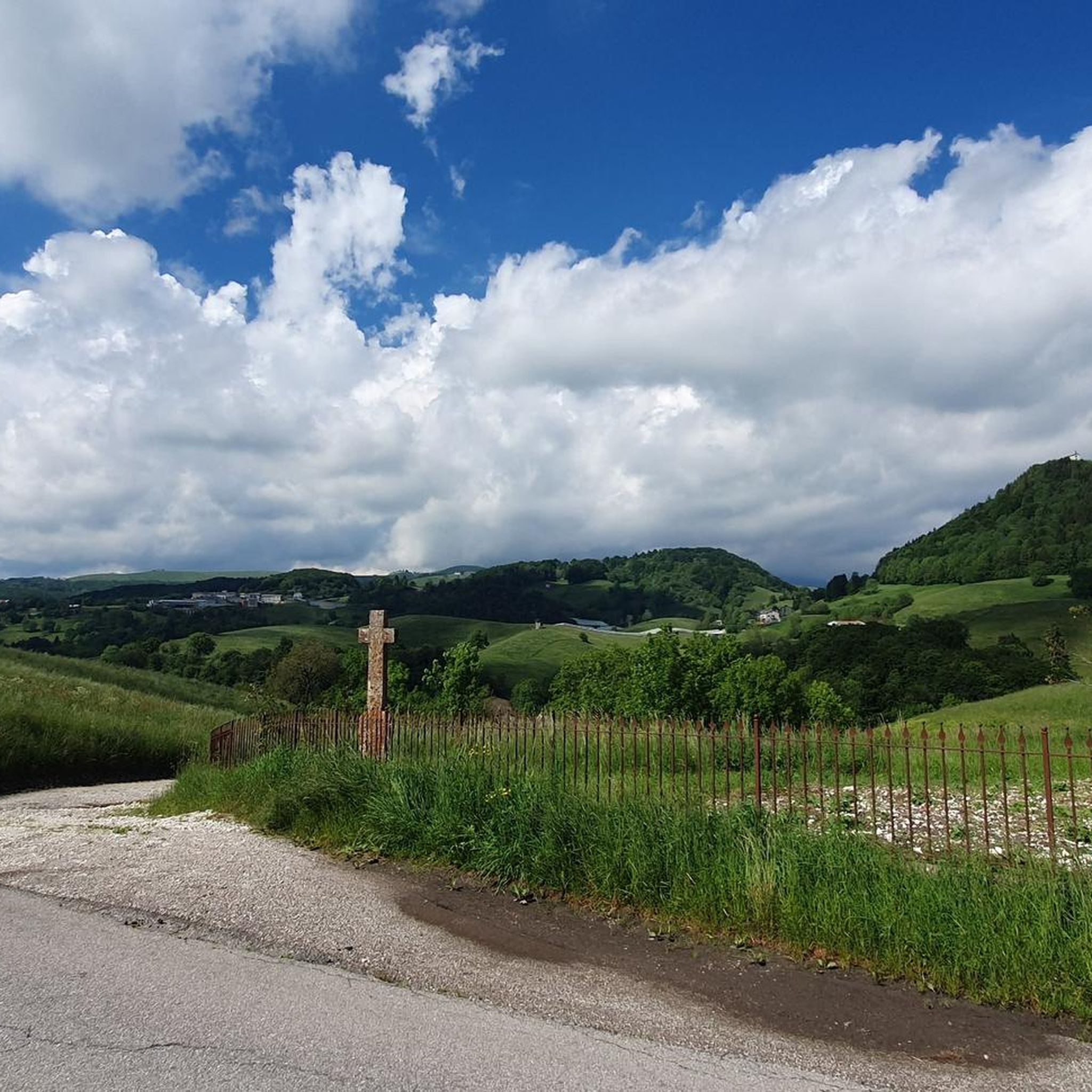
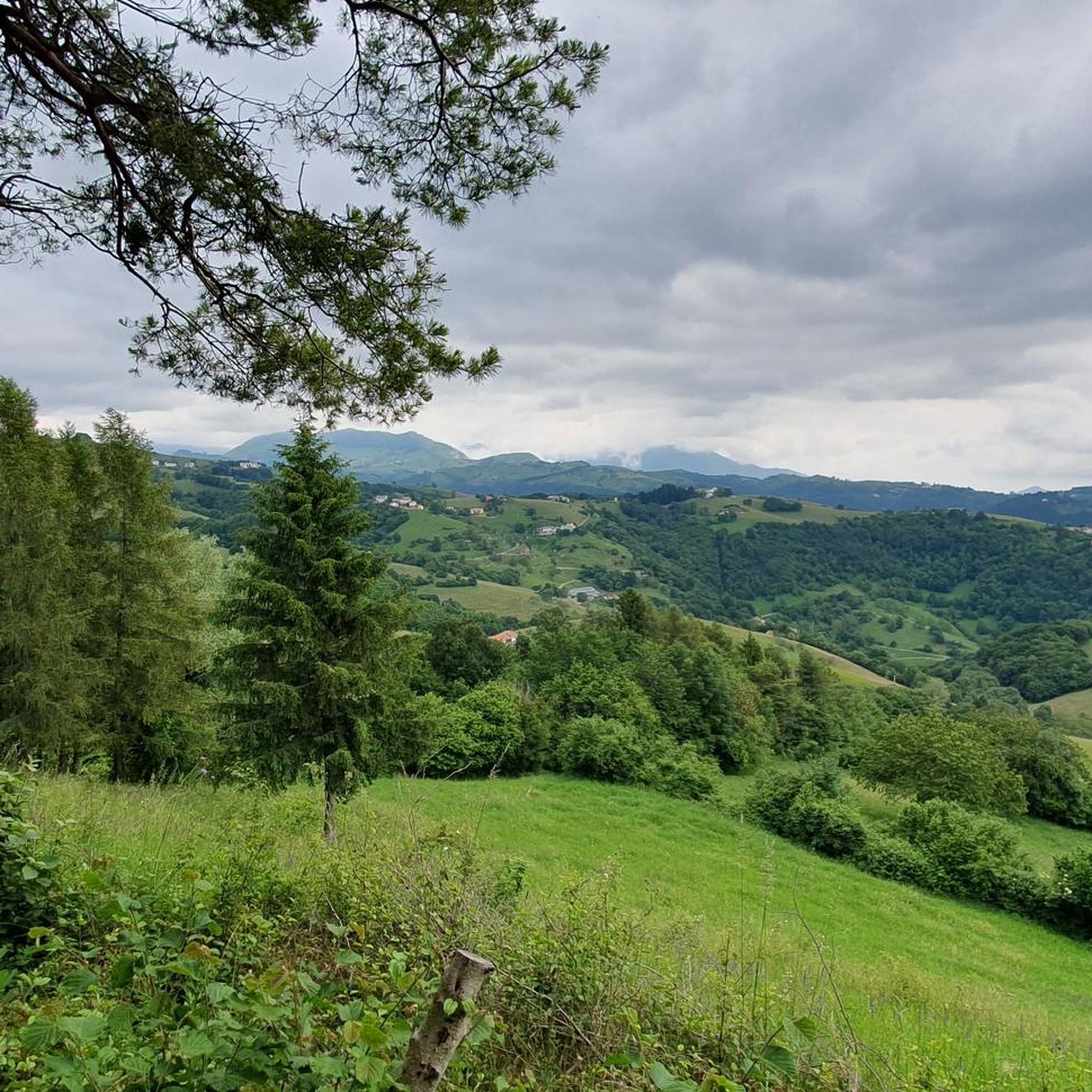
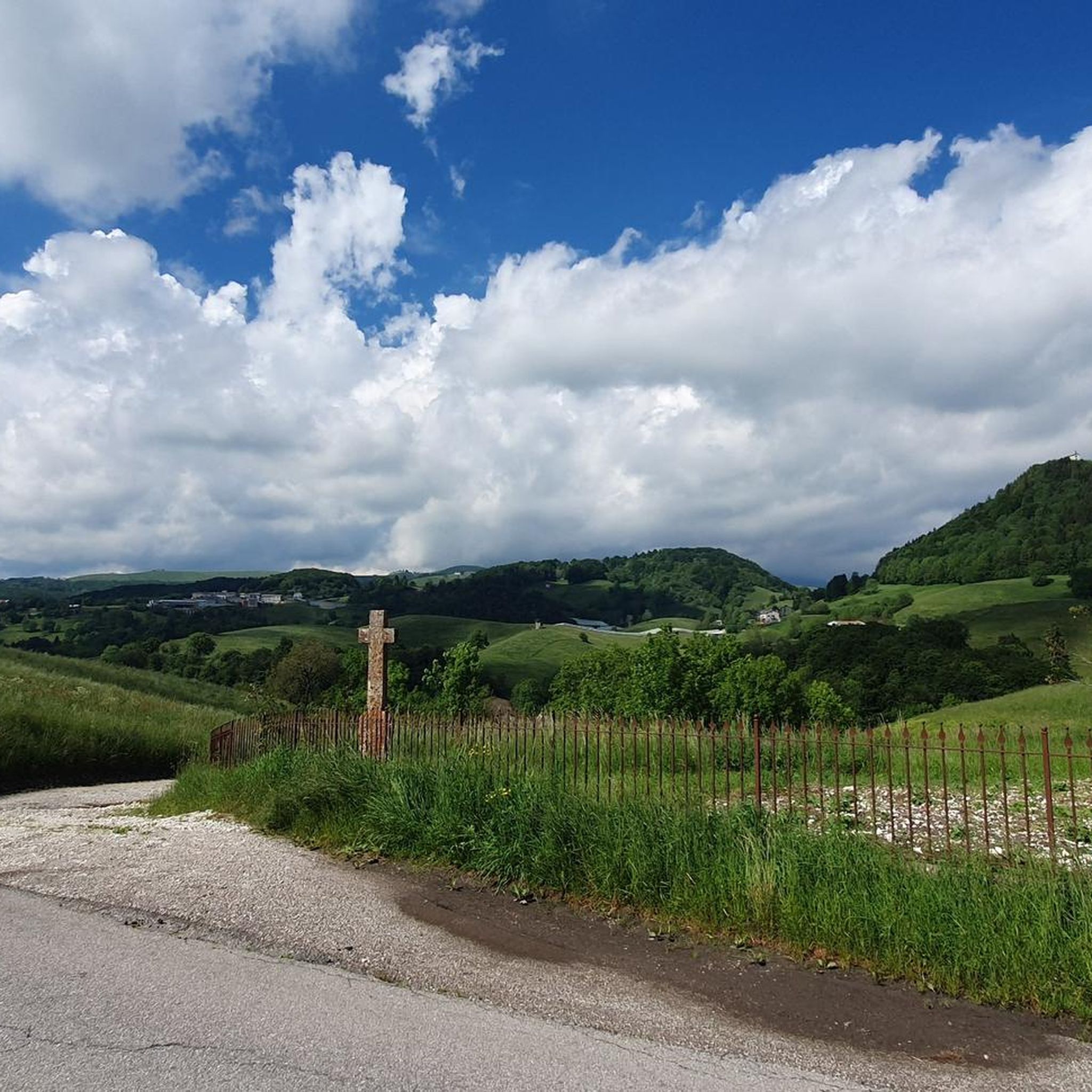
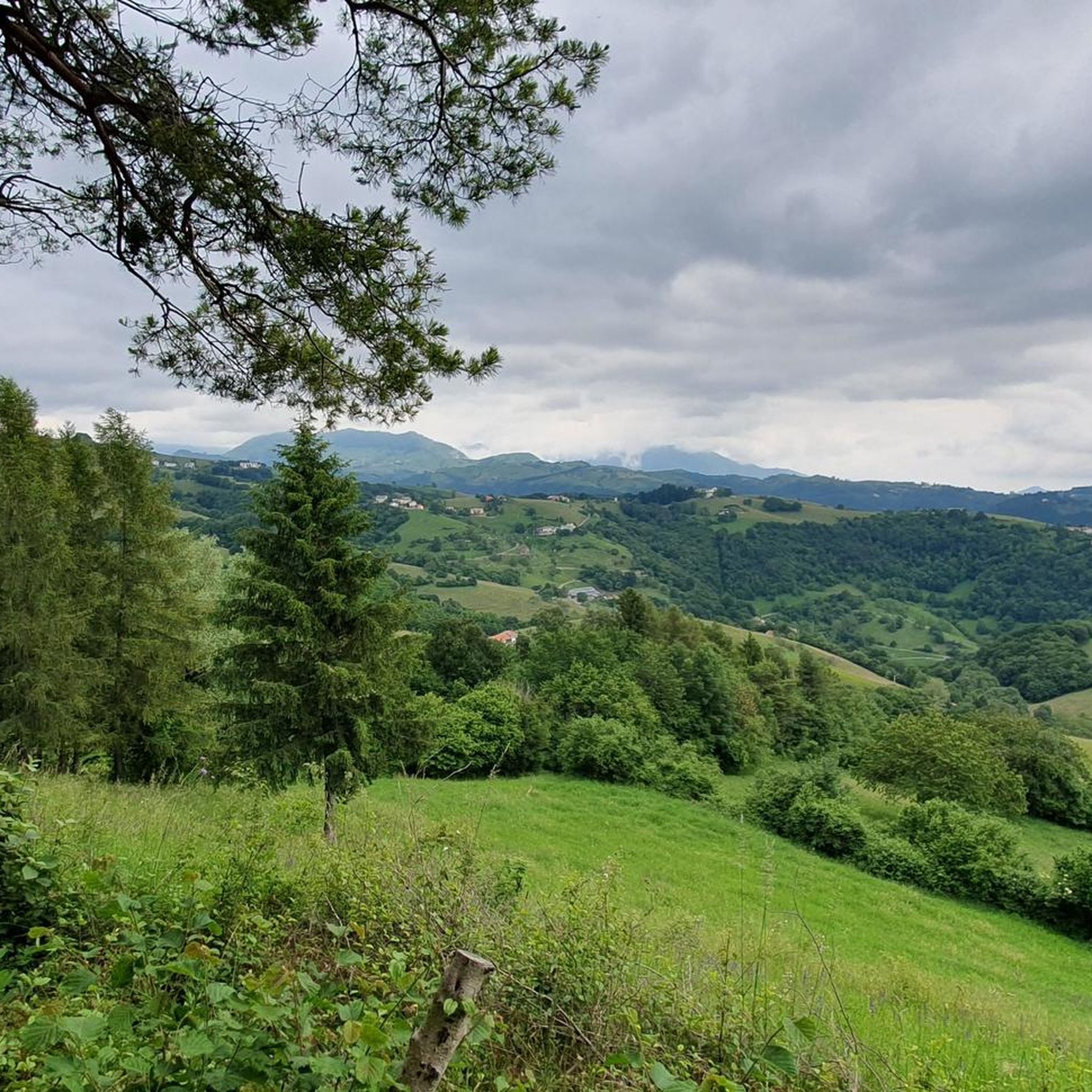
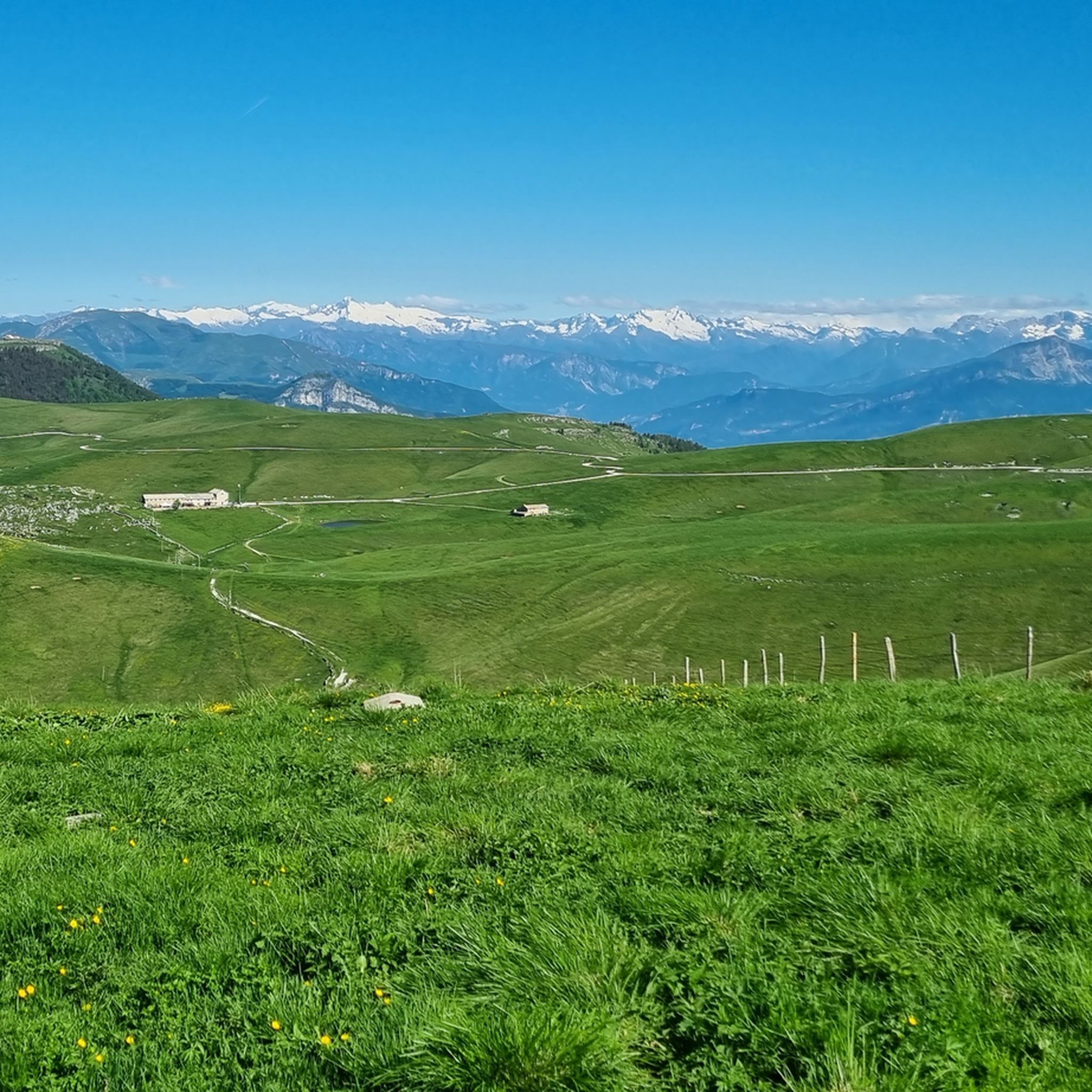
Mountaineering routes around Velo Veronese are situated in the central Lessinia region of the Province of Verona, Italy, at altitudes ranging from 700 to 1435 meters above sea level. The area is characterized by a vast plateau of woods and pastures within the Lessinia Regional Natural Park. This landscape features significant karst phenomena, including sinkholes and caves, alongside the rugged terrain of the "Piccole Dolomiti" and the Carega group, offering diverse challenges for mountaineers.
Best mountaineering routes around Velo Veronese
…Last updated: October 8, 2026
4.5
(4)
52
hikers
Hard mountaineering route. Good fitness required. Sure-footedness, sturdy shoes and alpine experience required.
5.0
(3)
32
hikers
Hard mountaineering route. Very good fitness required. Mostly accessible paths. Sure-footedness required.

4.8
(4)
26
hikers
5.84km
03:10
530m
530m
Hard mountaineering route. Good fitness required. Sure-footedness, sturdy shoes and alpine experience required.
5.0
(1)
18
hikers
14.1km
06:47
1,100m
1,100m
Hard mountaineering route. Very good fitness required. Sure-footedness, sturdy shoes and alpine experience required.
5.0
(2)
5
hikers
Moderate mountaineering route. Good fitness required. Mostly accessible paths. Sure-footedness required.
Get access to more routes and recommendations from other explorers.
Already have an account?
Our route recommendations are based on thousands of hikes, rides, and runs completed by other people on komoot.
Start today with a free account
Your next adventure awaits.

Tips from the Community

be careful, there is a ban on bicycles
0
0

Beautiful stretch of trail 221, exposed and appropriately equipped with a metal rope on the wall.
0
0

Mount Zèvola (1,976 m) is the highest peak in the Tre Cime mountain chain, one of the mountain groups of the Little Dolomites (the Tre Croci chain, the Carega Group, the Sengio Alto chain, and the Pasubio Massif). The summit is actually divided in two by the deep Vajo dell'Acqua: Zevola Alta (1,976 m) and Zevola Bassa or Antecima (1,961 m), with the cross. From up here, you can enjoy a stunning 360° panorama: on one side, there's an excellent view of Carega and Pasubio, and on the other, the entire Lessinia plateau. The climb from Passo Zevola is short but steep.
0
0
From Monte Gramolòn (1,814 m), you have a breathtaking 360° view of the Piccole Dolomiti, the Sentiero dei Grandi Alberi trail below, and, on the opposite side, the Lessinia mountains! The climb from Passo Ristele (to the north) is short but steep, and breathtaking! From Passo della Scagina (to the south), it's even steeper and more technical, EE, with frequent switchbacks that ascend a deep gully: very evocative. On this side, there are also the Angelo Viali and Ferrari via ferratas. The summit, with its cross, touches a spectacular but exposed ridgeline over the precipice, so be careful and avoid leaning out. The toponym derives from the dialect verb 'sgramolare', meaning to break into lumps: therefore, 'Gramolon' means the mountain that crumbles, due to subsidence and scree!
0
0

Rifugio Battisti is a starting point for beautiful walks and a stopover for bike rides with spectacular landscapes.
0
0

Open all year round on weekends and every day in summer
0
0


A journey through history
0
0
Frequently Asked Questions
What kind of terrain can I expect on mountaineering routes in Velo Veronese?
The mountaineering routes in Velo Veronese traverse a diverse landscape. You'll encounter the vast plateau of the Lessinia Regional Natural Park, characterized by extensive woods and pastures. The area is also known for its significant karst phenomena, including sinkholes and caves, alongside the rugged peaks of the "Piccole Dolomiti" and the Carega group. This unique geology offers varied challenges and scenic views.
Are there any moderate mountaineering routes in Velo Veronese?
Yes, while many routes are challenging, there are options for those seeking a moderate experience. For example, the Carega Peak loop from Riserva naturale guidata di Campobrun is rated moderate, covering 9.8 km and typically taking around 4 hours 58 minutes to complete.
What are some notable natural features or landmarks to see along the routes?
Velo Veronese is rich in natural wonders. You can explore the impressive Veja Bridge, a massive natural rock arch, or the evocative Valley of the Sphinxes. The broader Lessinia Plateau itself offers breathtaking panoramas. You might also encounter the Papalini Waterfall or the serene Folignani Forest.
Are there any circular mountaineering routes available?
Yes, many routes in the area are designed as loops, allowing you to start and end at the same point. A challenging option is the Carega Peak – Rifugio Scalorbi loop from Riserva naturale guidata di Campobrun, which is 12.6 km long. For a slightly shorter, difficult loop, consider the Rifugio Cesare Battisti – Monte Zevola loop from Riserva naturale guidata di Campobrun.
What is the best time of year for mountaineering in Velo Veronese?
The best time for mountaineering in Velo Veronese is generally from late spring to early autumn (May to October) when the weather is most stable and trails are clear of snow. During these months, you can fully appreciate the expansive woods, pastures, and geological formations of the Lessinia Regional Natural Park. Winter mountaineering is possible but requires specialized equipment and experience due to snow and ice conditions.
Are there mountain huts along the routes for rest or overnight stays?
Yes, the region has several mountain huts that serve as excellent reference points for excursions. Notable huts include the Cesare Battisti Hut at Tre Croci and the Pompeo Scalorbi Hut. Other options include the Podestaria Mountain Hut, Rifugio Lausen, and Montefalcone Hut (Gingerino).
What do other mountaineers enjoy most about the routes in Velo Veronese?
The mountaineering routes around Velo Veronese are highly rated by the komoot community, with an average score of 4.9 stars from over 30 reviews. Mountaineers often praise the diverse terrain, from karst formations to rugged peaks, and the stunning views across the Lessinia Regional Natural Park. The well-maintained network of trails and the sense of adventure in the "Piccole Dolomiti" are frequently highlighted.
Are there any opportunities for rock climbing in the Velo Veronese area?
Yes, the broader Veronese territory, which includes Lessinia, offers numerous cliffs suitable for rock climbing. If you're interested in learning or improving your techniques, guided lessons and experiences are available. You can find more information on climbing experiences through resources like visitverona.it.
Are there any routes that include a via ferrata?
Yes, for those seeking a more technical challenge, the Via Ferrata Angelo Viali – Gramolon Peak loop from Località La Piatta is a difficult mountaineering route that incorporates a via ferrata section. This 5.8 km loop offers an exciting ascent with fixed cables and ladders.
What are the typical elevation gains on mountaineering routes here?
The elevation gains on mountaineering routes in Velo Veronese can be substantial, reflecting the challenging nature of the terrain. For example, the Rifugio Cesare Battisti – Monte Obante loop from Rifugio Cesare Battisti involves an ascent of approximately 896 meters. Even moderate routes like the Carega Peak loop can have around 862 meters of elevation gain.
Are there any historical or cultural points of interest near the trails?
Beyond the natural beauty, the region offers cultural insights. You can visit the Camposilvano Fossil Museum, located near the Covolo di Camposilvano, which showcases Jurassic and Cretaceous marine fossils. Additionally, the scattered Cimbrian hamlets around Velo Veronese, such as Contrada San Bartolomeo, preserve traditional architecture made from local limestone, offering a glimpse into the area's heritage.
Most popular routes around Velo Veronese
Most popular attractions around Velo Veronese

Get inspired with the komoot mobile app


Explore more
Browse the best Mountain Hikes & Routes in other regions.
