Attractions and Places To See around Gambugliano - Top 20
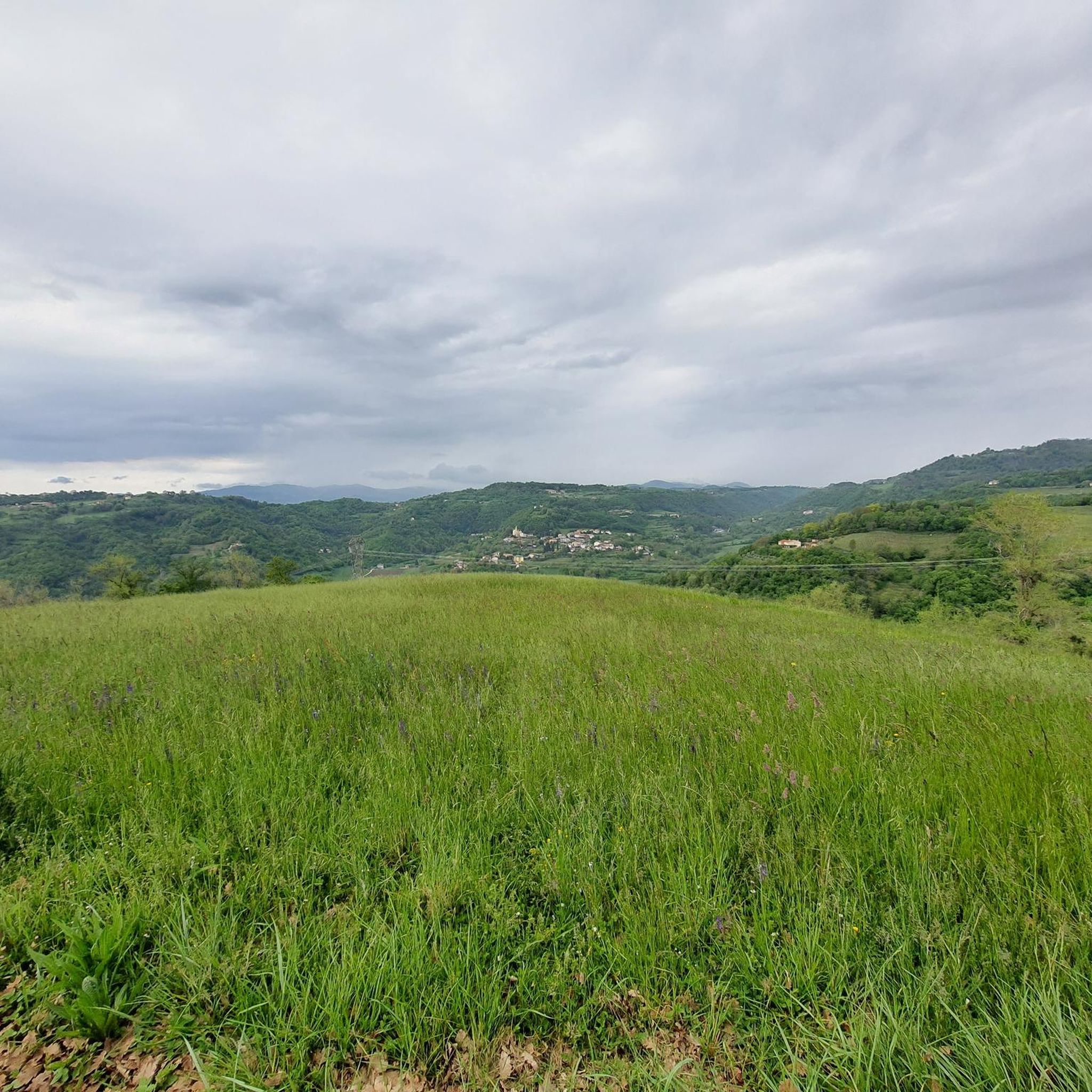
Best attractions and places to see around Gambugliano include a mix of natural features and historical sites. The area is characterized by its hilly, karstic terrain, notably rich in Miocene and Oligocene-era fossils, particularly in the "Covolo" area. Traces of a medieval castle and a Roman gravestone indicate a long history of settlement and strategic importance. Visitors can explore these local points of interest while also accessing significant cultural heritage in the wider Vicenza province.
Best attractions and places to…
Last updated: May 11, 2026
Villa La Rotonda
Highlight • Historical Site
Translated by Google •
Tip by

Sanctuary of Monte Berico
Highlight • Religious Site
Viale Dieci June, 87, 36100 Vicenza VI
monteberico.it
+390444559411
Translated by Google •
Tip by

Sign up now to discover places like this
Get recommendations on the best single tracks, peaks, & plenty of other exciting outdoor places.
Sign up for free
Palladian Basilica, Vicenza
Highlight • Monument
Translated by Google •
Tip by

Ortogonale 1 Military Road Montepulgo
Highlight • Trail
Translated by Google •
Tip by

Bacchiglione Springs Nature Reserve
Highlight • Natural Monument
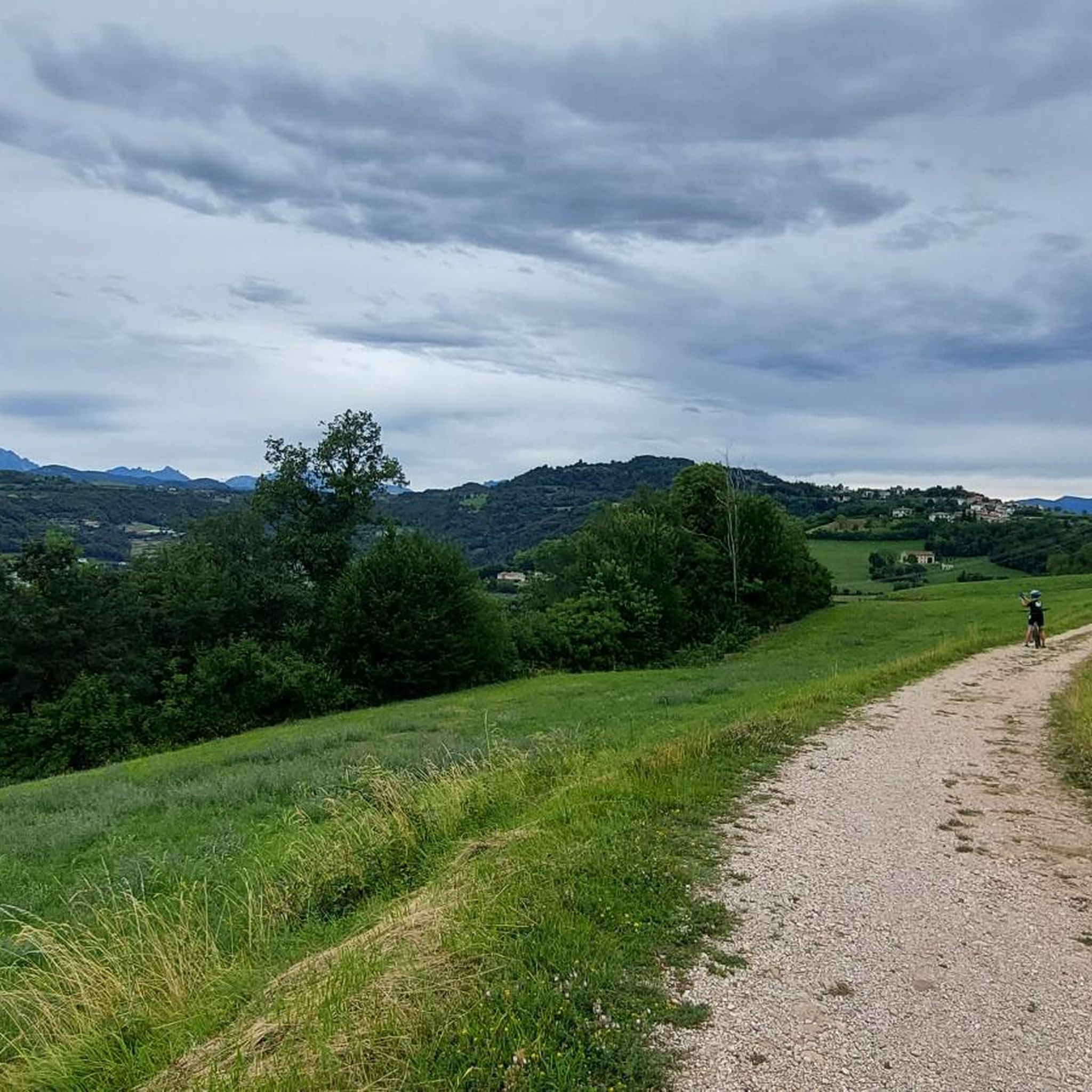
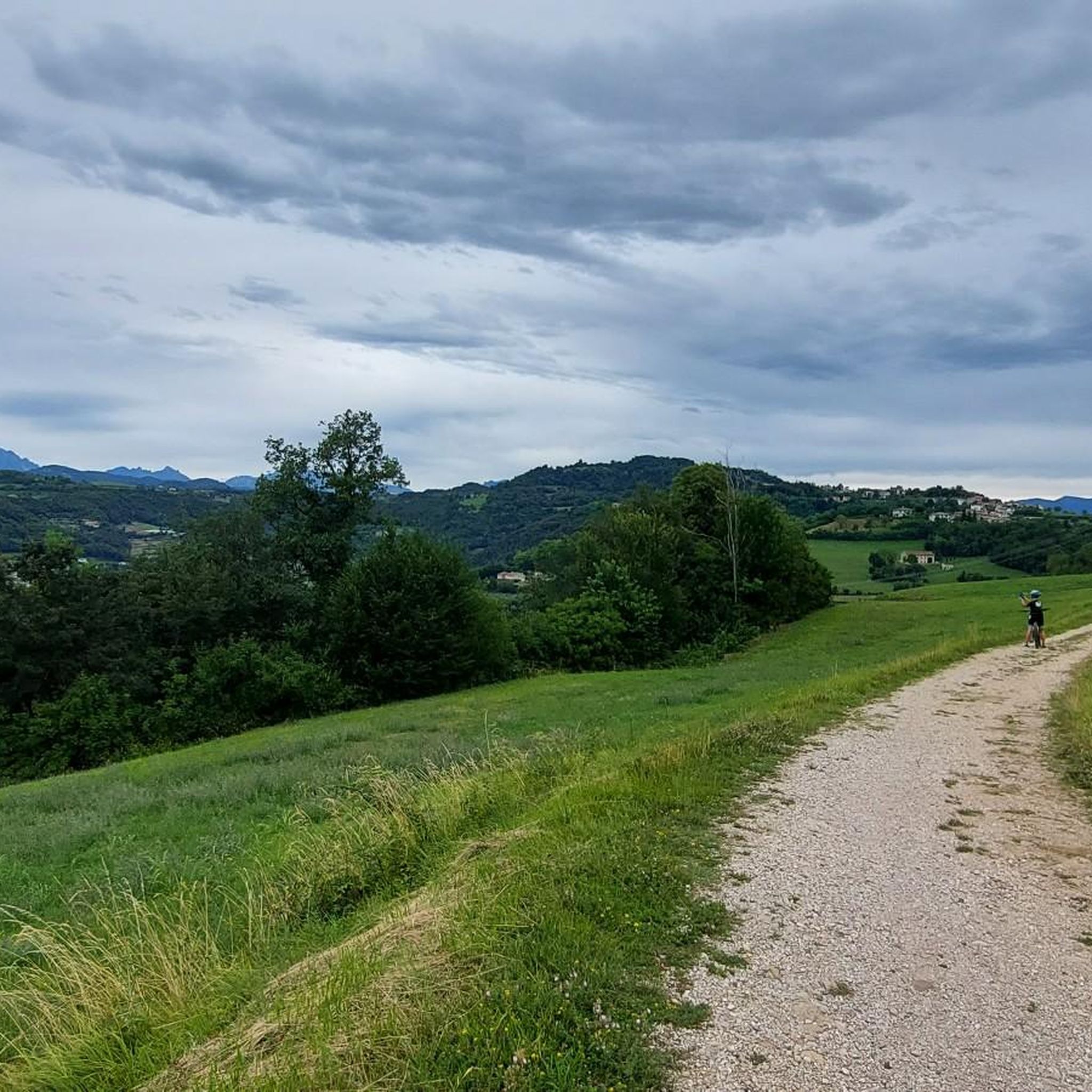
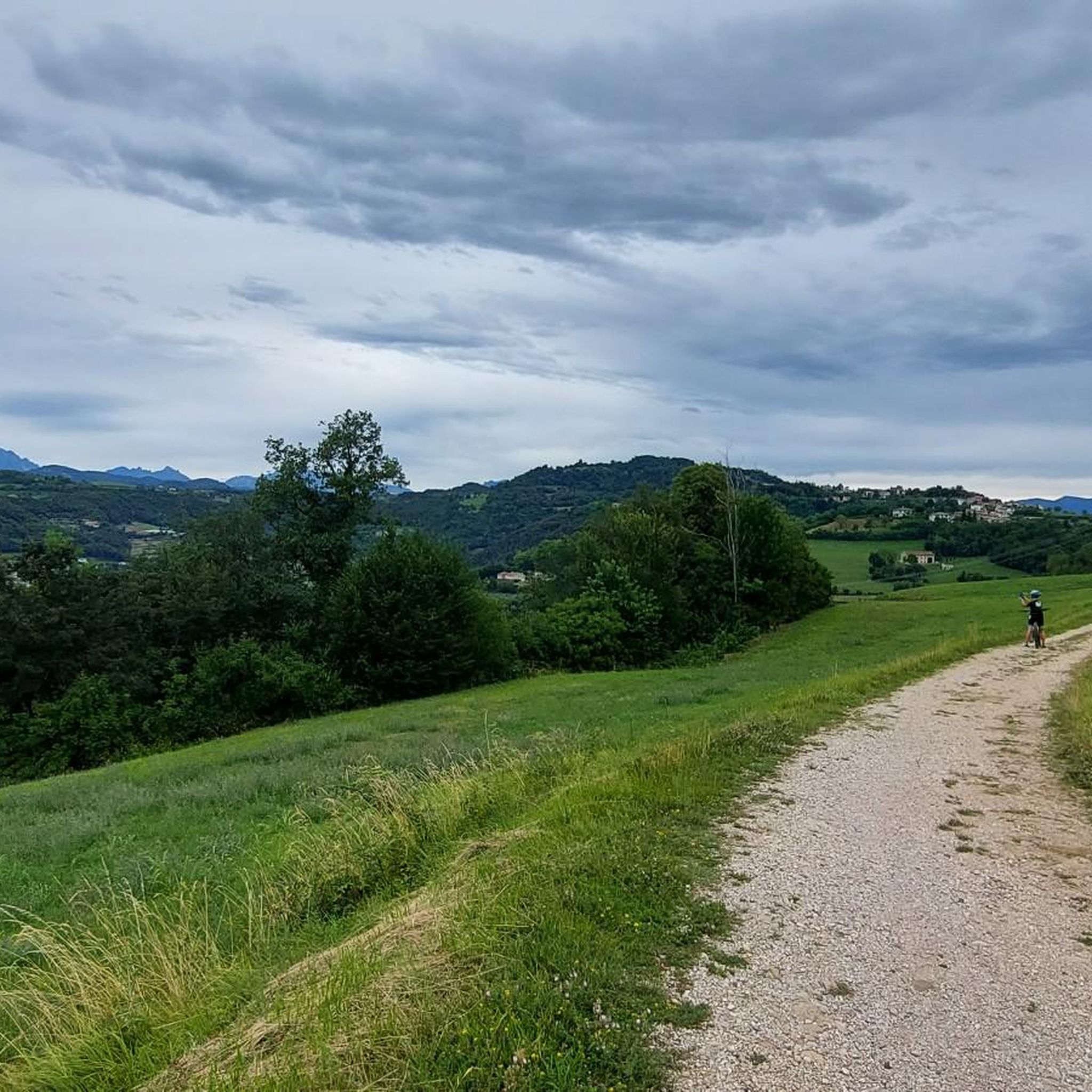
For the gravel it is a paradise!
DESCRIPTION:
A resurgence, or fountain, is a source of fresh water of natural origin, sometimes made to …
Translated by Google •
Tip by

Sign up for free to discover even more attractions around Gambugliano.
Sign up for free
Already have an account?
Start today with a free account
Your next adventure awaits.
Login or Signup
Tips from the Community

it is worth visiting these places for the tranquility and the scenery
0
0

The Basilica of Santa Maria di Monte Berico is an important Roman Catholic pilgrimage church located on the hill of Monte Berico. Its origins date back to two apparitions of the Virgin Mary, which are said to have appeared to the peasant woman Vincenza Pasini in 1426 and 1428 during a plague epidemic. Mary promised to spare the town if a church were built there, which the population immediately did. The original Gothic church was completed in just three months. The current basilica was built between 1688 and 1703 according to plans by Carlo Borella in the Baroque style, with the Gothic structure incorporated into the new building. The façade was redesigned in the Neo-Gothic style in 1860. Particularly striking are the three symmetrical Baroque façades with 42 figures of saints and three bas-reliefs by Orazio Marinali, as well as the bell tower by Antonio Piovene, erected in 1825. Access from the city is via a 700-meter-long staircase with 150 arches, symbolizing the 15 mysteries of the Rosary and 150 Hail Marys. The basilica is an important center of Marian devotion, attracting numerous pilgrims, and was elevated to a minor basilica by Pope Pius X in 1904.
1
0

Beautiful gravel road both uphill and downhill, excellent surface and very appreciable for the historicity of the road itself.
0
0

An "iconic" place in Vicenza, from which you can enjoy a wonderful view of the city.
1
0

promontory of the city, an ideal place for the beginning of a tour and why not, also as a finale.
2
0

The Palladian Basilica is the symbolic building of Vicenza. Known for the Serliane Loggia, designed by the great architect Andrea Palladio, which surrounds the medieval Palazzo della Ragione, it was included in the list of World Heritage Sites by UNESCO in 1994. Between 2007 and 2012, the basilica was the subject of a complex and detailed architectural, functional and plant restoration intervention thanks to the fundamental contribution of the Cassa di Risparmio di Verona Vicenza Belluno and Ancona Foundation. It was reopened on October 5, 2012 to coincide with the opening of the major exhibition "Raphael towards Picasso. Stories about looks, faces and figures". On May 9, 2014, the Palladian Basilica became a National Monument thanks to the bill approved under deliberation by the Senate Culture Committee on March 27, 2014. On May 5, 2014, the "Union Prize" was awarded to the restoration of the Palladian Basilica in Vienna European Union for Cultural Heritage - Europa Nostra 2014 Competition for the Conservation of Cultural Heritage. Source: https://www.comune.vicenza.it/vicenza/turismo.php/scopri_vicenza/basilica_palladiana
6
1

The massive building complex is almost overwhelming at first, but it should be explored down to the last corner. -There are always new facets and insights and perspectives.
3
1

beautiful fountain with two children playing
4
1
Frequently Asked Questions
What natural features can I explore around Gambugliano?
Gambugliano is situated in a hilly area rich in Miocene and Oligocene-era fossils, particularly in the "Covolo" area, known for its significant deposit of *Natiche* (Gastropods). The territory also features karst topography with numerous caves and sinkholes, such as the Spluga cave. Additionally, the nearby Bacchiglione Springs Nature Reserve offers a unique landscape of natural freshwater springs, ideal for walking and cycling.
Are there any historical sites related to ancient Roman or medieval times in Gambugliano?
Yes, Gambugliano has traces of a rich history. In the "Castello" locality, you can find remnants of a medieval castle, possibly originating from a Roman watchtower. Historical texts also mention a Roman gravestone in the nearby fraction of Monte San Lorenzo, indicating Roman presence in the broader area.
What religious landmarks are there to visit near Gambugliano?
The local Parish Church of Saints Vito, Modesto, and Crescenzia in Gambugliano is a notable religious site. Further afield, the Sanctuary of Monte Berico in Vicenza is a significant place of worship, erected in honor of Maria after her appearances in the 15th century.
What are some notable architectural attractions near Gambugliano?
The region is renowned for its Palladian architecture. You can visit Villa La Rotonda, a masterpiece by Andrea Palladio and a UNESCO World Cultural Heritage site. Another must-see is the Palladian Basilica, Vicenza, also a UNESCO World Heritage site, considered an early masterpiece by the architect.
Are there any historical military sites or trails to explore?
Yes, you can explore the Ortogonale 1 Military Road Montepulgo. This historical trail was part of a strategic route that extended for about 50 km, connecting Villa Zileri to Campogrosso during the First World War. It's suitable for mountain biking or gravel bikes.
What kind of cycling routes are available around Gambugliano?
Gambugliano offers a variety of cycling options. For gravel enthusiasts, there are routes like the 'Trail Above Via Biron – View of the Colli Vicentini loop' or the 'Montepulgo – Bacchiglione Springs loop'. Road cyclists can enjoy scenic routes such as the 'Chiesa di Torreselle – Priabona loop' or the 'Villa La Rotonda – Lake Fimon loop'. You can find more details on these routes in the Gravel biking around Gambugliano and Road Cycling Routes around Gambugliano guides.
Are there family-friendly attractions or activities in the area?
Many of the historical sites and natural areas around Gambugliano are suitable for families. The Villa La Rotonda, Sanctuary of Monte Berico, and Palladian Basilica, Vicenza are all considered family-friendly historical sites. The Bacchiglione Springs Nature Reserve also provides a beautiful setting for family walks and cycling.
Where can I go for a run or hike near Gambugliano?
There are several running and hiking trails in the vicinity. You can explore routes like the 'View of the Colli Vicentini loop from Monteviale' or the 'Morani Trail loop'. The Running Trails around Gambugliano guide provides more information on these and other options.
What is the best time to visit Gambugliano for outdoor activities?
The region generally enjoys a mild climate, making spring and autumn ideal for outdoor activities like hiking and cycling. During these seasons, the weather is pleasant, and the natural landscapes are particularly vibrant. Summer can be warm, but early mornings or late afternoons are still suitable for exploration.
Are there any viewpoints offering scenic vistas of the area?
The Sanctuary of Monte Berico, located on a promontory, offers an excellent viewpoint over the city of Vicenza and the surrounding landscape. The hilly terrain around Gambugliano itself provides numerous opportunities for scenic views during walks or rides.
What makes the Bacchiglione Springs Nature Reserve unique?
The Bacchiglione Springs Nature Reserve is unique for its natural freshwater springs, known as 'risorgive,' which are typical of alluvial plains. The water is exceptionally clear and maintains a constant temperature between 10° and 13°C, creating a special microclimate that supports diverse and uncommon animal and plant species not found in surrounding areas. It's a beautiful spot for walking and cycling.
Most popular routes around Gambugliano
Most popular attractions around Gambugliano

Get inspired with the komoot mobile app


Explore more
Still not found the Highlight you’re looking for? See guides of the top attractions in other regions:
