Attractions and Places To See around San Giorgio Piacentino - Top 20
Best attractions and places to see around San Giorgio Piacentino include a blend of historical landmarks, cultural sites, and natural beauty. The town is situated between the plain and the foothills on the right bank of the River Nure. Founded by the Lombards in the 10th century, the area maintains a rich history and a lively atmosphere. Visitors can explore various historical buildings and enjoy outdoor activities in the surrounding landscapes.
Best attractions and places to see around San Giorgio…
Last updated: May 9, 2026
Gothic Palace (Piacenza)
Highlight • Historical Site
Translated by Google •
Tip by

Po Bridge of Piacenza
Highlight (Segment) • Bridge
Translated by Google •
Tip by
Sign up now to discover places like this
Get recommendations on the best single tracks, peaks, & plenty of other exciting outdoor places.
Sign up for free
Piazza Cavalli
Highlight • Monument
Translated by Google •
Tip by
Rivalta Castle
Highlight • Castle
Translated by Google •
Tip by

Palazzo Farnese
Highlight • Historical Site
Translated by Google •
Tip by
Sign up for free to discover even more attractions around San Giorgio Piacentino.
Sign up for free
Already have an account?
Start today with a free account
Your next adventure awaits.
Login or Signup
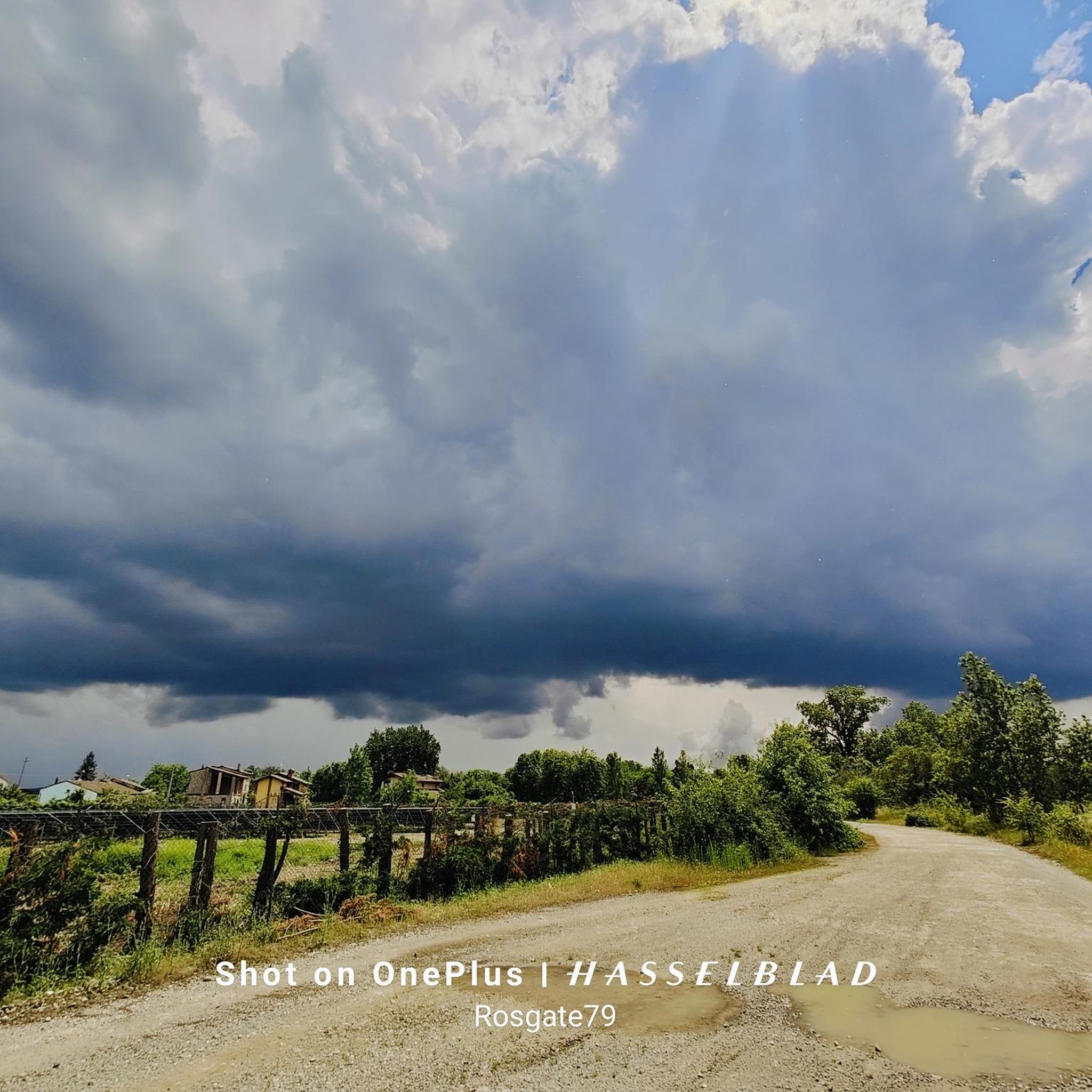
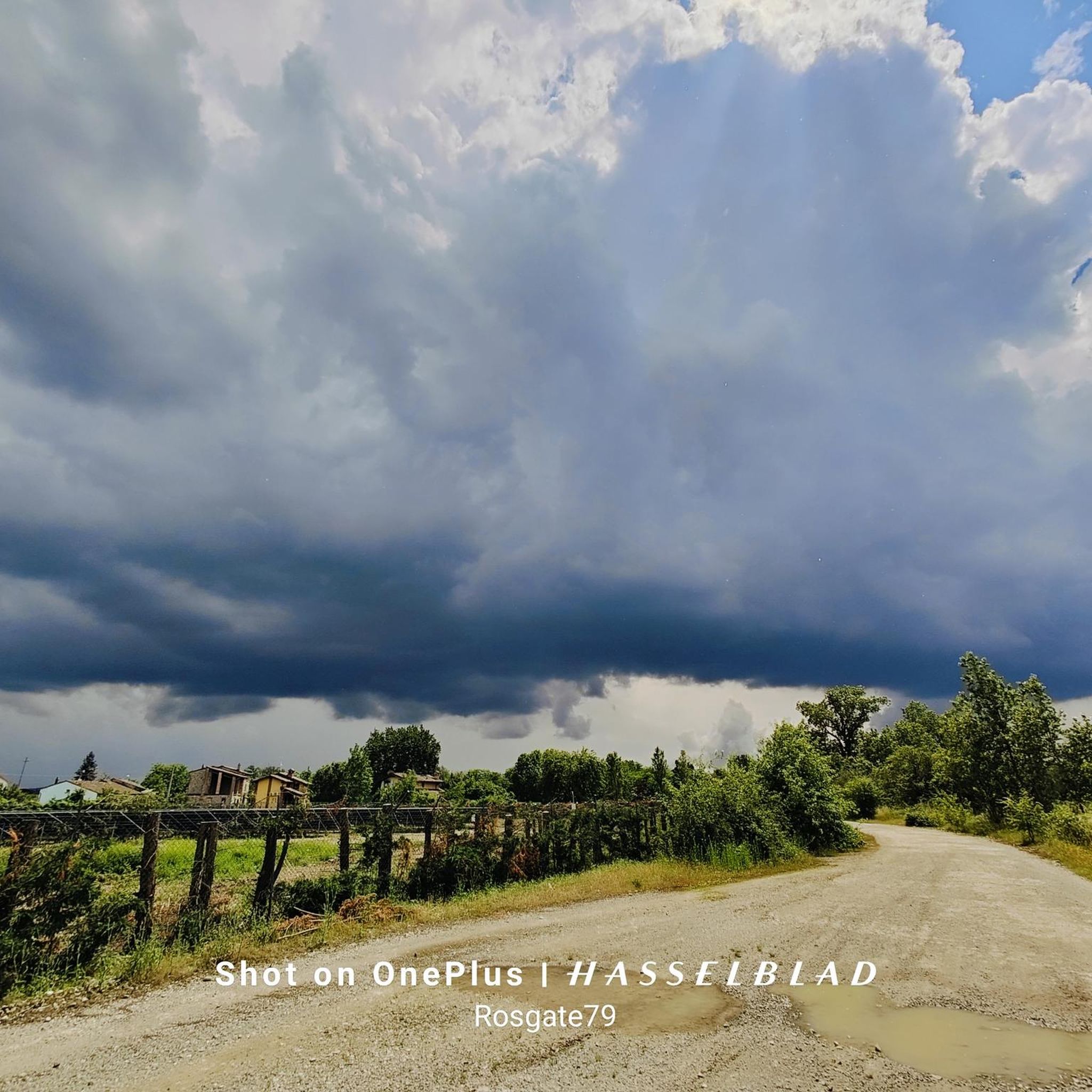
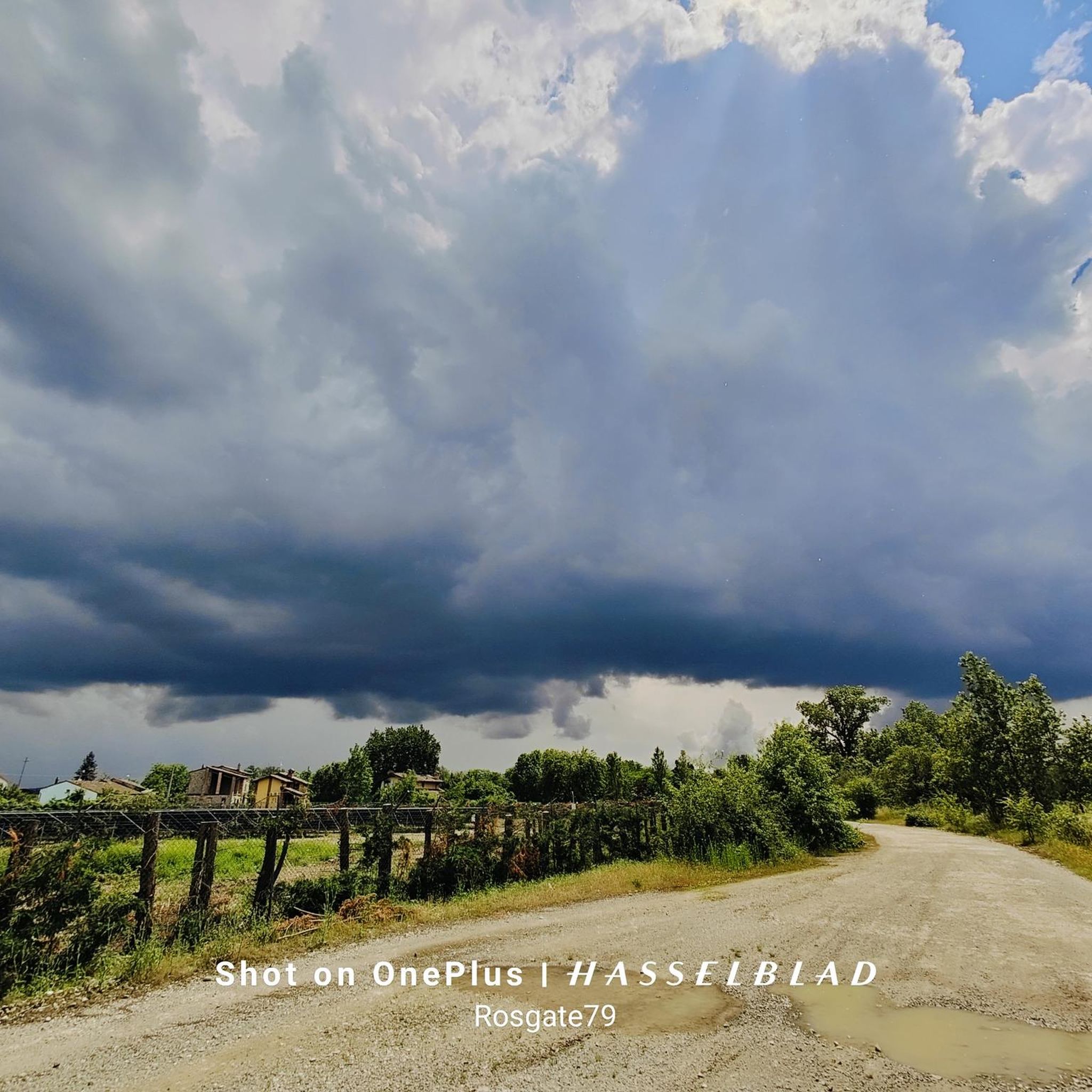
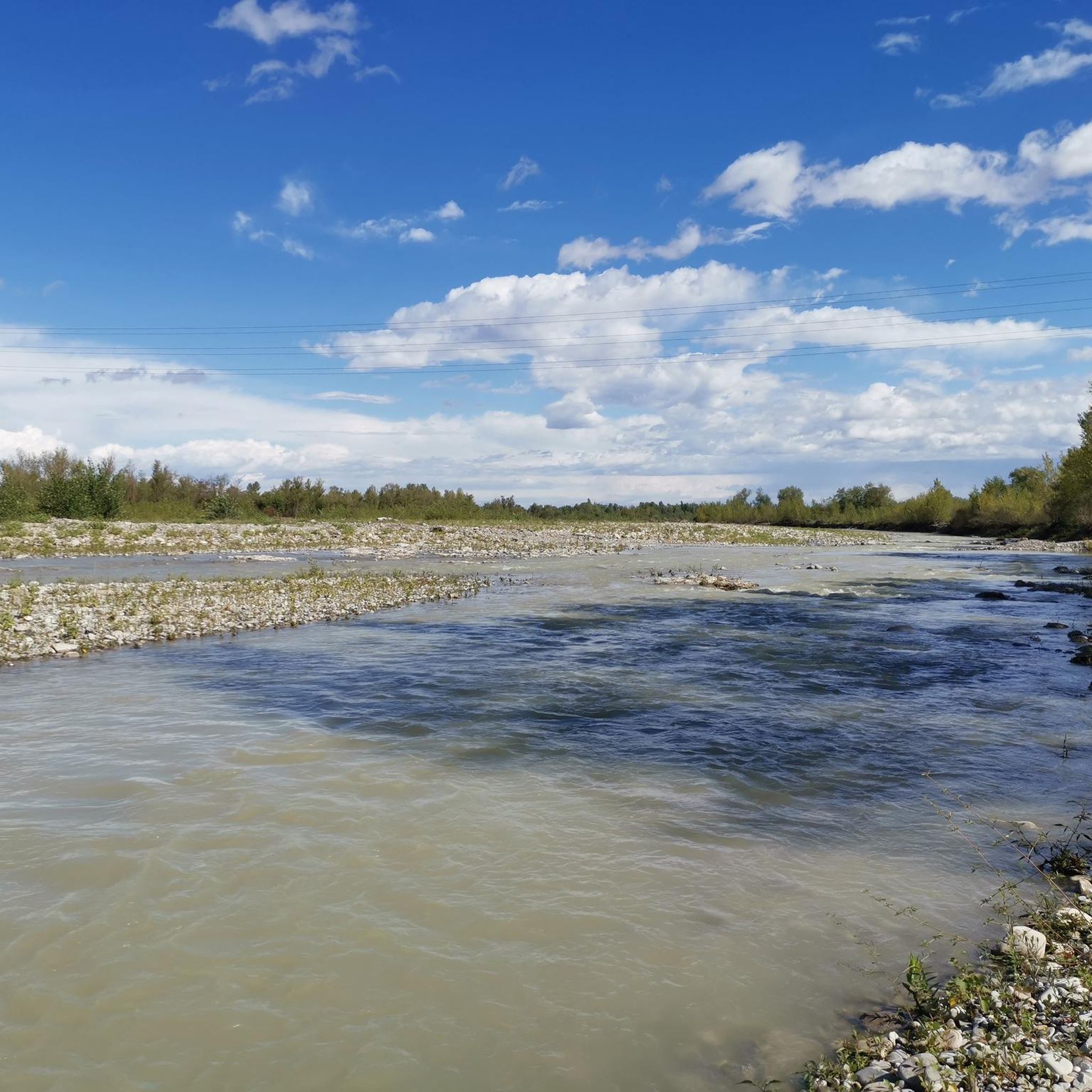

Tips from the Community

Known as "il Gotico" to those who live in Piacenza, due to the presence of pointed arches typical of Gothic architecture, this historic building in the city center hosted the poet Francesco Petrarca in 1351. Today it opens to the public only on the occasion of events or temporary exhibitions.
3
0

The main square of Piacenza with a beautiful Gothic palace. It takes its name from two equestrian statues of two members of the Farnese family, which for a long time dominated the city. The square is also overlooked by much less beautiful buildings, which quite seriously disrupt the view. However, a must-see for anyone visiting Piacenza.
3
0

Definitely worth it, there is a lot to explore, plan about 2 hours
1
0

Rivalta Castle is one of the very few European examples of manors surrounded by an ancient village that has largely remained intact today.
0
0
Rivalta Castle is one of the very few European examples of manors surrounded by an ancient village that has largely remained intact today. Mentioned in documents as early as 1048, it is a sumptuous noble residence, surrounded by a magnificent park. The castle shows a quadrangular planimetric development and is characterized by a singular fifteenth-century cylindrical tower, which ends with the unmistakable small tower
0
0

This square used to be the political and commercial center of Piacenza. It owes its name (Piazza Cavelli) to two masterpieces by Francesko mochi, the Baroque equestrian statues** of Alexander and Ranuccio I Farnese. The gigantic structure that towers above the square is the Gotico**. To the left of the square rises the facade of the 13th century Chiesa di san Francesco, an interesting example of Gothic Franciscan architecture.
10
0
This square used to be the political and commercial center of Piacenza. It owes its name to two masterpieces by Francesco Mochi (1580-1654), the Baroque equestrian statues** of Dukes Alexander and Ranuccio I Farnese. The gigantic structure that towers above the square is the Gotico**, the former town hall.
6
1
The bridge with the Via Emilia is anything but special. The railway bridge, on the other hand, is a ponte strallato (cable bridge) that runs the ferrovia ad alta velocità Milano-Bologna over the River Po near Piacenza. This impressive bridgework is located at kilometer point 44.232 of the Milano-Bologna high-speed line. The entire viaduct that spans the Po has a length of 1,342 meters. The actual cable bridge section extends over 400 meters and spans the normal riverbed of the Po. The width of this section is 300 meters. The bridge deck consists of a three-cell concrete structure that rests on pillars on the banks. The weight is carried by 72 cables connected to two antennas. The central span measures 192 meters, while the two side spans are each 104 meters long. This bridge project was originally the largest steel and reinforced concrete railway bridge in the world and plays a crucial role in modern rail traffic between Milan and Bologna.
10
0
Frequently Asked Questions
What historical sites can I explore in San Giorgio Piacentino?
San Giorgio Piacentino offers a rich history. You can visit the Castle of San Giorgio, which dates back to 948 and now serves as the town hall. The Parish Church of San Giorgio Martire, built in 1670, also features recently restored frescoes. Additionally, the privately owned Rocca di San Giorgio, attributed to the architect Vignola, is occasionally open for visits.
Are there any religious sites of interest in the area?
Yes, the nearby location of San Damiano holds particular religious significance. Here you'll find the parish church and the Shrine of the Madonna delle Rose, which includes a garden with a pear tree, a well, and a statue of Our Lady of the Roses, along with numerous ex-votos.
What outdoor activities are available around San Giorgio Piacentino?
The area around San Giorgio Piacentino is ideal for outdoor activities, especially along the River Nure and in the Riglio Valley. You can enjoy kilometers of paths for walking and cycling, including three nature trails that venture into the Nure riverbed and extend to Podenzano, Vigolzone, and Ponte dell'Olio. Explanatory panels along these routes provide information about the territory. For more structured routes, you can explore various cycling, running, and MTB trails.
Are there family-friendly attractions in San Giorgio Piacentino?
Many of the historical sites and outdoor areas are suitable for families. For instance, the Castle of San Giorgio and the surrounding nature trails can be enjoyed by all ages. In nearby Piacenza, Gothic Palace and Piazza Cavalli are also considered family-friendly historical sites.
What is the best time of year to visit San Giorgio Piacentino for outdoor activities?
The best times to enjoy nature walks and cycling paths are spring and autumn, when the weather is mild and the scenery is vibrant. Summer walks in the woods are also pleasant, offering shade from the sun.
What local food and events can I experience in San Giorgio Piacentino?
The region is part of the "Strada dei vini e dei sapori dei Colli Piacentini" (Wine and Flavors Road of the Piacenza Hills). You can find local products like cheeses, cured meats, fresh meat, and honey. Traditional Piacenza pasta dishes such as tortelli con la coda and pissarei e fasö are popular, as are dishes featuring mushrooms from the Val Riglio. The town also hosts the Spring Fair in April and the Mushroom Fair and Palio del Fungaiolo in September.
Can I visit castles in the countryside surrounding San Giorgio Piacentino?
Yes, the countryside is dotted with numerous privately owned villas and castles. While many are only visible from the outside, they add to the historical charm. Notable examples include Villa Gazzola, built in 1610, and the ancient fortress in Viustino with its solid tower. You can also visit Rivalta Castle, a large fortified complex overlooking the Trebbia, which is definitely worth a visit.
What natural features define the landscape around San Giorgio Piacentino?
San Giorgio Piacentino is nestled between the plain and the foothills, situated on the right bank of the River Nure. Its territory extends into the wooded valley of the Riglio, offering a blend of riverine landscapes and rolling hills. The Po Bridge of Piacenza, an impressive cable bridge over the River Po, is another significant natural and man-made feature nearby.
What is the significance of San Damiano near San Giorgio Piacentino?
San Damiano is a location of particular religious importance due to reports of the Virgin Mary appearing to a peasant woman in 1961. It is home to a parish church and the Shrine of the Madonna delle Rose. The castle in San Damiano also still displays the Anguissola family crest on its entrance, highlighting its historical roots.
What do visitors particularly enjoy about the attractions around San Giorgio Piacentino?
Visitors appreciate the blend of historical and cultural sites with the natural beauty of the region. The central location of Piazza Cavalli in Piacenza, with its Baroque equestrian statues, is often highlighted as a magnificent focal point. The impressive architecture of the Piacenza Cathedral and its rich history also receive high praise, with many noting its Romanesque and Gothic elements and unique features like the iron cage on the bell tower.
Are there mountain biking trails near San Giorgio Piacentino?
Yes, there are several mountain biking trails in the vicinity. You can find routes like the "Ancient Oak Tree – Rossoreggio Tower loop" or the "Singletrack Parco del Vezzeno – Torre Confalonieri loop." These trails offer varying difficulty levels, from moderate to difficult, and allow you to explore the scenic landscapes. For detailed routes, refer to the MTB Trails around San Giorgio Piacentino guide.
What are some lesser-known historical gems in the region?
Beyond the main attractions, the region holds several hidden historical gems. The original ancient fortress in Centovera is now represented by a mighty tower called the Tower of Anguissola or terrace. Viustino also preserves an ancient fortress with a solid tower, which was a site of conflict between Guelphs and Ghibellines in 1373. These sites offer a glimpse into the deeper history of the Piacenza province.
Most popular routes around San Giorgio Piacentino
Most popular attractions around San Giorgio Piacentino

Get inspired with the komoot mobile app


Explore more
Still not found the Highlight you’re looking for? See guides of the top attractions in other regions:
