Attractions and Places To See around Rivergaro - Top 20
Best attractions and places to see around Rivergaro. This town is situated in the Piacenza hills along the Trebbia River, offering a mix of historical landmarks, natural beauty, and cultural sites. It provides opportunities for exploring diverse landscapes, from riverbanks to elevated viewpoints. The area is known for its historical significance and varied outdoor activities.
Best attractions and places to see around Rivergaro
- The most popular attractions is Monte Denavolo Summit Cross, a summit that is one of the…
Last updated: May 9, 2026
Pietra Perduca and the Oratory of St. Anne
Highlight • Religious Site
Translated by Google •
Tip by

Rivalta Castle
Highlight • Castle
Translated by Google •
Tip by

Sign up now to discover places like this
Get recommendations on the best single tracks, peaks, & plenty of other exciting outdoor places.
Sign up for free
Hannibal's Elephant Statue in Gossolengo
Highlight • Monument
Translated by Google •
Tip by

Monte Denavolo Summit Cross
Highlight • Summit
Translated by Google •
Tip by
Rezzanello Castle and Church of San Michele Arcangelo
Highlight • Castle
Translated by Google •
Tip by

Sign up for free to discover even more attractions around Rivergaro.
Sign up for free
Already have an account?
Start today with a free account
Your next adventure awaits.
Login or Signup

Tips from the Community

enchanting place on a splendid panorama, there are on the crest of the rock some tanks with newts, unique animals
2
0

The Castle was first mentioned in a document from 1001. On this occasion, Bishop Sigifredo granted the Benedictine monks of San Savino (Piacenza) some land, including the area of the Castle. The building has a trapezoidal plan and has four circular towers. The first of the four towers dates back to around the year 1000, which only later became four. The Castle was often the scene of clashes and battles. In 1212, the Guelphs of Piacenza took refuge there, threatened by the Ghibellines of Visconti, but they were worsted because they were defeated later in two battles. In the fourteenth century, the Castle was inhabited by Gabriello Boccapiccina, then it passed to the Chiapponi family. When the Chiapponi family died out, in the eighteenth century they were replaced by the Scotti di San Giorgio, who profoundly adapted the building, transforming it into a stately home. At the beginning of the twentieth century, the Castle belonged for a short period to the Lombardi of Genoa; it was then sold to Eng. Giuseppe Manfredi, who had it restored by Prof. Camillo Guidotti. From 1930 to 1987, the building was owned by the Ursuline Mothers of Piacenza. Today, the Castle is used by the current owner as a venue for private events.
0
0

The oratory is beautiful
1
0

Rivalta Castle is one of the very few European examples of manors surrounded by an ancient village that has largely remained intact today.
0
0
Rivalta Castle is one of the very few European examples of manors surrounded by an ancient village that has largely remained intact today. Mentioned in documents as early as 1048, it is a sumptuous noble residence, surrounded by a magnificent park. The castle shows a quadrangular planimetric development and is characterized by a singular fifteenth-century cylindrical tower, which ends with the unmistakable small tower
0
0
Hannibal's passage and the Second Punic War. An ancient legend tells of Hannibal who, after crossing the Apennines and defeating the Romans in the Rivergaro area, stopped in the countryside around Piacenza, where he entrusted an elephant wounded in battle to the farmers of Gossolengo. The inhabitants got used to the presence of the elephant, using it for work in the fields or as a means of transport, but no one ever came back to claim it. Eventually, the elephant became part of the local memory, and is represented in the municipal coat of arms.
0
0

An ancient legend tells of Hannibal who, after crossing the Apennines and defeating the Romans in the Rivergaro area, stopped in the countryside around Piacenza, where he entrusted an elephant wounded in battle to the farmers of Gossolengo. The inhabitants got used to the presence of the elephant, using it for work in the fields or as a means of transport, but no one ever came back to claim it. Eventually, the elephant became part of the local memory, represented in the municipal coat of arms.
1
0
Frequently Asked Questions
What historical landmarks can I explore in Rivergaro?
Rivergaro is rich in history. You can visit the Rivalta Castle, a large fortified complex with a well-preserved medieval village. Other notable historical sites include the Santuario della Madonna Del Castello, offering panoramic views, and the Oratory of San Rocco, which houses a valuable painting by Pitocchetto. The Church of St. Agatha, with its neo-classical design and 15th-century bust, is also worth seeing. While not accessible for interior visits, the imposing Castello di Montechiaro can be admired from the exterior.
Are there any natural attractions or scenic viewpoints around Rivergaro?
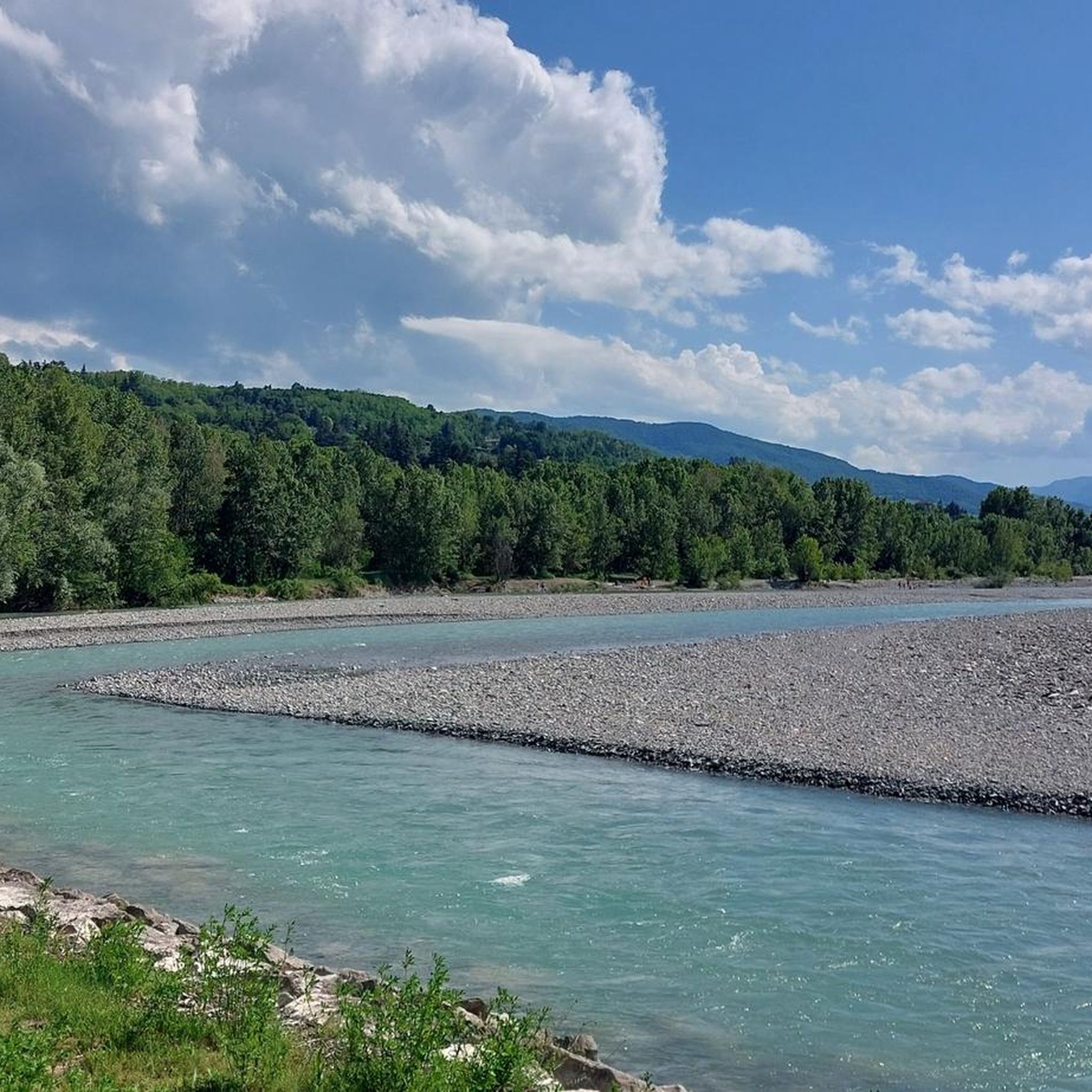
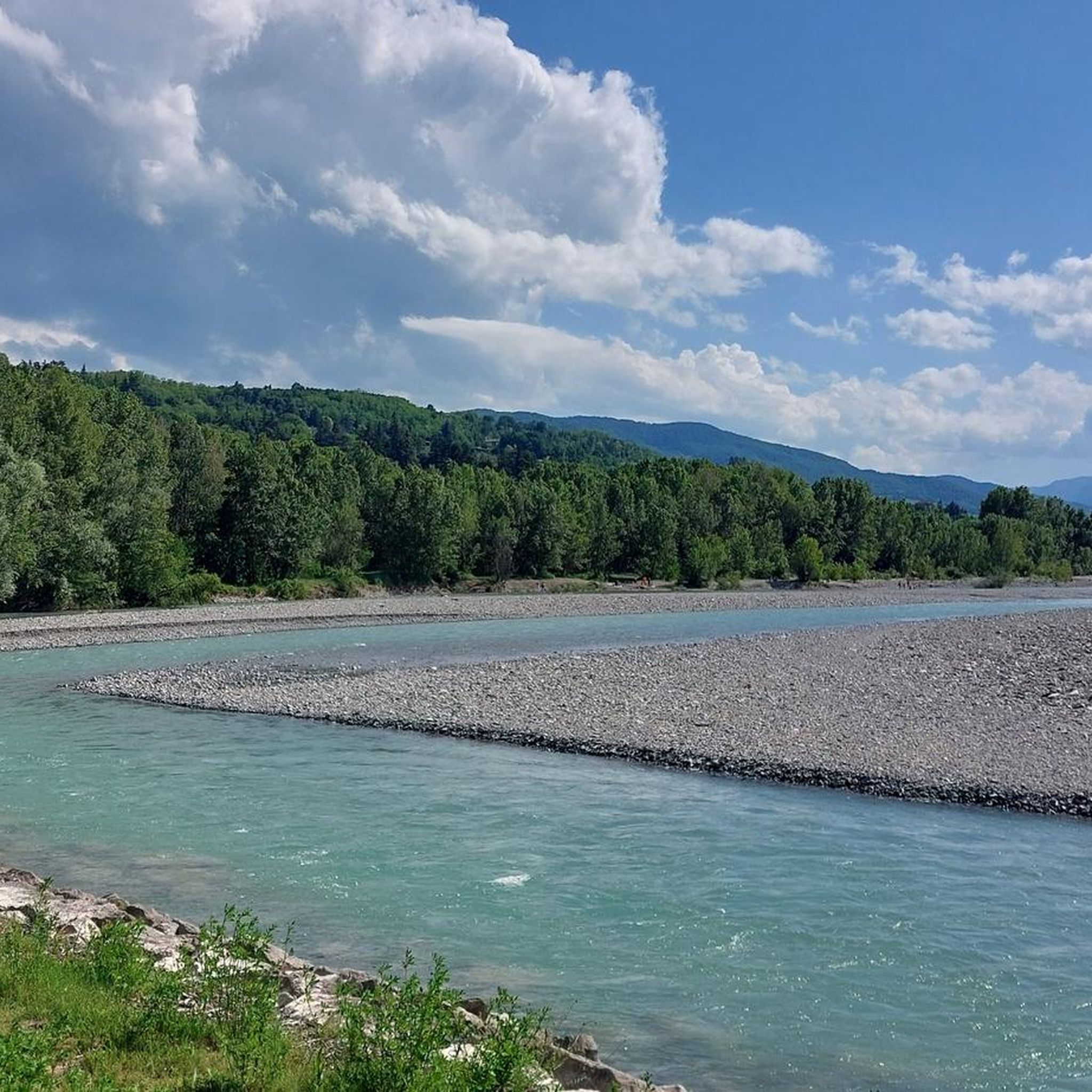
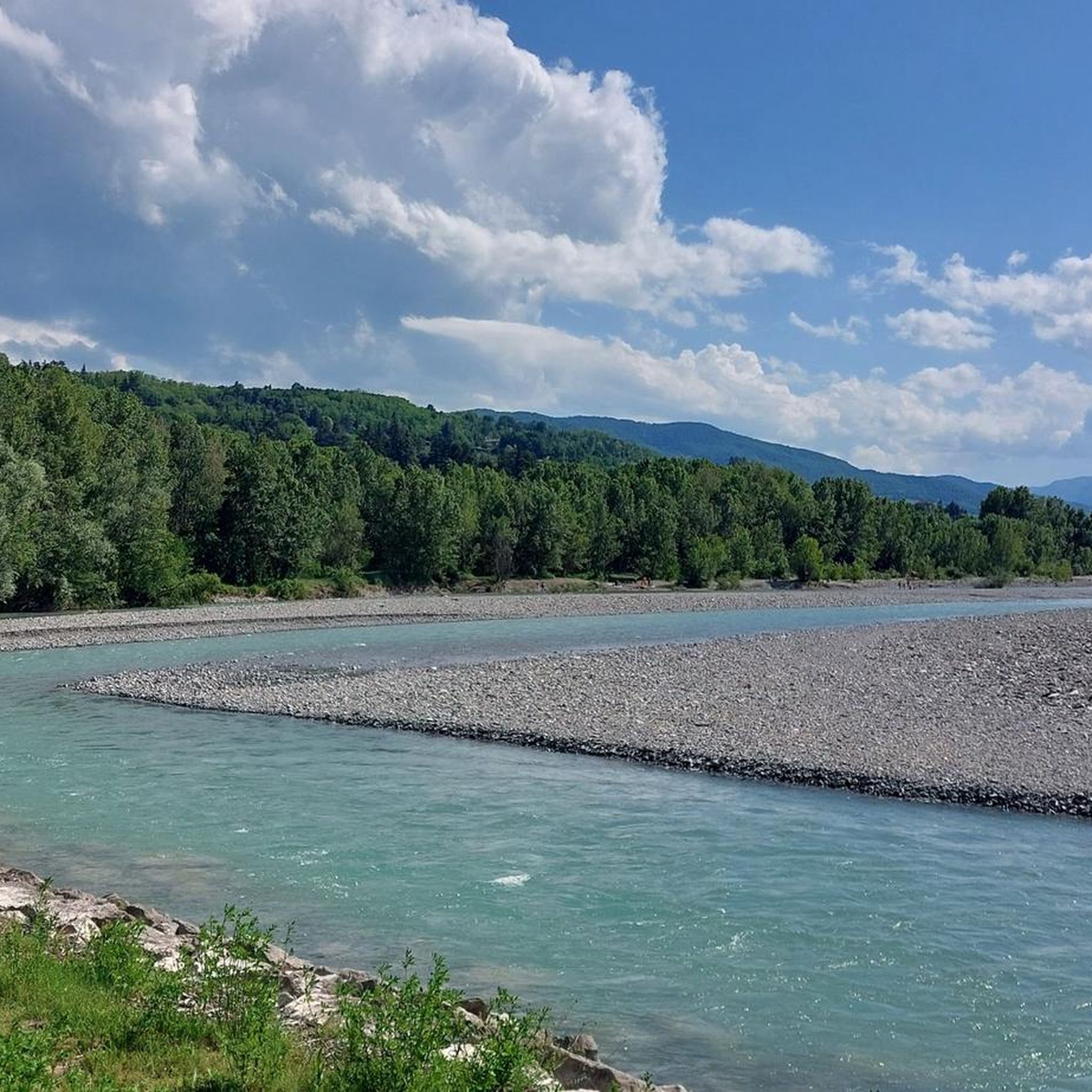
Absolutely. The banks of the Trebbia River are popular for bathing and relaxation, often called the 'sea of the Piacentini'. The Monte Denavolo Summit Cross offers splendid 360° views of the surrounding landscape from its 702-meter summit. You can also explore the Parco Fluviale del Trebbia, a protected area ideal for hiking and cycling, featuring diverse natural landscapes and a dedicated cycle path.
What outdoor activities are available near Rivergaro?
Rivergaro is a great base for outdoor adventures. You can find numerous routes for gravel biking, mountain biking, and hiking. For example, explore the 'Gothic Palace (Piacenza) – Piazza di Rivergaro loop' for gravel biking or the 'Monte Denavolo Loop Trail from Rallio' for hiking. You can find more details and routes on the Gravel biking around Rivergaro, MTB Trails around Rivergaro, and Hiking around Rivergaro guide pages.
Are there family-friendly attractions in Rivergaro?
Yes, Rivergaro offers several family-friendly options. The Parco Acquatico River Park is a water park with pools, slides, and a sandy beach, perfect for all ages. The Hannibal's Elephant Statue in Gossolengo is a unique man-made monument that children often find fascinating due to its historical legend. The Trebbia River beaches also provide a relaxing environment for families.
What is the best time of year to visit Rivergaro for outdoor activities?
Rivergaro is particularly popular in summer, offering a blend of relaxation and activities suitable for all ages. The warmer months are ideal for enjoying the Trebbia River beaches, the water park, and exploring the numerous hiking and cycling paths in the Parco Fluviale del Trebbia.
Can I find any unique cultural sites in Rivergaro?
Beyond its historical structures, Rivergaro has cultural significance. The Santuario della Madonna Del Castello is not only a landmark but also a pilgrimage destination, known for the ex-voto objects left by those who received graces. The Oratory of San Rocco is noteworthy for its valuable painting by Pitocchetto, and the Church of St. Agatha showcases neo-classical architecture and a historical pulpit.
What do visitors enjoy most about the attractions around Rivergaro?
Visitors frequently praise the well-preserved medieval village surrounding Rivalta Castle. The panoramic views from the Monte Denavolo Summit Cross are also a highlight, offering a stunning 360° perspective of the landscape. Many appreciate the unique historical context of the Hannibal's Elephant Statue in Gossolengo and the overall blend of history and natural beauty in the region.
Are there any castles or historical residences that can be seen near Rivergaro?
Yes, in addition to Rivalta Castle, you can also see Rezzanello Castle and Church of San Michele Arcangelo, though the castle itself is private property. The Monticello Castle and Partisan Memorial is another medieval fortification with historical significance. The Villa Anguissola-Scotti, built on the foundations of an 11th-century fortified manor, is also a significant historical residence.
Is Rivergaro a good base for exploring other nearby towns or attractions?
Rivergaro serves as a convenient base for visiting renowned nearby sites. Within a short distance, you can reach the well-preserved Rivalta Castle and the neo-Gothic village of Grazzano Visconti. The private Castles of Niviano and Montechiaro can also be appreciated from the exterior in the surrounding area.
What is the Parco Fluviale del Trebbia and what can I do there?
The Parco Fluviale del Trebbia is a large protected area stretching for about 30 km from Rivergaro to Piacenza. It's an ideal spot for hiking and cycling, with a dedicated cycle path connecting the two towns. The park features diverse natural landscapes, including lush flora and serves as a resting and transit point for numerous migratory birds, making it great for nature observation.
Are there any places for swimming or water activities in Rivergaro?
Yes, the banks of the Trebbia River offer areas for bathing and relaxation, often referred to as the 'sea of the Piacentini'. Additionally, the Parco Acquatico River Park provides a dedicated water park experience with pools and slides for all ages.
What is the significance of the Hannibal's Elephant Statue in Gossolengo?
The Hannibal's Elephant Statue in Gossolengo references an ancient legend. It tells of Hannibal, after crossing the Apennines during the Punic War, entrusting a wounded elephant to the farmers of Gossolengo. The elephant became part of the local memory and is even represented in the municipal coat of arms, making it a unique historical and cultural point of interest.
Most popular routes around Rivergaro
Most popular attractions around Rivergaro

Get inspired with the komoot mobile app


Explore more
Still not found the Highlight you’re looking for? See guides of the top attractions in other regions:
