Attractions and Places To See around Bettola - Top 20
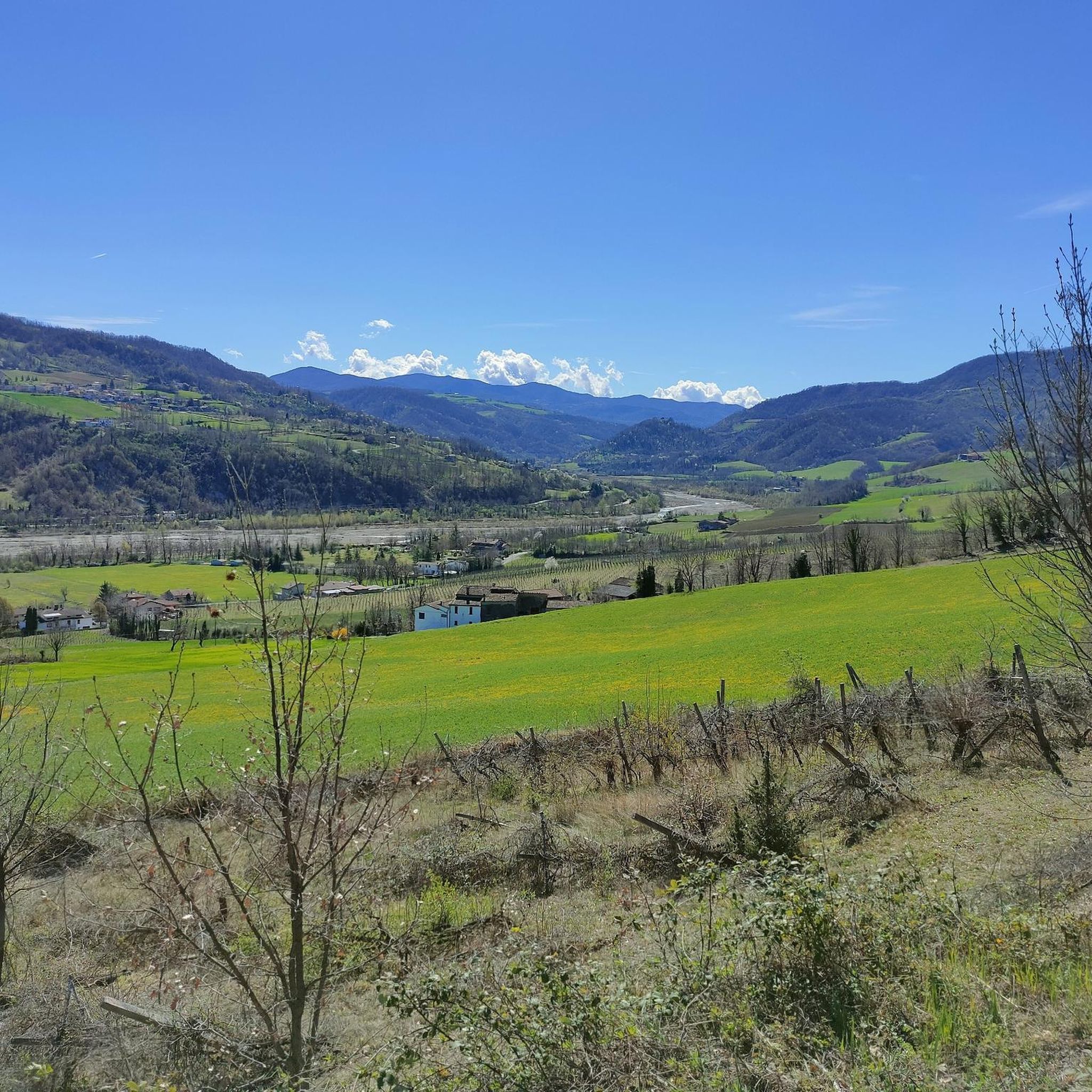
Best attractions and places to see around Bettola encompass a variety of historical landmarks, cultural sites, and natural features. Situated at the foothills of mountainous terrain, the region offers unspoilt valleys and rivers like the Perino and Nure. Bettola is known for its ancient villages, medieval castles, and significant religious buildings, reflecting a rich local history. The area provides diverse opportunities for exploring both its built heritage and scenic landscapes.
Best attractions and places to see around Bettola
- The most…
Last updated: August 2, 2026
Pietra Perduca and the Oratory of St. Anne
Highlight • Religious Site
Translated by Google •
Tip by

Ponte Gobbo (Devil's Bridge) of Bobbio
Highlight • Bridge
Translated by Google •
Tip by

Sign up now to discover places like this
Get recommendations on the best single tracks, peaks, & plenty of other exciting outdoor places.
Sign up for free
Ponte Gobbo (Bobbio)
Highlight • Bridge
In the Middle Ages, the construction of a bridge was considered a miraculous feat. For this reason, the construction of such structures gave rise to …
Translated by Google •
Tip by

Monticello Castle and Partisan Memorial
Highlight • Castle
Showing Translation
Tip by

Mulino di Riè
Highlight • Historical Site
Translated by Google •
Tip by

Sign up for free to discover even more attractions around Bettola.
Sign up for free
Already have an account?
Start today with a free account
Your next adventure awaits.
Login or Signup

Tips from the Community

Il Castello di Monticello (Gazzola, PC) is a 14th-century medieval fortification strategically located between Val Trebbia and Val Luretta. Mentioned since 1372, it is known for its war events, including a battle in 1945. It was a fief of the Arcelli family and, despite war damage, retains its quadrangular structure.
14
0

Monticello Castle, of strategic importance due to its location on the ridge of the Trebbia and Luretta valleys and its role in the entrenched camp, was first mentioned in 1372 when it was occupied by papal troops.
1
0

Hunchback Bridge or Devil's Bridge In the Middle Ages, the construction of a bridge was considered a miraculous feat. For this reason, the construction of such structures gave rise to many legends, often involving the devil: joining two places that God had wanted separated was seen by many as a "diabolical" work. According to an ancient legend, Saint Columbanus, a 7th-century Irish monk, was eager to bring the word of God to the people living on the other bank of the Trebbia River, near the town of Bobbio. The devil promised to build the bridge in a single night, in exchange for the first mortal soul to cross it. The saint accepted. That night, the devil summoned several little devils who assisted him in the construction work, holding up the bridge's arches. The demons were of different heights, and thus the various arches of the bridge were of varying sizes. In the morning, the devil stationed himself at the end of the bridge to demand his payment. But Saint Columbanus outwitted him by having his poor, suffering and very sick dog (some say it was a bear) cross the bridge instead of a man. The enraged devil returned to hell, but not before kicking his handiwork, which has been crooked ever since. It is said that the footprints of the unfortunate animal that served as a guinea pig still remain in the crypt of the Church of Saint Columbanus. The Hunchback Bridge, also known as the Ponte Vecchio or, more precisely, the Devil's Bridge, is a Roman structure that has undergone numerous renovations over the centuries. The structure above dates back to the 7th century, but traces of an older bridge, dating back to before Columbanus' arrival, have been found underneath. The bridge, characterized by its undulating shape, irregular arches, and relatively narrow carriageway, is 280 meters long and connects the two banks of the river through a complicated succession of 11 irregular spans, varying in span and height, creating an undulating path from one end to the other. The Bobbio Bridge, now used only as a pedestrian crossing, is the very symbol of the city of San Colombano, as well as one of the strangest and most original architectural structures in Italy. Source: Emilia-Romagna Region
2
0

enchanting place on a splendid panorama, there are on the crest of the rock some tanks with newts, unique animals
2
0

An important battle of the Liberation struggle took place here at the castle of Monticello, between 15 and 16 April 1945, in which a handful of partisans barricaded in the castle resisted and repelled a large Nazi-fascist troop of 450 men. Here is an exciting documentation: https://www.rivalta-trebbia.it/battaglia-di-monticello/
1
0

I arrive in Bobbio from a less busy road and with a beautiful view of Ponte
0
0

The oratory is beautiful
1
0
Frequently Asked Questions
What historical sites can I explore in Bettola?
Bettola offers a rich history with several notable sites. You can visit the ancient village of Borgo San Bernardino with its historic tower-houses, or explore Borgo San Giovanni, featuring Piazza Colombo and Piazzetta Sant'Ambrogio. The Mulino di Riè, a characteristic rural mill along the Perino stream, provides insight into ancient local economic activities. Additionally, the Monticello Castle and Partisan Memorial is a 14th-century medieval fortification with a significant history.
Are there any significant religious buildings in Bettola?
Yes, Bettola is home to several important religious sites. The Church of San Giovanni, also known as the Shrine of the Blessed Virgin of the Oak (della Quercia), is renowned for its richly decorated interior and a Marian apparition dating back to 1496. The Church of Saint Lawrence the Martyr, dating back to the 16th century, features beautiful Baroque chapels and stucco decorations. You can also find the Chapel of the Apparition, connected to the Marian apparition story.
Where can I find scenic natural spots or waterfalls around Bettola?
For natural beauty, the Valley of the Perino is home to the celebrated Cascades or waterfalls on the Perino, accessible via a relatively easy trail from Calenzano. The Valley of the Restano is described as wild, nearly uninhabited, and incredibly beautiful, offering a serene natural experience. For panoramic views, head to the Monte Denavolo Summit Cross, one of the first peaks separating the Trebbia and Nure valleys, offering splendid 360° views.
What is the story behind the Ponte Gobbo?
The Ponte Gobbo, also known as the Hunchback Bridge or Devil's Bridge, is an ancient Roman structure in Bobbio, characterized by its undulating shape and irregular arches. Legend has it that Saint Columbanus made a pact with the devil to build the bridge in a single night in exchange for the first mortal soul to cross it. The saint outsmarted the devil by sending a dog (or bear) across first, enraging the devil who then kicked the bridge, leaving it crooked ever since.
What outdoor activities can I do near Bettola's attractions?
The mountainous countryside around Bettola is perfect for outdoor enthusiasts. You can enjoy trekking, cycling, and horseback riding along numerous paths and mule trails. For specific routes, explore the Gravel biking routes around Bettola, Road Cycling Routes around Bettola, or general Cycling routes around Bettola.
Are there any castles to visit in the vicinity of Bettola?
Yes, the area surrounding Bettola is dotted with various castles that offer a glimpse into medieval history. Notable examples include Castello di Agazzano, Castello di Altoe', Castello di Montechiaro, Castello di Castano, and Castello di Gropparello. Many of these are open to visitors, providing insights into the region's rich past.
When is the best time to visit Bettola for outdoor activities?
The best time to visit Bettola for outdoor activities like trekking, cycling, and exploring natural landscapes is during spring and autumn. The weather is generally pleasant, and these seasons often feature local events and food fairs, adding to the cultural experience.
What is the significance of Torre Colombo?
Torre Colombo (Columbus Tower) in Pradello, located a few kilometers from Bettola, holds historical significance as it is traditionally believed to be the ancestral home of Christopher Columbus's father. It now houses a small museum dedicated to the family, offering a unique connection to the famous explorer.
What are some other mountains or peaks near Bettola offering views?
Beyond Monte Denavolo, Bettola is situated at the foothills of mountainous terrain with several other peaks offering splendid natural landscapes. These include Monte Osero, Monte Gonio, Monte Mangiapane, Poggio Alto, Monte Armelio, Costa Monte Capra, Pietra Perduca, and Pietra Parcellara, all providing opportunities for scenic views and outdoor exploration.
What do visitors enjoy most about the attractions around Bettola?
Visitors particularly appreciate the diverse range of attractions, from historical landmarks to natural wonders. The Ponte Gobbo is a favorite for its unique architecture and local legends, while the Monte Denavolo Summit Cross is loved for its breathtaking 360° panoramic views. The historical depth of sites like the Monticello Castle and the charm of the Mulino di Riè also receive high praise for their cultural and historical value.
Are there any easy hiking trails near Bettola?
While many trails in the mountainous region can be challenging, the path to the Cascades on the Perino from Calenzano is considered relatively easy. For more options, you can explore the various cycling and walking routes around Bettola, which often include sections suitable for easier walks, allowing you to enjoy the natural beauty without strenuous effort.
Most popular routes around Bettola
Most popular attractions around Bettola

Get inspired with the komoot mobile app


Explore more
Still not found the Highlight you’re looking for? See guides of the top attractions in other regions:
