Top 20 Castles around Monticello D'Alba
Best castles around Monticello D'Alba are located in the Roero region, an area known for its fortified architecture and historical significance. This landscape features medieval castles that offer insights into centuries of noble heritage. These landmarks often provide views of the surrounding hills and vineyards. The region presents a variety of architectural styles and interiors.
Best castles around Monticello D'Alba
- The most popular castles is Barolo Village and Vineyards, a settlement known for its wine and the Castello Falletti.…
Last updated: May 20, 2026
Historic Center of Barolo
Highlight • Settlement
In the center of Barolo you can find bars, wineries and restaurants offering typical products combined with the best local wines.
Translated by Google •
Tip by

Barolo Castle
Highlight • Castle
Translated by Google •
Tip by

Sign up now to discover places like this
Get recommendations on the best single tracks, peaks, & plenty of other exciting outdoor places.
Sign up for free
Barolo Village and Vineyards
Highlight • Settlement
Translated by Google •
Tip by

Grinzane Cavour Castle
Highlight • Castle
Translated by Google •
Tip by

Serralunga d'Alba Castle
Highlight • Castle
Translated by Google •
Tip by

Sign up for free to discover even more castles around Monticello D'Alba.
Sign up for free
Already have an account?
Start today with a free account
Your next adventure awaits.
Login or Signup

Tips from the Community

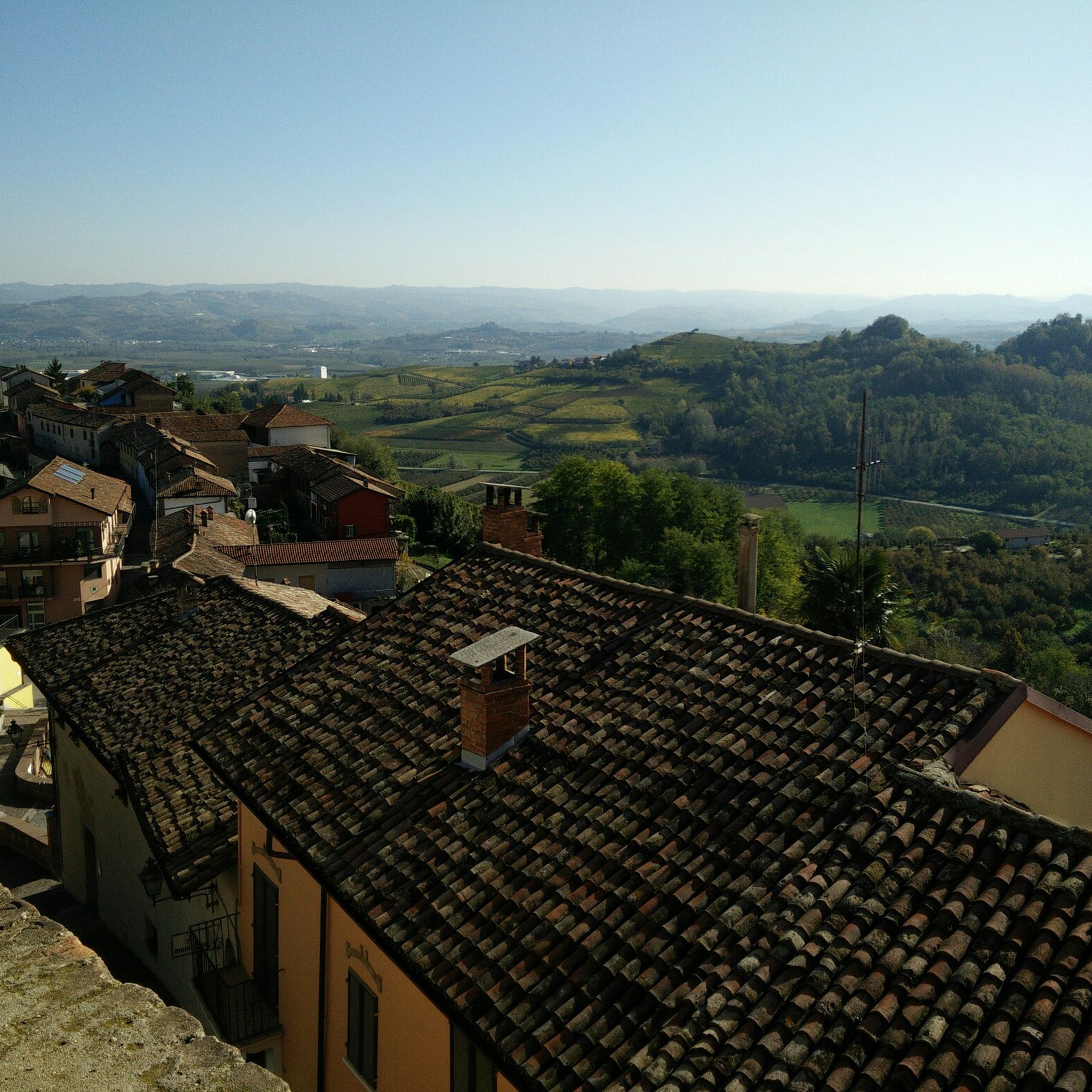
Barolo, famous for its wine, is a magnificent medieval village
0
0

One of the many magnificent places in the Langhe. There is even a corkscrew museum with over 600 items!! Avoid on summer weekends, too many people in too little space.
2
1

Barolo, city of wine par excellence. There are numerous restaurants, bars and wineries.
3
0

Grinzane Cavour is a municipality in the Langhe area, in Piedmont. The name pays homage to Camillo Benso, Count of Cavour, who was mayor of Grinzane for 17 years. In Grinzane Cavour it is possible to visit the splendid medieval castle of Grinzane, still perfectly preserved.
3
0
Serralunga d'Alba is a municipality of only 500 inhabitants but, at the same time, it is one of the most appreciated places by those who visit the Langhe. In fact, Serralunga boasts a castle, whose origins date back to the 14th century, and a panoramic point that allows you to appreciate the beauty of the Langhe hills.
1
0

Overlooking the undulating landscape cultivated with Nebbiolo grapes, the castle of Barolo originated around 1000. The name of the town has roots in the Celtic term "bas reul", adopted for its position at a modest altitude compared to the neighboring towns. In 1250, the domain passed into the hands of the Fallettis, who held possession until 1864, a period in which Giulia introduced winemaking at the base of Barolo, according to the technique still used today. Currently, the castle houses the Enoteca Regionale del Barolo, a temple of taste where the cream of local wines is carefully selected, the renowned Barolo DOCG stands out among all.
5
0

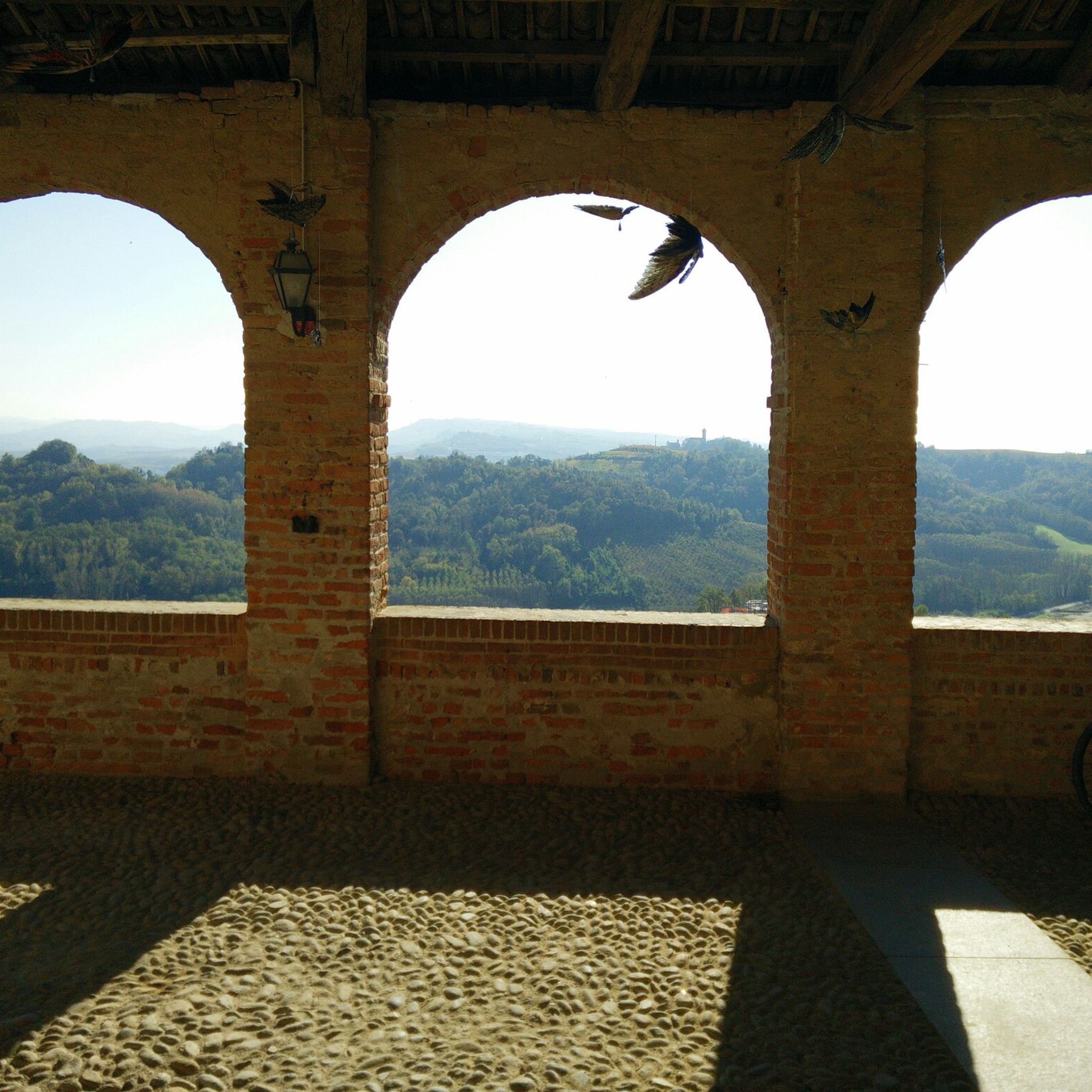
Castello di Serralunga d'Alba is a strategic medieval defensive fortress that stands out due to its stateliness in the meadow surroundings. This castle with its high tower was used for observation purposes. Fortunately, the fort never suffered war damage and has always been protected from plunder. The only sieges the castle faces today are those from day trippers. Fortunately, these leave no traces and still carry the Castello di Serralunga d'Alba in their hearts as a status symbol. The castle is literally beautiful to look up at. Unfortunately we were not able to visit the castle from the inside, but the outside is impressive and makes many visitors dizzy with its awe-inspiring appearance. On the terrace, near the upper entrance gate, you have a beautiful panoramic view. You see one large patchwork of vineyards, forests and villages.
3
0

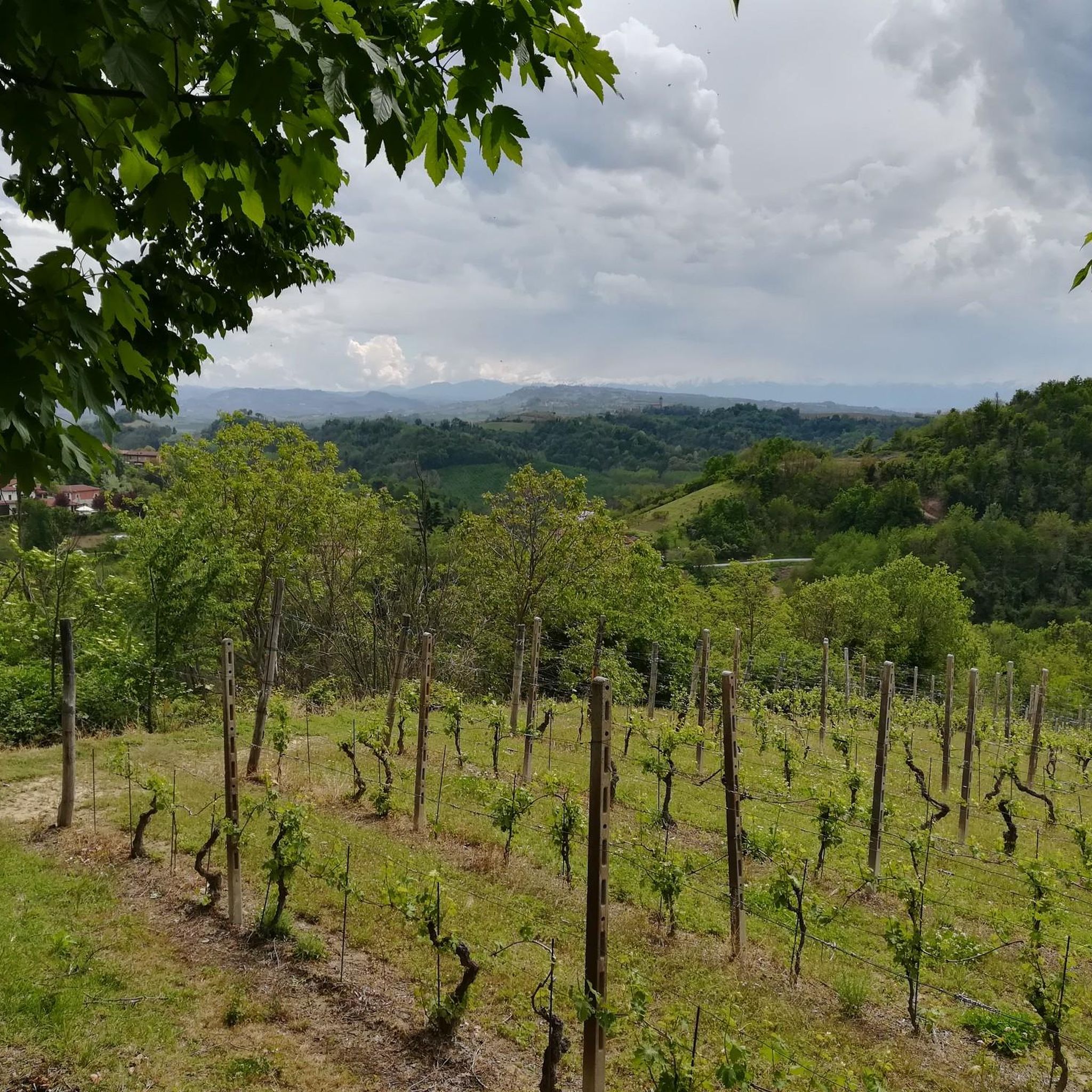
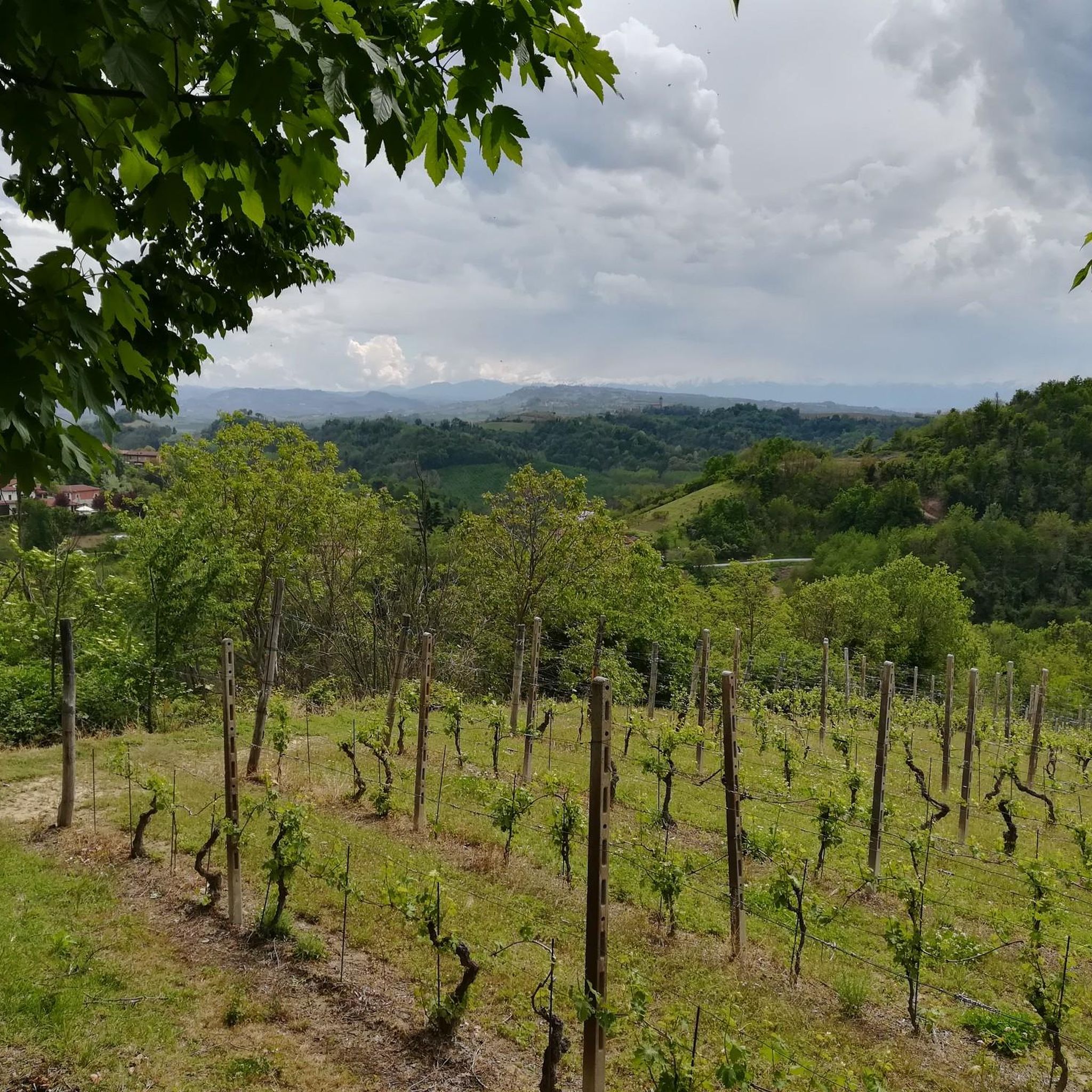
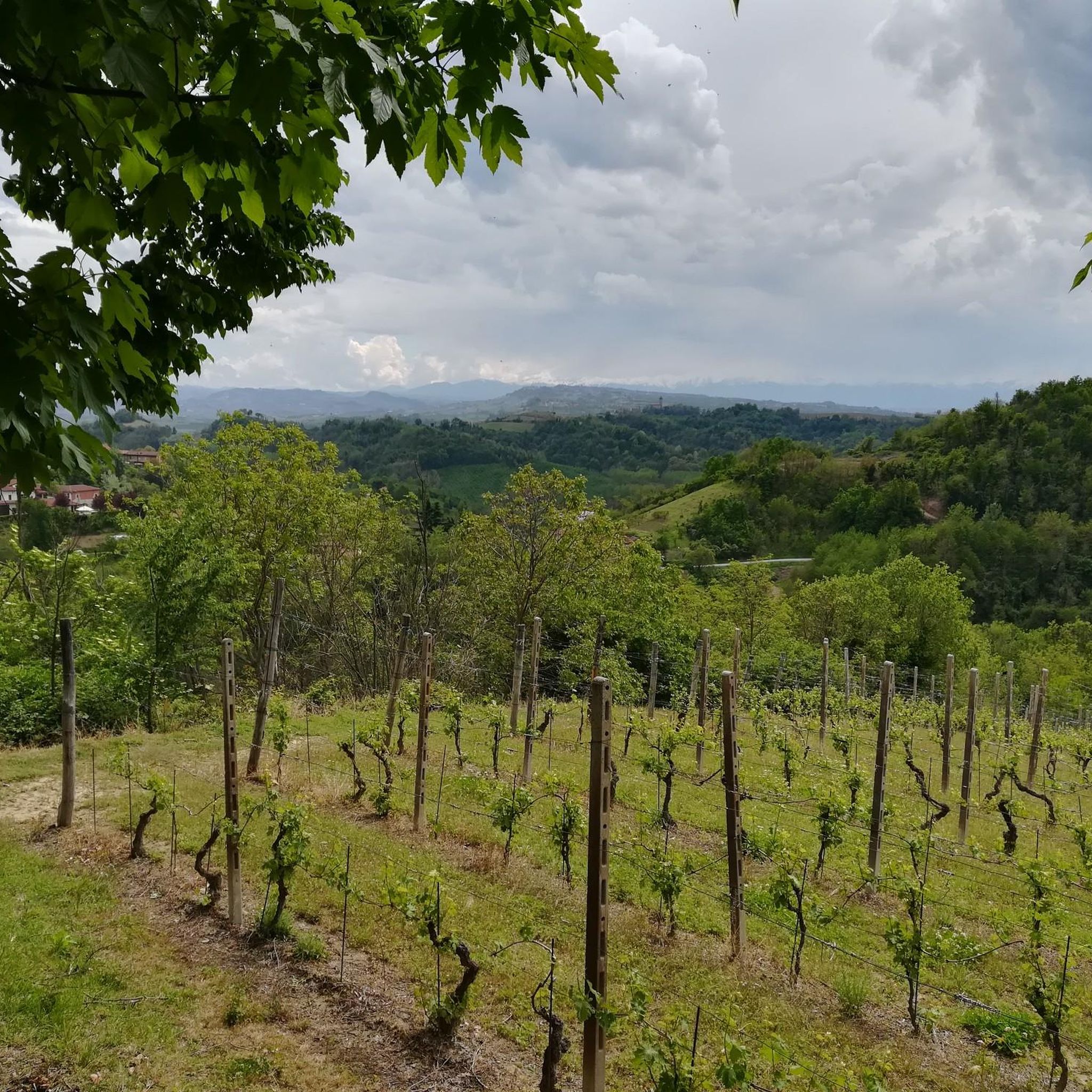
Very nice area both to ride and to drink!
3
1
Frequently Asked Questions
What is the most prominent castle in Monticello D'Alba itself?
The most prominent castle in Monticello D'Alba is the Castello di Monticello d'Alba. This well-preserved medieval fortress, continuously owned by the Roero family since 1376, features unique architecture with three distinct towers (square, round, and octagonal) and elegant 18th-century interiors. It also boasts a magnificent English garden designed by Xavier Kurten.
Are there guided tours available for the castles in the area?
Yes, guided tours are available for the Castello di Monticello d'Alba, especially on weekends when it is open to the public. For other castles like Barolo Castle or Grinzane Cavour Castle, which house museums, guided tours or self-guided explorations are typically offered. It's advisable to check their official websites for specific tour schedules and booking information.
What unique architectural features can I expect to see at Castello di Monticello d'Alba?
The Castello di Monticello d'Alba is renowned for its architectural singularity, featuring three towers of different shapes and sizes: one square, one round, and one octagonal. Visitors can also observe its Ghibelline battlements and the blend of medieval fortification with elegant 18th-century internal restorations.
Are there family-friendly castles to visit around Monticello D'Alba?
Yes, several castles in the area are considered family-friendly. Barolo Castle, Grinzane Cavour Castle, and Castello di Roddi are all categorized as family-friendly. The Castello di Monticello d'Alba also offers beautiful gardens and historical interiors that can be engaging for families.
What kind of historical immersion do the castles offer?
The castles around Monticello D'Alba provide a deep dive into the region's feudal past. The Castello di Monticello d'Alba, for instance, showcases centuries of noble history with its long-standing family ownership, historical weapons in the Arms Hall, and portraits of the Roero family. Barolo Castle, now home to the WiMu - Wine Museum, offers insights into the history of viticulture intertwined with the castle's past.
What are the best times to visit the castles in the Monticello D'Alba region?
The castles in the Monticello D'Alba region are generally enjoyable throughout the year. Spring and autumn offer pleasant weather for exploring the castle grounds and surrounding vineyards. The Castello di Monticello d'Alba is open to the public on weekends, and its English garden is particularly beautiful in warmer months. Winter visits can also be charming, especially for exploring the interiors and museums, though some outdoor areas might be less accessible.
Can I find panoramic views from the castles?
Absolutely. Many castles in the region are strategically located on hills, offering marvelous panoramic views. From the elevated position and ramparts of the Castello di Monticello d'Alba, you can enjoy stunning vistas of the surrounding Roero hills. Similarly, Barolo Castle and Grinzane Cavour Castle provide beautiful views over the Langhe landscape, vineyards, and hazelnut groves.
Are there hiking or walking routes near the castles?
Yes, the Monticello D'Alba area is excellent for outdoor activities. You can find numerous hiking and walking routes that often pass by or offer views of these historical sites. For example, there are routes like 'Belvedere di Via Cagna – Castello di Santa Vittoria loop' which are easy to moderate. You can explore more options in the Hiking around Monticello D'Alba guide.
What other outdoor activities are available near the castles?
Beyond hiking, the region around Monticello D'Alba offers excellent opportunities for road cycling and running. Cyclists can enjoy routes like 'View of the Langhe Vineyards – Vineyards of Treiso loop' or 'View of Barolo – View of Barolo loop'. Runners have options such as 'Running loop from Roddi'. For detailed routes, refer to the Road Cycling Routes around Monticello D'Alba and Running Trails around Monticello D'Alba guides.
Can I combine a castle visit with local food and wine experiences?
Absolutely. The Monticello D'Alba region is part of the renowned Langhe and Roero area, famous for its wines and local specialties. Visiting castles like Barolo Castle (housing a wine museum) or Grinzane Cavour Castle (with an enoteca and restaurant) naturally blends with wine tasting. The Historic Center of Barolo also offers numerous bars, wineries, and restaurants.
Are there cafes or restaurants near the castles?
Yes, you'll find various dining options near the castles. The Historic Center of Barolo is particularly rich in cafes, wineries, and restaurants. Grinzane Cavour Castle itself hosts a restaurant and enoteca. Many villages surrounding the castles offer local eateries where you can enjoy traditional Piedmontese cuisine.
How long does it typically take to visit a castle in this region?
The duration of a castle visit can vary. For a comprehensive experience at a major site like the Castello di Monticello d'Alba, including its interiors and gardens, you might spend 2-3 hours. Castles that house museums, such as Barolo Castle, could take longer depending on your interest in the exhibits. Shorter visits are possible if you're only exploring the exterior and grounds.
Most popular routes around Monticello D'Alba
Most popular attractions around Monticello D'Alba

Get inspired with the komoot mobile app


Explore more
Looking for the best castles somewhere else? Discover other guides around Monticello D'Alba:
