Attractions and Places To See around Borgo Val Di Taro - Top 20
Best attractions and places to see around Borgo Val Di Taro, also known as Borgotaro, is a town located in the Parma Apennines, at the intersection of Emilia Romagna, Tuscany, and Liguria. This area is characterized by its rich historical center, remnants of an ancient castle, and its position along the Via Francigena. The surrounding natural landscape includes the Taro Valley, the Oasi dei Ghirardi Regional Nature Reserve, and the Apennine mountains. It is also recognized for its PGI-certified porcino…
Last updated: August 3, 2026
Passo della Cisa
Highlight • Mountain Pass
Translated by Google •
Tip by

Pontremoli Cathedral (Co-Cathedral of Saint Mary of the People)
Highlight • Religious Site
Translated by Google •
Tip by

Sign up now to discover places like this
Get recommendations on the best single tracks, peaks, & plenty of other exciting outdoor places.
Sign up for free
Monte Gottero Summit
Highlight • Summit
Translated by Google •
Tip by

Ponte della Cresa
Highlight • Bridge
Translated by Google •
Tip by
Historic Center of Pontremoli
Highlight • Historical Site
You will find a beautiful church on the central square of …
Translated by Google •
Tip by
Sign up for free to discover even more attractions around Borgo Val Di Taro.
Sign up for free
Already have an account?
Start today with a free account
Your next adventure awaits.
Login or Signup
Popular around Borgo Val Di Taro
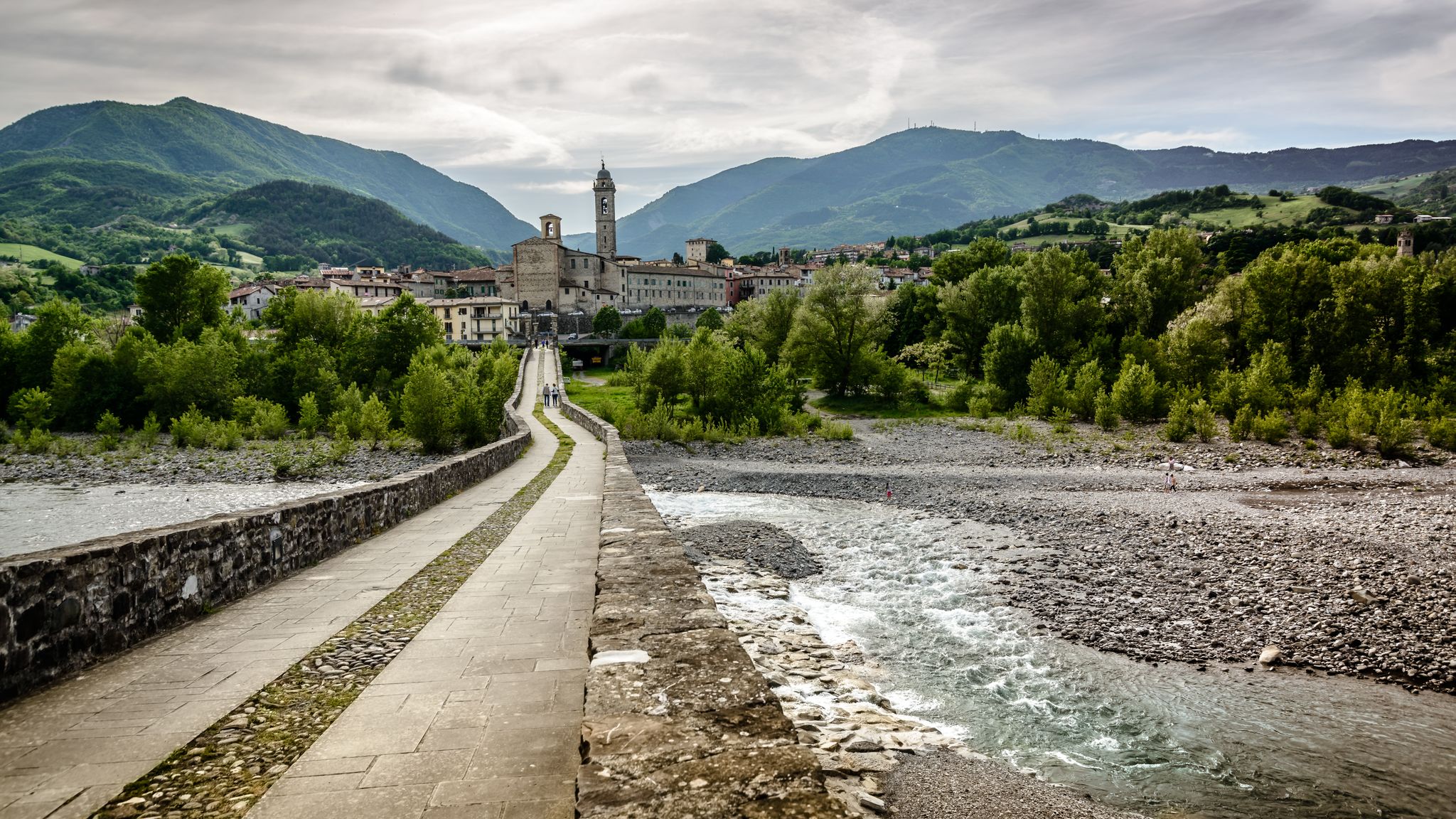
A historic hike from Pavia to Pontremoli – Via degli Abati
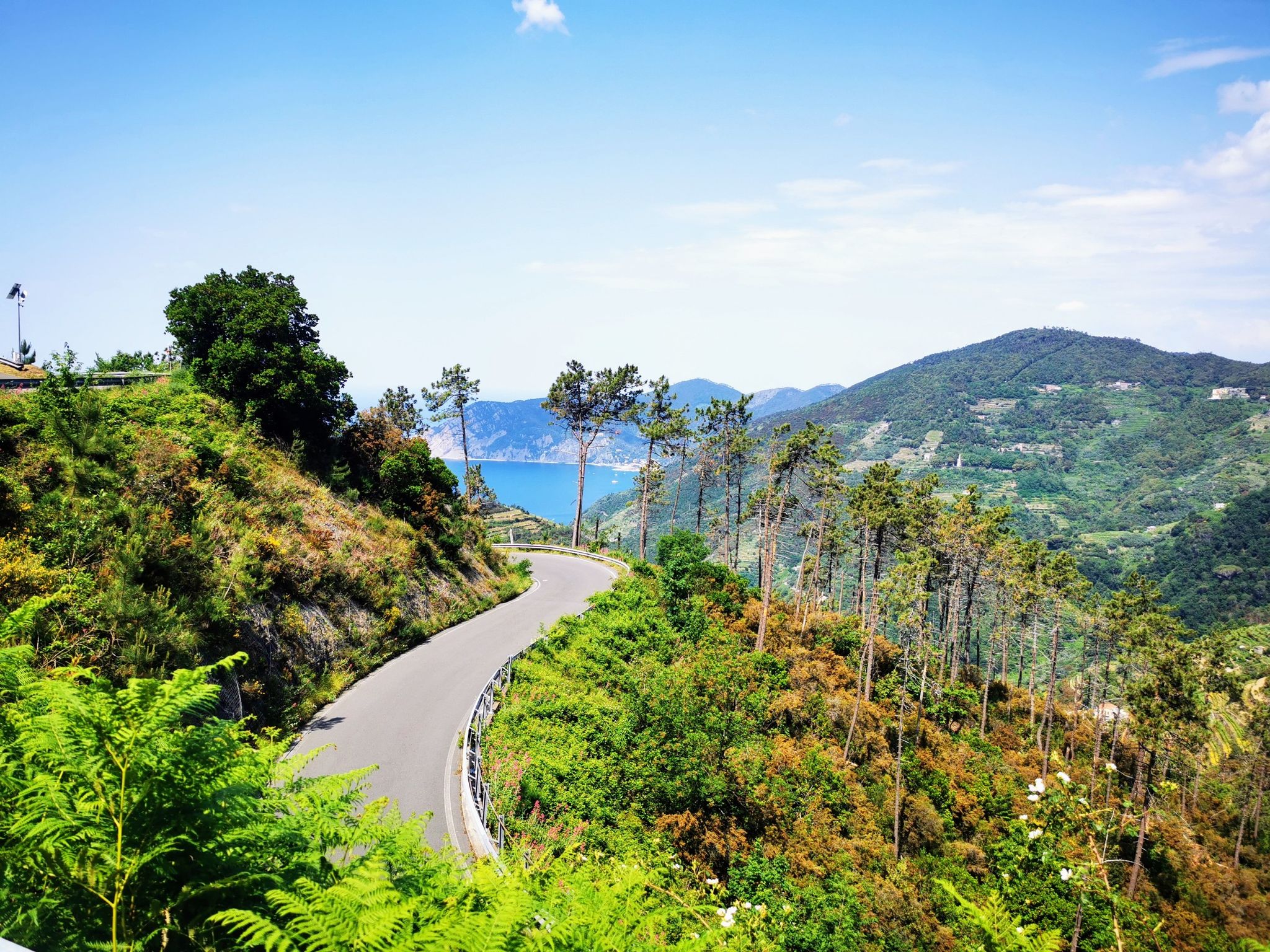
Bike rides to the Italian coast – 10 ways to take a dip
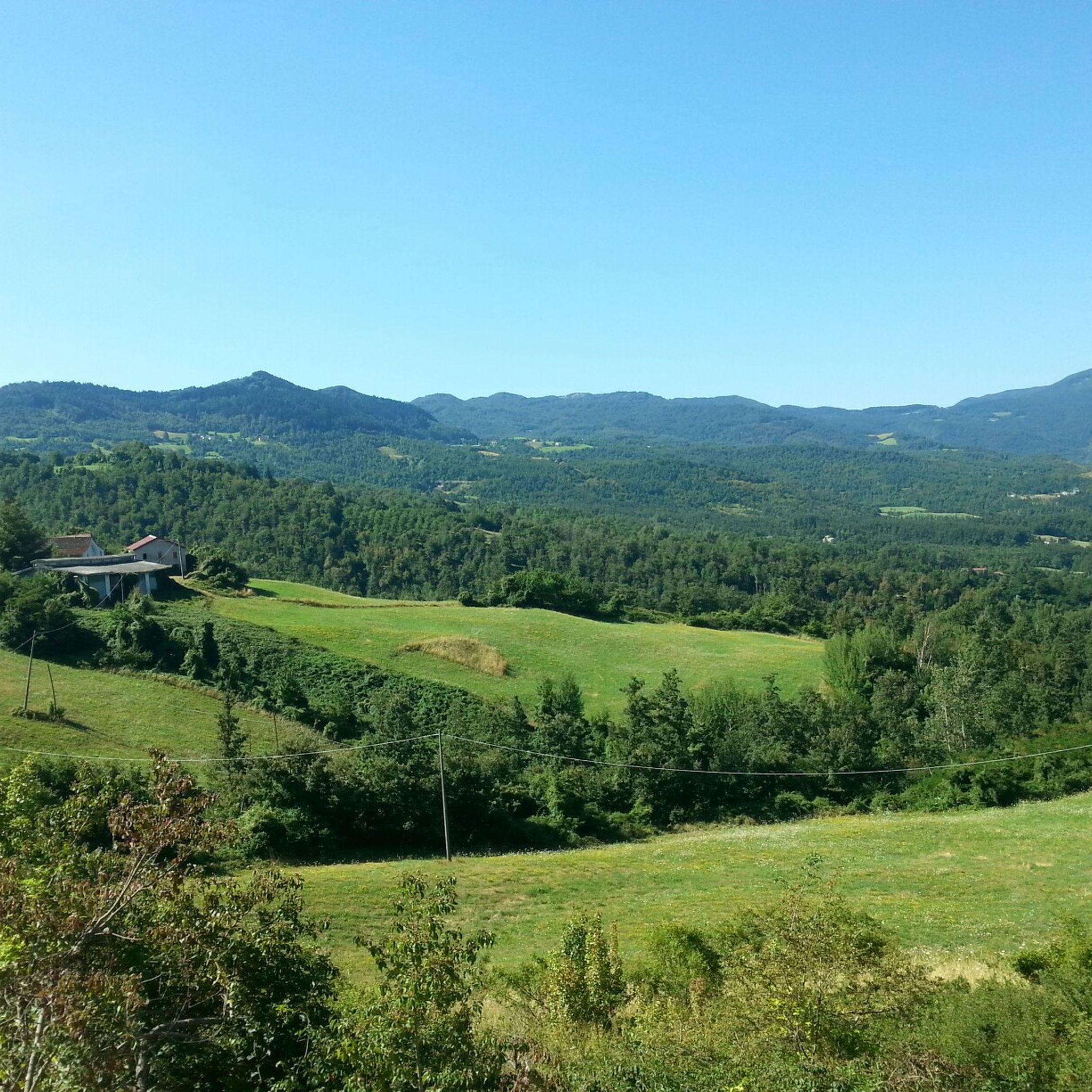
Hiking around Borgo Val Di Taro
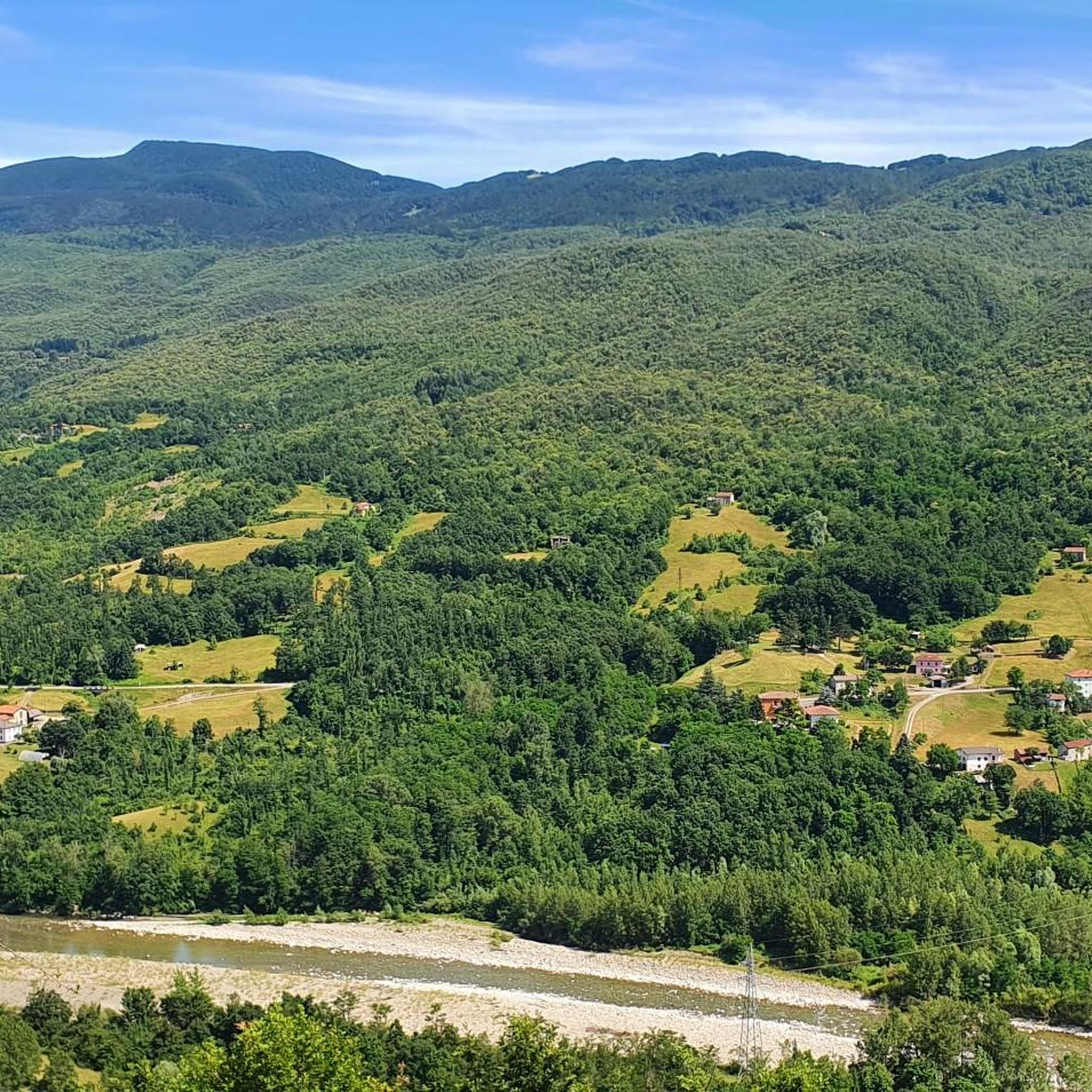
Road Cycling Routes around Borgo Val Di Taro
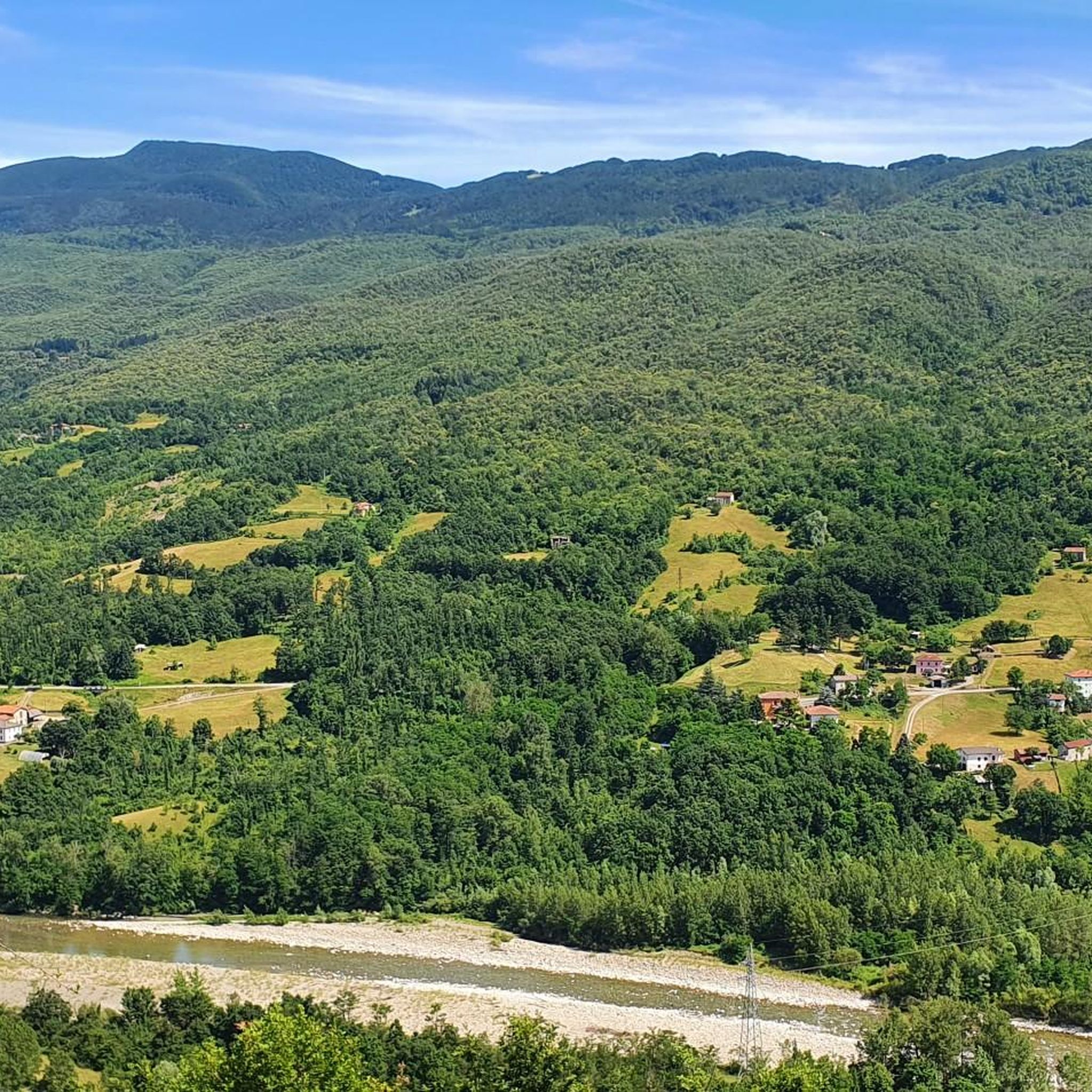
Cycling around Borgo Val Di Taro
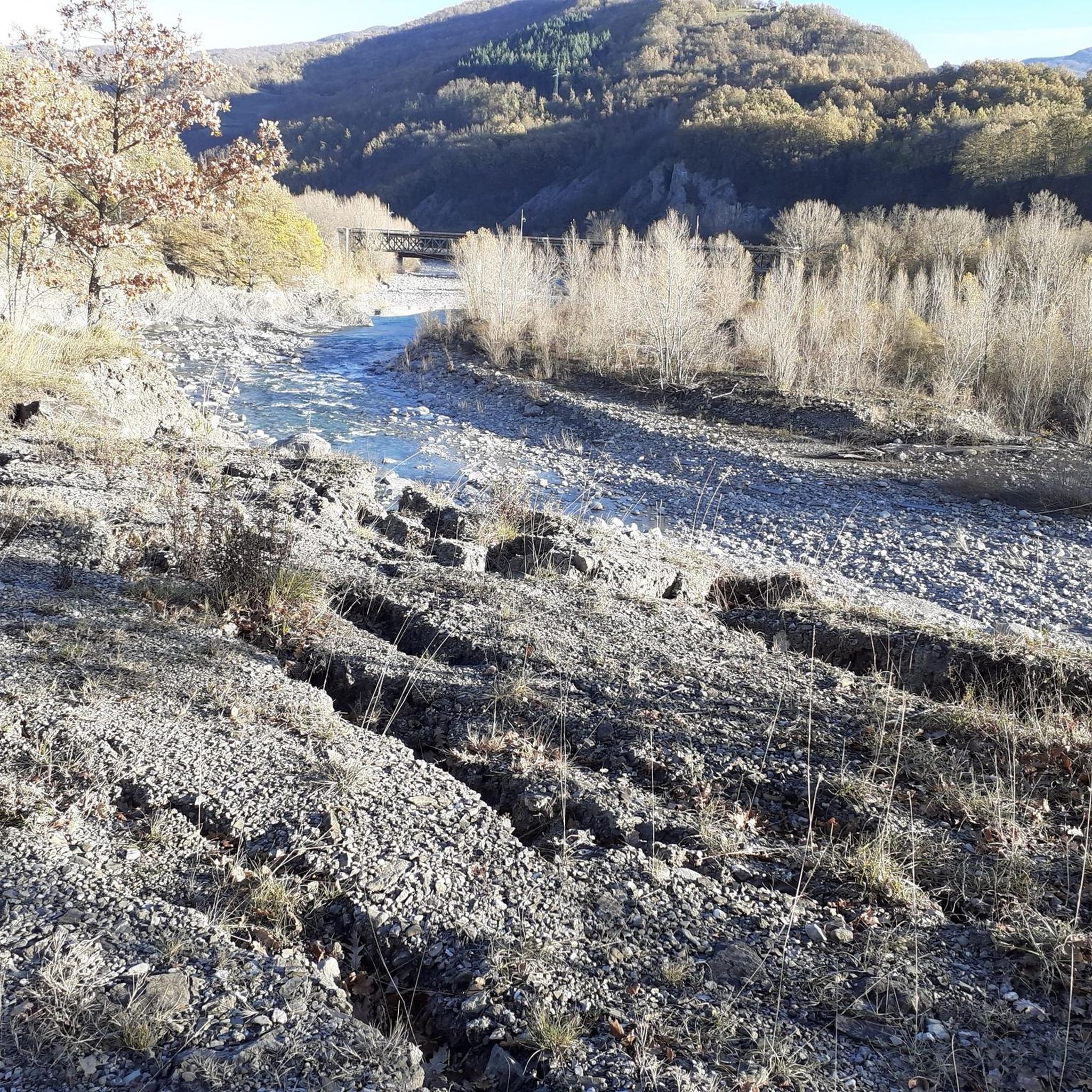
Running Trails around Borgo Val Di Taro
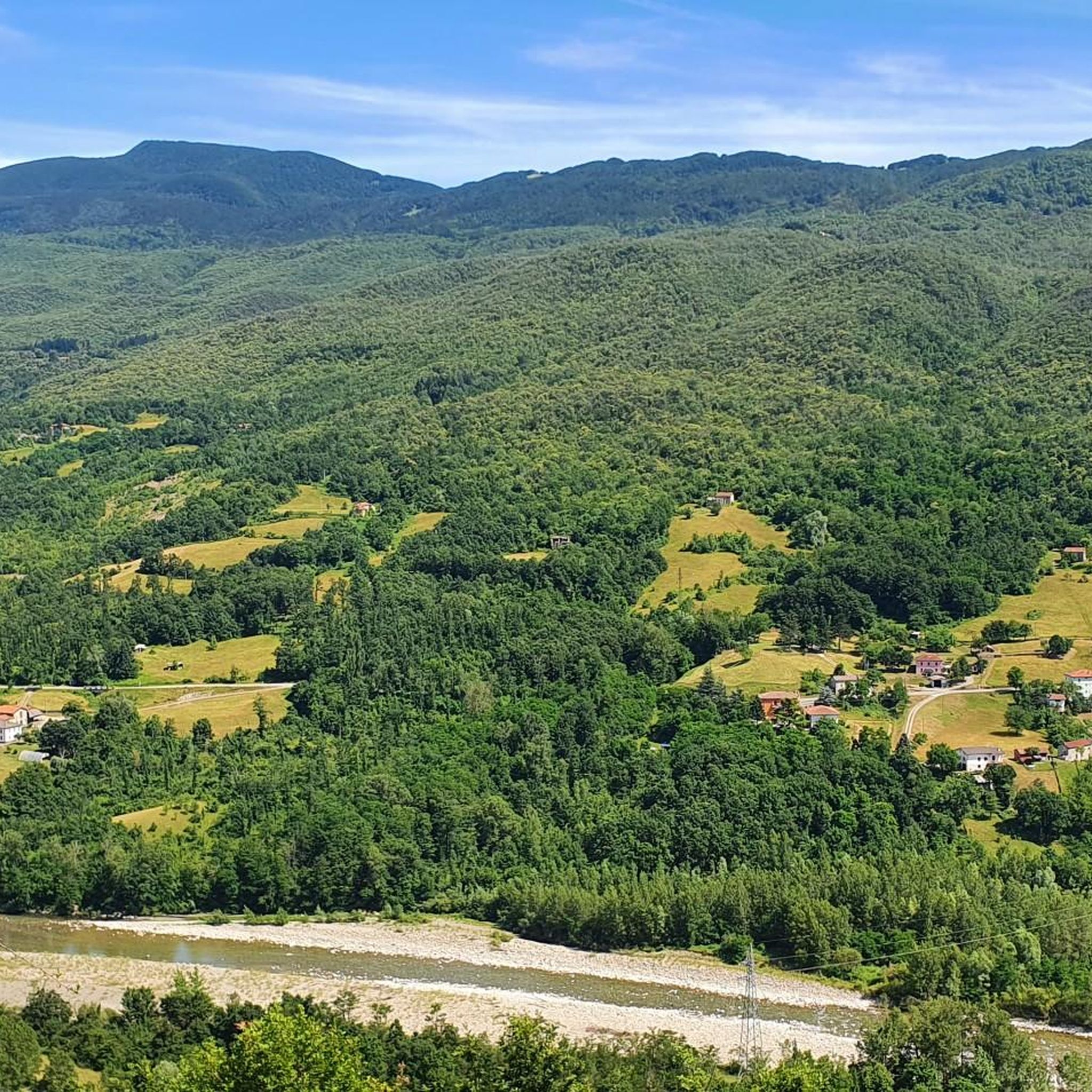
MTB Trails around Borgo Val Di Taro
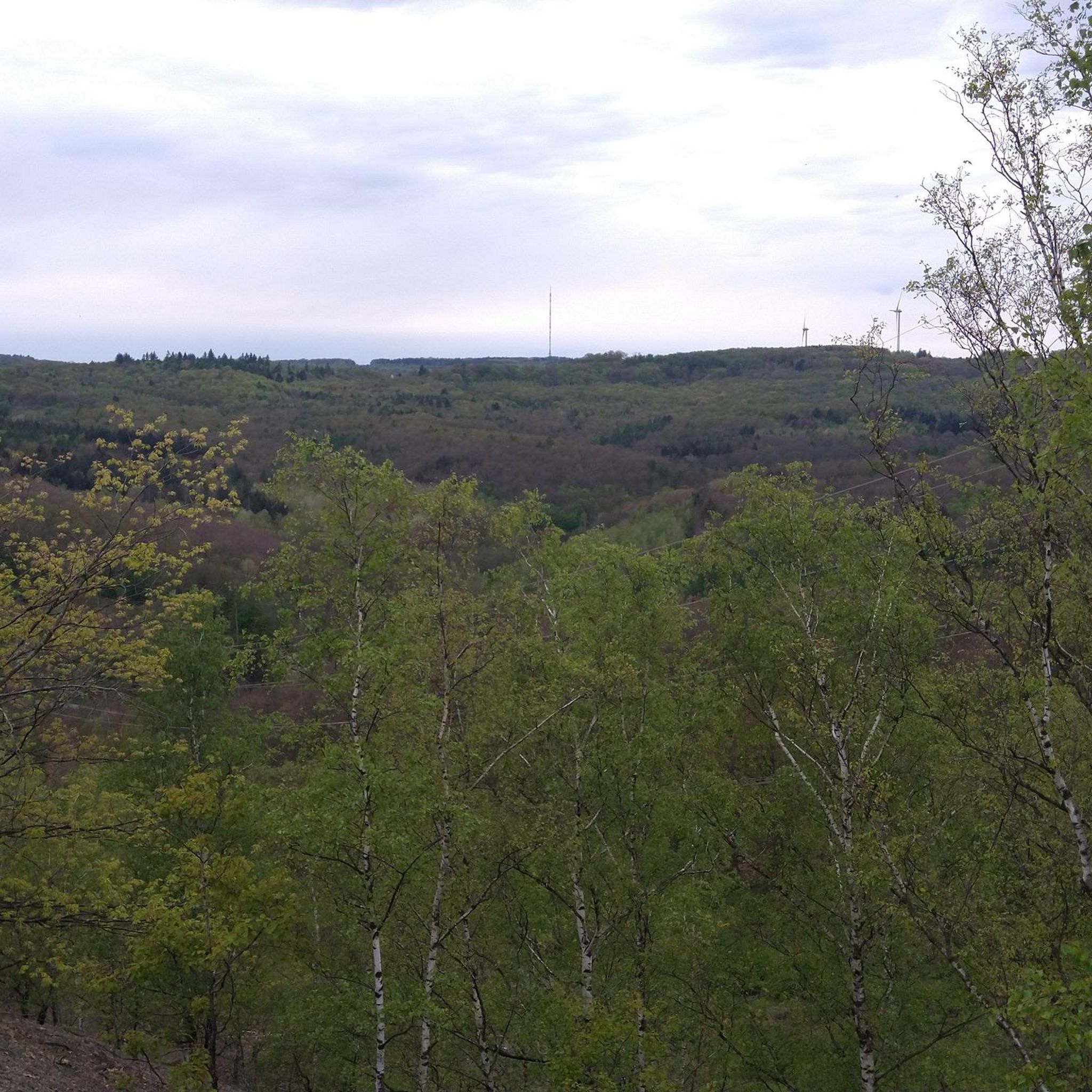
Gravel biking around Borgo Val Di Taro


Tips from the Community

Il Ponte della Crësa is an ancient 14th-century stone bridge located in Pontremoli, Tuscany. It connects the medieval historic village and joins the Sommoborgo area to the Verde stream. It is also known as the San Francesco bridge Built in the 14th century (around 1219 as the original core near the church of San Francesco). Also called the San Francesco di sopra bridge because it leads to the nearby church of San Francesco. It united the ancient parts of the city divided by historical rivalries and served as access to the fortified village
0
0

The small sacred monument we encounter on Monte Gottero is perhaps the perfect place for a brief moment of reflection. A few years ago, Christiane Völkel commented on the wonderfully fitting sentence by the Italian poet Francesco Petrarch (who lived in the 14th century), "Everywhere one has heaven above oneself," as follows: "What is the use of prayer? This question moves me (...) I have found for myself the answer and the certainty that when I pray I am with the Lord, or rather, that when I pray he is often noticeably closer to me than usual. Thus, I retain the possibility of pouring out my heart to him (...) This intimacy with him makes me believe in him."
0
0

small village but very suggestive and picturesque to pass by bicycle
0
0

The Ponte della Cresa is a stone bridge built in the 14th century and despite the frequent flooding of the Verde river, it has maintained its original structure to this day. The bridge connects the new neighborhoods with the historic center. The bridge is located along the Verde river near Porta San Francesco. Under the arch of this bridge, on January 31, the characteristic fire of San Geminiano takes place. The Ponte della Cresa is considered by many to be the true symbol of the city of Pontremoli. It is also interesting to note that the name Pontremoli derives from the Latin 'Pons Tremulus', which means 'unsafe bridge'. This was a term used to describe the original conurbation of the city.
1
0
Entrance to Pontremoli from Porta San Francesco
1
0

Beautiful path along the river to enjoy nature and relax
1
0

Campanone is a term used in Pontremoli to refer to a medieval tower, the only remaining part of a medieval fortress called Fortezza di Cazzaguerra. The tower was built in 1322. Its purpose was to keep the Guelph and Ghibelline factions of the city separated. The central tower was equipped from the beginning with a bell to warn the citizens of possible dangers. Only later was the tower raised and the actual bell tower built.
4
0

Beautiful stone bridge. Great photo opportunity.
2
1
Frequently Asked Questions
What historical and cultural sites can I explore in Borgo Val di Taro?
Borgo Val di Taro offers a rich historical experience. You can wander through the medieval village's narrow streets, admire the ancient architecture, and see remnants of its ancient castle. Key sites include the Romanesque Pontremoli Cathedral (Co-Cathedral of Saint Mary of the People), the 15th-century Church of San Domenico with its precious Madonna del Rosario, and the Palazzo Comunale, a 14th-century Lombard Gothic structure. The town is also a stop along the historic Via Francigena pilgrimage route.
Are there any natural reserves or scenic viewpoints worth visiting?
Absolutely. The Monte Gottero Summit offers breathtaking 360-degree views stretching from the Tuscan-Emilian ridge to the Apuan Alps and the Ligurian Riviera. For nature lovers, the Oasi dei Ghirardi (WWF Oasis/Regional Nature Reserve) is a significant natural attraction, ideal for birdwatching and observing diverse plant species and unique calanchi (rock erosions).
What outdoor activities are available around Borgo Val di Taro?
The region is perfect for outdoor enthusiasts. You can enjoy cycling along the easy, over 20 km long bike path that runs along the Taro River. The Taro River also offers opportunities for wild swimming during warm summer days. For more challenging adventures, the Passo della Cisa is a popular destination for cyclists, known for its gentle slopes and wide curves. The surrounding Apennines provide picturesque landscapes for walks and exploring local fauna.
Where can I find routes for cycling or gravel biking near Borgo Val di Taro?
There are numerous routes for various cycling disciplines. For road cycling, you can find routes like the 'Borgo Val di Taro to Bonassola – bike rides to the Italian coast' or loops around Bocco Pass. Gravel biking options include the 'Alta Via dei Monti Liguri – Passo Alpicella loop'. You can explore more options on the Cycling around Borgo Val Di Taro, Gravel biking around Borgo Val Di Taro, and Road Cycling Routes around Borgo Val Di Taro guide pages.
What is the best time of year to visit Borgo Val di Taro for outdoor activities?
The gentle hills and mountains around Borgo Val di Taro offer picturesque green landscapes in spring and summer, making these seasons perfect for walks, cycling, and exploring the local fauna. The Taro River is also popular for swimming during warm summer days.
Are there any unique local products or culinary experiences in Borgo Val di Taro?
Borgo Val di Taro is particularly famous for its PGI-certified porcino mushrooms, a source of local gastronomic pride. You can learn more at the Porcino Mushroom Museum. Beyond mushrooms, the area is celebrated for its culinary offerings, including herb pie made with chard and Parmesan cheese, and local craft beers. Gastronomic tours like 'GustaBorgo' are available to explore these delicacies.
What is the significance of Pontremoli, which is mentioned as a nearby attraction?
Pontremoli, often referred to as the 'shaking bridge' town, is the northernmost town in Tuscany and a small jewel of artistic and monumental heritage. Its Historic Center of Pontremoli features medieval bridges like the Ponte della Cresa, ancient churches, and the Castle of Piagnaro, which houses the Museum of Stele statues. It's also a significant stop on the Via Francigena pilgrimage route.
Is Borgo Val di Taro considered a 'Slow City'?
Yes, Borgo Val di Taro is recognized for its high quality of life and has been included in the Slow Cities (Cittaslow) circuit. This designation highlights its commitment to preserving local traditions, promoting sustainable living, and offering a relaxed pace of life.
What is the MutaMenti Project?
The MutaMenti Project has transformed the village and surrounding small towns into an open-air museum itinerary. This initiative features a series of murals created by local artists, adding a contemporary artistic layer to the historic environment and offering a unique cultural walk.
Can I find historical buildings like palaces or churches in the area?
Yes, the area is rich in historical architecture. Besides the Pontremoli Cathedral (Co-Cathedral of Saint Mary of the People), you can visit the Church of Sant'Antonino, a Romanesque church from the early 1200s, and the Church of San Domenico, home to the Madonna del Rosario statue. Palazzo Boveri, where Queen Elisabetta Farnese once resided, also preserves beautiful stucco friezes from 1714.
What makes Borgo Val di Taro a strategic location?
Borgo Val di Taro's location is strategic as it's nestled at the crossroads of Emilia Romagna, Tuscany, and Liguria. This position makes it a cultural, naturalistic, and gastronomic hub, offering easy access to diverse landscapes and traditions from three different Italian regions.
Most popular routes around Borgo Val Di Taro
Most popular attractions around Borgo Val Di Taro

Get inspired with the komoot mobile app


Explore more
Still not found the Highlight you’re looking for? See guides of the top attractions in other regions:
