Attractions and Places To See around Lugo - Top 20
Best attractions and places to see around Lugo include a rich array of historical sites, cultural landmarks, and natural landscapes. The city is known for its well-preserved Roman heritage, including ancient walls and archaeological findings. Beyond the city, the surrounding province offers diverse natural features, from river canyons to coastal formations. Visitors can explore ancient structures, delve into local history, and discover the natural beauty of the region.
Best attractions and places to see around Lugo
- The most popular attractions…
Last updated: August 2, 2026
Scodellino Mill of Castel Bolognese
Highlight • Monument
Translated by Google •
Tip by

Rocca Sforzesca di Bagnara
Highlight • Castle
The entire defensive system that includes the Sforza fortress, the boundary wall and the moat …
Translated by Google •
Tip by

Sign up now to discover places like this
Get recommendations on the best single tracks, peaks, & plenty of other exciting outdoor places.
Sign up for free
Monument to Francesco Baracca
Highlight • Monument
Translated by Google •
Tip by

Rocca Estense di Lugo
Highlight • Castle
The sources also tell us that the Faentines destroyed the fortress in 1218 and from …
Translated by Google •
Tip by

Tempio della Celletta
Highlight • Religious Site
In front of the building there are two benches which invite to a short rest.
Translated by Google •
Tip by

Sign up for free to discover even more attractions around Lugo.
Sign up for free
Already have an account?
Start today with a free account
Your next adventure awaits.
Login or Signup

Tips from the Community

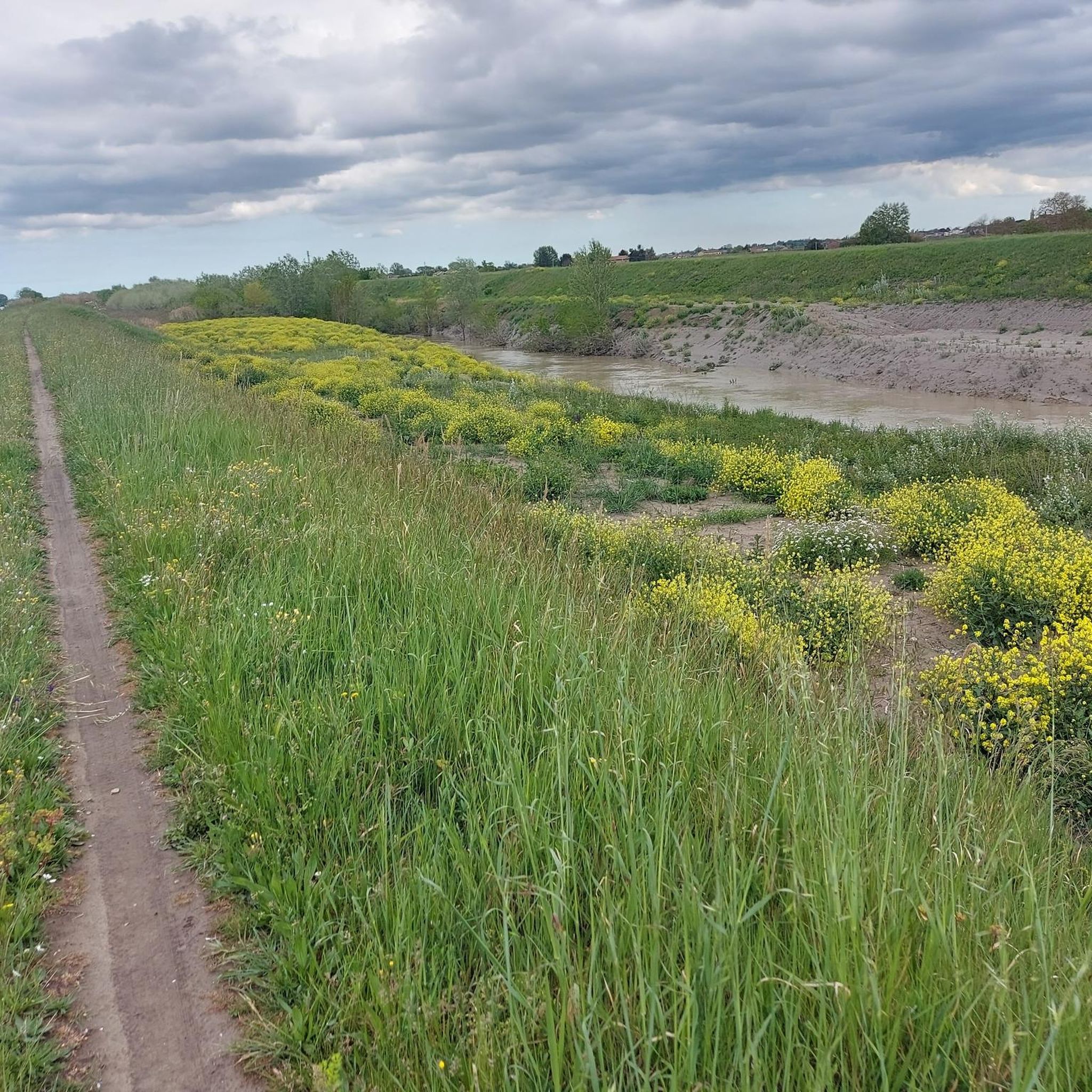
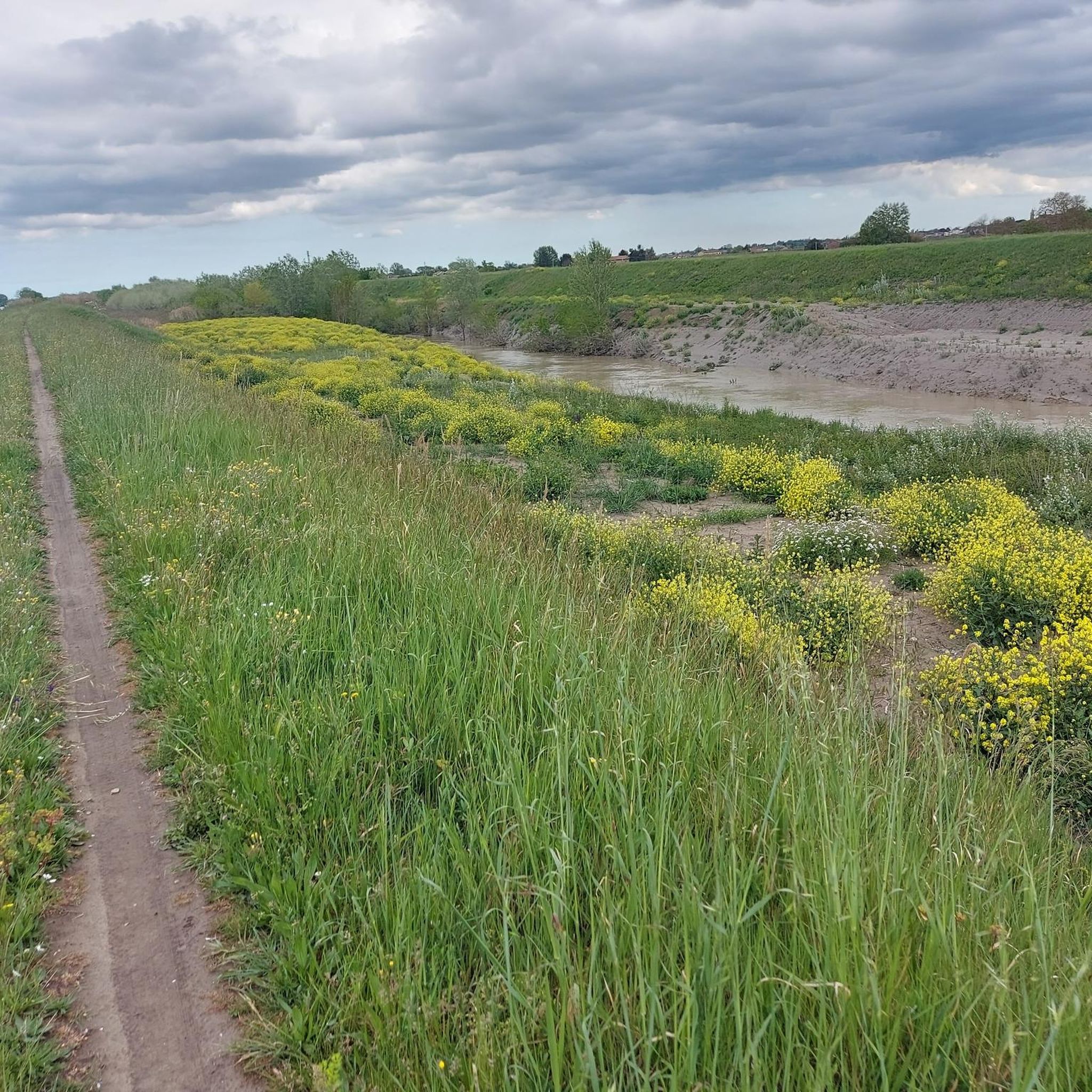
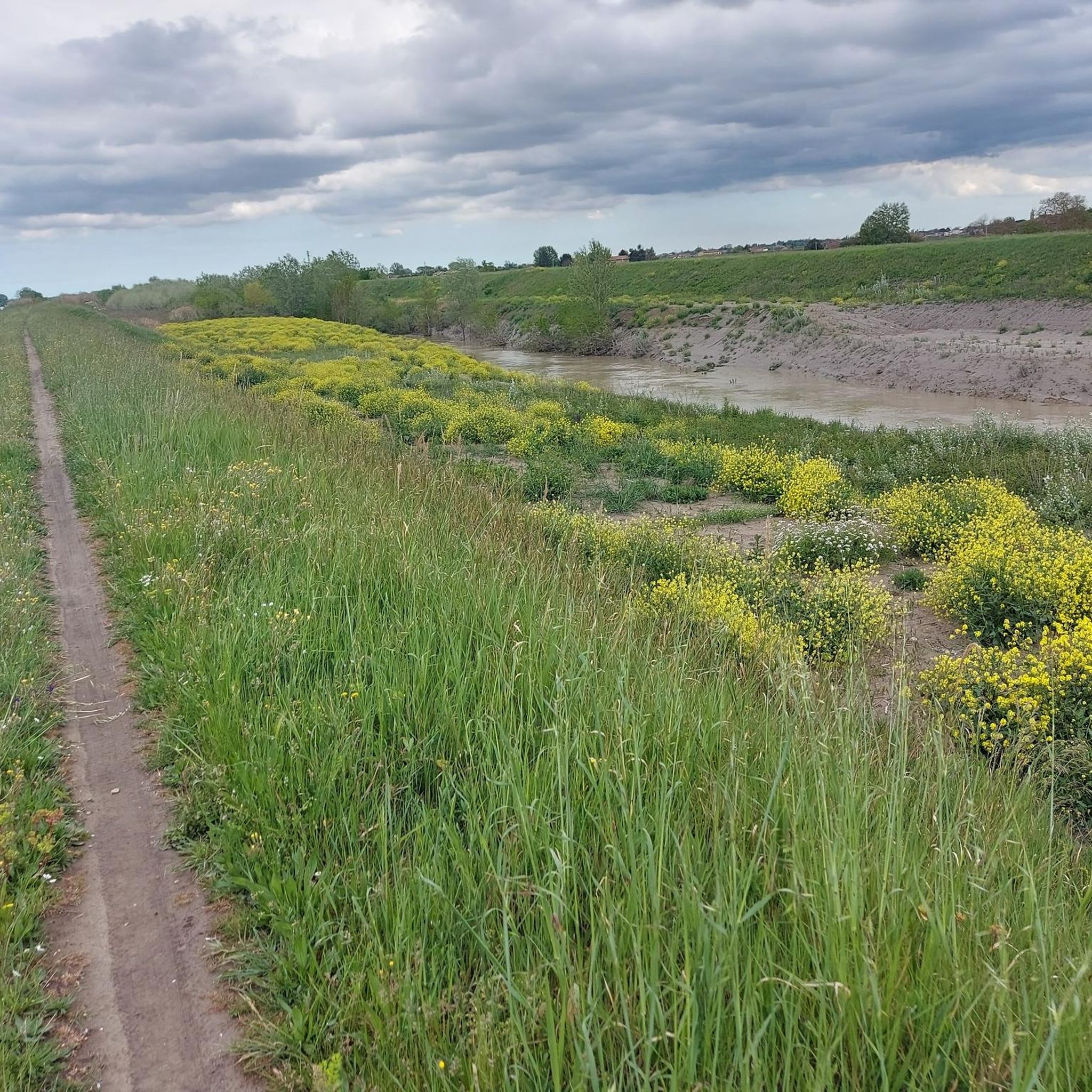
Refurbished mill located along a short stretch of dirt road
0
0

Next to the grandeur of the Estense Fortress and the charm of Pavaglione stands the monument to Francesco Baracca, an ace of aviation; it was Countess Paolina, his mother, who in 1923 granted Enzo Ferrari the use of the prancing horse that had adorned her son's plane, thus becoming the symbol of the most famous car manufacturer in the world 🏎
1
0
I have seen many eagles in flight with majestic wings challenging the ground for a long time yet I will see them then with them I will die...... this is what Francesco Baracca wrote shortly before his death in 1918 when he was shot down in Nervesa at just 30 years old becoming thus legend 🛩️
0
0

Pills of history on the Temple of the Celletta can be found on https://www.vallidiargenta.org/lecomuseo/laculturanonsiferma/pillole/tempio-della-celletta/
0
0
Temple of the Celletta or Sanctuary of the Blessed Virgin of the Celletta The Sanctuary of the Celletta, with its unmistakable elliptical shape, was built in the early seventeenth century on the site of a Renaissance cell to accommodate the growing number of faithful who visited the place following an apparition of the Madonna. ... Every year on 7 October the Celletta Festival takes place which evokes the transport of the venerated image to the temple as thanks of the population who escaped the 1624 earthquake. (Source: https://www.ferraraterraeacqua.it/it/argenta/scopri-il-territorio/arte-e-cultura/abbazie-monasteri-santuari/santuario-della-beata-vergine-della-celletta)
0
0

Very nice building! It's worth a visit just to linger and hear the water flow... very relaxing
0
0

Monument dedicated to the Italian aviation ace during the First World War who was born here. The little horse painted on his plane inspired a young Enzo Ferrari who then used it as the emblem for his racing cars.
1
0
Sources tell us of a first fortified nucleus as early as the 10th century ... The sources also tell us that the Faentines destroyed the fortress in 1218 and from this moment on it was rebuilt several times and at different times until the fourteenth century. ... the name Rocca Estense reflects the period of its maximum flowering, i.e. under the Este domination, from 1437 to 1598. In fact, the most significant changes to the fortress date back to this period. Ercole I d'Este transformed the parade ground into a citadel by equipping it with a wall, towers and a moat to defend it. Subsequently, Duke Alfonso II d'Este had the citadel demolished and used the resulting materials to build the ramparts on the south, east and west sides. Following these interventions, the Rocca changed its appearance assuming the form of a bastioned fortress typical of the late sixteenth century. With the passage to the Papal State, the Rocca lost its castle characteristics. The creation of a Hanging Garden is the main modification of this period which can be dated to the end of the 18th century. It is a suggestive place today accessible through the internal courtyard of the Rocca. (Source: https://ilromagnolo.info/rubriche/luoghi/rocca-estense-di-lugo/ )
0
0
Frequently Asked Questions
What historical landmarks can I explore in Lugo?
Lugo is renowned for its Roman heritage. You can walk along the remarkably preserved Roman Walls of Lugo, a UNESCO World Heritage Site, which encircle the Old Town. Don't miss the magnificent Lugo Cathedral, showcasing a blend of architectural styles, and the Roman Bridge over the Miño River. Remnants of ancient Roman baths and the Casa dos Mosaicos, with its intricate 3rd-century mosaics, also offer glimpses into the city's past.
Are there any family-friendly activities or attractions in Lugo?
Yes, Lugo offers several family-friendly options. Walking along the top of the Roman Walls is an engaging activity for all ages, offering panoramic city views. Exploring the pedestrian-friendly Old Town, visiting the Museo Provincial de Lugo, or enjoying a stroll in Parque do Miño along the river are also great choices for families.
What natural attractions are there near Lugo?
The province of Lugo boasts stunning natural beauty. The Miño River and its surrounding Parque do Miño offer pleasant riverside walks right in the city. Further afield, the Ribeira Sacra region is famous for its dramatic river canyons and vineyards, ideal for scenic drives and boat trips. The spectacular Praia das Catedrais (Cathedral Beach) on the coast, with its unique rock formations, is a must-see at low tide.
Where can I experience local culture and daily life in Lugo?
The Praza Maior, Lugo's main square, is a vibrant hub perfect for experiencing local life and enjoying a coffee. The Old Town, enclosed by the Roman Walls, is full of charming pedestrian streets and is renowned for its lively tapas scene, where you can sample local specialties like pulpo a feira. The Mercado de Abastos is also a great place to observe daily life and find fresh local produce.
Are there opportunities for hiking or outdoor activities in the Lugo region?
Absolutely. The mountainous Sierra de los Ancares in eastern Lugo is excellent for hiking and wildlife watching. The Ribeira Sacra also offers numerous trails with breathtaking views of the river canyons. For a more gentle experience, the Parque do Miño within the city provides easy walking paths. You can find various hiking routes and outdoor activities around Lugo.
What is the best time of year to visit Lugo for outdoor activities?
The best time for outdoor activities in Lugo is generally during the spring (April to June) and autumn (September to October) when the weather is mild and pleasant. Summers can be warm, making water-based activities in the Miño River or coastal visits to places like Praia das Catedrais enjoyable. Winters are cooler and can be rainy, but the city's historical sites remain accessible.
Can I find any hidden gems or less-known spots in the Lugo region?
Beyond the main attractions, consider exploring the O Courel region, known for its ancient forests and traditional villages, offering a glimpse into rural Galician life. The Seimeira de Vilagocende, Galicia's tallest waterfall, is another impressive natural wonder worth seeking out. For coastal views, the wooden walkway at O Fuciño do Porco offers spectacular panoramas.
Are there any museums or cultural centers in Lugo?
Yes, the Museo Provincial de Lugo, housed in the old Convent of San Francisco, provides extensive insights into Lugo's Roman heritage and features works by Galician artists. The Archaeological Centre of San Roque further explores regional archaeological findings, and the Casa dos Mosaicos offers a unique look at Roman domestic life.
What are some recommended day trips from Lugo?
Excellent day trip options include the Ribeira Sacra for its stunning landscapes, vineyards, and monasteries. A visit to the coast to see the incredible Praia das Catedrais near Ribadeo is also highly recommended. For mountain enthusiasts, the Sierra de los Ancares offers beautiful scenery and hiking opportunities.
Is Lugo accessible for visitors with mobility challenges?
While the ancient Roman Walls have ramps at some gates, navigating the entire perimeter might be challenging. However, many parts of the Old Town are pedestrianized, and the main squares like Praza Maior are generally flat. It's advisable to check specific accessibility details for individual attractions like museums or the Cathedral before visiting.
What is the significance of the Roman Walls of Lugo?
The Roman Walls of Lugo are a UNESCO World Heritage Site and are unique for being the only Roman city walls in the world that still completely encircle a city. Built in the 3rd century AD, they are remarkably well-preserved, featuring 85 towers and 10 gates, and offer a continuous 2.1-kilometer walkway, providing a tangible link to Lugo's ancient past.
Most popular attractions around Lugo

Get inspired with the komoot mobile app


Explore more
Still not found the Highlight you’re looking for? See guides of the top attractions in other regions:
