The best cycling routes around Mulazzo
4.5
(196)
2,505
riders
179
rides
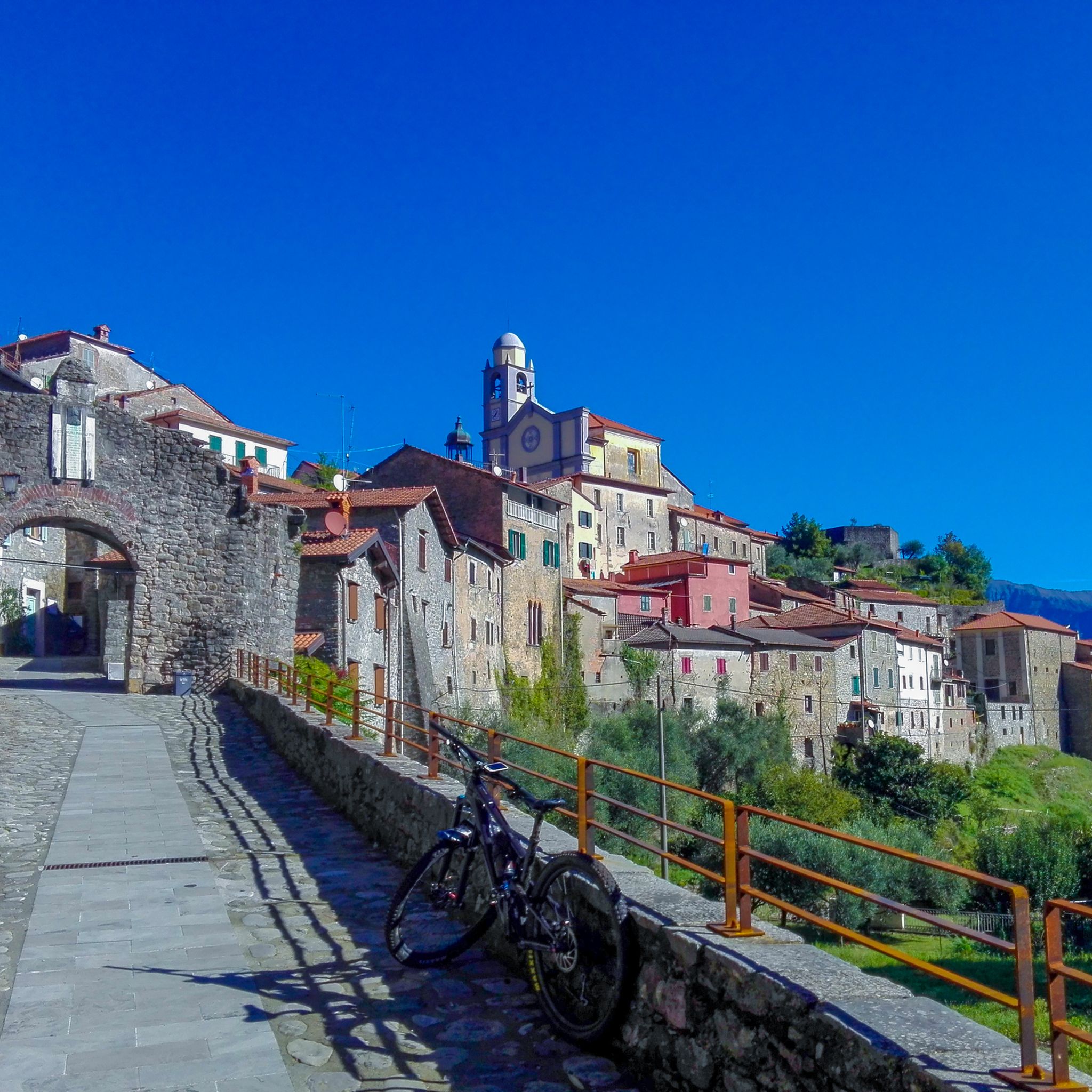
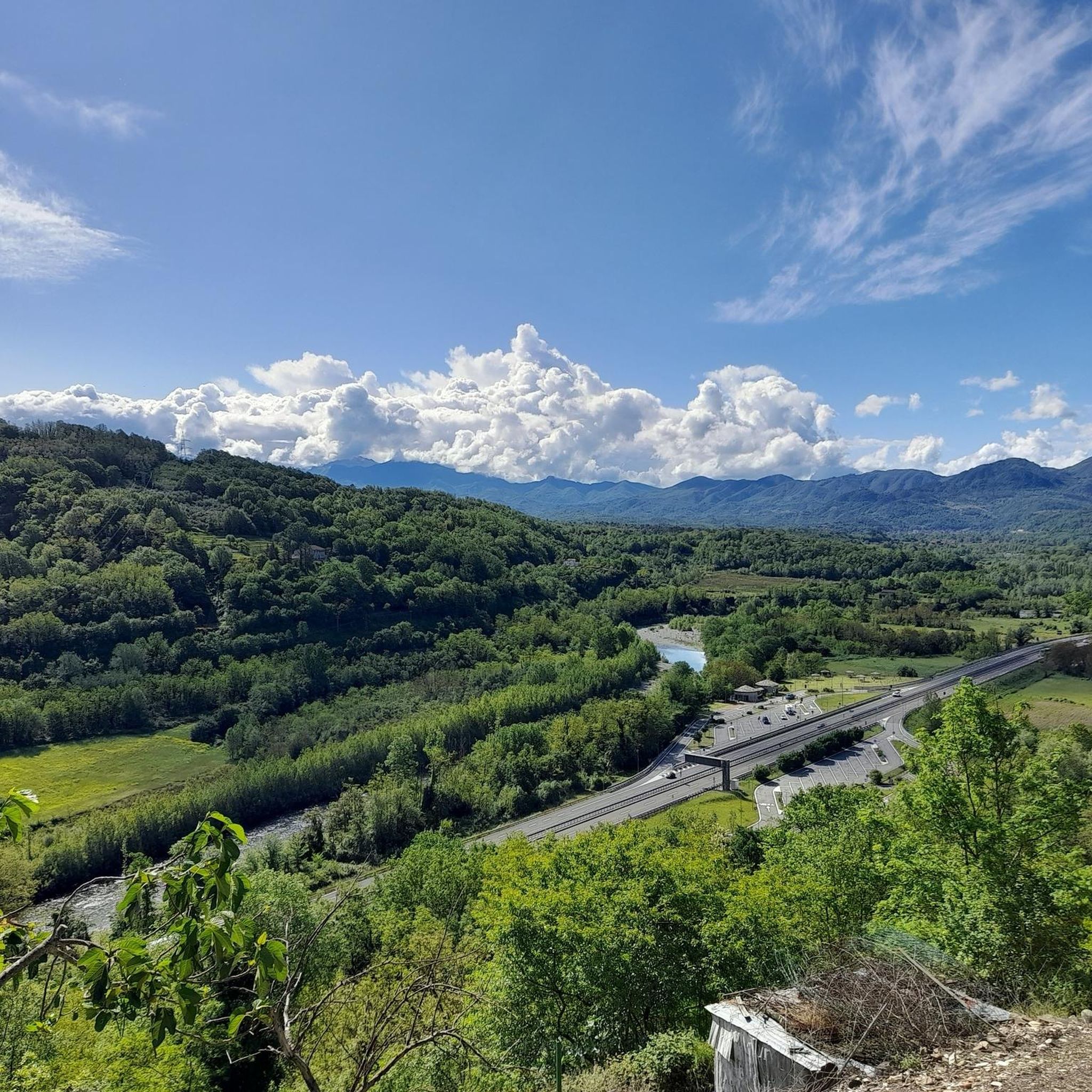
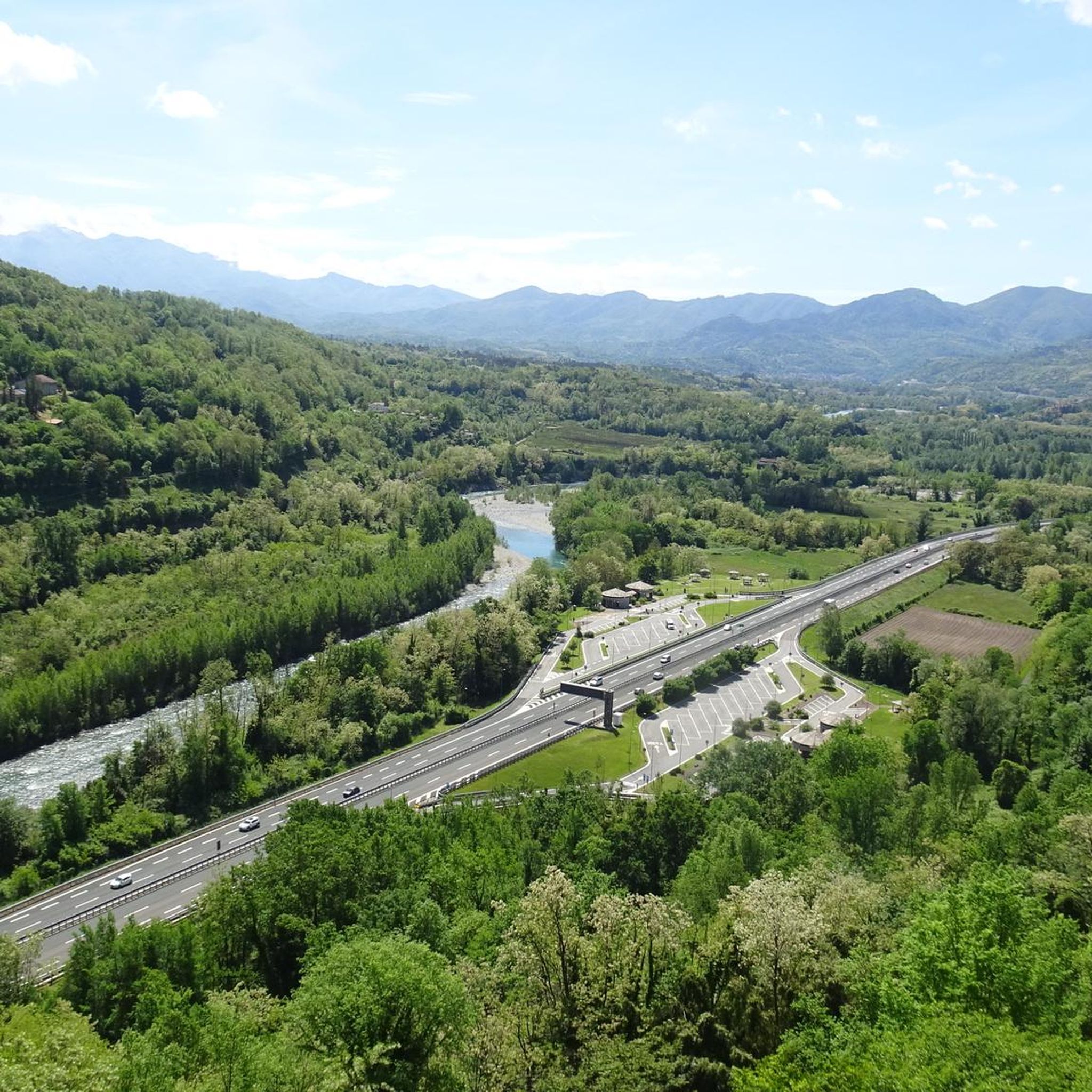
Touring cycling routes around Mulazzo traverse a diverse landscape, characterized by mountainous terrain stretching from the Apennines to the Apuan Alps. The region features lush river valleys, dense forests, and ancient chestnut groves, with the Magra River plain prominent in the lower areas. Cyclists can expect a mix of paved roads, pavements, and dirt tracks, offering varied riding experiences. This area provides routes with significant elevation gains as well as more leisurely options through historic villages.
Best touring cycling routes…
Last updated: October 3, 2026
2.0
(1)
2
riders
17.1km
01:07
240m
240m
Moderate bike ride. Good fitness required. Mostly paved surfaces. Suitable for all skill levels.
1
riders
8.77km
00:35
120m
120m
Easy bike ride. Great for any fitness level. Mostly paved surfaces. Suitable for all skill levels.

4.4
(16)
122
riders
47.6km
03:17
460m
460m
Hard bike ride. Very good fitness required. Mostly paved surfaces. Suitable for all skill levels.
3.7
(6)
69
riders
65.2km
04:04
580m
580m
Hard bike ride. Very good fitness required. Mostly paved surfaces. Suitable for all skill levels.
4.6
(7)
67
riders
32.9km
02:17
300m
300m
Moderate bike ride. Good fitness required. Mostly paved surfaces. Suitable for all skill levels.
Get access to more routes and recommendations from other explorers.
Already have an account?
Our route recommendations are based on thousands of hikes, rides, and runs completed by other people on komoot.
Start today with a free account
Your next adventure awaits.

Tips from the Community

Pontremoli lies on the historic Via Francigena pilgrimage route, which leads from Canterbury/Southern England to Rome. A medieval gem in northern Tuscany.
1
0
A beautiful church with a huge dome and opulent baroque architecture
0
0
The Concattedrale di Santa Maria Assunta impresses inside with a huge dome and opulent Baroque architecture
1
0
The historic center captivates with stately Baroque palaces and elegant squares
1
0

The Canale Lunense cycle-path is a flat route of about 12-20 km that runs along the banks of the irrigation canal in the Magra Valley, in Liguria. The Route Municipalities crossed: Connects Santo Stefano di Magra, Sarzana, Castelnuovo Magra and Luni, arriving at the archaeological area. Characteristics: The ground is predominantly flat and suitable for walks or bike rides (mountain bike or hybrid bikes recommended for some sections).
0
0
The Canale Lunense cycle-pedestrian path is a flat route of about 12-20 km that runs along the banks of the irrigation canal in the Magra Valley, in Liguria. It connects Santo Stefano di Magra, Sarzana, Castelnuovo Magra and Luni, reaching the archaeological area. The surface is predominantly flat and suitable for walks or bike rides (mountain bike or hybrid bike recommended for some sections).
0
0
Aulla's new cycle-pedestrian track is built on the route of the former Pontremolese railway, of which a first section of 665 meters has been inaugurated (part of an overall route of over 1.2 km). Route characteristics Route: Built in place of the old wall of the disused railway. Dimensions: 3.50 meters wide, with a double cycle lane and a dedicated pedestrian path. Lighting: Fully lit for the entire inaugurated section. Connections: It integrates into the green routes of Lunigiana and into sections near the Via Francigena cycle route and the Greenway of the River Magra. You can find detailed maps and tracks of the surroundings on the guide to cycle routes in Aulla on Komoot.
0
0
The new cycle-pedestrian track of Aulla is built on the route of the former Pontremolese railway, of which a first section of 665 meters has been inaugurated (part of an overall route of over 1.2 km). Route characteristics Route: Built on the site of the old wall of the disused railway. Dimensions: 3.50 meters wide, with a double cycle lane and a dedicated pedestrian path. Lighting: Fully illuminated for the entire inaugurated section. Connections: It connects to the green routes of Lunigiana and to the sections near the Via Francigena cycle path and the Greenway of the River Magra. You can find maps and detailed tracks of the surroundings on the Aulla cycle path guide on Komoot.
0
0
Frequently Asked Questions
How many touring cycling routes are available around Mulazzo?
There are over 170 touring cycling routes around Mulazzo, catering to various skill levels. This includes 11 easy routes, 46 moderate routes, and 116 difficult routes for more experienced cyclists.
What kind of terrain can I expect on touring cycling routes in Mulazzo?
Mulazzo offers a diverse range of terrain, from leisurely rides through lush river valleys and ancient chestnut groves to more challenging ascents in the Apennines and Apuan Alps. Routes feature a mix of paved roads, pavements, and dirt tracks, providing varied riding experiences.
Are there any family-friendly cycling options in the Mulazzo area?
Yes, Mulazzo offers several easy routes suitable for families. The Cycle Route of the Castles is an easy 5.5-mile (8.8 km) path that connects medieval villages and offers scenic views, making it a great option for a relaxed family outing.
What historical landmarks or points of interest can I explore while cycling?
Mulazzo is rich in history. You can cycle past the remains of the Malaspina aqueduct and castle, and the Torre di Dante (Dante's Tower). Nearby medieval villages like Castevoli, Lusuolo, Groppoli, and Montereggio, with their own castles, are often part of scenic routes. The ancient Church of San Martino (1297) and the Sanctuary of Madonna del Monte also offer historical insights and superb views. For specific highlights, consider visiting the Summit of Monte Bosta or the Monte Marmagna Summit Cross for panoramic views.
Are there any circular touring cycling routes in Mulazzo?
Yes, many routes in Mulazzo are designed as loops. A popular option is the Villafranca Lunigiana Loop, a 10.6-mile (17.1 km) trail with moderate climbs. Another is the more challenging Ponte della Cresa – Historic Center of Pontremoli loop from Mulazzo, which covers 30 miles (48.3 km) through river valleys and historic centers.
What natural features can I expect to see along the cycling routes?
Cyclists can enjoy breathtaking views of the Tuscan-Emilian Apennines and the magnificent Apuan Alps. The region is characterized by lush river valleys, dense forests, and ancient chestnut groves. You might also encounter numerous streams and even the Parana Waterfalls, which offer clear, fresh waters and are accessible via an easy trail near Mulazzo.
What do other touring cyclists say about the routes in Mulazzo?
The touring cycling routes in Mulazzo are highly rated by the komoot community, with an average score of 4.4 stars from over 160 reviews. More than 2,400 touring cyclists have used komoot to explore Mulazzo's varied terrain, often praising the diverse landscapes and the mix of challenging and leisurely options.
Are there options for e-bike users in Mulazzo?
Yes, the Lunigiana region actively promotes bike tourism and is well-suited for e-bikes. You can find e-bike rentals, guided tours, and charging stations, making the varied terrain accessible to a wider range of cyclists, including those who prefer assistance on climbs.
Can I find longer, multi-day cycling routes that pass through Mulazzo?
For those seeking longer adventures, the ancient pilgrimage route, Via Francigena, which is known for both hiking and cycling, passes through the broader Lunigiana region, offering a historical and scenic long-distance option. Additionally, routes like the Cycle path to Aulla – Lunense Canal Cycle Path loop from Filattiera offer significant distances for extended rides.
What is the best time of year to go touring cycling in Mulazzo?
While specific seasonal advice isn't provided, the region's diverse landscapes, including mountains and valleys, suggest that spring and autumn would offer pleasant temperatures and beautiful scenery. Summer might be warm, especially in the valleys, while winter could bring colder conditions and potential snow in higher elevations.
Are there any specific cycling routes that focus on castles?
Yes, Mulazzo is an integral part of the Ciclovia dei Castelli (Route of the Castles), a cycling loop that connects several municipalities. The Cycle Route of the Castles specifically allows cyclists to explore medieval villages and historical castles while enjoying views of the Apuan Alps and the Tuscan-Emilian Apennines.
Where can I find more information about cycling in the wider Lunigiana region?
For additional information and inspiration on cycling in the broader Lunigiana region, you can visit the official tourism website: visittuscany.com.
Most popular attractions around Mulazzo

Get inspired with the komoot mobile app


Explore more
Browse the best Cycling routes in other regions.
