The best cycling routes around Aulla
4.3
(947)
9,873
riders
37
rides
Touring cycling routes around Aulla traverse the historic Lunigiana region, situated at the confluence of the Magra River and Aulella Stream. The landscape features scenic river valleys and mountainous terrain, including segments of the Apennines. This area offers diverse cycling experiences, from routes along dedicated cycle paths to challenging climbs through varied elevations.
Best touring cycling routes around Aulla
- The most popular touring cycling route is Civiglia Stream Ford – Merizzo Basin loop from Unione di comuni Montana Lunigiana,…
Last updated: July 27, 2026
4.5
(4)
71
riders
45.8km
03:10
810m
810m
Hard bike ride. Very good fitness required. Mostly paved surfaces. Suitable for all skill levels.
4.8
(4)
31
riders
59.9km
04:42
1,600m
1,600m
Hard bike ride. Very good fitness required. Mostly paved surfaces. Suitable for all skill levels.

Sign up for free
5.0
(2)
28
riders
46.5km
03:43
990m
990m
Hard bike ride. Very good fitness required. Mostly paved surfaces. Suitable for all skill levels.
4.5
(2)
25
riders
47.5km
03:11
740m
740m
Hard bike ride. Very good fitness required. Mostly paved surfaces. Suitable for all skill levels.
4.0
(1)
19
riders
40.0km
02:39
600m
600m
Hard bike ride. Very good fitness required. Mostly paved surfaces. Suitable for all skill levels.
Get access to more routes and recommendations from other explorers.
Sign up for free
Already have an account?
Our route recommendations are based on thousands of hikes, rides, and runs completed by other people on komoot.
Start today with a free account
Your next adventure awaits.
Login or Signup
Popular around Aulla
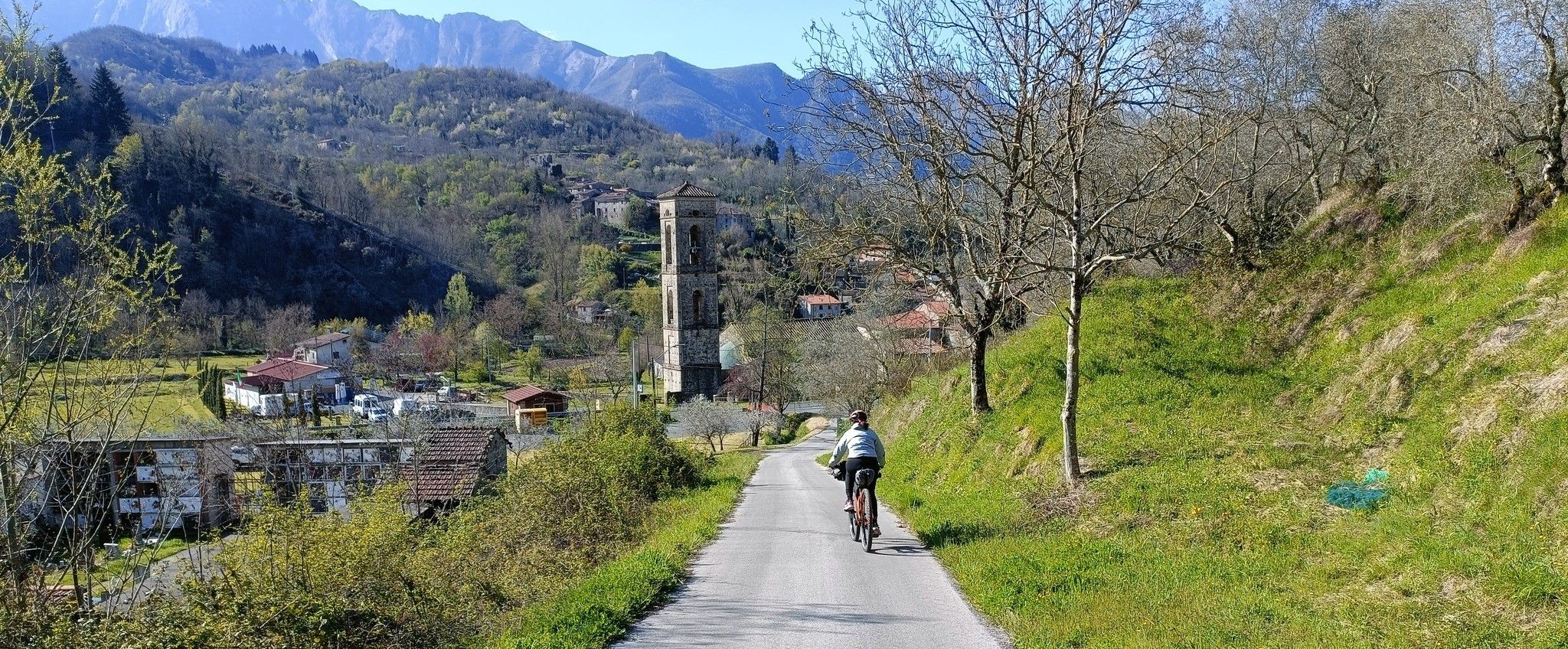
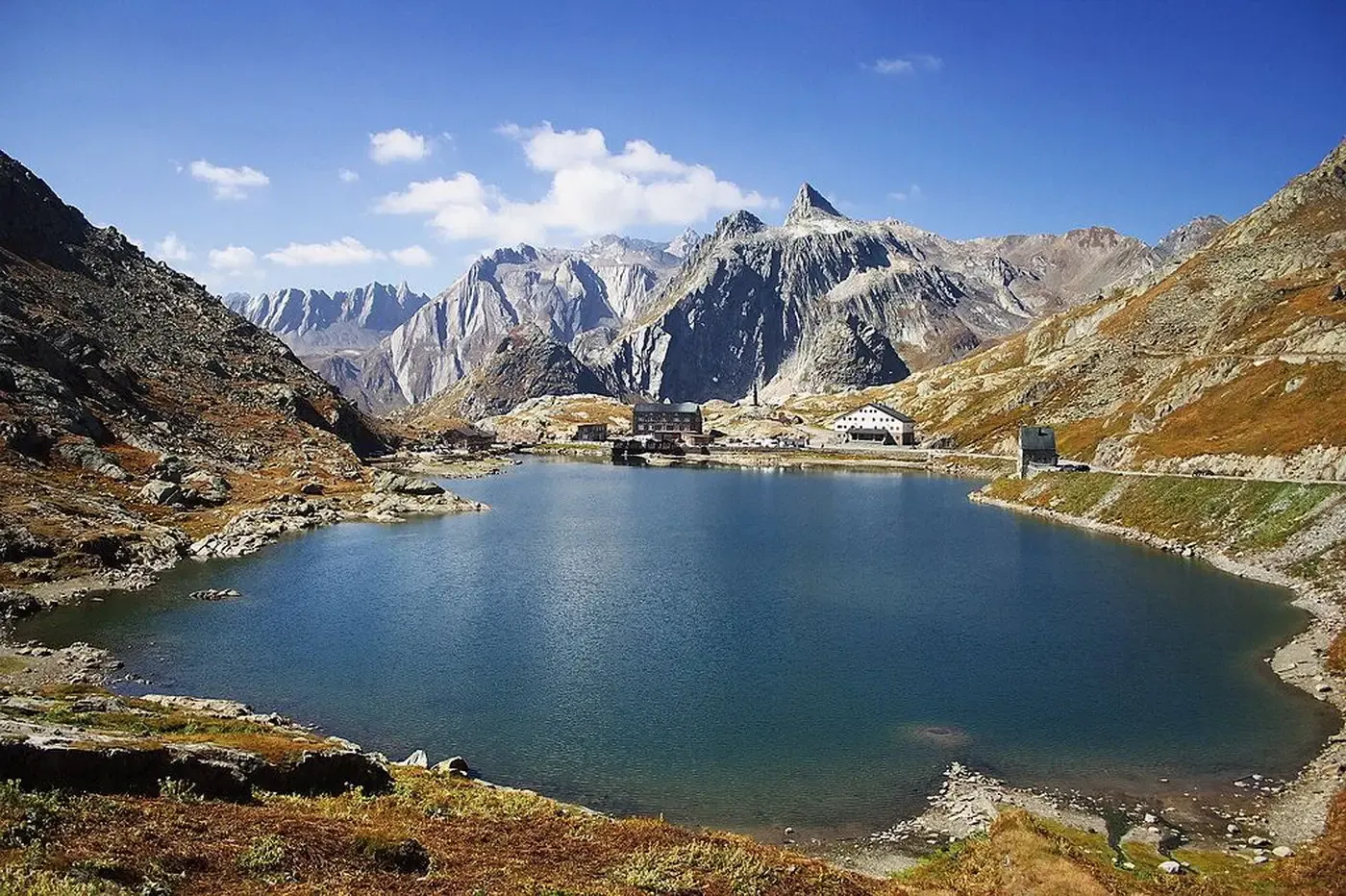
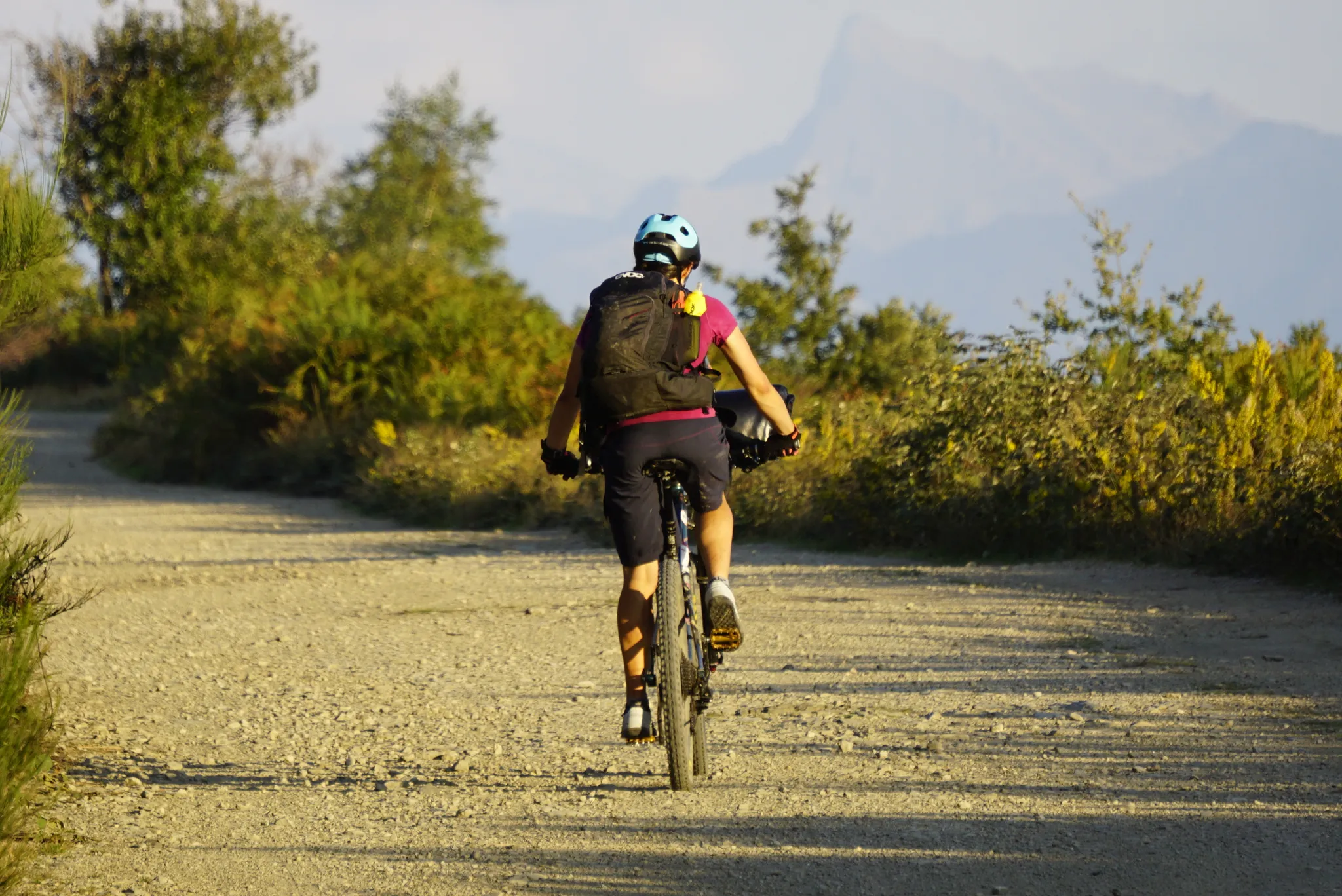
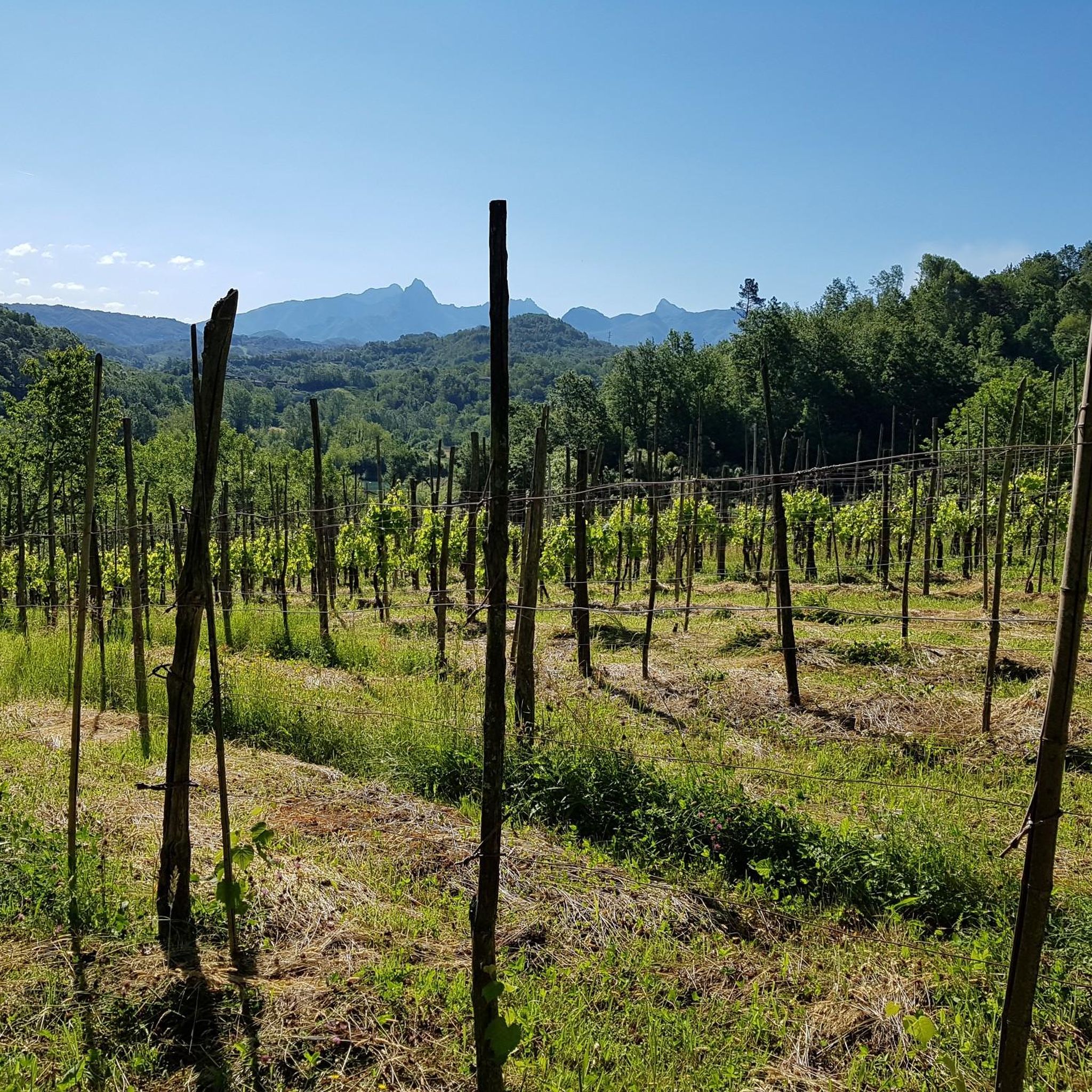
Other adventures around Aulla


Tips from the Community


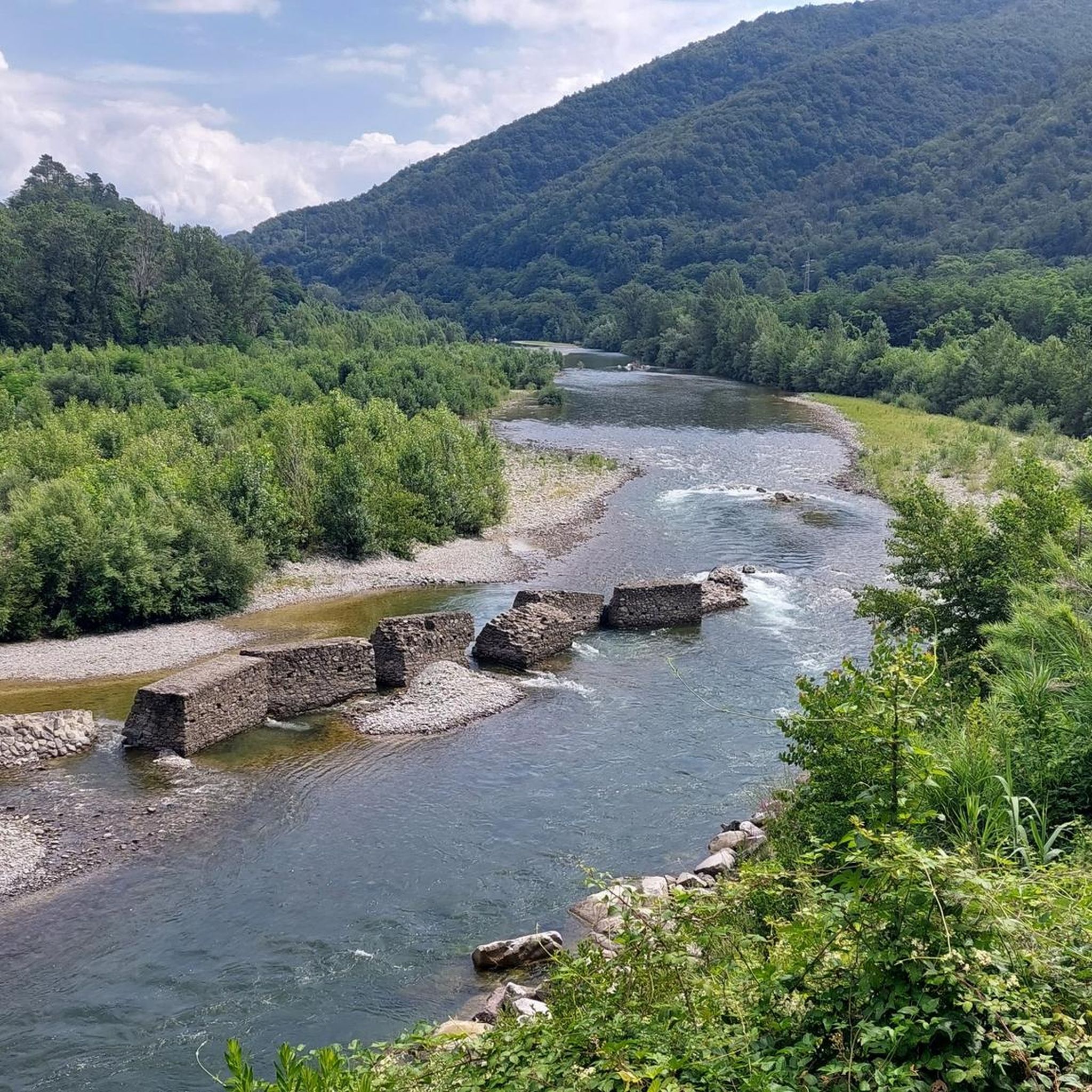
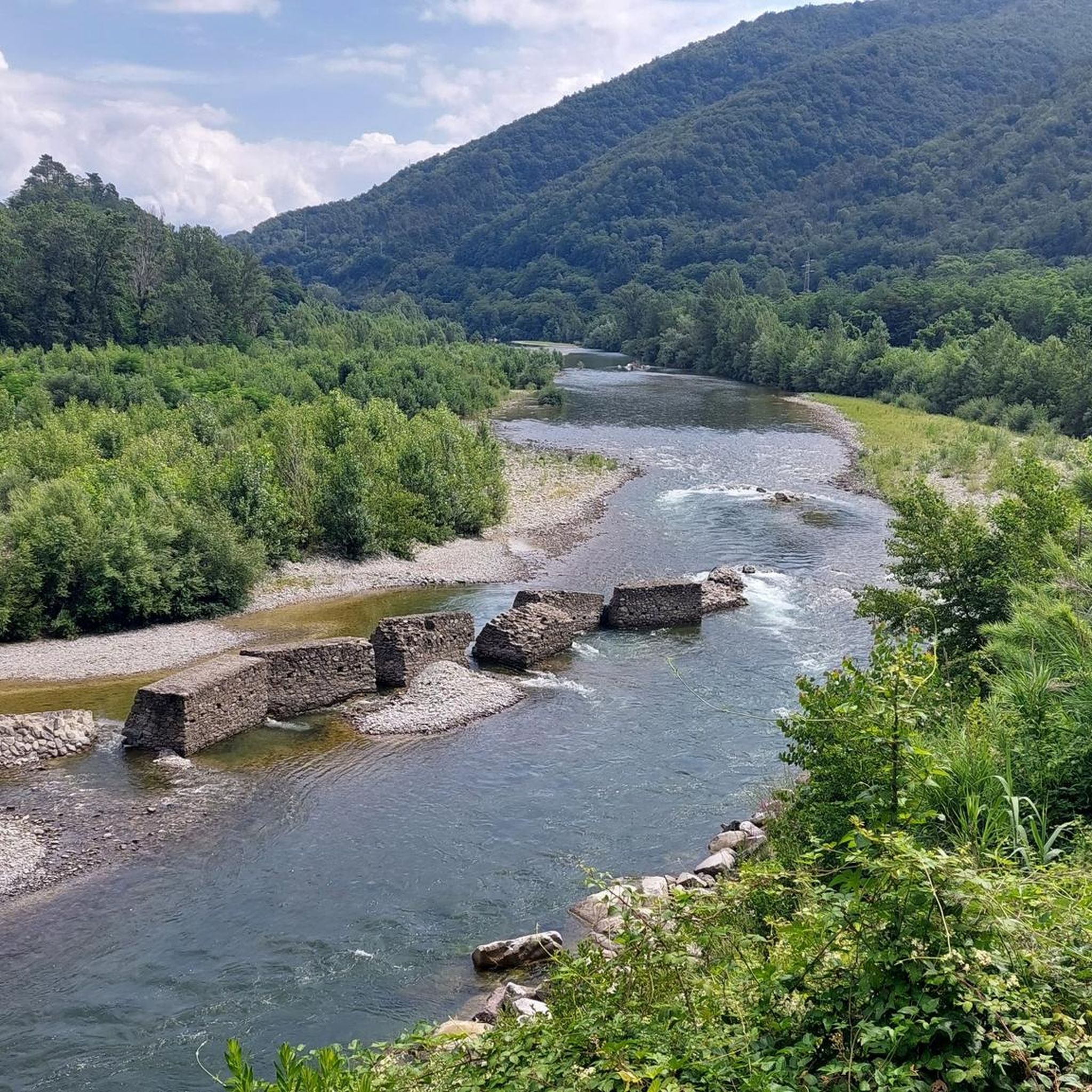
This place is characterized by a depression on the stream that over the years has created a real basin with crystal clear waters. Once you reach the stream you will find two fairly large but low pools, if you continue down the stream you will find the waterfalls and even further down the basin, near an ancient stone building right on the river.
0
0
The Borgo di Virgoletta is located in the municipality of Villafranca and was known as the “Verrucola dei Corbellari”, narrow and elongated to follow the crest of the hill, closed to the north by the large mass of the castle-palace that later belonged to the Malaspina; in the center of the village is the church of Saints Gervasio and Protasio with the bell tower, which a plaque informs us is 31 meters high, restored in 1953. The entire village offers itself almost like a treasure chest. As soon as you enter the door that looks towards Villafranca, here is the majesty placed in 1636 “for his devotion” by Andrea Rossi who entrusted his prayers to San Rocco and the Virgin with Child. From here to the castle is a succession of houses of medieval typology, with sandstone portals, often elegant, which still highlight the commercial past that the village had in the Middle Ages. An elaborate 16th-century oval-shaped coat of arms in marble informs us that the castle belonged to the Malaspina dello Spino Secco family.
0
0
Bagnone Castle is located on the highest hill and is clearly visible as soon as you enter the town. It is dominated by an imposing cylindrical stone tower, crowned by corbels of the plumbing system with archers and larger openings framed by frames. The tower remains the only surviving structure of the castle, which has now completely disappeared and is partly incorporated into smaller buildings of the villa of the Counts Ruschi-Noceti. The castle is privately owned and cannot be visited.
1
0
The Borgo di Bagnone is a medieval village on the Tuscan-Emilian pre-Apennine hillsides. It is characterized by the waterfalls that flow on the right side of the village, formed in the rock by the flow of the Bagnone Torrent. The oldest part of the village stands on the left side of the Bagnone Torrent, from which it took its name. The circular tower located in this area of the village served to control the valley's traffic and was connected to other similar towers: Malgrate, Groppoli and Mulazzo.
0
0
Called the town of a hundred villages, for the numerous hamlets that compose it, it has ancient origins even if it acquired importance first with the Malaspina family in the Middle Ages and then with the Medici in the Renaissance, the latter called it the 'beautiful corner of Florence. It preserves an important historical center, protected and enclosed by the Medici walls, erected by Cosimo I in 1540, where there is a succession of noble palaces that flow into the Medici square, characterized by the elegant baroque fountain in marble and pietra serena, which overlooks the church dedicated to Saints James the Apostle and Anthony from the 14th century and enlarged in the 16th, with three naves marked by sandstone columns and with inside a beautiful baptismal font bearing the coat of arms of the Spino Fiorito of the Malaspina.
0
0

Frequently Asked Questions
How many touring cycling routes are available around Aulla?
There are over 40 touring cycling routes around Aulla, catering to various skill levels. These routes explore the diverse landscapes of the Lunigiana region, from scenic river valleys to challenging mountainous terrain.
What kind of terrain can I expect on touring cycling routes in Aulla?
Aulla's touring cycling routes offer a mix of terrain. You'll find scenic river valleys along the Magra River and Aulella Stream, as well as mountainous areas with significant elevation gains in the Apennines. Routes can range from well-paved surfaces to some unpaved segments on more challenging rides, reflecting the 'sublime nature' of the Lunigiana area.
Are there any family-friendly or beginner touring cycling routes in Aulla?
While many routes around Aulla are classified as difficult, there are options for moderate rides. For a less strenuous experience, consider routes that utilize dedicated cycling infrastructure, such as the Ponzano Superiore – Lunense Canal Cycle Path loop from Santo Stefano di Magra, which is a moderate 25.7 km path.
What are some challenging touring cycling routes for experienced cyclists in Aulla?
Experienced touring cyclists will find plenty of challenging options around Aulla. Routes often feature significant elevation gains and cover longer distances. Examples include the Bagnone – Bagnone Castle loop from Unione di comuni Montana Lunigiana, a difficult 59.5 km path passing through medieval villages, or the Aulla Cycle Path loop from Aulla Lunigiana, a difficult 45.7 km route.
Are there any circular touring cycling routes around Aulla?
Yes, many of the touring cycling routes around Aulla are designed as loops, allowing you to start and finish in the same location. For example, the Aulla Cycle Path – Fivizzano Town Gate loop from Aulla Lunigiana is a difficult 49.6 km circular route.
What historical sites or landmarks can I see along the touring cycling routes?
The Lunigiana region, where Aulla is located, is known as the 'land of 100 castles.' Many routes pass through or near medieval villages and historical fortifications. You can explore sites like the Firmafede Fortress, Lusuolo Castle and Medieval Village, or the Brunella Fortress. The ancient Via Francigena also passes through Aulla, offering a unique historical cycling experience.
What do other touring cyclists enjoy most about cycling in Aulla?
The touring cycling routes around Aulla are highly rated by the komoot community, with an average score of 4.8 stars from nearly 30 reviews. Cyclists often praise the diverse landscapes, the blend of river valleys and challenging mountain climbs, and the opportunity to explore historic medieval villages.
Are there any notable mountain passes accessible by touring bike near Aulla?
Yes, the region around Aulla includes mountainous areas with passes that offer challenging climbs and panoramic views. Cyclists can explore passes like Passo Alpicella (710 m) or Solini Pass, which are part of the broader Apennine range.
What is the best time of year for touring cycling in Aulla?
The region's climate generally supports cycling for much of the year. Spring and autumn offer pleasant temperatures and beautiful scenery, ideal for exploring both the river valleys and higher elevations. Summer can be warm, especially in the valleys, but mountain routes provide cooler air. Winter may bring colder temperatures and potential snow at higher altitudes.
Is there dedicated cycling infrastructure in Aulla?
Yes, Aulla features dedicated cycling infrastructure, such as the 'Pista Ciclabile di Aulla' (Aulla Cycle Path). This provides safer and often flatter options for cyclists, making it easier to enjoy the riverine landscapes. Routes like the Aulla Cycle Path loop from Aulla Lunigiana incorporate these paths.
Can I combine touring cycling with exploring other regions from Aulla?
Aulla's strategic location near the border of Tuscany and Liguria makes it an excellent base for exploring beyond. Cyclists can potentially reach areas like the marble quarries of Massa, the Arno plain, or even venture towards the Chianti wine region, offering a diverse range of landscapes and cultural experiences.
Most popular attractions around Aulla

Get inspired with the komoot mobile app


Explore more
Browse the best Cycling routes in other regions.
