The best cycling routes around Luni
4.1
(872)
8,991
riders
21
rides
Touring cycling routes around Luni, Italy, traverse a diverse landscape within the Val di Magra, extending from the Ligurian coast to the foothills of the Apuan Alps. This region features a mix of coastal areas, river valleys, and varied mountainous terrain, offering a range of elevations and scenic backdrops. The proximity to the Montemarcello Magra Park and historical sites provides a rich environment for exploration. Cyclists can expect routes that combine natural beauty with archaeological interest.
Best touring cycling routes…
Last updated: November 27, 2026
3.9
(100)
504
riders
45.1km
03:11
810m
810m
Hard bike ride. Very good fitness required. Mostly paved surfaces.
3.9
(14)
223
riders
42.6km
02:38
300m
300m
Moderate bike ride. Good fitness required. Mostly paved surfaces.

3.6
(8)
69
riders
37.4km
02:41
660m
660m
Hard bike ride. Very good fitness required. Mostly paved surfaces.
4.1
(17)
183
riders
49.4km
03:03
370m
370m
Moderate bike ride. Good fitness required. Mostly paved surfaces.
5.0
(3)
71
riders
43.0km
03:03
780m
780m
Hard bike ride. Very good fitness required. Mostly paved surfaces.
Get access to more routes and recommendations from other explorers.
Already have an account?
Our route recommendations are based on thousands of hikes, rides, and runs completed by other people on komoot.
Start today with a free account
Your next adventure awaits.
Tips from the Community

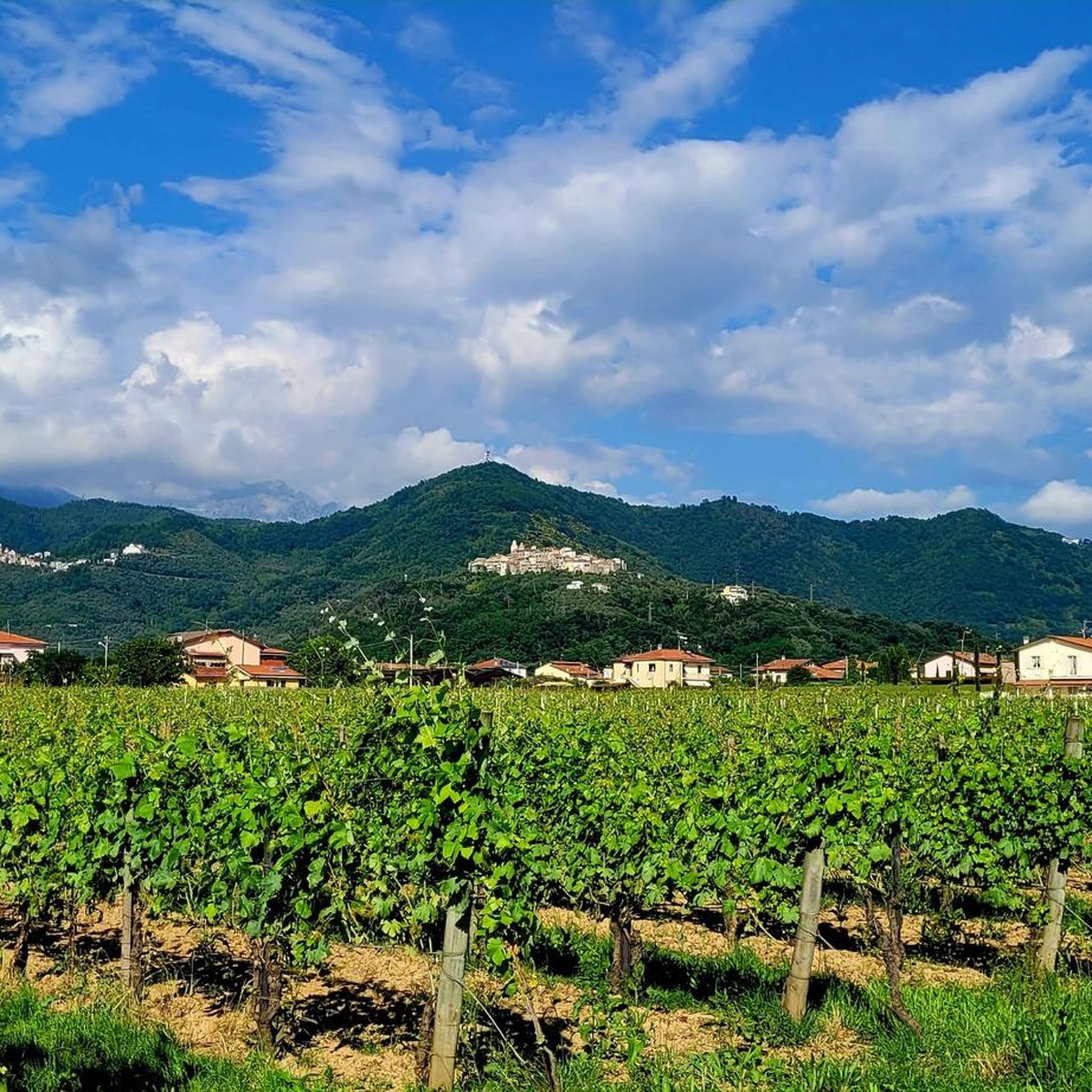
From Montemarcello, a delightful village in the municipality of Ameglia, listed among the most beautiful villages in Italy, you can enjoy an extraordinary panoramic view of the Luni plain, the coast of Massa, and the majestic Apuan Alps.
0
0
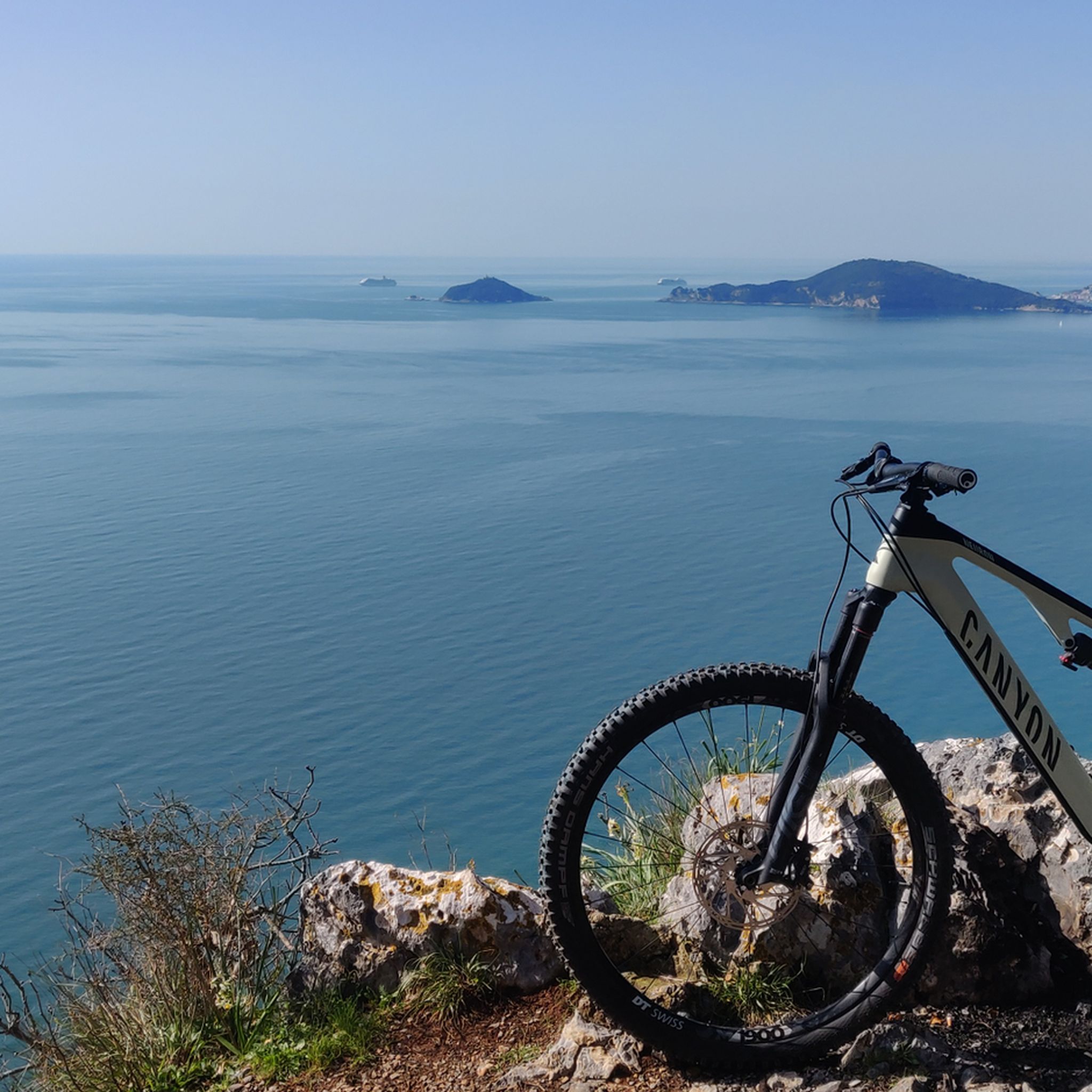
The waterfront of La Spezia, historically known as Passeggiata Costantino Morin, is one of the most famous symbols of the Ligurian city. This splendid pedestrian area develops parallel to Viale Italia and is completely immersed in greenery among majestic palm trees, maritime pines, and oleanders, offering a suggestive panorama of the Gulf of Poets and the Apuan Alps.
0
0
The Port of La Spezia overlooks the eastern Ligurian Sea. It is a natural harbor that offers multiple advantages for maritime and land transport. Thanks to its strategic geographical position, it is one of the most important merchant ports in the Mediterranean and one of the strategic nodes within the TENT-T Core network, the central trans-European transport network, as a core port of the Scandinavia-Mediterranean priority corridor. The Port is an integral part of a vast port cluster that encompasses other important sectors of the maritime economy such as shipbuilding, recreational boating, tourism, and aquaculture, and represents one of the most significant economic entities present in the Ligurian territory.
1
0

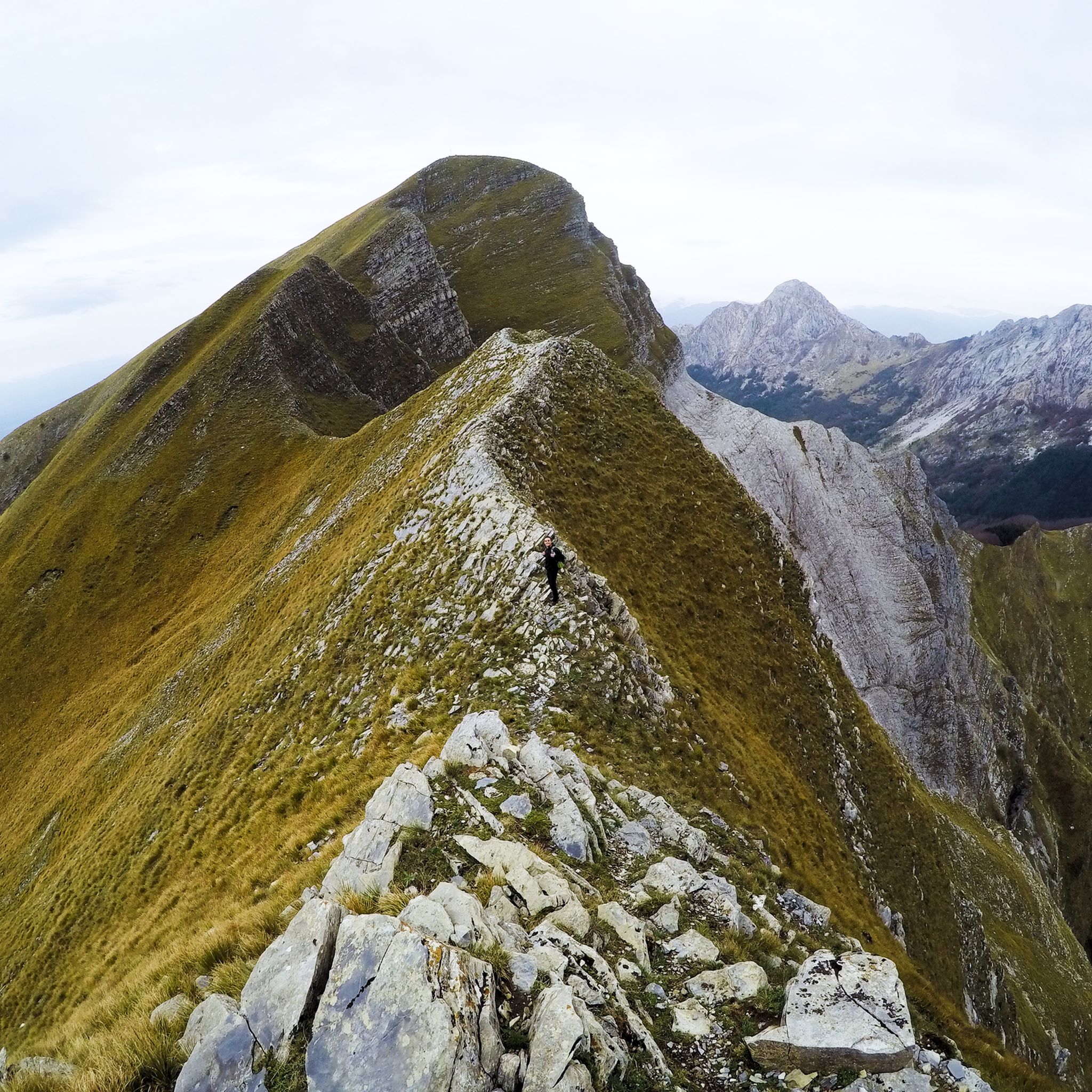
The tour is not for everyone. The climb from Caniparola is very tough, at the beginning it starts immediately at 11%
1
0
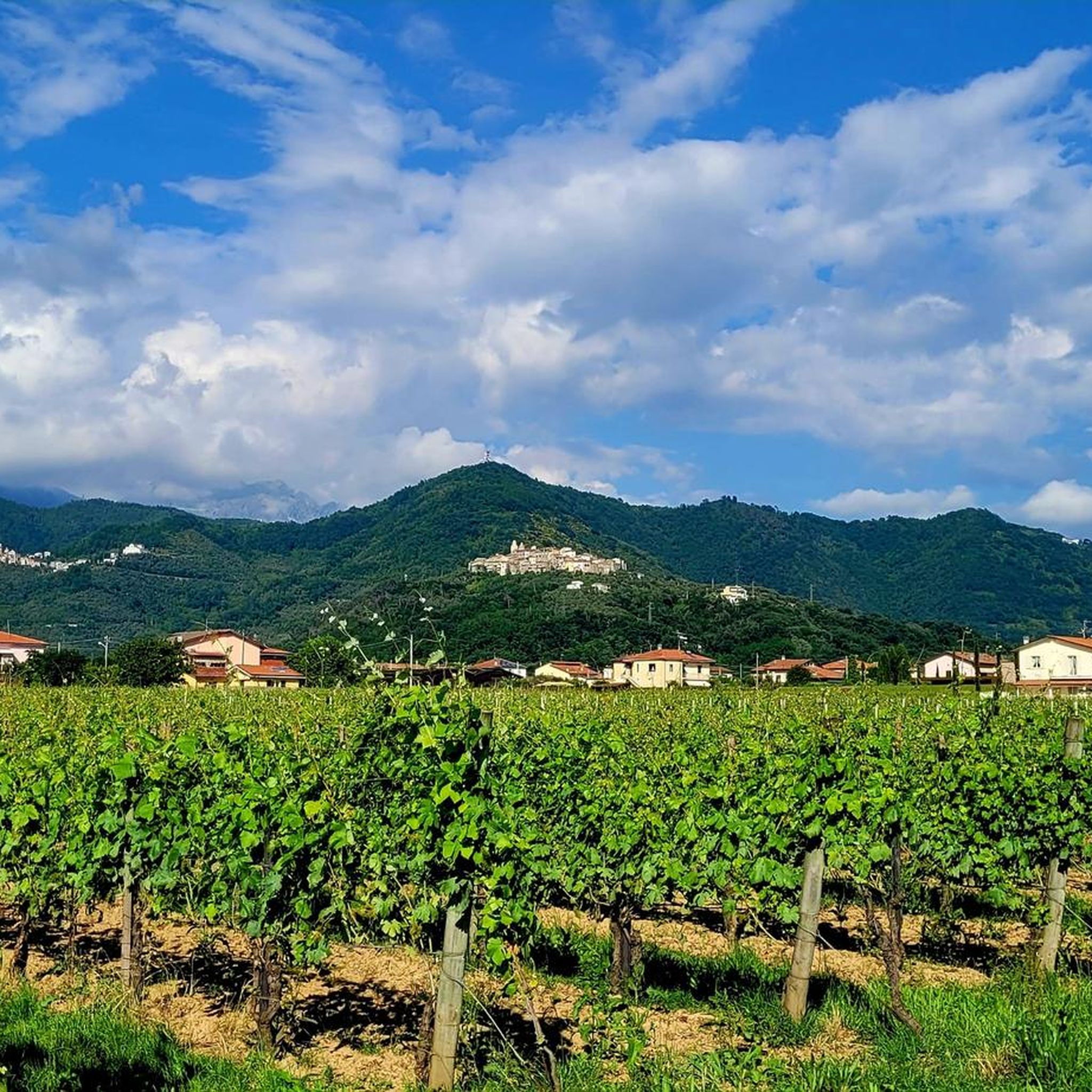
The Magra river is an important watercourse in central Italy, 62 kilometers long, flowing between Tuscany and Liguria. It represents Liguria's main watercourse by average flow rate at the mouth. It originates at an altitude of 1,401 meters from Monte Borgognone, crosses the fertile Val di Magra, and flows into the Ligurian Sea at the locality of Bocca di Magra
0
0
The Citadel, also known as the Sarzana Fortress or Firmafede Fortress, was the first fortification in Sarzana, built in the 13th century. It was owned by the lord Castruccio Castracani, who made numerous significant modifications to its defenses. After its destruction by Florence in 1487, it was rebuilt on the orders of Lorenzo de' Medici. In 1494, the Republic of Genoa, having regained possession of Sarzana, completed work on the Citadel. The fortress is used as a venue for cultural events and exhibitions and also houses the Fortress Museum, an interactive exhibit that traces the history of Sarzana and the Lunigiana region.
1
0
Of the five gates that once provided access to the town, Porta Romana and Porta Parma remain on the opposite side. We are on the ancient Via Romea, and today's Via Mazzini is a vestige of it. Its current appearance, clad in white Carrara marble, dates back to 1783; on the exterior is the coat of arms of Genoa and, higher up, a statue of Mary.
1
0
It was built on the area where the parish church of San Basilio once stood, starting in 1204. Construction work ended in 1474 with the completion of the upper part of the façade by Leonardo Riccomanni. Following the completion of the work, in 1735 the statues of Saint Eutychiano in the centre, of Sergius IV on the left and of Nicholas V on the right were placed on the façade. The building, which represents the sum of all the historical-artistic production of Sarzana and the Magra Valley, has been elevated to a minor basilica. It preserves, among other works, the crucifix by Mastro Gugliermo (1138), the first dated example of a painted cross in the history of art.
1
0
Frequently Asked Questions
How many touring cycling routes are available around Luni?
There are nearly 20 touring cycling routes around Luni, offering a variety of experiences for different skill levels. These routes are highly rated by the komoot community, with an average score of 4.0 stars.
What are the difficulty levels of touring cycling routes in Luni?
The routes around Luni cater to various abilities. You'll find 4 easy routes, 5 moderate routes, and 10 difficult routes, ensuring options for beginners and experienced cyclists alike. For an easy coastal ride, consider the Marina di Carrara Beach – Tyrrhenian Sea Beach loop from Luni.
What historical sites or landmarks can I explore while cycling around Luni?
Luni is rich in history. You can cycle past ancient Roman ruins, including the remains of a temple and an amphitheater. The wider Lunigiana region, often called 'The Land of a Hundred Castles,' offers numerous historical fortresses. Notable highlights include the Firmafede Fortress and Sarzanello Fortress. The Firmafede Fortress – Fosdinovo Castle loop from Luni is a great option for combining cycling with historical exploration.
Are there scenic viewpoints along the touring cycling routes in Luni?
Yes, many routes offer stunning vistas. The region's diverse topography, from coastal areas to the foothills of the Apuan Alps, provides ample opportunities for scenic views. You can find viewpoints like View of Altagnana and the coast from Pian delle Fioba and View of Lunigiana, especially on routes that venture towards the mountainous terrain.
What do other touring cyclists enjoy most about cycling in Luni?
The area is highly rated by the komoot community, with an average score of 4.0 stars from over 50 reviews. Over 900 touring cyclists have explored Luni's varied terrain. Cyclists often praise the diverse landscapes, which combine coastal paths, river valleys, and the challenging foothills of the Apuan Alps, as well as the blend of natural beauty with archaeological interest.
Is it possible to find family-friendly touring cycling routes in Luni?
Yes, Luni offers 4 easy touring cycling routes that are generally suitable for families or those seeking a more relaxed ride. These routes often stick to flatter coastal paths or river valleys, providing a pleasant experience without significant elevation changes.
Are there any circular touring cycling routes in Luni?
Many of the touring cycling routes around Luni are designed as loops, allowing you to start and end at the same point. Examples include the popular San Terenzo Bay – Pitèi loop from Luni and the Village Street, Bocca di Magra – Marina di Carrara Beach loop from Luni.
What is the best time of year for touring cycling in Luni?
The best time for touring cycling in Luni, Italy, is typically during the spring (April-May) and autumn (September-October). During these seasons, the weather is mild and pleasant, making for comfortable riding conditions. Summers can be hot, especially in July and August, while winters are cooler but generally suitable for cycling, though some higher elevation routes might be less accessible.
Where can I find parking for touring cycling routes in the Luni area?
Parking is generally available in the towns and villages near the starting points of many routes. Look for designated parking areas in Luni itself, or in nearby coastal towns like Bocca di Magra or Marina di Carrara. It's advisable to check local signage for any restrictions or fees.
How can I reach the touring cycling routes around Luni using public transport?
Luni is accessible by public transport, primarily by train to the nearby Luni station or Avenza-Carrara station, which are on the Pisa-Genoa line. From these stations, you can often connect to local bus services that serve the smaller towns and villages, bringing you closer to various route starting points. Check regional transport schedules for the most up-to-date information.
Are there places to eat or stay near the touring cycling routes in Luni?
Yes, the Luni area and the wider Lunigiana region offer a good selection of cafes, restaurants, and accommodation options. You'll find eateries in Luni itself, as well as in the charming coastal towns and inland villages. From traditional trattorias to hotels and agriturismos, there are choices to suit various preferences and budgets, perfect for refueling or resting after a day of cycling.
Can I find routes that explore the Apuan Alps or marble quarries?
While Luni itself is closer to the coast and river valleys, its proximity to the Apuan Alps means that some routes will offer views of these mountains, renowned for their white Carrara marble quarries. More challenging routes, such as Pitèi – San Terenzo loop from Luni, may take you into the foothills, providing glimpses of this unique landscape and its historical significance. For more in-depth exploration of the marble region, consider visiting the Carrara marble quarries.
Most popular attractions around Luni

Get inspired with the komoot mobile app


Explore more
Browse the best Cycling routes in other regions.
