Attractions and Places To See around Pescaglia - Top 20
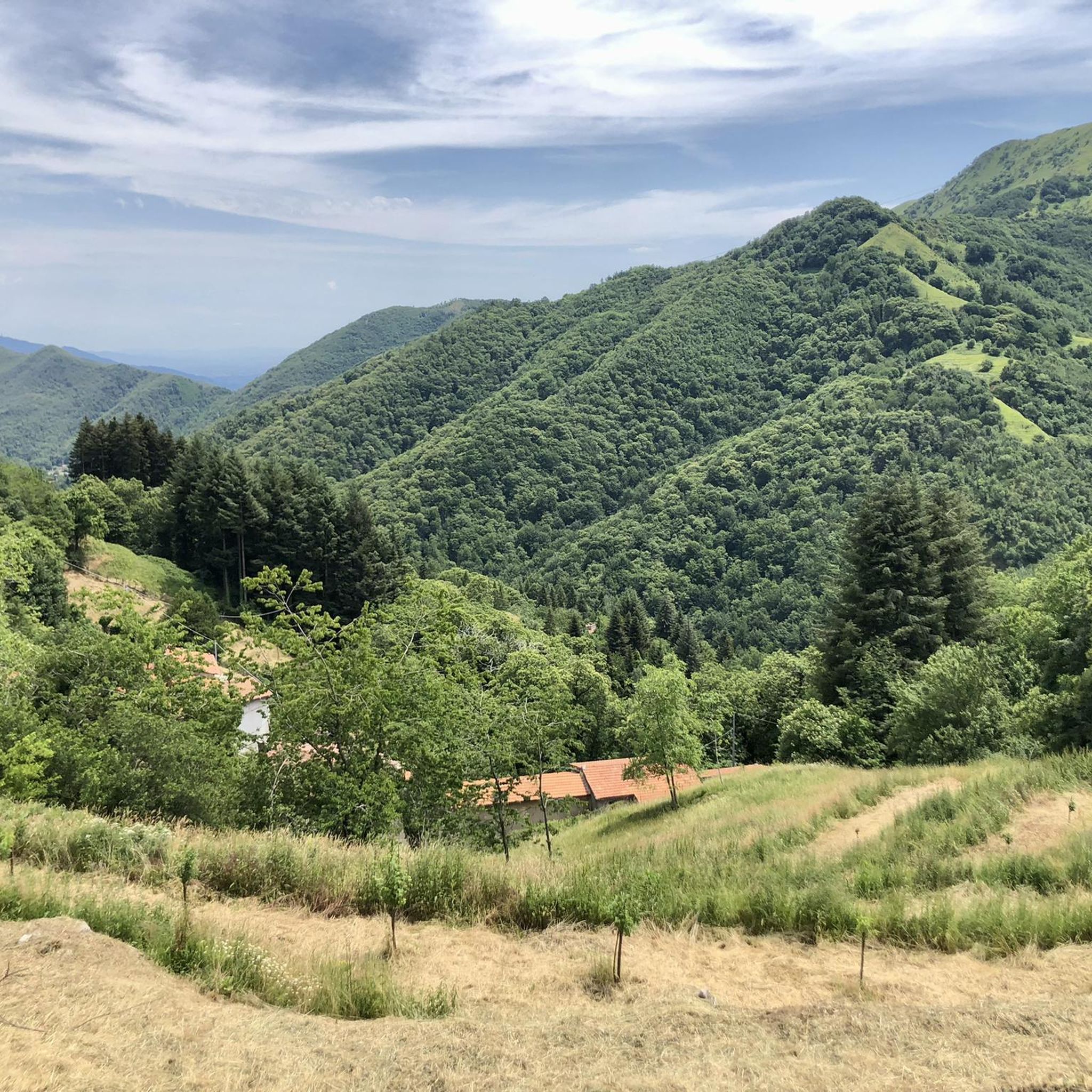
Best attractions and places to see around Pescaglia include a blend of historical sites, cultural experiences, and natural beauty. This charming village is nestled in the Apuan Alps of Tuscany, offering mountainous terrain, soft hills, and picturesque landscapes. The region stretches across three distinctive valleys, providing diverse natural environments with woods, chestnut trees, creeks, and rivers. Pescaglia is known for its rich history and connection to figures like Giacomo Puccini and Alfredo Catalani.
Best attractions and places to see around…
Last updated: July 19, 2026
Piazza dell’Anfiteatro
Highlight • Historical Site
A beautiful place to sit, eat and drink.
Translated by Google •
Tip by

St. Michael's Square
Highlight • Religious Site
Translated by Google •
Tip by

Sign up now to discover places like this
Get recommendations on the best single tracks, peaks, & plenty of other exciting outdoor places.
Sign up for free
Lucca City Walls Loop
Highlight • Monument
Tip by

Saint Michael in the Forum
Highlight • Religious Site
Translated by Google •
Tip by

Ponte della Musica Popolare Angelo Fagiolini
Highlight • Bridge
Tip by

Sign up for free to discover even more attractions around Pescaglia.
Sign up for free
Already have an account?
Start today with a free account
Your next adventure awaits.
Login or Signup

Tips from the Community

L'Anello delle Mura di Lucca is a spectacular 4.2 km long pedestrian and cycle path that completely surrounds the historic city center. Completely flat and tree-lined, it is ideal for a walk (about 1-1.5 hours) or a bike ride, offering unique views of towers, bell towers, and gardens.
0
0

The Walls of Lucca, built between the 16th and 17th centuries, are among the best-preserved Renaissance fortifications in Europe. Approximately 4 km long, they completely surround the historic center and today host a large tree-lined park, perfect for walks and bike rides. From the top of the walls, you can admire splendid views of the city and the surrounding hills.
1
0

The city walls of Lucca have surrounded the old city centre since 180 BC. The current wall, built between 1504 and 1645, served as a defence against attacks from nearby Florence. The wall’s only use as a defensive line was against the floods of the River Serchio on 18 November 1812. As one of the best-preserved examples of a 16th-century European defensive structure, the wall remains an impressive symbol of Lucca’s rich history.
6
0

Lucca, see & taste in one day - Day 7 Is it possible to see and taste Lucca in just one day? It goes without saying that Lucca, the city of a hundred and one churches, cannot be discovered in one day. We will take up the challenge with a selection of highlights. With Michelin (travel guide) at hand, we can still taste the essence of a lively city and catch a glimpse of many impressive palazzi. Lucca was built according to a medieval plan and much of the architecture bears witness to the different historical periods that it has gone through and made this city what it is today. With enough imagination, you can wander through the city center for a whole day along the many squares, humble 😉 sacred houses and rich city palaces. Many other sights can be found in the created highlights. Lucca, ‘a place to be and to see’ can be taken literally. This can be your appointment with history. Taste and enjoy... Read our full impression of Lucca? Click through to https://www.komoot.com/nl-nl/tour/1170744366
6
0

There is a separate area with a small altar to the left of the main altar for those who want to reflect. There are also benches here for people to sit and relax. No photos are allowed here. This church can be visited without paying an entrance fee.
6
0
The birthplace of Giacomo Puccini. is a gem that no one should ignore. Behind the heavy fortress walls that bear witness to a glorious past, lies a particularly atmospheric medieval town with rich and exceptional architecture. Life is good in Lucca, where cyclists and pedestrians come and go in the lively, narrow streets. Because of the church facades that almost look like lace, the two old towers that have been saved from the hundred that used to reach the sky and the oval-shaped Piazza dell'Anfiteatro with its cozy terraces, it is tempting to stay a little longer in Lucca.
9
0
The Ponte della Musica Popolare Angelo Fagiolini is a pedestrian and bicycle bridge over the Serchio River in Lucca. The bridge is named after Maestro Angelo Fagiolini, the founder of the Fancelli music school. The bridge was inaugurated in the presence of Maestro Fagiolini's family, the municipal administration and many students from the Fancelli music school.
5
0

Impressive city walls of the city of Lucca. On the wall there is a beautiful wide path that is shared with pedestrians.
5
0
Frequently Asked Questions
What historical sites can I explore in and around Pescaglia?
Pescaglia and its surroundings are rich in history. You can visit the ancient ironworks at Antica Ferreria Galgani, where traditional methods from the 1700s are still used. The 19th-century Molino di Menicone in San Martino in Freddana is the last functioning flour mill of its kind in the area. Religious architecture includes the Church of Santi Pietro e Paolo, Pieve di San Giovanni Battista in Monsagrati, and the Church of Santa Maria Assunta in Loppeglia. Nearby, the city of Lucca offers significant historical sites like Piazza dell’Anfiteatro, built within a Roman amphitheater, and the impressive Lucca City Walls, a well-preserved 16th-century fortification.
Are there any unique cultural attractions in Pescaglia?
Absolutely! Pescaglia boasts several unique cultural spots. The Teatrino Alfredo Catalani in Vetriano is recognized by Guinness World Records as the smallest theatre in the world. You can also visit the Museo di Casa Puccini in Celle, the ancestral home of composer Giacomo Puccini, which preserves personal items including his piano. The Museo Nazionale del Castagno in Colognora di Pescaglia is an ethnographic museum dedicated to the history and culture of chestnut production.
What natural features can I discover in the Pescaglia region?
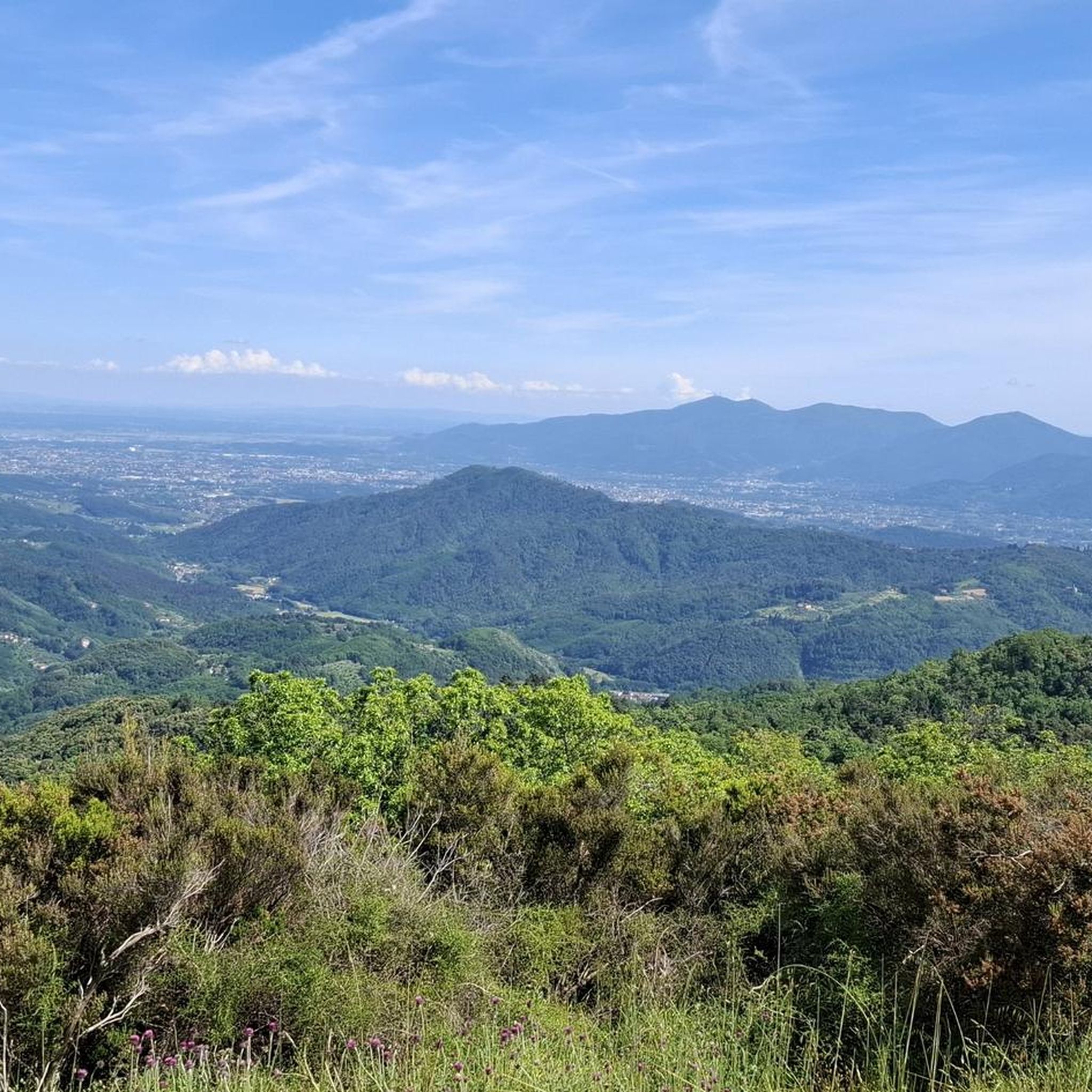
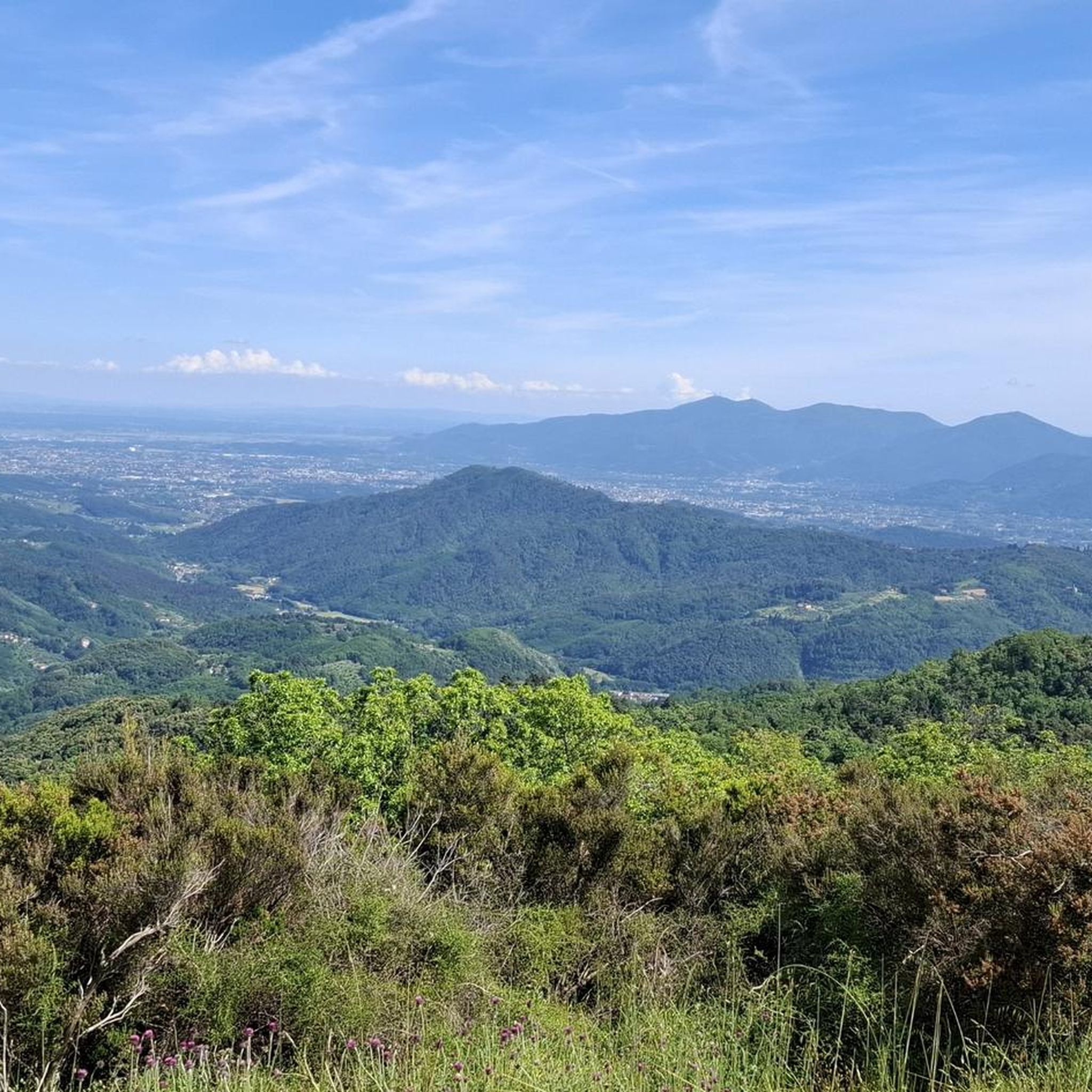
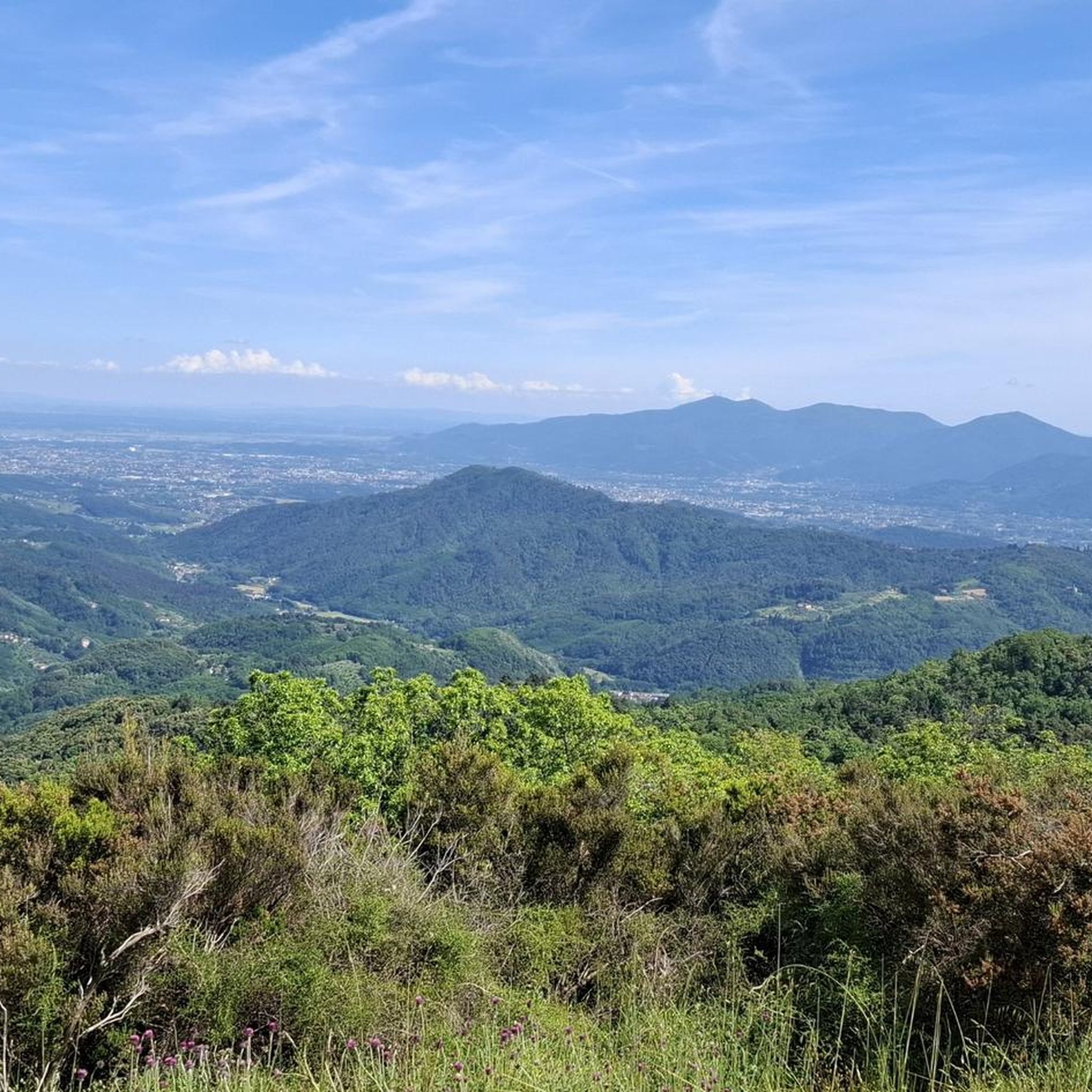
Pescaglia is nestled on the slopes of the Apuan Alps, offering stunning mountainous terrain and soft hills. The region spans three distinctive valleys—Val di Turrite, Valpedogna, and Valfeddana—characterized by lush woods, chestnut trees, creeks, and rivers. A local curiosity is the Pila del Corvo, a unique rock formation above the Rio della Solca, associated with local legends and believed to have sacred properties.
What outdoor activities are available near Pescaglia's attractions?
The Pescaglia area is perfect for outdoor enthusiasts. You can explore the diverse natural environments through excursions on foot, horseback, or mountain bike. For cycling, consider routes like the 'City loop on Lucca’s city wall – Puccini Cycle Path' or 'Panoramic Road With Sea View' for gravel biking. Mountain biking options include routes around Campo all'Orzo. For hiking, there are challenging mountain hikes in the Apuan Alps, such as the 'Rifugio Rossi alla Pania loop'. You can find more details on these activities in the Gravel biking around Pescaglia, MTB Trails around Pescaglia, and Mountain Hikes around Pescaglia guides.
Are there family-friendly attractions in the Pescaglia area?
Yes, several attractions in the Pescaglia area are suitable for families. The Piazza dell’Anfiteatro in Lucca is a great open space for children to explore, surrounded by shops and restaurants. Walking or cycling along the Lucca City Walls is also a popular family activity, offering wide avenues and beautiful views. The Ponte della Musica Popolare Angelo Fagiolini provides a comfortable, car-free crossing over the Serchio river, connecting cycle paths ideal for family rides. The Museo Nazionale del Castagno also offers an educational path illustrating traditional farming practices.
What is the best time of year to visit Pescaglia's attractions?
The Pescaglia region, like much of Tuscany, is beautiful throughout the year, but the best time to visit for exploring attractions and outdoor activities is typically during the spring (April to June) and autumn (September to October). During these seasons, the weather is pleasant, ideal for hiking and cycling, and the landscapes are particularly vibrant with spring blooms or autumn colors. Summer can be warm, but still enjoyable, especially in the cooler mountain areas.
What are some notable religious buildings to visit?
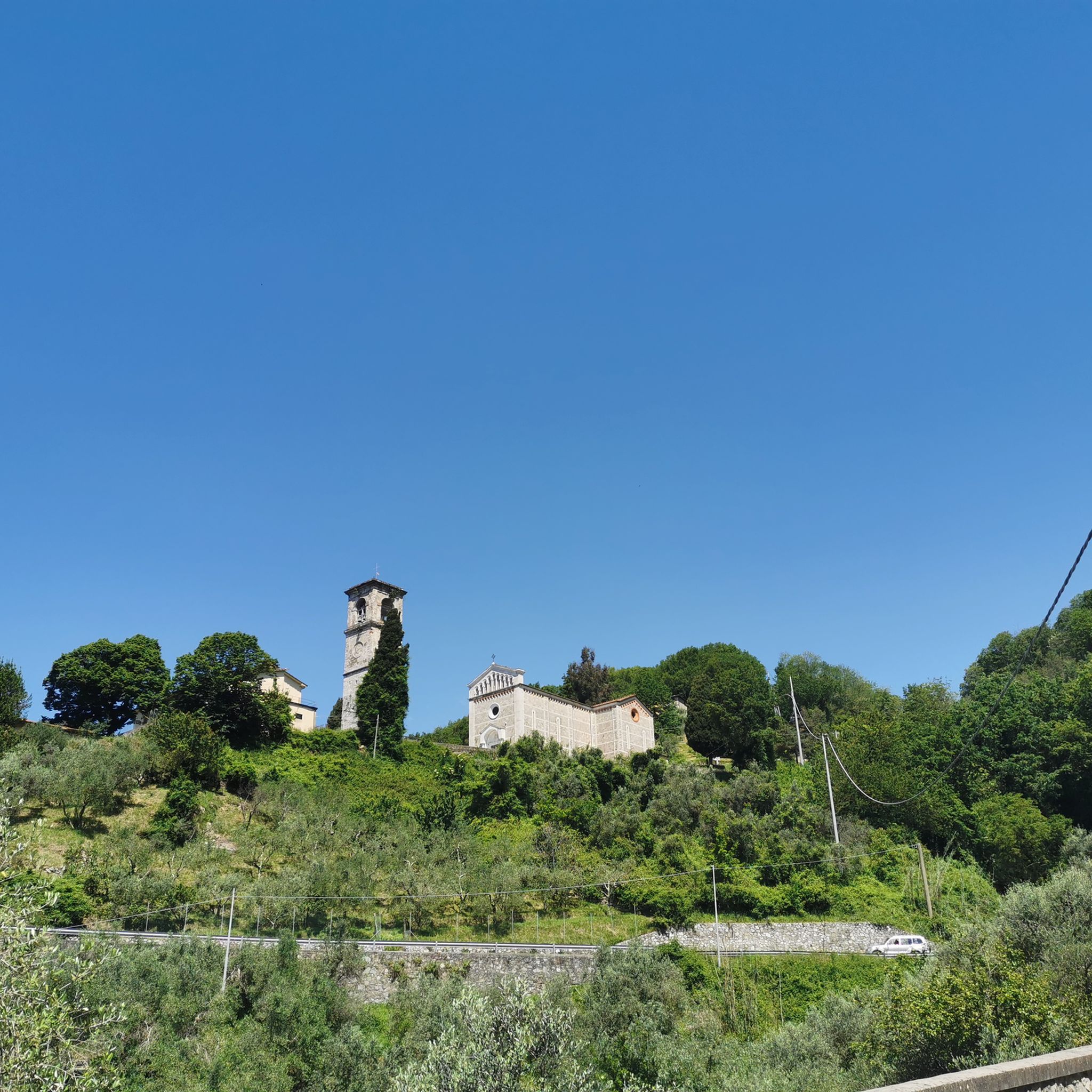
Pescaglia and its vicinity feature several significant religious buildings. Within Pescaglia, you can find the Church of Santi Pietro e Paolo, the Pieve di San Giovanni Battista in Monsagrati, and the Church of Santa Maria Assunta in Loppeglia. In nearby Lucca, the San Martino Cathedral is a fundamental stop on the Via Francigena, with parts dating back to the 6th century. St. Michael's Square also features a beautiful church facade.
Can I find any unique bridges or viewpoints in the area?
Yes, the region offers unique architectural and natural viewpoints. The iconic Devil's Bridge (Ponte della Maddalena) in Borgo a Mozzano, known for its distinctive arches and legends, is easily accessible from Pescaglia. In Lucca, the City Walls offer wide tree-lined avenues with beautiful views over the city. For cyclists, the Ponte della Musica Popolare Angelo Fagiolini is a modern bridge connecting cycle paths along the Serchio river, offering pleasant views of nature.
What are some nearby cities or towns worth visiting from Pescaglia?
Pescaglia serves as an excellent base for exploring other renowned Tuscan destinations. The art city of Lucca is less than an hour away, offering attractions like the Piazza dell'Anfiteatro, San Martino Cathedral, and the historic city walls. The famous city of Pisa, home to the Leaning Tower and Piazza del Duomo, can also be reached in under an hour, making it an ideal day trip.
What do visitors enjoy most about the attractions around Pescaglia?
Visitors particularly appreciate the blend of historical depth, cultural richness, and natural beauty. Many enjoy the well-preserved historical sites like the Lucca City Walls, which offer opportunities for walking, cycling, and enjoying scenic views. The unique atmosphere of places like Piazza dell’Anfiteatro, with its historical significance and vibrant present, is also highly rated. The region's diverse landscapes, from the Apuan Alps to the tranquil valleys, provide a serene escape and numerous outdoor activities.
Are there any specific cycling routes recommended near Pescaglia?
Yes, the area offers several cycling opportunities. For a relaxed ride, the Lucca City Walls provide a wide, flat circuit perfect for all skill levels. If you're looking for more adventurous rides, there are gravel biking routes such as the 'Panoramic Road With Sea View loop' or mountain biking trails like the 'View of Monte Prana – Campo all'Orzo loop'. You can find detailed routes and difficulty levels in the Gravel biking around Pescaglia and MTB Trails around Pescaglia guides.
Where can I find information about traditional local activities or crafts?
Pescaglia maintains a strong connection to its natural environment and traditional activities. You can witness traditional methods at the Antica Ferreria Galgani, where the owner still creates objects using 18th-century techniques. The Molino di Menicone showcases traditional cereal production with its old stone machines and wooden gear wheels. The Museo Nazionale del Castagno also provides insight into the historical and cultural significance of chestnut wood production and traditional farming practices in the region.
Most popular routes around Pescaglia
Most popular attractions around Pescaglia

Get inspired with the komoot mobile app


Explore more
Still not found the Highlight you’re looking for? See guides of the top attractions in other regions:
