The best road cycling routes around Reisenberg
4.5
(147)
3,596
riders
151
rides
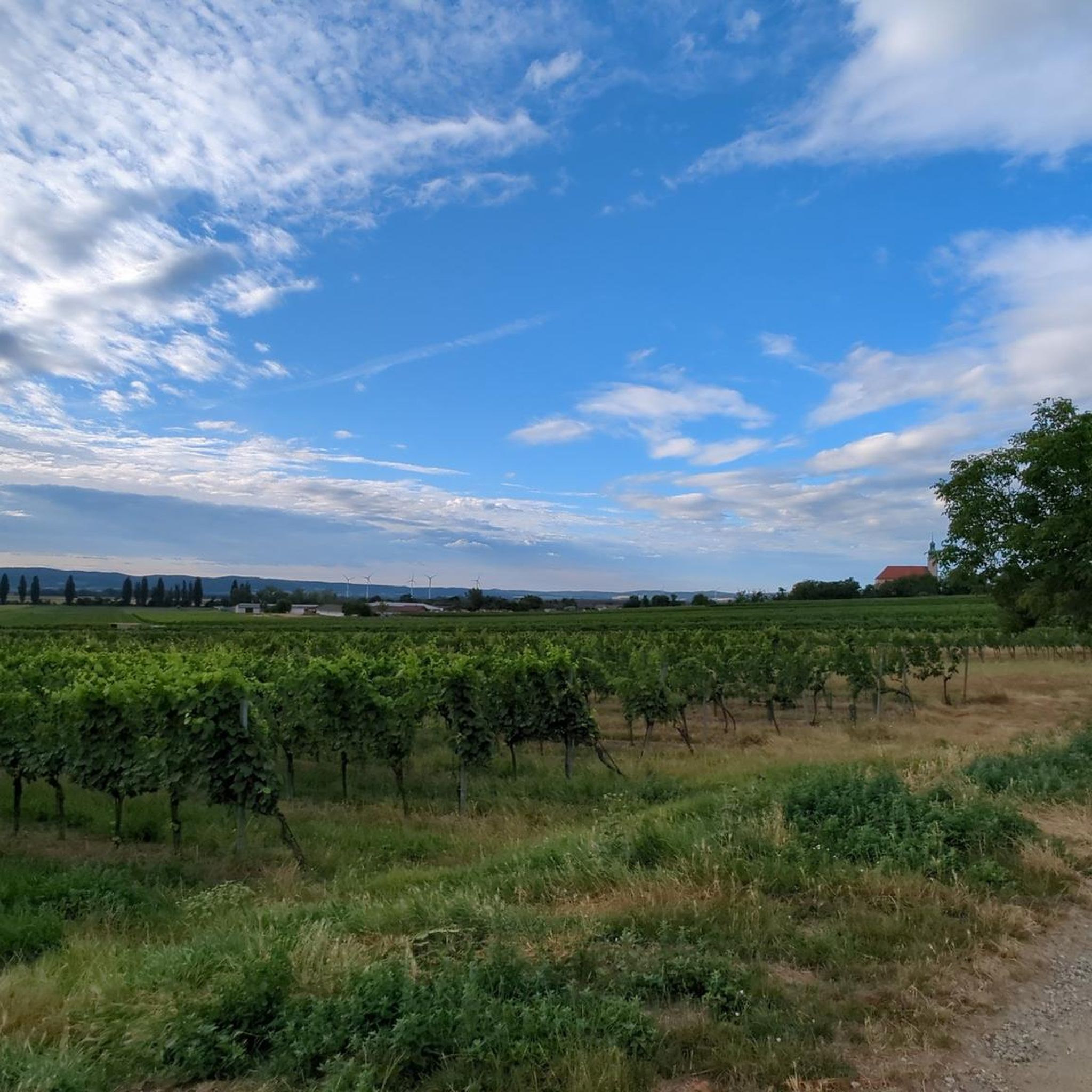
Road cycling around Reisenberg offers diverse landscapes within the Vienna Basin, nestled at the foot of the Goldberg hill and traversed by the Reisenbach stream. The municipal area extends between the Leitha and Fischa rivers, providing varied terrain. Cyclists can experience routes through dry grassland, downy oak forests, and the more challenging Leithagebirge, which offers panoramic views.
Best road cycling routes around Reisenberg
- The most popular road cycling route is Eisenstadt Cycling Infopoint – Donnerskirchen Switchbacks loop from Wasenbruck,…
Last updated: May 29, 2026
4.3
(16)
175
riders
Moderate road ride. Good fitness required. Mostly well-paved surfaces and easy to ride.
5.0
(4)
42
riders
47.5km
01:50
140m
140m
Easy road ride. Great for any fitness level. Mostly well-paved surfaces and easy to ride.

Sign up for free
39
riders
17.4km
00:40
40m
40m
Easy road ride. Great for any fitness level. Mostly well-paved surfaces and easy to ride.
4.0
(1)
39
riders
44.3km
01:45
150m
150m
Easy road ride. Great for any fitness level. Mostly well-paved surfaces and easy to ride.
5.0
(2)
18
riders
25.0km
00:59
90m
90m
Easy road ride. Great for any fitness level. Mostly well-paved surfaces and easy to ride.
Get access to more routes and recommendations from other explorers.
Sign up for free
Already have an account?
Our route recommendations are based on thousands of hikes, rides, and runs completed by other people on komoot.
Start today with a free account
Your next adventure awaits.
Login or Signup
Tips from the Community

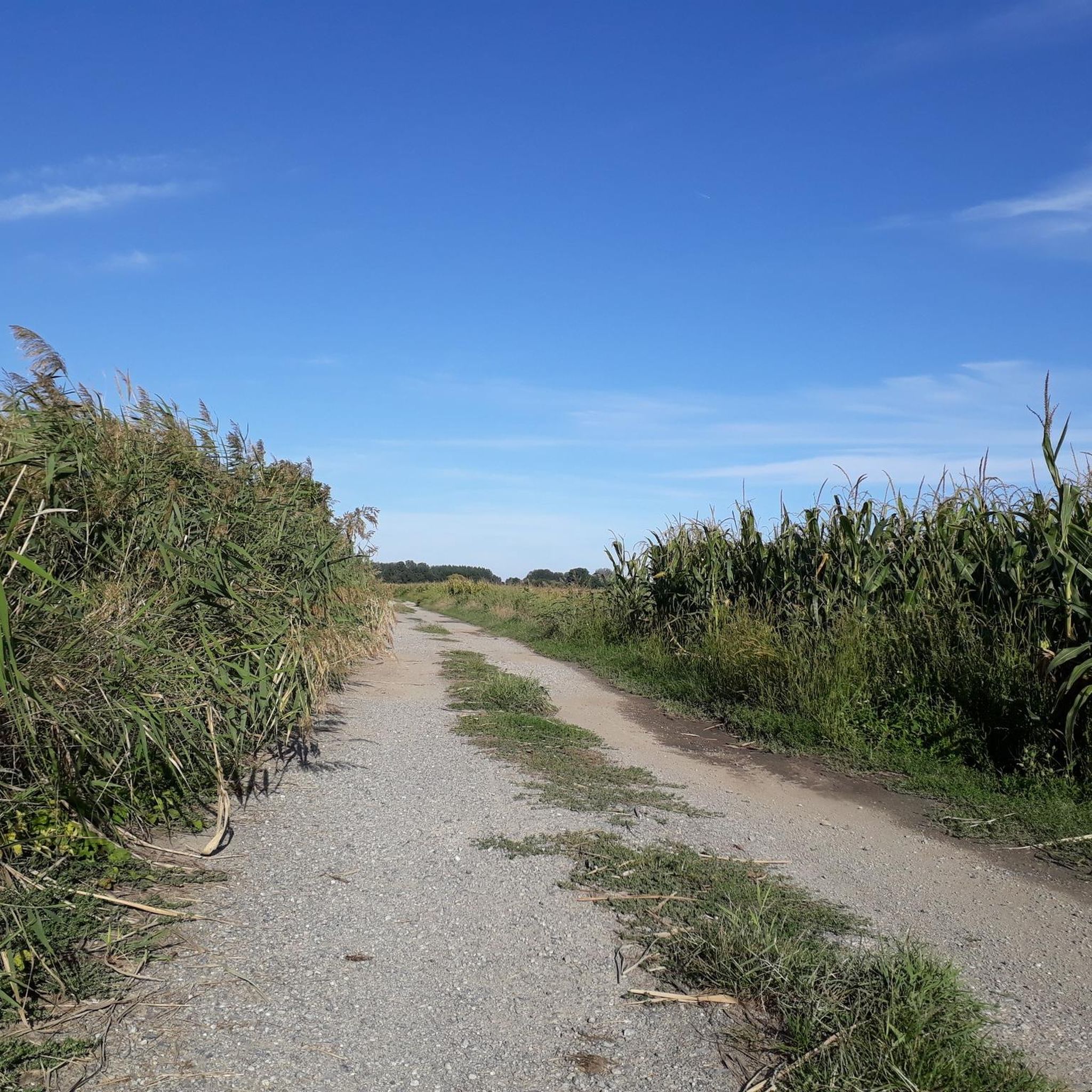
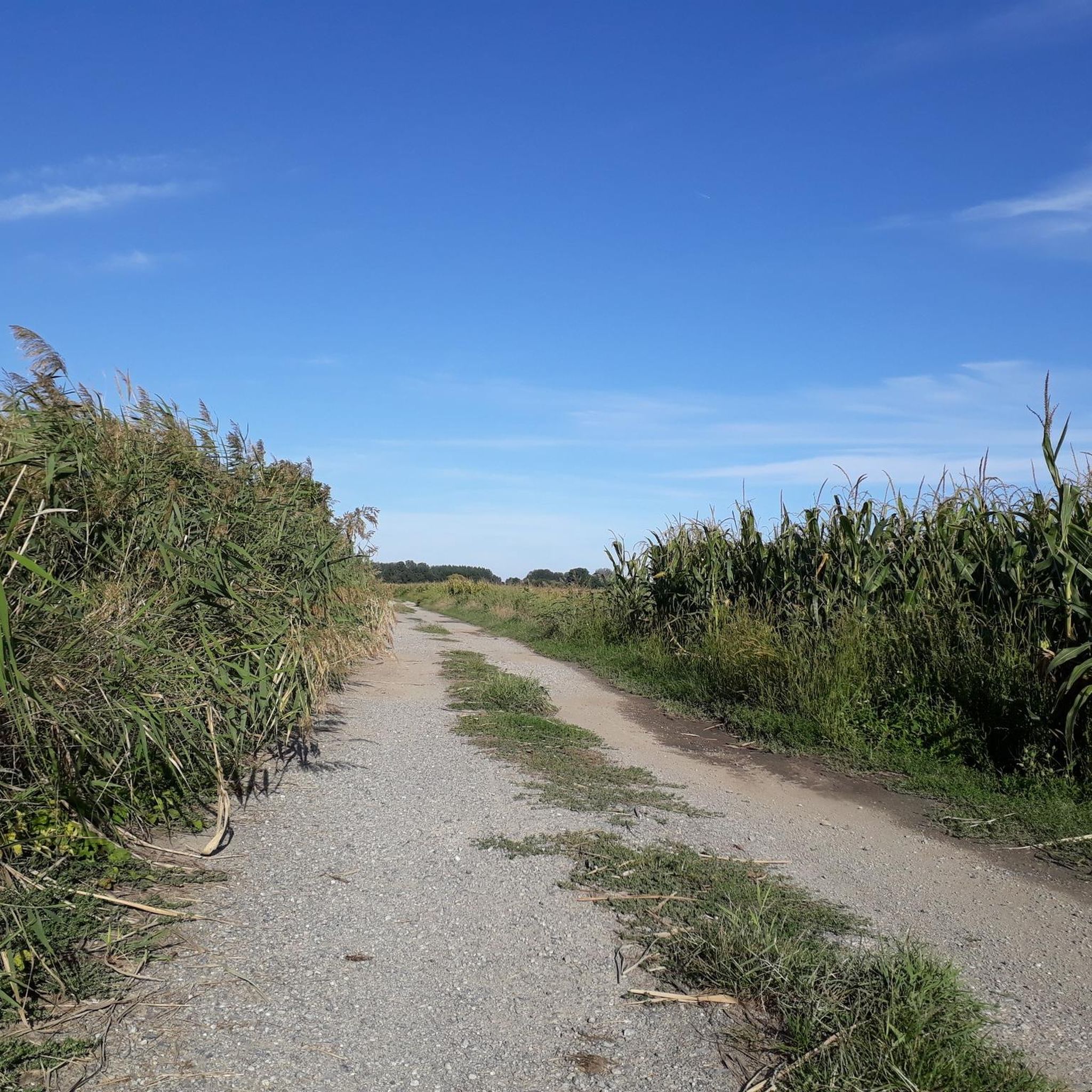
Less direct, but significantly more relaxed than the main road.
0
0
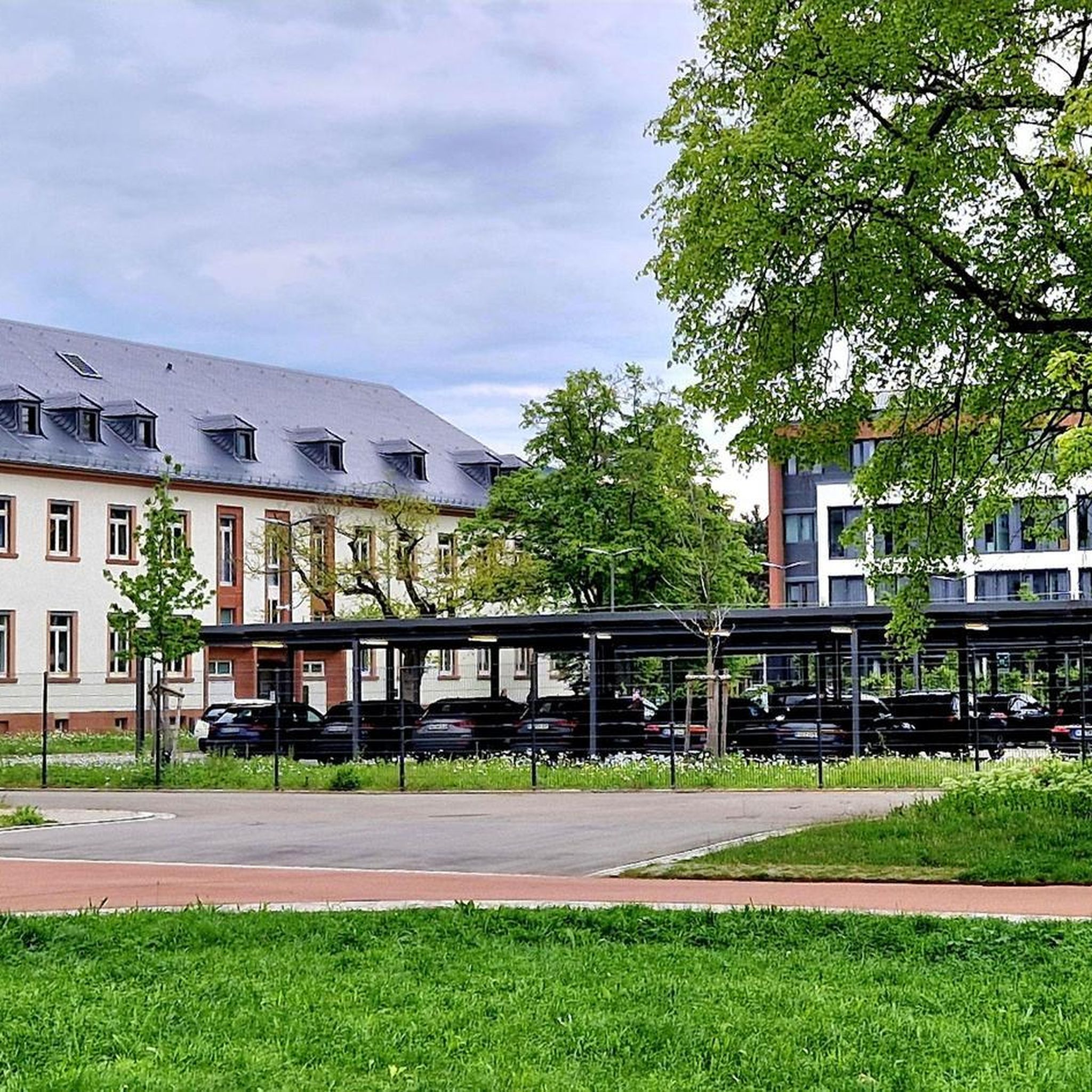
From Himberg, a gentle climb leads to Rauchenwarth. Along the way, you'll also find the somewhat bizarre Ressner Chapel and the more conventional Bründl Church. Traffic is generally light.
0
0

Lost place... dilapidated castle in a huge area.
0
1

It's actually nice to ride; however, so far I've only ridden uphill, towards Rauchenwarth.
0
0


The palace has stood empty since the interwar period and has fallen into disrepair. A real estate developer from Vienna acquired it in 2014 in order to renovate it and put it to a new use. This project is controversial. Strict ban on entry and threatened video surveillance - but there is no sign of renovation. Story: The name Trautmannsdorf refers to a Trutman who served under the Babenbergs, acquired land here from the Göttweig monastery around the year 1100 and presumably built a permanent house. In the 12th and 13th centuries, Trautmannsdorf was a link in the chain of fortifications against the Hungarians. The castle as such is first mentioned in 1292. Around 1163/1180 the small castle passed to the noble family of Stuchsen, ministerials of the Styrian margraves, who probably had their ancestral castle in Stixenstein, which was previously called Stuchsenstein. The castle was largely spared during the Kuruzzi invasions and the Turkish wars, as the complex was very well fortified and armed. From 1576 to 1756 the castle and dominion were owned by the Windisch-Graetz family. Under the Protestant, but loyal to the Emperor, Baron Friederich von Windischgraetz, the palace chapel was a center of the Protestants in eastern Lower Austria. Karl Joseph Graf Batthyány acquired the rule in 1756. After 1810, Prince Philipp Batthyány had the old buildings removed and a Classicist palace built. Joseph Kornhäusel is assumed to be the master builder. During the suppression of the revolution in Hungary in 1849, it served as a military hospital for wounded soldiers. After the death of the childless Prince Philip in 1870, the decline continued. In the vacant castle, a sanatorium for lung diseases was set up for a short time and the lands were leased.
0
1
Established as a noble farm before 1500. From 1555 the seat of the Schafeneck rule. 1563 Expansion into a country castle. From 1719-1754 the owner was Maria Kaoline Fuchs, the educator and friend of Empress Maria Theresa. The sovereign visited Mannersdorf several times for spa purposes. The castle was rebuilt during the period (1719-1730 and 1754/55). The Theresiensaal, which was created during the second renovation, has magnificent ceiling paintings. In 1968 the ceiling was restored. Also worth seeing right after the main entrance is a staircase with steps and ceiling railings made of oak, the wrought iron grille at this beginning and the arcade courtyard. From 1754 to 1918 the castle was owned by the House of Habsburg-Lorraine. Community owned since 1940. Today it is used as the seat of the city office, as an event location and as a residential building. The newly created Edmund Adler Gallery has been located on the 2nd floor since autumn 2006.
1
0
Frequently Asked Questions
How many road cycling routes are available around Reisenberg?
There are over 150 road cycling routes around Reisenberg, catering to various skill levels. You'll find a diverse selection, from easy rides through the Vienna Basin to more challenging ascents in the Leithagebirge.
What kind of terrain and difficulty levels can I expect for road cycling in Reisenberg?
Reisenberg offers a varied terrain. You can expect flat expanses in the Vienna Basin, gentle slopes around the Goldberg hill, and more demanding climbs in the Leithagebirge. The routes are categorized into easy, moderate, and difficult, with approximately 60 easy, 85 moderate, and a few challenging routes available.
Are there any easy or beginner-friendly road cycling routes in Reisenberg?
Yes, Reisenberg has numerous easy routes perfect for beginners or those seeking a relaxed ride. An excellent option is the Himberger Straße – Schwadorfer Kipferl loop from Reisenberg, an easy 29.5-mile (47.4 km) path that provides a smooth ride connecting Reisenberg to nearby towns across relatively flat terrain.
Where can I find scenic viewpoints or panoramic vistas along road cycling routes in Reisenberg?
For breathtaking panoramic views, consider routes that incorporate the Leithagebirge. The eastern part of the Leithagebirge offers expansive vistas of the Vienna Basin and the northern end of Lake Neusiedl. A notable destination is the Emperor Franz Josef Tower, located at the highest point of the eastern Leithagebirge, providing a 360-degree view.
Are there any family-friendly road cycling options around Reisenberg?
While specific 'family-friendly' routes are not explicitly highlighted, the region's easy, car-free, and asphalted paths, such as sections of the R56 Cycle Path between Himberg and Achau, are well-suited for a smooth and enjoyable ride that families might appreciate. The Seibersdorf Castle loop from Reisenberg is a shorter, easy route that passes through local villages and historical sites, which could also be suitable.
What historical sites or cultural attractions can I visit along road cycling routes in Reisenberg?
Reisenberg and its surroundings are rich in historical and cultural points of interest. You can cycle past the Seibersdorf Castle, or the Trautmannsdorf Castle. The village of Reisenberg itself features the parish church of St. Pankratius, the 18th-century Nepomuk Chapel, and vineyard chapels. The St. Anna Monastery in the Wüste also offers a peaceful retreat with a maze to explore.
Are there any loop road cycling trails in Reisenberg?
Yes, many road cycling routes in Reisenberg are designed as loops, allowing you to start and end at the same point. Examples include the Eisenstadt Cycling Infopoint – Donnerskirchen Switchbacks loop from Wasenbruck, which is a moderate 30.2-mile (48.6 km) route, and the easy Café Konditorei Winter – Trautmannsdorf Castle loop from Wasenbruck, covering 27.5 miles (44.3 km).
What do other road cyclists enjoy most about road cycling in Reisenberg?
The area is highly rated by the komoot community, with an average score of 4.5 stars from over 130 reviews. Reviewers often praise the diverse terrain, from the flat, smooth paths ideal for racing bikes to the challenging ascents in the Leithagebirge, and the blend of natural beauty with cultural stops.
Are there places to stop for a break or refreshments along the cycling routes?
Yes, you can find places to rest and refuel. The Sängerrast Picnic Area is a perfect spot for cyclists to take a break amidst their outdoor adventures. Additionally, routes like the Café Konditorei Winter – Trautmannsdorf Castle loop from Wasenbruck suggest starting or passing by cafes, indicating opportunities for refreshments.
What are some natural features or protected areas I might encounter while cycling?
The Goldberg hill, partly designated as a nature reserve, is a significant natural feature. Here, you can find rare flora like cowbells and mountain lilies, and fauna including the whitethroat bird and praying mantises, amidst dry grassland and downy oak forests. The municipal area is also traversed by the Reisenbach stream and extends between the Leitha and Fischa rivers.
Can I find routes that avoid heavy car traffic?
Yes, the region offers options for car-free cycling. The R56 Cycle Path between Himberg and Achau is notable for being wide, asphalted, and car-free, making it particularly well-suited for racing bikes and providing a smooth and enjoyable ride away from vehicular traffic.
What is the best time of year for road cycling in Reisenberg?
While specific seasonal recommendations are not provided, the diverse landscapes of Reisenberg, with its dry grasslands and forests, suggest that spring and autumn would offer pleasant temperatures and beautiful scenery. Summer can also be enjoyable, especially on routes with shaded sections or near water bodies.
Most popular routes around Reisenberg
Most popular attractions around Reisenberg

Get inspired with the komoot mobile app


Explore more
Browse the best Road cycling routes in other regions.
